
Once upon a time, we were children and our hearts overflowed with innocence and wonder. In those precious years, our parents stood as towering figures of love and protection, a steady presence guiding us through life's twists and turns. They were not just guardians but our closest companions, confidants, and best friends. In the embrace of their unwavering care, we discovered the transformative power of vulnerability, where we could freely divulge our deepest fears, unabashedly share our weaknesses, and find solace in their understanding. It was a time when being vulnerable felt effortless, an unspoken agreement that allowed me to revel in the joy of baring my soul without reservation.
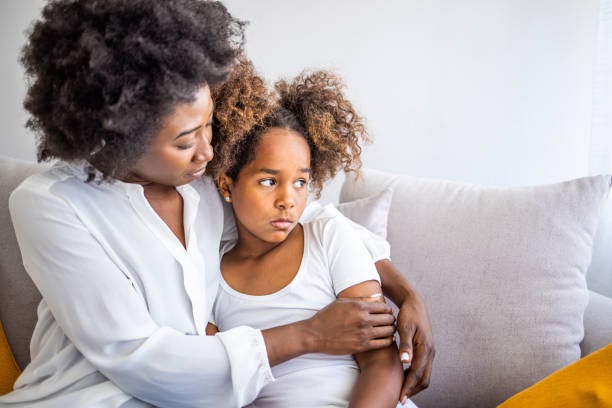
Growing older, things began to change. The vulnerability we once embraced with ease became a rarity, hidden beneath layers of self-doubt and societal expectations. We began to express ourselves with filters, guarding our emotions, fearing rejection or judgment from others, even those closest to us. We struggle to recapture the unfiltered authenticity that once came so naturally.
In our last journey on mental wellness, we explored the therapeutic heart of active listening. This week, we delve into the transformative power of vulnerability. We gain insights into why vulnerability might be daunting, analyze the societal hurdles that prevent it from being expressed, and ultimately motivate a return to the childish innocence of expressing our genuine selves with others.
Text within this block will maintain its original spacing when published
What happens when people open their hearts? They get better- Haruki Murakami
Vulnerability is a state of emotional exposure that comes with a certain degree of uncertainty. It involves a person's willingness to accept the emotional risk that comes from being open and willing to love and be loved.
Embracing vulnerability enables us to express our true selves without the need for constant approval from others. It cultivates empathy, allowing us to dismantle our barriers, comprehend and share emotions more easily, and inspire others to do the same. Consequently, our understanding deepens, making us more inclined to forgive and love others.
Vulnerability helps us forge stronger connections and relationships with others. It enables us to find individuals who accept us for who we truly are, facilitating authentic and meaningful connections.
By embracing vulnerability, we can navigate our emotions more effectively instead of suppressing them. This, in turn, promotes positive emotional and mental well-being. Vulnerability also serves as a testament to courage, as it empowers us to embrace our authentic selves and acknowledge our emotions, making us more resilient and brave.
There are several reasons we find it hard to be vulnerable, one of them being Trauma. The feeling of safety in relationships can be affected by any distressing experience. Trauma inherently creates a sense of danger in the world, making it difficult to have trust after being hurt. This fear intensifies when the person responsible for the trauma is someone we love. In such cases, we often blame ourselves for being "too trusting" or believe that we were responsible for what occurred. Consequently, we may convince ourselves to build emotional barriers and protect their vulnerability in future situations.
Another reason we find it hard to be vulnerable is the fear of rejection. Experiencing intense rejection can be akin to trauma, and even minor instances can evoke a fear of exposing our vulnerability. When we take a leap of faith and encounter ridicule or shame from others, it's natural to perceive ourselves as naive. While some of us brush off negative outcomes and redirect our efforts, others place blame on external factors or circumstances. However, in certain situations, we tend to blame ourselves and harbor anger for daring to embark on something daring in the first place.
Not all societies or cultures universally embrace vulnerability. Emotional expression is more readily accepted in some cultures than in others, regardless of our personal preferences. Additionally, caregivers play a significant role in shaping our perception of vulnerability. The way our parents identified, expressed, and dealt with their own emotions can serve as an important influence. If you were raised with the belief that vulnerability was negative or unacceptable, if you were expected to display toughness or bravery at any expense, or if you viewed emotions as a sign of weakness, it is unsurprising that embracing vulnerability becomes difficult for you.
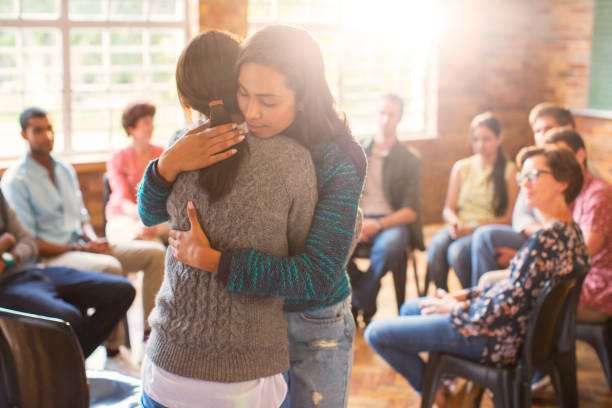
Overcoming the fears associated with vulnerability requires both time and effort. Engaging in this process can be challenging, particularly if it's unfamiliar territory for you. Nevertheless, learning how to embrace vulnerability, as well as allowing others to do the same, can yield truly rewarding outcomes.
Here are steps we can take to improve our vulnerability;
Begin with Self-Compassion
Recognize that struggling with vulnerability does not mean you are broken. It is a natural aspect of being human. Your fear stems from a place of self-protection, indicating that your mind and body are looking out for you. Instead of being hard on yourself, try cultivating kindness. Acknowledge when you feel anxious and allow yourself to sit with moments of sadness. When feelings of shame arise, focus on validating and accepting yourself.
Embrace Vulnerability in Others
Seek out role models who can confidently embrace their authentic selves, flaws, and all. Look for individuals who openly acknowledge their imperfections. Similarly, practice active listening and refrain from judging others based on their experiences. The more you can be present and supportive as others reveal themselves, the more comfortable you will become with different emotions.
Find Trustworthy friends
Embarking on the journey of vulnerability often involves taking numerous small steps. One of the initial steps is finding at least one person with whom you can gradually start being more honest. This doesn't mean you have to disclose your life story right away. Trust takes time to build, and it's perfectly normal to approach it cautiously. However, as you practice self-disclosure, it becomes easier. Ensure that you choose individuals who can validate, support, and encourage you.
Consider Therapy
If the fear of vulnerability persists, seeking therapy can provide significant relief and proactive solutions for personal growth. A therapist can assist you in exploring the triggers related to vulnerability and work with you to develop safe and gradual steps towards progress in your relationship with yourself and others.
Vulnerability and Over-sharing are two different things. Vulnerability brings people closer and fosters a sense of connection while oversharing has the opposite effect. Oversharing is uncomfortable and unsatisfying for both parties involved. The person receiving the overshared information may feel confused, unable to provide the desired support, and burdened by unexpected expectations. Moreover, the person oversharing exposes themselves by sharing personal experiences with someone unfamiliar. If they don’t receive the validation and reciprocity they seek they end up feeling isolated. Oversharing often stems from hidden motivations and needs, such as a longing for intimacy, connection, and belonging, but it fails to fulfill these desires.
Ultimately, our journey towards emotional well-being calls for a return to the childlike purity of sharing our true selves with others. When we were children, vulnerability came naturally to us. We trusted our parents and felt comfortable confiding in them, knowing they would accept us unconditionally. As we grow older, we often lose touch with that innate ability to be vulnerable, fearing judgment and rejection. However, by reigniting our capacity for vulnerability, we can foster deeper connections, reclaim our authenticity, and embark on a journey of self-discovery and emotional resilience.
In conclusion, By understanding why vulnerability may feel daunting and recognizing the societal barriers that hinder its expression, we can begin to dismantle these limitations and embrace vulnerability once more. Let us reclaim the childlike purity of sharing our true selves with others, unlocking deeper connections, self-acceptance, and personal growth. It is through vulnerability that we can rediscover the strength and courage to navigate life's challenges with authenticity and emotional resilience. It's time to peel back the layers of defense we've erected and rediscover the essence of vulnerability that once enlivened our lives.
Text within this block will maintain its original spacing when published
“It’s very hard to have ideas. It’s very hard to put yourself out there, it’s very hard to be vulnerable, but those people who do that are the dreamers, the thinkers and the creators. They are the magic people of the world.”-Amy Poehler
Yours in mental wellness,
Rema.
PS: You can tell me your stories. I want to hear your thoughts on your mental journey, what you want me to write about, and generally about anything. I am here to listen to you.
No posts
Comments
Nothing yet. Say the first thing.
Sign in to join the conversation.