
Before fashion, before magazines, before we learn what good taste is supposed to look like, our eyes are already being educated by the places that raise us. I truly believe that where we come from shapes the way we see beauty.
I know that’s true for me.
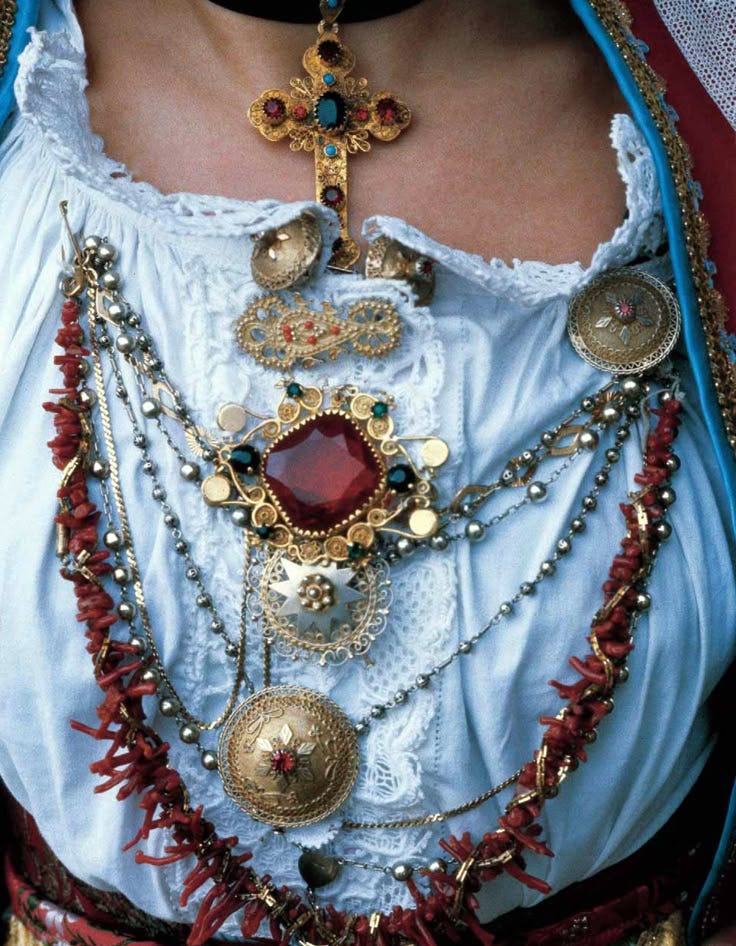
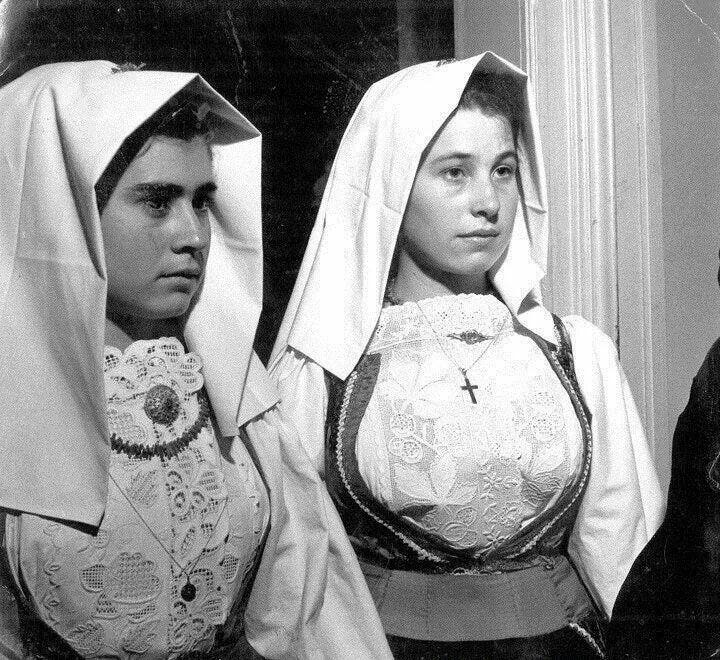
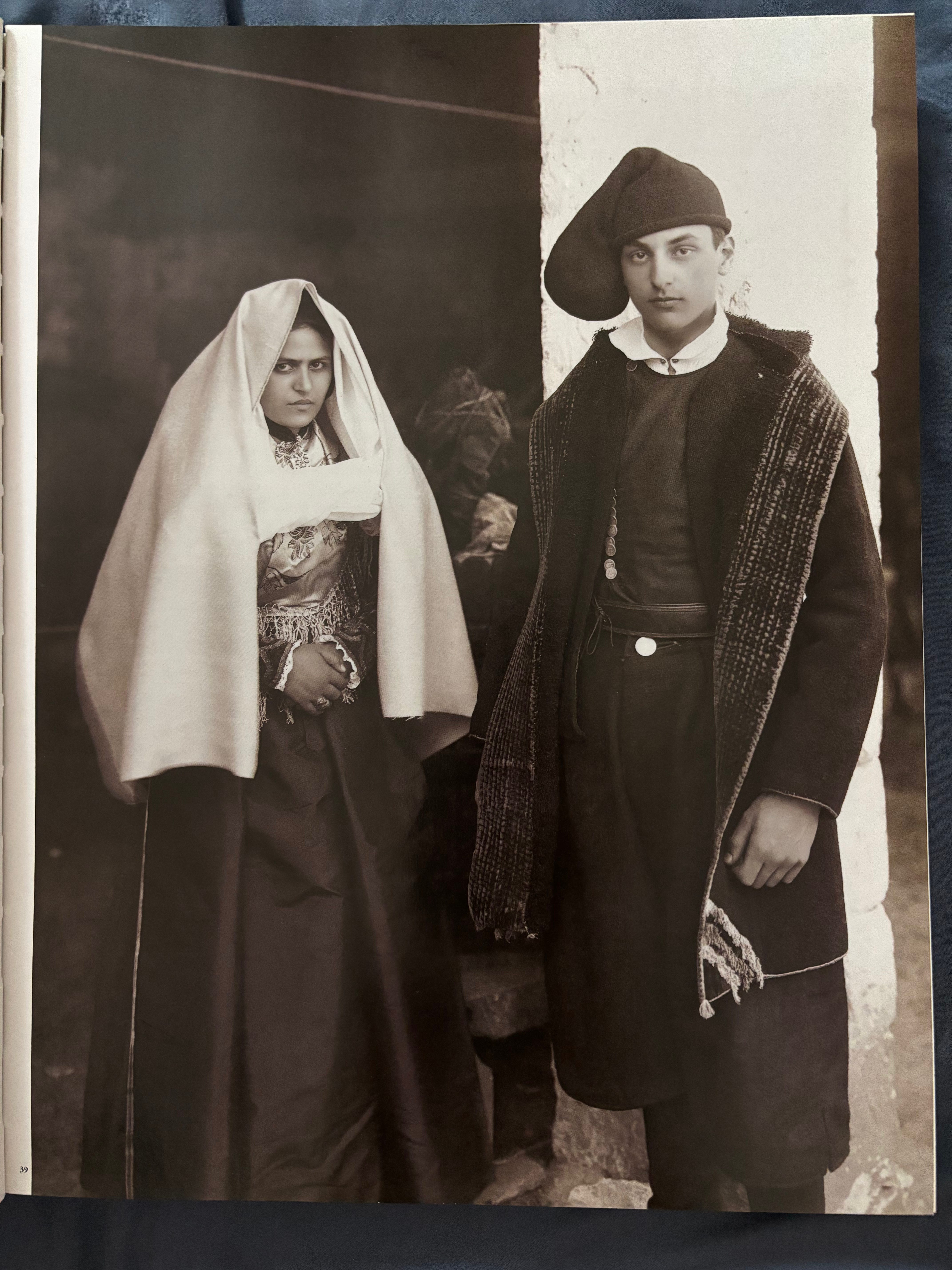
Growing up in Sardinia taught me to notice beautiful things before I ever had the words for them. It taught me that beauty isn’t always polished or precious, but often imperfect and meaningful. A piece of jewellery passed down through generations, or the intricate embroidery of a traditional costume, those were my first lessons in design, even if I didn’t realise it at the time.
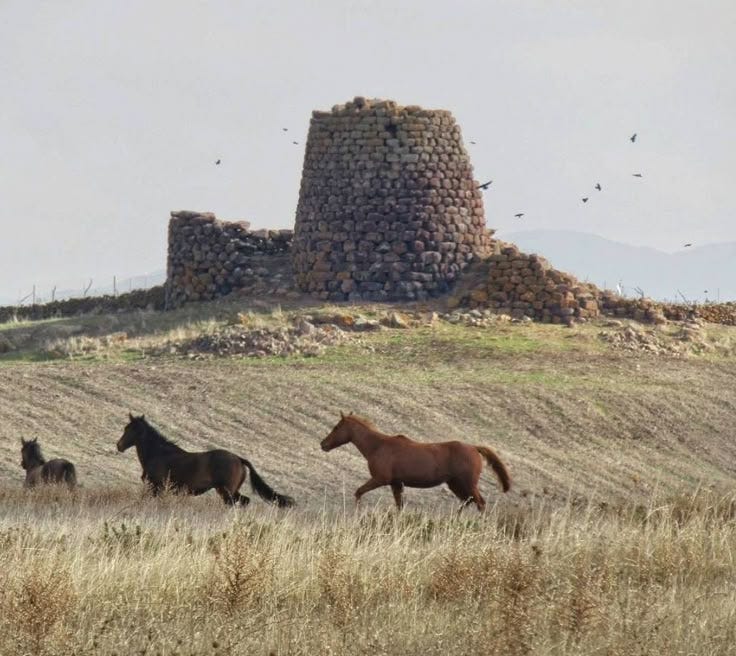
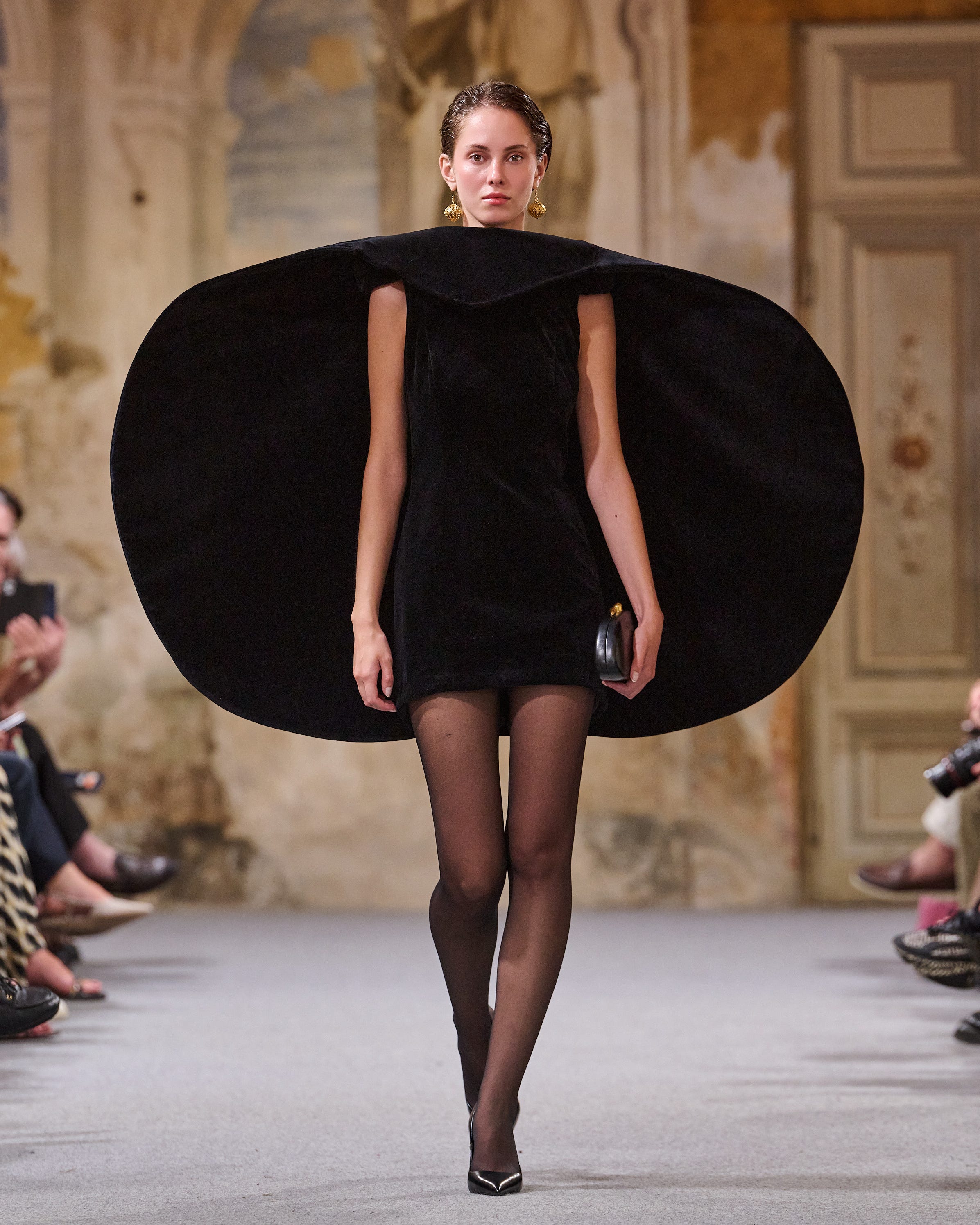
When I came across Mater, the graduate collection by Istituto Marangoni student Arianna Corrias, I had the feeling that that had happened to her too. Her work carries the unmistakable rhythm of the island, its memories and the reverence for tradition that I relate to so deeply.
I wanted to ask her about what shaped her and her collection, how much Sardinia there is in it and how the island found its way into her work. It’s with a lot of Sardinian pride that I introduce you to her beautiful world and collection.
Below is my conversation with Arianna, one of the finalists selected for Istituto Marangoni Florence’s 2026 Best Designers Fashion Show.
G: Tell me about yourself. Where are you from, and what’s your story?
I’m Arianna Corrias, and I grew up in La Caletta, a small seaside village on the east coast of Sardinia. Ever since I was little, I loved spending my days at my grandmother’s house. I would watch her with endless curiosity as she opened her sewing case. I remember playing with her buttons, arranging them by colour. Then one day, she put a needle and thread in my hands, and I started making clothes for my dolls. It was the beginning of a genuine passion.
During high school, I attended the Francesco Ciusa Art School in Nuoro, where I specialised in fashion. After graduating, I enrolled at Istituto Marangoni in Florence, where I developed a deeper knowledge and understanding of fashion. Pattern cutting has become one of my greatest passions, and I’m determined to create collections that are worthy of carrying the name of Sardinia.
G: Who are you designing for? Who do you imagine wearing Mater?
Mater isn’t something you simply wear. It’s something you experience. It’s the story of a culture. I don’t imagine real people wearing Mater. I imagine astral figures, beings that seem to come from another realm. Otherworldly, wrapped in an aura of mystery. Ethereal.
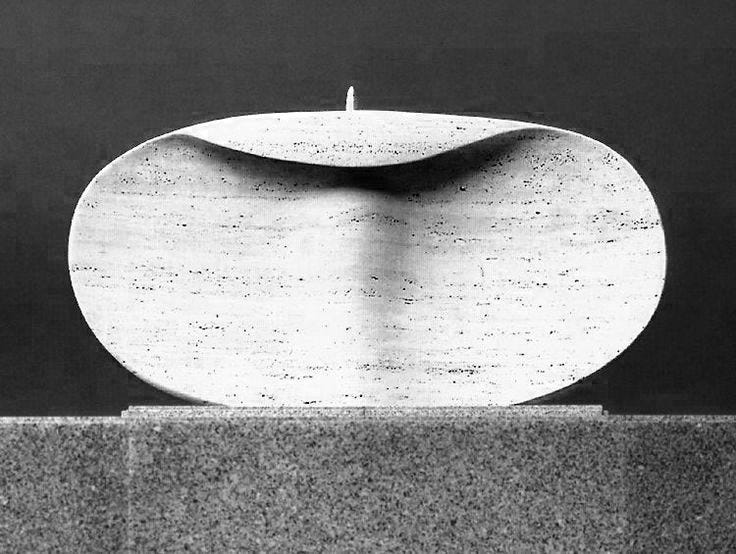
G: How much has Sardinia influenced the way you see the world, and how much of that perspective lives on in your collection today?
I think that being born and raised in Sardinia gave me a deep need to tell the story of where I come from, but not in a traditional way. I wanted to offer a personal vision, one that allows people to see Sardinia through my eyes.
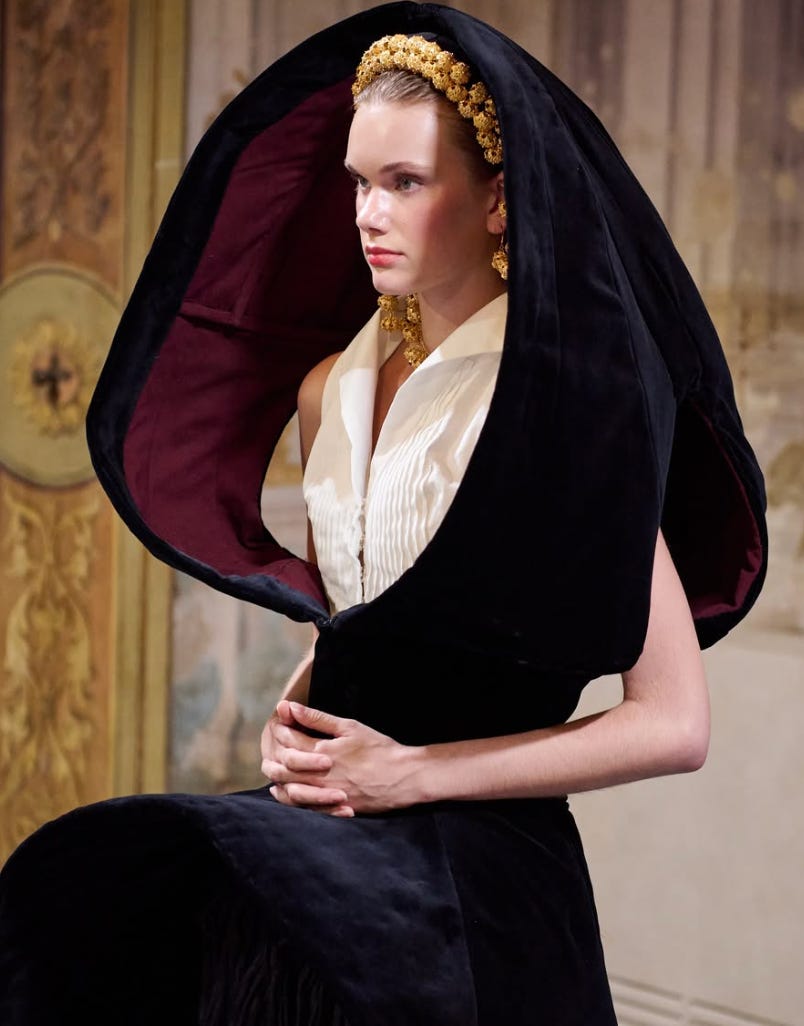
Living away from home has certainly shaped that perspective. During my year abroad in the United States, whenever I told people I came from an island in the Mediterranean called Sardinia, they would ask countless questions about my culture. I loved answering them. I wanted to explain everything in the smallest detail, almost as if I had to help them picture exactly what my home looked and felt like.
That curiosity pushed me to learn even more about my own heritage so I could describe it as faithfully as possible. It almost felt like a responsibility.
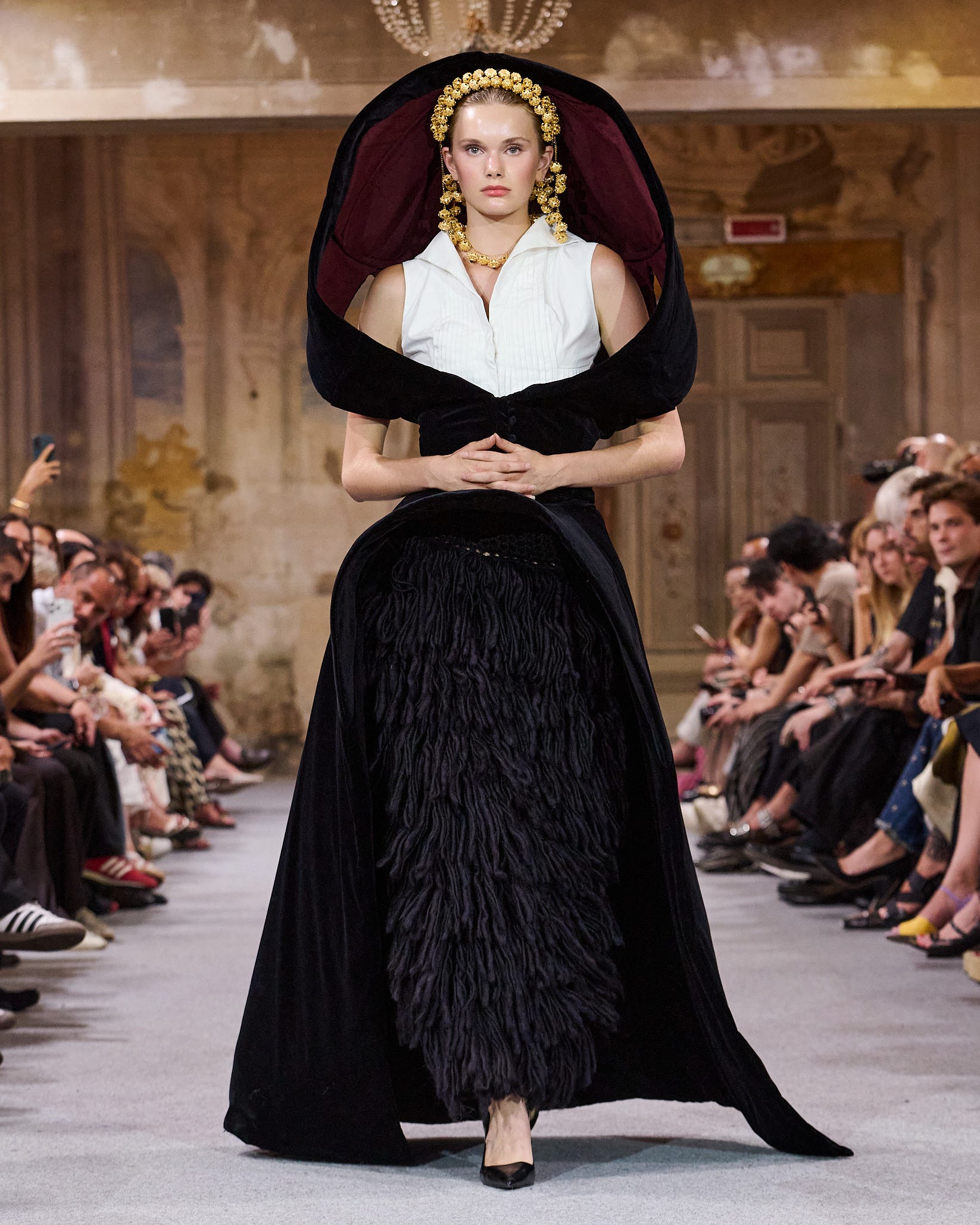
G: Why did you choose the name Mater? What does it mean to you?
Mater comes from Latin and it means “Mother.” My collection is inspired by the Sardinian woman: a daughter, a mother, a grandmother. She is the guardian of culture and knowledge, a pillar of the Sardinian community.
The Sardinian woman isn’t necessarily affectionate in the way the traditional stereotype of motherhood often suggests. But she is always there. She is someone you can rely on, someone who gives you serenity, security, wisdom and strength.
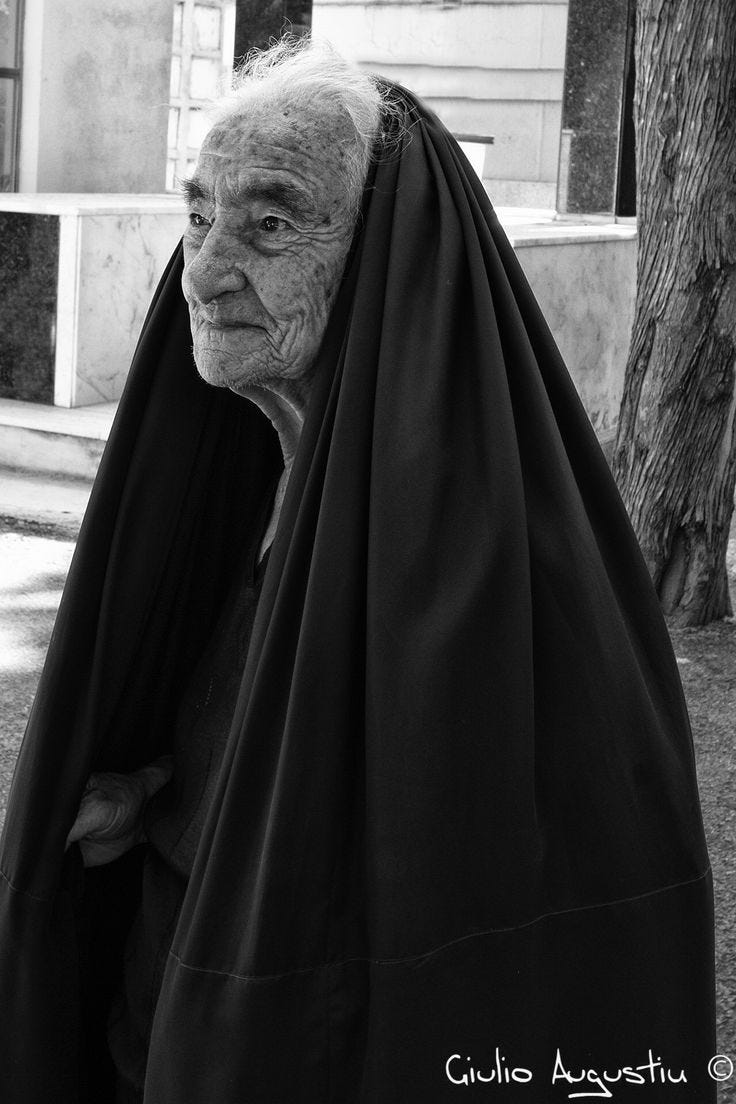
Sardinia was also one of the last matriarchal societies. Historically, women occupied a central role within many Sardinian communities, not because they dominated men, but because they were considered the custodians of family, knowledge and tradition.
That’s why I find comfort in the word Mater. It brings me home. It makes me feel safe.
Comments
Nothing yet. Say the first thing.
Sign in to join the conversation.