
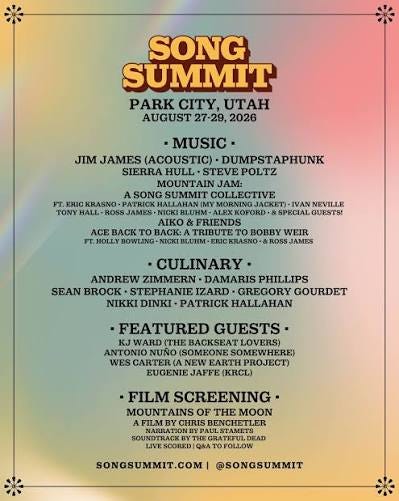
There are tribute events, and then there are occasions that go considerably beyond the format the word “tribute” usually describes. What is being assembled for Saturday, August 29 across two venues is the second kind, a night built around Bobby Weir’s contributions to the Grateful Dead and to American music, programmed with the care and the genuine musical intelligence that the man and his legacy deserve. Whether you spend the evening at the Marquis on Main St or at the Jim Santy Auditorium, or find a way to experience both, August 29 is a night that the community will be talking about for a long time afterward. Read More!
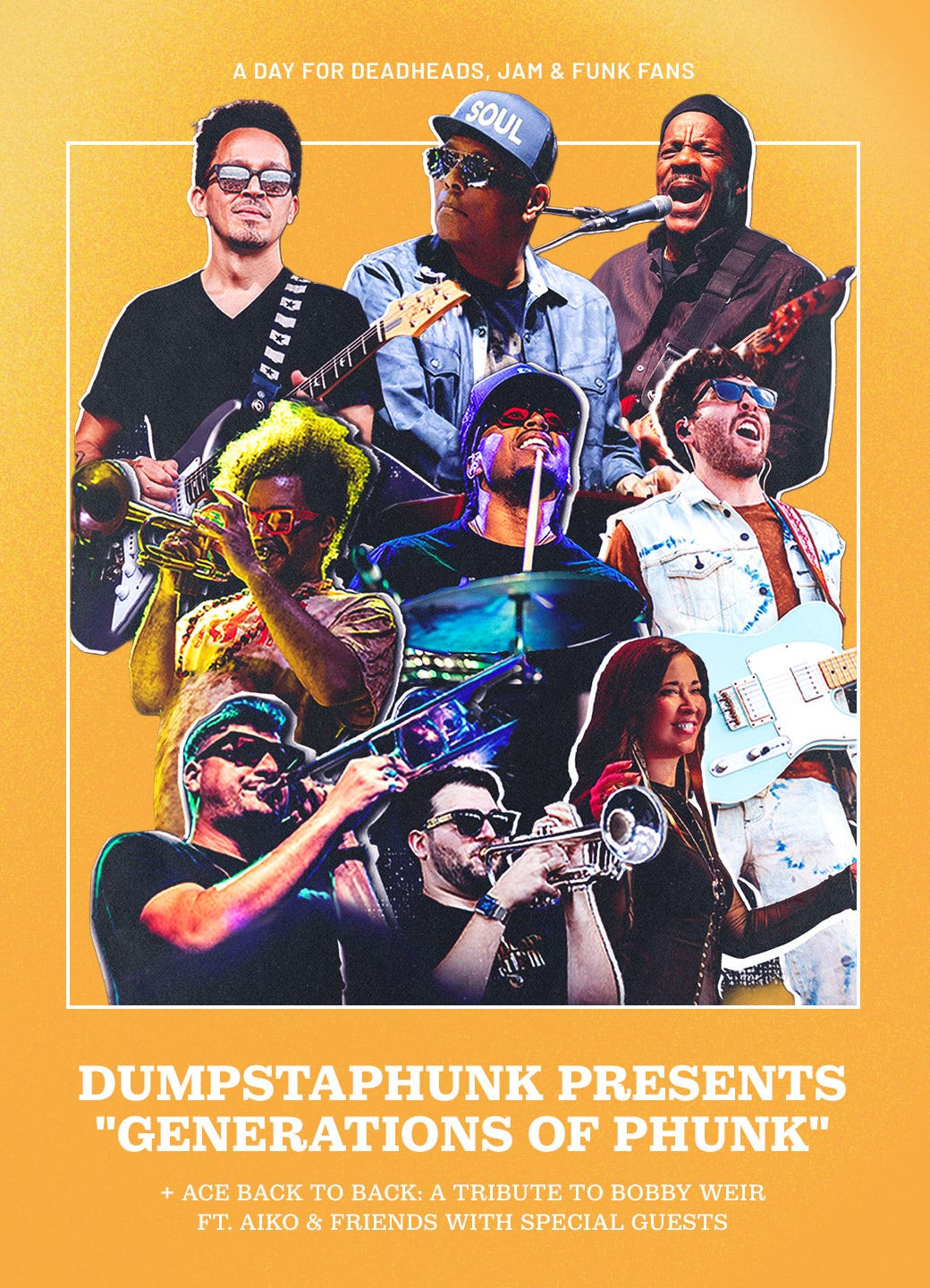
The main event of the evening is a night at the Marquis on Main St presented under the title Ace Back to Back, a two-act program that moves from intimate, deeply felt tribute into large-scale, groove-driven celebration with the kind of musical intelligence that only happens when the right people are in the room with the right material.
The evening opens with Aiko and Friends, joined by a collection of special guests whose individual biographies read as a concentrated summary of what the contemporary Dead-adjacent musical world looks like at its most accomplished. Eric Krasno brings guitar work that spans the full range of the jam and funk traditions, an improvisational intelligence rooted in years of playing across multiple genre contexts that gives him the flexibility to approach the Weir catalog from multiple angles simultaneously rather than settling into a single interpretive mode. Holly Bowling, whose keyboard technique and deep harmonic engagement with the Dead’s compositional language have made her one of the most singular voices in the current scene, anchors the keys with the specific quality that Weir’s rhythm-guitar-centered material has always required from its keyboard players: presence without overstatement, harmonic richness without crowding the space that the rhythm guitar itself needs to breathe.
Ross James contributes the collaborative instincts and musical sensitivity that have made him a trusted presence in multiple contexts across the broader Dead universe, and Nicki Bluhm’s vocal range and blues-rooted expressiveness bring exactly what the more demanding emotional material in the Weir catalog requires. Songs that Bob Weir wrote and sang carry a specific kind of weight in the current moment, and having a vocalist of Bluhm’s capability and genuine feeling at the center of the tribute ensures that the performances land with the fullness they deserve.
The tribute to Weir in this format is not a recreation and is not attempting to be one. It is a celebration by musicians who love the music and who bring their own distinct voices to it, which is exactly the kind of tribute that serves the legacy rather than simply representing it.
The night then shifts direction completely with Dumpstaphunk presenting their Generations of Phunk program, and the shift is not a departure from the evening’s spirit but an expansion of it. Dumpstaphunk carries the deep Neville family roots and the full weight of the New Orleans second-line tradition into every performance, and their commitment to the groove-driven, collectively improvised approach that defines the best of New Orleans funk connects to the Grateful Dead’s own rhythm-centered values more directly than surface appearances might suggest. The Dead were always listening to New Orleans. The feel of songs like Estimated Prophet and Fire on the Mountain owes debts to the funk tradition that go well beyond casual influence. A night that moves from Weir tribute to deep New Orleans funk is a night that illuminates both traditions from the inside. The Marquis on Main St is a 21-plus venue, and GA and VIP tickets as well as VIP tables are available now. Read More!
While the Marquis on Main St anchors the evening’s primary concert programming, the Jim Santy Auditorium is hosting a day of Summit Lab events on August 29 that approach the Weir and Dead legacy from entirely different angles and produce experiences that no standard concert format could replicate.
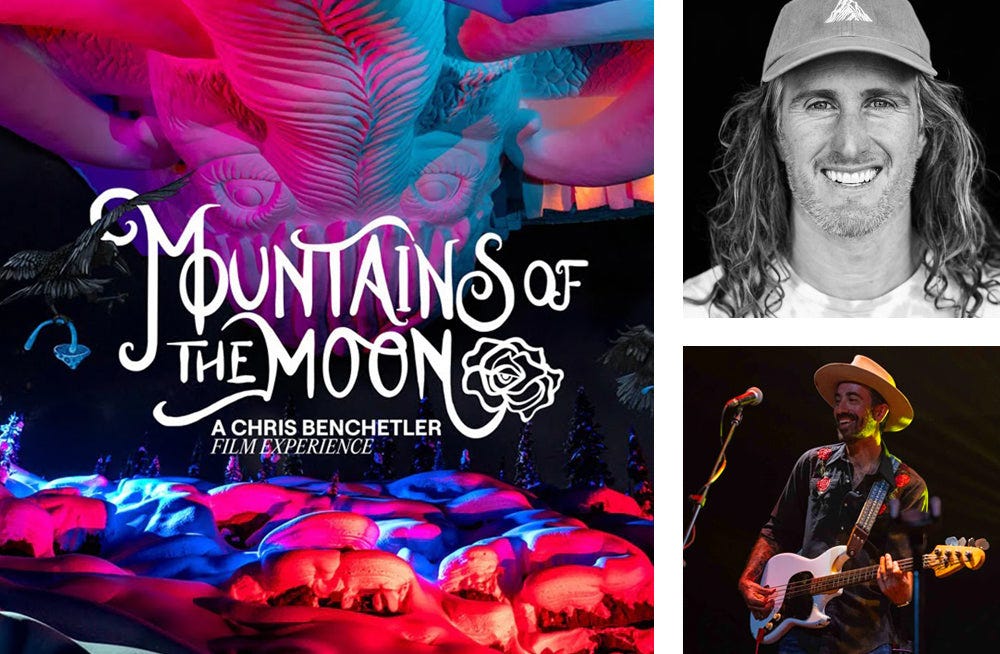
Mountains of the Moon is a film screening with a live score, and the combination of those two elements with this specific subject matter creates something genuinely new. The film was created by Chris Benchetler, an artist, athlete, and visionary whose perspective on landscape, natural systems, and human experience within the physical world has been documented in work that consistently surprises and moves its audiences. The film is narrated by Paul Stamets, the mycologist and author whose decades of research into fungal networks and their relationship to broader ecological systems has made him one of the most compelling public voices on the question of how the natural world actually functions beneath the surface of what we can easily observe.
The live score is drawn from the music of the Grateful Dead, performed by Eric Krasno, Ross James, Nicki Bluhm, Alex Koford, and Holly Bowling as the film unfolds on screen. The decision to score Mountains of the Moon with Dead music is not decorative. The band’s catalog has always carried within it a genuine ecological consciousness, an awareness of landscape and natural systems and the relationship between human consciousness and the larger world that the music inhabits, and bringing that music into direct contact with Benchetler’s visual perspective and Stamets’s narration creates a layered experience that each element could not produce alone. A question-and-answer session with the filmmakers follows the screening, extending the evening into conversation and reflection. Lab Day Passes are available for this event.
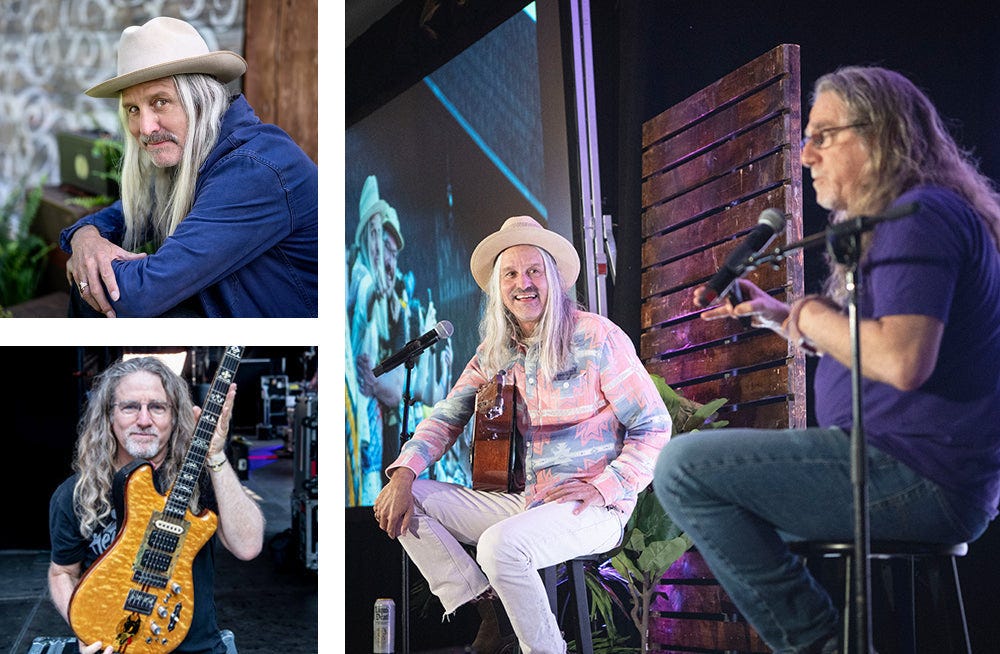
The second Summit Lab program at the Jim Santy Auditorium is titled Workingman’s Dead, and its description as “part concert, part storytelling, entirely unforgettable” is earned rather than promotional. Legendary singer-songwriter Steve Poltz performs iconic Bobby Weir and Grateful Dead songs throughout the set, but the performance is woven together with live slideshow storytelling by Jay Blakesberg, the photographer whose decades of documenting the Grateful Dead and the community around them have produced one of the most comprehensive and emotionally resonant visual archives of the band’s life and legacy in existence. Blakesberg’s photographs are not background material. They are a parallel narrative, running alongside Poltz’s musical performance and creating a two-channel experience that moves between sound and image in ways that reflect the full dimensionality of what the Dead actually were.
Poltz adds his own signature in-the-moment songwriting to the mix, meaning the set is not fully scripted in advance. Material emerges from the occasion itself, from what the photographs suggest, from what the songs bring forward, from the specific atmosphere of this particular evening on this particular date in this particular moment of the community’s history. The result is something that cannot be repeated because it is constituted by its own specific circumstances, which is as close as any tribute event can come to the spirit of the Grateful Dead’s own live practice. Lab Day Passes provide access to this program as well. Read More!
The events assembled for August 29 at the Marquis on Main St and the Jim Santy Auditorium are not simply a well-programmed Saturday. They represent a considered response to a specific moment in the community’s history, a moment defined by the loss of Bobby Weir and by the community’s ongoing effort to honor what he contributed without reducing that contribution to any single format or any single register of feeling.
Ace Back to Back approaches the tribute through live music, through the specific pleasure of hearing musicians who love the catalog bring their own voices to it in a room where the shared experience of the audience amplifies everything. Mountains of the Moon approaches it through the intersection of music, film, ecology, and the kind of perspective on the natural world that the Dead’s catalog has always expressed and invited. Workingman’s Dead approaches it through the combination of song and image and improvised storytelling, through the specific magic of what happens when a photographer’s lifetime of documentation meets a songwriter’s in-the-moment creative instincts.
Three different approaches, three different venues, three different kinds of experience, all oriented around the same subject: a man who played rhythm guitar with the Grateful Dead for thirty years, who wrote songs that have become part of the fabric of American music, and who deserves exactly the quality of attention that August 29 is prepared to give him. Read More!
![Summer Magic 1985 [20CD]](https://substackcdn.com/image/fetch/$s_!M9KC!,f_auto,q_auto:good,fl_progressive:steep/https%3A%2F%2Fsubstack-post-media.s3.amazonaws.com%2Fpublic%2Fimages%2Ff868e8c3-7d9d-4bb1-b233-4b79c625605d_1000x1000.png "Summer Magic 1985 [20CD]")
The September 18 release date for the Summer Magic 1985 twenty-CD box set is approaching, and the community’s anticipation is continuing to build since the announcement arrived earlier this month. The collection of seven previously unreleased complete concerts from the band’s twentieth anniversary summer tour, including the three-night Greek Theatre Berkeley run from June 14 through 16, the legendary rainy night at Hershey Park Stadium on June 28, and both Merriweather Post Pavilion nights on June 30 and July 1, represents the most significant single archival release the Dead estate has announced this year by any measure.
Pre-orders are live through Dead.net at one hundred and ninety-nine dollars and ninety-eight cents for one of the ten thousand individually numbered physical copies, with digital editions to follow. The Sugar Magnolia preview track from the June 30 Merriweather show is currently streaming on all platforms and doing exactly what a preview track should do, which is make the listener immediately want to hear everything else from that night and from the full collection. With two months remaining before release, the anticipation in collecting circles is at the level that only genuinely important archival releases generate.
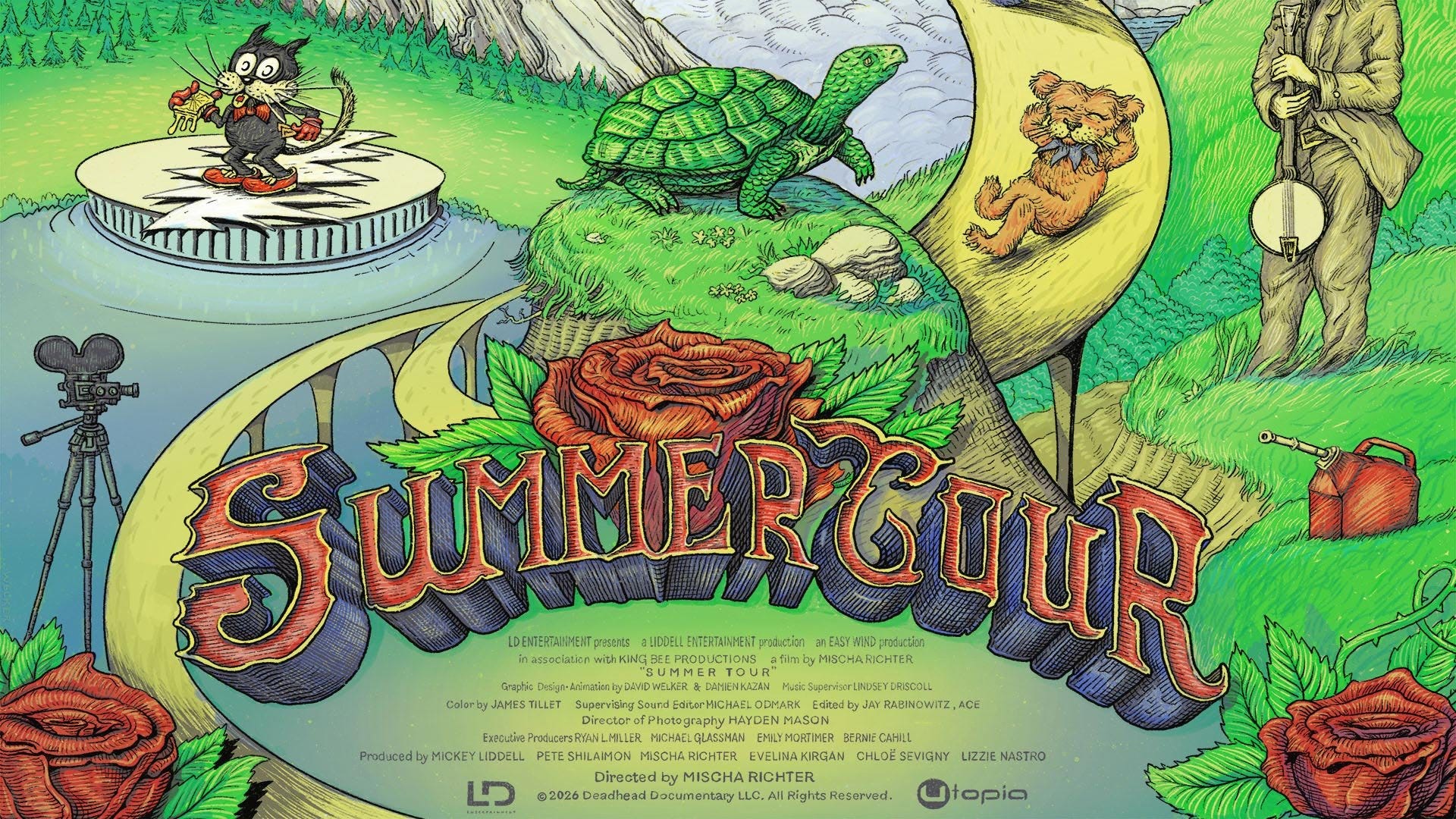
A new documentary feature titled Summer Tour, directed by filmmaker Mischa Richter, hit theaters in late July 2026, and its subject is both specific and culturally significant: the modern generation of Deadheads who followed Dead and Company through their final traditional tour runs. The film is a document of what the touring community that formed around the band looks like from the inside in the twenty-first century, how it has changed and how it has remained continuous with the traditions established decades earlier, and what it means to a generation of young fans to follow a band with the dedication and the communal spirit that the Dead’s touring always inspired.
Richter’s choice to focus on the fans rather than the musicians is an astute one, because the story of the Grateful Dead has always been as much about the community as about the band, and a film that documents the modern expression of that community is doing something that archival recordings and estate releases, however important, cannot do. Summer Tour captures something alive and present, the evidence that what was built over thirty years of touring did not die when the band stopped touring but migrated into the lives of people who are still living it, and that migration is the most important story in the Grateful Dead’s ongoing legacy.
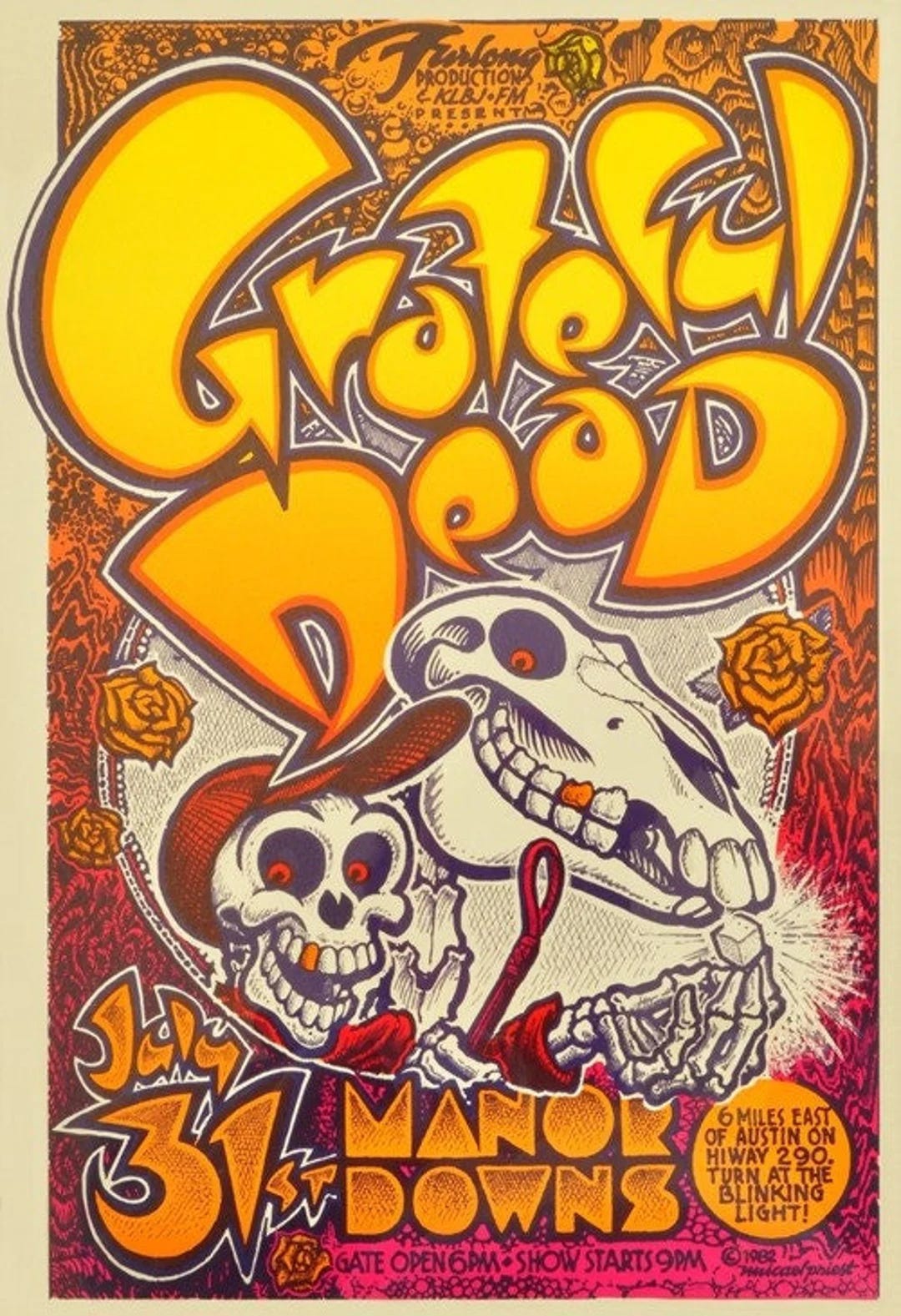
Everything Came Together at Manor Downs, Revisiting the Grateful Dead’s Explosive July 31, 1982 Performance in Texas Before Jerry Garcia’s 40th Birthday. Every era of the Grateful Dead produced concerts that would eventually become legendary among Deadheads, tape collectors, musicians, and historians. While the band’s celebrated performances from the early 1970s often receive the greatest public recognition, the Brent Mydland years created an entirely different kind of magic. The Grateful Dead of the early 1980s played with a sharper edge, greater urgency, and an unmistakable rock and roll intensity that transformed familiar songs into adrenaline fueled journeys. Few concerts capture that spirit better than the band’s remarkable performance on July 31, 1982, at Manor Downs, just outside Austin, Texas.
For decades, this concert has occupied a special place in Grateful Dead circles. It is consistently praised as one of the finest performances of the 1982 touring year, a night when every element aligned perfectly. The playing was inspired, the audience was completely engaged, the recording quality proved exceptional, and the band’s collective chemistry created one of the most satisfying shows of the Brent Mydland era. Long before its official release, the Manor Downs performance circulated widely among collectors, becoming one of those recordings that experienced listeners eagerly recommended to anyone seeking to understand why the Grateful Dead remained one of America’s greatest live bands.
The timing of the concert makes its success even more remarkable. The Grateful Dead’s 1982 summer tour followed the relentless pace that had become a defining characteristic of the band’s touring life. Only days earlier, they had completed an acclaimed two night engagement at Red Rocks Amphitheatre in Colorado, performances that attracted thousands of traveling Deadheads. Rather than moving conveniently to another nearby city, the band’s itinerary took an unusual turn. They scheduled a single standalone performance in Texas before immediately heading north again for Oklahoma City, where Jerry Garcia would celebrate his fortieth birthday with another concert the very next evening. Read More!
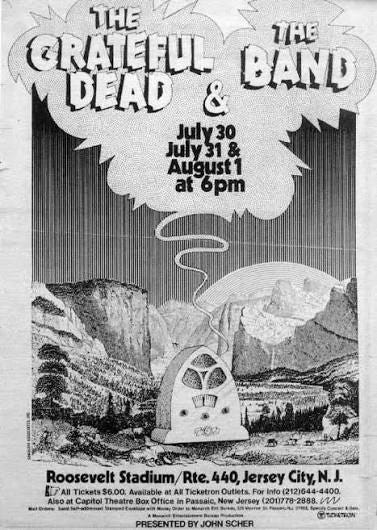
There are concerts that the Grateful Dead fan community holds in a category above ordinary shows, recordings that collectors reach for when they want to demonstrate to a skeptical newcomer what the band was actually capable of at its greatest, performances so fully realized and so documentably extraordinary that their reputation has only grown in the decades since the tape was first circulated. The show the Dead played at Roosevelt Stadium in Jersey City on August 1, 1973, is one of a small number of concerts that belong in that category without qualification. Tomorrow night, Don’s Pick on The Grateful Dead Live brings that show to Saturday night radio in the broadcast format it deserves, and if you have never heard it, tomorrow is the night to find out what the conversation has been about for fifty years.
Don’s Pick is exactly what its name suggests: a single, carefully selected recording from the vast archive of Grateful Dead live performance, chosen each Saturday night by Don with the curatorial intelligence and genuine musical love that the program has built its reputation on. Not every show in the archive is equal, and Don has spent years demonstrating that the choices made at this level, the decision about which recording deserves a Saturday night broadcast and a full hour of serious listening, reveal the archive’s depth in ways that no greatest-hits approach ever could. Tomorrow’s selection is among the most historically significant he has offered, and the context surrounding it makes it resonate even more powerfully than it would in isolation.

The date requires a moment of proper historical placement, because the circumstances surrounding the August 1, 1973 show at Roosevelt Stadium were extraordinary even by the standards of a touring year as consistently strong as 1973 had been. The band had just come off of its appearance at the Watkins Glen Summer Jam, the festival near Watkins Glen, New York, that drew an estimated six hundred thousand people and remains to this day one of the largest gathering events in American history. The Dead performed a marathon set at Watkins Glen that has been discussed by collectors and historians ever since as one of the defining moments of the band’s mid-career peak. Coming to Roosevelt Stadium three days later, fresh from that experience and in celebration of Garcia’s thirty-first birthday, the band arrived in Jersey City with momentum, joy, and the specific kind of focused creative energy that follows a performance of that magnitude.
The co-headlining bill with The Band made the evening something considerably larger than a standard Dead show. The Band, at that point in 1973, were one of the most critically acclaimed and musically influential acts in American rock, the ensemble that had defined a certain rootsy, historically grounded approach to rock music on records like Music From Big Pink and The Band and had spent years as the backing group behind Bob Dylan before establishing their own formidable identity. The combination of these two ensembles on the same summer night at Roosevelt Stadium represented, in musical terms, a convergence of two of the most serious and most individual voices in American popular music, and the audience that gathered on the Jersey City waterfront that evening knew it.
The Band opened the night with a set that left the crowd fully energized, and as the evening developed, members of The Band made their way to the stage during the Dead’s performance to join in, creating the kind of spontaneous inter-band collaboration that was always possible within the countercultural touring ecosystem of the early 1970s and that, when it happened with musicians of this caliber, produced something genuinely unrepeatable. The birthday context added another layer: fans who were there remember a fireworks display lighting up the Jersey City sky mid-concert in honor of Garcia, an outdoor celebration in the middle of a performance that turned an already exceptional night into something approaching communal ceremony.
The show pushed late into the night, closing with a high-energy run through Goin’ Down the Road Feeling Bad into One More Saturday Night, the kind of upbeat, audience-releasing encore that sent seventy-two hours’ worth of Watkins Glen and Roosevelt Stadium energy back out into the New Jersey summer air. But the encore was not what made this concert legendary. What made it legendary was a continuous sequence in the second set that represents, for many Deadheads who have spent years with the 1973 catalog, the single most extraordinary uninterrupted stretch of music the band produced in that entire extraordinary year.
The four-song continuous improvisational block that occupies the heart of the second set at Roosevelt Stadium on August 1, 1973, is the reason this concert has circulated among collectors for decades, the reason tribute bands recreate it, the reason Dark Star Orchestra has chosen it as the setlist for their own Jerry Garcia birthday tribute concert. Taken together as a single sustained piece of music, it represents approximately an hour of continuous performance that moves through jazz-inflected cosmic exploration, an abrupt stylistic gear-shift that should not work but is absolutely flawless, an extended melodic peak of uncommon fluidity and inspiration, and a thunderous emotional conclusion that leaves the listener genuinely spent. Walking through it piece by piece is the best way to understand why it matters.
Dark Star opened the sequence, and the version that unfolded over approximately twenty-five minutes is among the most fully realized performances of a composition that has produced dozens of performances worth serious attention. Dark Star, the instrumental cornerstone of the Dead’s most exploratory live work, is not a song in the conventional sense. It is a framework, a set of melodic and harmonic reference points around which the band constructed something different every night, and the version at Roosevelt Stadium moved through jazz-inflected textures and spacious, atmospheric passages with a patience and internal logic that reflects the specific qualities of the 1973 touring year at its very best. Garcia’s guitar during the extended exploratory sections is operating in territory that sits at the intersection of Miles Davis’s Kind of Blue period and the American folk tradition, a combination that the Dead had been developing for years and that reached a specific kind of maturity in the summer of 1973.
The transition that followed Dark Star is one of the most discussed moments in the entire Grateful Dead live canon, and it is worth taking a moment to appreciate what actually happened. Rather than resolving Dark Star back into its verse structure or segueing into territory that would have been tonally continuous with what preceded it, Bob Weir pivoted the band instantly and completely into El Paso, Marty Robbins’ classic country narrative, a genre context so far removed from the jazz-inflected spaciousness of the extended Dark Star that the transition should have felt jarring and disruptive. Instead, it felt like a perfectly timed joke delivered by a master comedian who knew exactly where the audience was and exactly how to surprise them while also giving them exactly what they wanted. The band landed in El Paso with complete authority, played it with genuine energy and conviction, and demonstrated in the process that the catalog they were drawing from was wide enough to contain anything they chose to put inside it.
Eyes of the World followed, and the version played that night has been described by collectors who have spent years with the complete 1973 archive as uniquely inspired even within a year that produced consistently exceptional versions of the song. The track had been part of the active setlist since its introduction earlier in 1973, and the band was playing it with the confidence that comes from having developed a deep relationship with new material over months of live performance. Garcia’s lead work across the approximately twenty-minute performance is documented as particularly fluid and dialed-in, the kind of playing that suggests a musician who has moved past conscious decision-making into something more intuitive and more direct, where the music is arriving rather than being constructed.
Morning Dew brought the sequence to its conclusion, and the approximately thirteen minutes of the version played that night are what the term “thunderous emotional peak” is coined for. Morning Dew, in the right hands on the right night, is one of the most emotionally demanding pieces in the Dead’s live repertoire, a song that requires the full investment of every musician on stage and that, when played with complete commitment, produces the specific kind of shared emotional experience that cannot be fully described in any critical vocabulary. The Roosevelt Stadium version on August 1, 1973, arrived at the end of an hour of continuous music that had taken the audience from cosmic exploration to country comedy to melodic euphoria to raw emotional catharsis, and the audience that received it had been prepared by everything that preceded it for exactly what it delivered.
The continuous run from Dark Star through Morning Dew, roughly an hour of music with no breaks and no resolution into anything other than the next movement in an ongoing compositional statement, is the recording that Don is putting on the air tomorrow night. If you have been looking for a reason to understand what the Grateful Dead were doing at their greatest, this is it.
The choice to air this specific concert at this specific moment in the summer of 2026 is not incidental to what is happening in the broader Grateful Dead community. This summer has been defined, in ways that anyone following the music closely has felt, by the community’s processing of the loss of founding members and by the various archival and tribute projects that have emerged in that context. The August 1, 1973 Roosevelt Stadium show is a document of Jerry Garcia at the age of thirty-one, playing at an extraordinary creative peak, with a band around him that was operating at the level of collective excellence that only years of shared performance produce. Hearing it now, in this summer, is an act of preservation and celebration simultaneously.
It is also a New Jersey show, a fact that connects tomorrow night’s broadcast directly to the community this program serves and has always served. Roosevelt Stadium no longer exists in its original form, but the location in Jersey City where it stood still carries the memory of everything that happened there, and the knowledge that Garcia turned thirty-one at that location while the Dead were playing some of the most extraordinary music of their career is a piece of local history that belongs to this region in a specific and irreplaceable way.
Don has spent years making choices that reveal the archive rather than simply representing it, and the August 1, 1973 selection reflects the same intelligence that has defined the program from the beginning. This is not the most famous recording in the Dead catalog. It is the right recording for this moment, and the difference between those two things is exactly what Don’s Pick has always been about.
Planet Drum Circle!
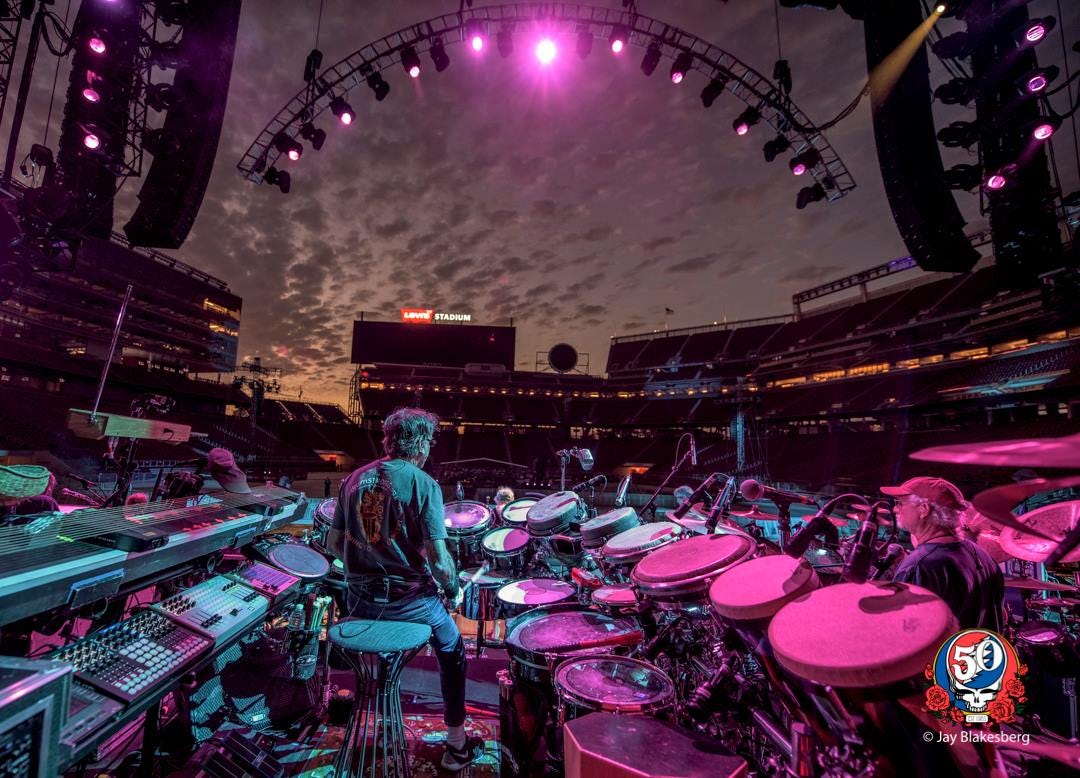
Planet Drum Circle is an invigorating radio show that takes listeners on a rhythmic journey through the vibrant world of percussion, led by none other than Mickey Hart and Bill Kreutzmann, two legendary drummers best known for their roles in the Grateful Dead. Broadcasting for an hour every Sunday, this show is a testament to the power of rhythm and the universal language of music.
An old fashioned Hour A Week Good Ole ‘Planet Drum Circle’ every Sunday Morning at 11AM EST!
Every Sunday Morning at 11AM EST
The JGB Radio Show!
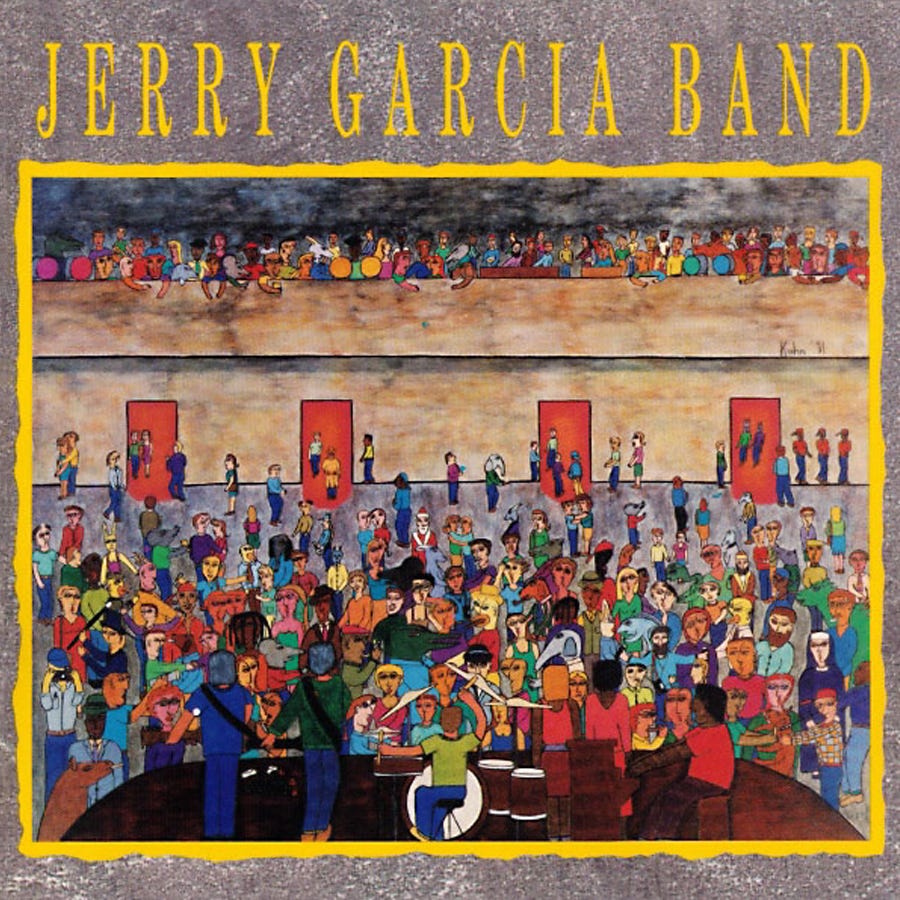
Celebrating Jerry Garcia’s Solo Projects with Live Music. When it comes to iconic figures in the world of music, Jerry Garcia is a name that stands out. Known primarily as the lead guitarist and vocalist of the Grateful Dead, Garcia’s influence on the music industry cannot be overstated. However, what many people may not be aware of is Garcia’s extensive solo career, which produced some incredible music that deserves recognition.
FIVE (5) Hours of Live Jerry Garcia Music from His Solo Projects Every Sunday Night!
Every Sunday Night Starting at 9PM EST
The Ace Radio Show!
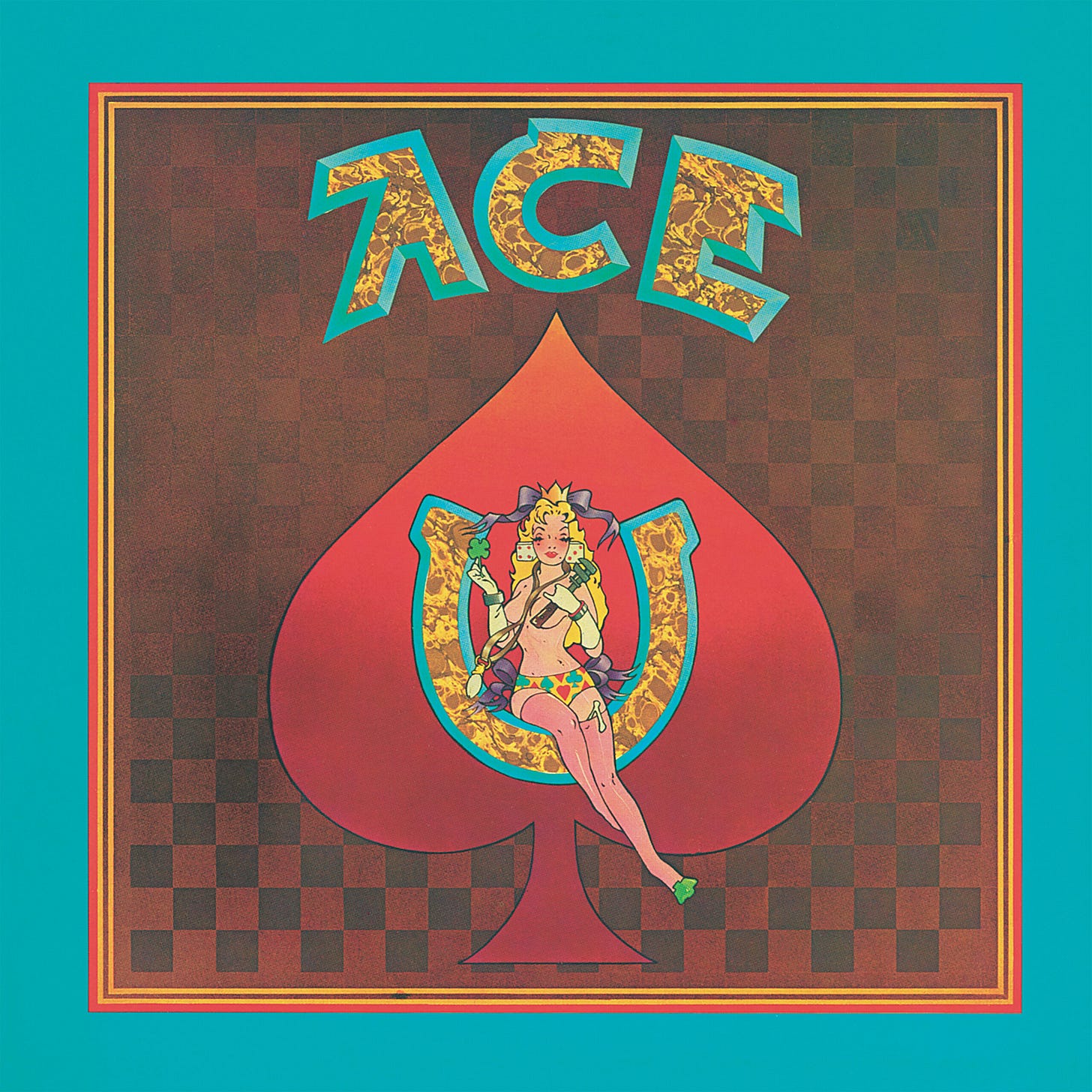
The Ace Radio Show is a mesmerizing journey into the musical universe of Bob Weir, the iconic guitarist, singer, and founding member of the Grateful Dead. This radio show is a celebration of Weir’s solo projects, showcasing his distinctive blend of rock, folk, and Americana that has captivated audiences for decades.
The Bob Weir ‘Ace Radio Show’ features FIVE (5) Hours of Live Music from his solo projects every week!
Phil & Friends Radio Show!
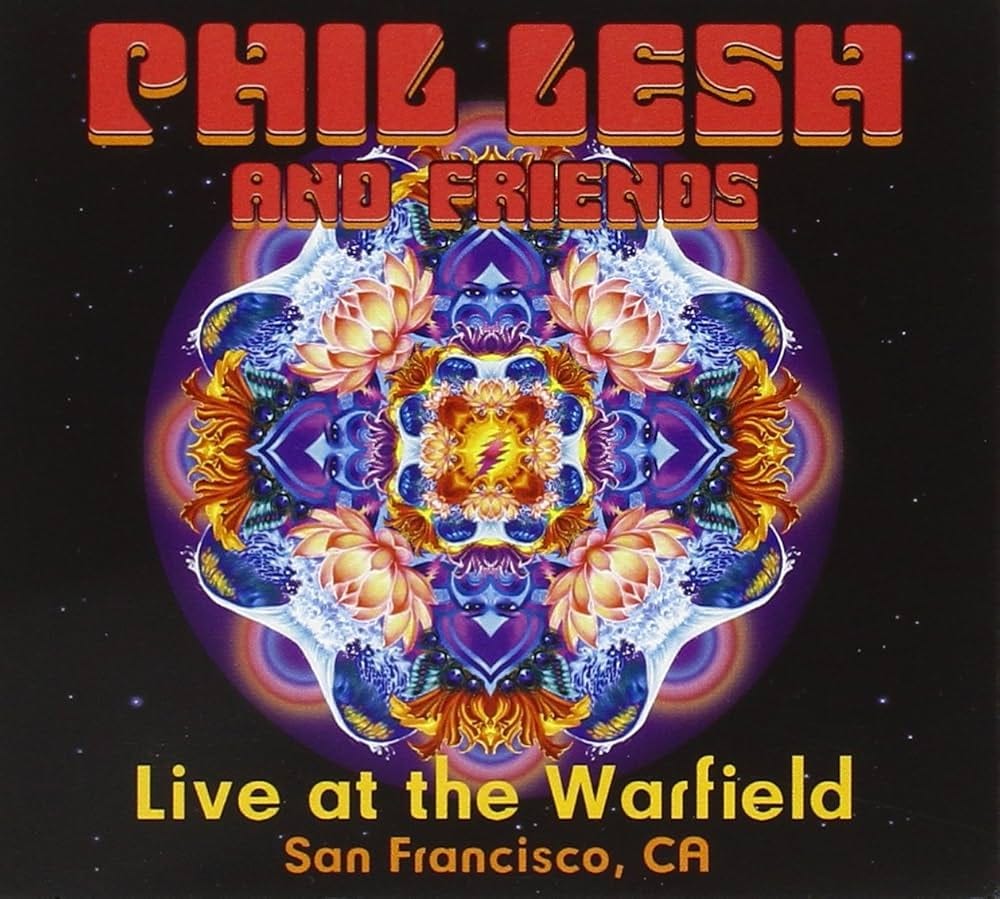
The Phil & Friends Radio Show is a captivating journey into the musical universe of Phil Lesh, the iconic bassist and founding member of the Grateful Dead. This radio show is a celebration of Lesh’s solo projects and his collaborations with a rotating cast of talented musicians, collectively known as Phil & Friends. Through a curated selection of live recordings, the show highlights Lesh’s distinctive style and his contributions to the rich tapestry of improvisational rock music.
The Phil & Friends Radio Show features FIVE (5) Hours of Live Music from their shows every week!
Every Tuesday Night at 9PM EST
Music Plays The Band Radio Show
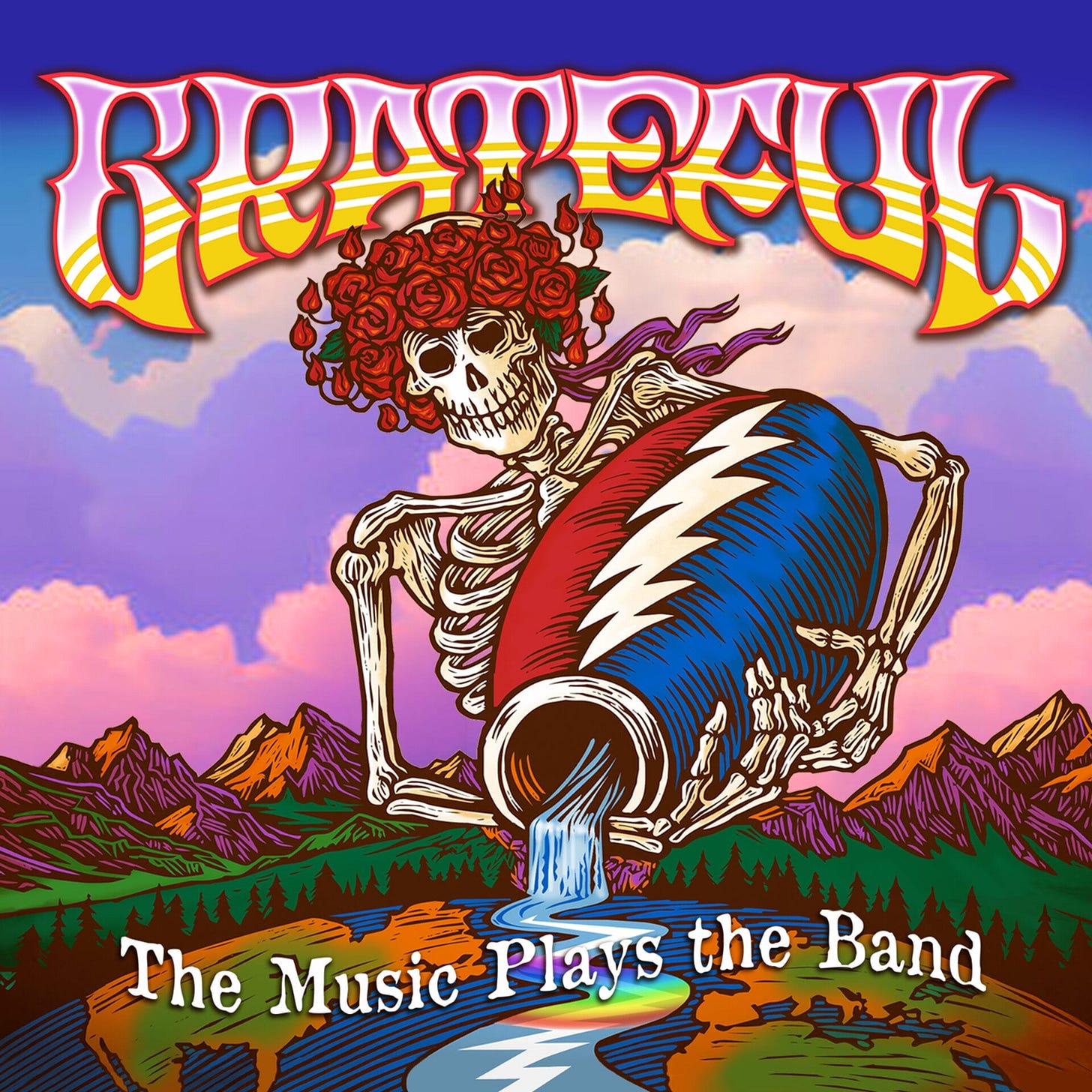
The Music Plays The Band Radio Show plays live music by Grateful Dead Cover Bands. Grateful Dead, the iconic American rock band, has left an indelible mark on music history. Known for their improvisational style, eclectic sound, and devoted fan base, the Grateful Dead’s influence continues to resonate long after their disbandment. While the original band members may no longer grace the stage together, the spirit of the Grateful Dead lives on through the countless cover bands that pay homage to their music. In this show, we explore the world of Grateful Dead cover bands and the important role they play in keeping the legacy alive.
The Music Plays The Band Radio Show features FIVE (5) Hours of Live Music every week!
Every Wednesday Night at 9PM EST
Fare Thee Well Radio Show!
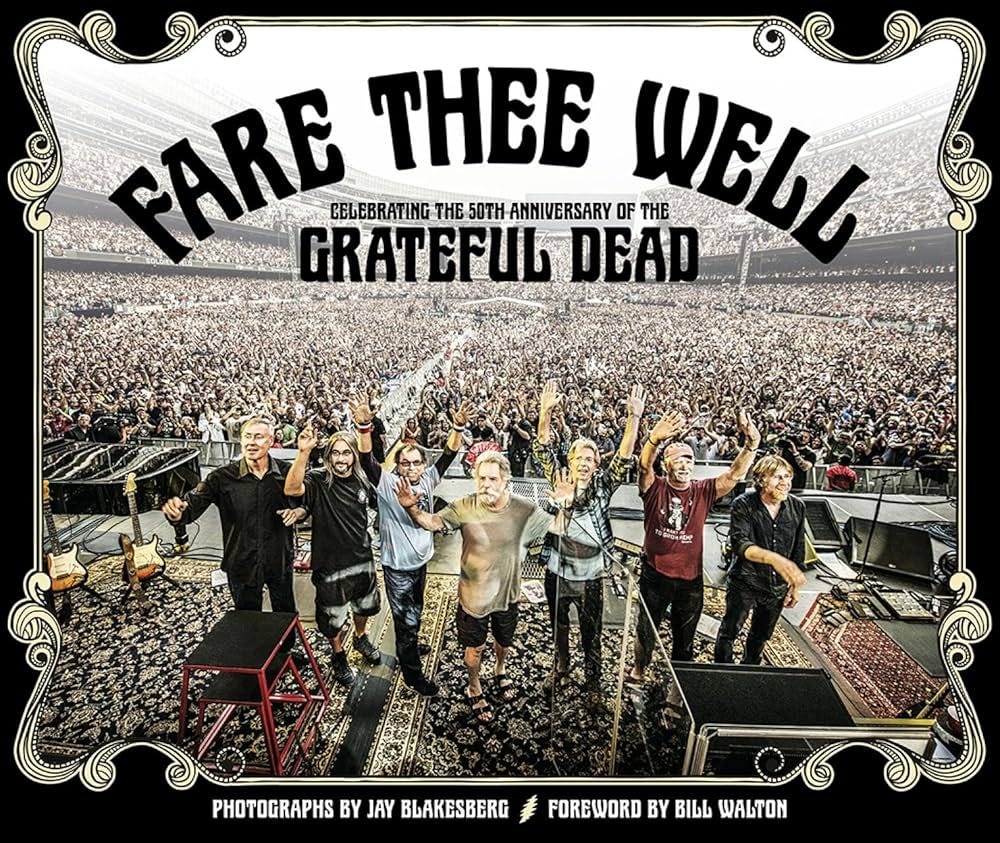
Fare Thee Well is a poignant radio show that serves as a musical tribute to the bands formed by members of the Grateful Dead following the passing of their iconic frontman, Jerry Garcia. Born out of a desire to honor Garcia’s legacy and continue the spirit of the Grateful Dead’s music, “Fare Thee Well” showcases the diverse and vibrant musical endeavors undertaken by the surviving members in the wake of Garcia’s absence.
Fare Thee Well Radio Show features FIVE (5) Hours of Live Music every week!
Every Thursday Night at 9PM EST
Don’s Pick Radio Show!
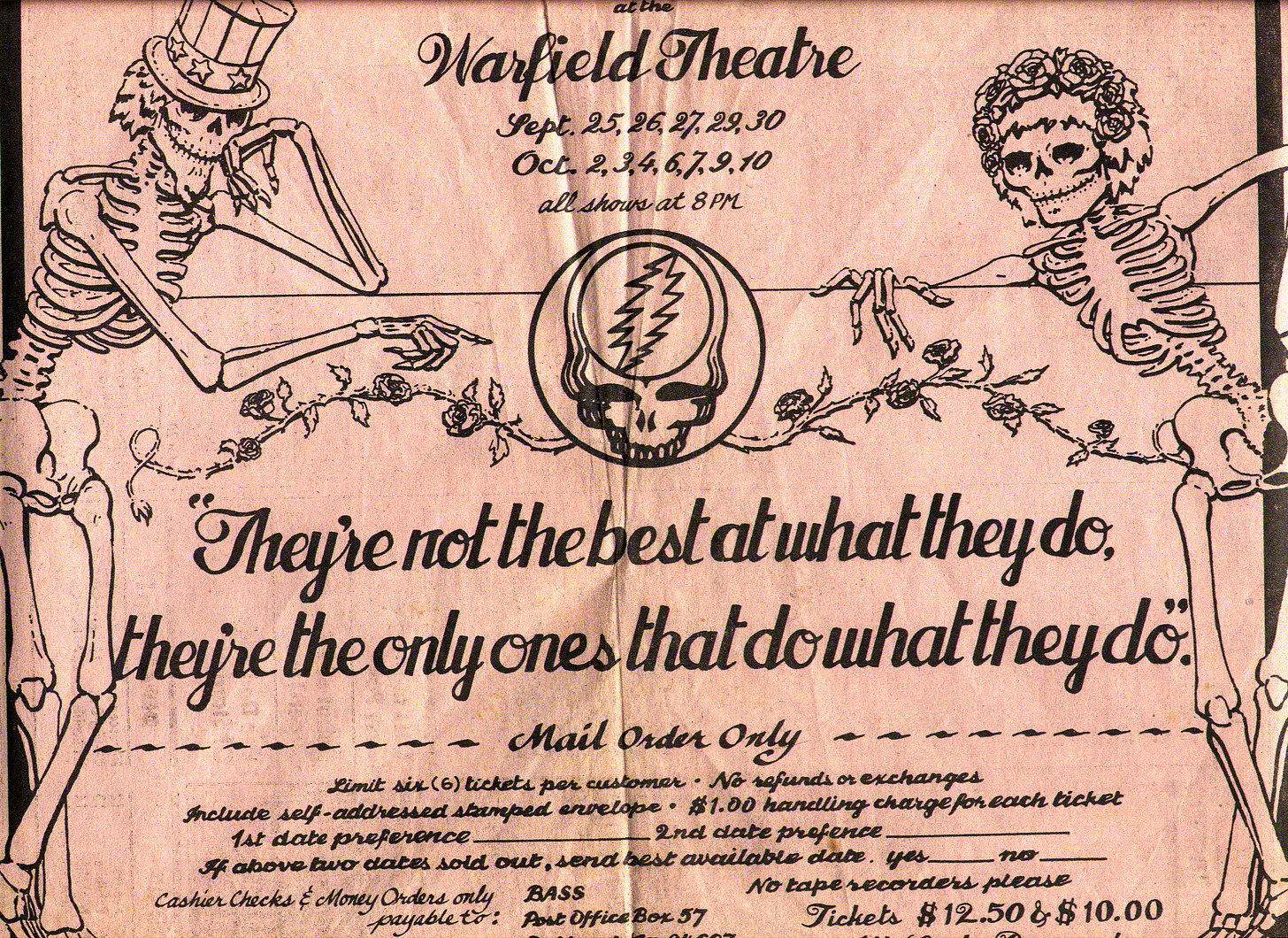
Every Saturday Night, “Don’s Pick” will delve into the extensive archives of live Grateful Dead performances to handpick a show that captures the essence and spirit of the band at their finest with the hope providing new shows & new versions of music by the band. From legendary concerts to hidden gems, Don’s meticulous selection process ensures that listeners are treated to an unforgettable musical experience and will deliver shows not available in Stores or as Live downloads.
Every Saturday Night Beginning at 9PM EST
NPR NEWS NOW
The Ace Radio Show is a mesmerizing journey into the musical universe of Bob Weir, the iconic guitarist, singer, and founding member of the Grateful Dead. This radio show is a celebration of Weir’s solo projects, showcasing his distinctive blend of rock, folk, and Americana that has captivated audiences for decades.
The Bob Weir ‘Ace Radio Show’ features FIVE (5) Hours of Live Music from his solo projects every week!
FOUR (4) TIMES DAILY AT 9AM, 12 NOON, 6PM & 830PM EST
Dedicated entirely to live Grateful Dead performances. Radio shows include JGB Radio (live Jerry Garcia), Ace Radio (live Bob Weir), Phil & Friends, Music Plays the Band (Dead cover bands), and Fare Thee Well (post-Jerry shows). Don’s Pick spotlights a handpicked live show weekly, while Planet Drum Circle dedicates an hour to Drums.
The Grateful Dead Live Merch Stand in The Vending Lot!
Comments
Nothing yet. Say the first thing.
Sign in to join the conversation.