
Today’s Newsletter is Sponsored by Zedcrest Wealth, Your Trusted Investment Partner
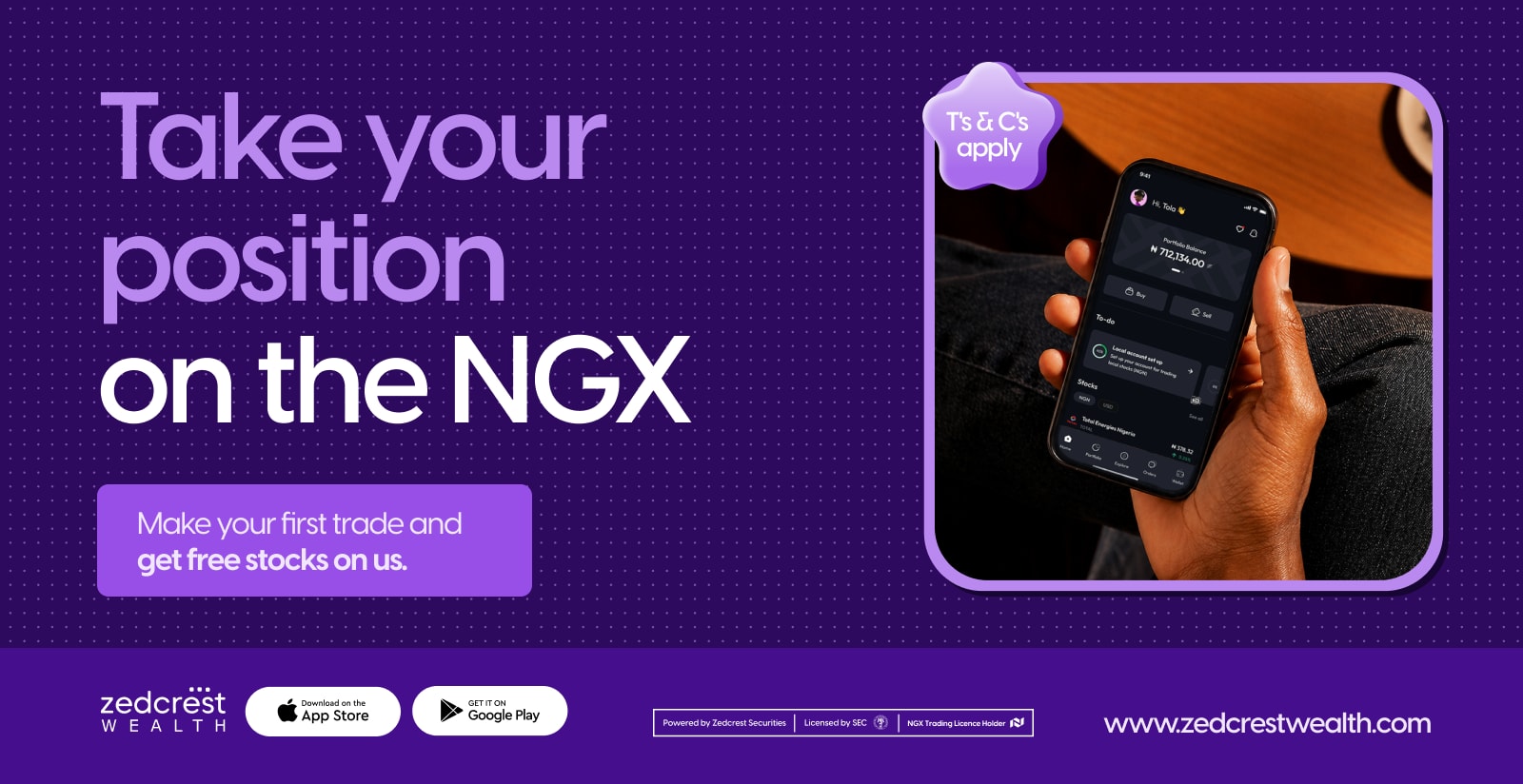
The market is open, but opportunity doesn't wait. With the new Stocks module on the Zedcrest Wealth app, you can invest in companies listed on the Nigerian Exchange and take a more active role in building long-term wealth. Open a CSCS account, make your first trade, and get free stocks.
Download the app and take your position today.
Today’s Content
Toxic Workplaces vs Unemployment
Talent Factory Launches Cohort 2
Advertise with us (Send us an email - Thegenzhr@gmail.com)

Falilat@Falilatt_
I would rather face a toxic workplace than have to face unemployment.
3:43 PM · Aug 2, 2026 · 1.46M Views
214 Replies · 123 Reposts · 657 Likes
“I would rather face a toxic workplace than have to face unemployment.”
That one sentence was enough to set Nigerian Twitter on fire. Thousands of people weighed in. Some agreed immediately. Others couldn’t believe anyone who had experienced a truly toxic workplace could make such a statement. The replies were heartbreaking.
“I woke up every Sunday crying because I knew Monday was coming.” “I questioned my own sanity.” “I started taking anxiety medication.” “I left without a Plan B and thanked God every day for being unemployed.”
Then came the other side.
“Try being unemployed in this economy.” “Tell your landlord you chose peace of mind.” “It’s easy to say until your children’s school fees are due.”
For days, I read both sides and somewhere in the middle of the debate, I realised something; We’re comparing two tragedies. We’re asking people to choose between financial pain and psychological pain. Between survival and sanity. Between hunger and hopelessness. Maybe that’s why the conversation became so emotional because almost everyone has experienced one of them. Some have experienced both. I have.

Felix The GenZ HR is HIRING@bsong_HR
August Dump? I didn't die even after losing my mojo & being sad the whole month due to an experience with a toxic client. I understand better why most of you are still in a toxic workplace but I hope you have the courage to pull out. I refunded the client their full fees cos...
7:33 AM · Sep 4, 2025 · 10.3K Views
7 Replies · 11 Reposts · 104 Likes
Last year, I walked away from a client, not because they couldn’t pay and not because the project failed. I refunded every naira they paid us. Every single kobo because I wanted absolutely nothing tying us to them anymore. People thought I was crazy. Why would anyone refund money in this economy? Simple. Because the money had become too expensive. Every call became an interrogation. Every message made me anxious. Every deliverable was somehow never enough. I started questioning my own competence. Me o. Someone who has built HR systems, hired hundreds of people, advised founders, spoken on stages and trained thousands of professionals.
I started wondering if maybe I wasn’t as good as people thought I was. I second-guessed decisions that would normally take me seconds to make. I carried conversations into my sleep. I lost my spark. The irony? Around the same time, I was posting pictures celebrating my birthday. Celebrating moving into a new home. Smiling. Working. Building. Nobody knew that internally, I was falling apart.
Looking back now, I understand something many people don’t. Toxicity doesn’t always attack your body first, it attacks your identity. It whispers, “Maybe you’re actually the problem” and if you hear that voice long enough, you begin to believe it.
People often imagine toxic workplaces as shouting bosses or impossible deadlines, or terrible salaries. Those are symptoms. The real damage happens much deeper. Psychologists have long documented that prolonged exposure to hostile, unpredictable, or psychologically unsafe environments can lead to chronic stress, anxiety, burnout, depression, emotional exhaustion, reduced self-esteem, and even symptoms associated with trauma. Your nervous system never relaxes. You become hypervigilant. You overthink every email. Every Slack notification feels like bad news. Every meeting invitation raises your heartbeat. Sunday evenings become terrifying because Monday is waiting. You stop trusting your judgment. You apologise for things that aren’t your fault. You ask permission to speak. You shrink and perhaps the most dangerous part..., you begin to believe this version of yourself is the real you. It isn’t, it’s just survival.
Let’s not romanticise unemployment either. It is brutal, especially in today’s economy. The financial pressure is obvious. Bills don’t stop because you’re searching for work. Rent is still due. School fees don’t disappear. Your parents still call. Friends begin asking, “Any update?” and eventually they stop asking. Then comes something even heavier, shame.
Many people don’t realise how much of their identity is tied to work until they no longer have one.
“What do you do?” It’s a harmless question until you don’t have an answer.
Research consistently shows that unemployment is associated with higher rates of anxiety, depression, loneliness, reduced self-worth, financial stress, and even poorer physical health outcomes. Beyond income, work often provides structure, purpose, social connection, and a sense of identity. When it’s suddenly gone, many people feel as though a part of themselves has disappeared too.
You start applying for everything. Jobs you never imagined yourself doing. Roles you know you’re overqualified for, not because they’re your dream, because survival has become the dream.
One comment during the debate stayed with me.
“The most foolish person you know suddenly starts advising you.”
I laughed then I realised how painfully true it was. Unemployment doesn’t just affect your wallet, it affects your dignity.
The internet loves black-and-white answers but life doesn’t.
If you’re 24, living with your parents, have savings, no dependants, and a strong support system..., leaving a toxic workplace might be easier.
If you’re supporting four children, paying rent, servicing loans, and caring for elderly parents... That same decision looks very different.
Context matters. Privilege matters. Savings matter. Support systems matter. The severity of the toxicity matters. Not every difficult manager is toxic, not every demanding workplace is abusive. Likewise, not every period of unemployment looks the same. This is why comparing the two as though one answer fits everyone is dangerous.
Having experienced both, I choose unemployment. Not because unemployment is easy, not because I enjoy uncertainty, I don’t. I choose it because I now understand something I didn’t before. Money can rebuild a bank account. It’s much harder to rebuild a broken mind. I have seen brilliant people become shadows of themselves. Confident professionals suddenly afraid to speak. Creative people unable to create. Leaders terrified of making decisions. Employees who needed months, sometimes years to remember who they were before one workplace convinced them they were nothing.
The scars don’t always disappear when you resign. Sometimes you leave the building but the building doesn’t leave you.
Here’s where I disagree with some of the internet. Leaving should not always be impulsive. If your safety is not immediately at risk, plan your exit. Save aggressively, network intentionally, update your CV, learn new skills, apply quietly, build an emergency fund, reduce unnecessary expenses, start freelancing if you can, create options before desperation creates them for you, because unemployment has a way of making people accept jobs even more toxic than the ones they left.
Peace is priceless, but preparation makes peace sustainable.
This conversation isn’t only for employees. It’s also for employers. Too many organisations underestimate the cost of a toxic culture. They calculate employee salaries. They don’t calculate emotional damage. They don’t calculate innovation lost because employees stopped speaking. They don’t calculate brilliant ideas buried under fear. They don’t calculate the high performers who quietly resign long before they submit resignation letters. Toxic workplaces don’t just lose employees, they lose trust and once trust leaves, performance usually follows.
Your job is important but it is not your identity. Read that again. Your employer pays for your skills, not your self-worth. If a workplace consistently destroys your confidence, your health, your peace, your relationships, and your sense of self, please don’t normalise it. Ask for help, talk to someone, seek professional support if you need it, make a plan, then leave when you’re able
There is no award for best surviving abuse.
Refunding that client wasn’t a business decision. It was a mental health decision. Yes, say it’s a GenZ thing and I accept. Make I no come mad. The money came back eventually. My confidence took longer and perhaps that’s why this debate feels personal. I’ve experienced unemployment. I’ve experienced toxicity and neither is kind, neither is glamorous, neither should be celebrated, but if life ever forced me to choose again..., I’d rather rebuild my finances than rebuild my mind. One takes discipline and the other can take years.
May God never put any of us in a position where we have to choose between our peace of mind and our means of survival.
Amen.

The journey has begun, and the next one starts with you.
Following the successful launch of our inaugural cohort, applications for Talent Factory Cohort 2 are now officially open.
If you’re looking to start or transition into a career in HR, this is your opportunity to learn from industry experts, gain practical experience through a structured internship, and join a community of ambitious HR professionals.
Spaces are limited to ensure every fellow receives a world-class learning experience.
Applications are now open. Apply today and take the first step toward building the HR career you’ve always wanted.
1. HR Unwind — August 15th, 2026. The event for HR professionals who need a room of people who get it. Tickets are limited.
No posts
Comments
Nothing yet. Say the first thing.
Sign in to join the conversation.