
Today’s Newsletter is Sponsored by Zedcrest Wealth, Your Trusted Investment Partner
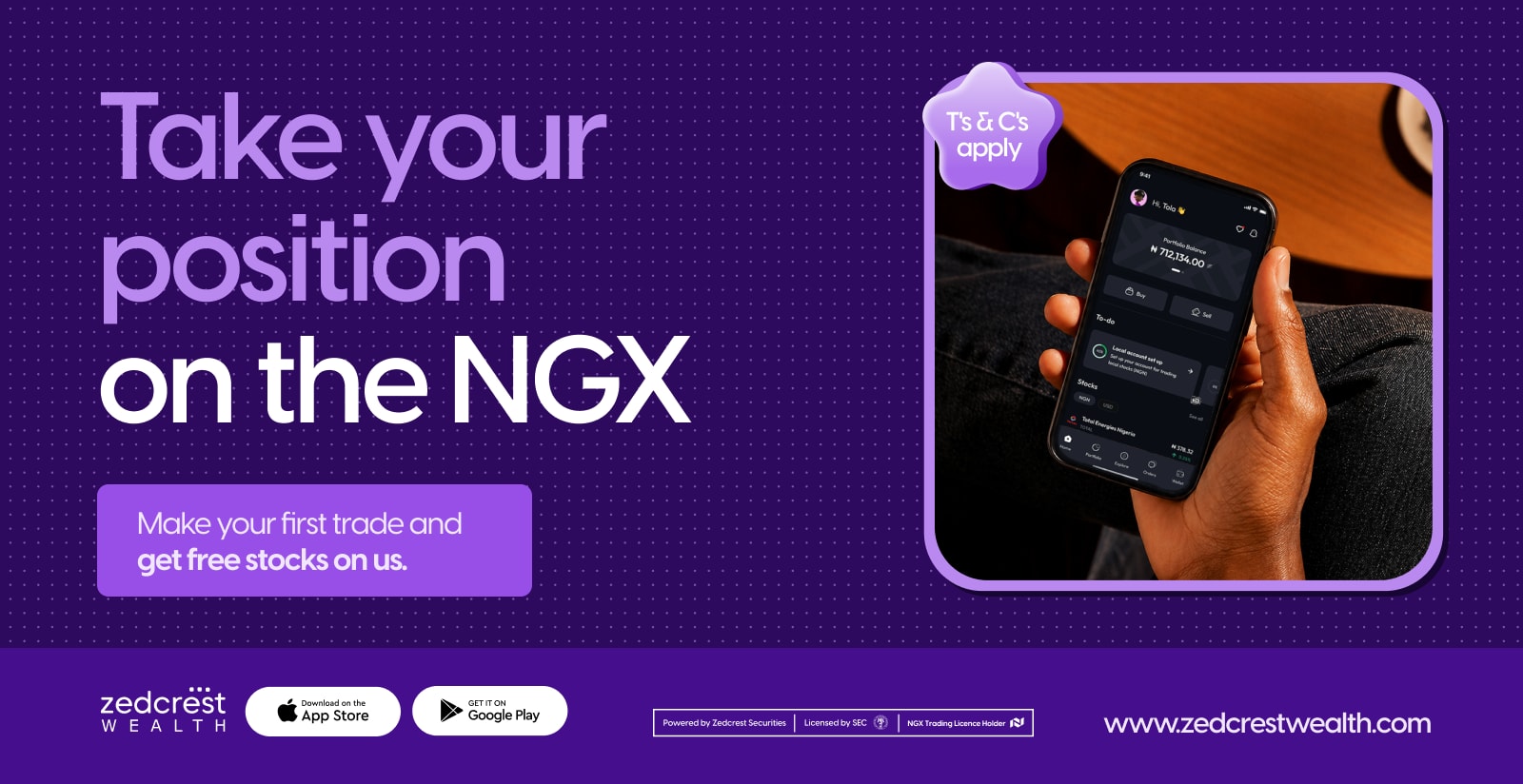
The market is open, but opportunity doesn't wait. With the new Stocks module on the Zedcrest Wealth app, you can invest in companies listed on the Nigerian Exchange and take a more active role in building long-term wealth. Open a CSCS account, make your first trade, and get free stocks.
Download the app and take your position today.
Today’s Content
“I got fired because I make content.”
Talent Factory Launches Cohort 2
Get your PVC
Advertise with us (Send us an email - Thegenzhr@gmail.com)
“I got fired because I make content.”
That’s the version of the story social media wants you to believe.
It’s cleaner, it’s more dramatic, and, of course, it makes for better engagement. But here’s the problem, she wasn’t fired because she made content, she was fired because she repeatedly ignored company policy. There’s a difference, a very expensive difference.
This week, social media erupted over the story of a banker who left Zenith Bank after years of creating TikTok videos in and around the workplace. Predictably, Nigerians split into two camps; One side screamed, “Toxic workplace!” and the other asked a simple question: “After several warnings, what exactly did she expect?”
Let’s start with an uncomfortable truth.
Companies don’t spend billions building brands so employees can accidentally become the rebranding committee.
Was it or was it...
Wearing the company’s branded clothing while creating content?
Filming inside company premises?
Recording areas that may not be intended for public viewing?
Associating the bank’s reputation with a personal brand it never approved?
Continuing after multiple warnings?
Because if it’s the latter..., then this isn’t about dancing, it’s about judgment.
One thing many employees fail to understand is this: Your employment contract doesn’t end at your job description. When you join an organization, you don’t just agree to perform a role, you also agree to represent the organization in a way that protects its reputation that’s why companies have policies on:
Social media usage
Confidentiality
Employee conduct
Brand representation
Use of company property
Photography and recording within office premises
Confidential and proprietary information
and no, HR didn’t create these policies because they hate fun (despite what TikTok comments might have you believe.) They’re there because organizations have something worth protecting; their people, their customers, their data and most importantly, their reputation.
Correct and it’s also your employer’s logo, Your employer’s office, your employer’s ID card, your employer’s clients, your employer’s reputation. You can’t wear your company’s branded shirt, stand inside its office, identify yourself as its employee, and then suddenly remember “my account, my rules.” That’s not how employment works, especially in regulated industries.
One of the funniest comments we saw online said:
“Try this in NNPC.”
Exactly. Try casually filming operational areas in Oil & Gas, try posting from sensitive locations, try ignoring repeated ethics reminders and you probably won’t have enough time to make a “Story Time: Why They Fired Me” video. Every industry has different expectations; from banking, oil & gas, healthcare, defence, consulting, etc. The higher the trust placed in an organization, the stricter the standards become and rightly so because trust is their business model.
Here’s the part that impressed me. The bank didn’t immediately terminate her employment. According to her accounts, there were warnings then more warnings, then disciplinary action, then suspension, then another opportunity, and finally... she was reportedly allowed to resign, that’s grace.
From an HR perspective, that’s progressive discipline done properly. Contrary to what social media thinks, HR doesn’t wake up looking for whose career to end before breakfast. A good disciplinary process exists to correct behaviour, not punish people. Warnings are meant to change outcomes, not become collectibles.
Whether we like it or not, employees become ambassadors of their organizations. That’s why companies proudly announce: “Meet our new Head of Marketing” and not... “Meet someone who occasionally works here but says everything else is personal.” The public doesn’t separate you from your employer as neatly as you think. If a customer recognizes you online, they’re likely to associate your conduct with the organization you represent. Fair? Maybe not. Reality? Absolutely!
I love personal branding. In fact, I am probably one of the loudest voices encouraging professionals to build one. Write, create, teach, speak, film, post, and grow but somewhere between “Build your brand” and “Everything is content,” many professionals forgot one important thing: Boundaries.
Not every office needs a vlog. Not every meeting needs a selfie. Not every lunch break needs a transition video. Not every corner of your workplace belongs on the internet. Some things deserve privacy. Some spaces require discretion. And some policies are meant to be read, not skimmed while clicking “I Agree.”
Ask yourself:
Am I revealing something I shouldn’t?
Does this violate company policy?
Would my employer be comfortable with this?
Would I post this if the CEO followed me?
Would I still upload it if HR had to review it tomorrow morning?
If the answer makes you nervous..., maybe don’t post it.
Social media has convinced many people that every workplace policy is oppression. It isn’t. Sometimes, it’s simply risk management. Sometimes, it’s protecting customer trust. Sometimes, it’s safeguarding confidential information and sometimes..., it’s reminding employees that professionalism still exists, even in the age of TikTok.
So before you create your next “Day in My Life at Work” video, do yourself one favour. Open your employee handbook, dust off that social media policy and read the confidentiality clause you happily signed during onboarding. You may discover that HR wasn’t trying to stop you from expressing yourself. They were trying to stop you from expressing yourself into unemployment.
If you were in the bank’s shoes, what would you have done? Would you have terminated her employment, given her another chance or handled it differently?
Let’s hear your thoughts.

The journey has begun, and the next one starts with you.
Following the successful launch of our inaugural cohort, applications for Talent Factory Cohort 2 are now officially open.
If you’re looking to start or transition into a career in HR, this is your opportunity to learn from industry experts, gain practical experience through a structured internship, and join a community of ambitious HR professionals.
Spaces are limited to ensure every fellow receives a world-class learning experience.
Applications are now open. Apply today and take the first step toward building the HR career you’ve always wanted.
Before You Go today, hear this:
2027 is upon us. This means that the presidential elections are upon us. If we say we want a new leader, we must be willing to put in the work. The first and important thing to do is to GET YOUR PVC as PVC registration closes this month.

This is one of the simplest ways to help build it because societies don’t only get the culture they reward; they also get the leaders they elect.
It takes only a few minutes.
#SayNoToOlodoUprising
1. HR Unwind — August 15th, 2026. The event for HR professionals who need a room of people who get it. Tickets are limited.
2. You’re Invited to the Talent Factory Launch! Join us as we officially launch Talent Factory, Nigeria’s practitioner-led HR Academy built to bridge the gap between learning and real-world experience.
Come celebrate this milestone, meet our founding faculty, connect with industry leaders, and get a first look at what we’re building.
📅 August 15, 2026
📍 Lagos Mainland
🎟 Reserve your spot here
No posts
Comments
Nothing yet. Say the first thing.
Sign in to join the conversation.