
If you look closely at this lovely Rubens portrait, you might spot a few clues pointing to an illegal 17th-century club. And the man staring you down, Peter Paul himself, may well have been part of it.
* audience gasps *
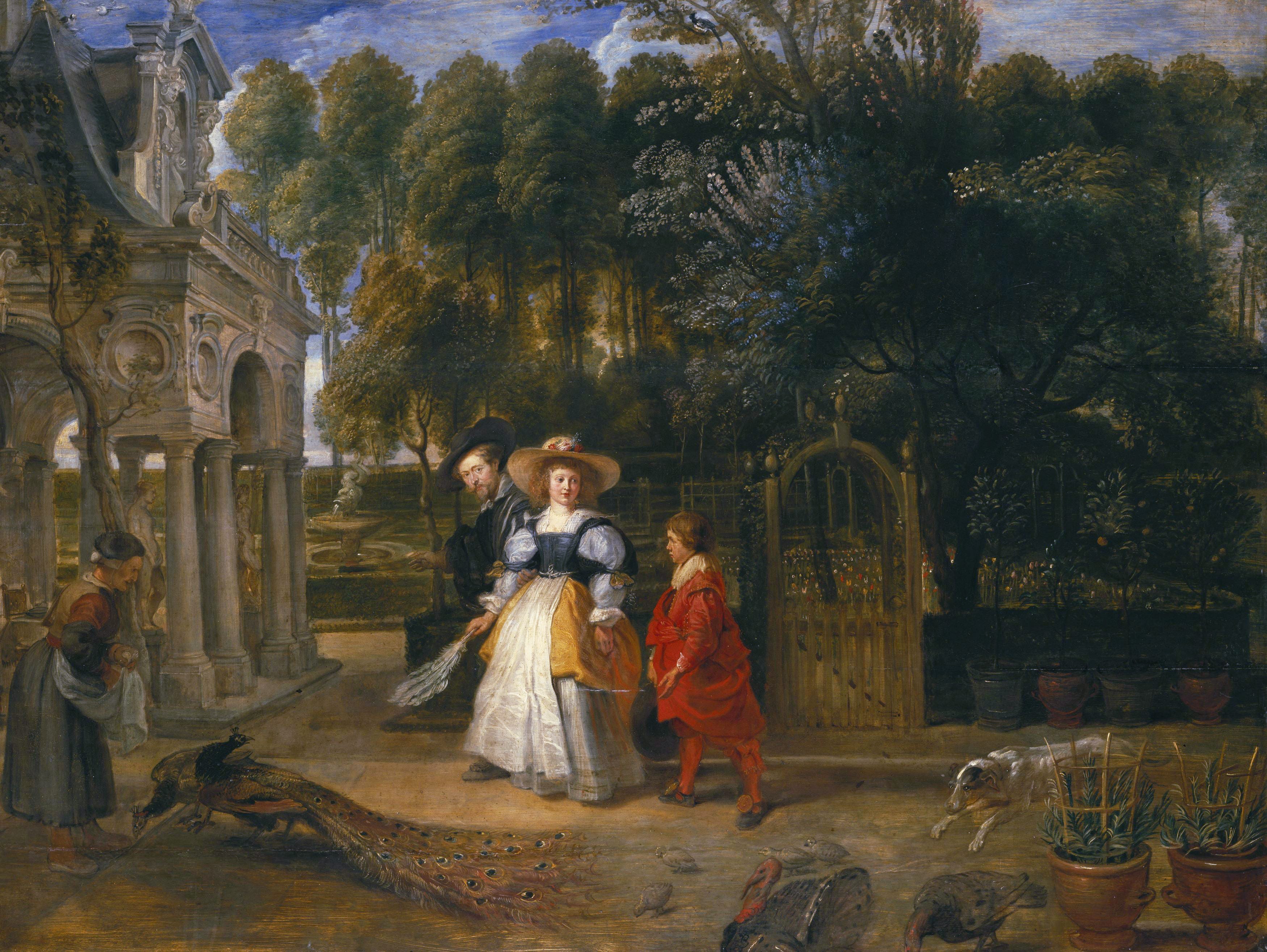
At first sight, it looks like just another beautiful Rubens family portrait, set in his posh Antwerp garden. We have the painter gazing at us, leading his wife and son toward the fancy loggia. His right hand points toward it, while his left gently clutches his wife’s arm.
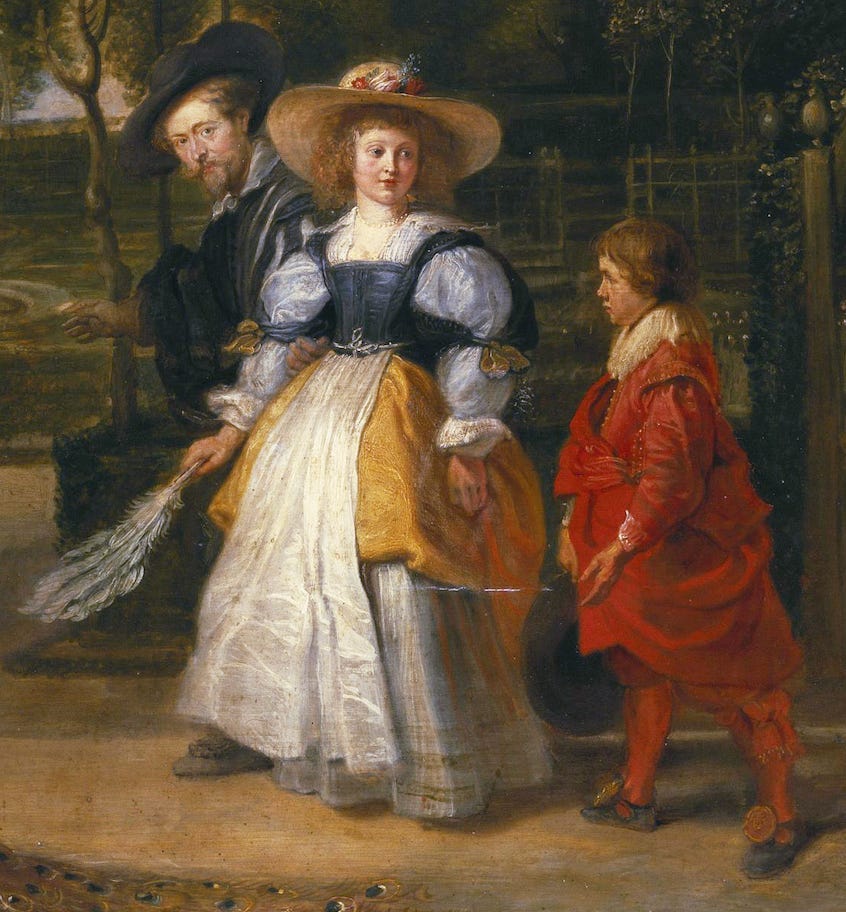
His second wife, to be precise. It’s Hélène Fourment, and she’s casually outdressing everyone in sight. Just look at that shimmering silk dress and flowered summer hat. The huge ostrich feather she’s holding was likely a fan. The kid who looks like a tiny aristocrat is Nicolaas Rubens, the couple’s 12-year-old son.
Lovely. But let’s get back to our secret club. You see, in the 1630s, wealthy citizens in Antwerp became obsessed with something unexpected. It wasn’t gold or spices, but tulip bulbs. Yep, in Rubens’ time, tulips became insanely valuable. And artists didn’t shy away from mocking the craze.
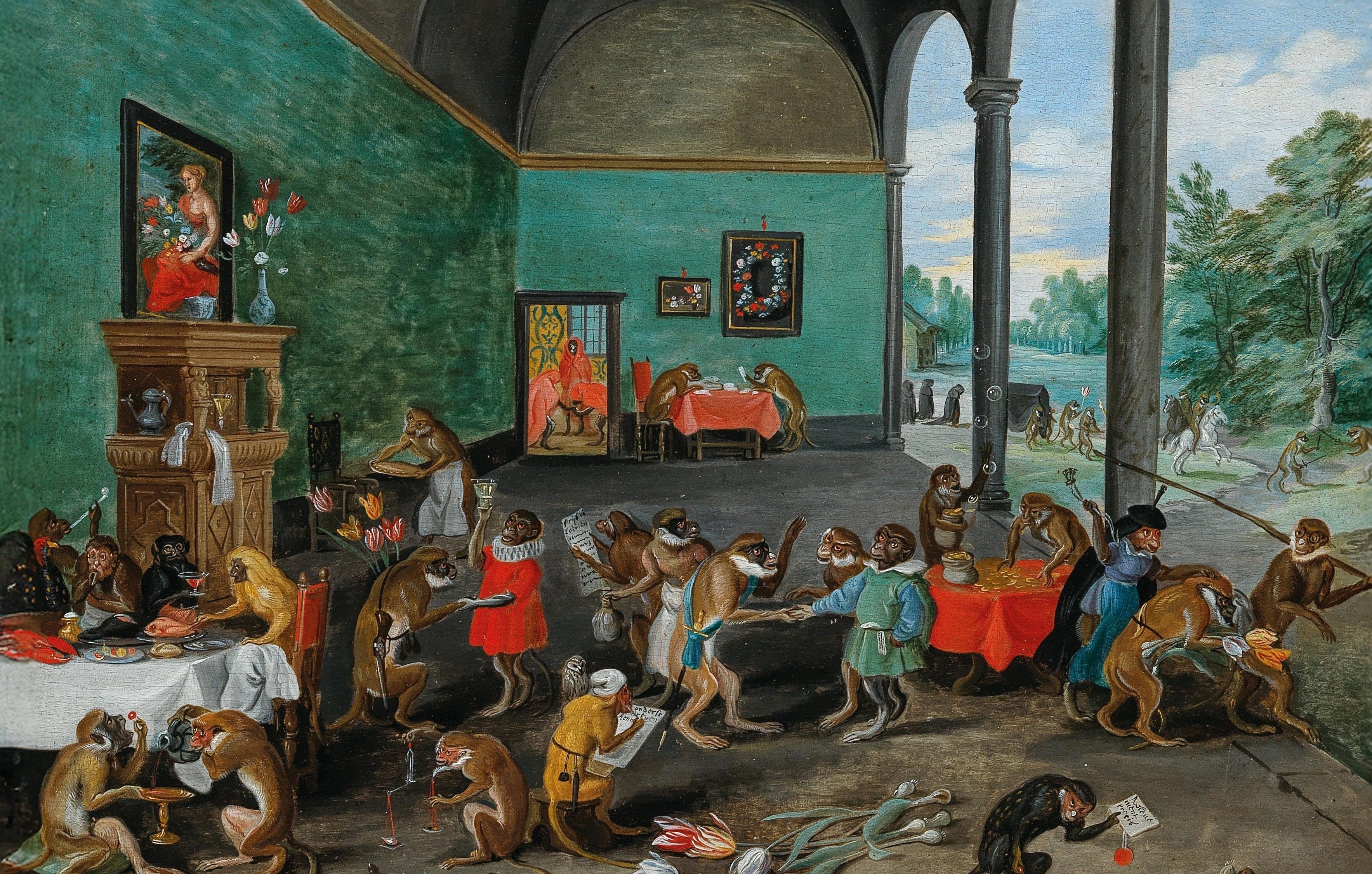
This allegory by Jan Brueghel II is loaded with subtle commentary. Just kidding: he painted the speculators as monkeys. They feast, trade, argue, squander money and generally behave like the financial geniuses they were.
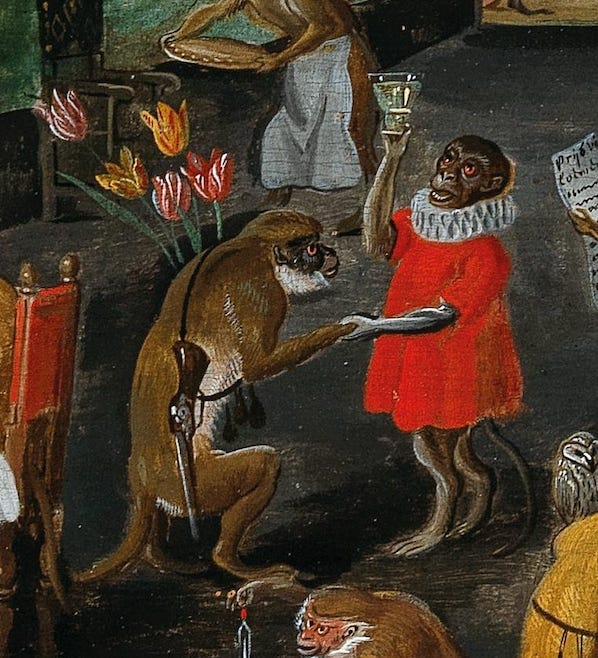
The tulip craze was wild. Some bulbs, like the Semper Augustus, reportedly sold for the price of a house. It was a massive financial bubble, destined to burst spectacularly. But not yet in our story. Because just a few steps from Rubens’ house, in a shady pub in Antwerp, a group of wealthy enthusiasts started meeting in secret to trade the flowers.
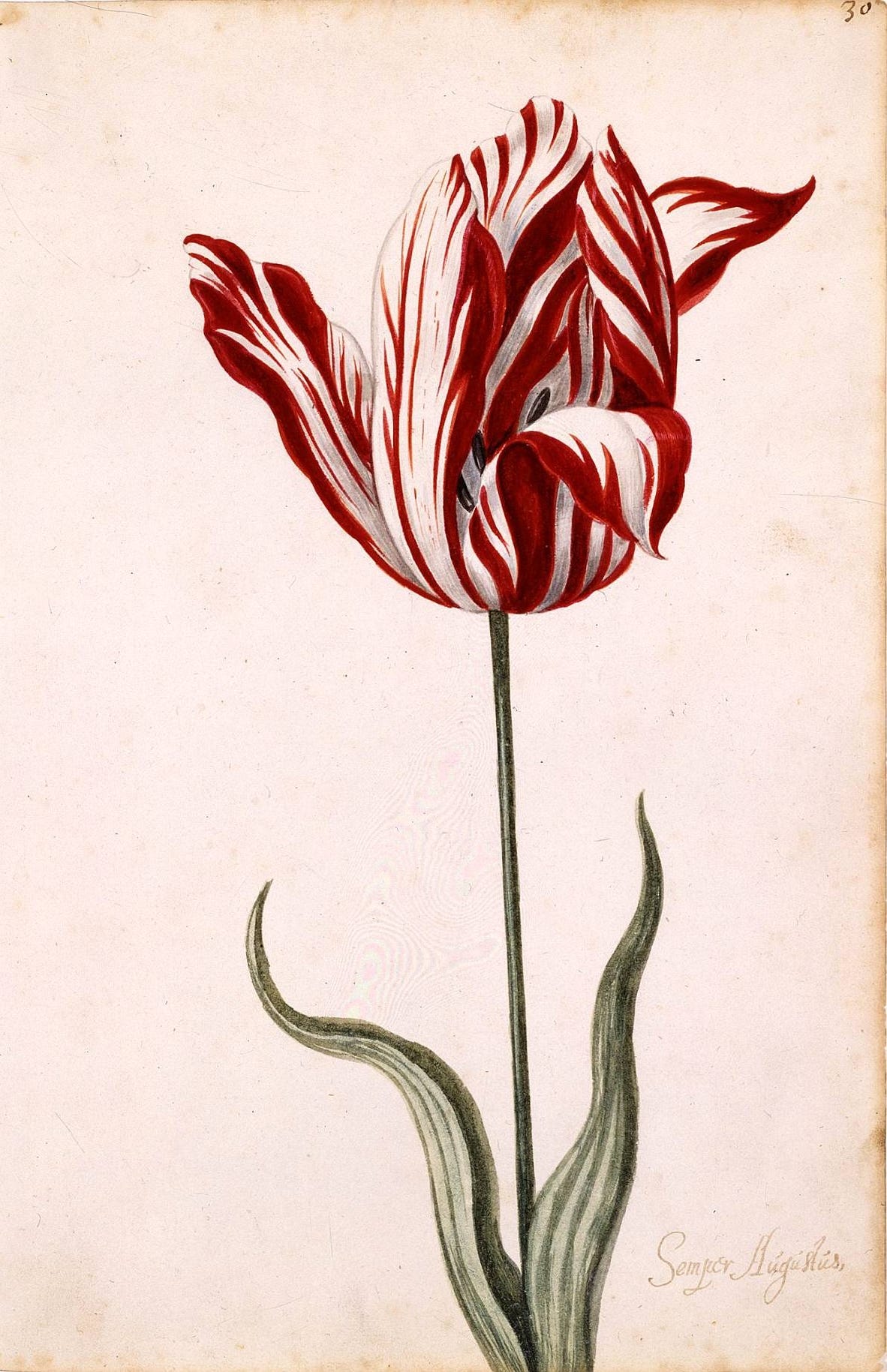
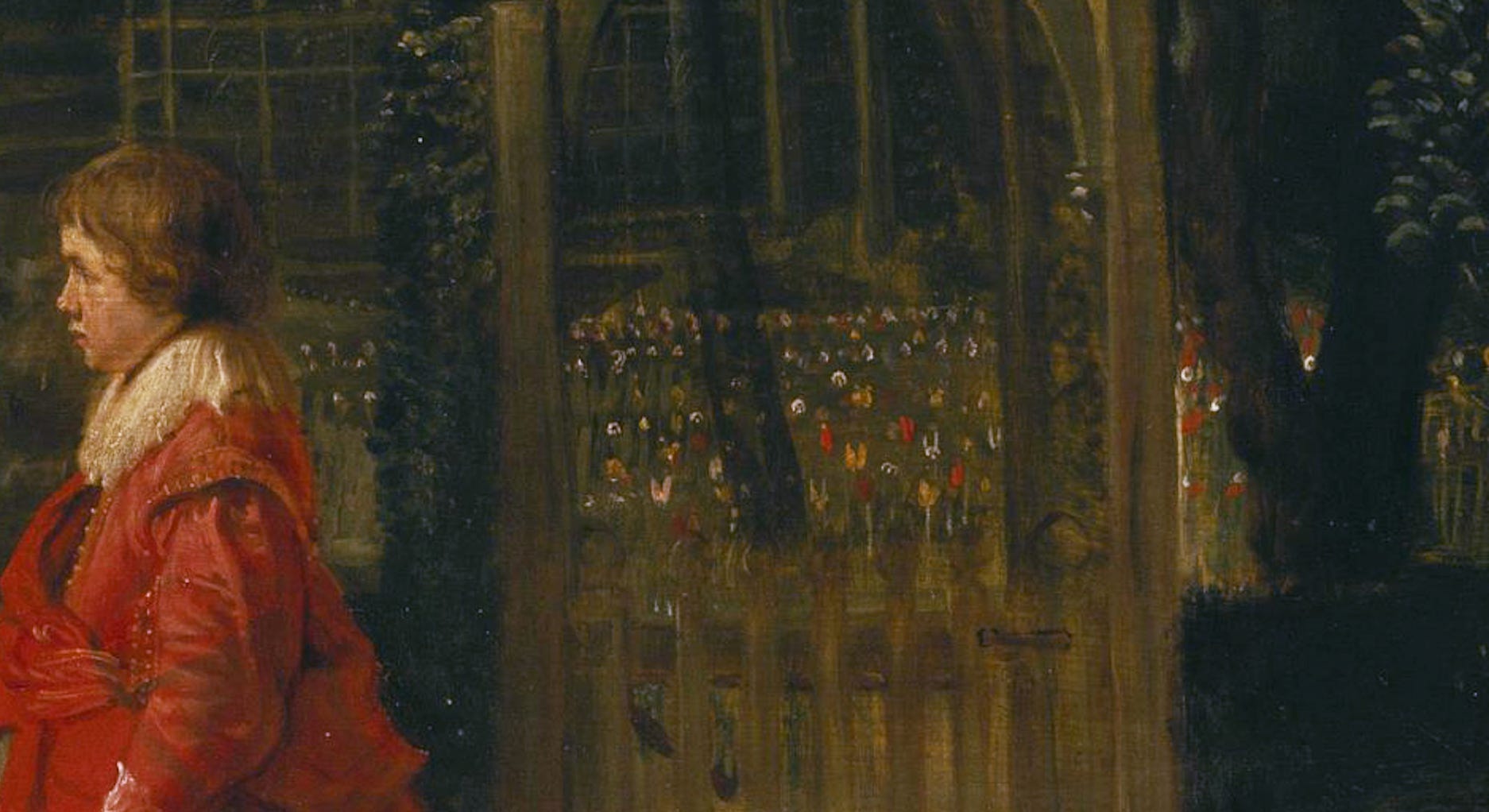
It was a tulip club, and historical records show that almost all of its members had ties to—you guessed it—Peter Paul Rubens. And this is where the painting gets really interesting. Because right behind Rubens, a whole bed of tulips is blooming in his garden.
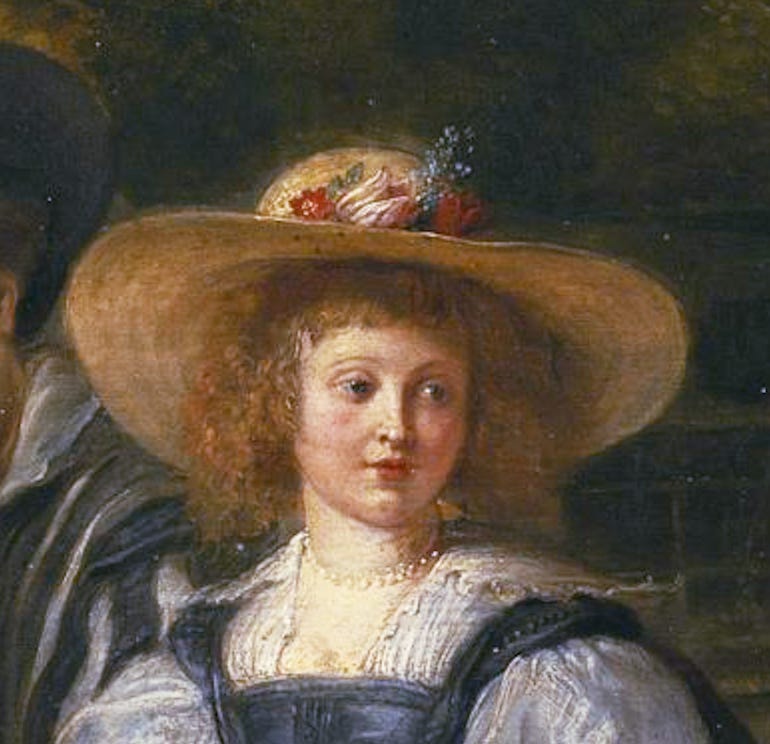
And his wife is even wearing some in her hat. Which makes you wonder: was Rubens simply painting fashionable flowers, or was he part of Antwerp’s underground tulip trade?
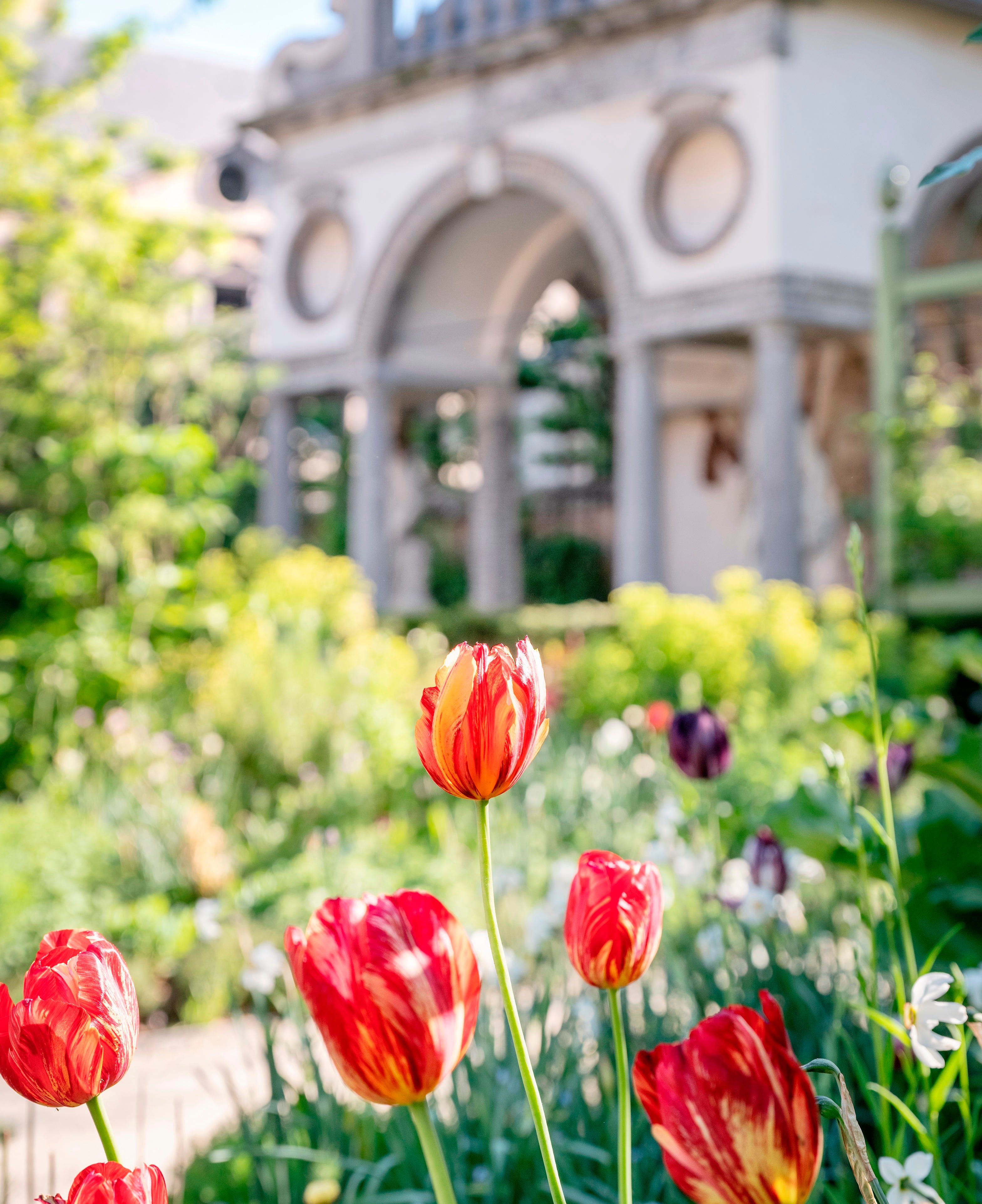
The answer remains a mystery. But we do know that tulips were blooming in Rubens’ garden. And today, they still are. Because every spring, the bulbs in the garden of the Rubenshuis—the very garden depicted in the painting, with the original loggia still standing—burst into bloom once again. A colorful reminder of that short moment in history when these flowers were worth a fortune.

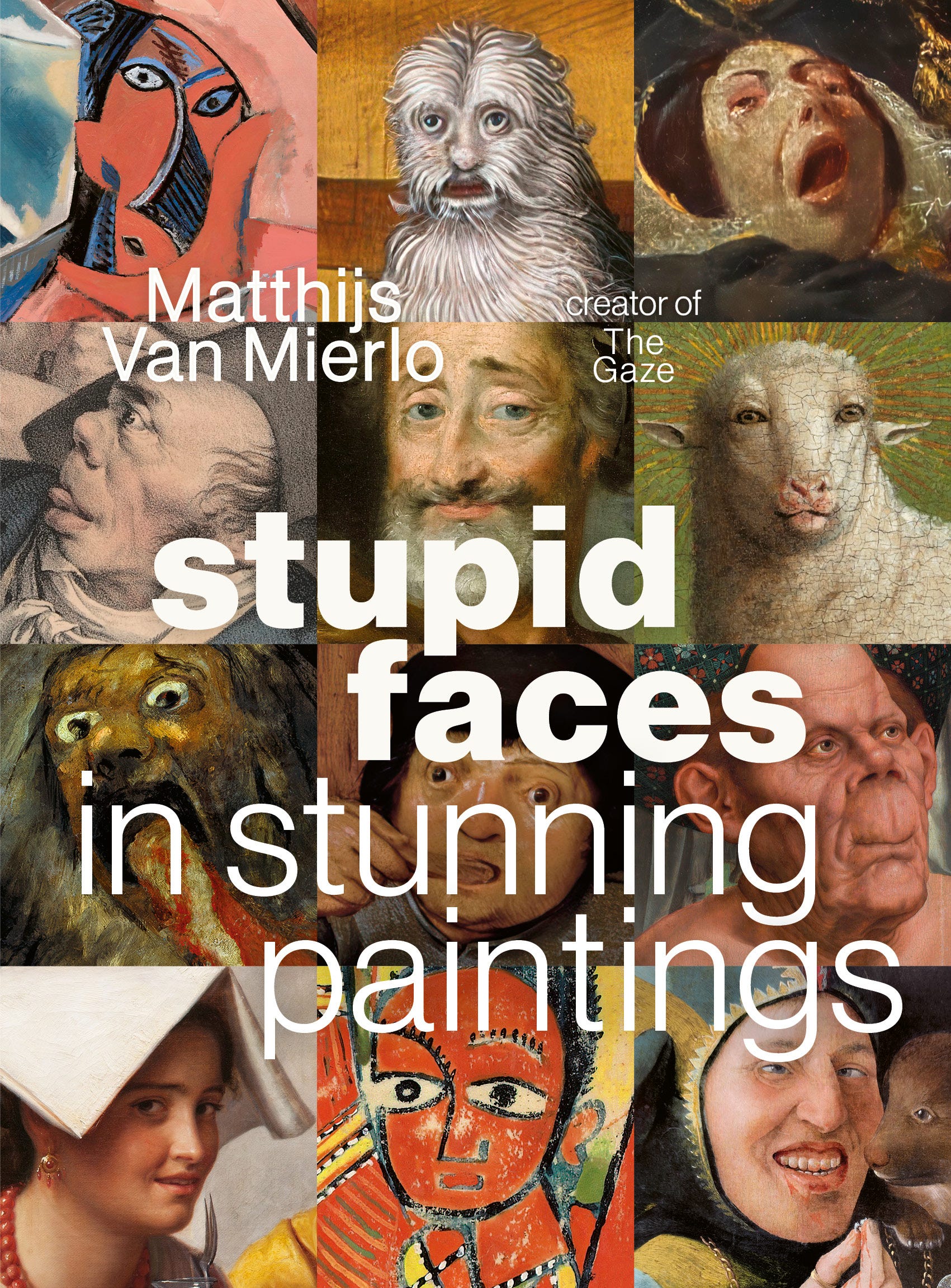
I’ve had some wonderful news about my book Stupid Faces in Stunning Paintings. As you might already know, it’s available in Dutch and English, but now it will also be translated into Chinese, Russian, Vietnamese, and Ukrainian. Which feels completely surreal.
Over the past few weeks, I’ve received so many lovely messages from readers, and every single one makes my heart jump. Thank you so much. ❤️


If you enjoyed my stupid little book, consider leaving a review on Goodreads, Amazon, or wherever you bought it. It really helps the book get noticed.

I really enjoyed making this short about aura in art. I’m definitely going to do more like these in the future. 😊

That’s it, it’s over. Go read a book. Have a walk. Hug a friend. Recommend this newsletter. Bye!
No posts
Comments
Nothing yet. Say the first thing.
Sign in to join the conversation.