
Every industry I’ve ever worked in or with ultimately gets bogged down by the same affliction: Falling in love with the container instead of what’s inside it.
But as you’re about to read (x4), the container keeps losing.
Leading entertainment networks buying podcast hours, not podcasts.
Twenty-year-olds college students circumventing firms that took decades to “earn.”
Platforms are redecorating the same container in a race nobody’s winning, while regulators and judges decide who’s actually accountable for what happens inside it.
And a Little League team from my own town figured out, with a five-hour phone ban, what a lot of grown adults still haven’t: the container was never the thing.
The app. The title. The platform. The credential… All containers.
But the container isn’t the business. It never was.
Four Ps. One idea. Let’s get into it. 👇
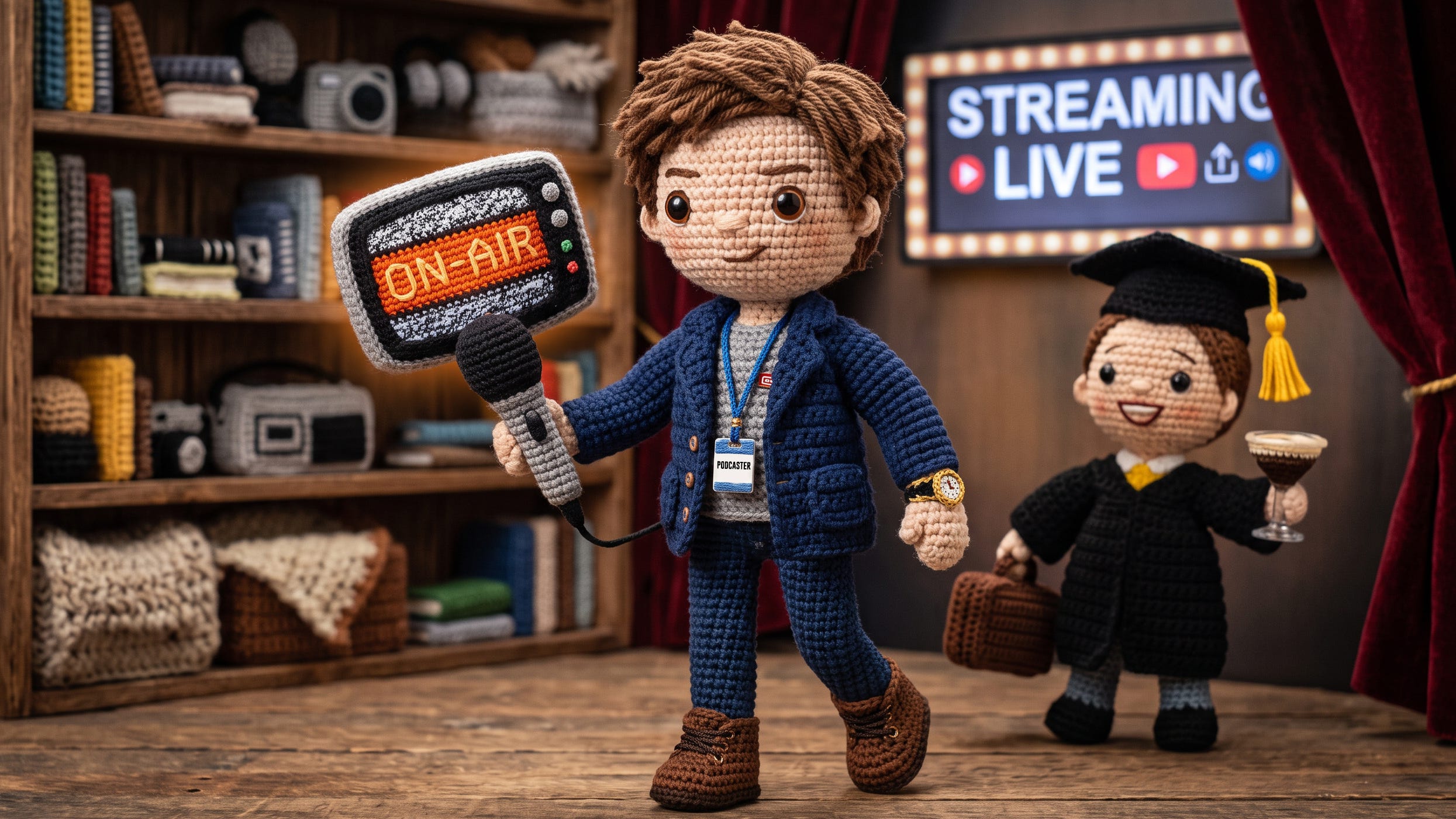
I spent my pre-dawn hours on Sunday watching two grown men rewatch their own 20+ year-old sitcom… which Disney+ thinks is the makings of a bigger investment. And they may be right.
Zach Braff and Donald Faison are relitigating every episode of Scrubs, on purpose, on camera, and not only does that count as programming… it’s actually great.
Same is happening with five (to start) other iHeartPodcasts titles, including one hosted by all three Jonas Brothers, because someone at Disney looked at Camp Rock 3’s release date and thought “you know what pairs well with this?”
Thing is… these shows didn’t become video for this deal. They were already video. Cameras have been rolling for years.
What changed is a streaming service finally agreed to count them as programming.
For most of my career, the industry decided what business you were in based on which app your content came out of. Podcasts belonged in podcast apps. That was the rule. The rule was written by people measuring downloads.
The TikTok Podcast Network also exists with iHeart because podcasts had already stopped being an audio product. People were watching. They’d been watching for years while the industry argued about download methodology.
Both got the same question in early rooms: “Isn’t that someone else’s business?”
No. It’s the audience’s business. They were never loyal to the pipe.
Here’s what the Disney/iHeart deal actually says:
The Jonas Brothers don’t have a podcast audience and a TV audience. They have an audience. Zach and Donald rewatching Scrubs isn’t a podcast. It’s a show. It’s been a show the whole time.
So no, Disney didn’t buy podcasts. Disney bought hours. Hours of talent people already show up for, at a fraction of what scripted costs, dropped into a library that has to feed people every single week.
🎙️➡️📺 The container got relabeled. The content never moved.
The lesson isn’t “video podcasts are hot.” That’s a trade headline, stale by Labor Day.
The lesson is that the app you distribute in is not the business you’re in. Every time an exec defends a container, the audience is already outside it, watching the same talent somewhere that exec isn’t measuring.
You say you hate silos, right? So the question is not “How do we protect what we own?” It’s “Where’s our audience already going without us, and what would it actually cost to be there.” Usually less than you think. Usually less than defending the container costs you.
Two more data points…same thesis, different zip code:
Harvard undergrads are now running a consulting business: Not a case-study club, a real one, with real clients: AstraZeneca, Delta, Samsung, Pinterest, and Lucasfilm, who wanted help getting younger audiences into Star Wars (better luck next time). Bloomberg: Harvard Undergraduate Consulting Group Nearly $7 million in revenue since 2017. Nobody’s paid. Everybody gets scholarships, ice luges, espresso martinis, and, I checked twice, a reptile petting zoo.
Undergrads at Indiana’s Kelley School run an actual real estate fund. This summer, they sold their first deal, an Indianapolis warehouse, at a 65% gross profit in 16 months. A board member who runs real money for a living called it “good for sort of any professional firm, not just students.”
Nope, McKinsey didn’t get that AstraZeneca engagement. A private equity shop didn’t find that warehouse. The container everyone assumed you needed… the firm, the real estate agency… the fifteen years of “earning it,” yeah, that just got walked around by 20 year-olds with a group chat and free drinks on the line.
That’s not a story about kids these days. That’s the same story Disney and iHeart just told, at a different magnititude. The credential isn’t the value, the work is. Once the work’s good enough, it finds a way around whatever’s supposed to be gatekeeping it.
Keep an eye on your own org chart. Somewhere in it, a container is quietly becoming optional. Better to notice before your audience does it for you.
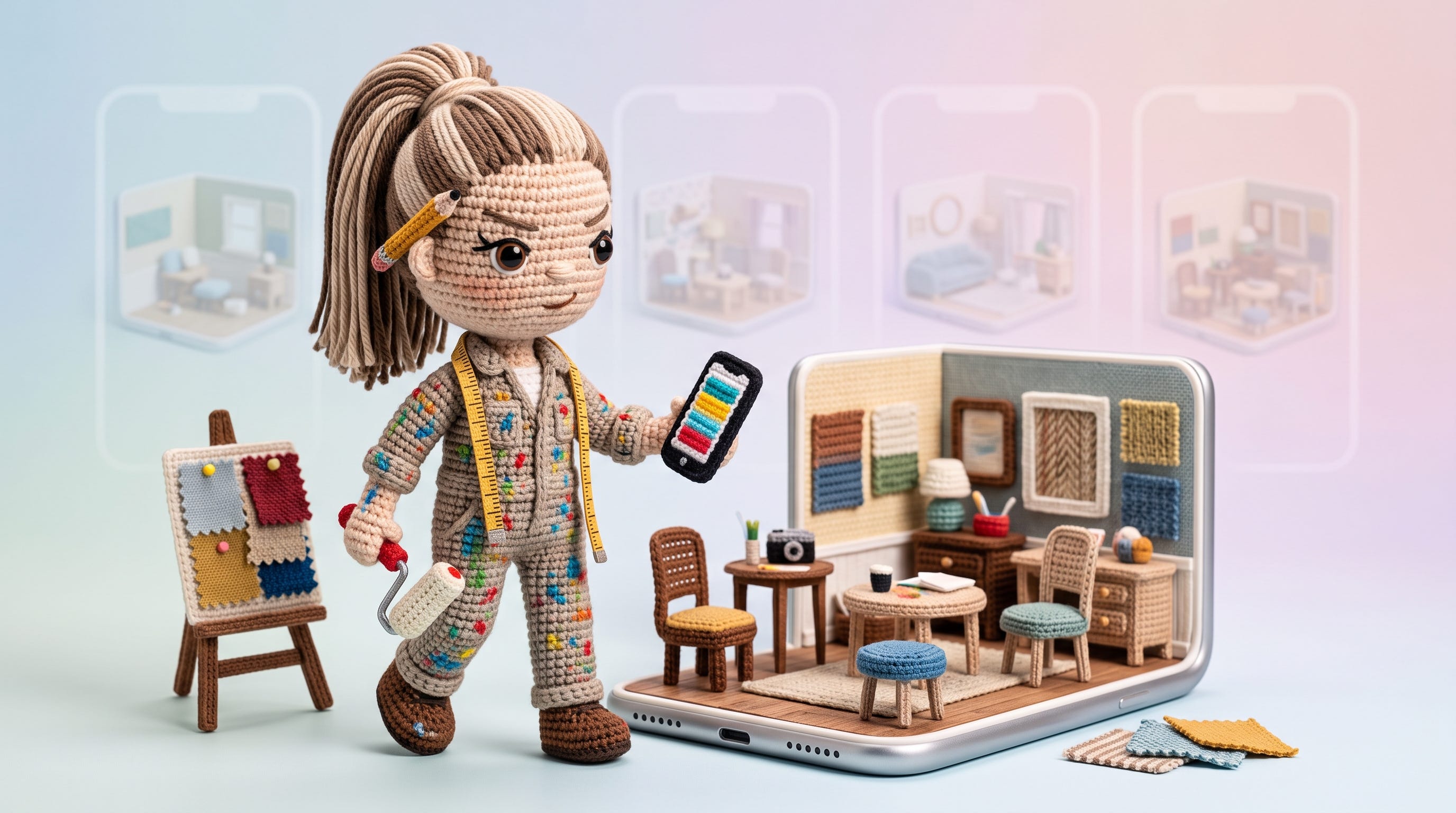
Mark the time: The land grab is over.
Now everyone’s just redecorating. 🏗️ Social still pulls headlines, but the behaviors are the changing. Pinterest pulled in $1.18 billion last quarter, up 18% year over year. Sounds great until you read the next sentence: usage in the US, Canada, and Europe was flat. All the growth came from “Rest of World,” where revenue per user is lowest.
“AI-powered targeting” is carrying the number. The audience isn’t actually expanding.
Meanwhile, Disney’s raiding the “For You” page… TikTok fan videos about Marvel, Pixar, and Star Wars are now living inside Disney+’s Verts feed, with a Creator Ambassador Program dangling library access and event perks. Streaming inventory is starting to look like social inventory.
And TikTok Live just claimed 50.9% of global live-streaming hours in Q2. More than every legacy platform COMBINED. Twitch, YouTube, and even Genuin still monetize a viewer better, but TikTok won the hours, which is its own kind of flex.
What this is really saying: No one is currently finding “new eyeballs.” For now, everyone’s fighting harder over the ones they’ve got. 👀 And that fight has a look now: Vertical Video.
Reddit is testing vertical video and audio playback for viral posts. Reddit. A text platform. Or, what was once one.
LinkedIn is testing its own short-form video feed, joining Instagram, YouTube, Snapchat, and Netflix in the very long list of apps that looked at TikTok and thought “yeah, that, but us.”
The feed lives in a new Video tab. LinkedIn says it’ll be “obviously focused on careers and professionalism,” which is a very LinkedIn sentence to write about a format invented for dance trends and cooking videos.
So here’s the actionable part: 📌
If your growth plan is “get on the new feed everyone’s building,” you don’t have a plan. You have a habit.
Every platform independently arriving at the same vertical-scroll format isn’t a trend you need to chase, it’s a sign the format won and the containers are just catching up. Build for where attention already lives, not for whichever app just cloned it.
That matters more now because the old scorekeeping doesn’t work anymore either.
Sprout Social’s 2026 Influencer Marketing Report found that 60% of Instagram Reels now reach audiences where more than 70% of viewers are non-followers.
Only 17% of consumers say follower count factors into who they follow at all. And yet half of companies still use follower count as their primary proxy for who to partner with.
(Translation: half the industry is still grading creators on a scale nobody in the audience is using. 📊)
A few numbers worth actually sitting with from that same report:
81% of Gen Z made a direct purchase off an influencer recommendation this year
75% of marketers are already increasing influencer budgets because of it
44% of consumers say they’re not comfortable with brands partnering with AI influencers, 30% say it depends
So yeah, everyone’s racing to build AI into the content layer, and the audience is telling you, in real numbers, where it draws the line. Ignore that at your own risk.
The through-line here: Stop optimizing for the platform’s current shape and start optimizing for where attention actually is. The shape keeps changing. Reddit’s proof of that. LinkedIn’s proof of that. The metrics you’ve been using to measure success are proof of that too, several of them are already measuring something your audience stopped caring about a while ago.
Redecorate less. Pay attention more. Ownership is the goal now 🔍
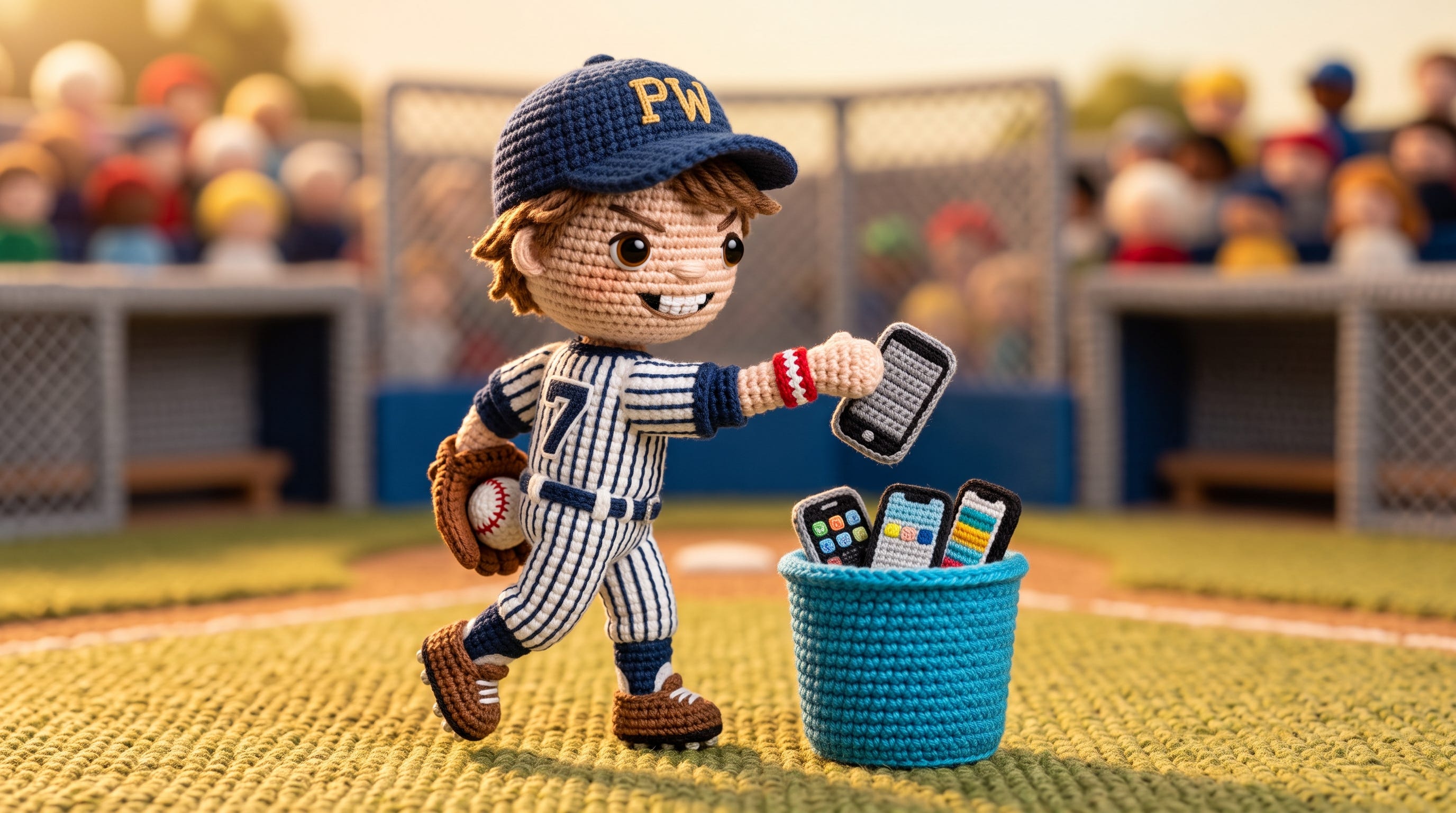
Few heroes wear capes… but these heroes wear caps.
Five hours before first pitch, my local Little League team puts their phones in a bucket. 📵 Not because a coach made them. It’s a rule they made themselves. But if this is a small sample of what's possible... we should all be celebrating.
It started almost by accident during the New York State Championship run in late July, and it turned into the whole season’s secret weapon.
“I think it’s like an on button for us,” assistant coach Anthony Theoharis told the New York Post. “Once they do that, they get locked in, and they beat a team.”
These are 11- and 12-year-olds. My neighbors. My friends’ kids. My kid’s classmates. Kids who’d already spent a full school year under a state-mandated phone ban and were, by every account, extremely done with the concept.
Gen Alpha. ‘Nuff said.
But when it turned into our first state title in the league’s 63-year history, the national news coverage took notice.
Here’s what they did with the time they weren’t spending on their phones:
A homemade Family Feud (winning answer: broccoli on pizza, an outcome I have real questions about)
PS5 sessions crammed into a hotel room (better than social media)
Getting themselves kicked out of the hotel pool for going down a water slide together all at once.
Third baseman Jack Gomez called the phone bucket “a good luck charm.” My friend Rikki Kien, whose younger son Brandon was the star shortstop and leadoff man, put it simpler: “they just go back to basics and love talking to each other.”
I keep coming back to that word. Basics. Like it’s a setting you have to actively choose now instead of the default.
Port Washington won the state, then beat Rhode Island in regional round, one win from Williamsport, one win from the actual Little League World Series, nationally televised, the whole thing.
They fell one game short, losing to Connecticut last week, narrowly missing out on being one of just eight American teams playing in Williamsport this week.
I’ve gone back and forth on how to write that sentence, because the instinct is to soften it, to find the silver lining and move on fast. But I’m not gonna do that. It stings. Ask any of those kids and they’ll tell you it stings. A season that good, that historic, deserved to end in Pennsylvania, but my FOMO still remains
And even still, I don’t think the story was ever really about Williamsport. 🏆
A bunch of 12-year-olds figured out, on their own, that the thing standing between them and each other wasn’t a lack of talent or a bad bracket draw. It was a bucket’s worth of phones sitting untouched for five hours.
They didn’t need a life coach or a TED talk to figure that out. They needed a coach with a bucket and a group of kids willing to try it, get annoyed, and then ask for it themselves.
That’s the whole point here. Because we have to remind our kids daily (or hourly?) that the phone is not the thing. The game was the thing. The team was the thing.
Once you take the container away, even for five hours, you find out what was actually there the whole time.
No, Port Washington won’t be in Williamsport this week. But every kid on that team already knows something a lot of grown adults, myself very much included, are still working on: sometimes the fastest way to get locked in is to put the thing down.
Congrats to these boys and their families on the best season in 63 years. Fun seeing our town on ESPN a few times. and that state title’s real. The bucket’s real. And somewhere in Williamsport this week, eight teams are playing a game my town already won in every way that mattered (outside the standings). 💙🤍

Safety shouldn’t be political, and yet…
Meta got hit with $942 million for treating kids as collateral damage, a judge calling it a “public nuisance” the same way you’d describe a factory dumping into a river.
Bruce Daisley put it in perspective on BBC Radio: against $61 billion in quarterly revenue, it’s “a drop in the ocean.” Do the math. That’s about one day of Meta’s quarter.
TikTok, too. A confidential report says the company withheld a safety feature from millions of users to measure engagement. Someone died. Bloomberg They settled three more teen addiction lawsuits. How was closing a moderation office and laying off 250 people a good idea? And the EU just charged them, for the fourth time in two years, because private teen accounts turn out to not really be private. “A high level of protection should not be an opt-in,” said EU tech chief Henna Virkkunen. Wild that this needs saying in 2026.
This should make you angrier: While all of that was happening, ByteDance was quietly training one of the largest AI models on the planet, reportedly rivaling Anthropic’s Mythos. Good thing the U.S. government stepped in to save these guys…
Priorities. 🤡
Meanwhile, everyone else is fighting over a much pettier toll booth.
Google’s AI Overviews are now contradicting the paid ads sitting right above them, on the same page, that advertisers paid for. Agencies want to become a “futures market for tokens,” buying AI cheap and reselling it at a markup, principal media trading with a chatbot costume on. Snap said no to fully AI-generated Spotlight content.
Cloudflare built a browser that doesn’t care what a page looks like, only what an agent can extract from it. Everyone’s racing to own the pipe. Almost nobody’s asking who’s accountable for what runs through it.
Which brings us to the one genuinely funny/not-funny footnote of the month:
Anthropic just started watermarking Claude’s own text, worldwide, because the EU AI Act says AI companies now have to prove what they made.Google, Meta, Microsoft, and OpenAI signed on too.
Fortunately none of this newsletter was written using a tool that will soon leave an invisible fingerprint that proves where helps. But others will not be so fortunate. Because the container isn’t just under new management... It’s under new surveillance. 🖋️
Remember… the app, the title, the platform, none of it was ever the business. And when nobody owns the container, nobody owns what happens inside it either.
But somebody has to. Increasingly, it’s a judge, a regulator, or a watermark deciding for you.
Comments
Nothing yet. Say the first thing.
Sign in to join the conversation.