
Until about a hundred years ago, men were the only people who did anything noteworthy. Men were born with intellect, talents, abilities, and the opportunities to do something with these gifts. Women were born with uteruses that, if they were lucky, would produce more important men. It is only recently that women began to want to do more with their lives than survive childbirth, and that is why our society is the disaster it is today.
Obviously none of that is true, and if you just caught yourself nodding your head and whispering “yessss,” please crawl back to the Reddit cave you just emerged from. Or stay, and be enlightened!
Here are ten impressive women who happened to be sisters to noteworthy brothers. Overshadowed, footnoted, or completely erased, these women were composers, writers, diplomats, leaders and thinkers in their own right who, despite living the role society created for them, accomplished great things that we’ve never heard about. These are my “crack ladies,” the women who have been lost in the cracks of history.
If we only see men in our past, it limits our future. Knowing that women were always there, always intelligent and always capable makes it seem less wild for us to be doing things now.
Here are the ten sisters, a teeny-tiny summary of their lives, and what I personally learned from them. I hope you learned from them, too (share in the comments if you did!).
Click on their name for their original Field Trip article.
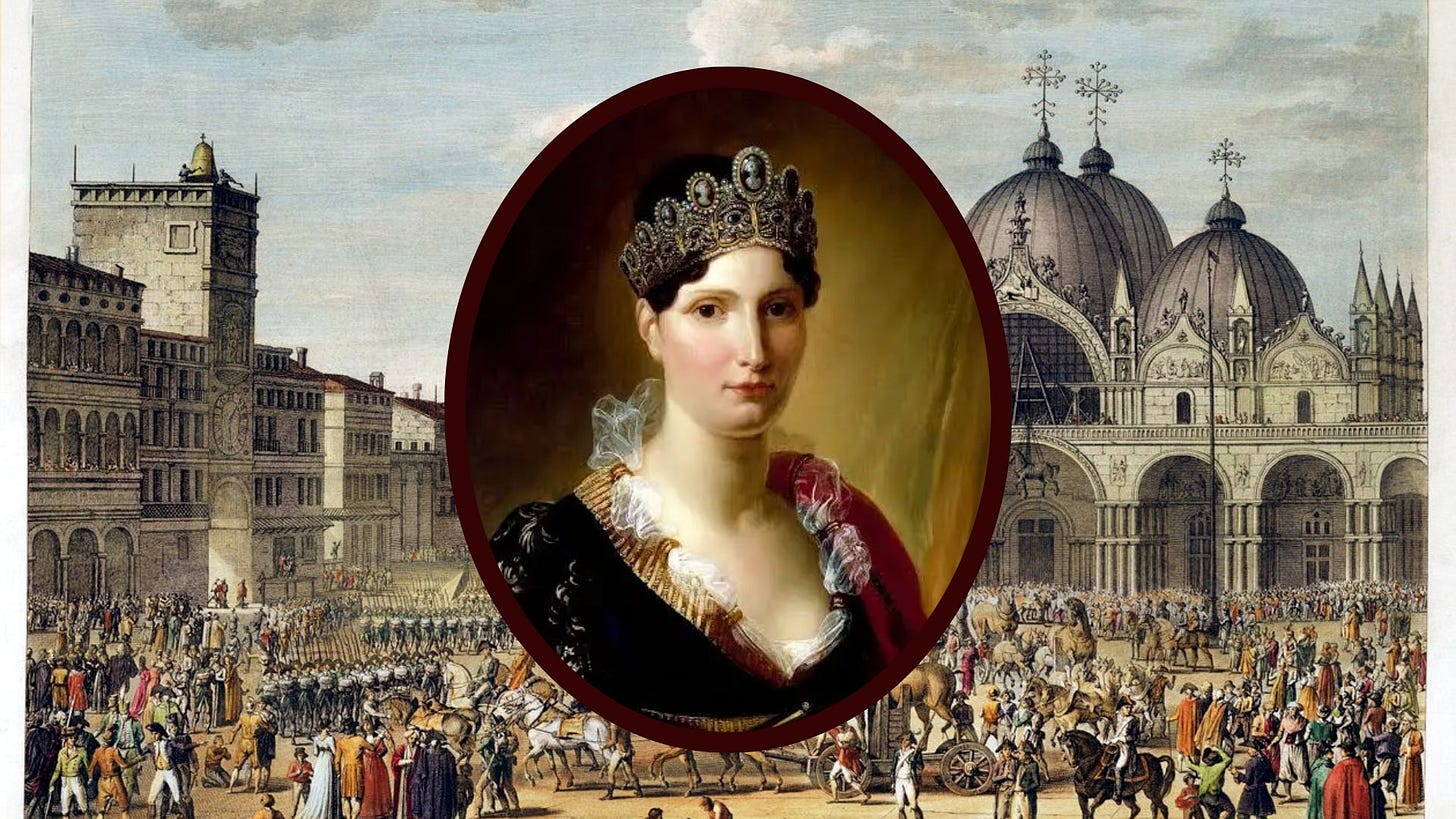
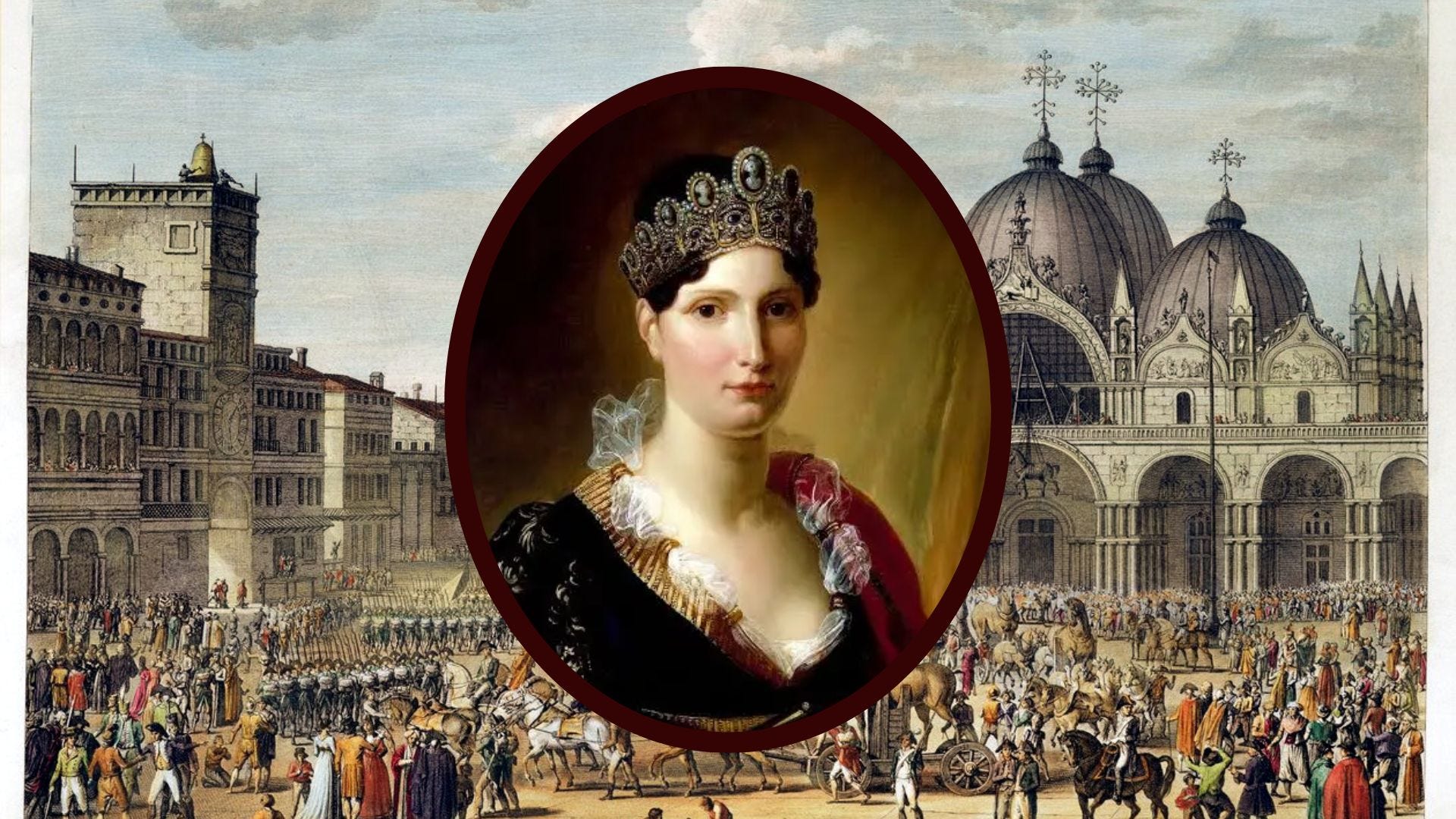
Napolean’s sister
Ruler of the Principality of Lucca and Piombino while having five children, started orphanages and girl’s schools, improved infastructure despite her subjects hating her
The only woman Napolean trusted with real power. He said: “My sister, Elisa, has a masculine mind, a forceful character, noble qualities and outstanding intelligence; she will endure adversity with fortitude.” And she did.
What I learned: People don’t have to love you for you to be good at your job
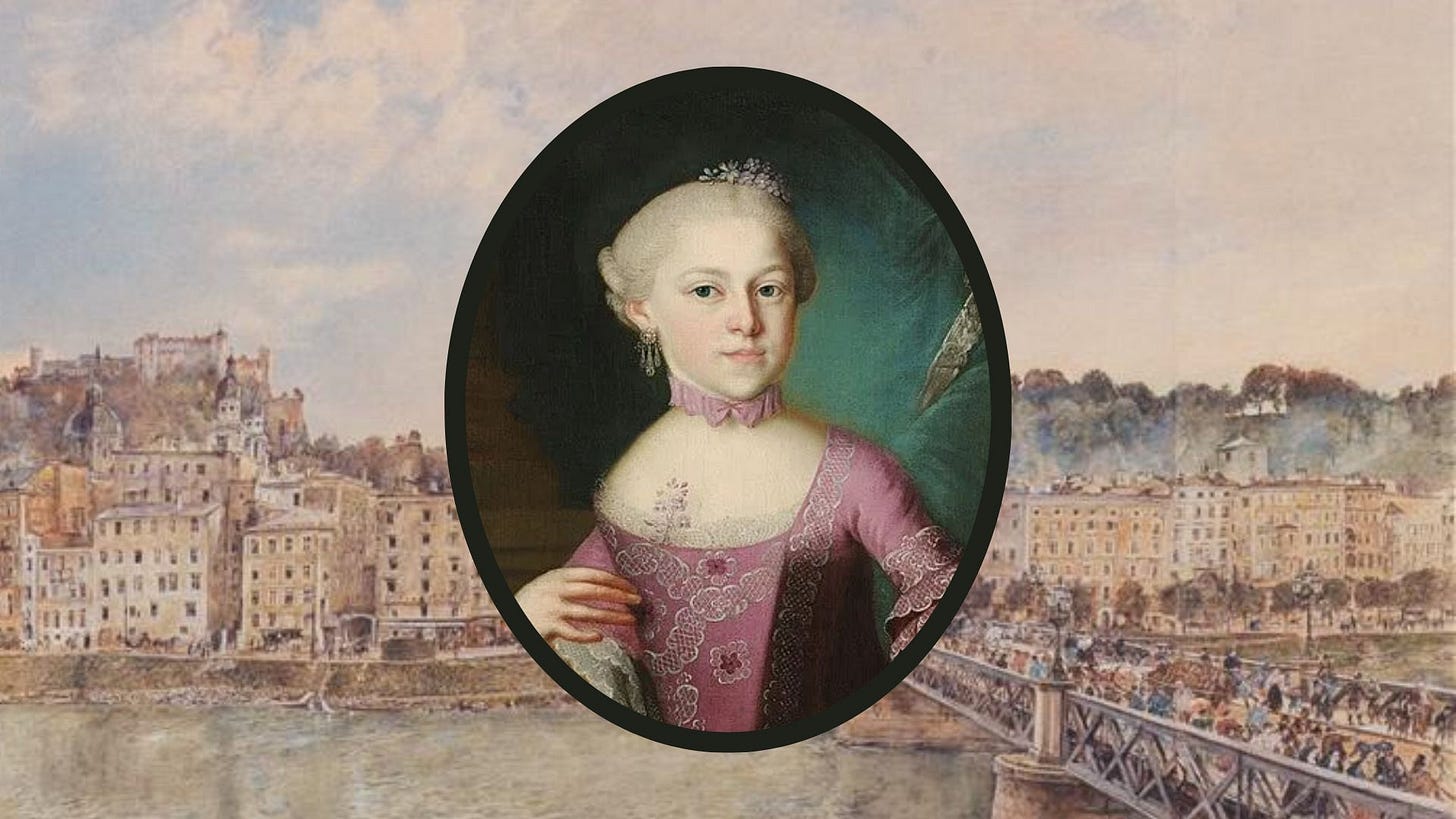
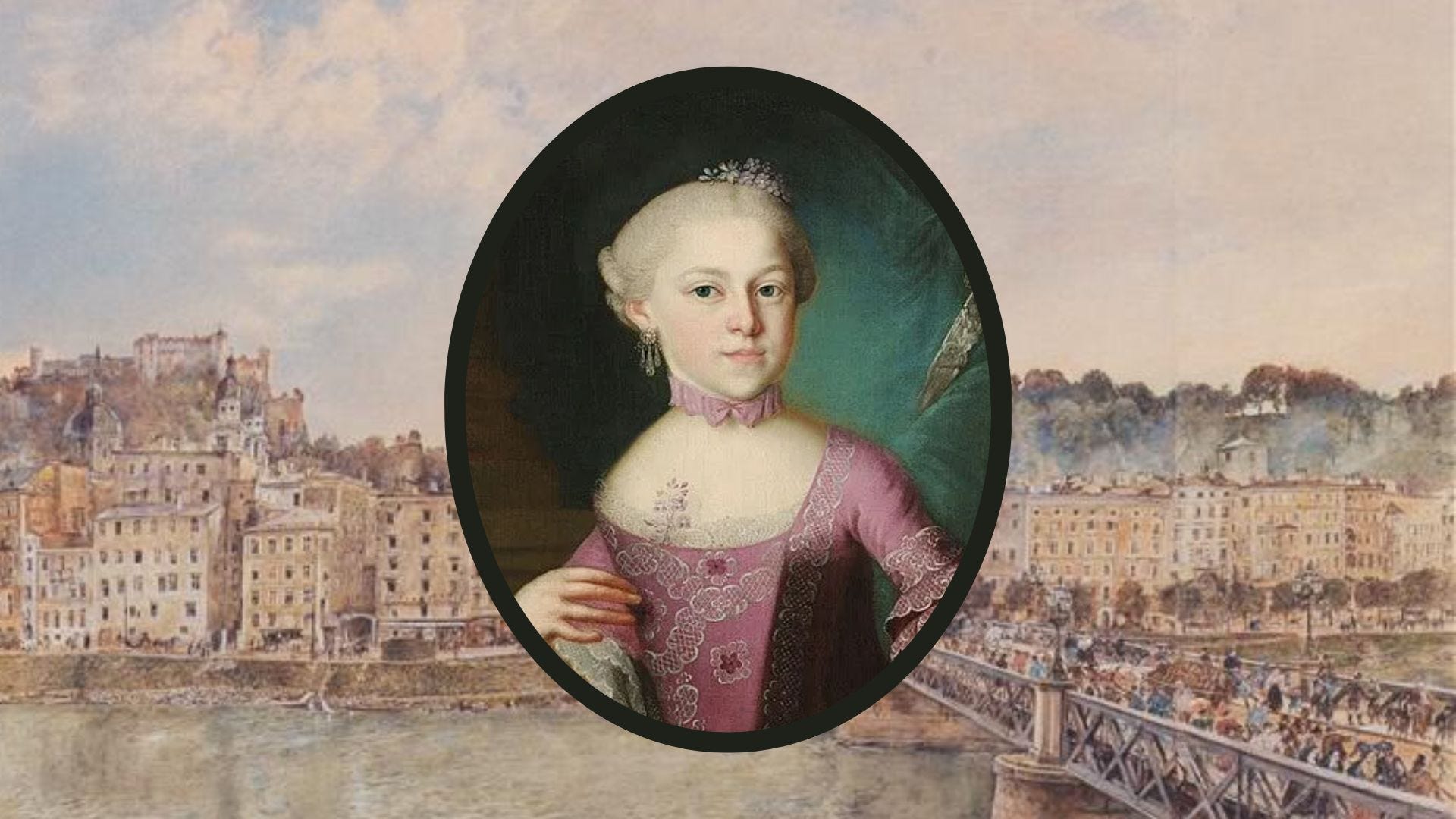
Wolfgang’s older sister and fellow child prodigy
While she toured Europe performing with her brother, “at the age of 15, her most dazzling days were behind her.”1
Married a widowed judge, raised his five children while having three more of her own
While just as talented and capable as her brother, she only taught piano to support her family after her husband died
What I learned: It’s not the choice between travel-the-world-as-a-world-class-pianist or never-play-again. Nannerl didn’t get the chance to do what her brother did (even if she could have) but that didn’t stop her from doing what she loved in the way that made sense for her.
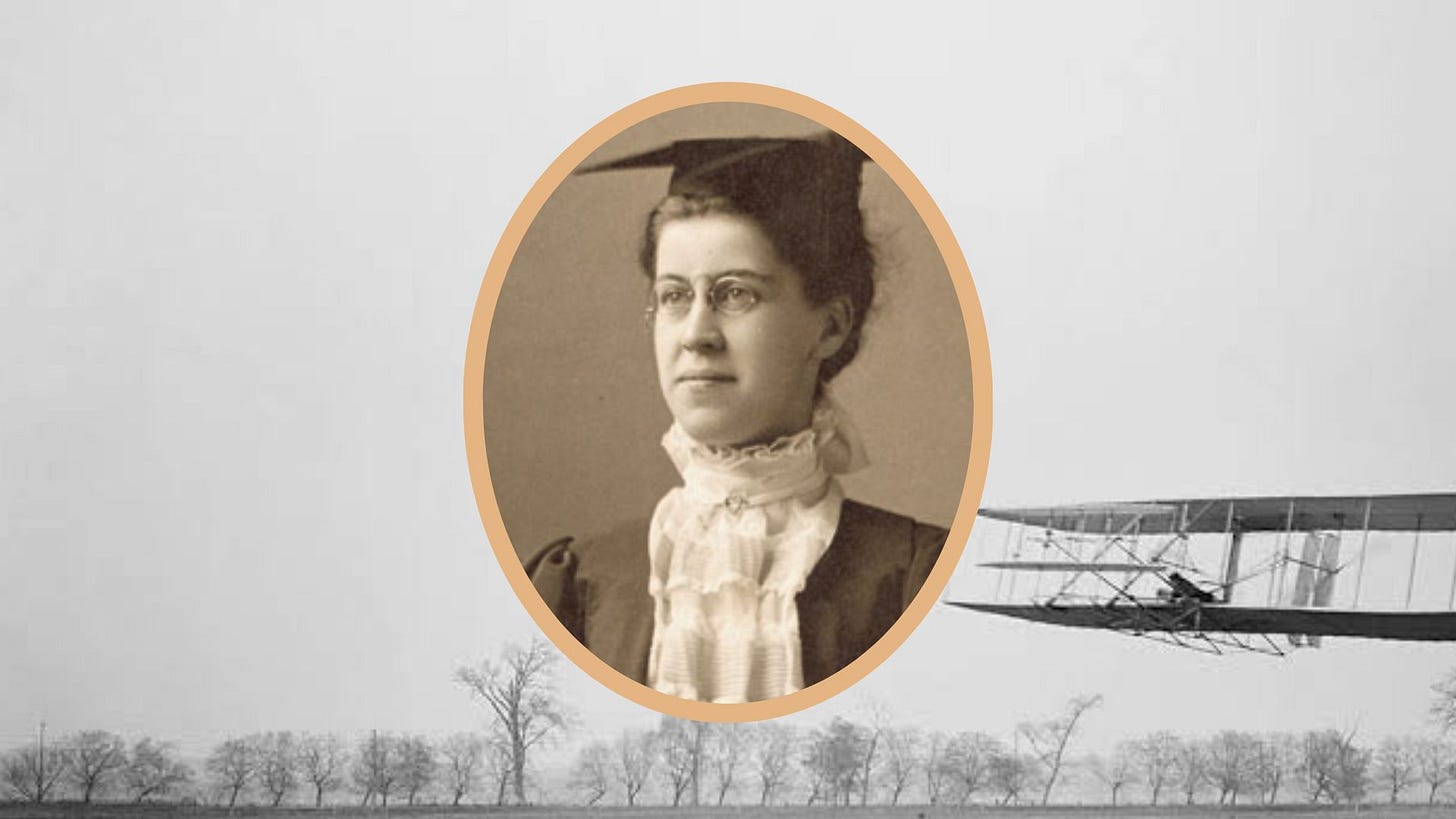
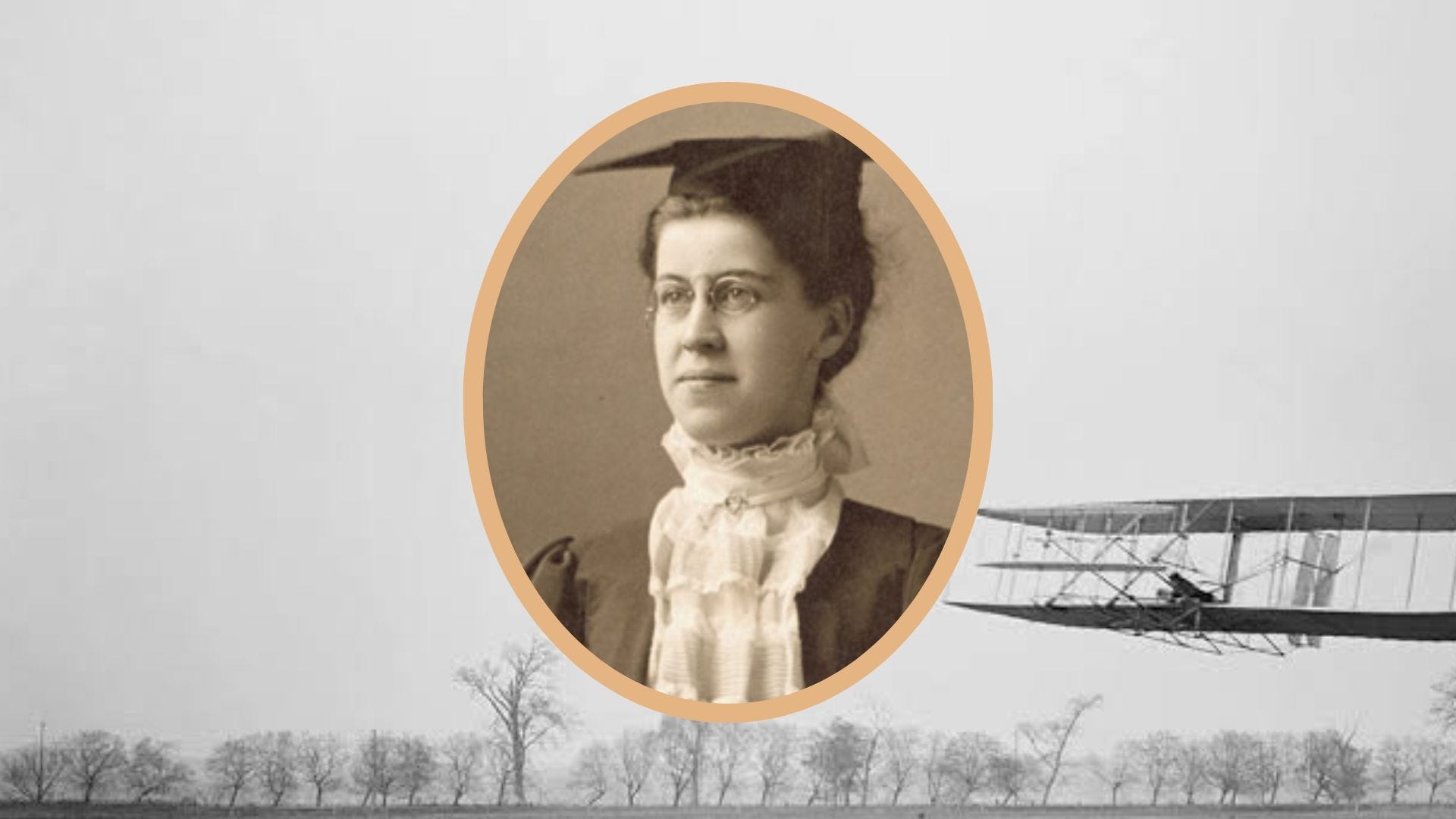
Orville and Wilbur Wright’s charismatic sister who managed her brother’s affairs and made flight possible
Kitty was the only Wright sibling to graduate from university. She managed their family business to fund her brother’s experiments. She was one of the first women to fly in an airplane. She learned French to negotiate European contracts, charmed kings and presidents, became the public face of Wright aviation, all while supporting the suffrage movement.
She said: “I get all ‘het up’ over living forever in a ‘man’s world,’ with so much discussion about what kind of women men like and so little concern over what kind of men women like... Women’s suffrage [is] like Rome, in one respect: all roads [lead] to it, with me.”
What I learned: You can get satisfaction from making things work from behind the scenes
Vincent van Gogh’s sister-in-law
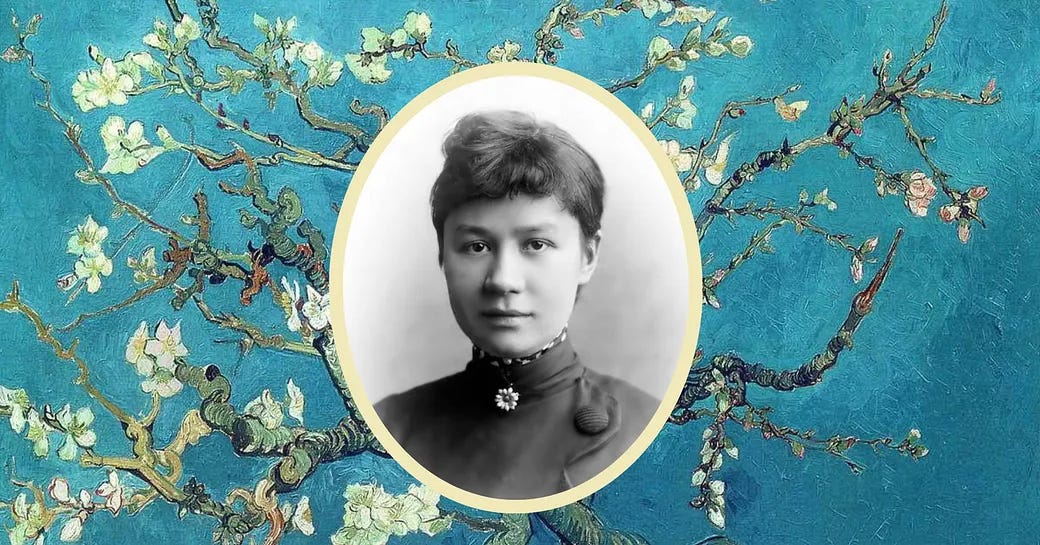
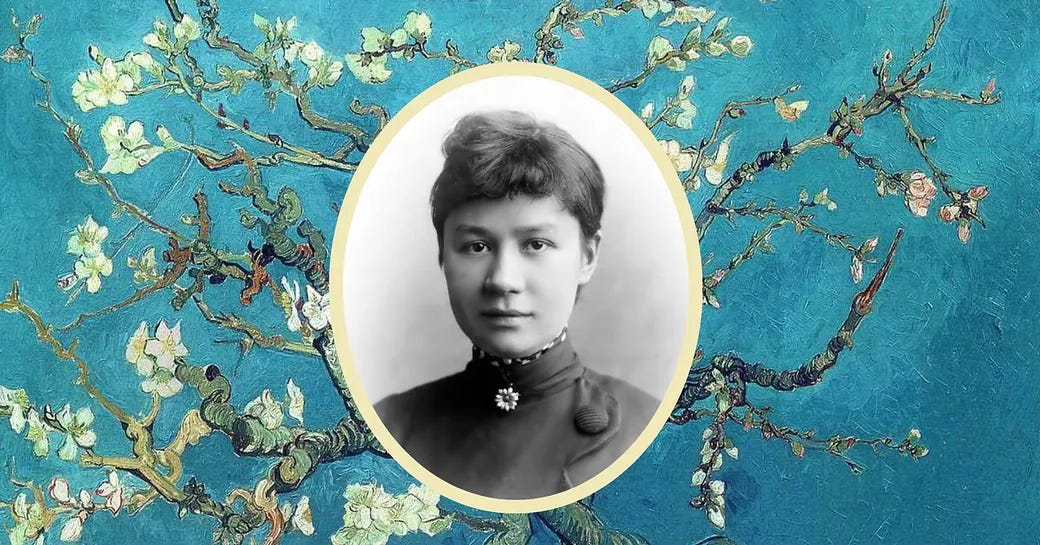
When he husband Theo van Gogh and Vincent died within six months of eachother, Johanna was left with an infant son and a house full of worthless art
She braved the male-dominated art scene to get van Gogh the recognition she thought he deserved, despite being dismissed as emotional, childish and obsessed
She was friends with artists and writers, volunteered with women’s movements and was an active member of the Social Democratic Labor Party, all while singlehandedly establishing van Gogh’s reputation and legacy
What I learned: Don’t marry someone who has syphilis, I should love my brother-in-law more, don’t be a coward in the face of opposition or people making fun of you.
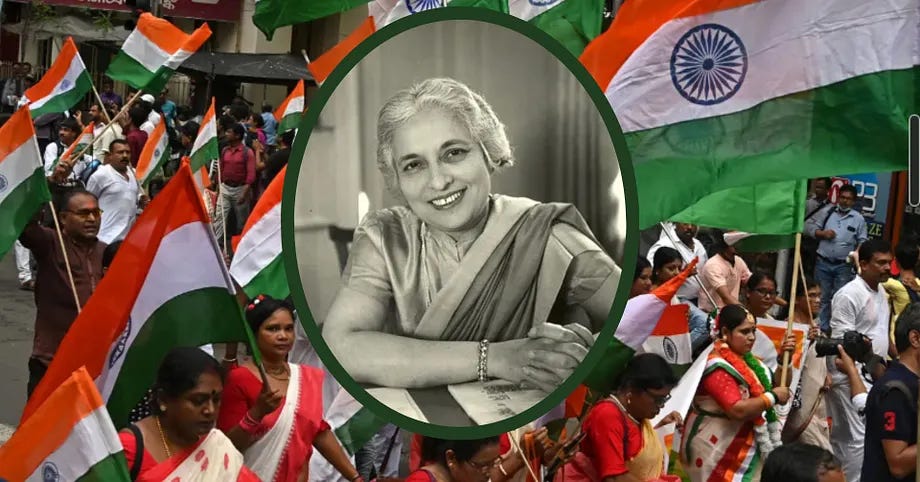
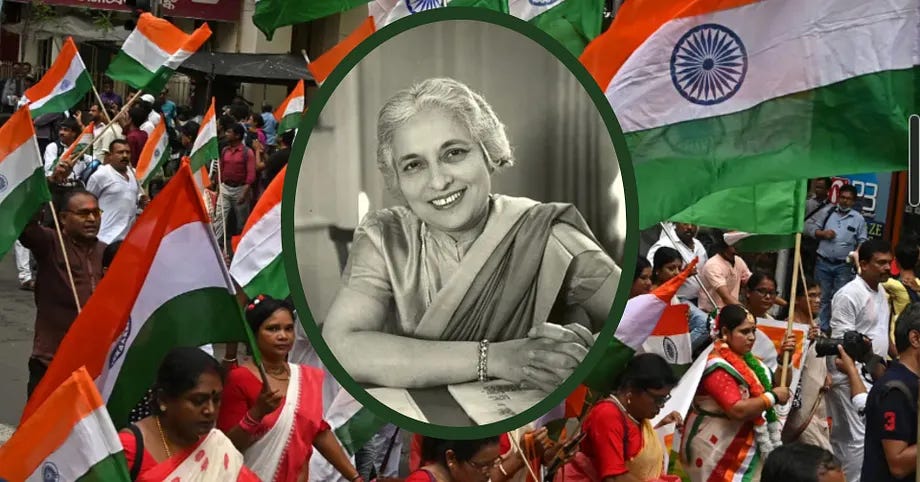
Sister to India’s first prime minister, Jawakarla Nehru
First woman to hold a cabinet position in pre-independence India
In 1946, Pandit led India’s first delegation to the United Nations
India’s first Ambassador to the Soviet Union
Served simultaneously as Ambassador to both the United States and Mexico (the first woman to hold two diplomatic posts at once)
In 1953, became the first woman ever elected President of the United Nations General Assembly, and to this day, only one of five female presidents (and the only one from India)
What I learned: I should do more with my life.
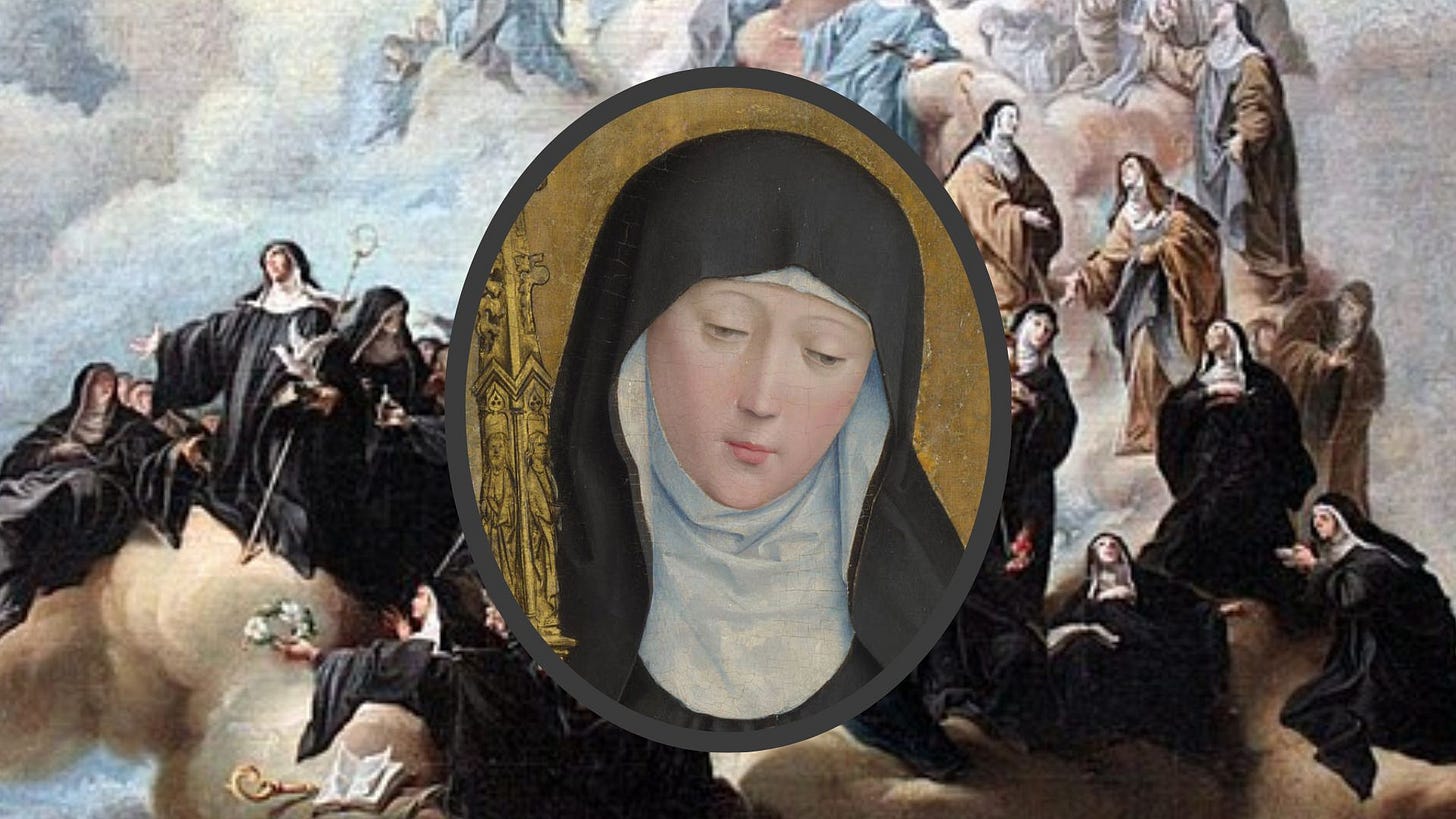
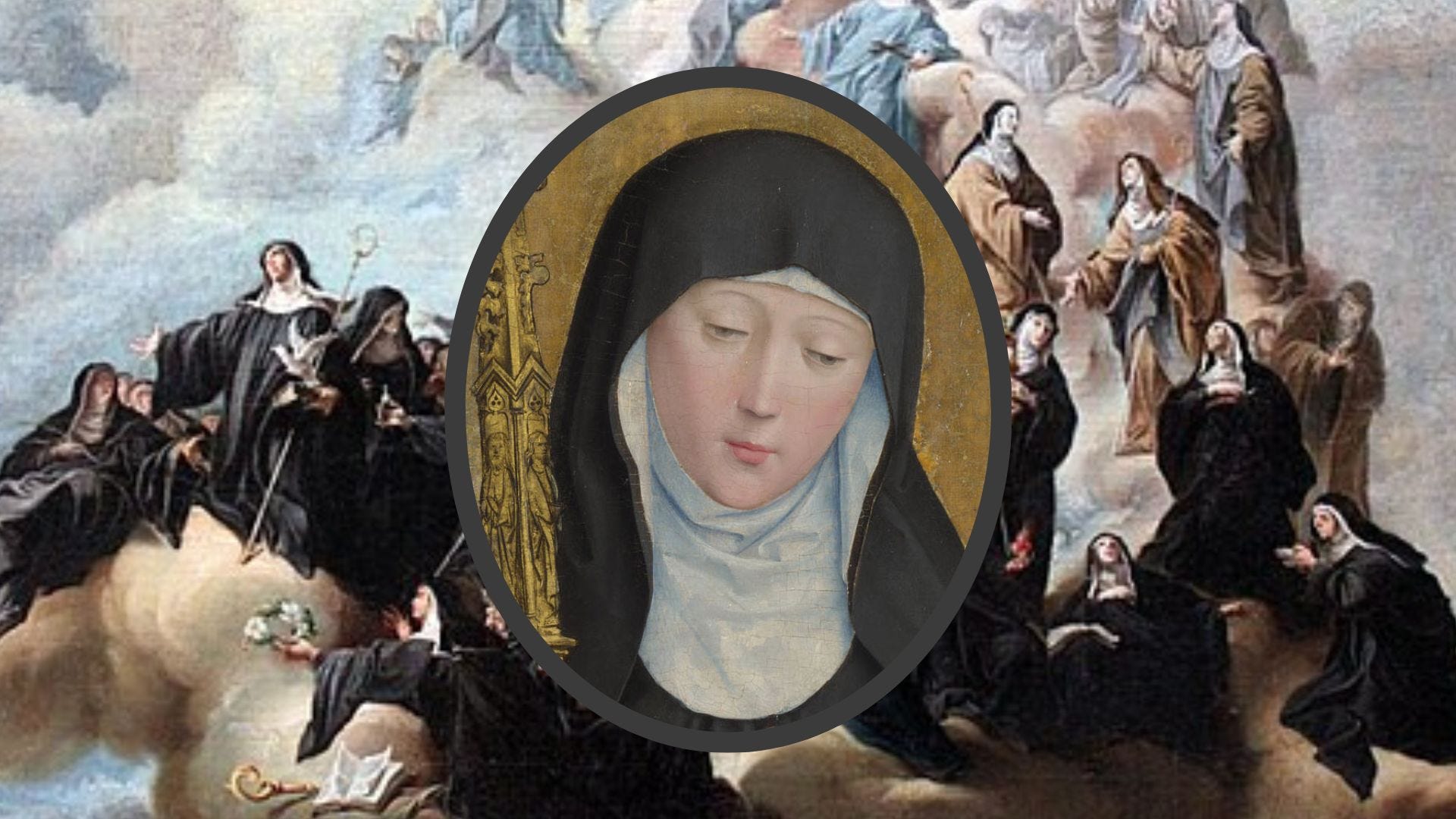
Sister to Saint Benedict
Refused a fat inheritance, started her own monastery
At their last annual meeting, she sensed that this would be the last time she would see her brother alive. After he refused to stay with he longer, she prayed for a massive storm, which the Lord provided.
When her brother asked what she had done, she answered, “I asked you, and you would not listen; I asked my God, and he did listen. So now go off, if you can, leave me and return to your monastery.”
What I learned: You can be faithful and sassy.
Sister to English poet and essayist Charles Lamb
Had a mental break and stabbed her mother to death
Lived with her brother Charles when she wasn’t in institutions
In 1807, Mary and Charles published Tales from Shakespear. Mary wrote the preface and all 14 comedies and histories, but only Charles’ name appeared on the title page.
Mary published only one piece of prose under her own name, and essay where she argued for better employment opportunities for women.
What I learned: Don’t murder your mom. But. There’s always a chance of redemption.
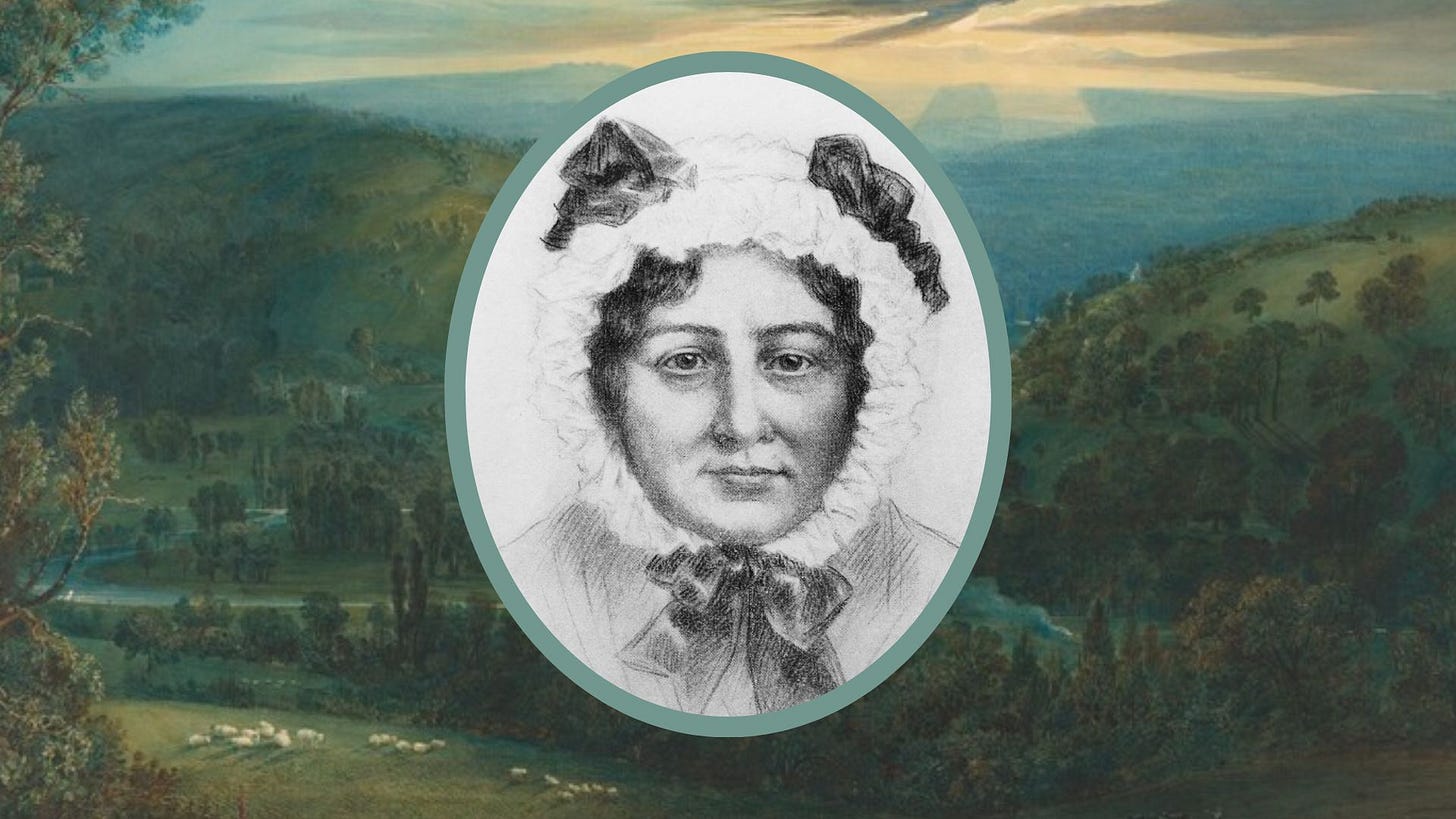
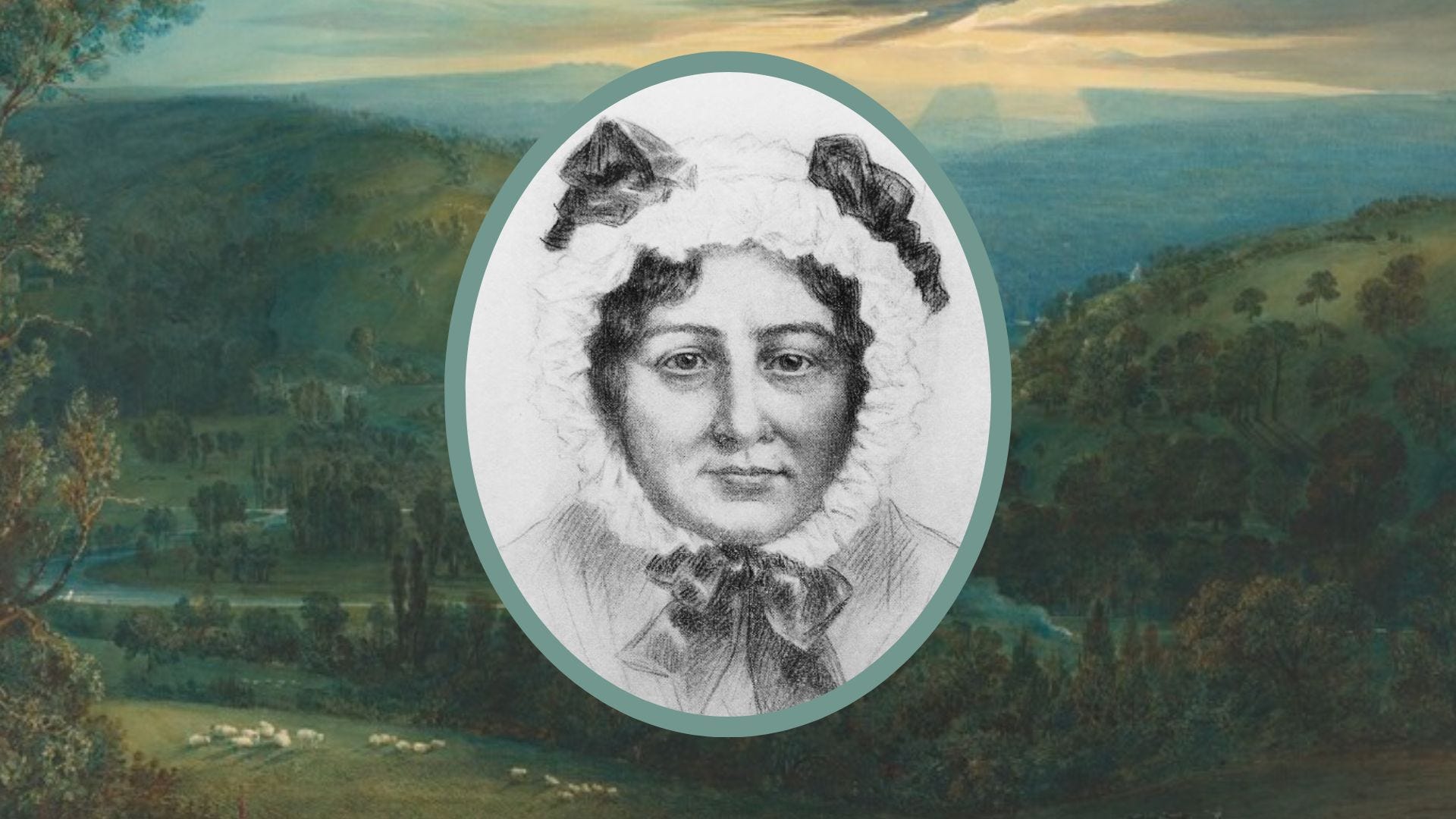
Sister to William Wordsworth (English Romantic poets) (they might have been in love)
A voracious writer who inspired her brother. She kept her journals expressly “to give [William] Pleasure“; William said his sister “gave me eyes” and “gave me ears.”
Went on lots of long walks
Died from an opium addiction
What I learned: Go on more walks. Don’t fall in love with brother.
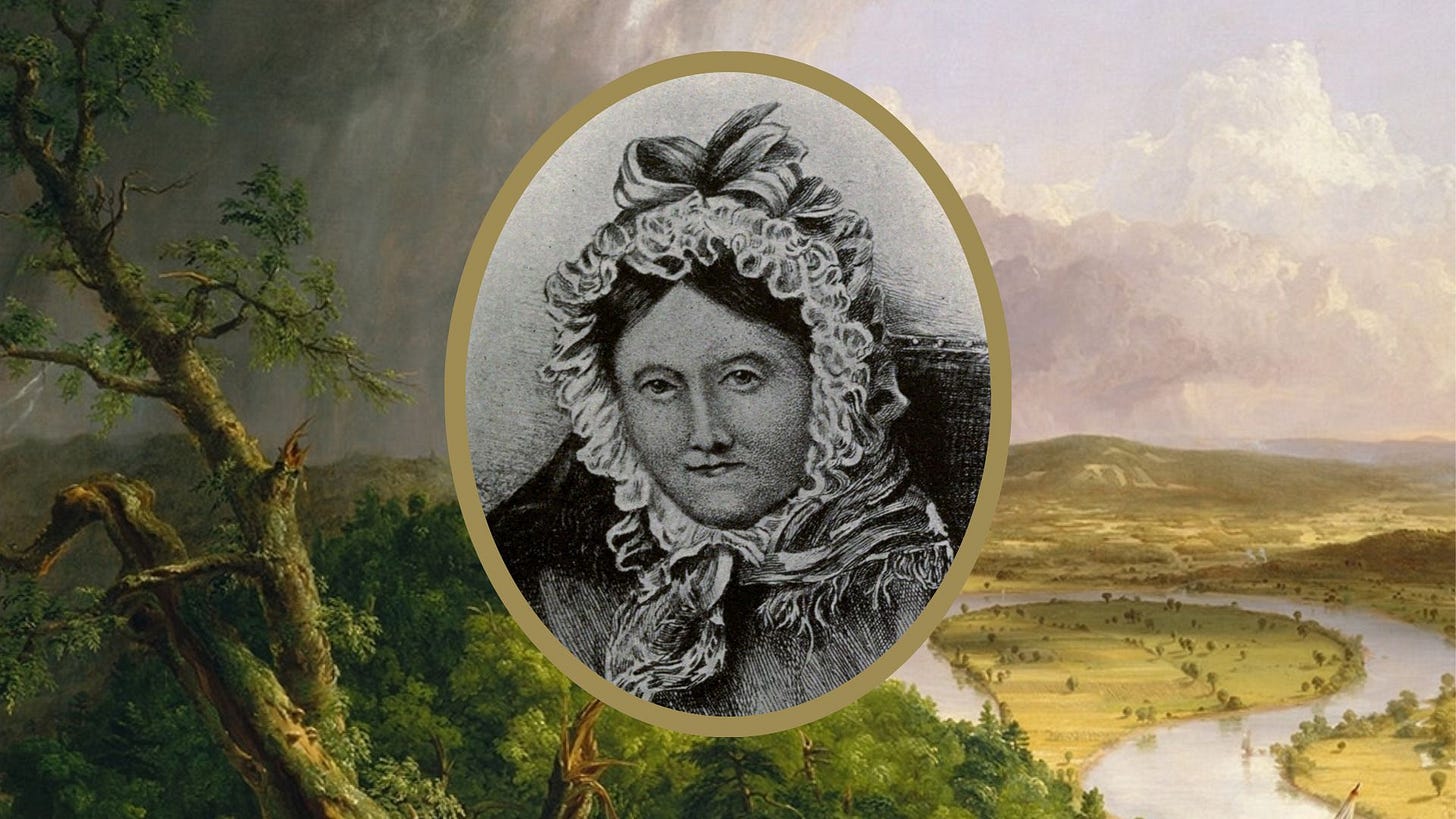
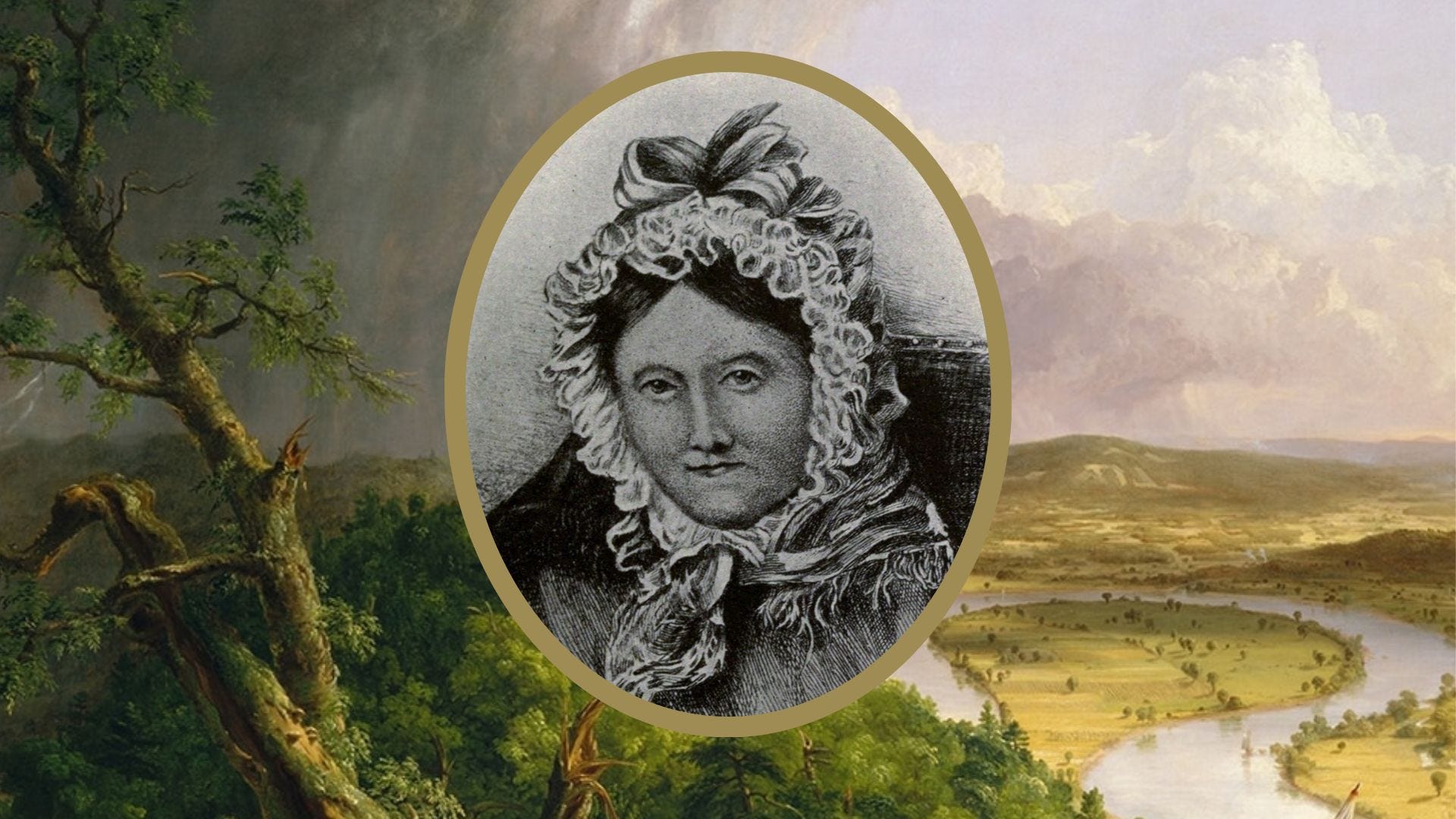
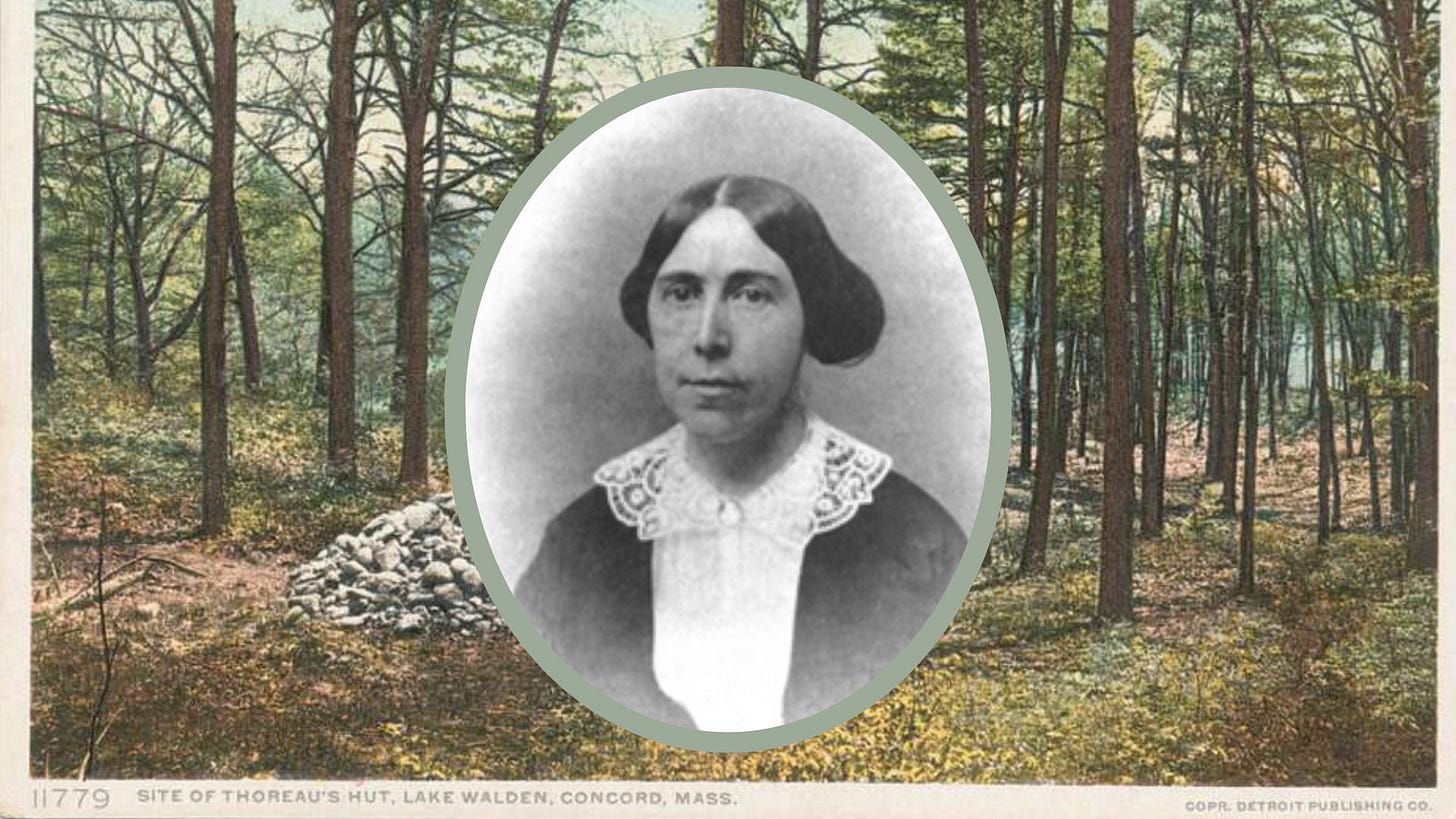
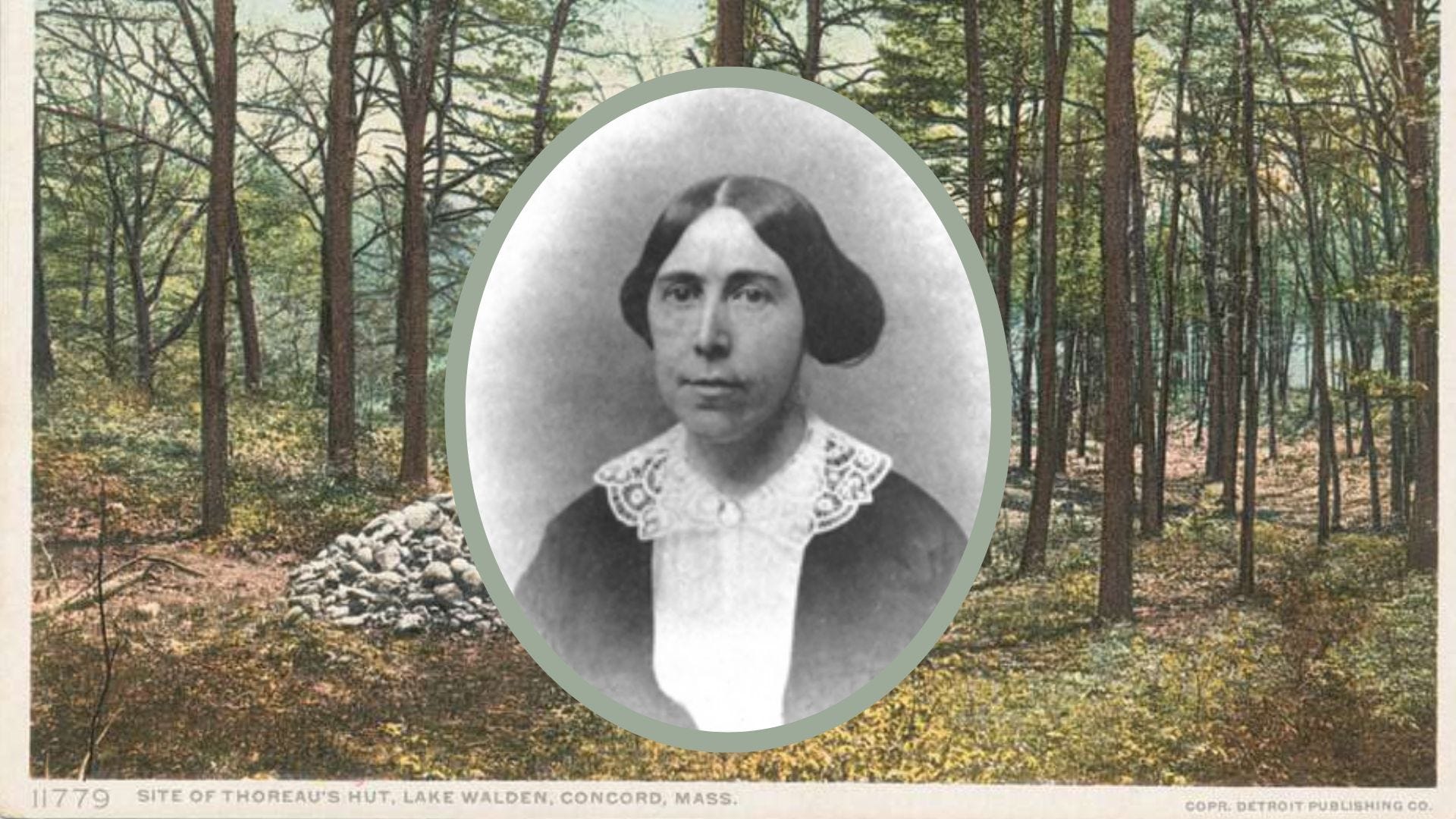
Sister to Henry David Thoreau (guy who wrote about Walden Pond)
Botanist, artist, editor, abolitionist. After her father’s death in 1859, Sophia took over management of the family’s graphite and pencil business.
Provided the stable home life Henry needed to cosplay as a hermit
Cared for and buried every member of her family
What I learned: I was just generally impressed. I named my portable AC unit after her.
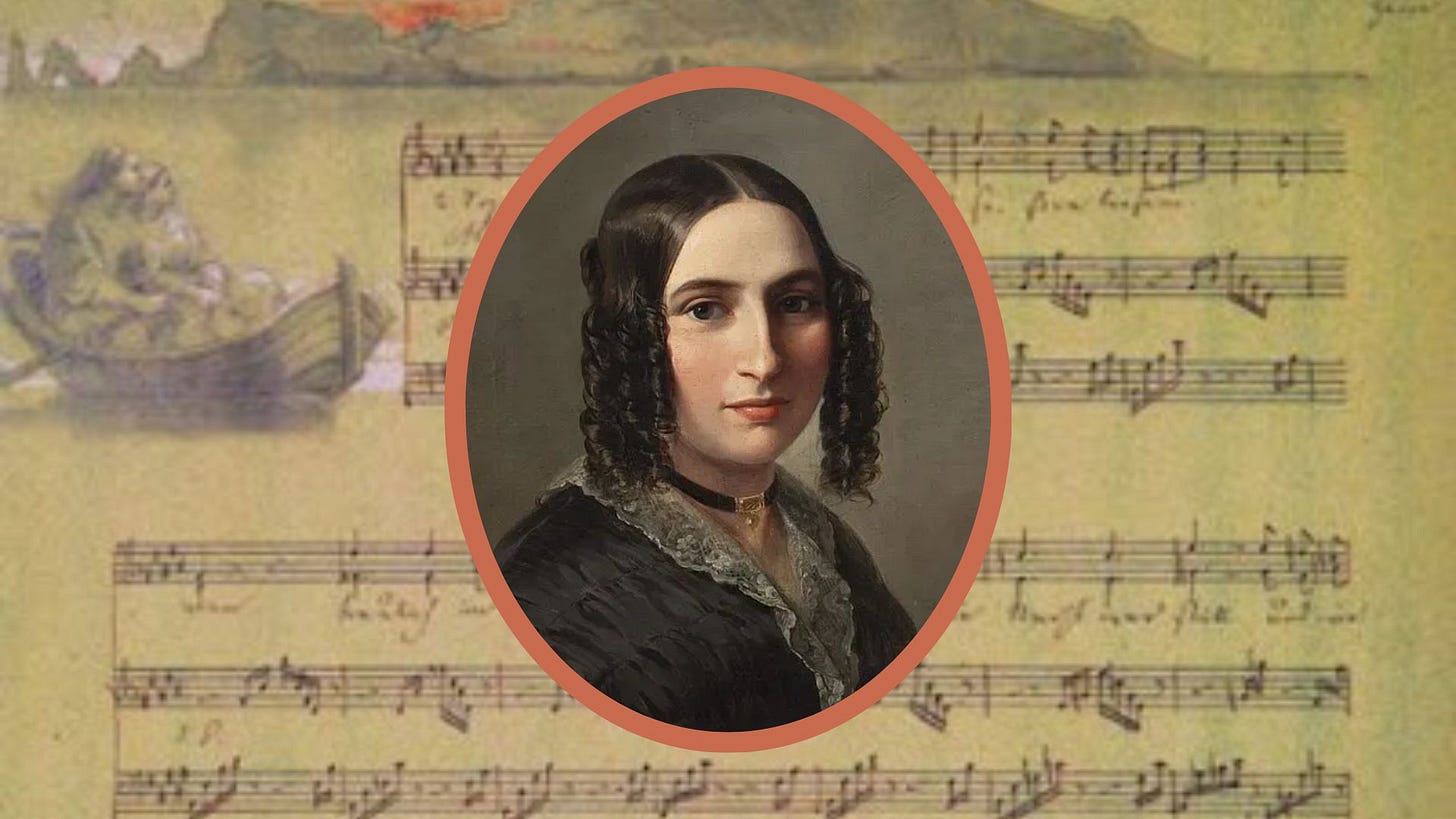
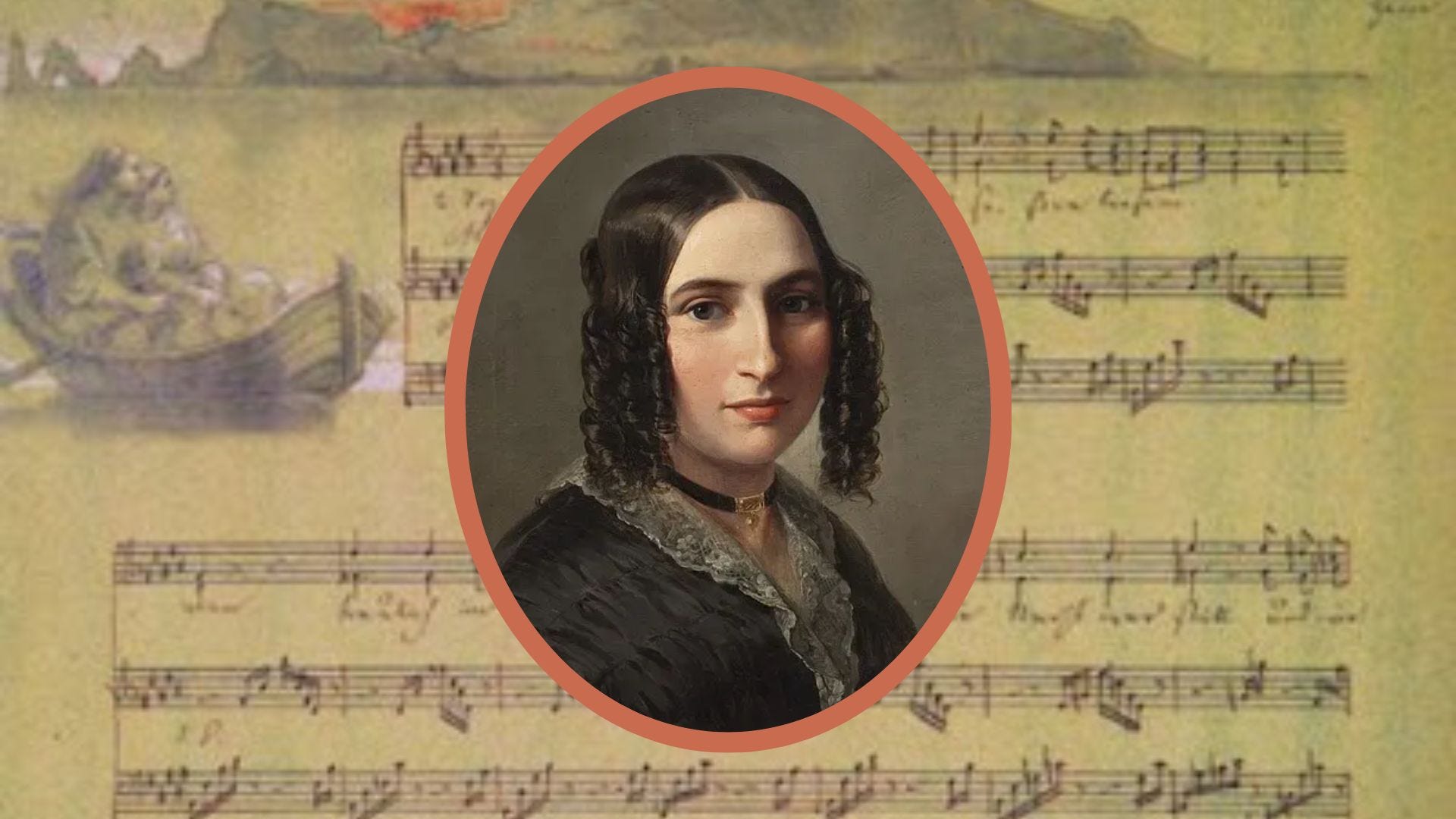
Sister to 19th-century German composer Felix Mendelssohn
Brilliant musician, child prodigy like her brother. When she asked her father if she could pursue music, he responded: “Music will perhaps become [Felix’s] profession, while for you it can and must be only an ornament, never the basis of your being and doing.”
Wrote her own wedding march the night before her wedding. Hosted Sunday concerts in her home.
Scholars are still finding music attributed to Felix that is actually Fanny’s
What I learned: Postpartum can be hard even for geniuses. If you can’t go out, bring the party to you.
We did it, guys. We finished a Field Trip curriculum!
And we’re only getting started. Know of any women we need to visit on a Field Trip? DM me or comment below!
No posts
Comments
Nothing yet. Say the first thing.
Sign in to join the conversation.