
For those who don’t follow tennis closely, the French Open is one of the four Grand Slam tournaments that’s held annually. Played on clay courts at Roland-Garros Stadium, it’s one of the sport’s most physically demanding events. But lately, some player entrances and pre-match outfits have become almost as anticipated as the matches themselves.
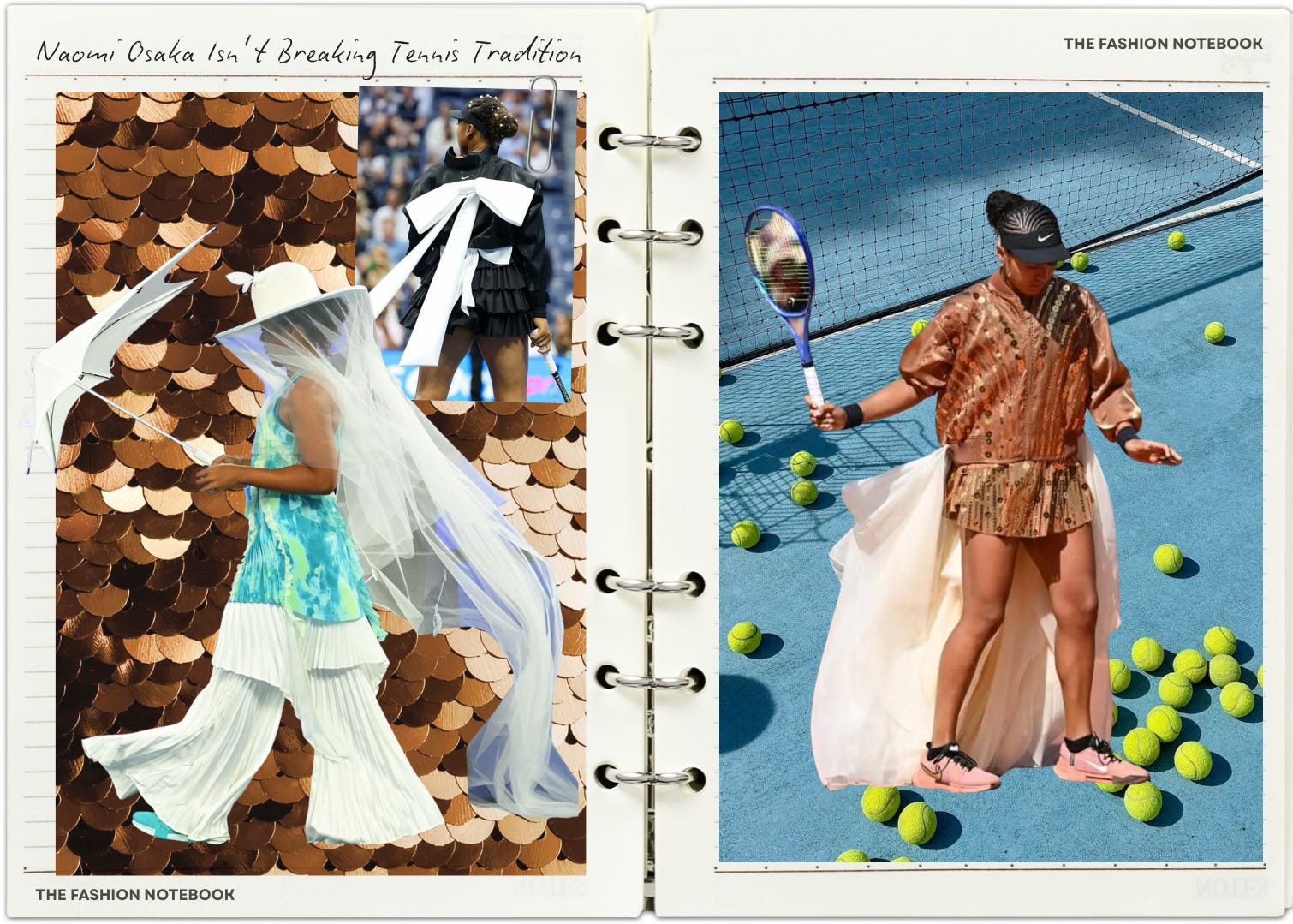
The French Open doesn’t just take place anywhere, it happens to be in Paris—the capital of haute couture. And fashion’s relationship with tennis is far from new. Before designers and luxury brands were endorsing players, athletes were already using their uniforms as a form of self-expression.
Tennis started as a high class sport. The standard uniform included corsets, full-length dresses, and all-white outfits. In the 1920s, tennis superstar Suzanne Lenglen challenged these norms by wearing sleeveless tops and low-cut dresses—pieces that we’re used to seeing on the court now, but were once considered too revealing and scandalous for women. So tennis has always been an outlet for players to rebel against tradition.

That brings us to Naomi Osaka, a four-time Grand Slam singles champion and the first Asian player to hold the number one world ranking in 2019.
On May 26, Osaka partnered with Nike and couturier Kevin Germanier, entering the court in a gold sequin covered jacket with puffy sleeves and a peplum waist. It’s the kind of look you’d expect at Paris Fashion Week, but not exactly on a clay court.
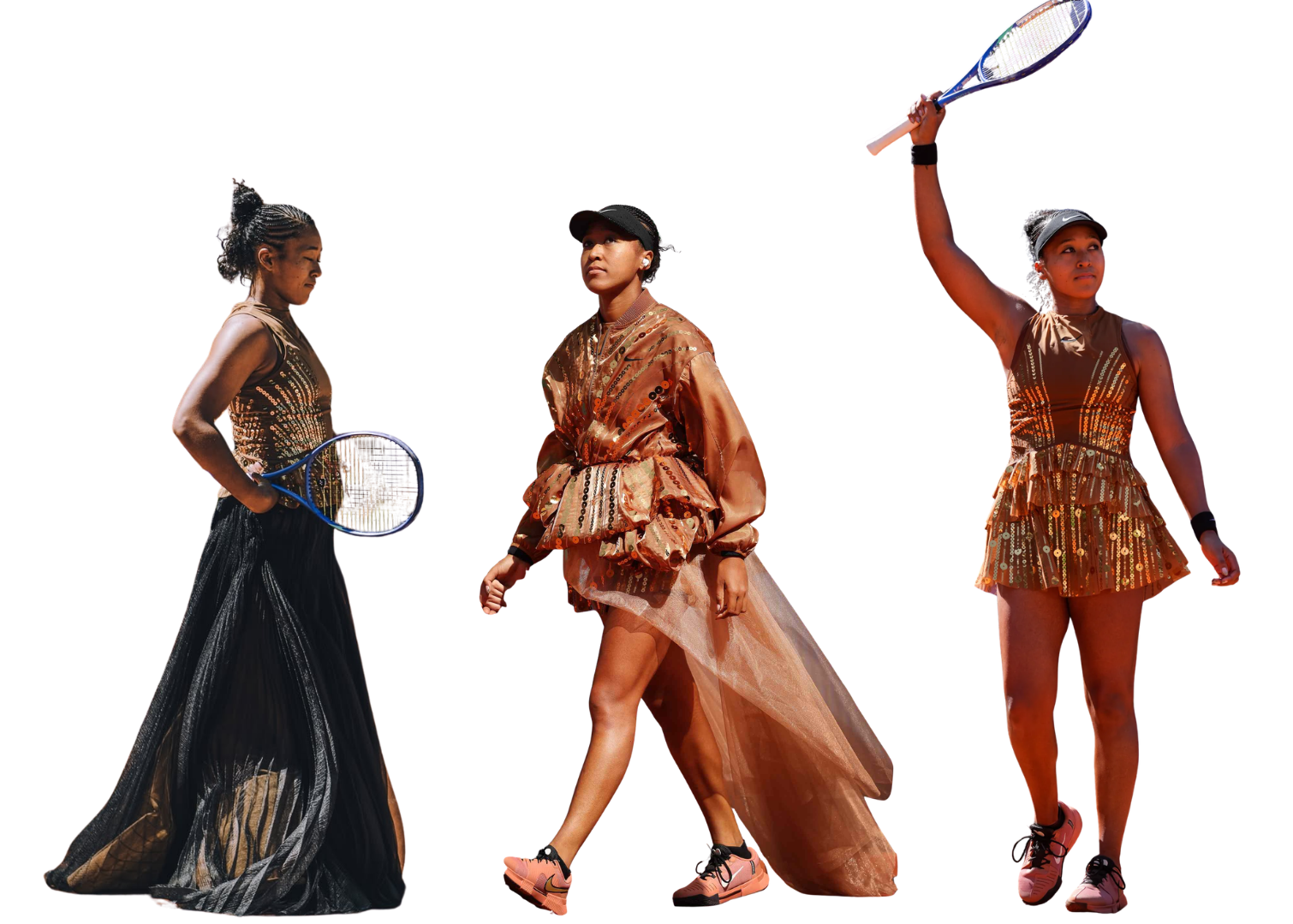
This isn’t the first time Osaka’s unconventional tennis looks are gaining attention, as she shifted from regular tennis gear to high fashion looks after she returned from maternity leave in 2024. Ever since, she’s been seen in a jellyfish-inspired ensemble, Harajuku-inspired looks complete with larger than life bows, and cherry blossom inspired hair accessories that pay tribute to her Japanese heritage.
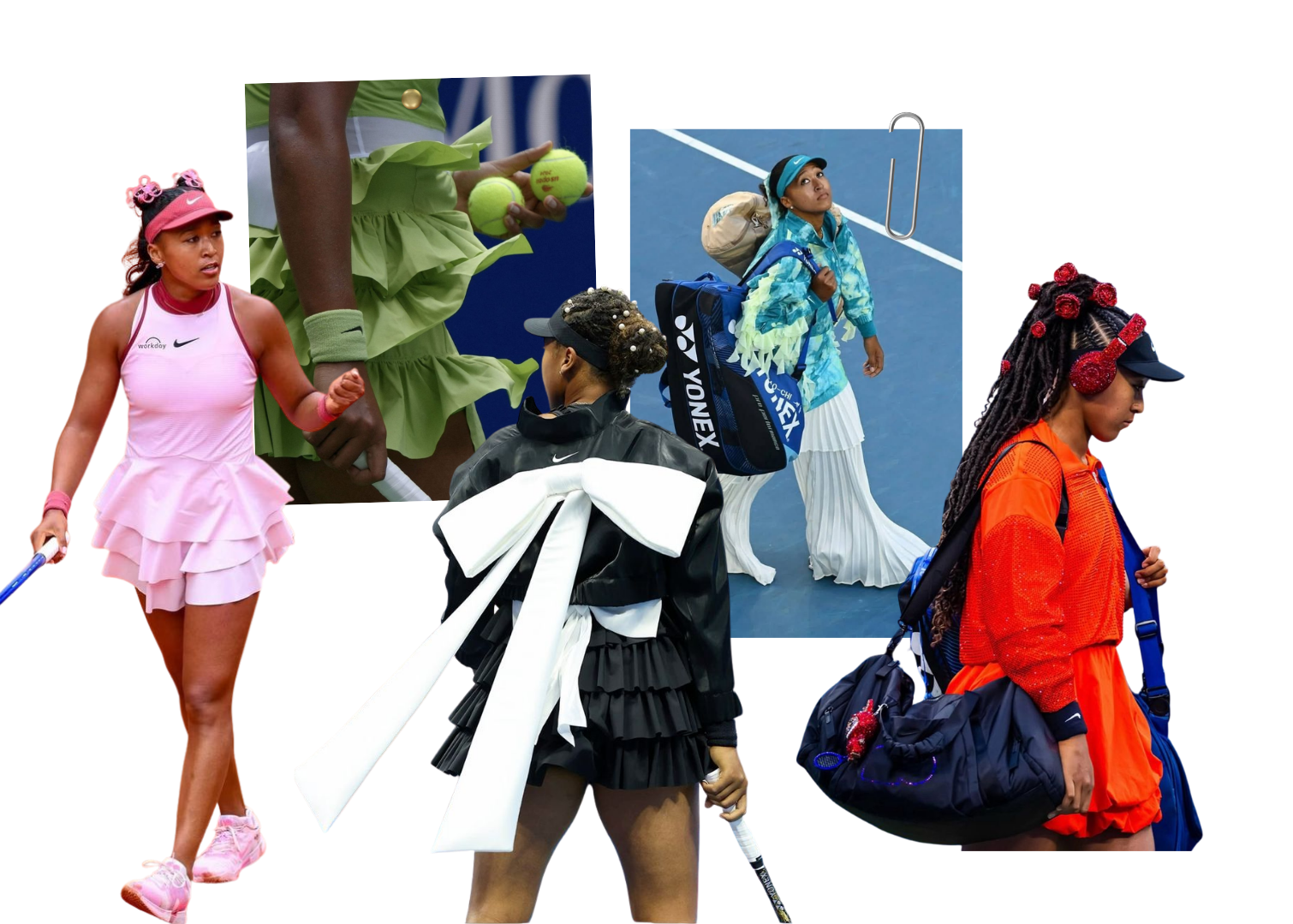
If female players have always found ways to challenge convention on the court, what makes Osaka’s recent looks so controversial, and why do they continue to provoke such strong reactions and opinions surrounding women’s sports attire?
Osaka isn’t a particularly loud person. She’s actually quite thoughtful and reserved, if you pay close attention to her interviews. “I feel like fashion, for me, I tell people, I don’t talk a lot, so that way I can talk through my clothes. That means I can be as loud with colors or patterns or fabric as I want.”
According to Osaka, her tournament looks aren’t thrown together at the last minute. Nike plans her Grand Slam outfits up to a year and a half in advance, along with multiple fittings to ensure they’re competition ready. Her outfits are strategic in every sense—designed not only to compete, but to communicate something beyond the game. They reflect who she is, what she values, and how she chooses to present herself publicly.
These outfits, which are often described as “exaggerated,” have become a natural extension of her identity. “For me it would be weirder to wear a normal tennis kit almost at this point. It’s literally like my self expression,” she said. Whether people like her outfits or not, challenging expectations and provoking reactions has always been part of fashion.
Historically, Osaka isn’t the first player to challenge tennis fashion norms. Before her, outfits like Serena Williams’ catsuit, Venus Williams’ black lace corset dress, and Maria Sharapova’s crystal-embellished dresses faced criticism for being “too fashion forward.” If anything, Osaka is continuing a long tradition of players who have used fashion to expand the meaning of tennis.
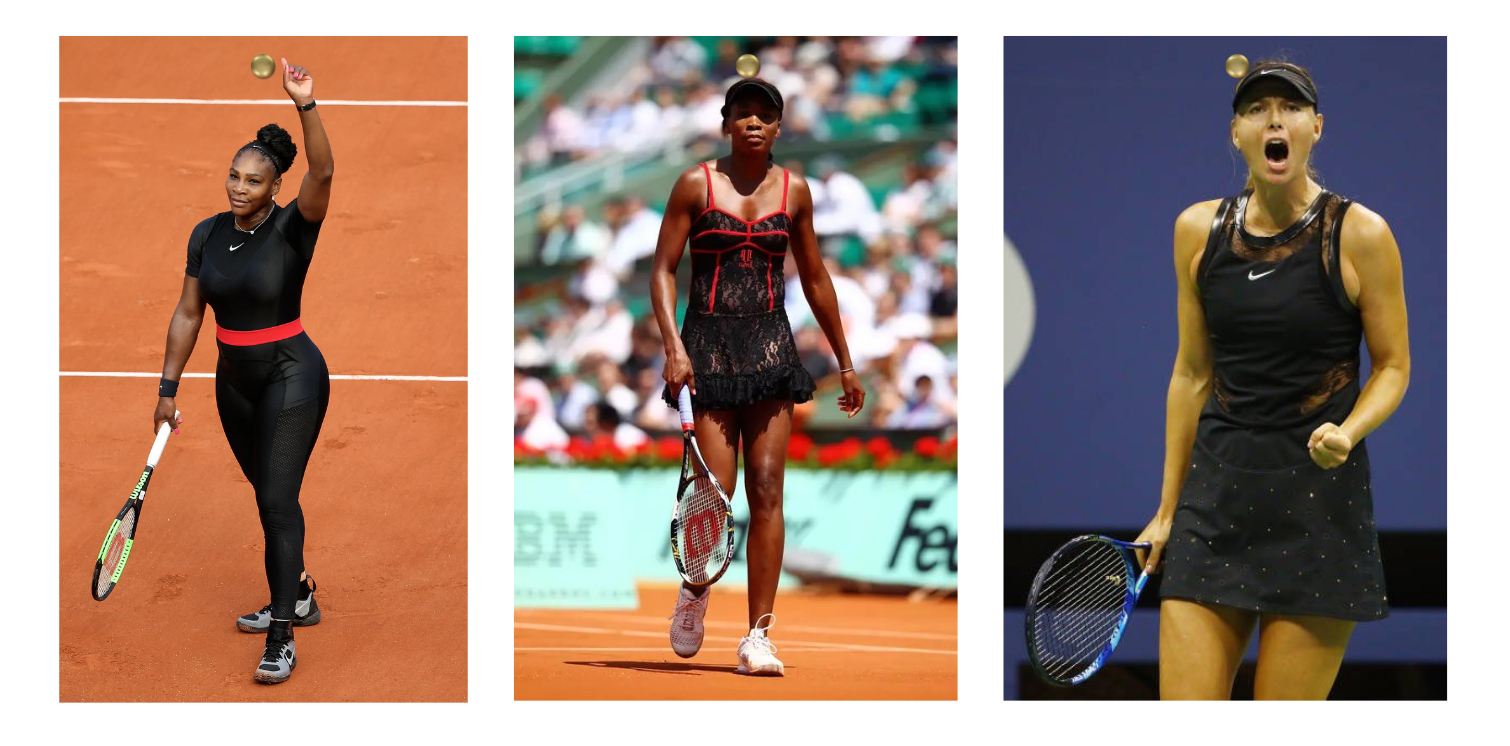
“That’s the fun part, you know. I feel like we lost that a little in tennis. I always tell people I grew up with Serena’s and Venus’ grand reveals. I literally can look at a picture and probably tell you what year that outfit came from,” Osaka said.
Osaka has also spoken openly about how past mental health struggles made tennis less enjoyable for her. So planning these creative tournament looks has helped bring excitement back into the sport. In that sense, these outfits aren’t just for the audience, they’re for her. A form of self-expression and a way of reconnecting with the game.
Osaka received criticism from her opponent Laura Siegemund, who accused her of “putting on a fashion show and taking up time.” Yet Osaka herself already had practical concerns about the outfit, worrying that the sequins would reflect too much sunlight. She even brought backup Nike kits in case the look was too distracting on the court.
She didn’t receive any sort of time violation, and many fans viewed her entrance as part of the entertainment and presentation of a Grand Slam tournament. The debate and backlash that followed it seem to be more about tennis culture and less about her individual fashion choices. Why does self-expression on the court continually make tennis uncomfortable?
Tennis continues to be defined by tradition, but that tradition includes the players who have pushed it forward by challenging convention. From Suzanne Lenglen’s sleeveless dresses to Serena Williams’ catsuit to Naomi Osaka’s recent couture inspired entrances, tennis has evolved because of the athletes willing to redefine what belongs on the court.
Maybe the real question isn’t whether self expression belongs in tennis, but why it continues to be treated as something that requires an explanation. Because Osaka’s entrance last month wasn’t a break from tradition, it was part of it.
What other athletes have changed the way you think about sports and personal style?
Thanks for reading!

No posts
Comments
Nothing yet. Say the first thing.
Sign in to join the conversation.