
By definition, a trend is something that becomes popular and culturally relevant at a particular moment in time. But when we call something “too trendy,” it suddenly takes on a negative connotation—it means something is oversaturated, overused, unoriginal and, dare I say, not meaningful. So what exactly is a trend? And why do we have such a complicated relationship with them?
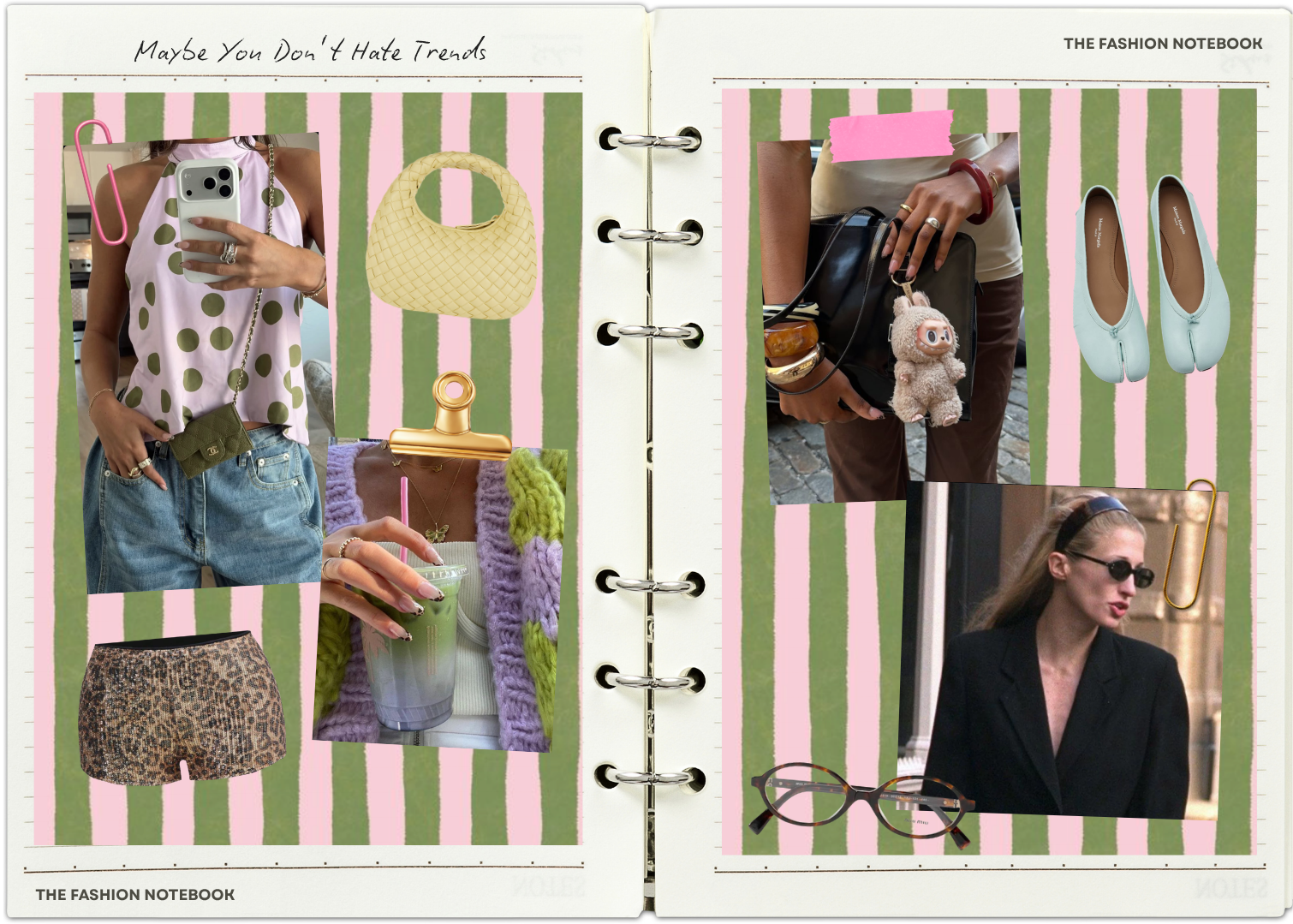
I began asking myself these questions during my weekly fashion research. When looking at fashion through a cultural lens, it’s almost impossible not to come across the word “trend.” Because like it or not, trends are part of the fashion ecosystem we live in today.
Before we get into the broader impact of trends, it’s important to understand the difference between a trend and a fad. The Cambridge Dictionary defines a fad as “a style, activity, or interest that is very popular for a short period of time.” A trend, on the other hand, is “a noticeable shift or pattern over time, whether in cultural styles, social media virality, economic markets, or consumer habits.”
A fad is something that usually gains instant popularity but doesn’t maintain a lasting impact. I often see people on social media call something a trend when it’s clearly a fad. For example, Labubus as bag charms. They rose in popularity almost overnight, and now I rarely see people talking about them (and I’m not mad about it!).

The nature of trends is like a game of “follow the leader.” Someone starts wearing something, and suddenly it creates a domino effect. More and more people start adopting a certain behavior, and over time, a pattern is formed. More often than not, trends leave some sort of lasting impact on fashion and culture.
It’s rarely just about the piece of clothing that’s trending or the style everyone is talking about. Trends reveal the broader cultural moment we’re living in. And more importantly, they can reveal something about the way we see ourselves.
A common misconception is that following a trend means you lack personal style. But actually, it’s human nature to seek a sense of belonging, to crave a connection with the people around us. In many ways, we follow trends to feel that.
What starts to become questionable is when you heavily rely on trends to build your style. When you’re waiting for the industry to tell you exactly what’s fashionable, or what is deserving of your money, time, and energy. When that happens, trends can take away from the individuality that makes our personal style feel like it’s truly ours.
But that doesn’t mean trends are inherently bad. I’ll always be a strong believer that fashion tells us more about the world we live in than we might think. Trends are a reflection of our collective psyche. They indicate what we’re thinking, feeling, and understanding at a certain point in time.
This is reflected in some of the most popular trends we’ve seen in the past years.

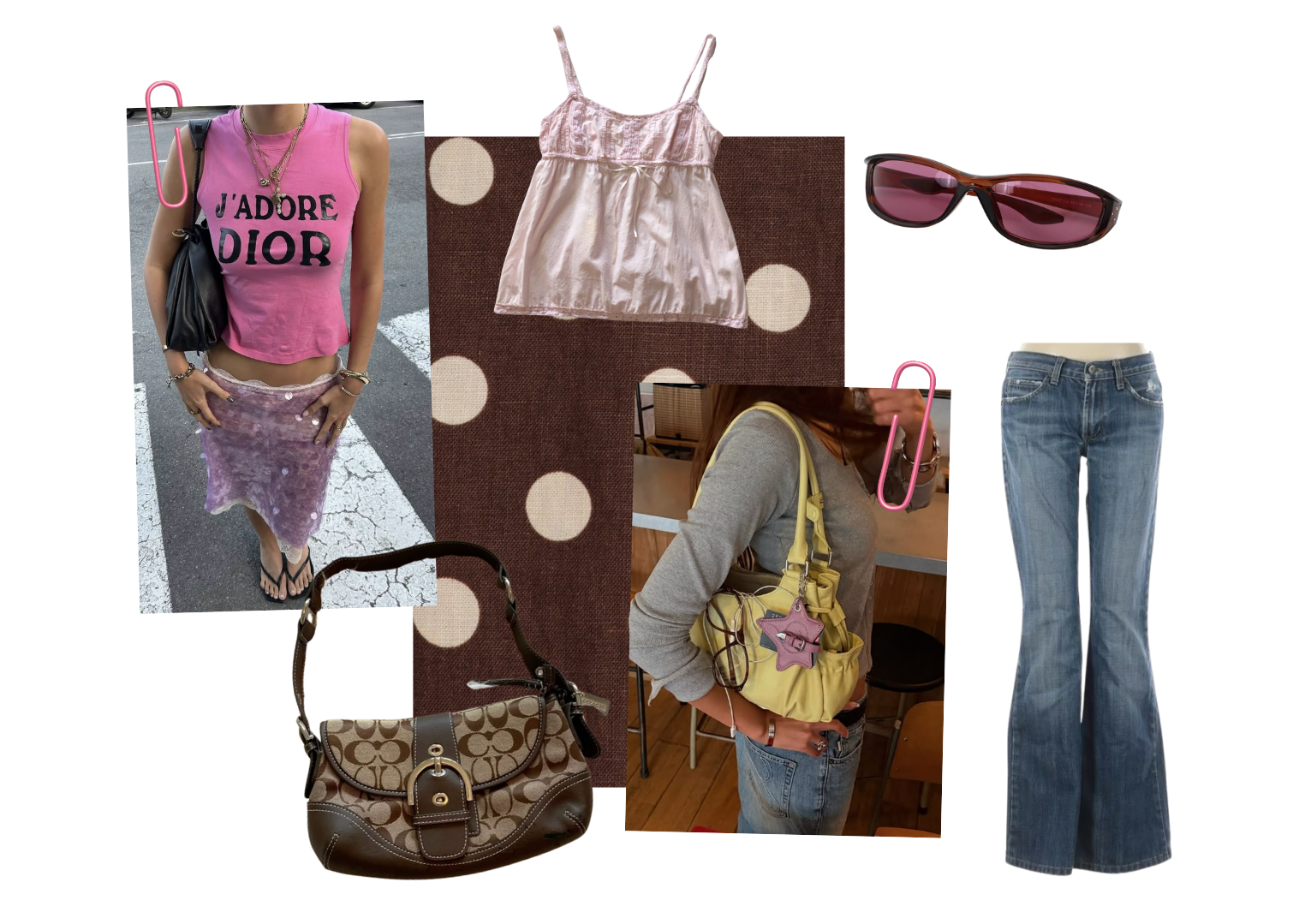
This group of trends is focused on bringing back nostalgic elements, reflecting a certain discomfort with the present moment.
Vintage sportswear, the revival of Carolyn Bessette’s style, the return of 90s minimalism, and the incorporation of Y2K accessories suggest that we’re committed to romanticizing a time when life felt simpler or even more familiar.
There was less technology, less pressure to make everything look perfect, and maybe even a sense that things were generally better back then.

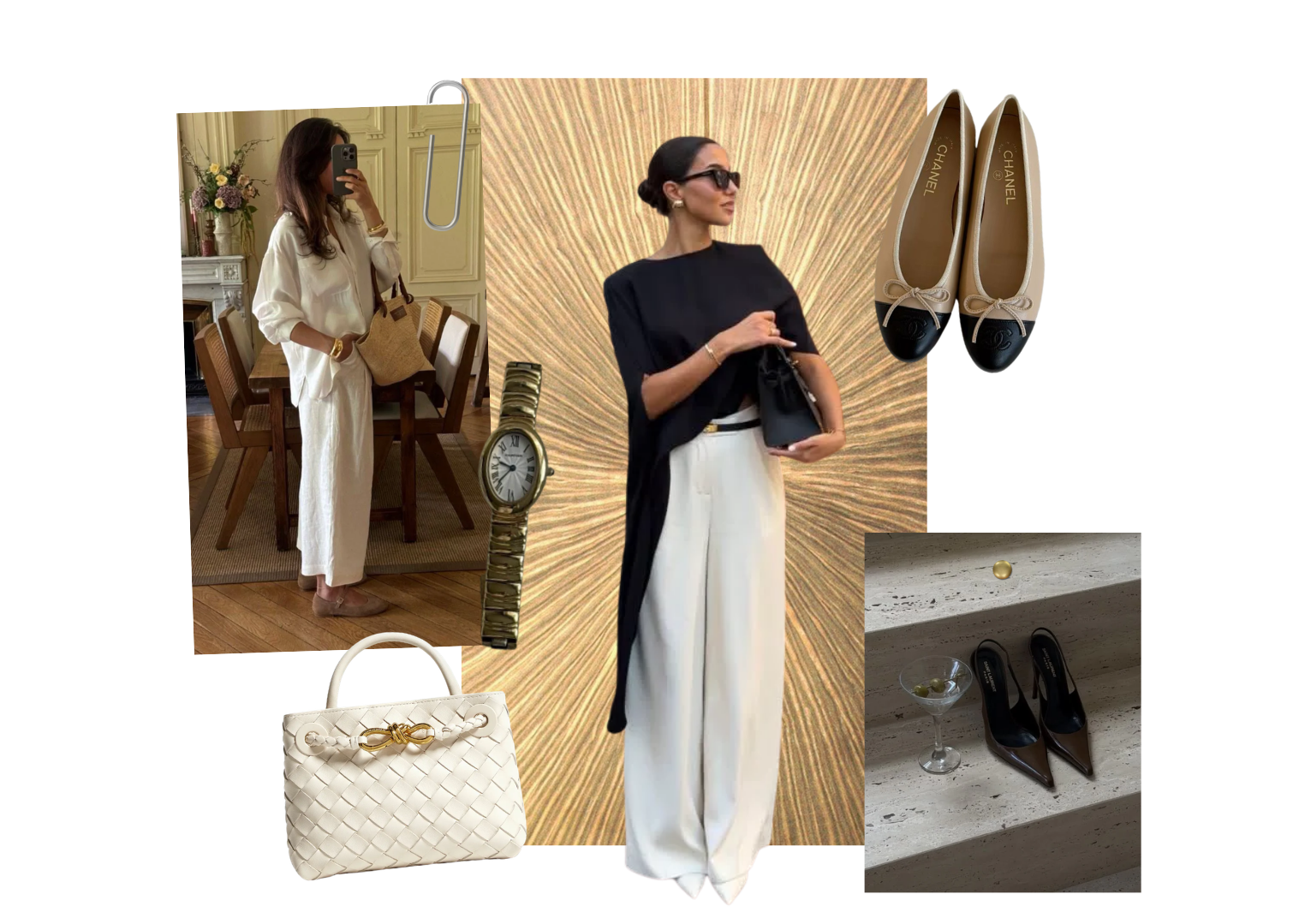
Also known as stealth wealth, quiet luxury resurfaced in 2023 as a reaction to economic uncertainty and shifting consumer values.
Through history, periods of economic instability caused the fashion industry to resort back to minimalism. After the pandemic, there was also a growing emphasis on investment pieces and buying fewer, better quality items.
Quiet luxury reflects a desire for stability during chaotic times.

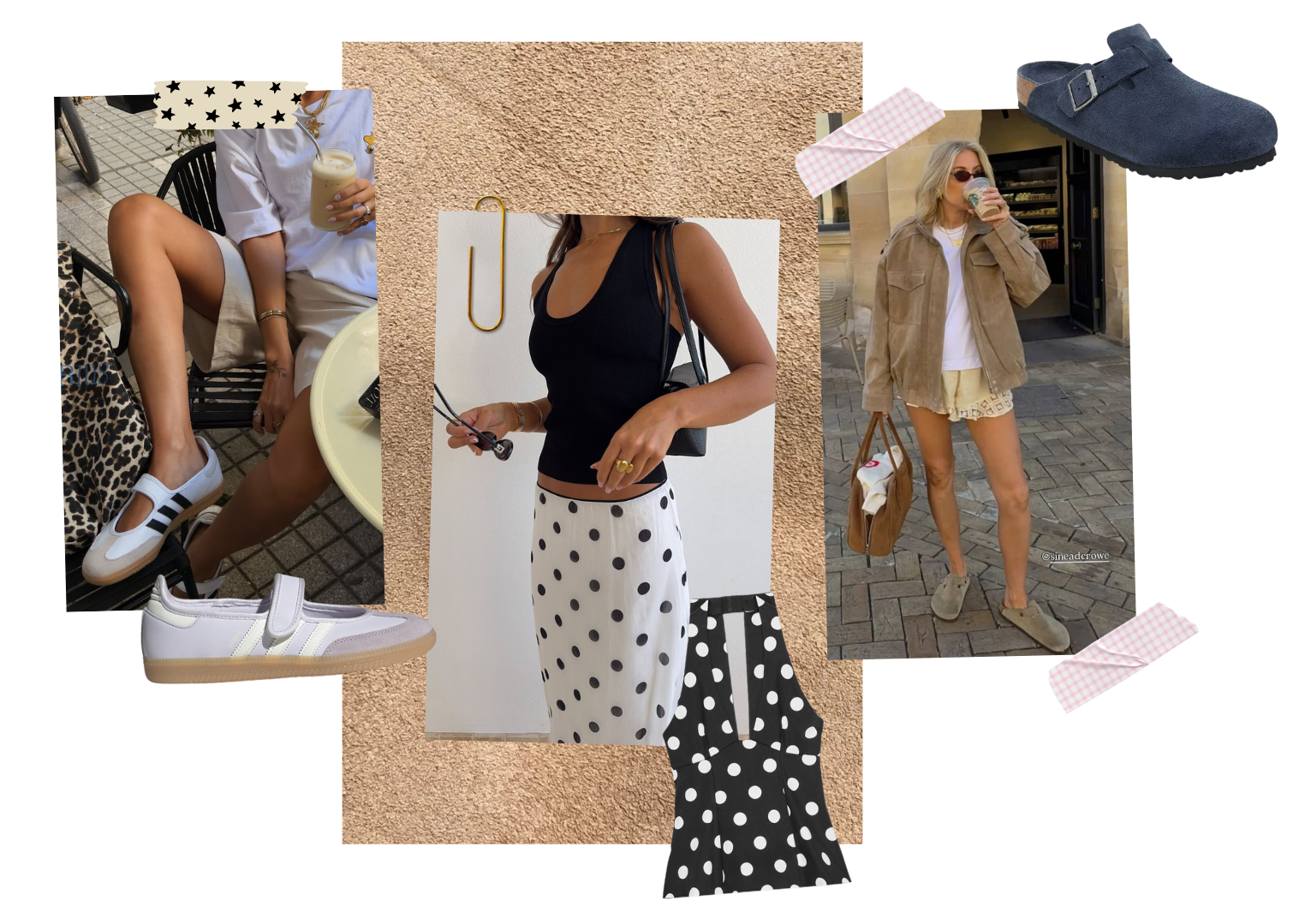
Micro trends like Adidas Sambas, polka dots, Miu Miu glasses, and Birkenstock Boston Clogs represent our desire for constant novelty, which is reflected beyond fashion itself.
In a world shaped by fast-paced algorithms, we’re constantly being introduced to new items, creating the belief that we need to constantly own and experience everything the world has to offer.
This cycle of newness has become normalized in our everyday lives, which is directly translated into the way we consume fashion.

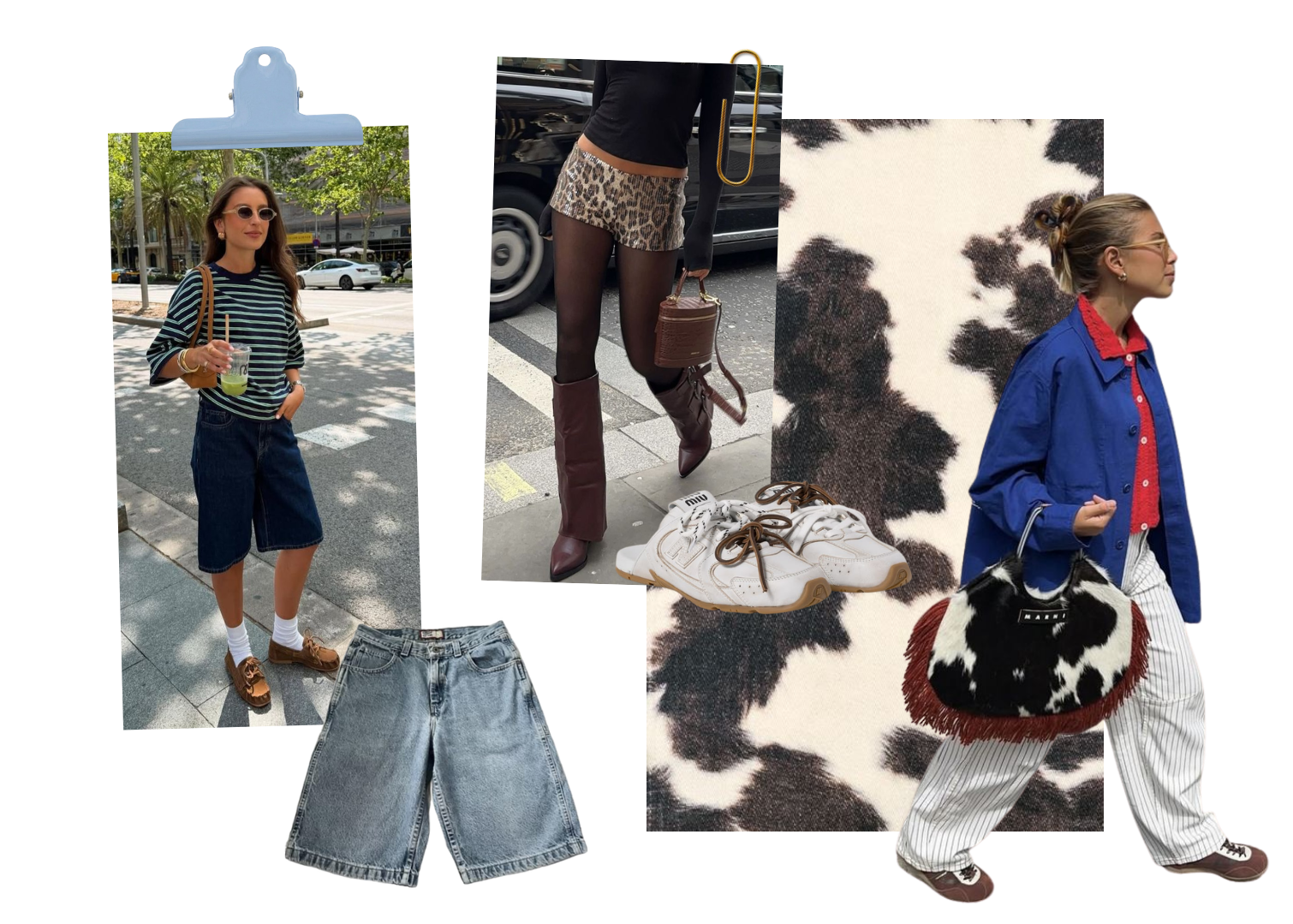
From the 1960s through the 1990s, the term anti-fashion began to build momentum, with people embracing unconventional styling and designers intentionally playing with the idea of “bad taste.” Today, pieces like chunky shoes and jorts have become widely accepted.
Imperfection, the rejection of conventional ideas of what’s considered “pretty,” and the introduction of irony into clothing have all become part of fashion.
This represents a collective desire to express ourselves differently in a world that constantly asks us to be perfectly curated. Ironically enough, what was once considered “ugly” has become the new “cool girl fashion.”

Trends have the power to influence our sense of identity. This is because they’re a direct result of the zeitgeist (the mood of a particular period in time shown by collective beliefs). When you adopt a new trend, you’re basically adopting the values behind it. You’re showing people what you understand and feel about the world.
When I studied abroad in Paris for a semester in college, one of my professors made us answer a very important question about trends: Do trends take away the “power” or specialness of an article of clothing because everyone is wearing it?
It’s such an important debate, and I think it’s something most of us wonder about all the time. Some argue that when a piece becomes overused, it stops feeling exciting because it’s now part of everyone’s identity. This argument makes sense, because at what point does a trend start feeling like a uniform?
But does following a trend actually signal conformity, or does it depend on how we choose to engage with it? Are we using trends as references to develop our own sense of style, or are we simply copying exactly what we see on social media to feel a sense of belonging?
Maybe it’s less about whether we follow trends and more about how we interpret culture. We’re all influenced by elements of the same world, but we don’t have to interpret it the same way.
I recently went to Harry Styles’ Together Together tour, and it was obvious that everyone was following the tour’s visual language. Normally, I might have felt like I wasn’t being original, because I was thinking like everyone else and referencing the same things. But I surprised myself, because I felt completely content with my outfit.
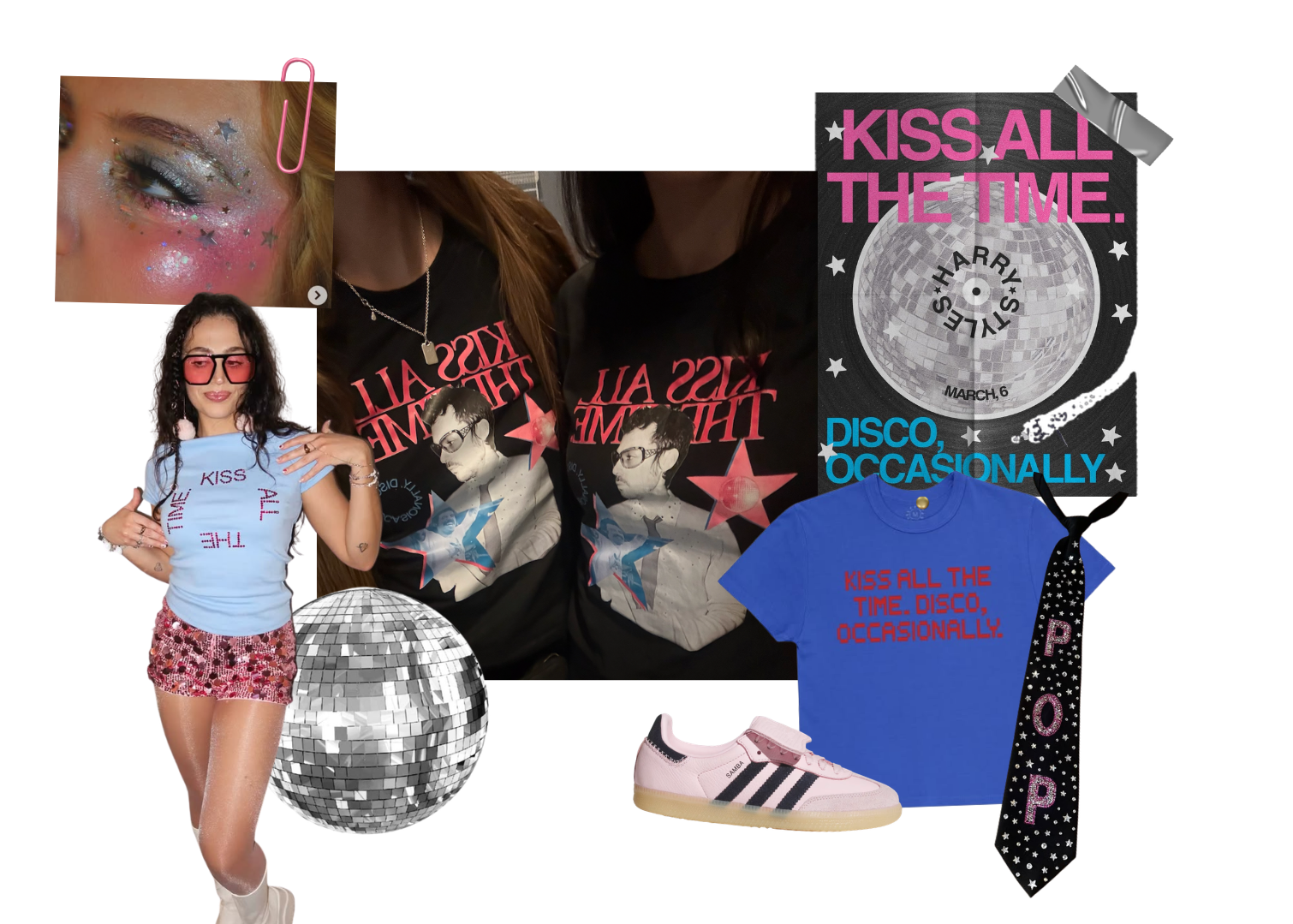
Everyone was there because of a larger-than-life community built around a single artist. So there was something so special about feeling connected to thousands of strangers without even talking to them. All the themed t-shirts, album colors, and makeup references contributed to that feeling of community. In that moment, the sameness wasn’t a loss of individuality—it was the whole point.
At the concert, I was choosing to participate in a shared cultural moment. And the sameness felt meaningful because of that. So I think the real problem is when we start relying on trends to tell us who we are in our daily lives.
To clarify, everything is not a trend, even if social media makes you feel like it is. Like I explored in “Are We Trend-ifying Personal Style?” apparently even our sense of self has become a “trend”. It’s like there’s no room to actually understand our own preferences before people categorize them.
Maybe that’s why there’s been an increase in people having a “personal style crisis.” Because if even our personal taste has become a trend, what’s left?
We’ve started using trends as shortcuts to understand our own style. But style is a complex thing. It’s something you can’t simply describe in a few words. Style is about how you carry yourself, what your personality is like, and how you see yourself.
Instead of taking the time to understand ourselves through our clothing choices, we turn to pre-established categories. Clean girl, maximalist, quiet luxury, preppy, and so on. It seems like the easy way out.
We let these “aesthetics” tell us who we are. I think that’s the real problem, not necessarily that they exist in the first place. Because it’s okay to identify with some of these categories. But basing your personality and taste on them is not what fashion is about at all.
So has even rejecting trends become a trend? Can we even escape them?
Fashion scholar and sociologist Fred Davis argues that counterculture antifashion “injects itself headlong into the dialogue of fashion” by attempting to “debunk and deride the dominant mode rather than to merely propose some group-specific alternative.” In other words, rejection is also a form of participation. So you can reject a trend, but you can’t really escape the system that made you aware of it.
I think the definition of trends many people are used to is what eventually stops making sense. Trends aren’t just aesthetics or oversaturated pieces of clothing, they explain what people are drawn to at a certain moment in time.
And, like everything in fashion, trends are cyclical. They come back when you least expect them to. So it might not even be fair to say you don’t participate in trends, because like it or not, they’ll influence you somehow. That doesn’t mean you’ll gravitate towards buying pieces or styles that are trending. It just means that it’s okay to like wearing ballet flats again like everyone else—not because the algorithm told you to, but because it makes sense for you.
What I hope you take away from this is that you can use trends to understand yourself better. But there’s a fine line between letting trends inspire you and letting them replace your taste, your curiosity, and your desire to figure out what feels like you.
Because when you let trends do all the thinking for you, you miss out on the journey of building a personal style that reflects your own experiences, references, and perspective.
How would you describe your relationship with fashion trends?
Thanks for reading!

No posts
Comments
Nothing yet. Say the first thing.
Sign in to join the conversation.