
Established in 1925, Fendi has become one of the most recognizable names in luxury fashion. But unlike many of its competitors, the Italian house has managed to remain desirable without becoming overwhelmingly ubiquitous. Rooted in craftsmanship, family heritage, and a distinct creative identity, Fendi has spent a century preserving the traditions that define it.
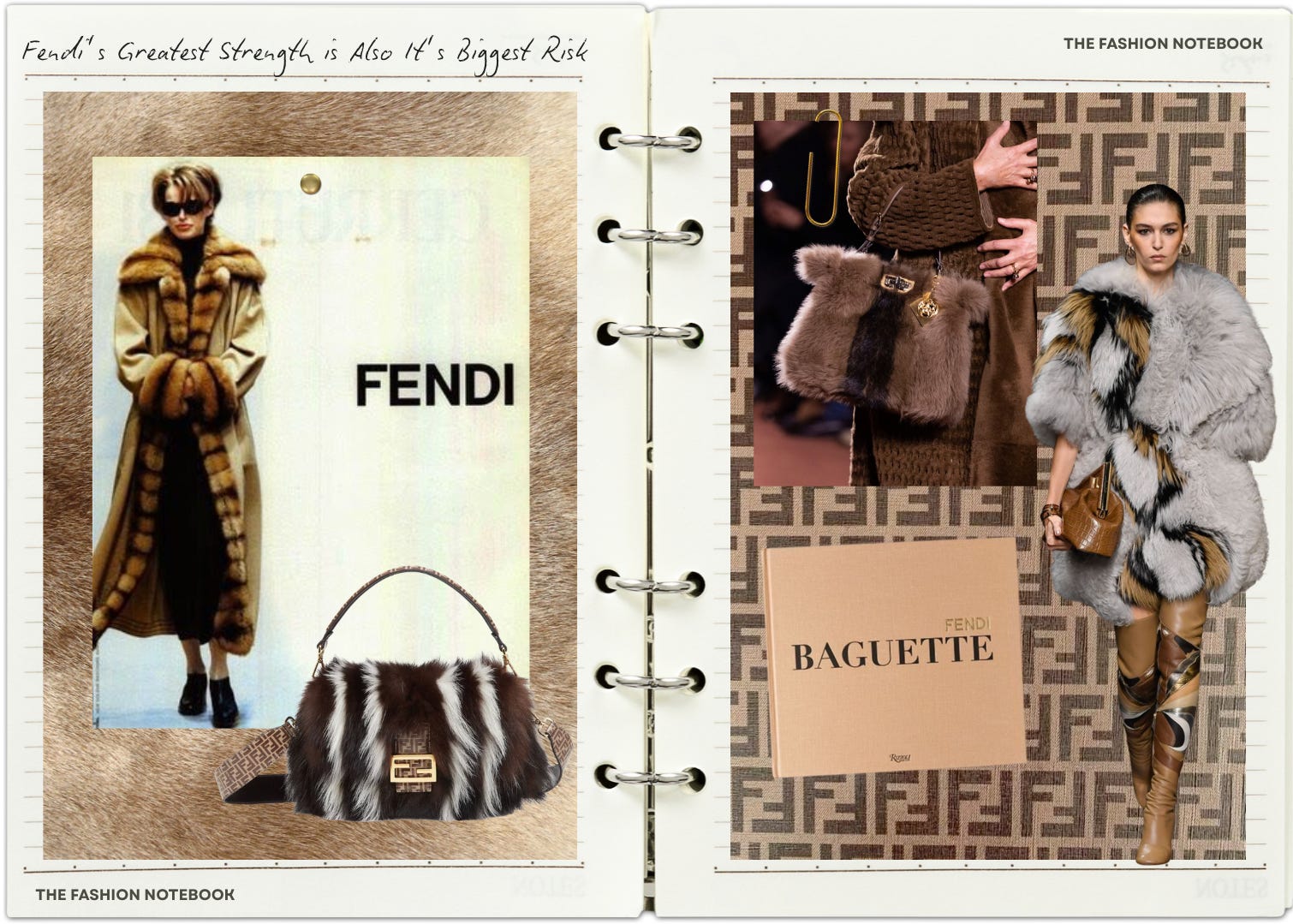
However, as the luxury fashion industry continues to evolve alongside shifting consumer values, the qualities that have long defined Fendi may also present one of its greatest challenges.
Fendi’s history is deeply rooted in family. In 1918, Adele Casagrande opened a small leather goods and fur workshop in Rome, building on her family’s expertise in leather craftsmanship. After marrying Edoardo Fendi, she renamed her business Fendi in 1925, marking the beginning of a house that would later become one of Italy’s most influential luxury brands.
Following Edoardo’s death, the couple’s five daughters took control of the business in 1946, transforming it into a high fashion label. Seeking to modernize the house’s traditional fur designs, they hired Karl Lagerfeld as Creative Director in 1965.
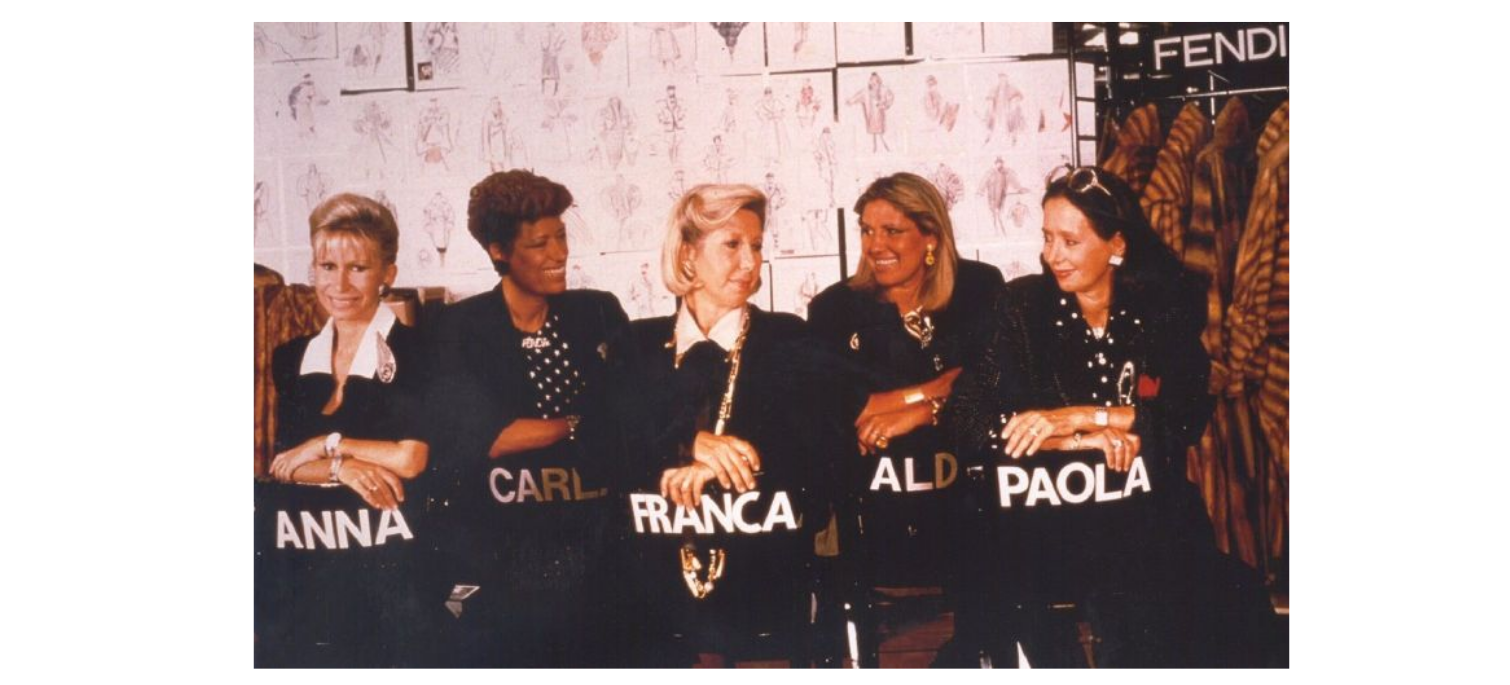
His arrival was extremely important for the house—he created the iconic double F logo (which ironically stands for Fun Fur, not Fendi), and Fendi became the first fashion house to produce ready-to-wear fur collections under his direction.
Lagerfeld’s partnership with Fendi lasted 54 years, making it the longest collaboration in fashion history. His debut collection, a unisex fur capsule collection featuring 4 year old Silvia Venturini Fendi on the runway, marked the beginning of Fendi’s journey revolutionizing fur in fashion.
Lagerfeld’s experimental approach with the material, which included knitting it, pleating it on skirts, and embroidering it, attracted Italian filmmakers throughout the 1970s and helped establish the house among style icons like Jackie Kennedy and Diana Ross.
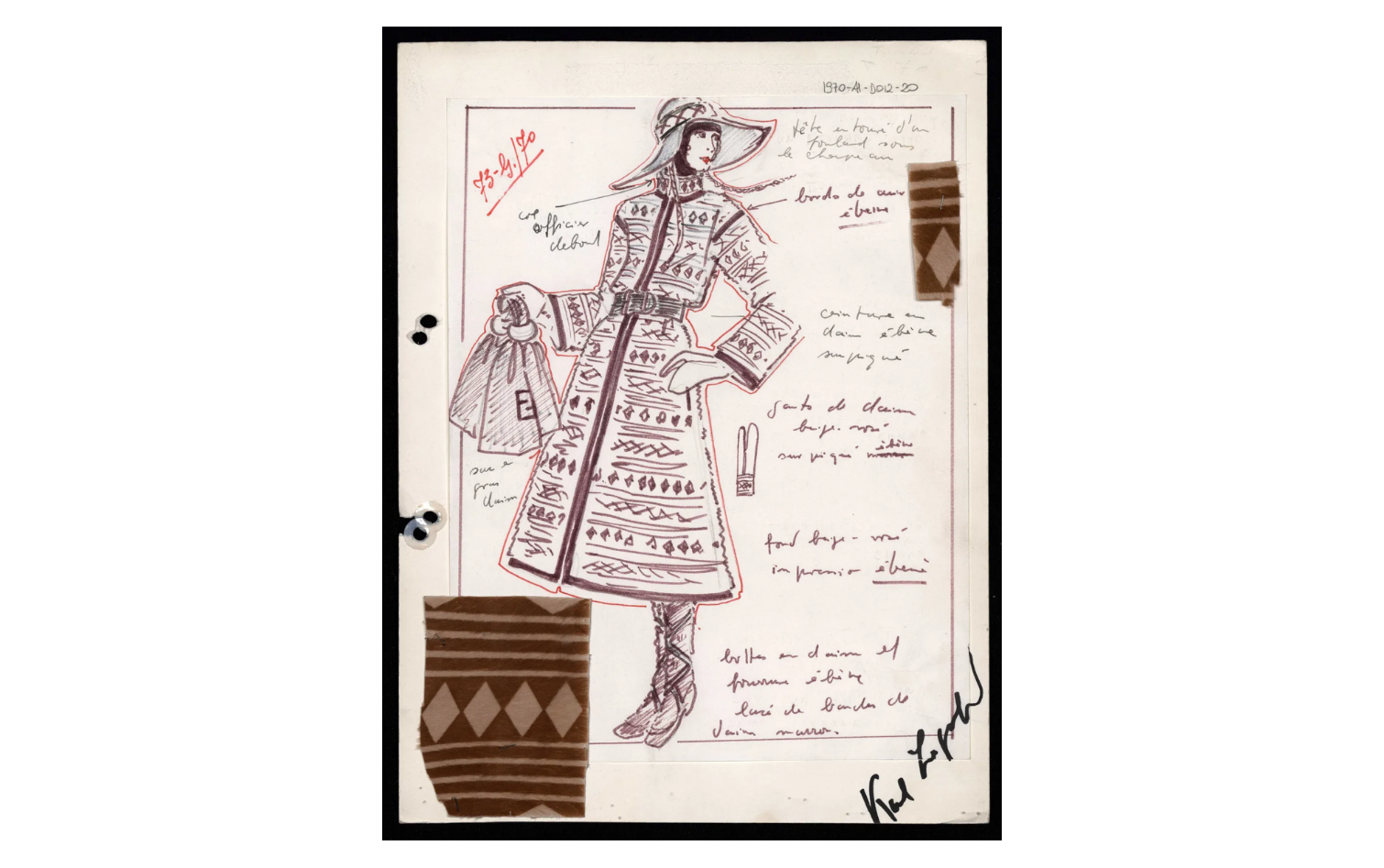
Over time, the essence behind the German designer’s “Fun Fur” philosophy extended beyond fur itself. Fendi translated its unconventional approach to fur into women’s ready-to-wear, menswear, and swimwear, while continuing to maintain fur at the center of its brand philosophy despite its growing criticism.
Because of this, Fendi now occupies a different position in the luxury landscape. Unlike highly visible brands like Gucci and Louis Vuitton, Fendi has maintained a more exclusive image. The house remains desirable without becoming overly saturated, a strength that has helped preserve its identity, but one that also raises questions about its ability to adapt to such a rapidly changing market.
Now, under the direction of Maria Grazia Chiuri, Fendi seems to be leaning even further into the codes that have long defined the house. It’s embracing a renewed interest in fur while continuing to develop one of its most recognizable accessories—the Baguette. This week, Sarah Jessica Parker was featured in the bag’s new campaign, reviving the iconic “It’s not a bag, it’s a Baguette” line from Sex and the City.
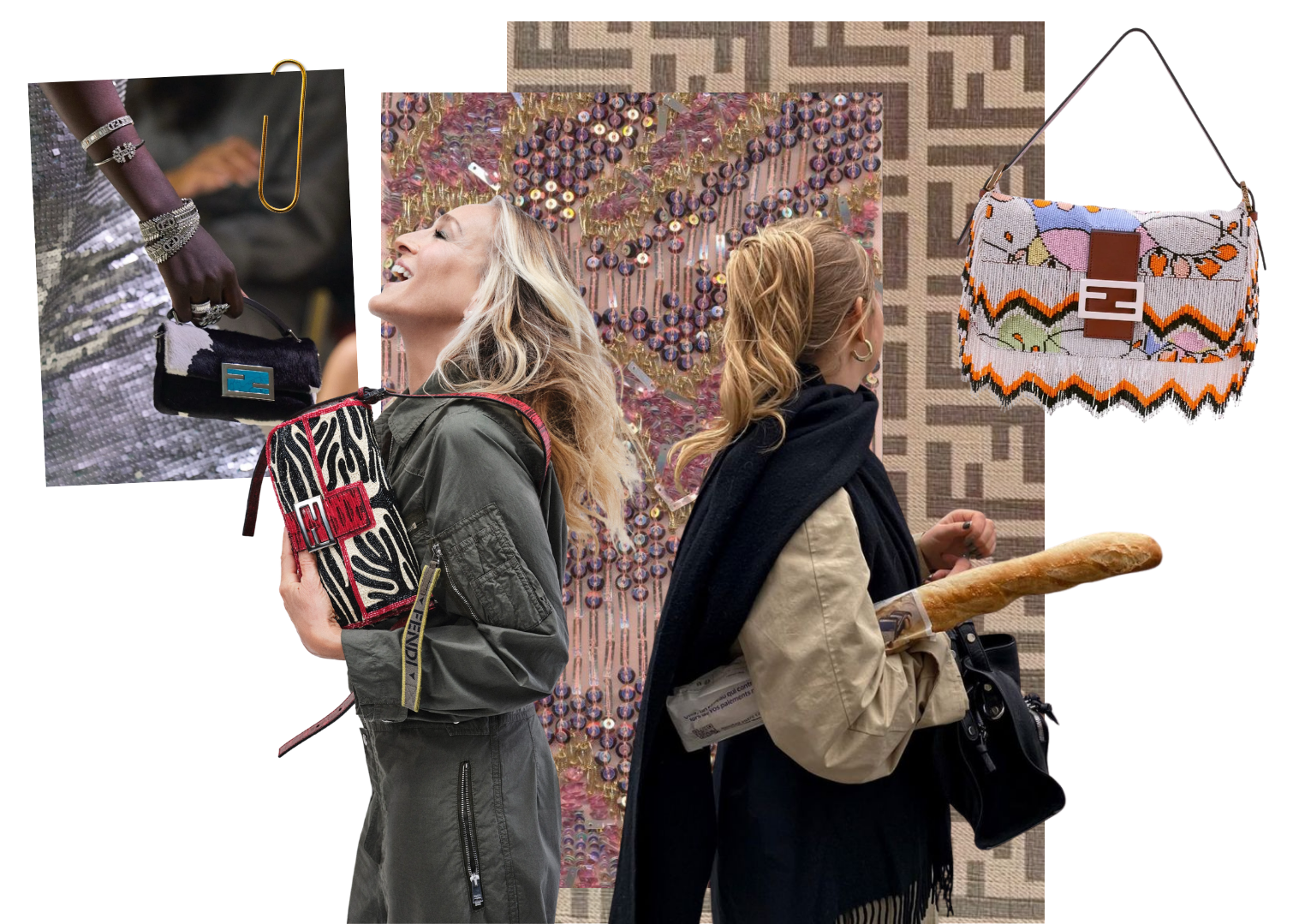
Introduced in 1997 by the granddaughter of the founders Silvia Venturini Fendi, the Baguette was inspired by the way Parisians casually carry baguettes under their arms. Nearly three years later, Fendi continues to reinterpret the design for both men and women—seen in its Resort 2027 collection.

Chiuri has emphasized the importance of reconnecting with the bag’s heritage.
“We reedited that Baguette that I really loved…taking it back to the origins,” she said. “The Baguette marked an era. Many think it’s because it was trending [at a certain point] but in truth it’s a very peculiar project because it stems from the ability to bring together ateliers with different backgrounds.”
That same philosophy was reflected in a fur football scarf that read “rooted but not stuck,” referencing a broader challenge many other heritage fashion houses are facing—preserving legacy and history without being stuck in the past.
According to Silvia Fendi herself in the Business of Fashion podcast episode Silvia Venturini Fendi Will Surprise You, luxury should be useful and long-lasting. She focuses on creating pieces people can actually wear and keep for generations ahead.
But these values that have defined Fendi for a century also draw attention to a bigger issue the house is facing—the ethical implications of its fur.
For decades, the material has been one of the house’s most controversial aspects. Unlike many of its competitors that have abandoned the use of fur altogether due to ethical implications, Fendi has not only continued its use, but defended it.
Which makes sense, because fur isn’t just another material or another category for Fendi. It’s been woven into its identity from the start, and many of the brand’s technical innovation was built around it.
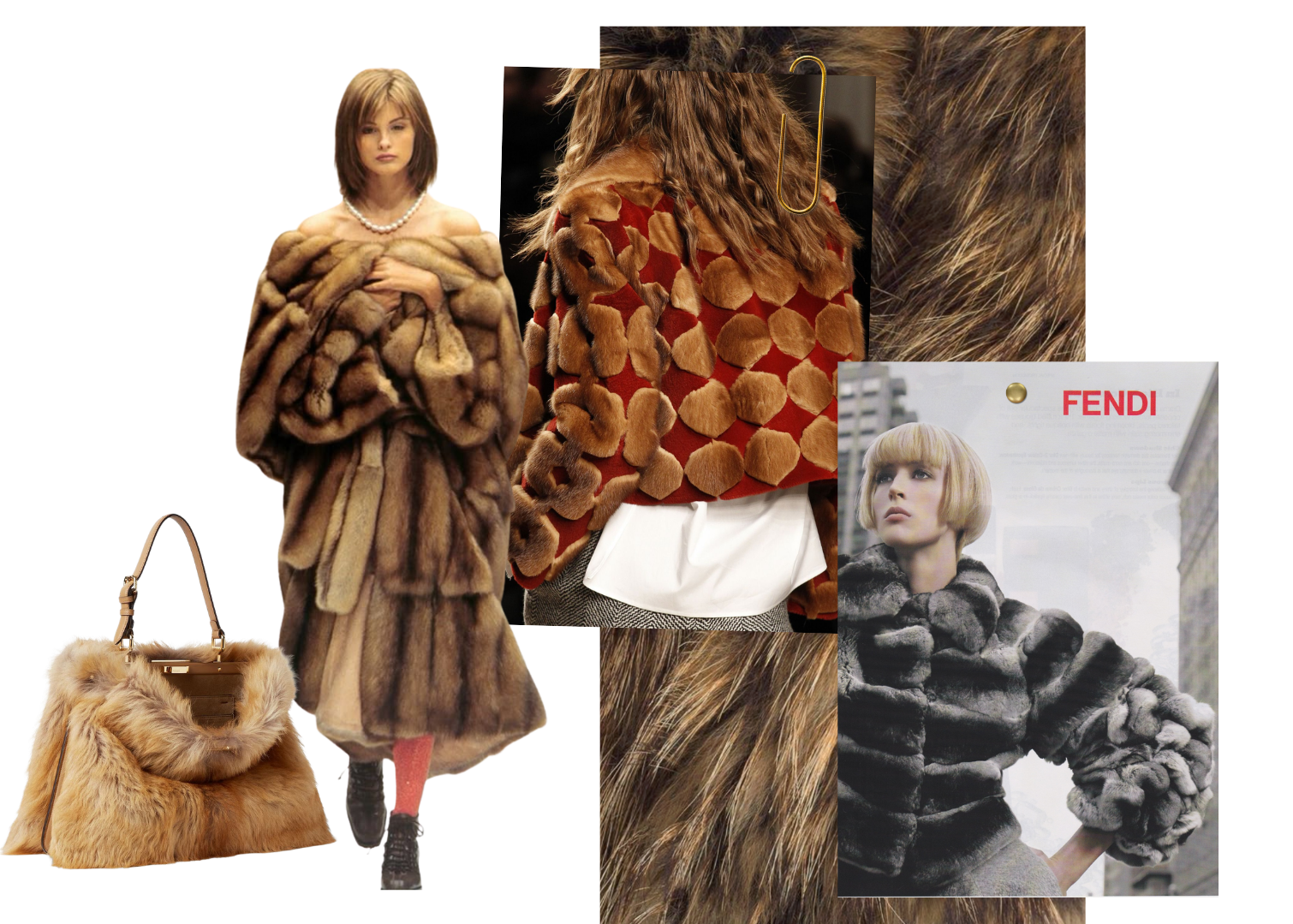
Of course, animal rights organizations argue that fur production is never ethical, regardless of sourcing methods. On the other side, Fendi believes its approach implies that preserving techniques and creating garments meant to last for decades aligns with their values of sustainability and craftsmanship.
So is there such a thing as ethical fur? And does Fendi’s preservation of its heritage need to include every aspect of its identity, even if it’s ethically wrong?
I think the answer to that isn’t just up to Fendi itself. It depends on whether consumers are willing to accept that fur still has a place in luxury. In an industry shaped by changing consumer values, the “responsible sourcing” claimed by brands may no longer be enough if the material itself is the problem.
As consumers place more and more importance on ethics and sustainability, is heritage alone still enough to keep a brand alive? For Fendi, the question is not what luxury owes to its past, but what it owes to its present and its future.
What are your thoughts on Fendi’s decision to continue using fur?
Thanks for reading!

No posts
Comments
Nothing yet. Say the first thing.
Sign in to join the conversation.