
This article is based off a Reddit thread requesting the identification of a VSSOP-8 component on a picoUPS-120-ATV board.
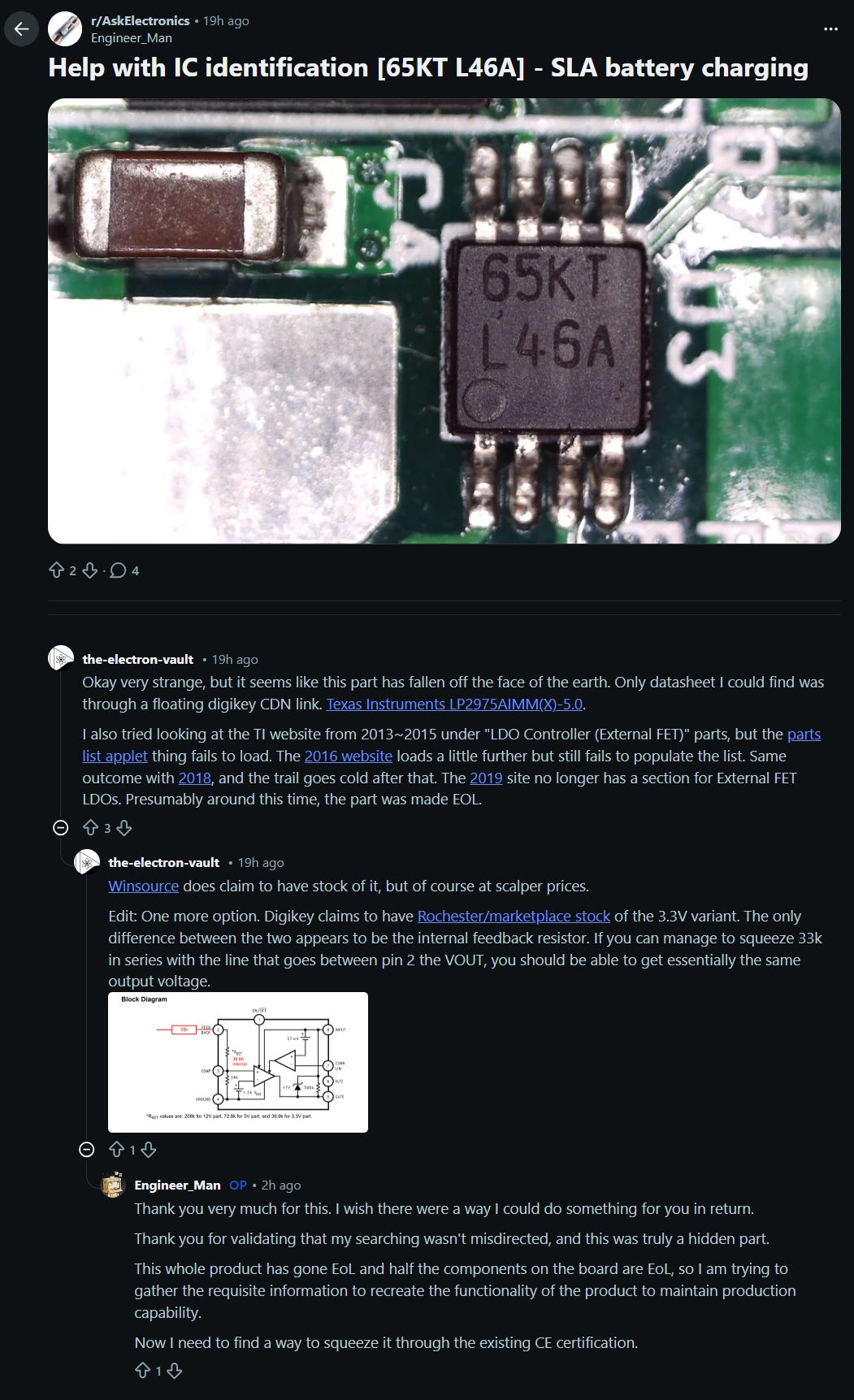
TEV was able to identify this as likely being the obsolete Texas Instruments LP2975AIMM-5.0 or LP2975AIMMX-5.0 External FET LDO controller. A suggestion was subsequently made that the remnant Digikey Marketplace stock of the 3.3V variant could potentially be adapted for use instead. However the response from the thread OP made it clear that this was not a one-off repair, but rather a replacement exercise in a larger system integration.
A manual is (currently) still available from the OEM, Mini-Box. However this is also provide below as an image for archival purposes (Substack does not permit pdf attachments).
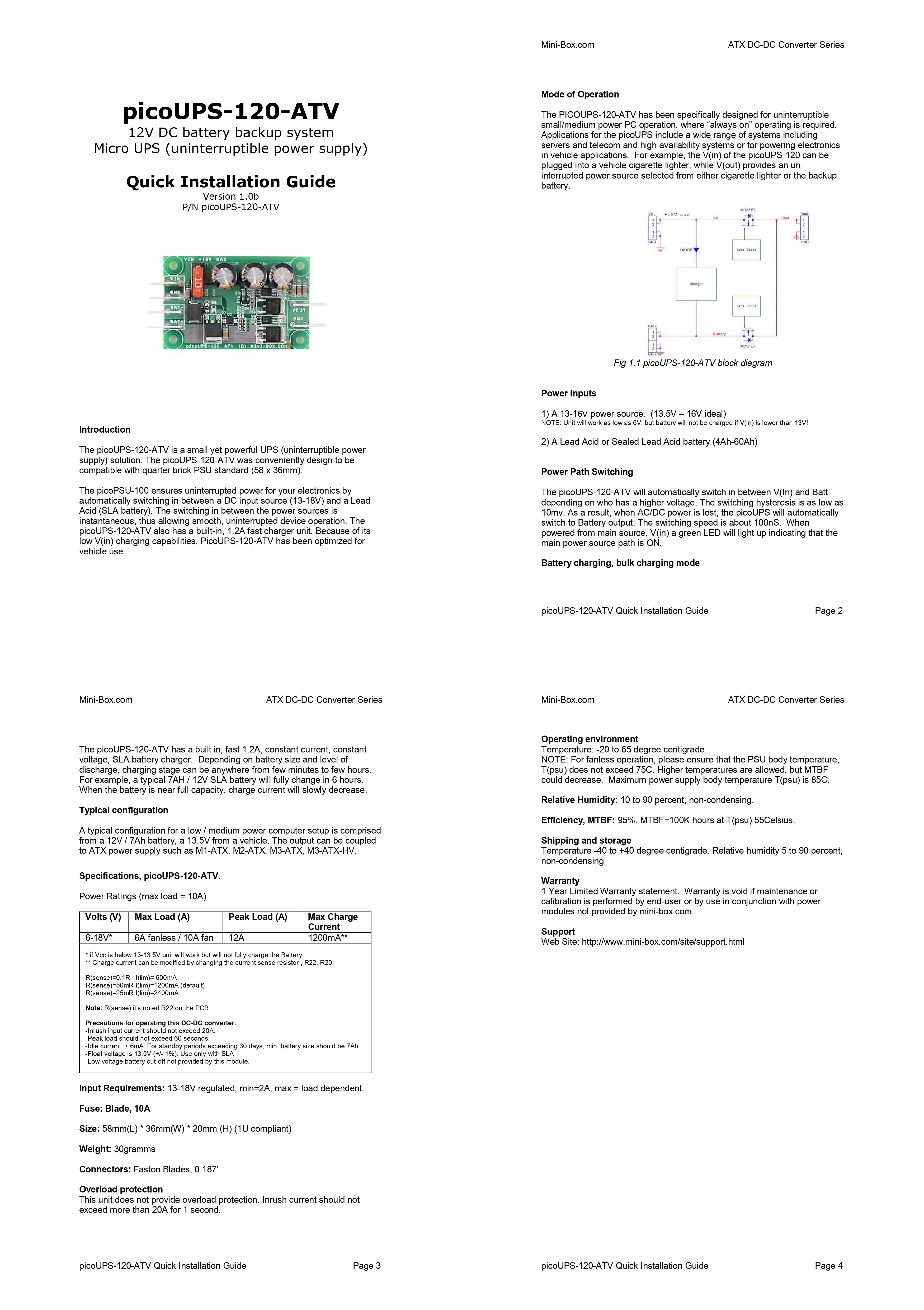
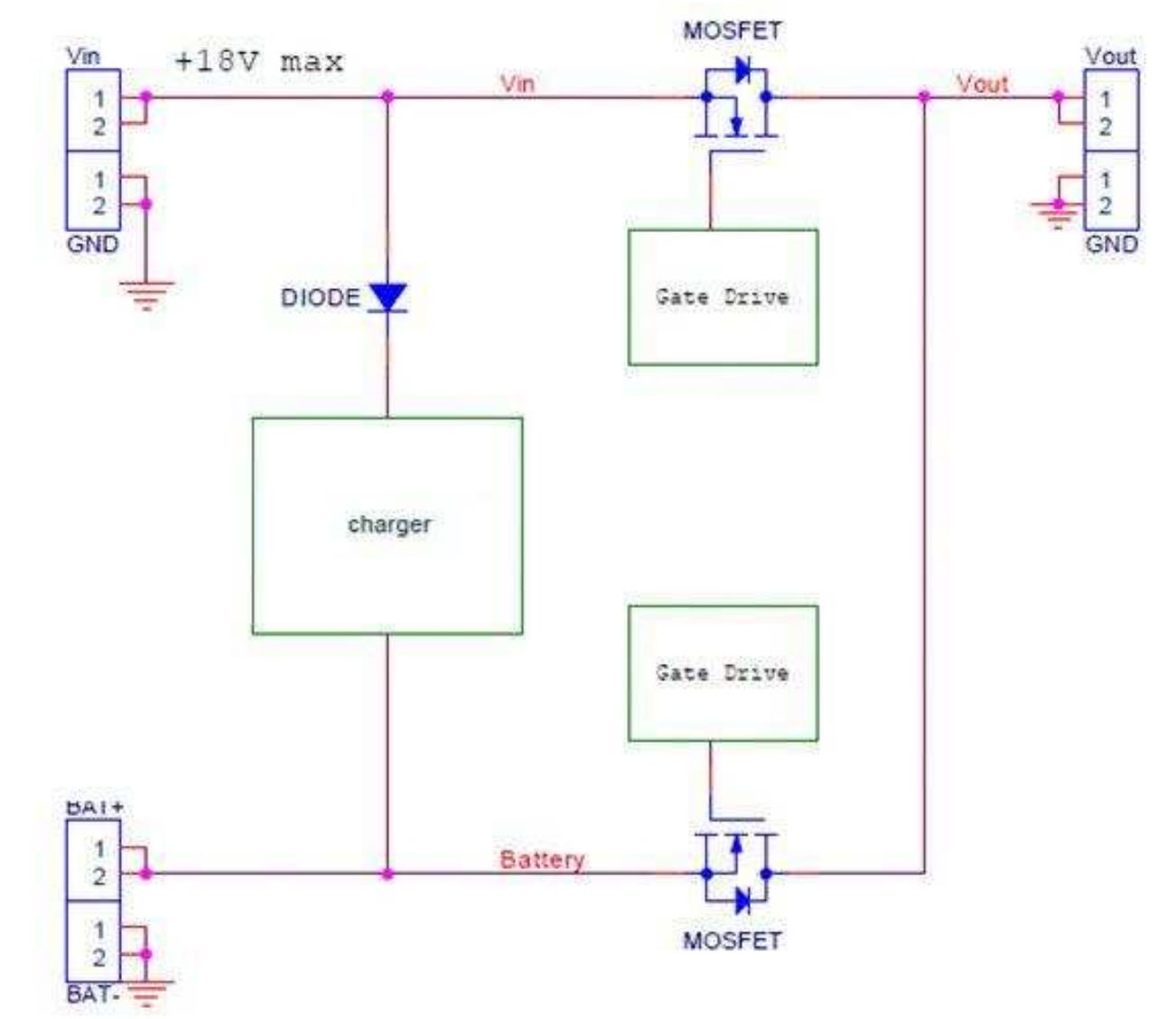
On page 2, they provide a simplified block diagram which essentially depicts and ideal diode OR-in circuit for two source supplies (DC supply and battery), along with a charging branch for the battery.
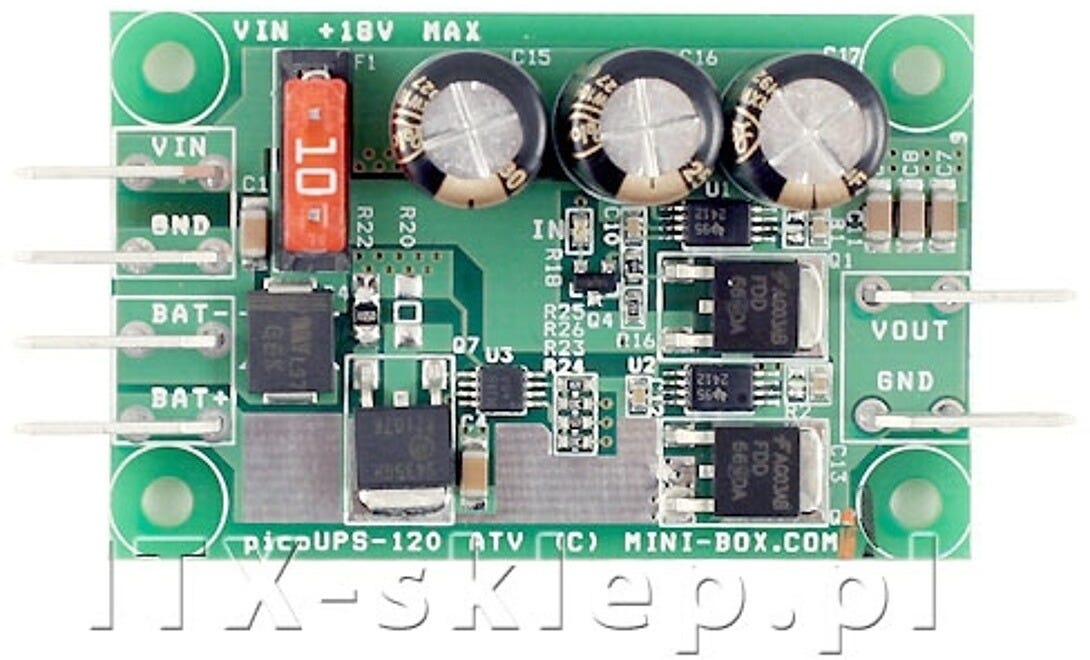
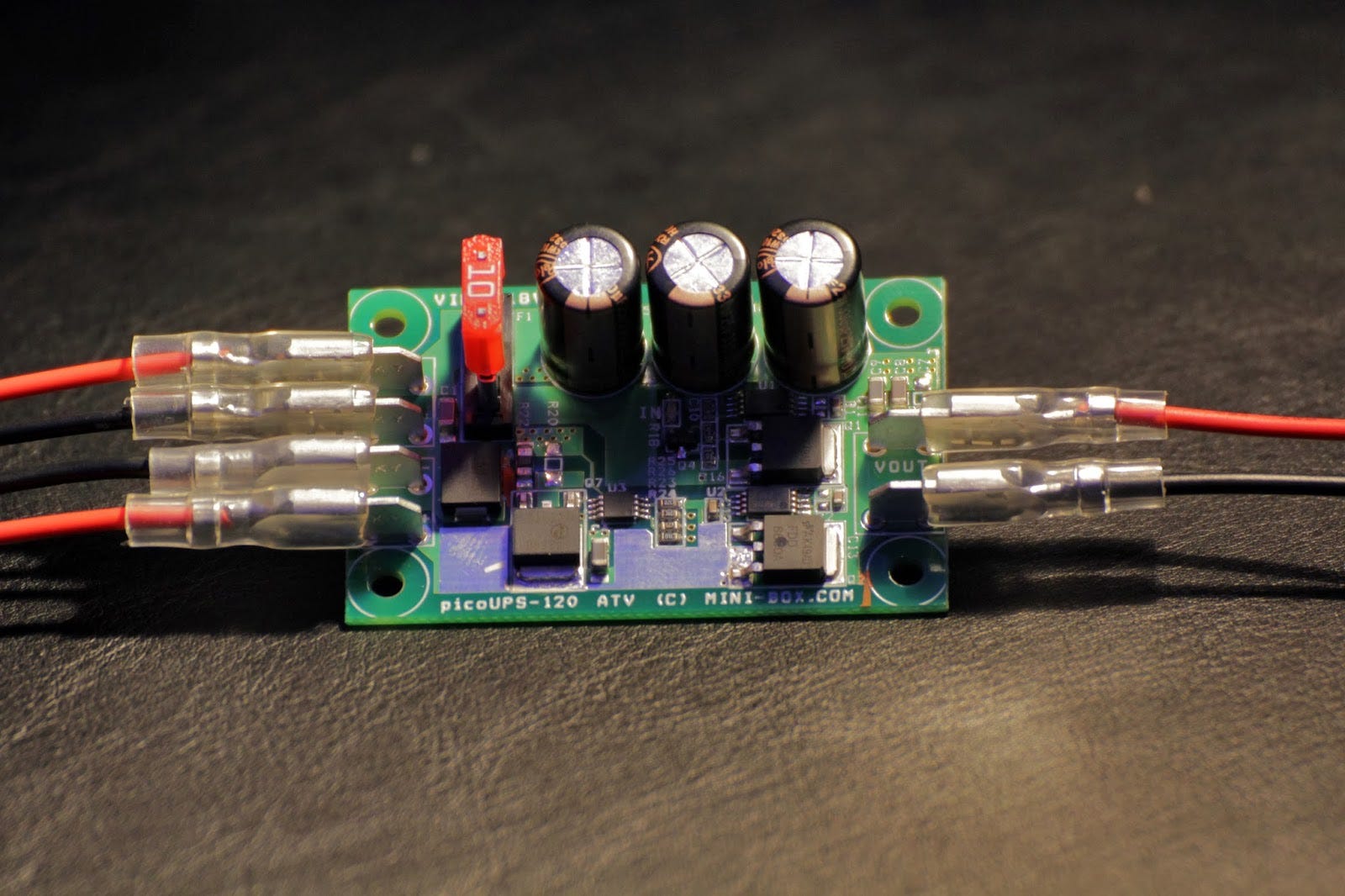
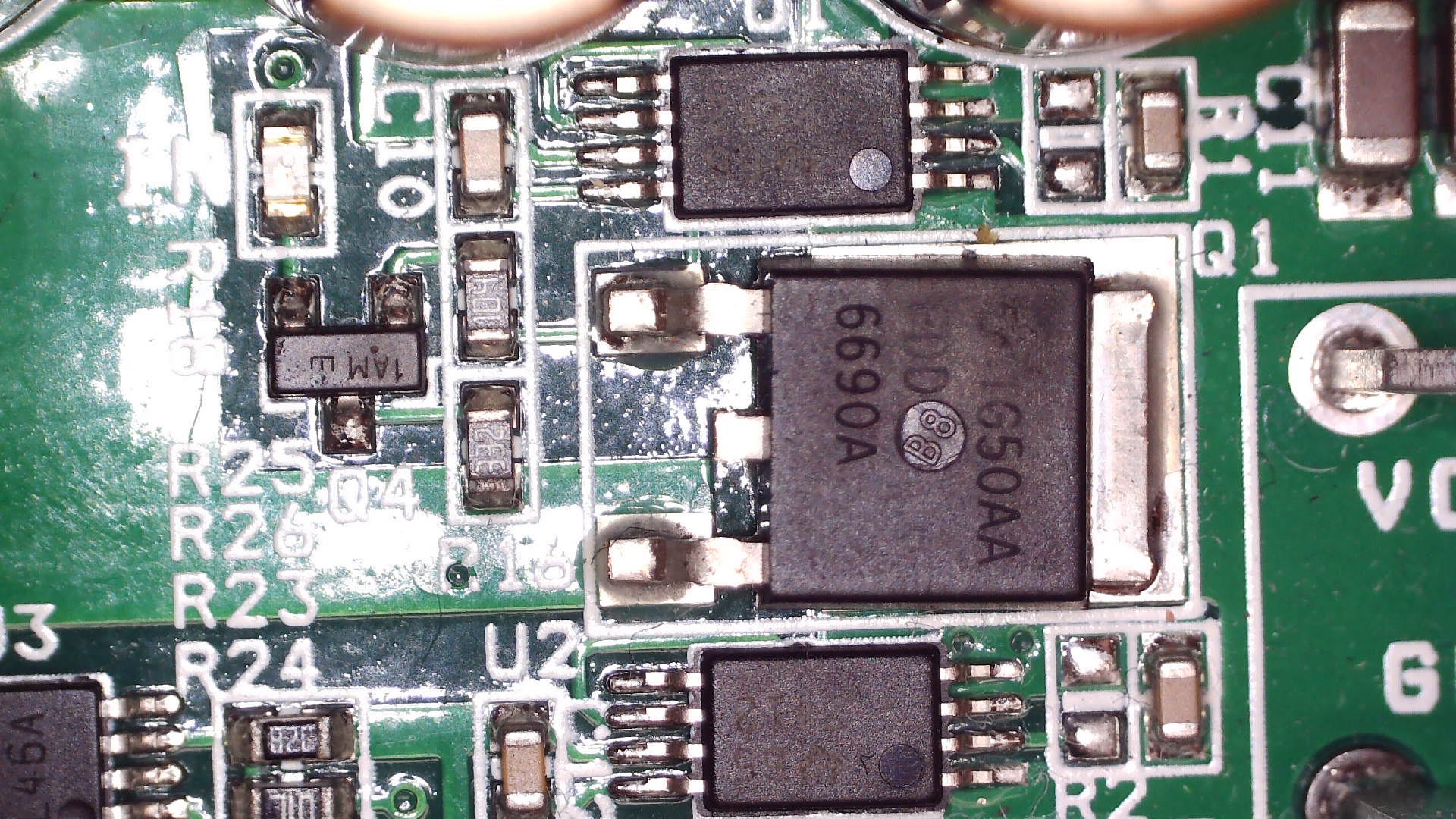
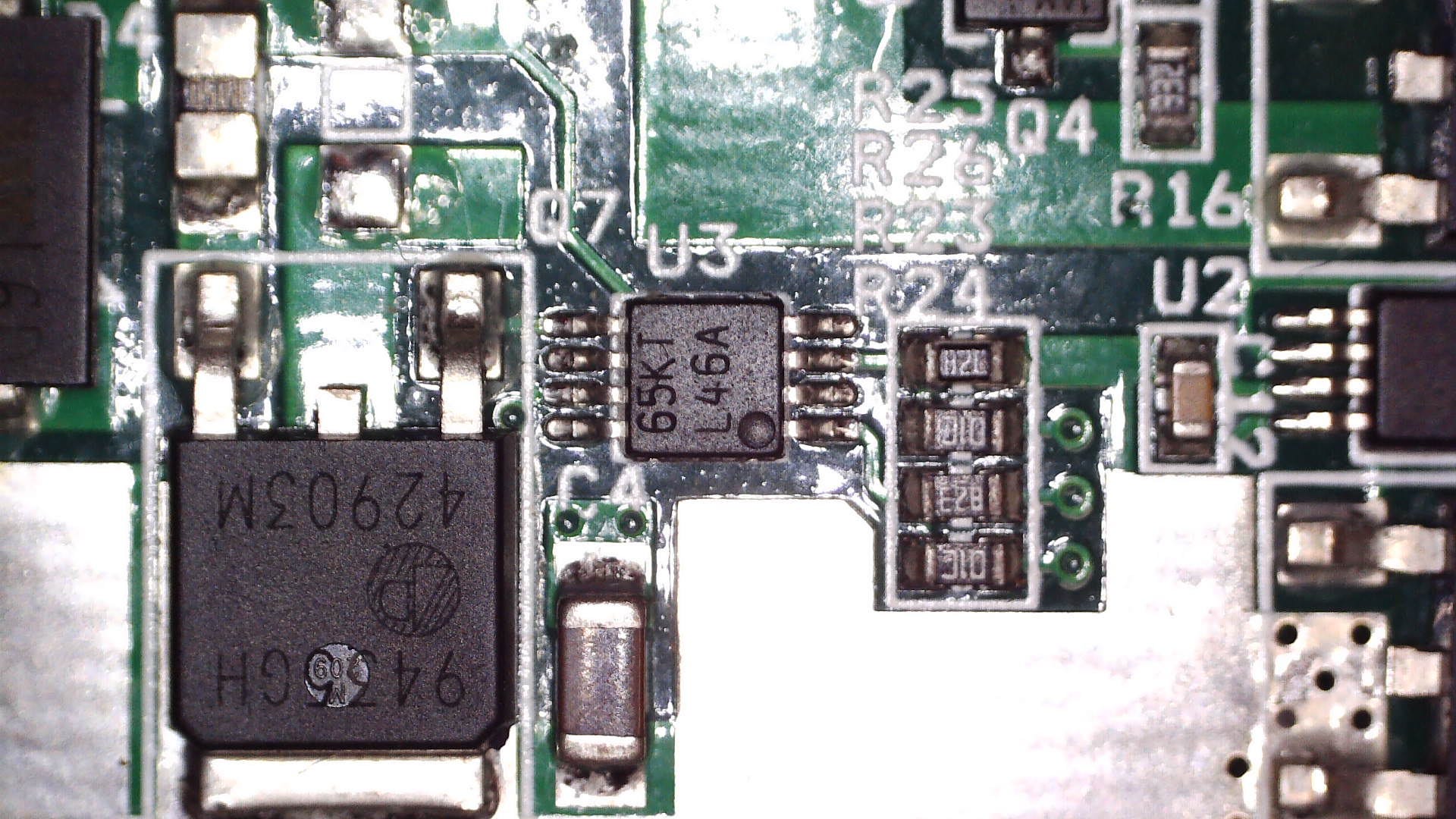
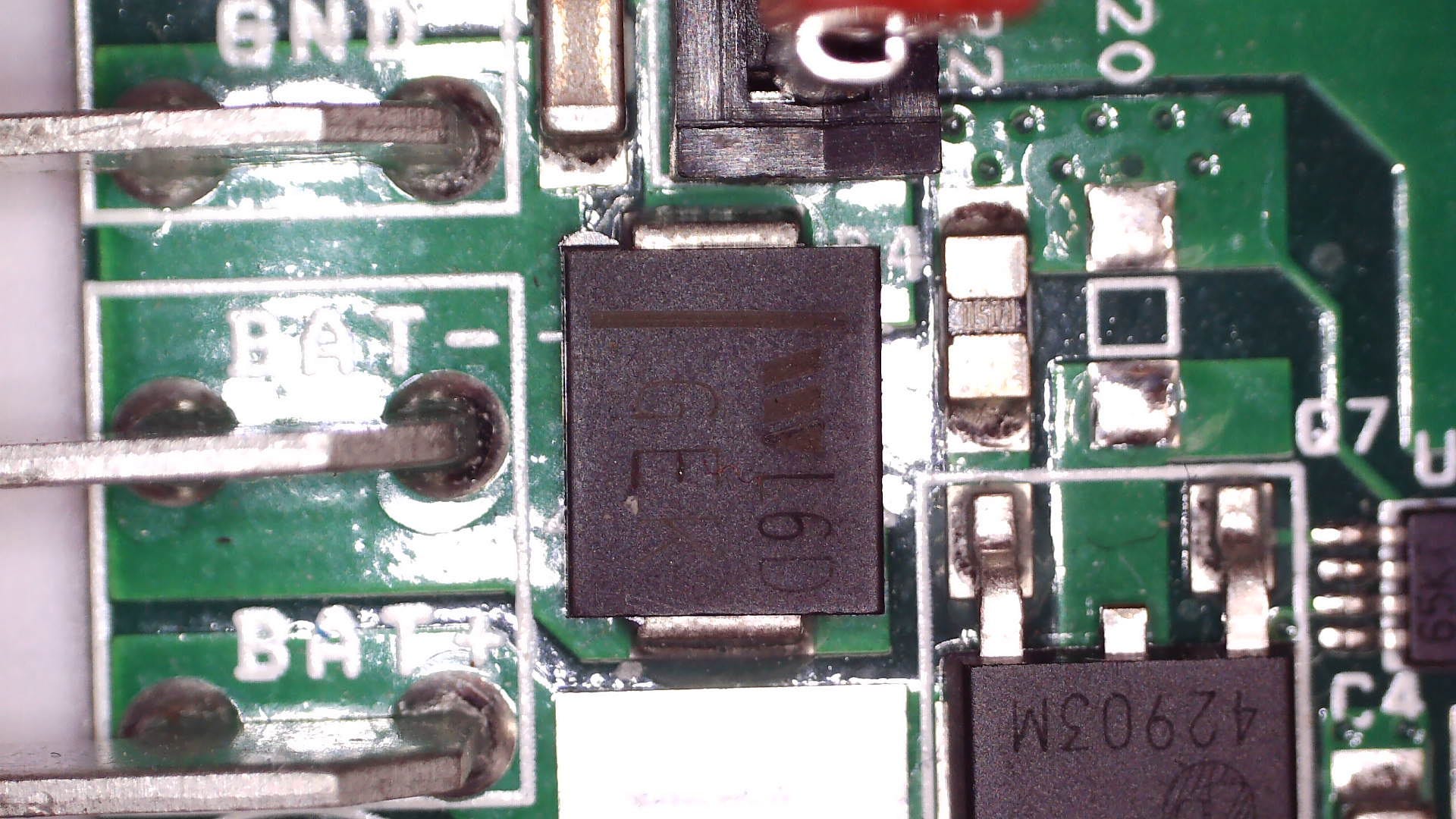
Looking more closely at the board, we can identify some of the components:
U1, U2: Texas Instruments TPS2412PW (Marking 2412)
U3: Texas Instruments LP2975AIMM-5.0 (Marking L46A - Obsolete)
Q1, Q2: Fairchild FDD6690A (Marking FDD6690A - Obsolete)
Q4: Onsemi MMBT3904LT1G (Marking 1AM)
Q7: Advanced Power Electronics AP9435GH (Marking 9435GH - dubious stock)
D4: SMCJ14A (Marking GEK - Unknown manufacturer)
F1: ATM Mini Blade Fuse Holder (Presumed Prolec FCB-26)
C15, C16, C17: Lelon RXK331M1EBK-1016P, 330uF, 25V, 10D x 16H
R16: 3.3k, 0603 (Marking 332)
R18: 100k, 0603 (Marking 104)
R22: 50mOhm, 1206 (Marking R050 - Unknown manufacturer; also specified in picoUPS-120-ATV manual)
R23: 82k, 0603 (Marking 823)
R24: 10k, 0603 - Yageo RC0603FR-0710KL (Marking 01C)
R25: 69.8k, 0603 - Yageo RC0603FR-0769K8L (Marking 82C)
R26: 10k, 0603 - Yageo RC0603FR-0710KL (Marking 01C)
Quick Connect Terminals: Kang Yang PCF250
The ceramic capacitors require measurement to confirm, however TEV doesn’t have physical access to one of these boards. C10-13 are 0603. They are most likely to be 10nF based on the VDD capacitor specified in the LP2975 datasheet, and have likely all been consolidated to the same value given the 800pF ~ 10nF loose range for the BYP capacitor.
The 1206 C1, C4, C7, C8, C9 are likely large capacitances given they are placed across power rails. The maximum input to the board is +18V, therefore the minimum rating is likely 25V for the MLCCs. Restricting the dielectric to X5R or better, the absolute largest capacitance available is 47uF, however at very low selection quantities. 10uF on the other hand has 378 options on Digikey. Thus, 10uF seems a reasonable guess.
The reverse-engineered schematic and layout can be found on The Electron Vault’s git repository.
As identified above, there’s actually one other obsolete part on this board - the FDD6690A MOSFETs used in the ideal diode circuits. A quick parametric search on Digikey results in the following potential alternates:
Diodes DMTH47M2SK3-13
MCC MCU011N06YLHE3-TP
MCC MCU7D2N04YHQ-TP
NXP PHD71NQ03LT,118
Panjit PJD25N04V-AU_L2_002A1
Panjit PJD30N04S-AU_L2_002A1
Rohm AG087FGD3HRBTL
Rohm RD3G04BBKHRBTL
Replacing the LP2975 is a little trickier but still possible. There are still manufacturers making LDO controllers. The critical design parameters are that the regulator should be able to handle the full input range of the board (+18V max), regulate its output to 13.5V, and be able to limit output current to approximately 1.2A using an external shunt. The following parts may be suitable candidates:
Linear Technology LT1575CS8#PBF
Microchip MIC5156YM
Microchip MIC5158YM
There are other ways to do series pass current limiting of course. Jeri Ellsworth covers some low cost ways of achieving this in the video below. Nevertheless, an integrated solution will almost always be more compact. Solution selection will depend on various factors such as but not limited to footprint, cost, reliability, and efficiency.
No posts
Comments
Nothing yet. Say the first thing.
Sign in to join the conversation.