
The fact that Giulia Scarpaleggia is a cooking teacher is clear as soon as you start listening to this week’s podcast conversation. The Tuscan author of Vegetables the Italian Way and Cucina Povera is a natural educator, sprinkling little tips and techniques into everything she says about food.
And while Giulia’s life in Tuscany seems, in some ways, really different from mine here in New York, I’ll be taking her advice with me into the height of summer.
Giulia thinks about cooking as a way to keep produce at its best, especially when the fridge is packed: “We don’t have a huge fridge,” she says, and she’s buying a big load of vegetables once a week on market days.
“There are vegetables I keep at room temperature—tomatoes, for example—but other vegetables that need to go into the fridge. And if I don’t have space, I would start prepping them,” she explains.
She’ll steam (in a pressure cooker!) or boil or grill space-hogging produce like eggplants and peppers. Cooking them down means they’ll take up less room on fridge shelves, “And when you have a vegetable ready, then for me,” she says, “the meal is almost done.”
“A little bowl of roasted peppers,” for instance, “can really add a lot of flavor through the week. And it doesn’t take space and you only have to turn on the oven once.”
A big bag of basil and greens like arugula can shrink down into a pesto, and Giulia walks us through the reasoning behind each step of her method. The nuts (untoasted, so they stay super-creamy) and garlic go in first. That way, they can get down to size before you add any greens, which you don’t want to heat up with too much time in the whirring blender. Cheese gets added after, because she’s not looking to melt that, either. She’ll leave the pesto thick instead of adding a ton of oil—you’re going to make it looser with pasta water down the line. Or use it as-is on a slice of bread, topped with a soft boiled egg and an anchovy.
Giulia also explains why we shouldn’t be so fast to skip salting eggplant, even though modern varieties aren’t as bitter as eggplants in decades past. “The salting now is more for texture rather than for the flavor,” she says. If you salt the slices and leave them for half an hour, you’ll see “grayish water puddling at the bottom of the bowl,” Giulia warns. “That’s the moisture of the eggplants that makes them soggy if you don’t cook them properly.”
Below, Giulia shares a favorite summer recipe for a sauce that’s flavored with peppers, eggplant, and zucchini. She’ll double the quantities to freeze or can for times when her counters aren’t so full of sweet, fresh produce.
Scroll down for the recipe; this sauce is great mixed with pasta or rice, or used as a medium for cooking eggs. You’ll also get Giulia’s recipe for Zucchini Parmigiana, in case you’re looking for ways to use up the zucchini in your garden right now.
There’s so much more in this episode though; be sure to tune in to hear it all.
Listen / Download on Apple Podcasts

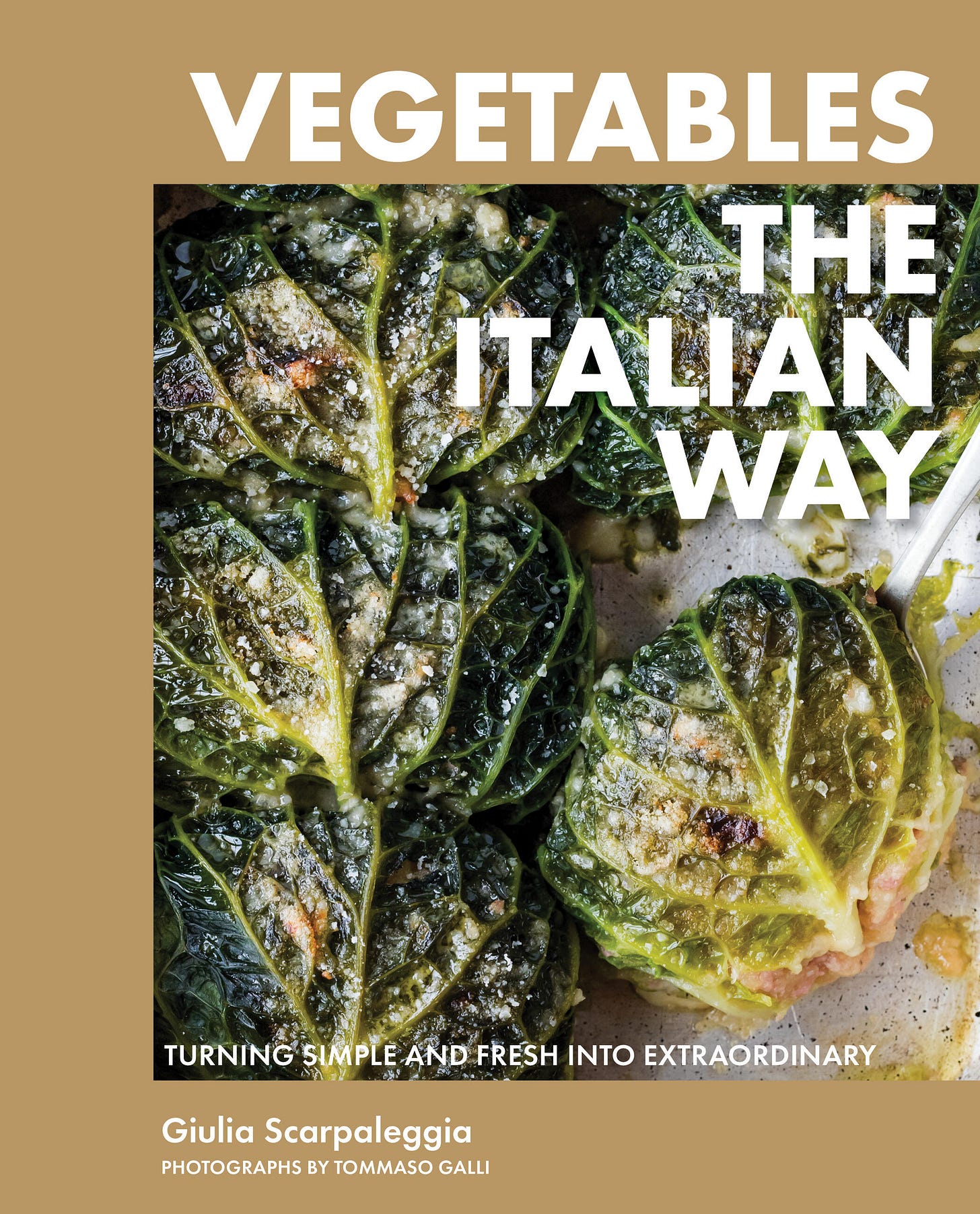
🥇 The easiest way to enter to win a copy of Vegetables the Italian Way is to sign up as a paid subscriber to this newsletter by end of day Sunday, July 19, 2026.
🥈 Free subscribers can enter the giveaway by sending in a “what’s in my fridge right now” voice memo for us to play on The Dinner Plan podcast. We’ll come up with a dinner idea just for you based on what you have around. Just follow the instructions here by end of day Sunday, July 19, 2026.
Winner will be alerted by Substack DM and email. 18+, U.S. and Canada addresses only. Giveaway not sponsored or administered by Substack or Instagram. Ends July 19, 2026. Commissions from affiliate links in this newsletter help to keep this project going.
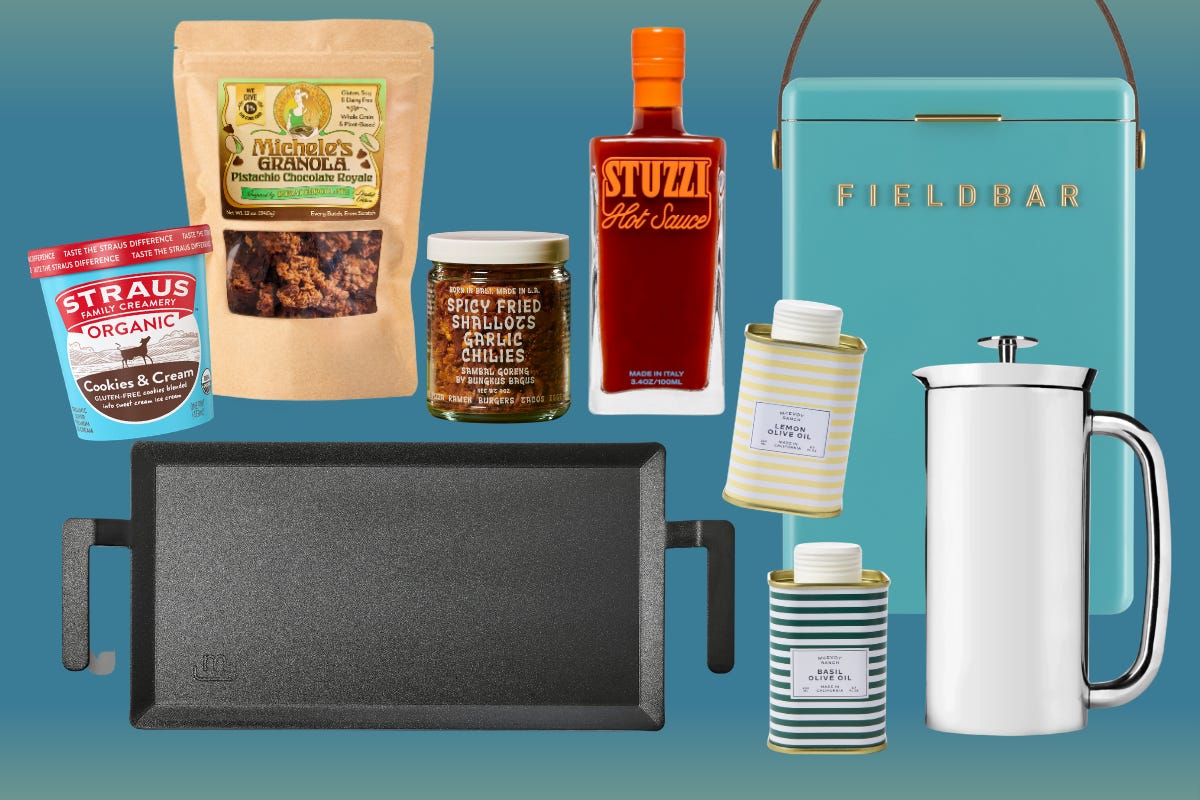
While we’re talking giveaways, our BIG SUMMER GIVEAWAY is live now. Prizes include:
A Staub baking dish set + a pie pan
An Espro 32-ounce stainless steel French press
A Smithey dual-handle skillet
+ a huge collection of new cookbooks & pantry items…

Arugula pesto (reprinted on Edible Living)
Roasted red pepper pasta salad (reprinted on Pasta Social Club)
Hetty Lui McKinnon’s Sesame Cucumber and Avocado Salad (NYT Cooking; gift link)
Apple olive oil cake (can be made with peaches!)
Tessa Kiros: Apples for Jam (Thriftbooks)
Jody Williams and Rita Sodi: Via Carota (Bookshop)
Ada Boni: The Talisman of Happiness (Bookshop)
Find Massican Wines at your local wine shop or Massican.com (21+ only)
Made In Cookware: Visit madein.cc/dinnerplan to unlock your discount offer.
Planked Everything Bagel Spiced Salmon from Michael Symon’s Symon’s Dinners Cooking Out

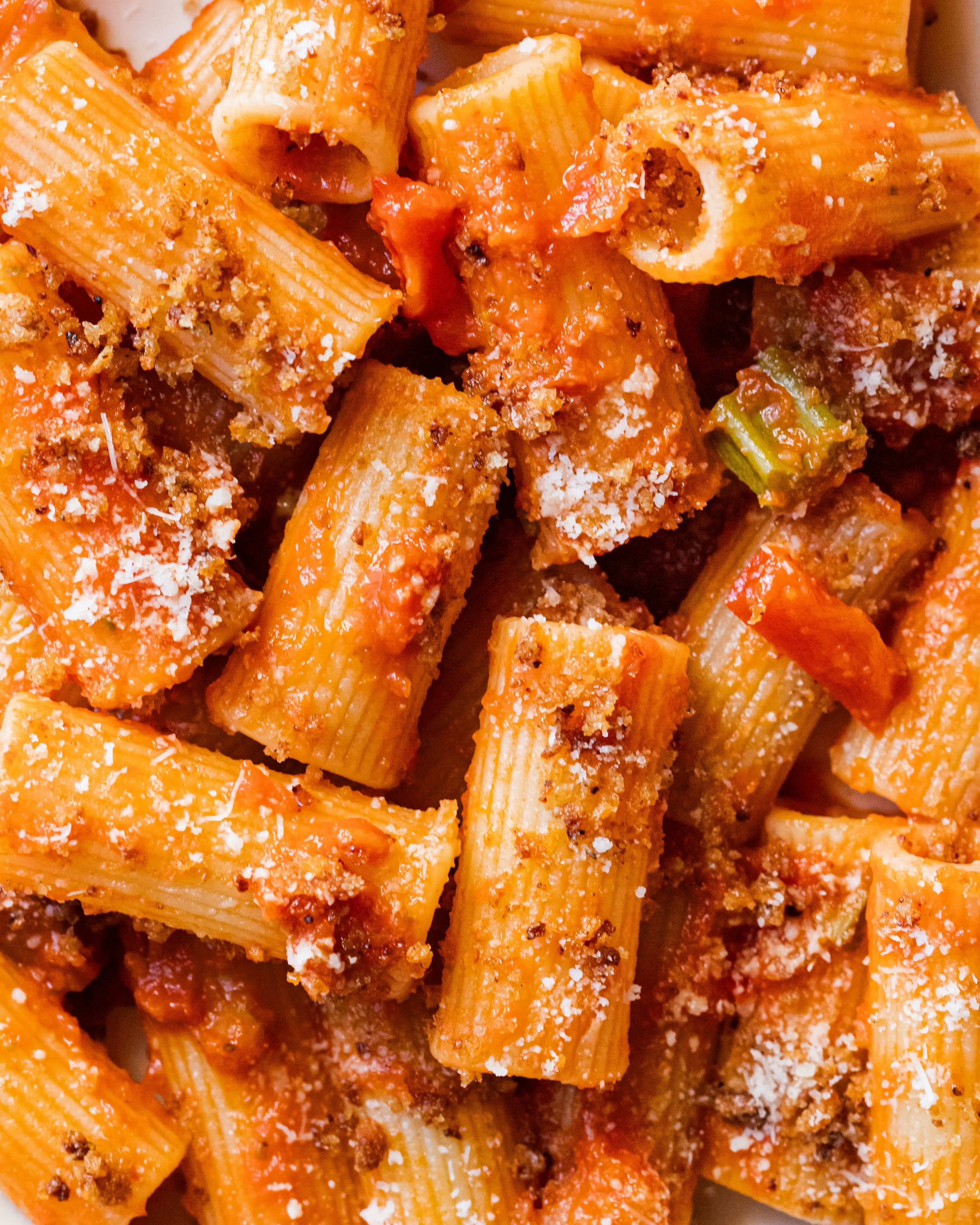
Excerpted from Vegetables the Italian Way: Turning Simple and Fresh into Extraordinary. © 2026 Giulia Scarpaleggia. Reproduced with permission of Artisan Books. All rights reserved.
My friend Maria Rosa came up with this sauce, and it’s become one of my favorite dishes. Diced vegetables melt into a creamy tomato-based sauce with a touch of heat from the ’nduja. Topped with Pecorino Romano and crisp breadcrumbs, it’s a perfect summer pasta. This recipe makes 3 cups/750 g of sauce—more than you’ll need— so save the rest for another meal. There’s nothing better than pulling a jar from the freezer to bring a taste of summer to the table. It keeps in the fridge for 4 days.
Note: ’Nduja is a spicy spreadable pork sausage from Calabria that’s made of ground pork and pork fat mixed with hot and sweet peppers. If you cannot find ‘nduja, or if you want a vegetarian substitute, use the same quantity of chili paste.
Serves 6
For the sauce:
¼ cup/60 ml extra-virgin olive oil
½ small red onion, minced
Fine sea salt
1 tablespoon ’nduja (see Note)
½ small red bell pepper, diced
1 small or ½ medium zucchini, diced
½ medium eggplant, diced
2 cups/500 g tomato passata or puree
Handful of fresh basil leaves
For the pasta:
Fine sea salt
1 pound/450 g dry short pasta, like rigatoni
2 tablespoons extra-virgin olive oil
⅔ cup/50 g Homemade Breadcrumbs (below) or panko
Grated Pecorino Romano cheese, for serving
MAKE THE SAUCE: Pour the olive oil into a medium saucepan, add the minced onion and a generous pinch of salt, and cook over medium-low heat until softened and translucent, about 10 minutes.
Add the ’nduja and stir it into the softened onion until it is nicely coated and the oil turns red. Cook for 1 minute. Stir in the diced pepper, zucchini, and eggplant and cook over medium heat, stirring from time to time, until all the vegetables are softened, 10 to 12 minutes.
When the vegetables have reduced to half of their initial volume, pour in the passata, reduce the heat to the lowest setting, cover, and cook until the vegetables are so soft that they can be mashed with a fork, about 20 minutes. Taste and adjust the seasoning with salt, then add a handful of basil leaves.
Blend the sauce with an immersion blender, leaving some of the diced vegetables whole to add some texture, then stir again.
COOK THE PASTA: Bring a pot of water to a rolling boil, salt it generously, and cook the pasta until al dente according to the package directions. Drain.
Heat the olive oil in a medium skillet over low heat. Add the breadcrumbs and toss to coat them with the oil. Increase the heat to medium-low and fry the breadcrumbs until golden and toasty, about 5 minutes. Transfer the browned breadcrumbs to a bowl and set aside.
Reheat 2 cups of the sauce and pour into a large bowl.
Pour the pasta into the bowl with the vegetable sauce and toss them together, stirring energetically. Stir in more sauce, if desired.
Serve immediately, generously sprinkling toasted breadcrumbs and some pecorino on each plate.
Homemade breadcrumbs add crunch, texture, and flavor to any dish, and they’re incredibly easy to make. Cut stale bread into chunks and pulse in a food processor until you reach your desired texture, coarse or fine. Store in an airtight container at room temperature for up to 1 week.
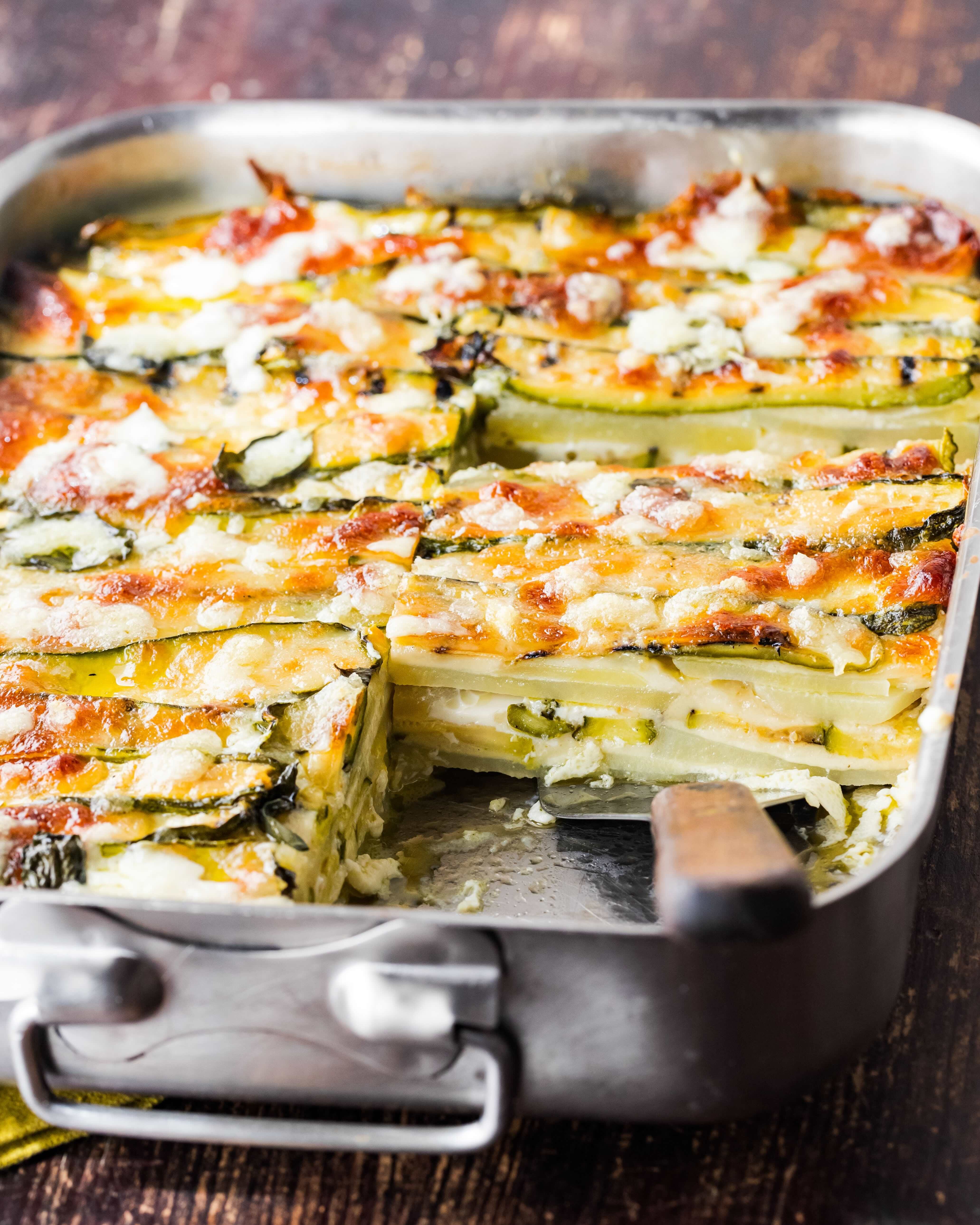
Excerpted from Vegetables the Italian Way: Turning Simple and Fresh into Extraordinary. © 2026 Giulia Scarpaleggia. Reproduced with permission of Artisan Books. All rights reserved.
Even though I could eat eggplant parmigiana even on the hottest summer day, there are moments when I crave something lighter and fresher. That’s when I turn to this white zucchini and potato parmigiana. Layered with mozzarella, scamorza, Parmigiano, and a generous handful of basil leaves, it’s a dish that captures the essence of an Italian summer.
Serves 6 to 8
5 medium zucchini (about 2¼ pounds/1 kg total)
Fine sea salt
3 medium potatoes (about 1½ pounds/700 g total)
Extra-virgin olive oil
1 pound/450 g fresh mozzarella, cut into bite-size pieces
8 ounces/225 g scamorza or provolone, thinly sliced
3 large eggs, lightly beaten
3½ ounces/100 g Parmigiano Reggiano cheese, finely grated (about 1¾ cups firmly packed)
Fresh basil leaves
Rinse the zucchini and slice them lengthwise into slices ¼ inch/6 mm thick. Set a colander over a bowl and layer the zucchini slices inside, sprinkling each layer with salt. Let them rest for 30 minutes. The salt will draw out excess moisture, making the cooking process easier.
Peel and slice the potatoes into rounds ⅛ inch/3 mm thick. Rinse them and place them in a medium pot. Cover with cold water and add 1 teaspoon salt. Bring the water to a boil, cook for 1 minute, then turn off the heat. Drain the potatoes, rinse them under cold water, and set them aside.
After 30 minutes, gently press the zucchini to remove any remaining moisture and pat them dry with paper towels.
Heat a cast-iron griddle over medium heat until hot (you should feel the heat radiating when you hold your hand above the surface). Working in batches so the zucchini doesn’t overlap, grill the slices until golden brown with charred spots, 2 to 3 minutes per side. Transfer to a plate.
Preheat the oven to 350°F/175°C.
Drizzle a 9-by-13-inch/23 by 33 cm baking dish with olive oil. Start by layering half the potato slices on the bottom. Top with one-quarter of the mozzarella and scamorza, spoon over about one-quarter of the beaten eggs, and sprinkle with one-quarter of the grated Parmigiano. Scatter fresh basil leaves on top.
Next, layer half of the zucchini slices, followed by one-quarter of the mozzarella and scamorza, one-quarter of the beaten eggs, and one quarter of the grated Parmigiano. Scatter more basil leaves.
Repeat both layers again: potatoes or zucchini, cheeses, eggs, Parmigiano, and basil. Finish with a generous sprinkling of Parmigiano, basil leaves, and a drizzle of olive oil. Transfer to the hot oven.
Bake until golden brown on top, 35 to 40 minutes. Serve the parmigiana warm, or let it cool and reheat it later—it’ll be even tastier. Store leftovers in the fridge for 2 days and reheat well before serving.
Comments
Nothing yet. Say the first thing.
Sign in to join the conversation.