
Here’s a mistake almost everyone makes, and we make it too: you open Pinterest, save a hundred perfect rooms, try to recreate the feeling in your own home... and somehow it never quite lands.
That’s because most of what you’re saving was styled for a photo. It was staged by a designer, and shot on the one perfect day. It’s beautiful, but it’s not real life and it’s a shaky thing to build your entire home around.
So here’s the shift we want you to make: get out into the actual world, and stop looking at get creative with where you look around.

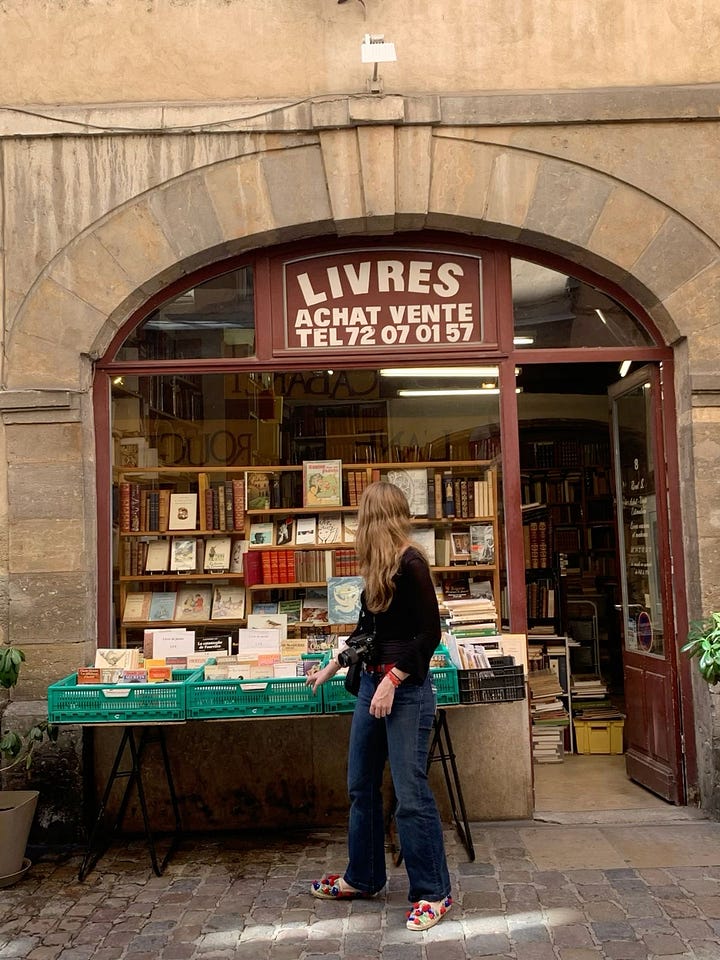
Yes, some of the images below are from Pinterest (I know…hypocrite but still a fav source)
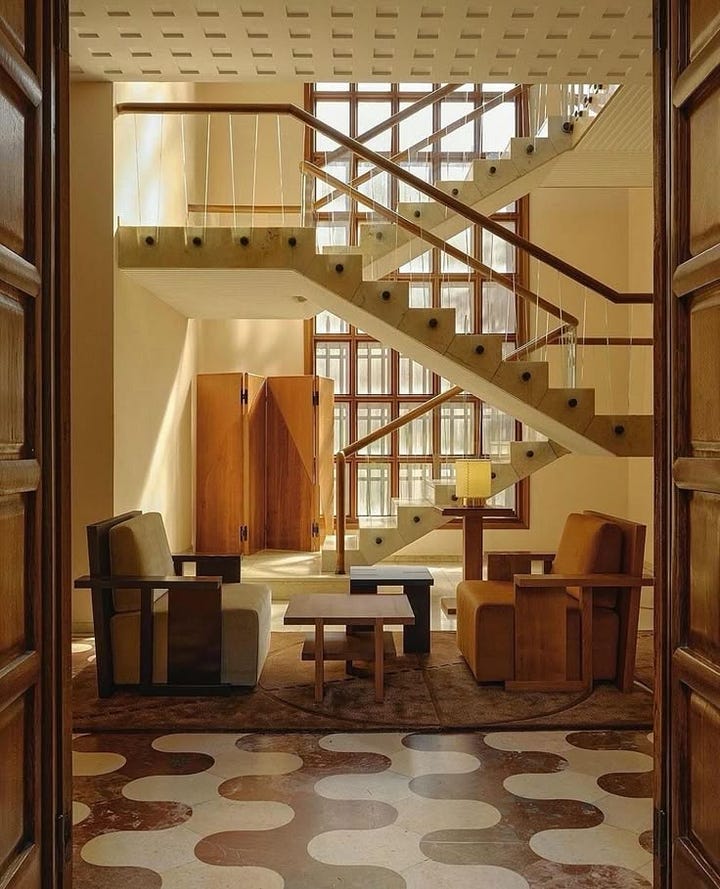
Try to avoid fixating on just the furniture, and look at the foundational space holding you. The architectural details underneath the styling. That’s what we study first. It’s what we notice in a hotel we never want to leave, a restaurant that just feels right, a friend’s old house, a building we pass while traveling.
So before we ever open a mood board for yourself (or in our case, for a client), here’s the exact list of what we’re actually looking at:
1. The bones
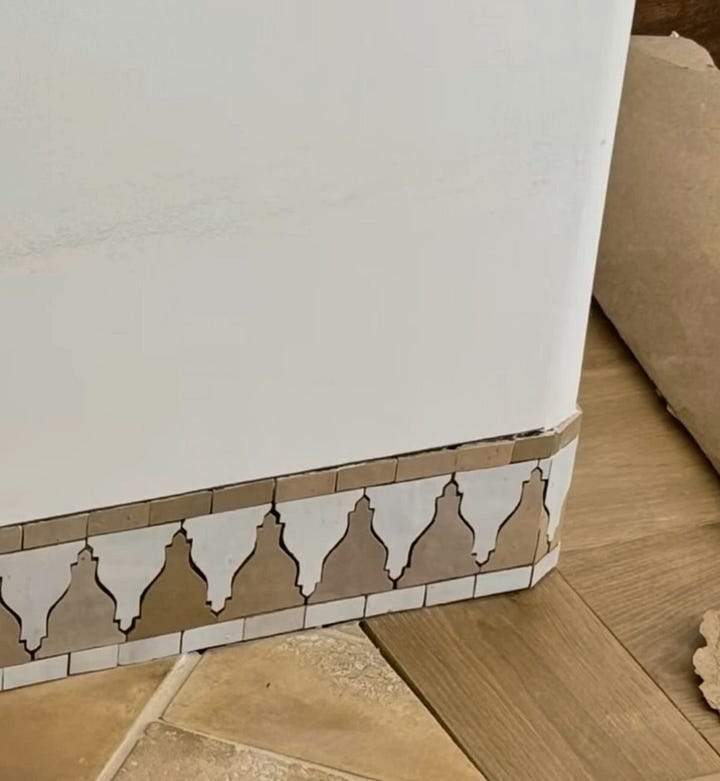
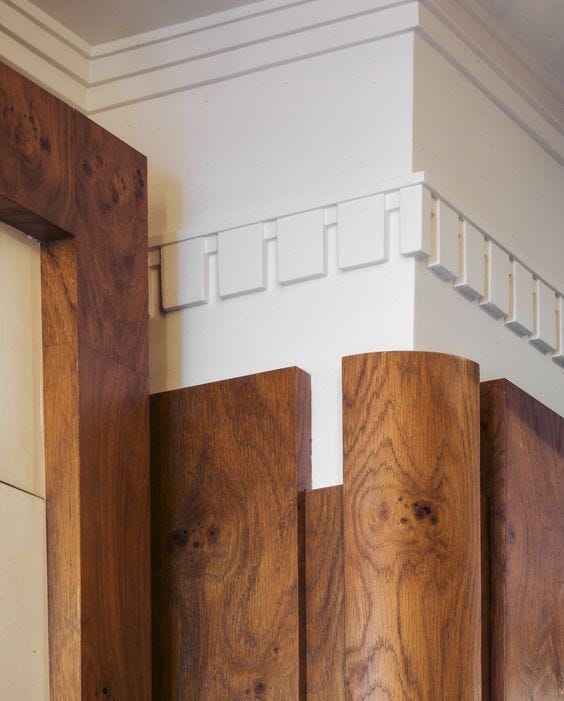
Baseboards, trim, crown, casings, ceiling treatments. The height and weight of the millwork sets the entire tone of a room before a single piece of furniture goes in. Thin builder trim reads flat; substantial, well-proportioned trim reads custom.


2. Transitions
How the floors change from room to room. Thresholds. Cased openings versus a plain drywall edge. The way one material meets another. Transitions are where “builder-grade” and “designed” quietly separate.


3. The special moves
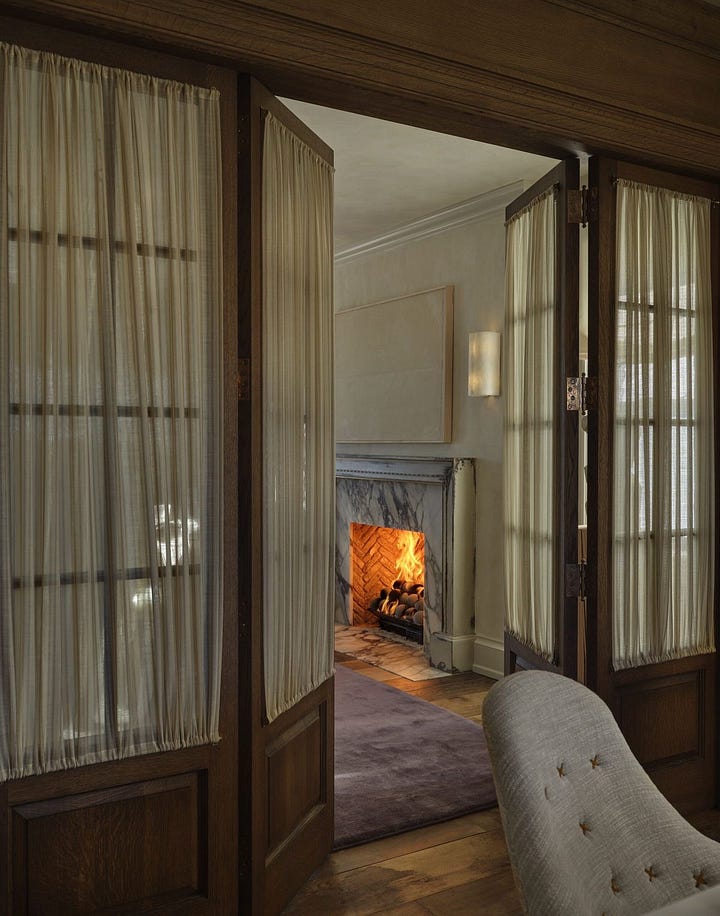
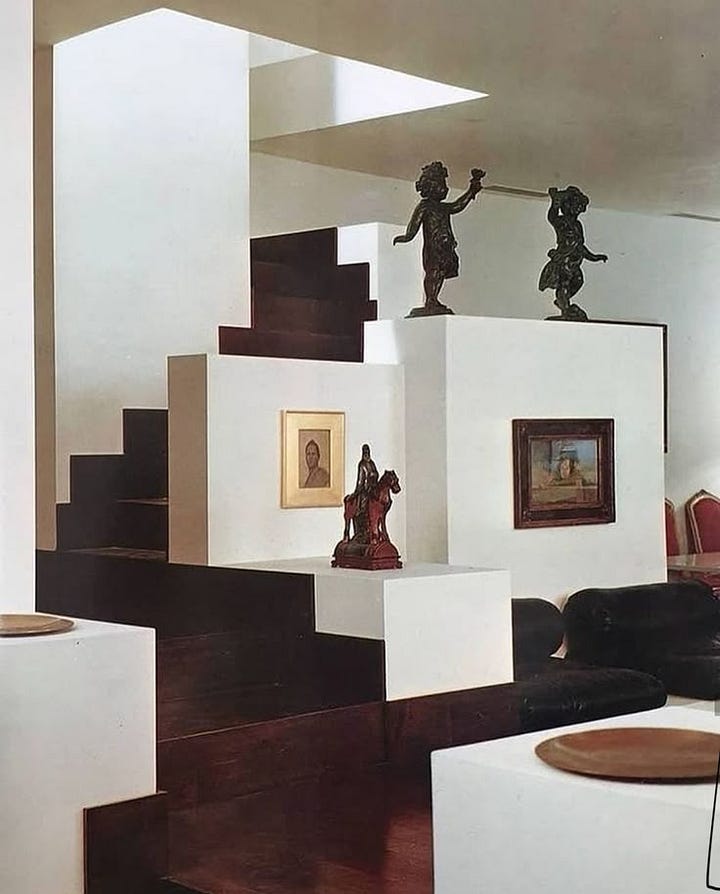
The unexpected architectural choices like glass doors used as a partition into an office instead of a standard pocket door, an arched opening, a reeded or fluted detail, a plaster hood, a built-in niche. These are the moments that make a home feel one-of-a-kind. Collect them.
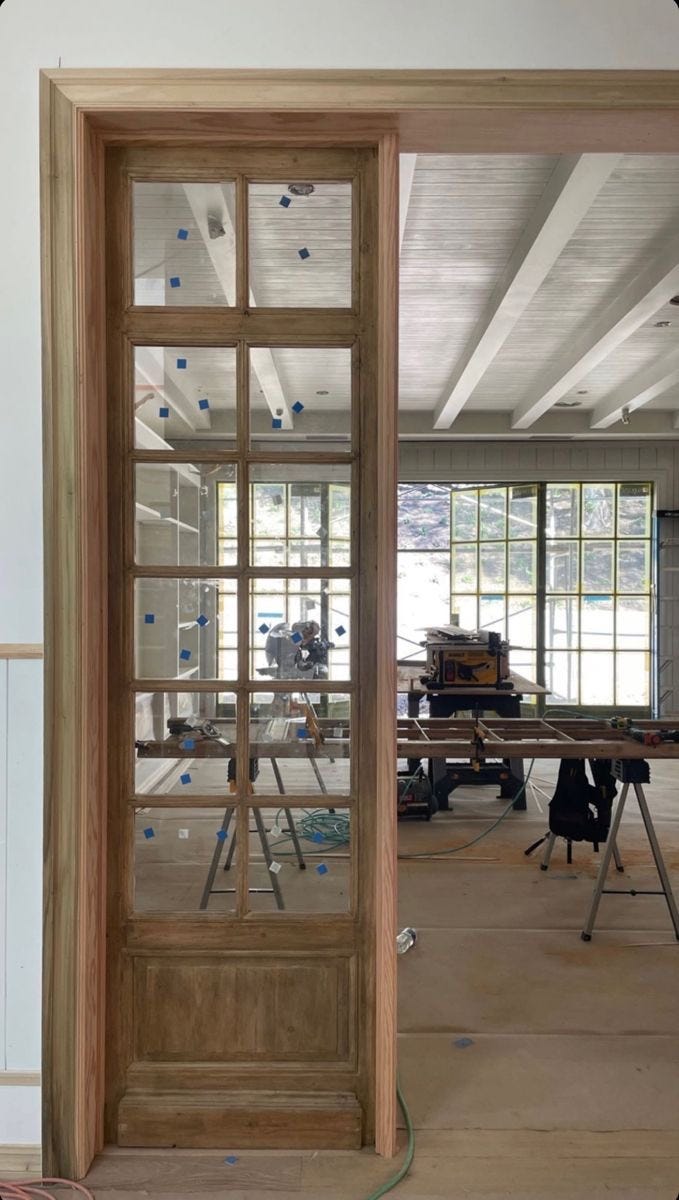
4. Light
The natural light. How does it move through the space during the day? Where is it warm, where is it flat? Then the layers: lamps, sconces, the glow. Light is what you feel the second you walk in.


5. Materials and texture
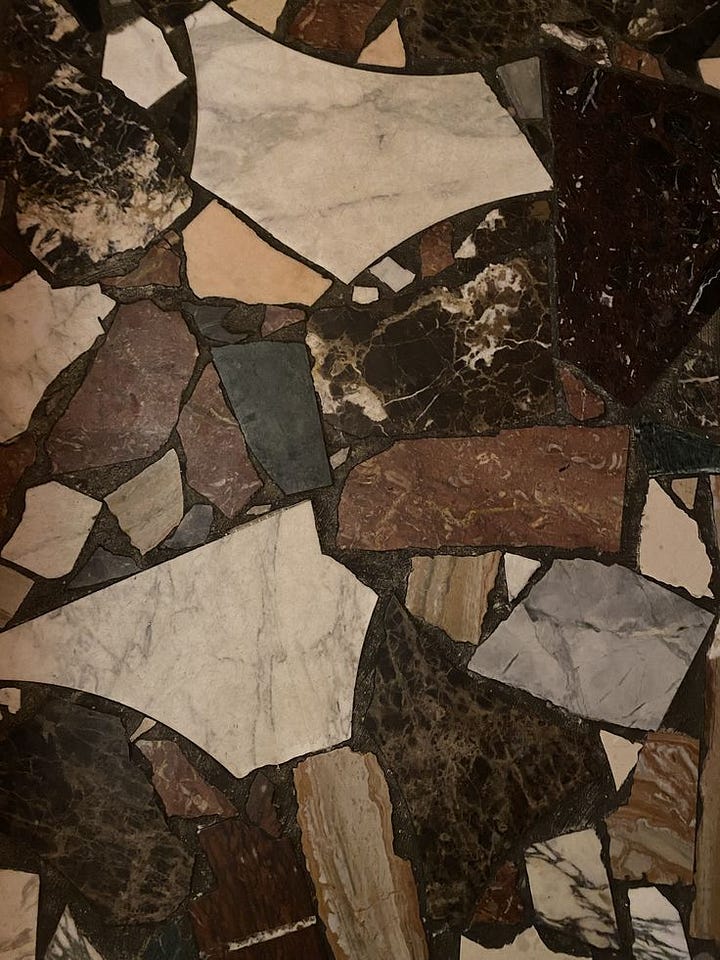
Stone, wood tone, plaster, tile, metal. The hardware (we call it the jewelry of a home). Notice what a material does in person and how it catches light, how it feels, because a photo flattens all of it.

6. Proportion and scale
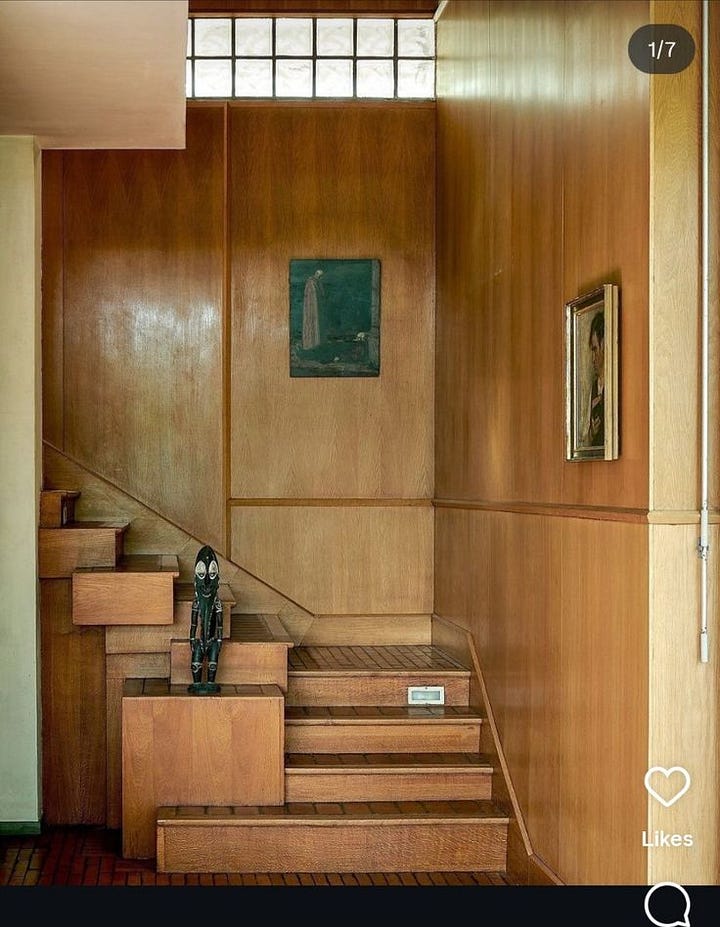
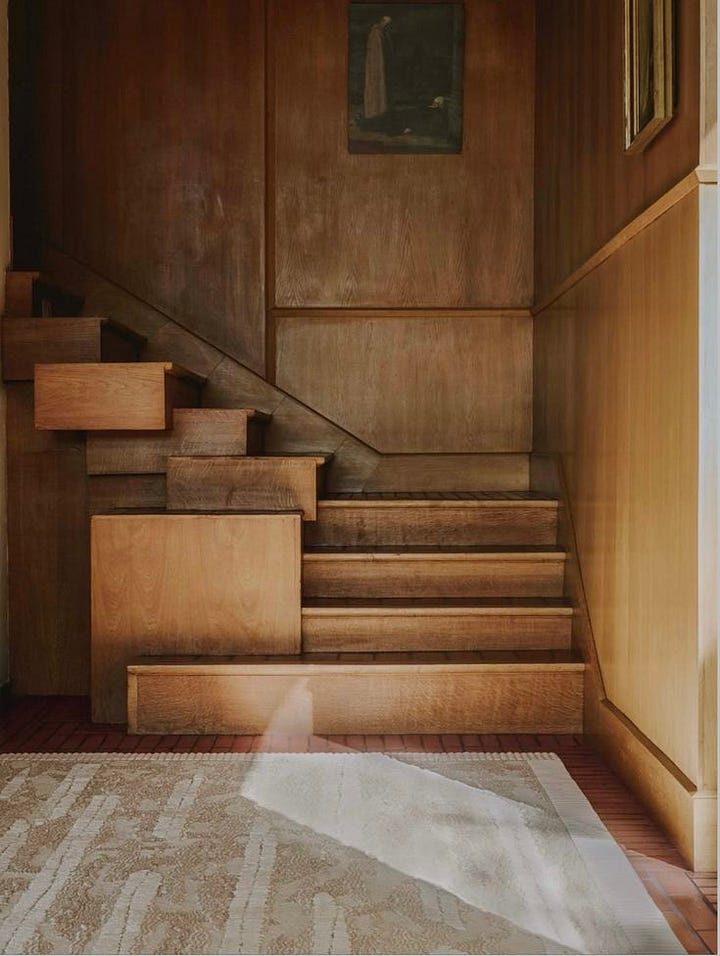
How big things are in relation to the room and to each other. So much of why a space feels “off” or “right” is just proportion. Train your eye to see it.
7. The feeling
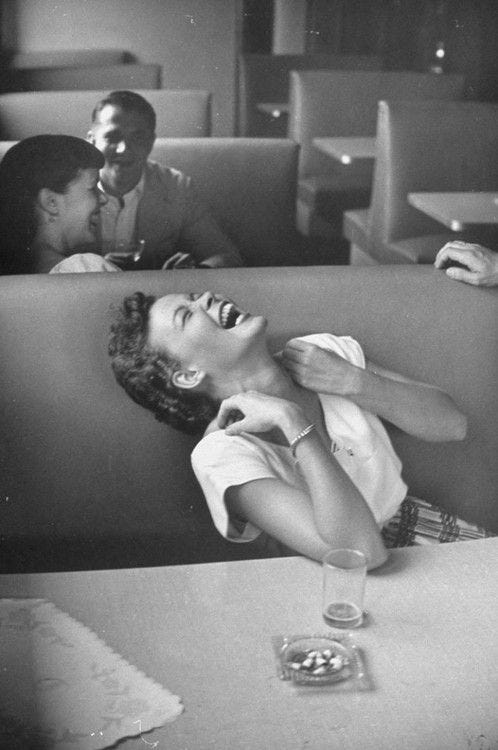
This is the big one. Before the details, ask: how does this space make me FEEL? Calm? Grounded? Alive? That feeling is the real thing you’re chasing, and it’s what a mood board should be built to protect.



How to actually capture it
When something stops you like a hotel lobby, a doorway, a stair detail, take the photo AND a note of what it was that captured you. But here’s the rule: screenshot the trim, not just the sofa. Capture the detail that made it feel special, not the whole pretty picture. Keep a running folder or notes on your phone. Over time, patterns emerge - and THAT becomes your real inspiration, not someone else’s staged photo.
Because the goal was never to copy a room. It’s to train your eye to see the things that actually make a space feel like something so you can create that feeling in your own home.
Consulting with an interior design firm on the foundational items will save you time and money in the long run. For a 1:1 consultation with our firm, you can book through TALD.
PS, when you go out looking for inspo, don’t focus too much on the “trendy” spaces. You don’t always have to go to the newest restaurant or museum, it could be an old post office you stumble upon or your best friends kitchen.
No posts
Comments
Nothing yet. Say the first thing.
Sign in to join the conversation.