
We often believe that the difference between those who succeed and those who do not lies in discipline. I used to believe that too.
Now I think discipline is only part of the story. While it is the engine that keeps us moving, every engine needs a destination. Looking back, I would say discipline explains only about half of my own progress.
Motivation gets us started. Discipline keeps us going.
As a child growing up in the former German Democratic Republic (GDR), diligence was rewarded everywhere: at kindergarten, at school and later throughout my life. Productivity was considered a virtue. I drew constantly. My pictures piled up on the kitchen table. My parents and my kindergarten collected them for me and I keep them in a folder today.
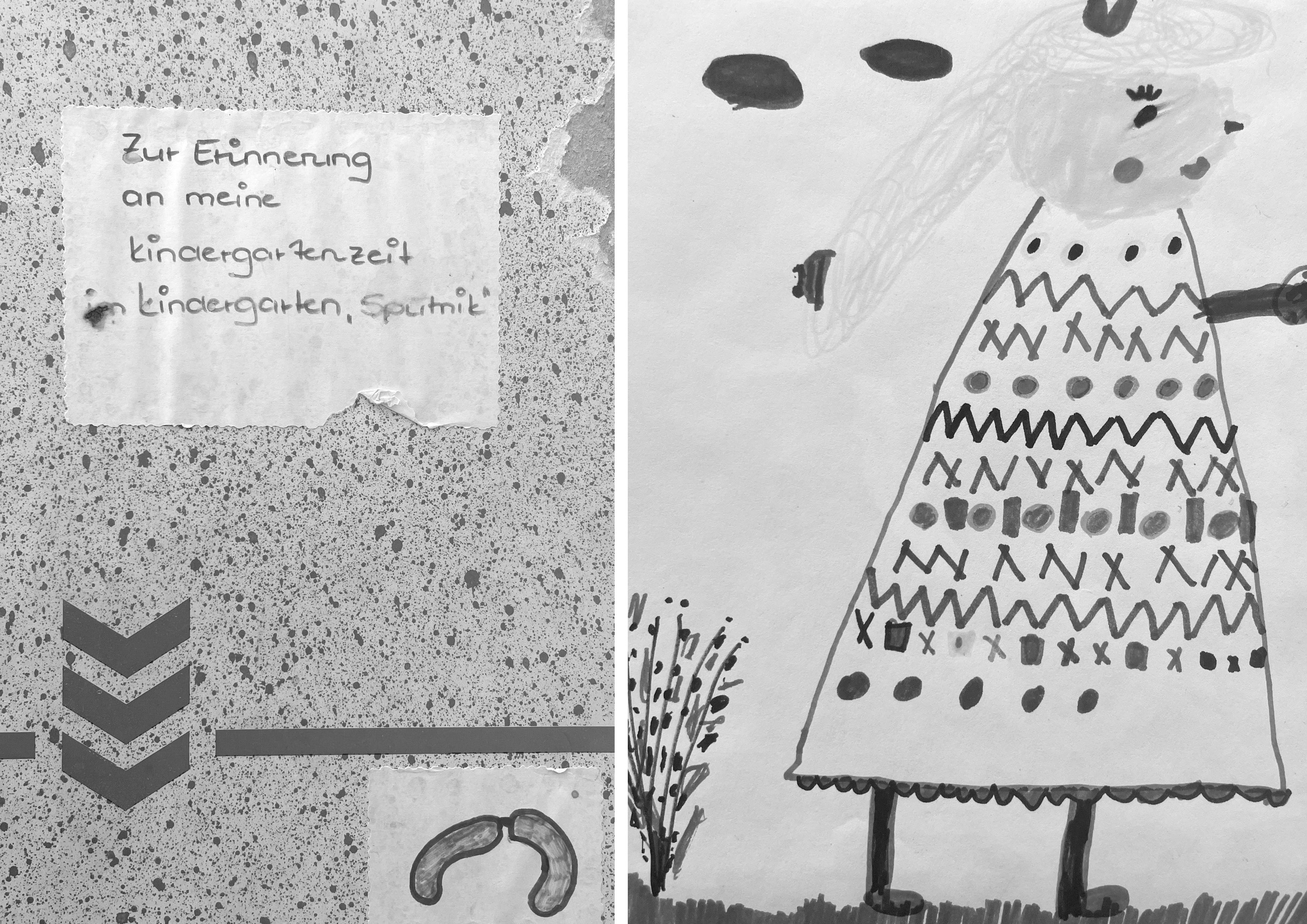
I never struggled with discipline itself and kept drawing regardless of my age. The question was never whether I could work hard.
I had spent years developing my art, refining my paper art technique and organised international projects and managed organisations. The discipline to keep going had always been there. I never wanted to fail in front of myself. My discipline appeared wherever I had clarity. Where I lacked clarity, direction or a sense of purpose, progress slowed or stopped altogether. That made me question whether discipline is something we permanently possess.
Neuroscience shows that our ability to follow through depends on much more than simply forcing ourselves to act. Our brains are constantly evaluating effort, reward and meaning.
A creative who understands why a project exists, who it serves and what it contributes, experiences effort differently from someone working without a clear direction. This creates a stronger motivational signal because the action is no longer experienced as an isolated task. It becomes part of a larger story.
Research on self-regulation also shows that our capacity for discipline changes depending on our environment, energy levels, habits and the support systems we create around ourselves and our work. Decisions, especially on our actions, become easier when they are connected to routines and identity (habits). In other words, discipline becomes less dependent on constantly fighting oneself.
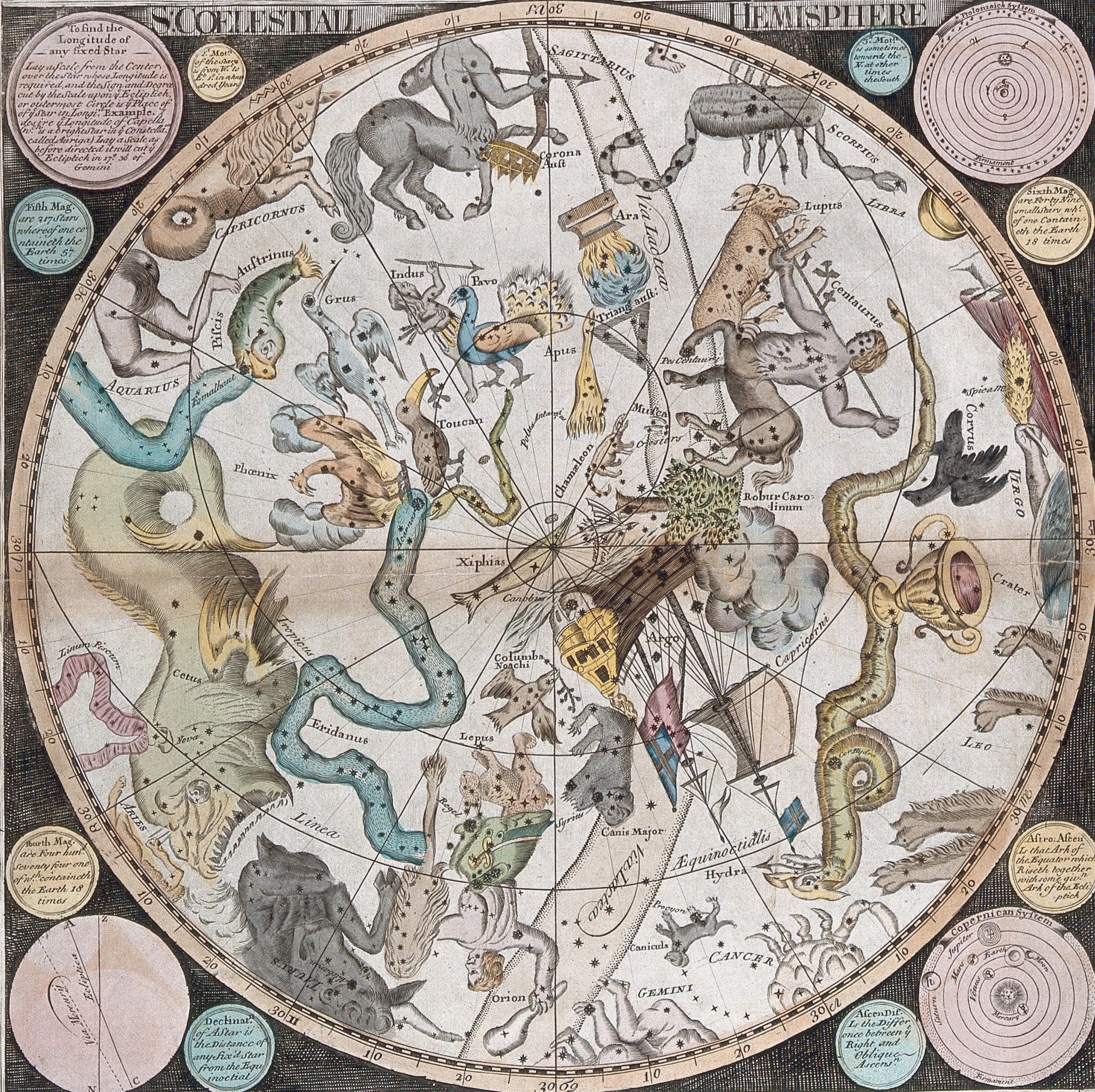
And the clearer the map, the easier it becomes to keep walking.
Three findings from neuroscience helped me understand why discipline sometimes comes easily and sometimes feels almost impossible.
1. Dopamine is about anticipation, not only pleasure
A meaningful goal produces a different response in the brain as opposed to a vague ambition. “I want to become successful” gives the brain very little to work with. “I want to build a body of work that supports me financially and is of value to society” creates a concrete target. The clearer the destination, the easier it becomes to sustain effort.
2. Discipline depends on executive function
The prefrontal cortex, the brain’s planning and decision-making centre, helps us resist immediate impulses and work toward long-term goals. But its performance changes depending on sleep, stress, cognitive overload and emotional state. This explains why creatives sometimes experience periods when discipline feels effortless and other times when even simple tasks feel difficult. The capacity changes because the conditions have changed.
3. Identity strengthens habits
Research in behavioural psychology shows that people are more likely to maintain behaviours when those behaviours become connected to identity.
“I have to make art every day” requires constant negotiation.
“I am an artist and I make art” changes the relationship with the action.
For artists, this is especially relevant because creative careers are built through repeated practice over years. As artists, we often spend years learning how to create. Much less time is spent learning how to build a life around our work.

I never approached my artistic work like an entrepreneur. Nobody taught me about this in school, university or anywhere else. I mainly focused on creating the artwork itself. The framework around it never caught my attention. I worked out of the blue, into the blue, hoping that the next opportunity would somehow appear. I moved from opportunity to opportunity, from exhibition to exhibition. That meant working a lot.
Something in me changed in 2024 when I sat down and wrote clearly defined goals for my professional journey for the first time. I expected the exercise to give me a list of tasks. Instead, it revealed the structure underneath my work. Only then did I see the connections between projects, interests and ambitions that had previously felt unrelated. I realised that my path was not one-dimensional.
I was not building a single body of work. I was building an ecosystem.
That simple exercise completely changed the way I looked at my work. Instead of seeing my many interests as distractions, I started seeing them as opportunities.
I decided to give myself a map.
There is a profound connection between language and the map we create for ourselves.
Many experiences and great ideas begin as intuition. We sense them long before we understand them. The moment we try to put them into words, something changes. Language forces us to select, organise and connect ideas. Patterns that were previously hidden begin to emerge.
This is why writing or journaling can feel surprisingly clarifying. After a thoughtful conversation, whether with someone else or with yourself, you often feel lighter. Giving complexity the structure of language allows us to recognise what was already there.
A simple framework is enough to turn intuition into conscious clarity and direction. You can apply it to every area of your life or business:
1. Identify your ambition(s).
2. Make it specific and measurable by writing down your SMART* goals, naming them in concrete terms and visualising what success looks like for you.
3. Check whether it fits your available time and resources.
4. Give the final goal a deadline and reverse-engineer it into milestones.
5. Put the milestones and the final goal in your calendar.
*SMART Goals:
S – Specific: Clearly define what you want to achieve.
M – Measurable: Make sure you can track your progress or success.
A – Achievable: Set a goal that is realistic and possible to accomplish.
R – Relevant: Ensure the goal is important and aligns with your overall objectives.
T – Time-bound: Set a deadline or timeframe for completing the goal.
A map of your goals is not something you draw once and forget.
It is like steering a ship: you regularly check your course, adapt to changing conditions and sometimes choose a new destination. That is why I keep asking: “Where do we go from here?”
Writing your goals down is only the beginning. Their real value comes from returning to them, because every review shows you where you are, helps you decide where to go next and points out to the opportunities that support that direction. The bonus is that looking back also shows you how much you have already accomplished and that is the fuel your engine needs to keep moving forward.
There are three other dimensions to this:
Recently, I looked at my goals again. Writing this publication was not on my list, but many of my goals shared the same purpose: supporting creatives in the ways I once needed it for myself.
Once we start following our map, we do not need to know every detail. Many of the details only become clear as we move forward.
Sometimes the plan changes because we have changed. I see that as a sign of growth. Sometimes new opportunities appear that were not part of the original plan but still align with our direction. The goal is not to follow the map rigidly, but to use it as a guide while adjusting our course.
Perhaps clarity has become so valuable because we live in a time that offers more possibilities than any generation before us.
The abundance of choice creates opportunities, but without clarity, it can quickly become overwhelming, leading us to spend our resources, such as time and energy, exploring paths that do not bring us closer to our goals.
The temptations to do so are everywhere.
I have learned that following every opportunity, or choosing the easiest path instead of the harder one, rarely leads to a coherent body of work. The challenge is not finding opportunities, but knowing which ones belong to your direction.
That requires clarity. Without it, opportunities begin to shape you instead of you shaping your work. Clarity allows us to invest our resources where it matters, stay focused and continue moving even when we do not know exactly what will happen.
Clarity is the map; it answers …
What do I want and why?
Goals define the destination; they answer …
What exactly am I trying to achieve?
Planning chooses the route; it answers …
What is the next step?
Discipline is the engine; it answers …
Will I keep showing up?
Together, clarity, goals, planning and discipline create coherence, which is perhaps the real discipline we need.
In psychology, people have long recognised that our minds seek coherence. We naturally try to organise our experiences and also our environment into meaningful patterns because uncertainty demands cognitive energy and can indirectly make us feel insecure.
From my own experience as an artist and from observing others, I know that we could produce hundreds of ideas!
The challenge for us is to identify the most relevant and most feasible ones in addition to building an internal and external framework that allows those ideas to become reality and remain sustainable.
Everything I have written so far applies to the architecture, the framework around the creative act. The creative act itself follows different rules. There, uncertainty, experimentation and openness are essential.
We need to know how to navigate both worlds at once: creating structure around the creative act without trying to control the creative act itself.
~ Fides Linien
Further Reading:
Daniel H. Pink, Drive: The Surprising Truth About What Motivates Us (2009)
Kelly McGonigal, The Willpower Instinct: How Self-Control Works, Why It Matters and What You Can Do to Get More of It (2011)
Giving yourself a map is only the beginning. Next week, we will explore why having potential is not the same as fulfilling it and why talent alone has never been a guarantee of success …
No posts
Comments
Nothing yet. Say the first thing.
Sign in to join the conversation.