
Welcome to Inside The Collective, a newsletter that invites you into the brains, conversations and ideas of Allison Collins and jessica ramírez, friends and cofounders of The Consumer Collective. Here, we share weekly thoughts on consumer sentiment, news, retail, fashion, beauty, business, things we like, things we don’t — and why. We hope it helps you connect the dots across the consumer world.
Don’t miss our latest consumer insights report, which highlights what consumers are spending on this summer + business opportunities.
U.S. retail sales fell in July. Reminder Prime Day sales were pushed up to June this year.
Americans are making trade-offs at the grocery store, including swapping out ground beef for other proteins, especially chicken. This is the second big protein trade-off in recent years; people initially downgraded from steak to ground beef, and are now moving to even less expensive proteins.
Meanwhile, ice cream sales are trending downward. Our research shows that GLP-1 users often cut both dining out and snacks, though many have said they actually spend more on groceries.
Breakfast cereal sales are also struggling, and cereal makers are trying to lure consumers by bringing back cereal box prizes. Very nostalgic.
Beauty continued to grow in the first half of the year, according to Circana, driven by prestige hair care and mass makeup and fragrance. More prestige skin-care sales shifted online.
Interesting earnings tidbits: Brooks Running sales were up 14 percent in the first half. Technical apparel sales were way up at Amer Sports (owner of Arc’teryx, Salomon and Wilson). Tapestry’s sales hit $8 billion, thanks to Coach (read our interview with store design and visual experience head here).
Related: U.S. consumers continue to prioritize performance footwear. Running shoes, cross-trainers, golf and volleyball shoes all saw sales gains in the first half, according to Circana.
U.S. consumers are spending more on crafts and hobbies. This tracks with our research, including today’s resale report (below), which shows people are both looking for offline activities and even shopping for hobby supplies in the secondhand market.
Target is trying to revamp its grocery section with larger spaces, more fresh produce and trendy snacks and beverages, including matcha and mushroom coffee. The move is very on-brand for Target, but not particularly aligned with today’s consumer, who is really closely watching discretionary grocery spend.
Nike and Foot Locker are collaborating for a new, experiential Foot Locker store developed with community leaders in Los Angeles. In addition to exclusive Nike releases, the space will also have a gym, equipment room and programming center.
Cool South Korean eyewear brand Blue Elephant has opened a store in Beverly Hills. It already have a decent following in the U.S.
LinkedIn used to be my favorite social media platform, and now it is full of AI-generated junk. At least they’ve added a slop button? (Allison Collins)
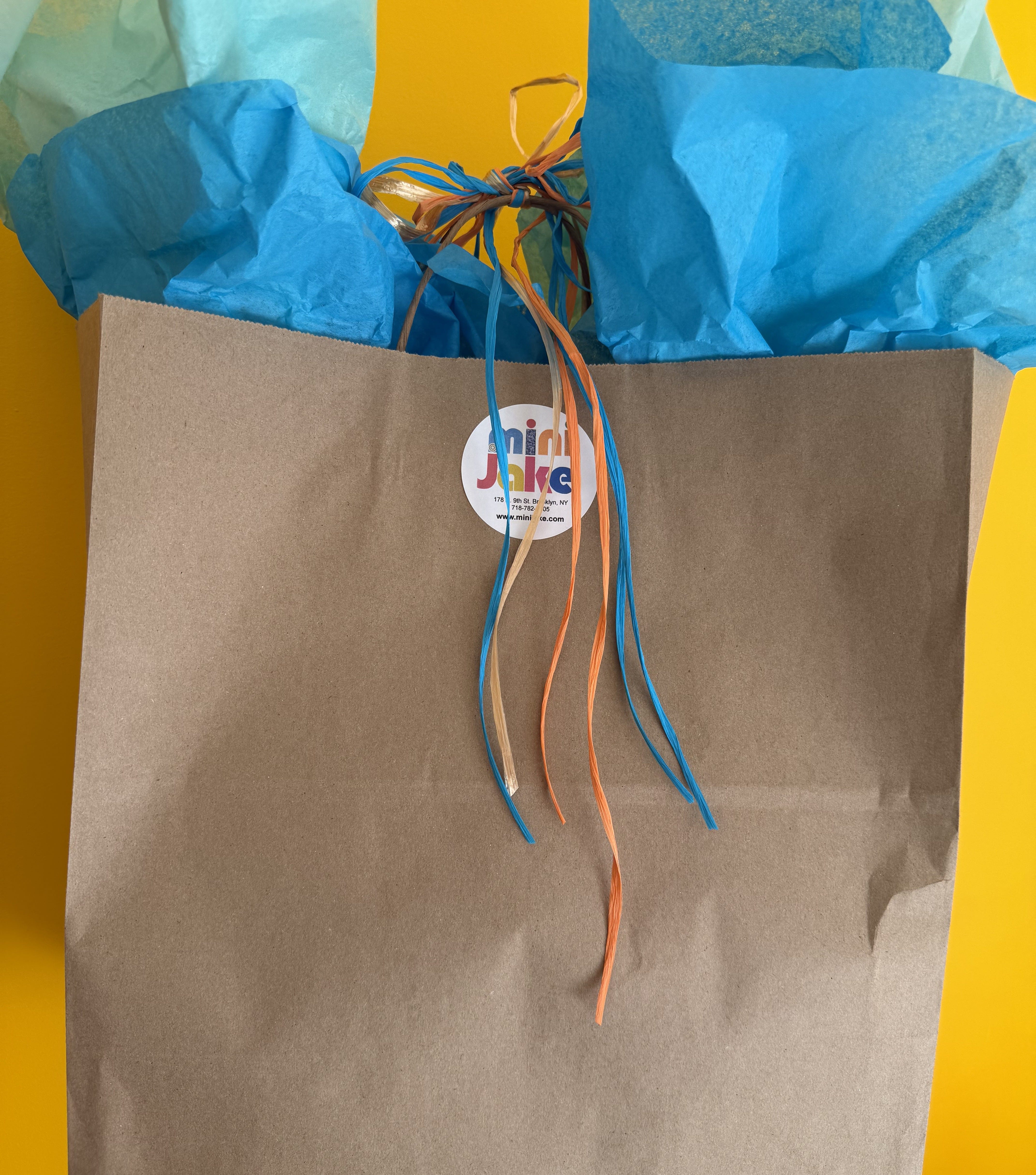
I’m officially back in Brooklyn and have noticed so many expecting women on the streets lately, and Mini Jake is a gem when shopping for little ones. As a few of my friends have had babies I’ve become a loyal customer — their assortment is modern and thoughtful and the store itself is so cute. They stock a variety of eco-friendly products that are wonderful for babies and kids. I was just in there picking up a gift for my friend’s one-year-old. And I mean, look at that gift wrapping! (Jessica Ramírez)
Forget About Fetching Coffee. This Summer, the Interns Are Running the Show. (WSJ)
Vintage Fashion Is Changing the Economics of Desirability (Bloomberg)
The ‘Luxury’ Water Rat Race Isn’t as Inexplicable as It Seems (WWD)
How a New Zealand Toymaker Became a Beauty Challenger (BOF)
China’s top 10 retail installations of 2026 so far (Jing Daily)
Corporate America got billions of dollars in tariff refunds. Where’s your cut? (CNN Business)
The Analysis is a paid subscriber benefit. This week, we’re sharing high-level insights from our latest resale research, including who is shopping secondhand, who is not, and findings on the luxury resale shopper. For more consumer insights, check out our consumer insights library, here.
Inflation is driving more people to the secondhand market. It makes sense — all of our consumer research has shown people are increasingly financially stressed due to high gas and grocery prices. We see people searching for value in every corner of the market, looking for deals, items that will last longer even if they cost a bit more initially, and for small ways to treat and/or express themselves on a budget. Lower-income consumers are not the only ones being squeezed — all consumers in our research have expressed an intent to make trade offs or have already made them.
The global secondhand apparel market is projected to reach $393 billion by 2030, according to research from ThredUp. Clothing is one of the most-purchased secondhand categories, and our latest research shows it’s not the only resale category that’s drawing major consumer interest.
What People Are Shopping For
In the secondhand market, clothes are the number one purchase. Of the consumers who shop secondhand, 82 percent have bought clothes. Accessories are also popular: 49 percent said they’d purchased shoes, 32 percent said they’d purchased handbags, 26 percent said they’d purchased jewelry, and 19 percent said they’d purchased watches, according to our latest consumer research (available soon in our insights library).
Comments
Nothing yet. Say the first thing.
Sign in to join the conversation.