
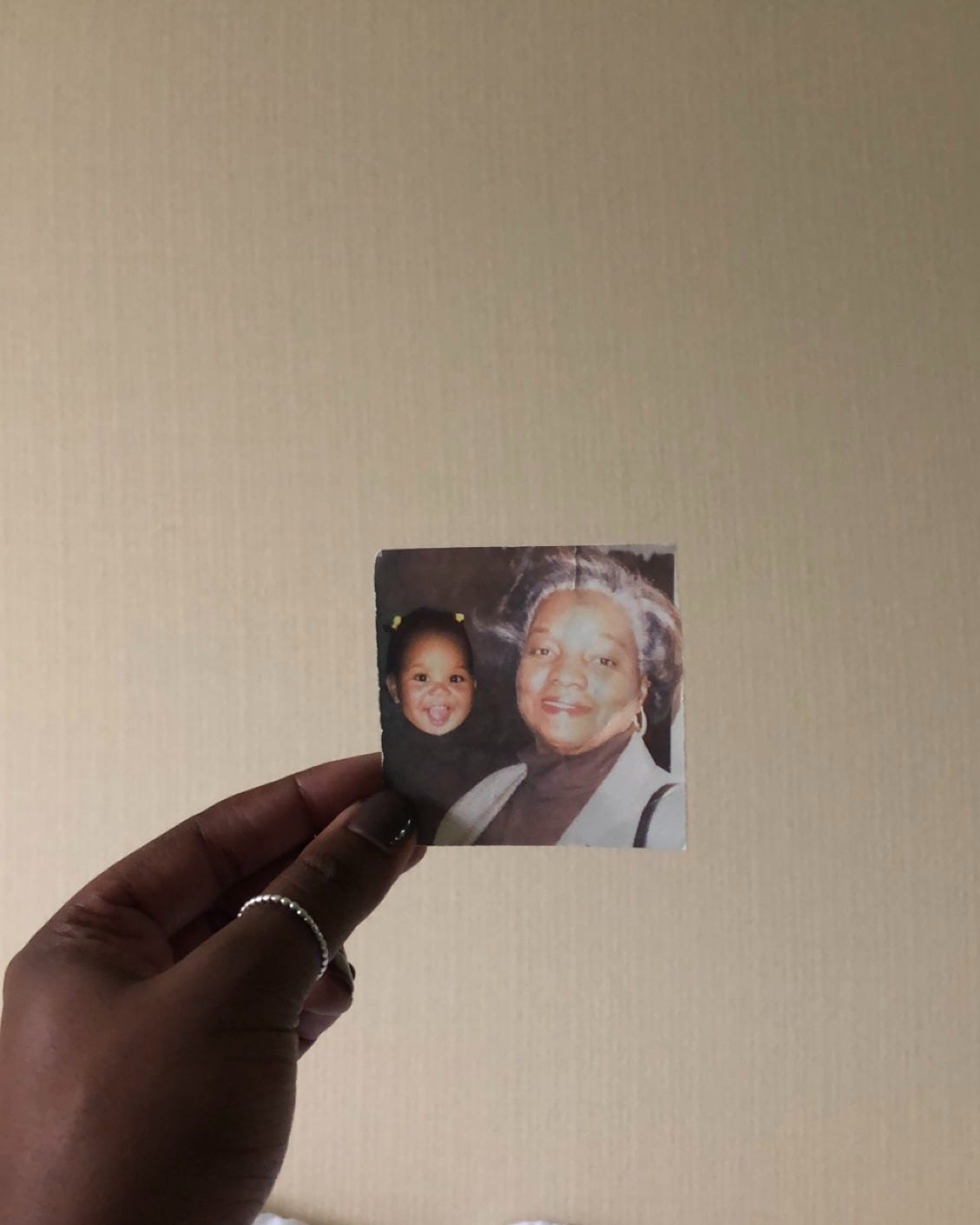
as a young Black girl, my Black grandmother told me “little girls are made of sugar, spice and everything nice,” and she treated me like it. our rituals included tuesday visits to our local library, followed by play time at the park. on several nights, i’d venture to her floor of our townhouse where many of my toys lived, and she’d call me “to her nest,” which was our code for cuddle time. she did this because when i heard birds chirping, i’d remark, “they’re calling out to me, tee.” we had so much fun together in those days, and none of it prepared me for how harshly the world would treat me as a Black woman.
my Black father took the time to tell me about Ronald Reagan’s demonization of ‘Black welfare queens,’ but at that age, i saw it as his usual political babble. that changed around sixteen when The Help formally introduced me to ‘the mammy’ but it wasn’t until i was much older that i’d understand how systemic the world is in mammy-fying any Black woman no matter her age or circumstances. it’s introduced subtly as ‘the Black sidekick’ tasked with supporting their white counterpart, the main-character. i quickly understood that That’s So Raven and The Cosby Show, two fixtures of my childhood, were anomalies and i resented how Black girls and women are rarely afforded main character roles on screen and in real life. dynamics within my own extended family have shown me that even folks who look like me are socialized to treat Black girls and women as their consummate slaves. sadly, the adage “little girls being sugar and spice and all things nice,” grooms us for it.
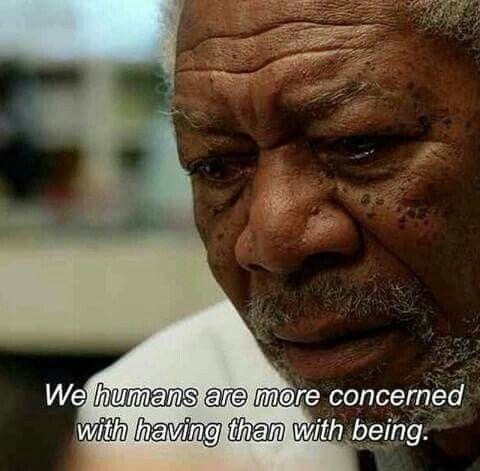
as shows like Love And Hip Hop and The Real Housewives of Atlanta burgeoned into my universe, i was introduced to a mixture of ‘the jezebel’ and ‘shameful-Black-single-mom’ tropes. “you should’ve chosen better,” or “kept your legs closed,” are just two of many catchphrases employed to shift blame from the men doing the lying and cheating (which is abuse, by the way) to us. to me, all of these misogynoirist tropes (and a deep-dive by Jina with a J @ireadhuney on TikTok), are punishment from colonizers and supremacists for Black women surviving genocide (centuries of enslavement, terrorism and economic deprivation), through matrifocality.
whereas matriarchy is “a society in which the legal powers relating to the ordering and governing of the family-power over property, inheritance and marriage rest with women rather than men,” matrifocality describes a family or social structure centered on the mother. because Black women do not hold institutional power and have legal status that is flimsy at best, it’s a more fitting descriptor than matriarchy. despite it all, Black women show up not just for one another, but especially for the Black men who kill us disproportionately as well as people outside of our communities who also hate us. Black women are so known to “show up and do the work” that many of us now count ourselves part of the 92% movement because self-preservation is our new survival mechanism as matrifocality has been for centuries.
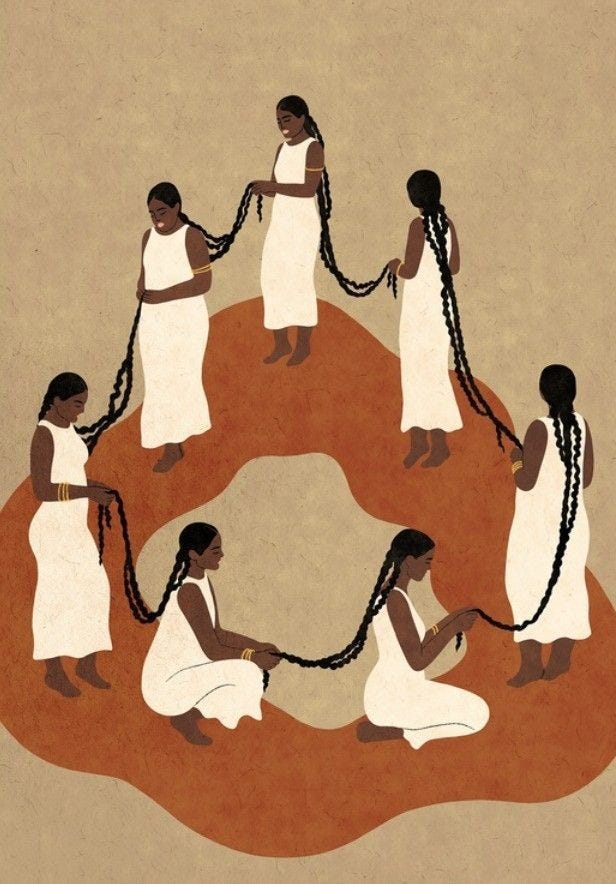
1200 years of enslavement and 18 million kidnappings across the trans-Atlantic trade, the Indian Ocean trade, the Red Sea trade and the Saharan trade led Black women to protect our communities with matrifocality. anthropologists and historians in this field of study, Mary Douglas, Paul Lovejoy, Jan Vansina, Sara Lowes and Nathan Nunn have noted, while “matrilineal kinship is present throughout the world, by far the highest density is in central Africa, in the ‘matrilineal belt’ and West Africa” (source). their findings also negate the popular assumption that men are abused or forgotten within matriarchy: “matrilineal kinship is well placed as an organizing structure relative to patrilineal systems because it links groups of men across space, as related men move to other villages upon marriage. this would be the case with both avunculocal residence (which is the most common in sub-Saharan Africa), where young men move to their mother’s brother’s village or with matrilocal residence, where men move to their wife’s family’s home.” and because of these systems, children receive support from various patriarchs and “the benefit of the diversification that matrilineal kinship affords is even greater the more important men are in the society,” meaning men with more relational ties have more responsibility i.e. biological and non-biological children to care for.
in the most violent of situations, Black women have found ways to protect ourselves and others, but who is protecting us? in the u.s., 600,000 Black women have been pushed out of jobs in the past year per fortune. though Black women are the fastest-growing demographic of entrepreneurs owning roughly 3.5 million u.s. businesses, we receive less than 1% of total venture capital (vc) funding and roughly 0.27% to 0.34% specifically from vc firms. Black women are three times more likely than white and Latinx women to die from pregnancy-related complications per axios. and despite constituting roughly 14% of the U.S. female population in 2023, Black women were nearly 30% of those murdered by men—a rate four times higher than that of white women per violence policy center. globally, the statistics of Black femicide do not fare much better—if anything, they show that misogynoir both within and outside of our communities contribute to poorer life outcomes, no matter how hard we fight against it.
violence against Black women continues not for any fault of our own but because a coalition of Black men, non-Black people of the global majority, and especially, white women and men, continue performing misogynoir at white supremacy’s behest. your obsession with our hair, bodies, genes and empty compliments on all of the above are a manifestation of that, too. what we actually need is not only for you and your bloodlines, Black and Brown ones included, to unlearn your deeply programmed misogynoir, we need you to show up for us materially.
while this is the ninth piece i’ve written here and despite thousands of subscribers, zero readers have signed up for journaling sessions at the unwritten club. your kind words in each comment section are wonderful, but material support keeps me alive, enabling me to write these. the majority of you reading this have likely neither considered that, nor have you hired a Black woman as your accountant, financial advisor, lawyer, doctor, dentist, aesthetic injector, plastic surgeon, tattoo artist, painter, illustrator, website designer, programmer, chef, wine maker, sommelier, florist, grocer, farmer et. because as much as you call yourself an ally or co-conspirator, you too are still deeply programmed not to value the work we’ve been doing but are seldom paid well for.
i and my fellow Black sisters need you to change that. quickly.
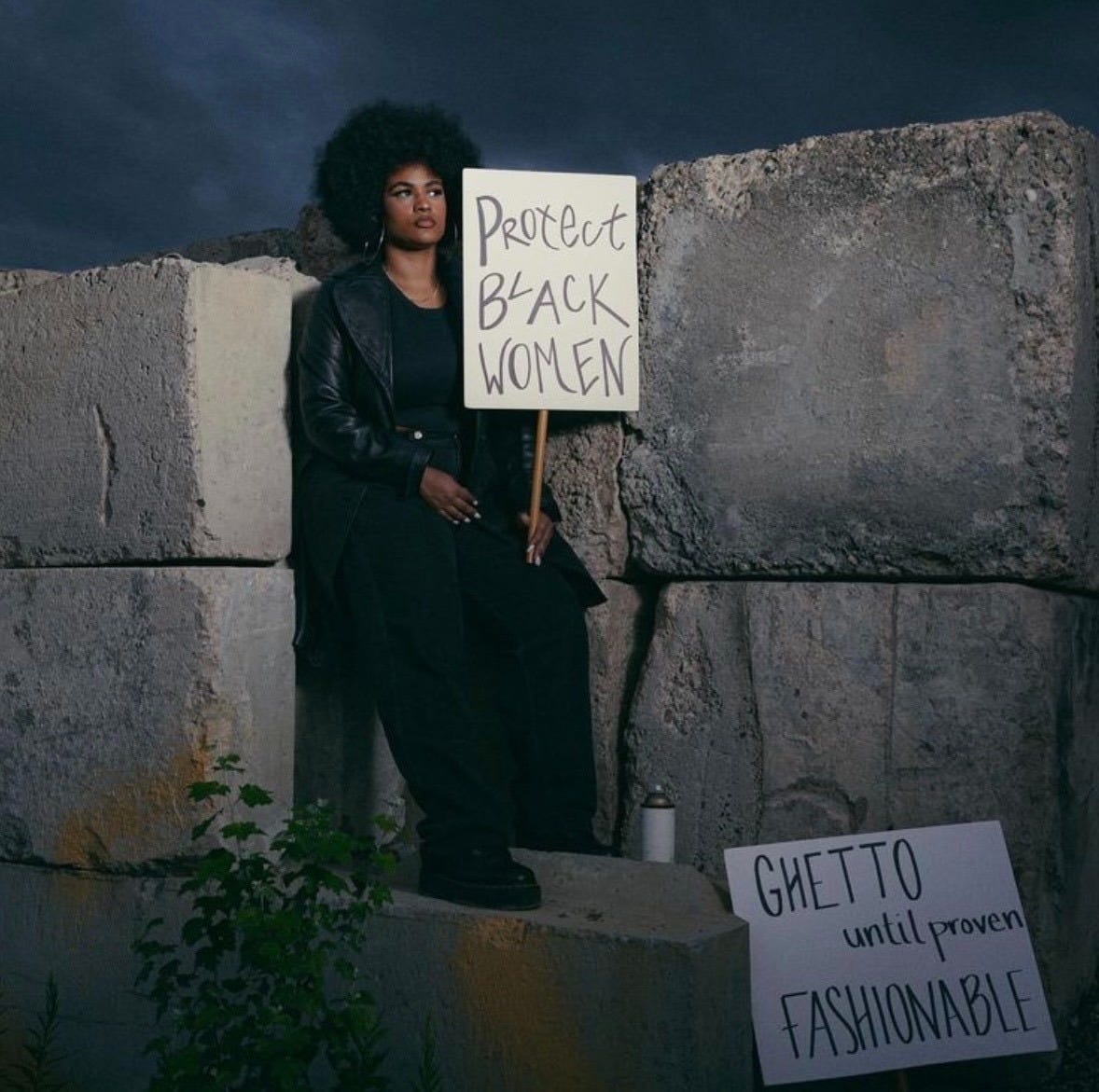
photo by paityn adams
tahira is a storyteller, communications consultant and founder of the unwritten club, designing journaling for a healthier you. explore tuc’s offerings, including journaling sessions based on Deconstructing Karen and White Women: Everything You Already Know About Your Own Racism here, and submit your journal entries to the unwritten club’s community journal.
Comments
Nothing yet. Say the first thing.
Sign in to join the conversation.