

The Journal will have a presence at Innovate4Cities Conference in Nairobi, Kenya on 21–24 June 2026. There is time to register for the conference until 21 June 2026. You can join sessions remotely.
We will be hosting a session on 24 June 2026 at 11.30 (East Africa Time) drawing on a collaboration between scholars and practitioners around our latest Special Issue Adaptation and Resilience in Cities of the Majority World: Advancing Equity and Justice in Practice. Our Managing Editor Sarah Lewis will be there, along with Editorial Board Member and Guest Editor Juliet Oluoch, so do come and say hi if you can. Otherwise, please do join the session remotely.
📅 Check out C40 Cities events during London Climate Action Week (20-28 June 2026)
With more mayors, governors, and global leaders coming together than ever before, this year’s London Climate Action Week will be the biggest yet and marks a pivotal moment for city-led climate action. Expect discussions about the future of urban data centres and a spotlight on how cities are managing extreme heat and water resilience, driving the transition from fossil fuels.
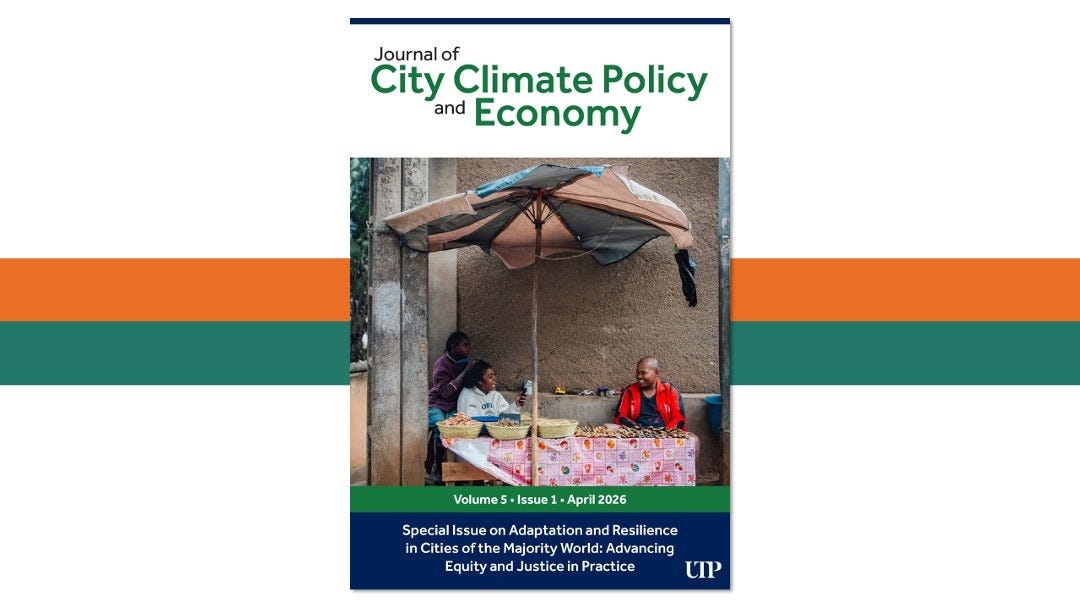
I am pleased to share the Special Issue on Adaptation and Resilience in Cities of the Majority World: Advancing Equity and Justice in Practice, the latest issue of the Journal of City Climate Policy and Economy.
You can read the Foreword which I co-authored with guest editors Ritwika Basu, Euan Crispin, Juliet Oluoch, Snigdha Garg, and Sarah Lewis which explores the use of the term ‘Majority World’ and introduces the collection of fascinating and timely papers included in the issue, or you may prefer to dive into the articles directly. You can find some of them summarised below.
The Journal of City Climate Policy and Economy is available to read without charge through a Subscribe to Open model which aims to achieve the goals of broad dissemination of content valued by scholars and researchers. The content of this issue is available to all without any cost to authors. Please consider subscribing, or where appropriate, recommending the Journal to your Institution’s Library to access future issues as soon as they’re published.
[Original research] Adaptive governance of urban informality in the face of climate change: Street vendor practices in Johannesburg, South Africa. By Mamokete Modiba and Samkelisiwe Khanyile
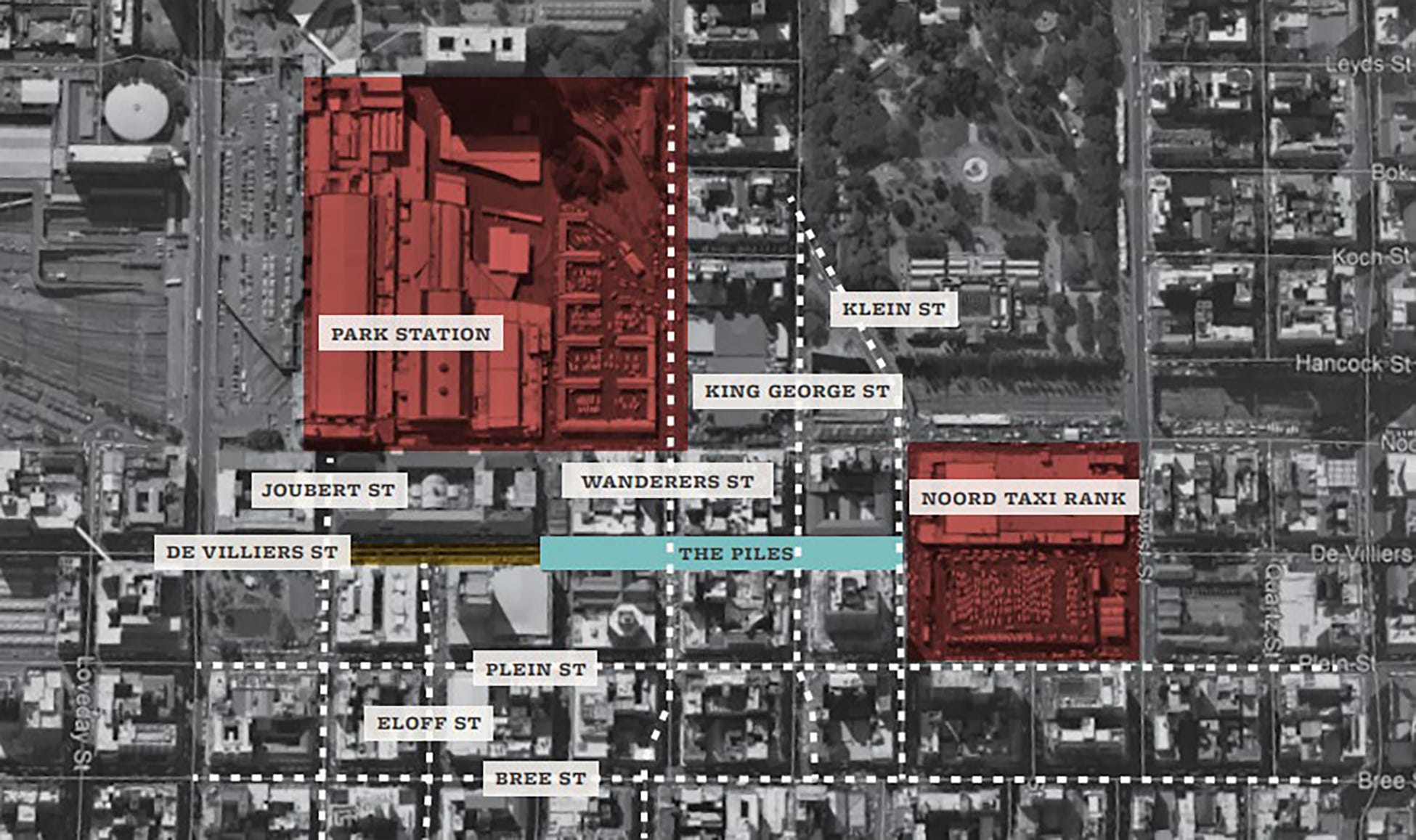
This piece of primary research explores the role of informal social protection mechanisms in providing safety nets for street vendors in Johannesburg. Second-hand clothes traders in the area of the city known as “the Piles” are increasingly impacted by adverse climate events such as extreme heat and flooding, risking the health and livelihoods of vendors. The study highlights the prevalence of micro-level governance practices implemented by vendors, and calls for a shift in the narrative from “informality as vulnerability” to “informality as agency.”
[Original research] What Do Cities Count? A Global Analysis of Indicators in Urban Climate Action Planning. By Holly Caggiano, Madison Lore, and Diren Kocakuşak
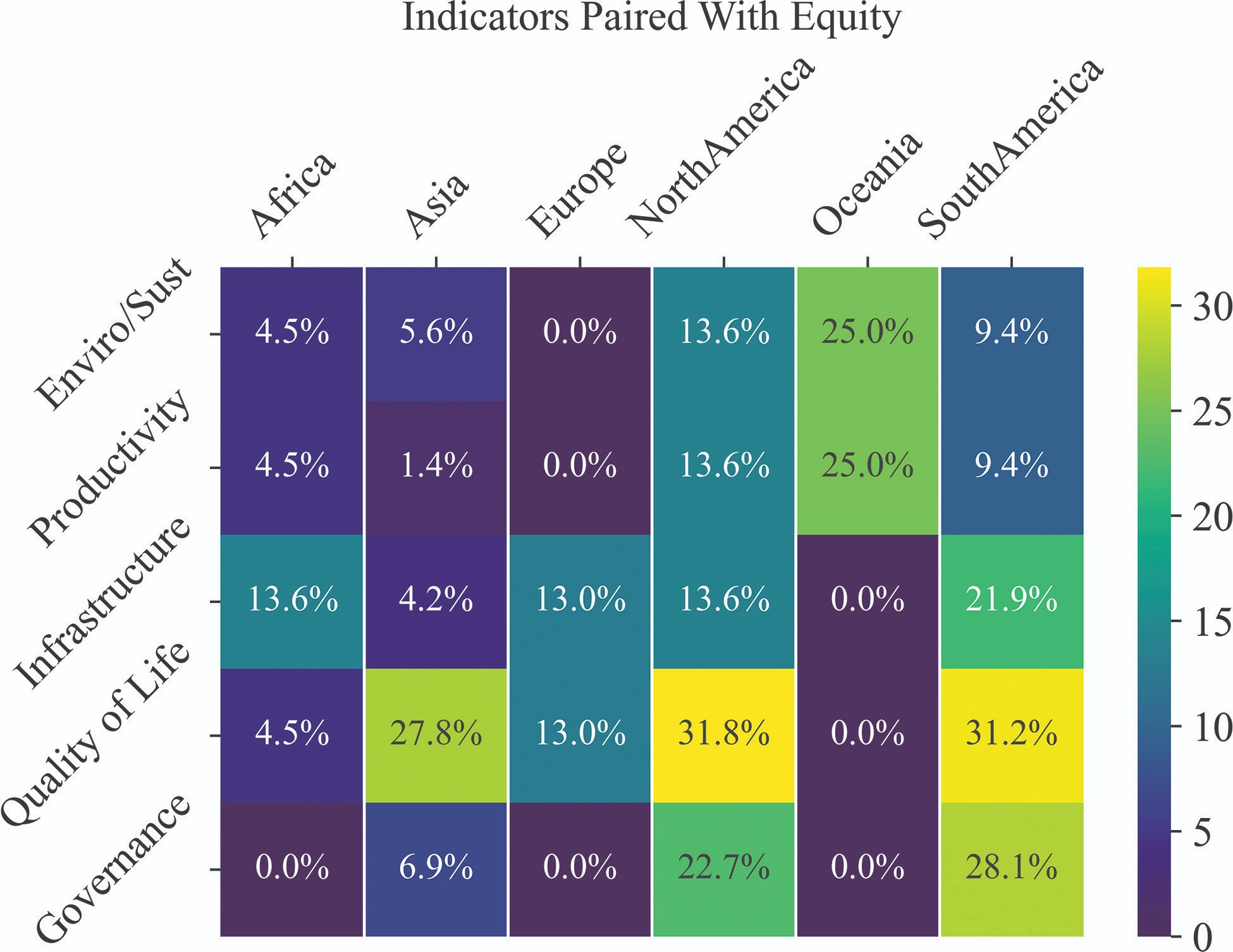
This paper examines 103 climate action plans (CAPs) from 88 C40 cities to explore how measurable indicators are prioritised across thematic dimensions and how the individual context of each city explains variations across planning priorities. It found that environmental and infrastructure development are the most frequently tracked indicators across the cities studied, with equity and social inclusion, productivity, quality of life, and governance less commonly measured.
[Original research] Climate adaptation, displacement, and wildfire disaster risk management: Lessons from Cape Town, South Africa. By Angel Goldsmith and David Demeritt
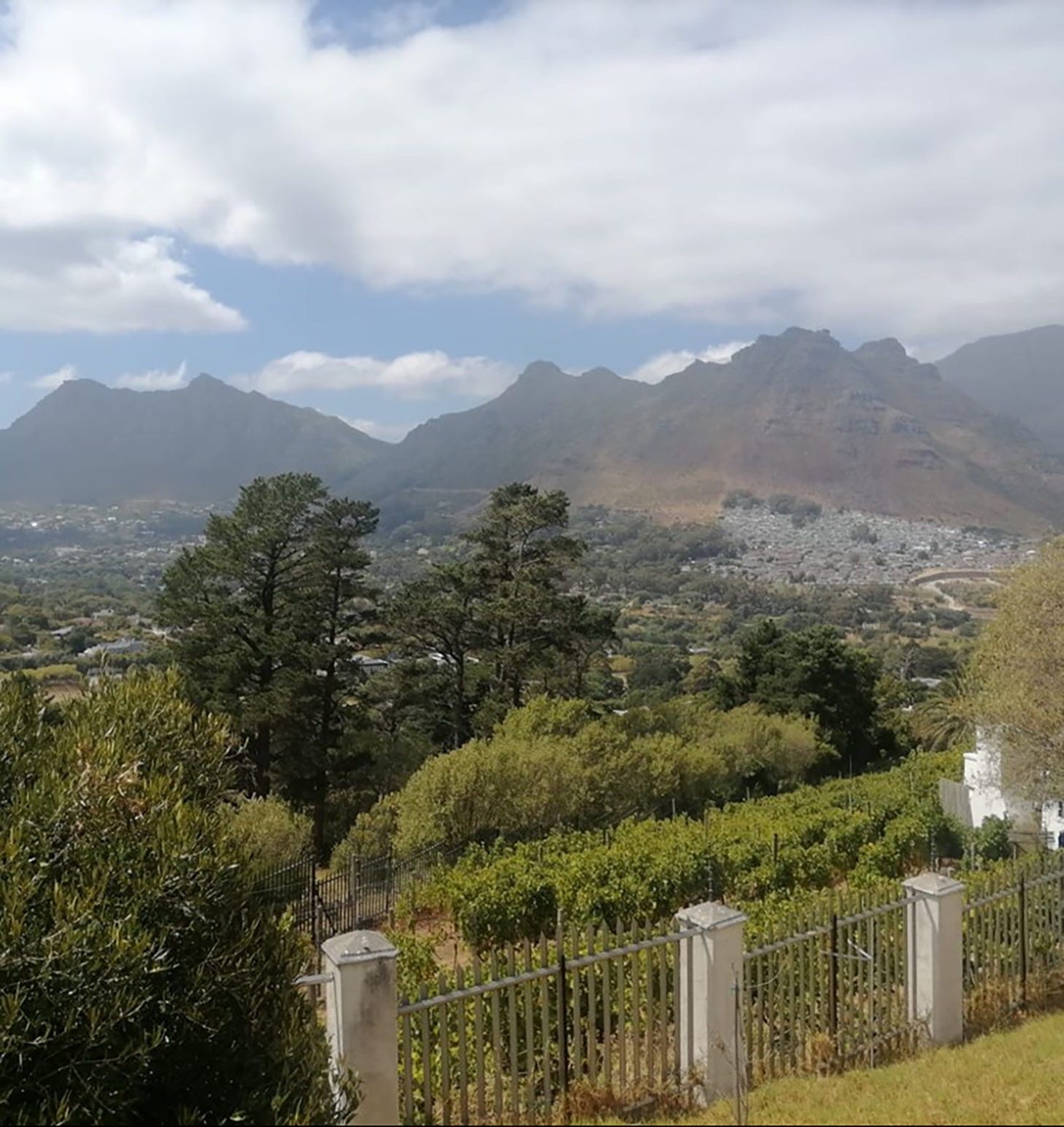
This paper explores the increasingly important topic of fire risk at the wildland-urban interface, using Cape Town as a case study. It finds that institutional fragmentation across governance levels and functions leads to coordination challenges between policies for wildfire management, biodiversity conservation, housing provision, and post-disaster recovery. It also finds, as have other studies, that effectiveness of, and public responsiveness to, wildfire risk reduction policies is differentiated by settlement type, race, and income. The findings underscore the importance of integrated, adaptive governance approaches to manage the dual challenges of wildfire risk and social vulnerability.
[Original research] Climate adaptation and Urban Well-being in the Global South: an econometric approach of equity-oriented strategies. By Irina Di Ruocco
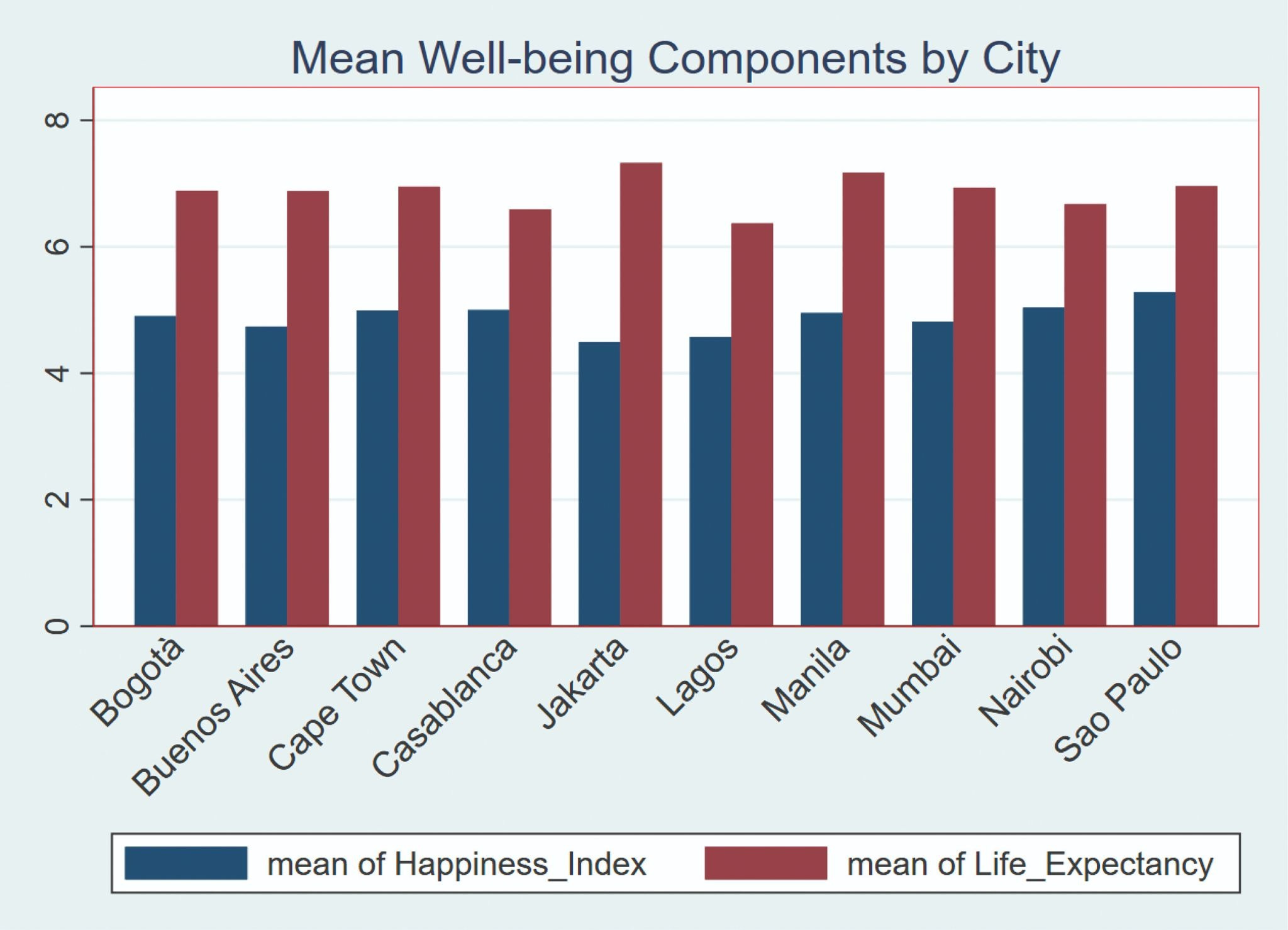
This study analysed ten cities (2014–2024)—including Cape Town, Lagos, Jakarta, Mumbai, and Bogotá—to explore the impact of climate adaptation policies on air quality, heat mitigation and water security on a multidimensional Urban Well-Being index. It found that many adaptation strategies prioritise infrastructure in wealthier districts while neglecting informal settlements. It also found, among other things, that justice-orientated policies, such as those in Cape Town and Bogotá, delivered stronger and more equitable improvements in happiness, health and access to basic services than purely technical solutions.
[Commentary] Hidden Infrastructure of Urban Resilience: Labor, Precarity, and Economic Adaptation in India. By Ritwika Basu
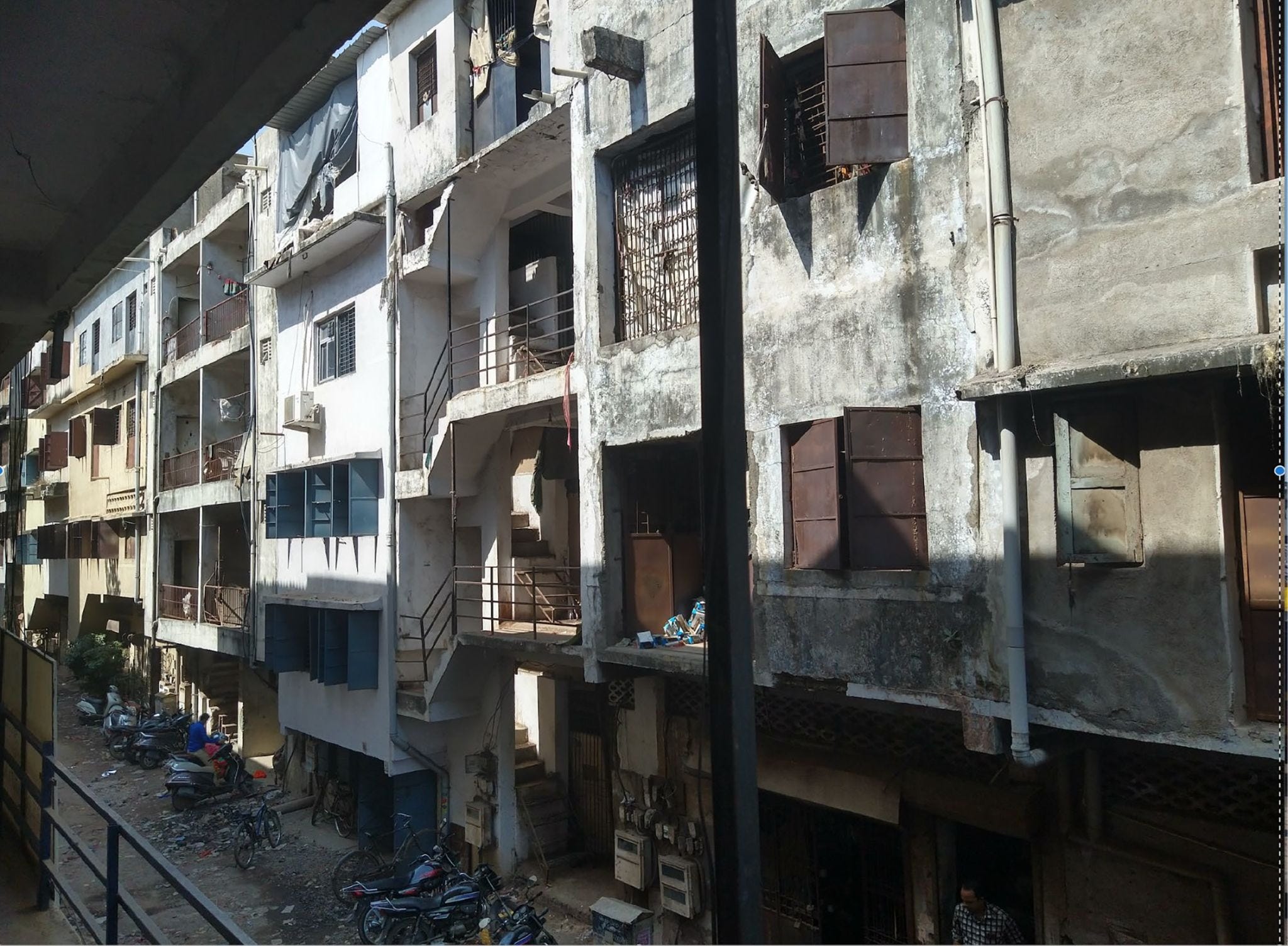
Based on the author’s PhD researchIn the textile regions of Surat and Tirupur, author and guest editor Ritwika Basu argues that migrant workers represent “ hidden infrastructure of urban resilience.” While policy discourses celebrate infrastructure upgrades and financial instruments as solutions to climate-economic volatility, it is in fact the forced adaptability of precarious labor—through wage cuts, relocations, and un- or underpaid work—that sustains cities and industries amid cycles of crises. Drawing on ongoing research on climate and labor in Indian cities, this commentary shows how resilience frameworks often mask extraction, deepen inequality, and erode social trust. To learn more, please listen to my conversation with Ritwika on our Cities 1.5 episode The Hidden Infrastructure of Urban Resilience.
[Commentary] After the flood: why Nature-Based Solutions in Brazil need environmental justice and participatory governance. By Luana Braz Villanova and Bruno Peregrina Puga
Using the tragic floods in Rio Grande do Sul in 2024 as a case study, this commentary advocates not only that justice and community participation must urgently be embedded in climate adaptation, but that prioritising the inclusion of vulnerable groups is necessary to avoid reinforcing inequalities a displacing vulnerable people, and prioritising profit over justice.
As the climate crisis intensifies, the world’s cities are faced with multiple financial challenges: the requirement for capital to finance sustainable development, adaptation to rising temperatures and climate change mitigation, and the urgent need to divest from carbon-intensive infrastructure. How can the widening gap between these demands and financial reality be addressed while ensuring that human wellbeing, equity and planetary boundaries are prioritised? This Special Issue of the Journal of City Climate Policy and Economy invites contributions that explore approaches to these challenges.
If you are interested, please submit your abstract by 30 June 2026.
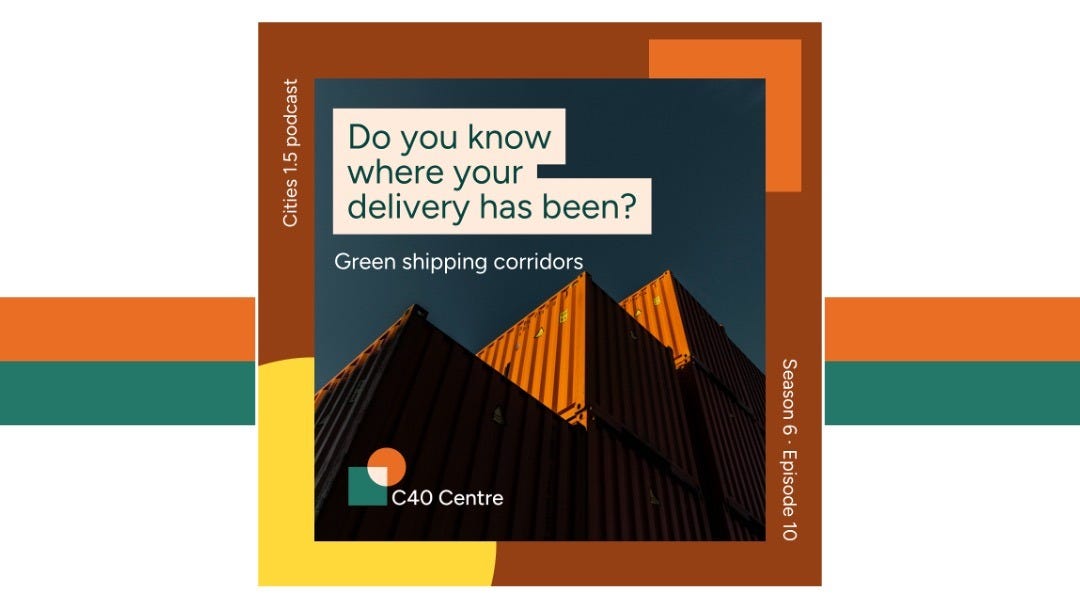
What does it take to clean up the hidden engine of global trade, responsible for moving 90% of everything we buy but emitting more than the entire aviation industry?
In this episode, I sit down with Eric Garcetti (former Mayor of Los Angeles and C40 Ambassador for Global Climate Diplomacy) and Alisa Kreynes (Director of the C40 Ports and Shipping Program). Through the course of their interviews, they share the incredible inside story of how cities established the world’s first green shipping corridor and how port cities are currently leading the charge to keep global net-zero targets from being derailed.

Chiara Morfeo: I’m reading (very slowly) Racconti del pianeta terra (Stories of planet earth), put together by Niccolò Scaffai. It’s a collection of writings that could all be classified as talking about the Anthropocene but with literary texts from long before the term even existed, spanning everything from Giacomo Leopardi and H.G. Wells to Zadie Smith and Paolo Zanotti.
David Miller: I am reading Fifteen Dogs by Andre Alexis. Set in my hometown of Toronto, its premise is the gods—after a drinking session in Toronto’s oldest pub—bestowing human intelligence on fifteen dogs. A revealing (and disturbing) look at the reality of human behaviour, it's a perfect book for our dark times.
Francesco Mellino: I’m lost somewhere in a magical England of the Early Middle Ages thanks to The Buried Giant of Kazuo Ishiguro. The book leaves the reader with an all-encompassing feeling of empathy towards characters who all appear to move through the story in a state of mild confusion; their memories being made feeble and uncertain by some sort of supernatural fog.
No posts
Comments
Nothing yet. Say the first thing.
Sign in to join the conversation.