
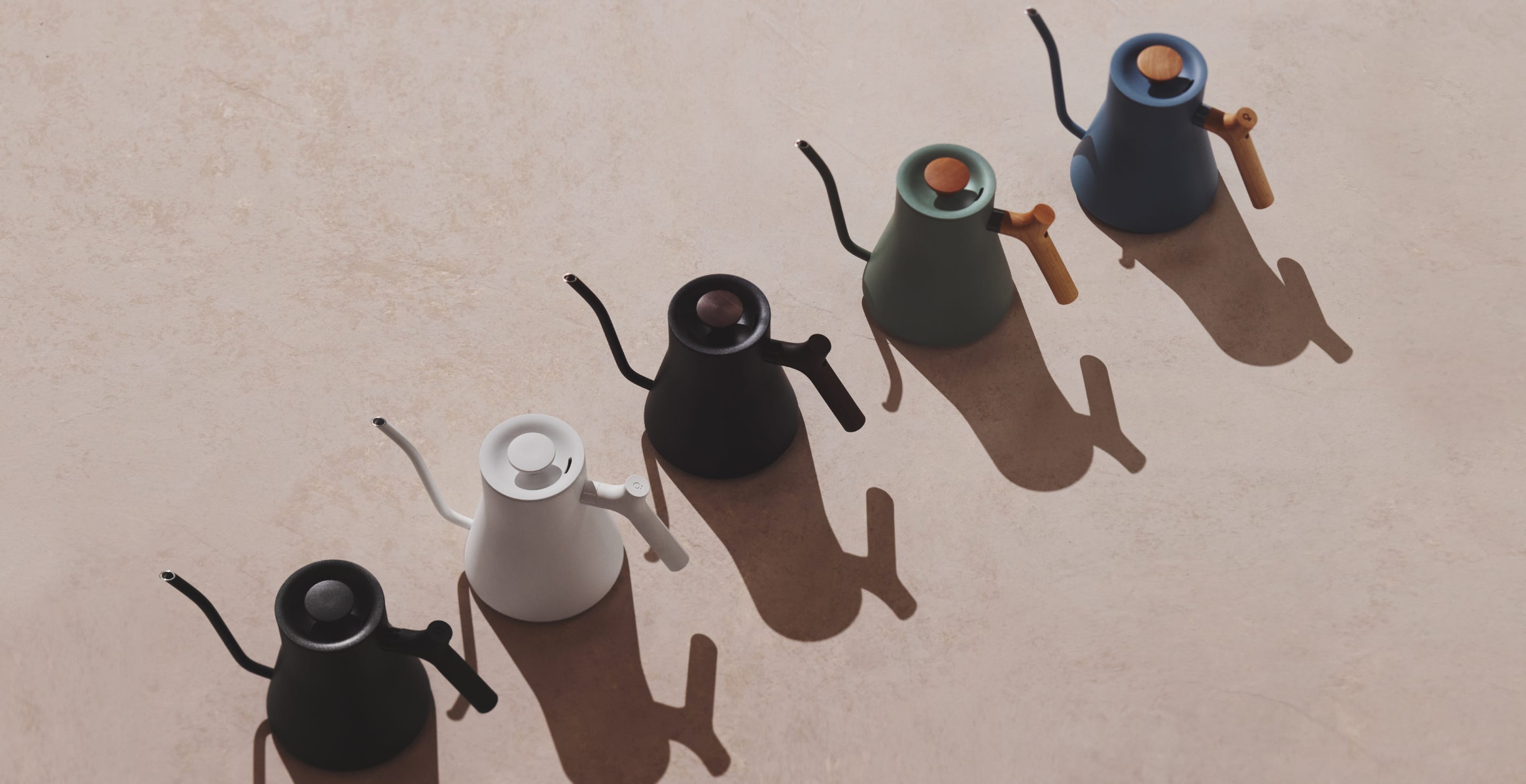
Not every brand that starts from zero begins with a strong value proposition, but those that do often have a clearer path to scaling up. They take a close look at what the market lacks and how consumers are filling the gap, and then start a very deliberate, intentional brand build.
Today, Fellow is well known among coffee lovers for its kettles and coffee makers — but it started out with an entrepreneur who wanted to solve a specific problem. He wanted to create something that didn’t oversaturate the market, but made the experience of coffee easier and better.
Jake Miller, founder and CEO of Fellow, always had an entrepreneurial streak. He had a side hustle selling novelty t-shirts in high school and started a company after he graduated. But it wasn’t until a stint at Caribou Coffee that Miller realized consumers had a huge passion for specialty coffee from small roasters that they brewed at home.
“But there was a gap between that passion and the tools available for the home brewer to use,” Miller said (Entrepreneur).
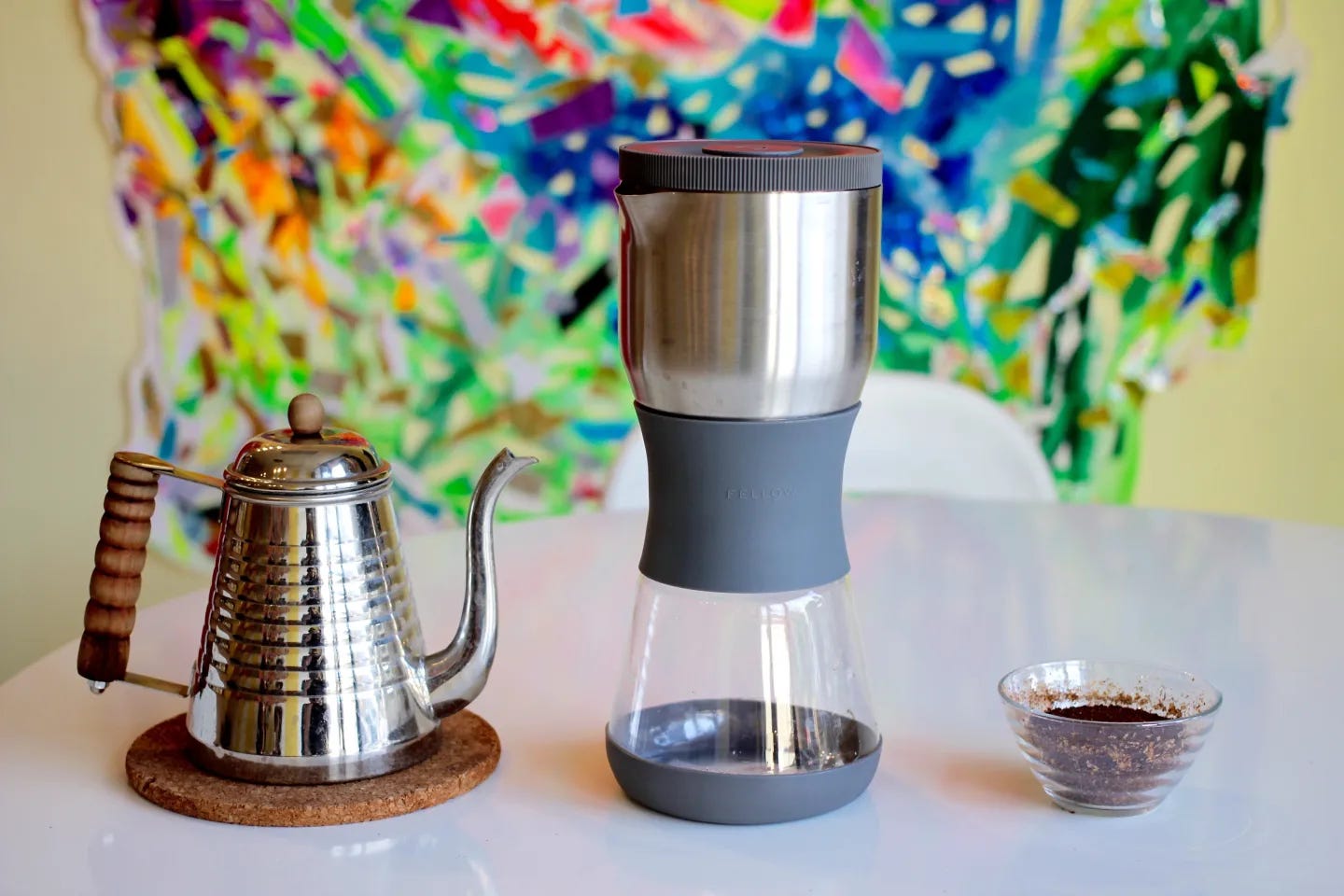
The idea for Fellow was born while Miller was getting his MBA at Stanford in 2013 — he designed the Duo Coffee Steeper: a hybrid between a French press and pour-over.
“With any product, the question is if you can find a reason for it to exist. To come to that answer for any product, there’s this idea of really empathizing with the customer,” Miller said (TechCrunch).
Empathy before execution was the key for Miller: he observed and noticed what products customers were used to, where there might be friction, how consumers were working around those frictions, and then he ideated on how to make their experience better.
Miller said that when he came out of design school he was “a big believer in human-centered design. Empathize, define, ideate, prototype. A lot of what we do is just observe. What products are customers used to? What are their pain points? What do they love? What do they hate? The next step for us is the ideation round. How do we make things better?” (TechCrunch).
The Duo launched as a Kickstarter campaign and raised nearly $200,000 in 60 days — an incredibly strong signal of demand and validation for Miller that he had chosen the right direction.
While the Kickstarter campaign was a success, the actual execution was not. It took two years and more than $300,000 to deliver the Kickstarter units. Although the product made great coffee, there were practical reasons it didn’t succeed in product design and production — there were too many parts and it was too difficult to clean (Entrepreneur).
The idea was strong, but the product design wasn’t sustainable.
After being turned away by 73 venture capitalists, Miller met Jerry Mix. A former product entrepreneur, Mix wrote Miller the check he needed to get Fellow off the ground. Being short on cash made Miller more intentional about category and cadence — and exactly how the company should to move forward (TechCrunch).
These constraints sharpened the brand. Miller’s intentional and deliberate decisions early on set Fellow up not only for growth, but growth in the right direction.
“Based on my journey with Fellow so far, I’d tell any young entrepreneur looking to start their own business to begin with a true passion and belief in what you’re building — then validate that with your customer.
You have to believe in your heart that there is a product-market fit, that what you want to bring to life should exist and is solving a real problem. That’s what will help you push through the inevitable rejections, saying, The world needs this. I don’t care how many nos I get. I don’t care if I get laughed at. I’m going to keep going.”
— Jake Miller, “My Coffee-Fueled Idea Brought In $200K on Kickstarter”
Although the Duo did well at launch, the Stagg Kettle was what set Fellow apart from competitors and defined the brand’s trajectory.
Miller noticed that “people who really care about coffee, you realize they care deeply about temperature. We found ourselves looking for the hacks. People were taking their stovetop kettles and drilling holes in the lids to add thermometers” (TechCrunch).
When consumers are literally modifying kettles to make them better, you have to make that better kettle.
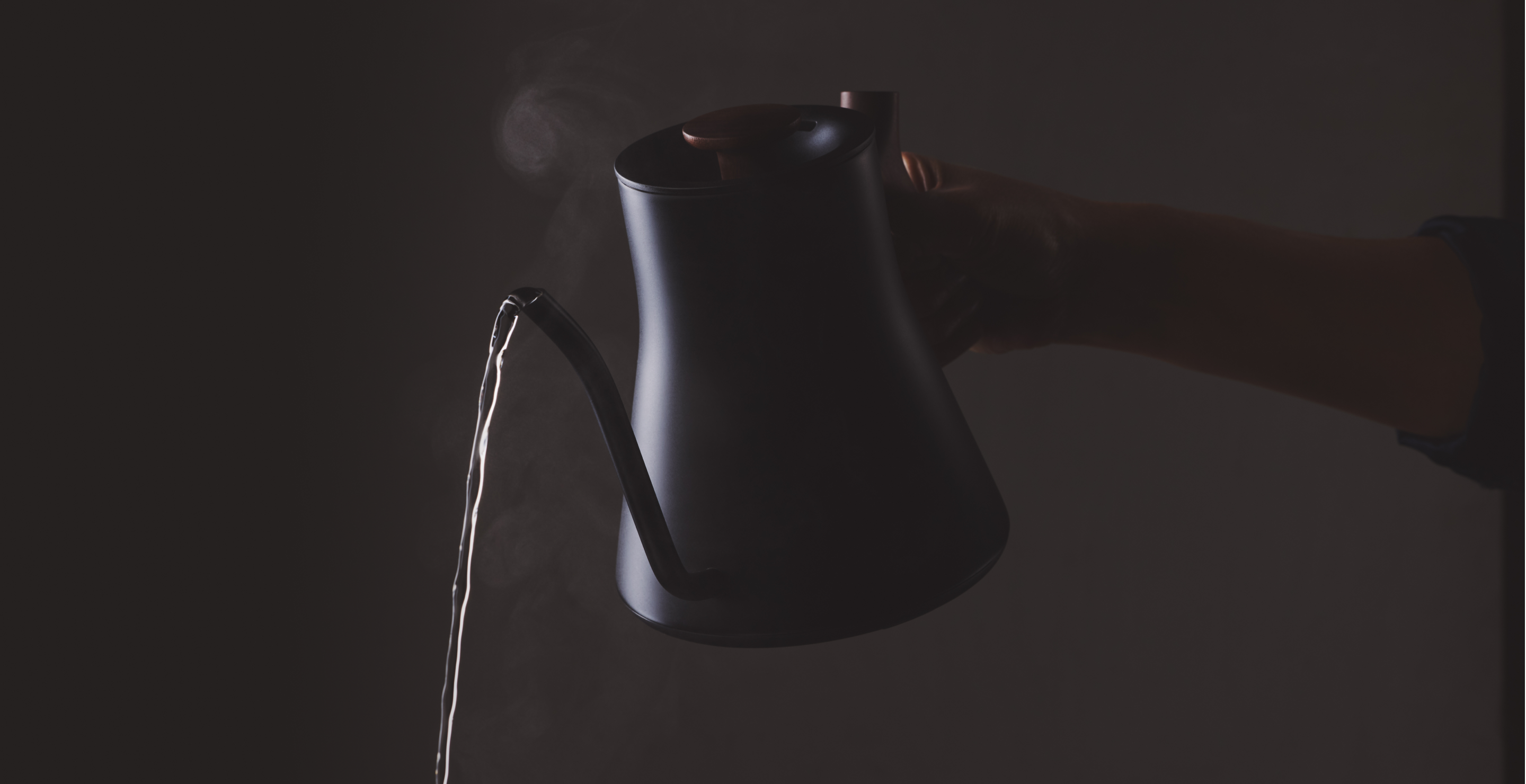
The original Stagg was designed with a precise temperature control and a thermometer built into the lid. No retrofitting required. The next iteration kettle, the Stagg EKG, has automatic temperature control too.
Fellow solved one friction point exceptionally well, with an intuitive and easy solution, and then built and iterated from there. We all have our own day-to-day routines and hacks, and solving even just one of those increases the ease with which we go about our lives.
After the Stagg Kettle was launched, Fellow had to decide how to execute a go-to-market strategy without a major DTC brand budget. Miller’s deliberate decisions were a source of strength here.
Instead of chasing digital, Fellow leaned into physical presence. The brand’s initial three strategies included:
Retail distribution from day one
Getting hundreds of cafes to use the product
Sponsoring brewer championship competitors (TechCrunch)
What’s unique about this approach is it leans heavily on in-person exposure. Consumers could touch the product, see the product in action, associate it with professionals, and begin to trust the brand.
There wasn’t a major social media or online push, but a tactile and brick-and-mortar strategy. So many brands now are viral (and successful) without ever having an in-person presence — but Fellow chose tactile credibility because Miller understood his audience and what experiences they valued.
The in-person element of Fellow is still a large part of the brand’s positioning: the brand’s “About Us” page has a “Visit IRL” section that encourages people to stop by. “Whether you’re new to specialty coffee or a World Brewers Cup Champion, this is your space to play, brew a cup, share a tip, take a class, or just talk shop.”
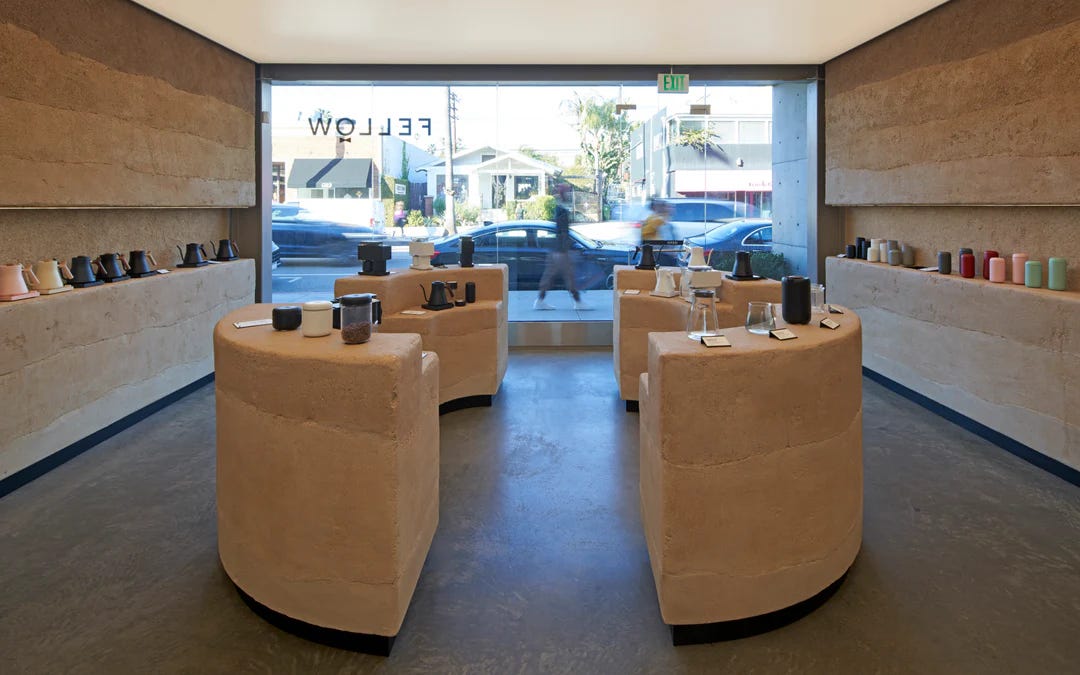
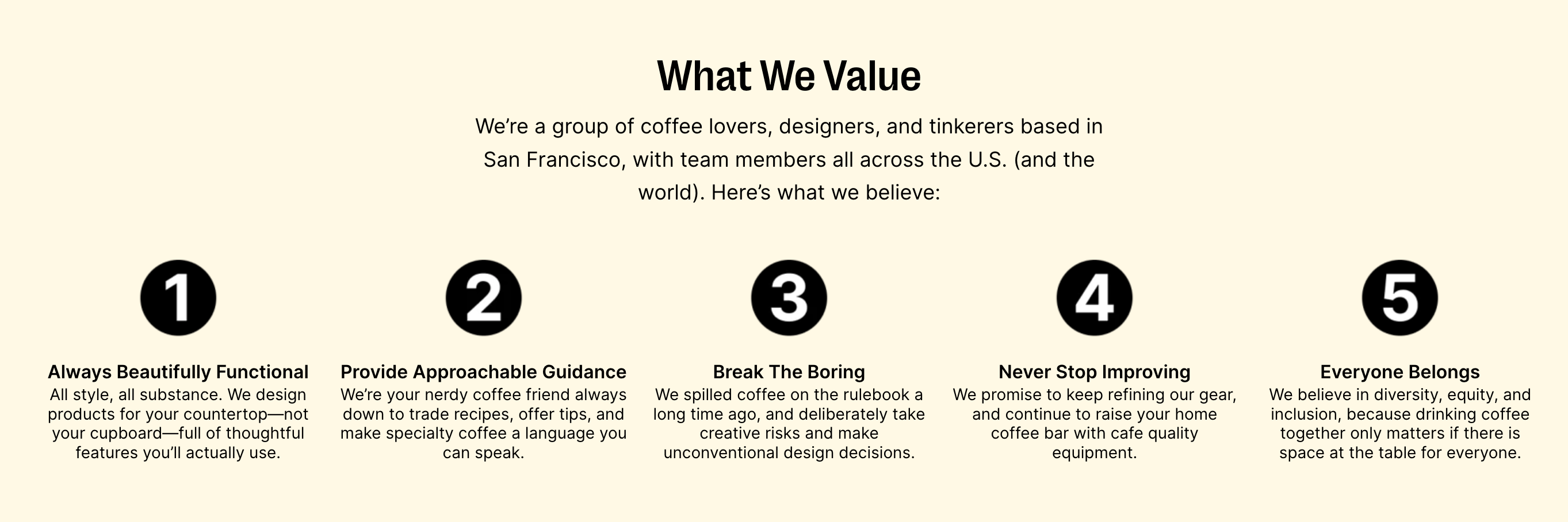
The brand values in-person time, everyday functionality, and continual improvement; just like its audiences. Timing and alignment with macro trends matter, and set a brand up for an easier route toward growth. It all ladders up to that initial insight and observation about the market as a whole.
Miller said that fortunately for Fellow, “our passion, specialty coffee, aligned with the broader macro trend of an increased desire for and appreciation of better coffee. When we first started in 2013 we were a bit of a niche player, but now that the industry has grown, others have joined in. Because we were there from the start, we are seen as authentic by the specialty coffee industry. We’re not just another brand hopping into a growing but crowded space” (Assembled Brands).
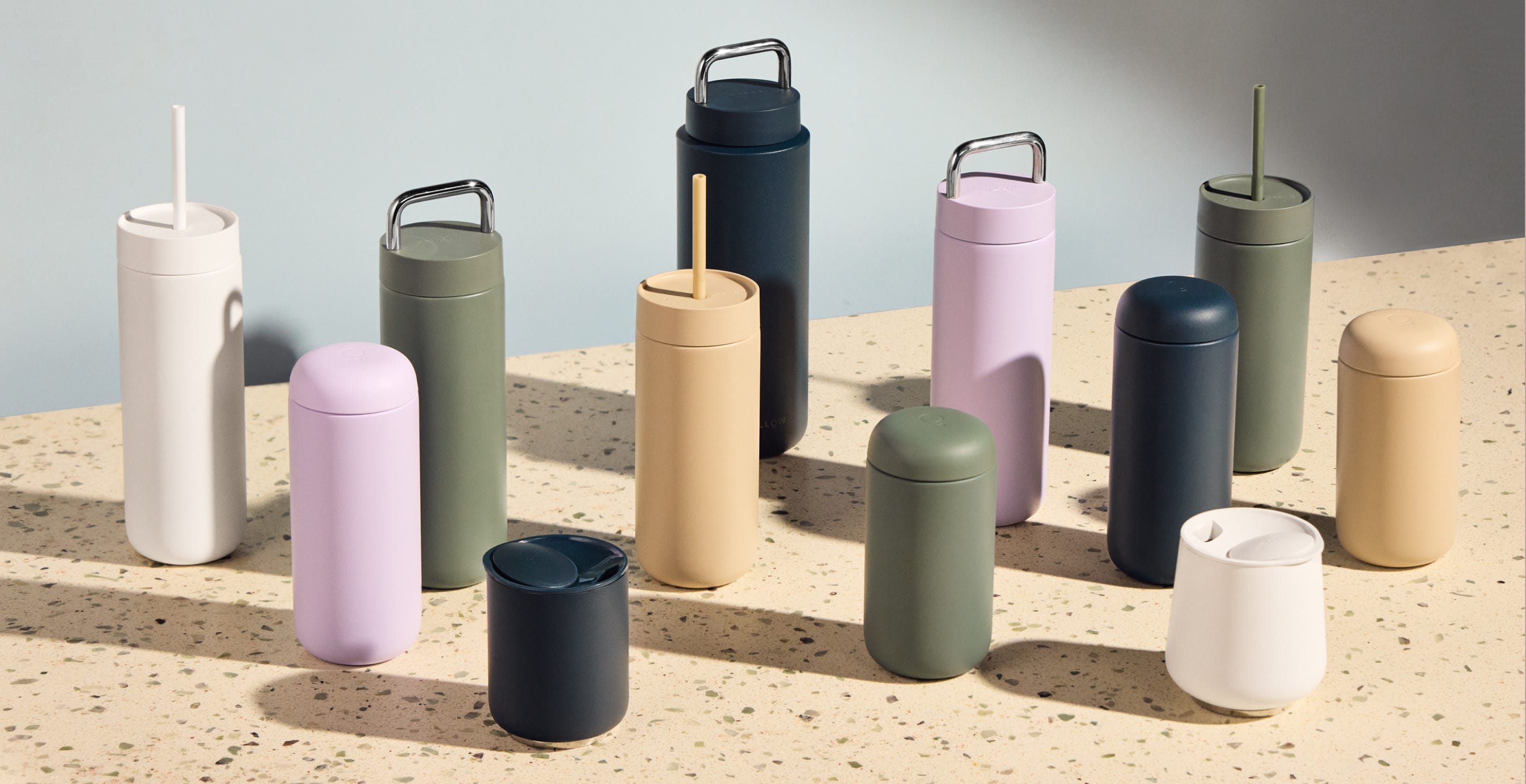
Intentional brands don’t stop at function. Fellow extends its purpose into sustainability initiatives, education, and resources for beginner coffee connoisseurs. Blog posts like “Are Electric Kettles More Energy Efficient?” reinforce Fellow’s product value while informing consumers.
Even Fellow’s Carter Move Mug is carbon neutral after 27 uses when compared to disposable cups. Good for the environment and “all style, all substance,” as Fellow’s first brand value emphasizes.
Consumers want more from brands: better quality and reduced waste. Fellow elevates morning coffee into a ritual and experience that delivers both. Intentional brands aren’t always loud at first — sometimes they’re just incredibly precise.
Fellow made the right kettle for the right audience at the right time.
A note from us: The Brand Snapshot is just getting started. Leave a comment, message us, follow us on Instagram — and tell us what brands and categories resonate with you most or who you’d like to see in a snapshot next. We’re building a brand rolodex of the best brands you’ve never heard of.
No posts
Comments
Nothing yet. Say the first thing.
Sign in to join the conversation.