
Not every brand that starts small is meant to scale. In many cases, that’s a deliberate choice. But when a brand does scale successfully, it’s usually the result of one or two foundational decisions early on that shift the brand’s narrative and trajectory.
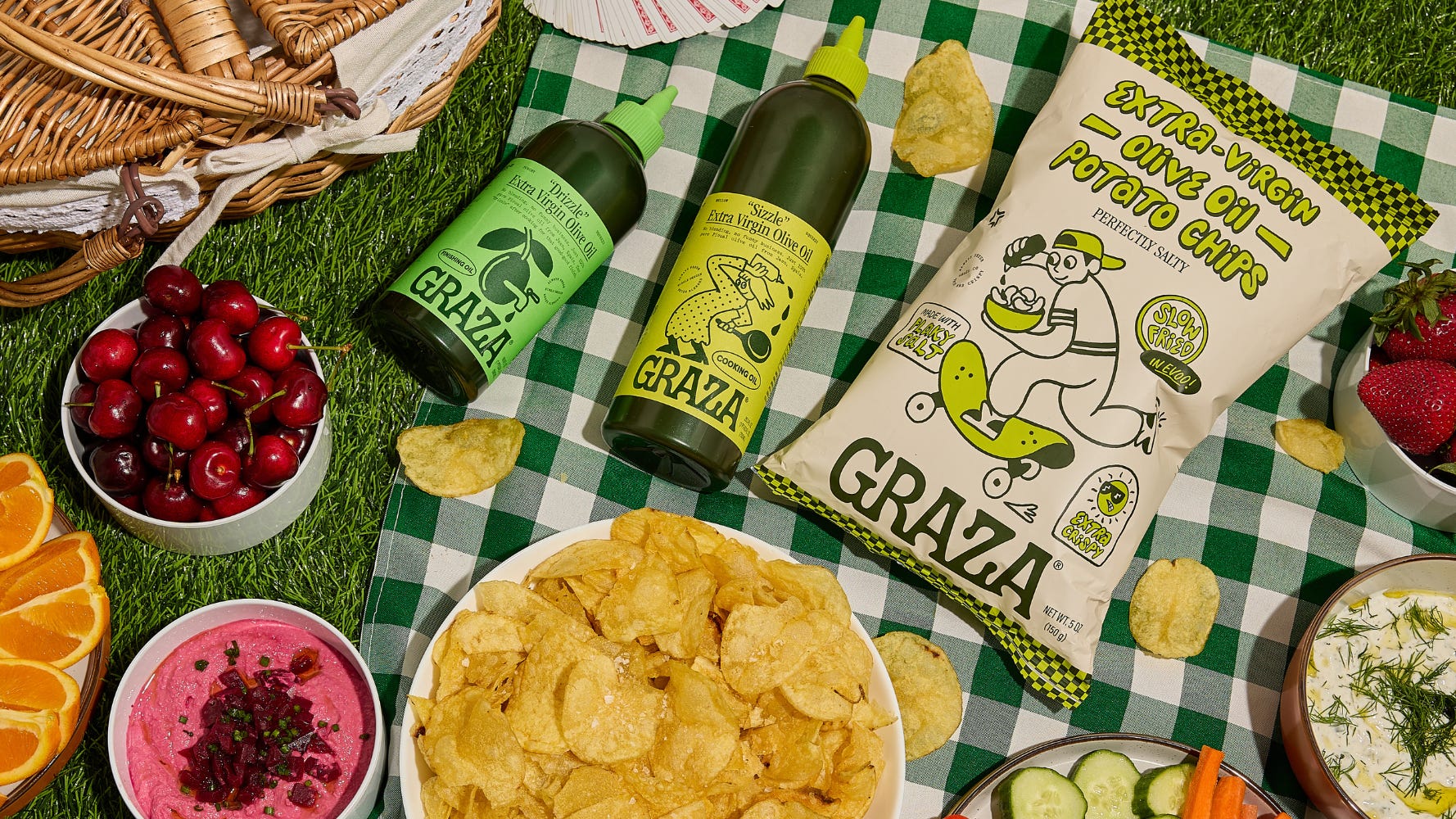
Launched in 2022, Graza is an olive oil brand that prioritizes everyday accessibility without compromising quality. Four years later, it’s available at Whole Foods and on Amazon — an example of how leaning toward accessibility instead of premium positioning is often a better growth strategy.
Before founding Graza, Andrew Benin began his career at a number of relatively young, early-stage companies before realizing he wanted to be an entrepreneur in the food space. After attending conferences focused on food security and nutrition, he met Michael Anthony, the award-winning chef behind Gramercy Tavern in New York. Benin quit his job, interned at the restaurant, and continued working at a couple of startups — but it wasn’t until a trip to Spain that Graza began to take shape.
In 2019, a now unemployed Benin was with his wife and her family in Cadiz, Spain. While there, he went exploring southern Spain by car — from Córdoba to Jaén — and passed endless olive trees, rest stops offering home cooked meals, and lots of opportunities to taste fresh olive oil.
“On that trip, I feel like I tasted olive oil for the first time. It was time to head back to my in-laws, with a LOT of olive oil in tow. My family in Spain thought I had totally lost my mind, speaking about olive oil 24/7, but my wheels were cranking.”
— Graza, “Casual Chats with Graza’s Co-Founder, Andrew Benin”
Benin returned to New York with bottles of olive oil in his checked bag and did a tasting with Chef Anthony. Benin’s initial thought was that the best olive oil he had ever tasted should be a luxury: small batch, high quality, expensive.
As the two of them were “sitting in the dining room of a Michelin star restaurant, tasting olive oils, sitting on top of the world,” Anthony told Benin something that shifted the direction of the future brand: the world didn’t need another fancy, super expensive, super inaccessible olive oil from Europe (Graza).
Consumers didn’t need exclusivity they couldn’t afford and Benin didn’t need a supply chain that couldn’t scale. Graza needed to make an amazing product as affordable and accessible as possible.
This conversation changed the course of Graza and echoes a familiar sentiment in today’s markets. “We don’t need luxury in this industry,” Benin later said. “We just need really high quality at a price point where as many people can experience it as possible” (CNBC).
This became the foundation of Graza’s brand strategy.
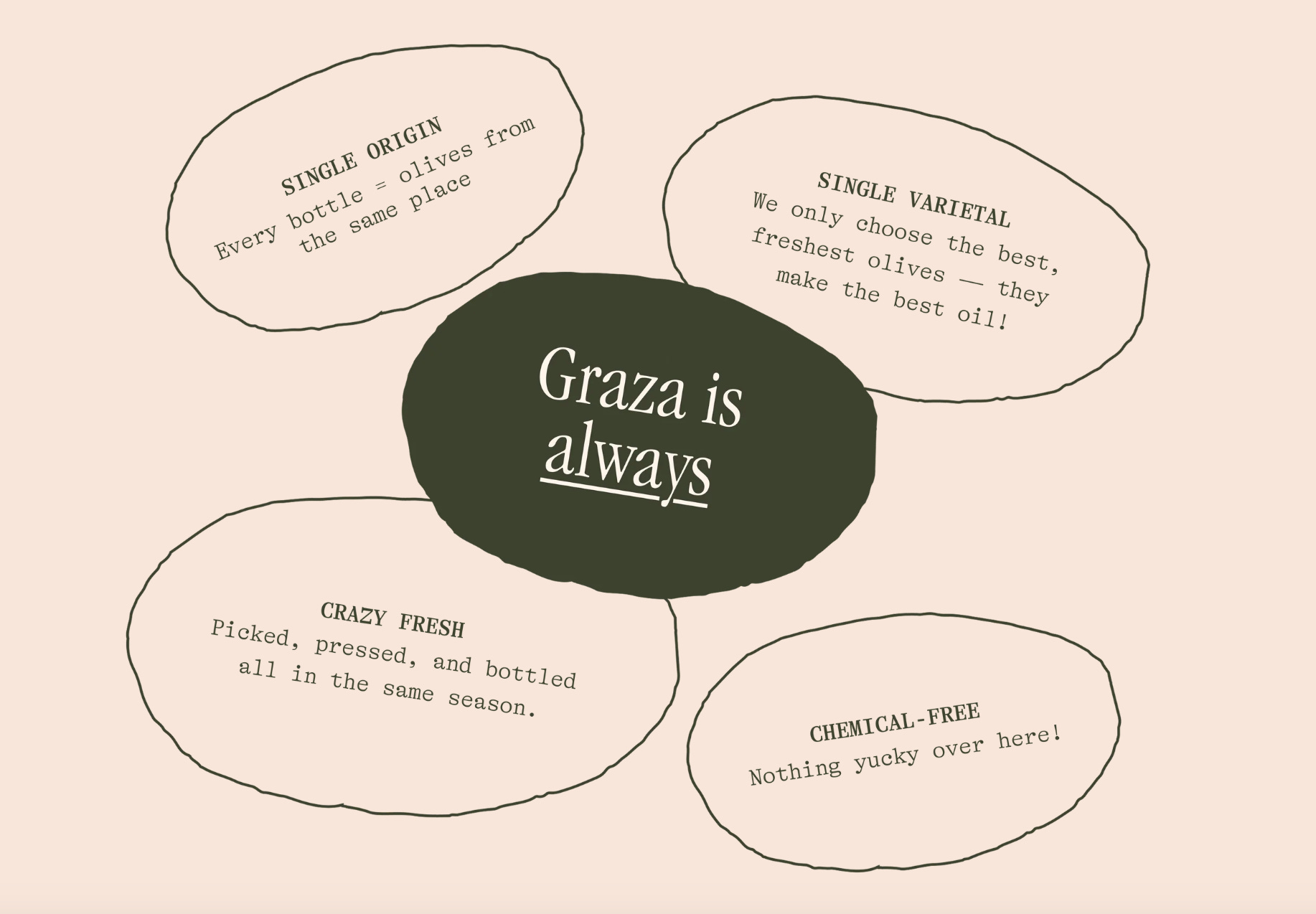
Graza’s positioning is built on a simple belief: olive oil is a functional everyday staple, not a status or luxury item.
High quality olive oil is meant to be used. Not just for special occasions or exclusive events, but every day, with every meal, at a price everyone can afford.
As Benin began sourcing olives, he paid the most attention to taste and travel time. He settled on the Picual, from Jaén, Spain for its durability to survive the trip to the states. (He named Graza after Grazalema, in the province of Cádiz, which was the first stop on his olive oil tour.)
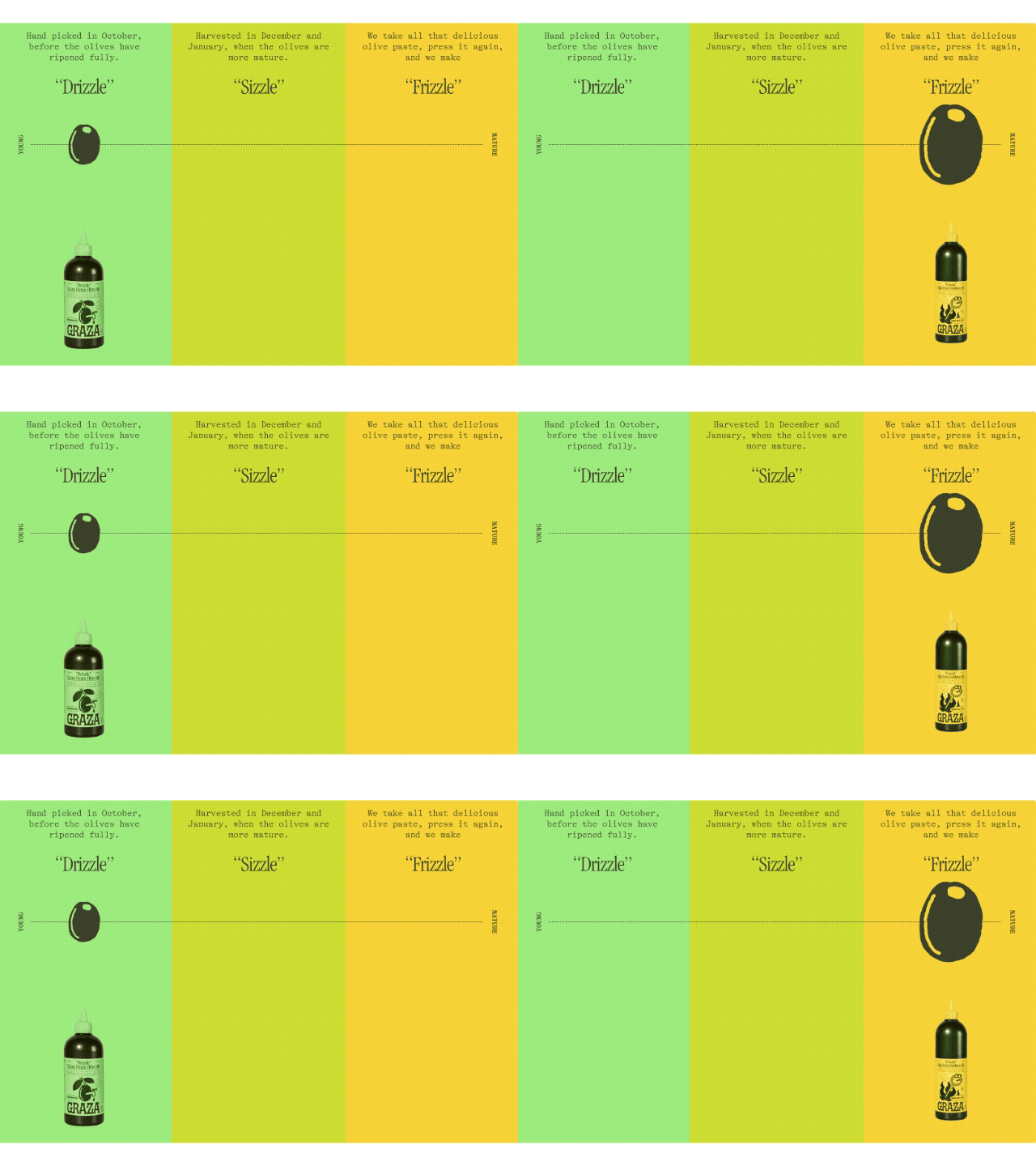
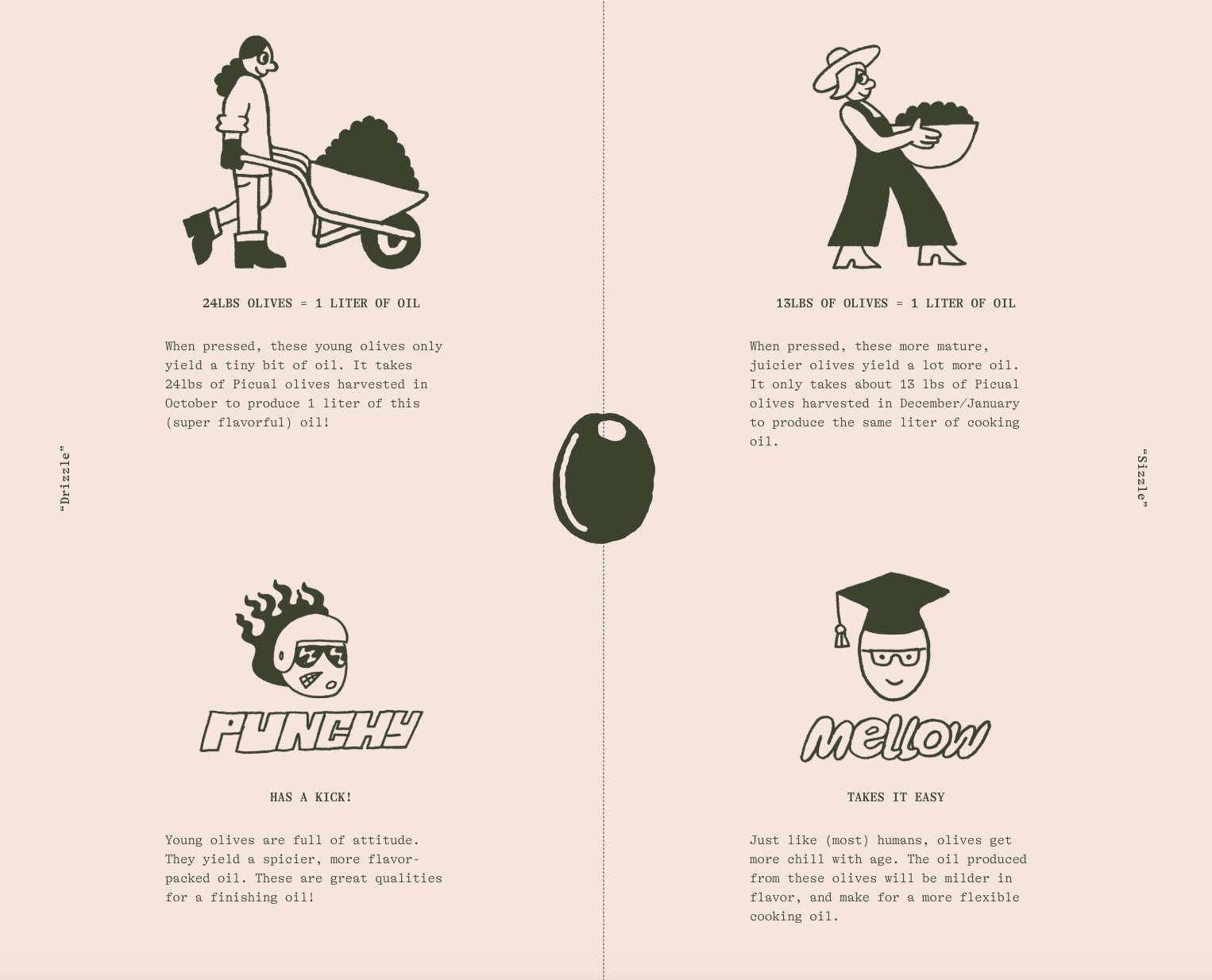
Graza started with two oils: Sizzle, which is for cooking, and Drizzle, which is a finishing oil (for salads, pizza, even ice cream). Both were originally priced in the middle of retail ranges — intentional, accessible, and non-intimidating.
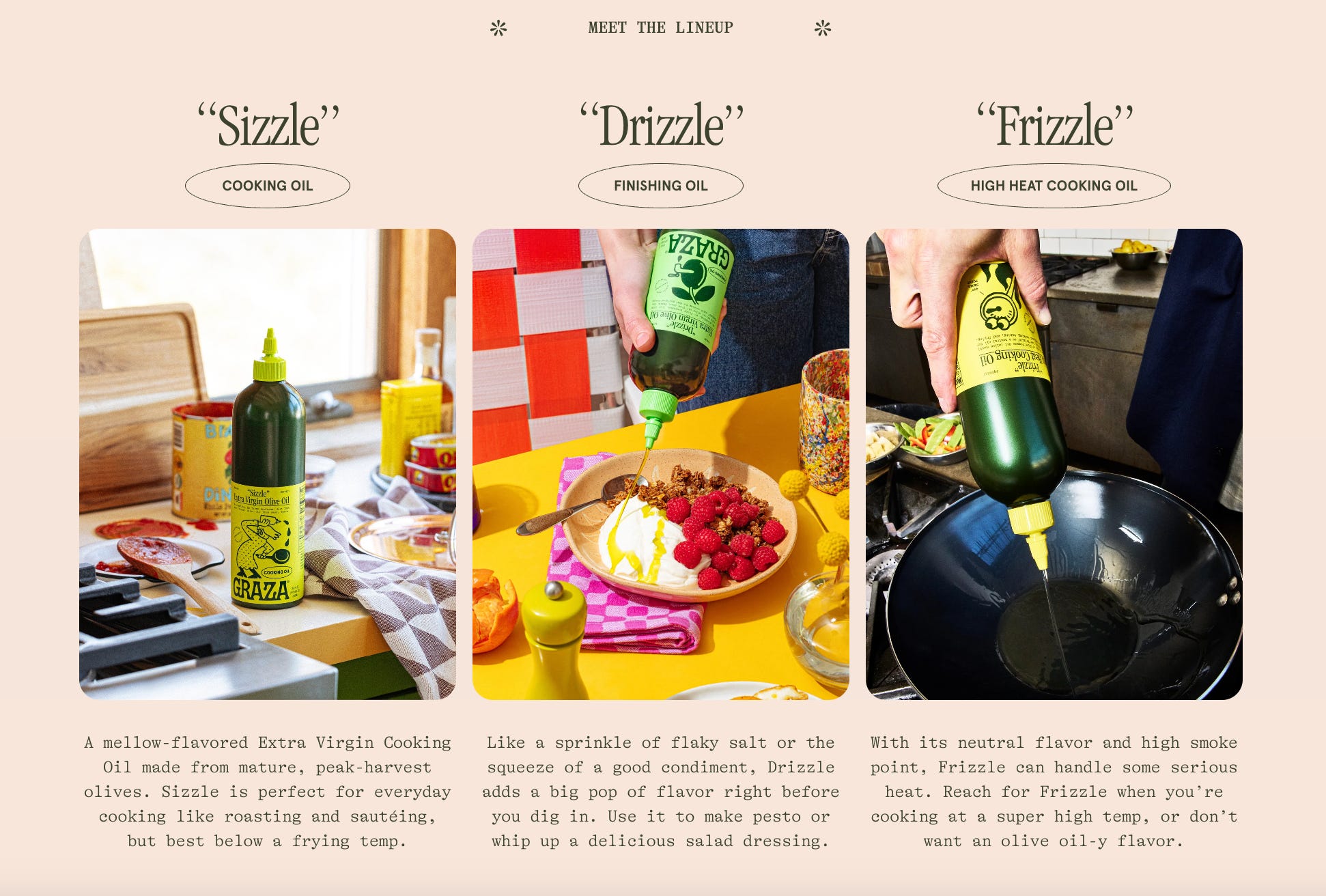
Lowering intimidation isn’t just a brand choice; it’s a growth strategy. Brands built on intimidation often imply that consumers need to level up to use them (with a price point to match). Graza did the opposite.
Beginning with a farm to table mindset doesn’t limit scalability. It grounds the brand in everyday needs, enabling an intentional and modern strategy that allows for expansion without dilution.
Graza olive oil is high quality and luxurious — but it’s also easy to find, affordable enough to buy without overthinking, and fun to use in daily life.
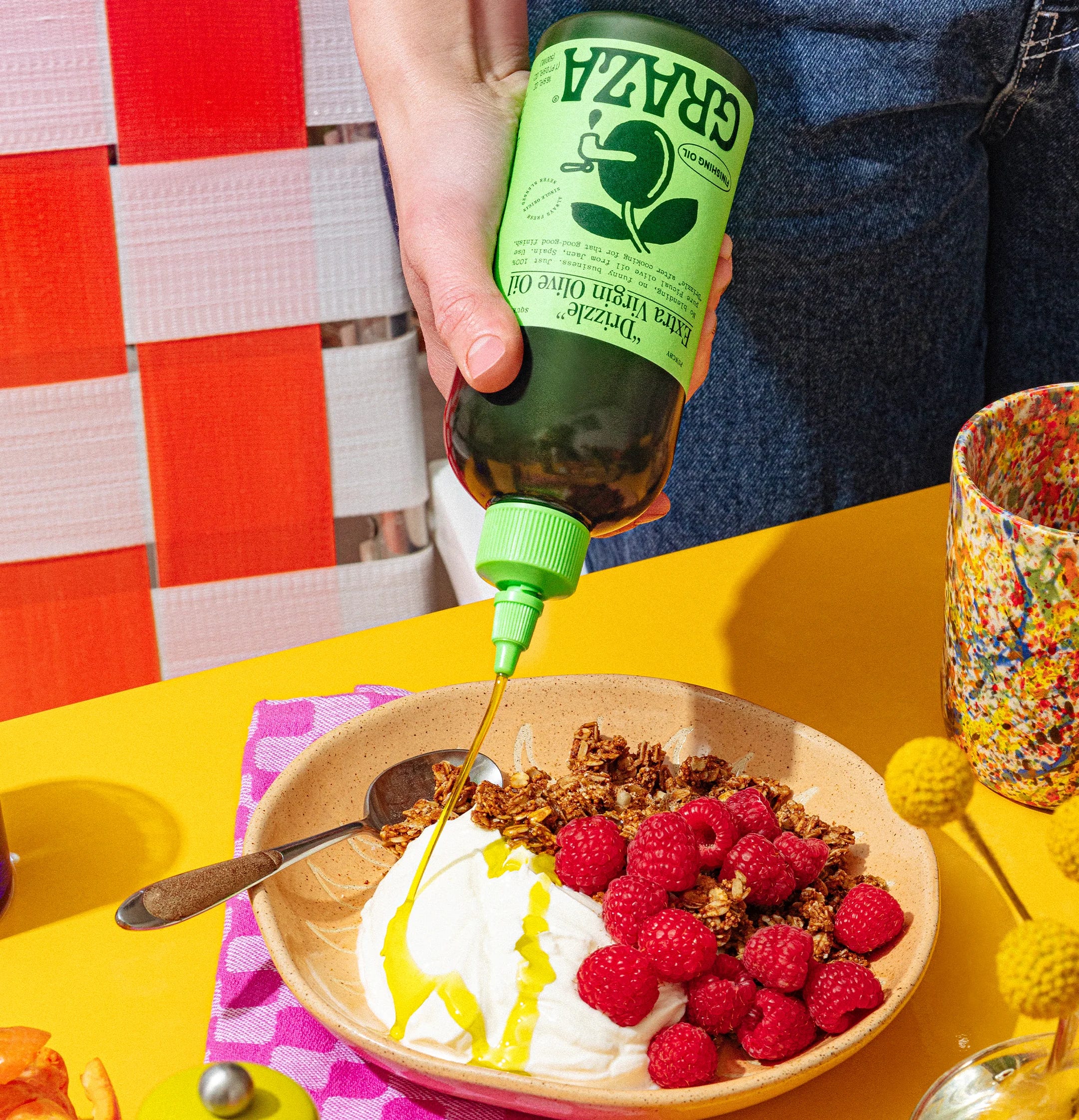
One of Graza’s more consequential and unique decisions was packaging.
Early on in the innovation process, Benin had the idea to put Graza oil in its now signature squeeze bottles while taking a shower using a squeeze bottle of Dr. Bronner’s Castile soap (CNBC). If olive oil was easier — and more fun — to use, people would use more of it.
The squeeze bottle isn’t just a design choice. It changes behavior and makes the packaging do the real work.
It’s enjoyable to pour, it’s less messy and more precise, and it feels like an experience rather than a chore.
Graza’s packaging moves the brand into an owned, unique category that, combined with its punchy, fun visual identity, makes it stand out even further from more traditional brands on the shelf.
The brand also packages in glass bottles now, if that’s a dealbreaker. Plus cans for sustainability-focused refills!
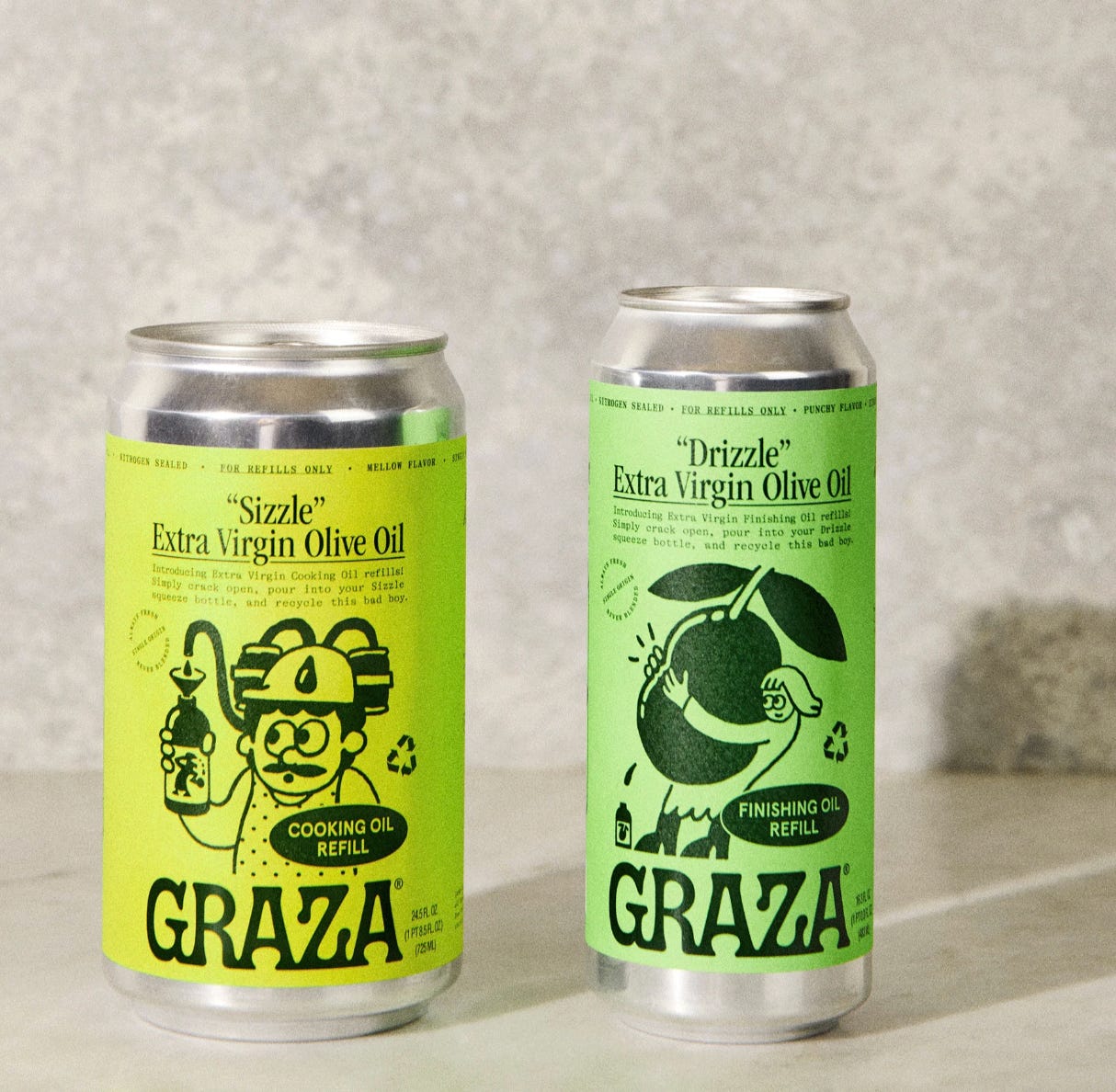
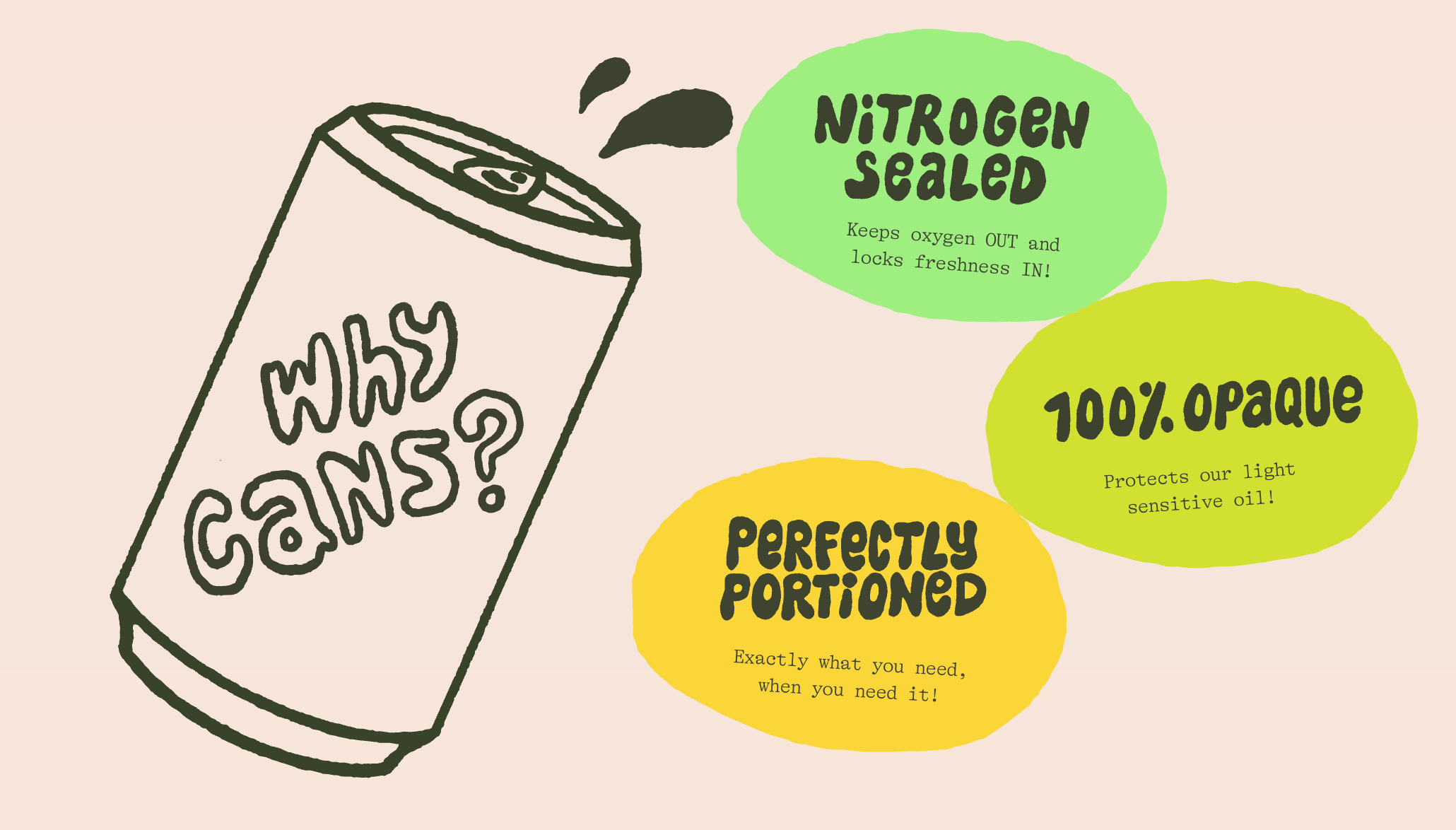
The quirky elements of Graza’s brand — the personable tone, the sketches, the fun facts, the typography elements! — aren’t arbitrary. They lower intimidation and increase accessibility. The casualness of Graza makes everyday cooking feel lighter and doesn’t ask consumers to take olive oil too seriously: it asks them to enjoy it instead.
And why shouldn’t olive oil be fun?
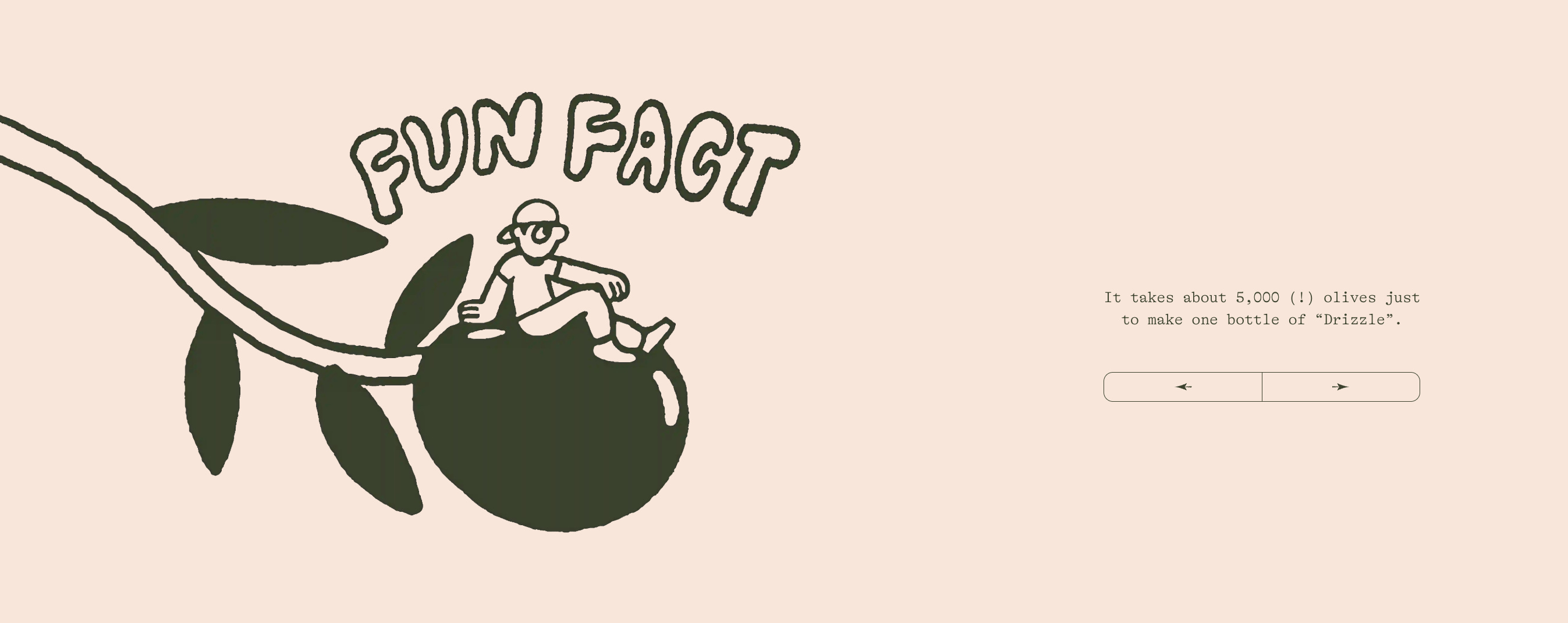

Graza extends its accessibility-first strategy beyond products. The brand’s blog, Glog, has recipes, “Graza in the wild” cultural moments, and education on production and sourcing (“Where we get to nerd out about our one true love, Olive Oil”).
Throughout the blog and website, Graza lowers the barrier not just on buying olive oil, but on understanding it too.
A note from us: The Brand Snapshot is just getting started. Leave a comment, message us, follow us on Instagram — and tell us what brands and categories resonate with you most or who you’d like to see in a snapshot next. We’re building a brand rolodex of the best brands you’ve never heard of.
No posts
Comments
Nothing yet. Say the first thing.
Sign in to join the conversation.