
I’m glad you’re here. Here’s what to expect in this week’s issue:
For Free Subscribers
An organization helping schools teach gardening
Cleaning up plastic in the ocean
Using stories to promote conservation
For Paid Subscribers
Part 4 and final installment of July’s Blueprint series on Cooperatives and how to start your own.

Did you grow up gardening? I didn’t, and most children don’t, but it can be a transformative experience for youth and the communities where they live.
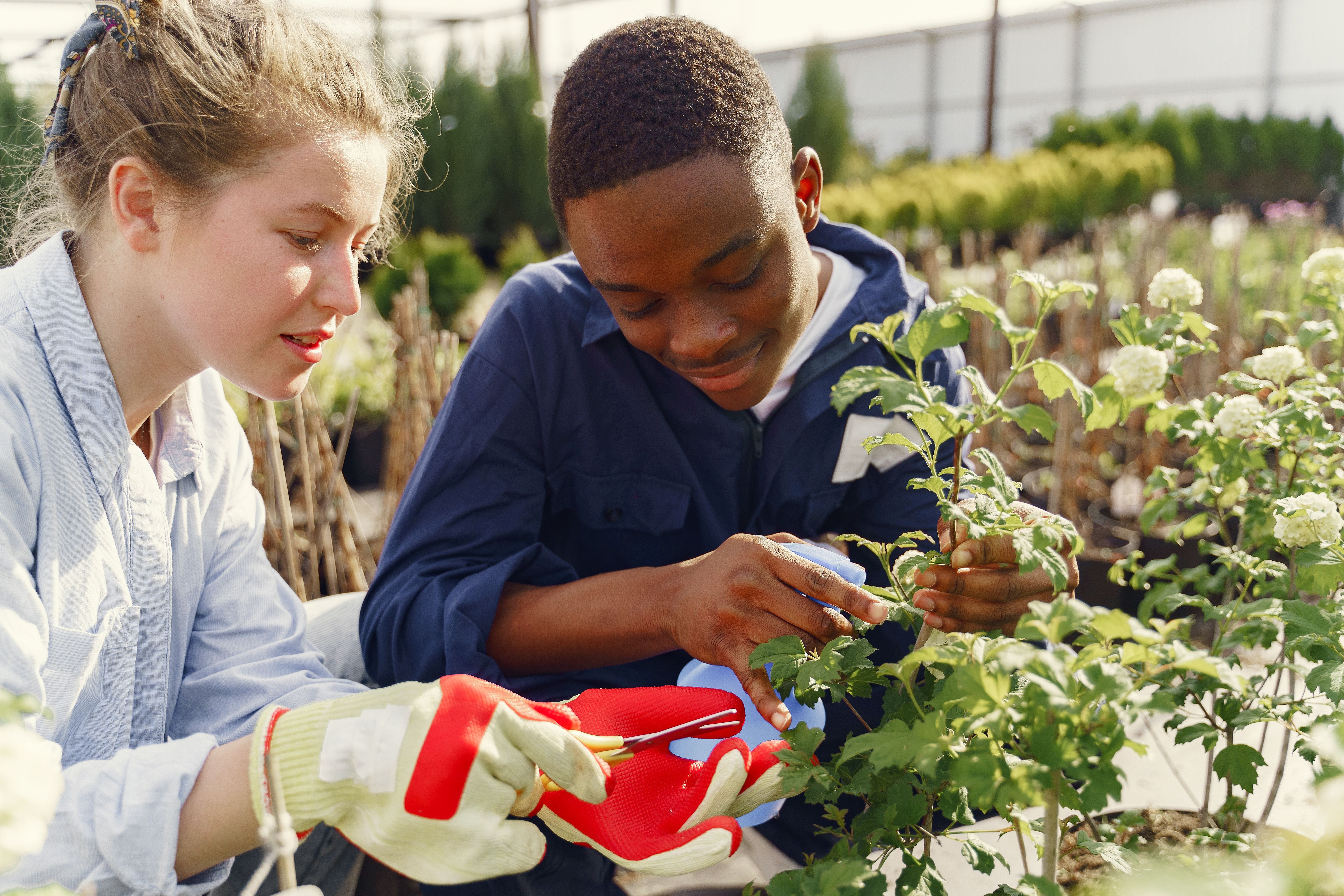
The problem: Teachers, caregivers, and community organizers who want to garden with kids are often working in isolation.
A single garden educator at a school or a lone Master Gardener running an after-school program who doesn’t have the funding, resources, or peer support to build something that lasts.
Meanwhile, research shows young people who garden see measurable gains in nutrition, food security, environmental stewardship, and community connectedness, making the lack of infrastructure a real missed opportunity.
What makes it unique: KidsGardening has spent decades as one of the few organizations built specifically to connect the entire ecosystem of youth gardening: teachers, families, Master Gardeners, and community garden organizers.
The free Kids Garden Community brings together discussion groups, a resource library, funding opportunities, an event calendar, and live expert chats in a single hub, so a garden educator doesn’t have to reinvent the wheel or go it alone.
How they’re helping: Since 2016, KidsGardening has served as a premier support provider for youth garden programs nationwide, offering curriculum, lesson plans, activities, and webinars, as well as a robust grants program.
Its funding opportunities, including the Youth Garden Grant (running since 1982), the GroMoreGood Grassroots Grant with The Scotts Miracle-Gro Foundation, and the Waterwise Garden Grant with Hunter Industries, funnel cash and supplies directly to school and community garden programs, particularly those serving under-resourced communities.
Measurable impact: In 2025, the Youth Garden Grant awarded 50 programs and reached nearly 13,000 youth across 31 states and territories.
That same year, The Scotts Miracle-Gro Foundation and KidsGardening funded 170 community-level programs through the GroMoreGood Grassroots Grant.
And demand consistently outpaces funding.
KidsGardening received more than 1,000 applications for the Youth Garden Grant, funding roughly 13% of applicants across its grant programs in 2025.
Since 2016, the organization has distributed over 1,000 grants and helped install gardens across the country, reaching millions of young people annually.
More of this, please!

Ever heard of the Great Pacific Garbage Patch? If you have, you’re probably just as concerned as I am about the amount of plastic waste that ends up in our oceans every year.
But one organization is working to clean it up with some very novel ideas.
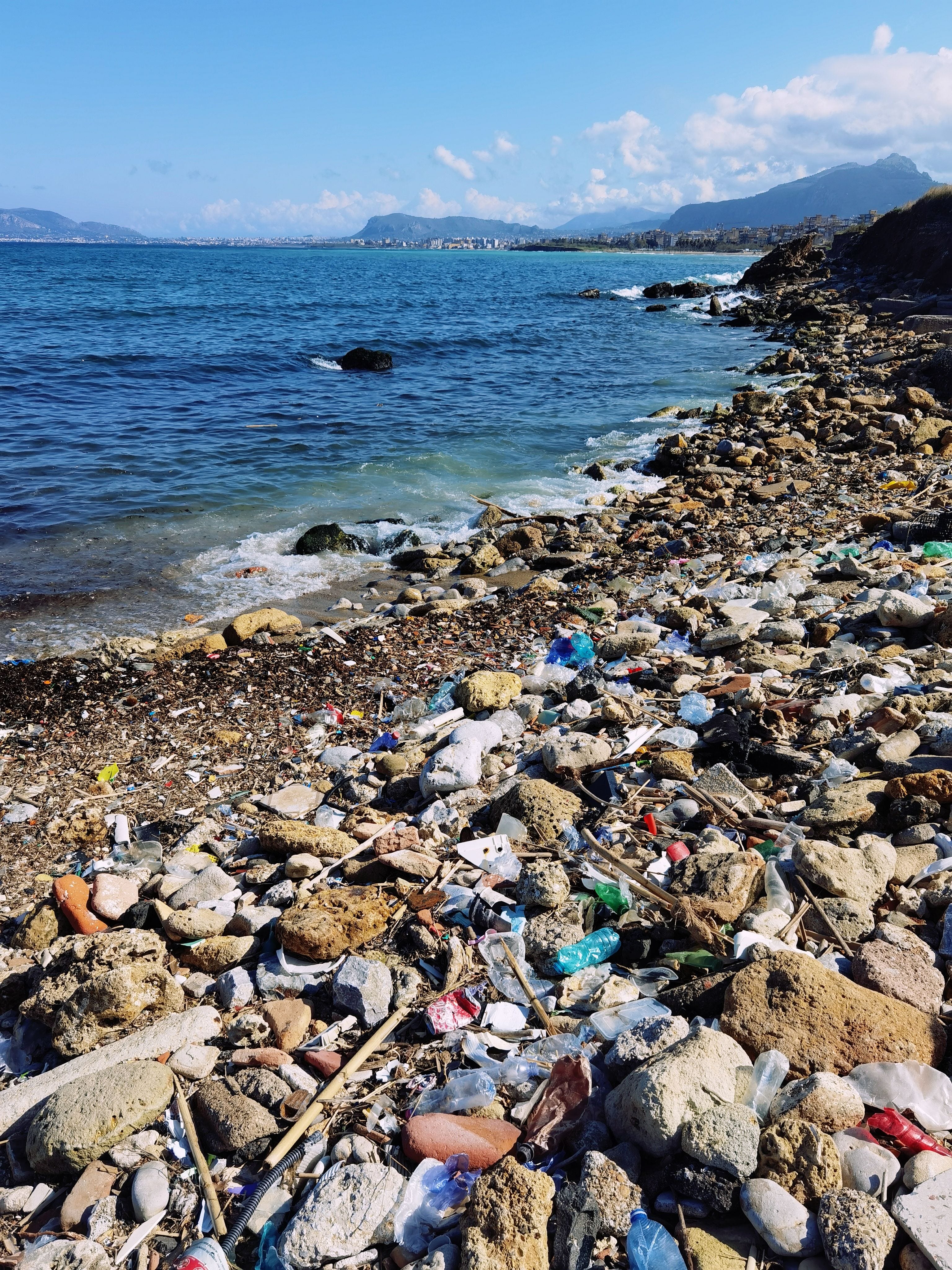
The problem: Trillions of pieces of plastic pollute the ocean today, degrading into microplastics that are ingested by marine life and eventually enter the human food chain.
Roughly 1,000 rivers, about 1% of rivers worldwide, carry an estimated 80% of the plastic flowing from land into the sea, while the Great Pacific Garbage Patch alone holds an estimated 80,000 tonnes of legacy floating debris.
What makes it unique: Founded in 2013 by then-18-year-old Boyan Slat, The Ocean Cleanup pursues a dual strategy most environmental groups don’t attempt at this scale: cleaning up existing “legacy” plastic already accumulated in ocean garbage patches, while simultaneously deploying river Interceptors to stop new plastic from ever reaching the sea.
Each deployment is paired with local partnerships, so collected plastic is processed through local facilities, creating jobs in the same communities most affected by plastic pollution.
How they’re solving it: In the ocean, the organization’s System 03, which is nearly three times larger than its predecessor and capable of sweeping an area the size of a football field every five seconds, trawls the Great Pacific Garbage Patch.
In rivers, more than 20 autonomous Interceptor barriers now operate in countries including Malaysia, Vietnam, Guatemala, Jamaica, and the Dominican Republic, with new systems launching in the Philippines and India in 2026.
The 30 Cities Program, launched in 2025, targets the highest-polluting urban waterways to cut river-borne ocean plastic by a third by 2030.
Measurable impact: As of March 2026, The Ocean Cleanup has removed more than 50 million kilograms (110 million pounds) of trash from oceans and rivers combined, including over 25 million kilograms in 2025 alone, its most productive year yet.
The organization has published 100 scientific papers on ocean plastic pollution and aims to remove 90% of floating ocean plastic by 2040, an objective the organization estimates will require roughly $1 billion in additional funding.
That’s the kind of funding I can get behind.

Stories are powerful. They shape our culture, which in turn shapes our politics, our education, our lives, and the world we live.
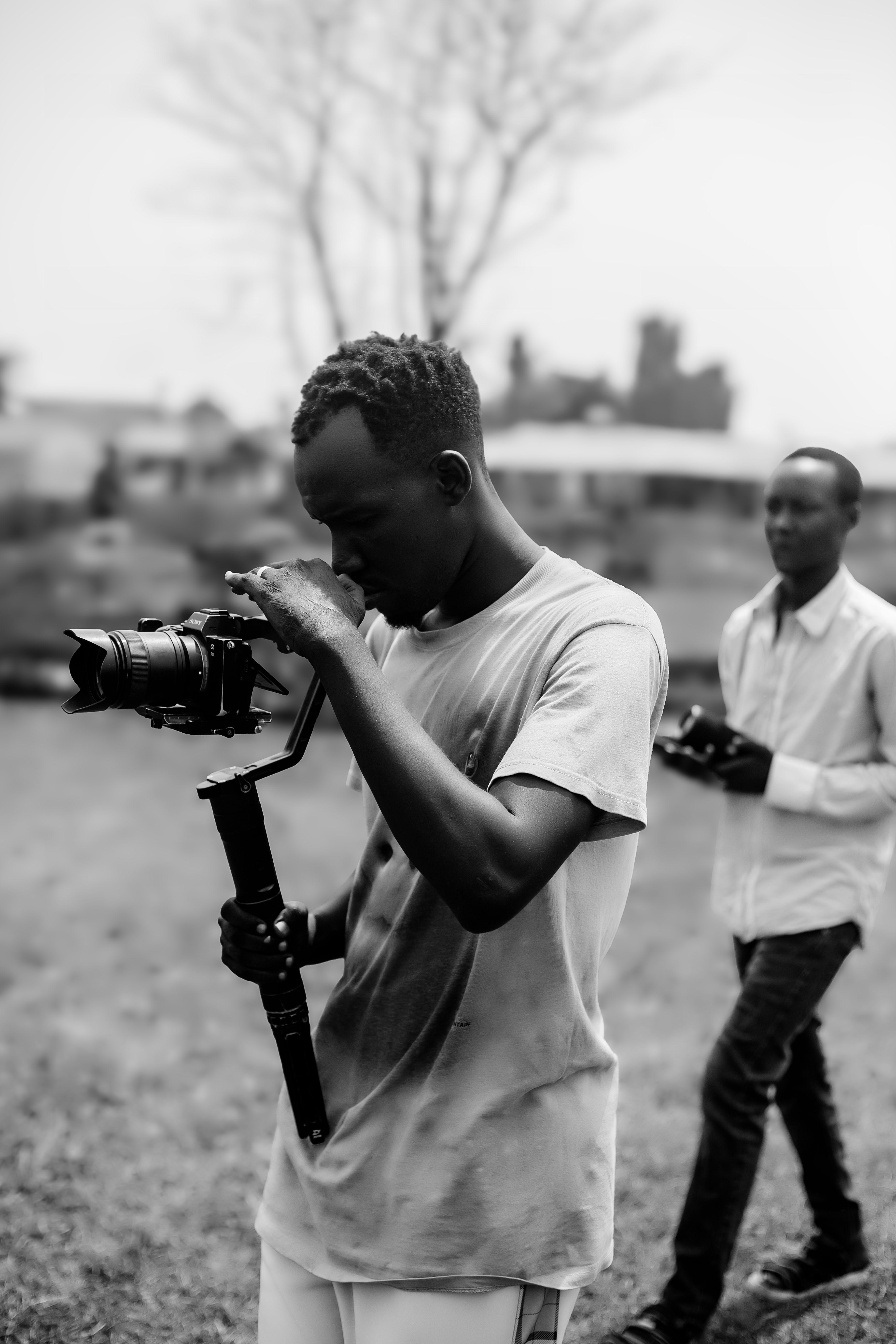
The problem: Complex environmental issues like marine reserves, dam removal, and predator recovery often stall not for lack of science, but for lack of trust between the stakeholders who need to agree on a path forward, like fishermen, tribes, agencies, and conservationists who rarely see eye to eye and rarely see each other’s perspective on film.
What makes it unique: Since 1989, husband-and-wife filmmakers Karen Anspacher-Meyer and Ralf Meyer have built Green Fire Productions around a specific theory of change: solution-oriented documentaries, narrated by the people actually implementing changes on the ground, move audiences and decision-makers more effectively than advocacy alone.
Rather than campaigning directly, Green Fire produces the film and distribution plan, then equips NGOs, agencies, and tribes to run the outreach themselves.
It’s a model that has allowed its films to influence policy rather than just run through the film festival circuit.
How they’re helping: The studio’s Ocean Frontiers series traveled the North American coastline, capturing stories of collaborative ocean planning, screening the films through a network of 1,500 partners at aquariums, film festivals, and public events, and on PBS.
Earlier work, including a 2005 outreach campaign about Oregon’s coastal waters, used a rare tactic for the typically behind-the-scenes studio: leading its own statewide public engagement campaign rather than handing the film off to a client.
Measurable impact: That Oregon campaign’s centerpiece event, “Common Ground,” directly catalyzed local fishermen to move forward on establishing a marine reserve, which became one of five marine reserves the films helped bring about along the Oregon coast.
Over three-plus decades, Green Fire has produced dozens of award-winning films screened at thousands of public events, reaching audiences worldwide through NGOs, agencies, businesses, tribes, and broadcast on PBS.
Let’s hope more people tune in to watch and learn.

For July’s Blueprint series, I was inspired by our community to do a deep dive into co-ops. I have explored their history, how they’ve evolved, and their impact on the communities where they have thrived.
So without further ado, let’s dive into Part 4 of this month’s series of Cooperatives and show you the steps it takes to start your own:
No posts
Comments
Nothing yet. Say the first thing.
Sign in to join the conversation.