
Big week on the edit desk. Just wrapped a Spanish poetry collection and a fantasy novel, and started a book on the opioid epidemic that I genuinely can't wait to tell you about when it's out.
But here's this weeks Audiobook rundown.
The audiobook business keeps selling itself as a convenience story — press play, keep moving, consume more books. But something more consequential is happening underneath that pitch.
Libraries are pushing back on pricing. AI-narrated titles are showing up in public library apps. And accessibility rules are quietly reshaping how publishers distribute content.
Here’s what you need to know.
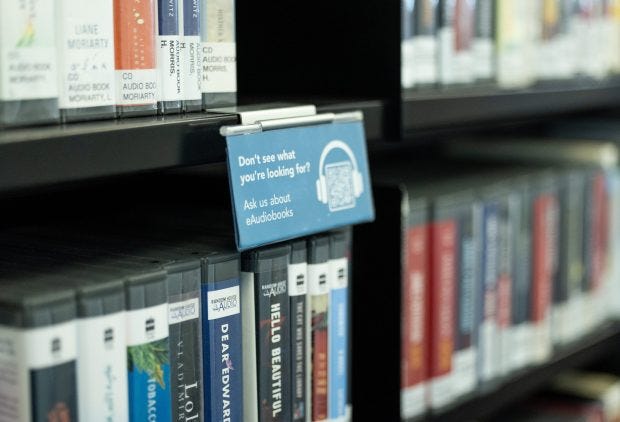
Illinois librarians are asking lawmakers to intervene in how publishers license ebooks and audiobooks to public libraries. And no matter where you live, this fight could impact your local library.
Libraries are being asked to absorb digital demand at premium prices, under licensing terms that make ebooks and audiobooks function more like rented access than owned collections. House Bill 5236, the Digital Library Protection Act, is trying to push back — limiting how publishers can price and restrict those licenses, including the gap between what libraries pay and what the public pays.
The frustrating part is the mismatch between demand and flexibility. When a title takes off on BookTok, a library can end up with a waitlist of hundreds but no ability to add access at anything like a normal print-book cost. The hotter the title, the less useful the digital lending model becomes.
If Illinois can force a fairer deal, it becomes a template for every other library system facing the same squeeze.
Is your library system facing the same squeeze — and do you think legislation is the right fix, or just a band-aid?
The issue isn’t whether people like synthetic narration — it’s whether they were clearly told what they were getting. Once a listener expects a human performance and gets a machine voice instead, it stops being a taste question and becomes one of disclosure, labeling, and trust.
For now, listeners are treating it like a hidden metadata problem. The practical advice circulating: check narrator credits carefully, look for language signaling synthetic narration, and don’t assume every title in a library app is human-read.
My Take: We require labels on modified food. We disclose when news is sponsored. But when it comes to whether the voice in your ear is human or synthetic, we're leaving it to listeners to crowdsource the answer in Reddit threads. That's not an oversight — it's a choice. Disclosure should be on the platform, not the consumer.
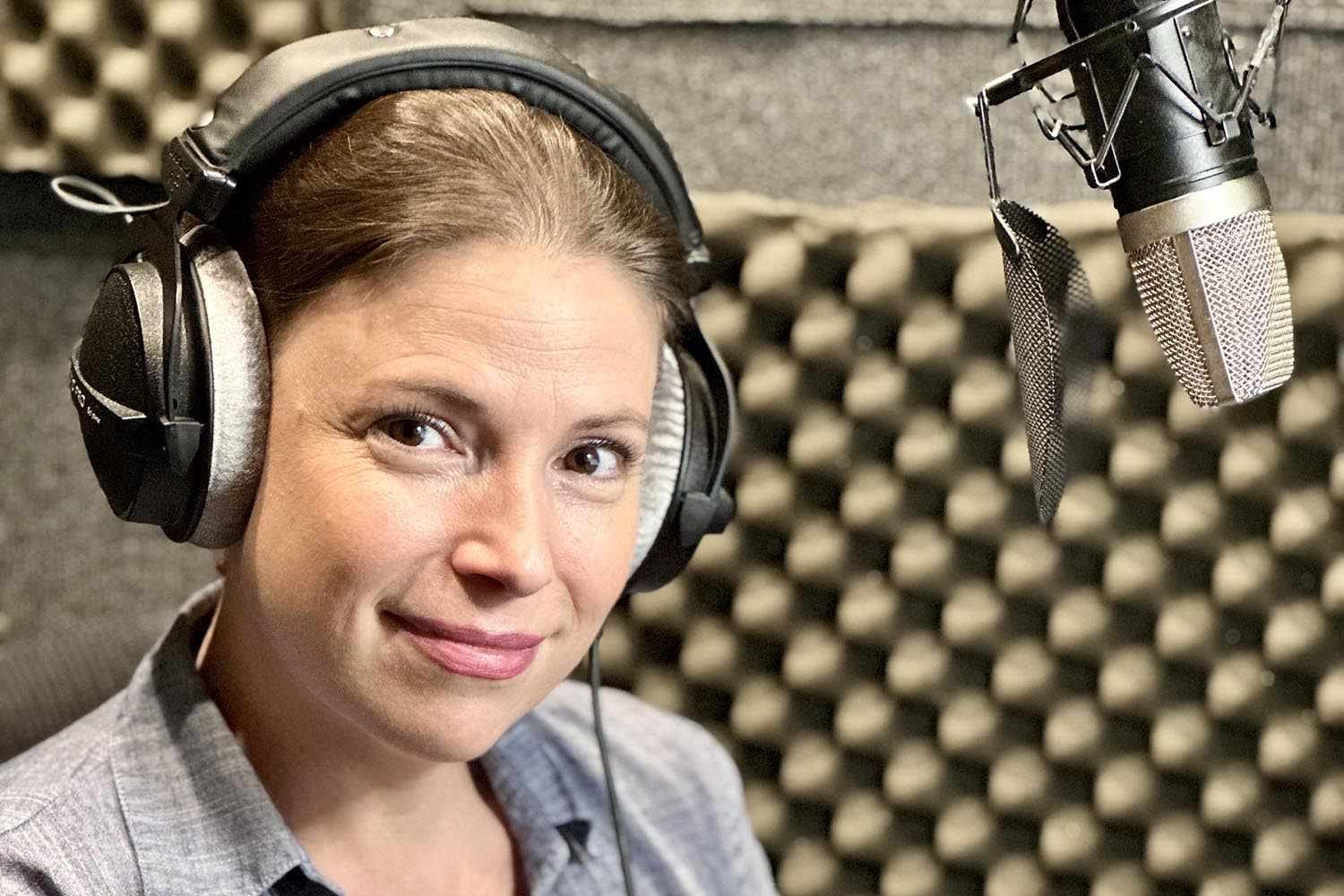
A recent profile of audiobook narrator Julia Whelan — known for her extraordinary volume of work — actually showed how this industry runs.
When a narrator like Whelan gets profiled for sheer volume of output, it briefly makes that labor visible. Most of the time, it isn’t. The focus tends to land on the author, or on whether a narrator is famous — but the industry runs on an enormous amount of behind-the-scenes voice work: performance, pacing, editing, pickups, consistency, long hours in the booth.
The issue isn’t that AI tools exist. It’s how they’re being positioned. These tools were trained on human voices and human craft. The skills that make a great audiobook performance took years to develop — and that’s exactly what’s being fed into these machine learning tool.
There’s a version of this where AI handles pickups and fixes, the actor works less and gets paid the same rate, and everyone benefits. That’s not the version that the makers of these tools seem to be pursuing. They are being pitched as labor replacement not enhancement.
My Take: AI narration should be making skilled voice work more sustainable, not more precarious. When the tools are built on your craft, you should be sharing in the upside — not competing against it.
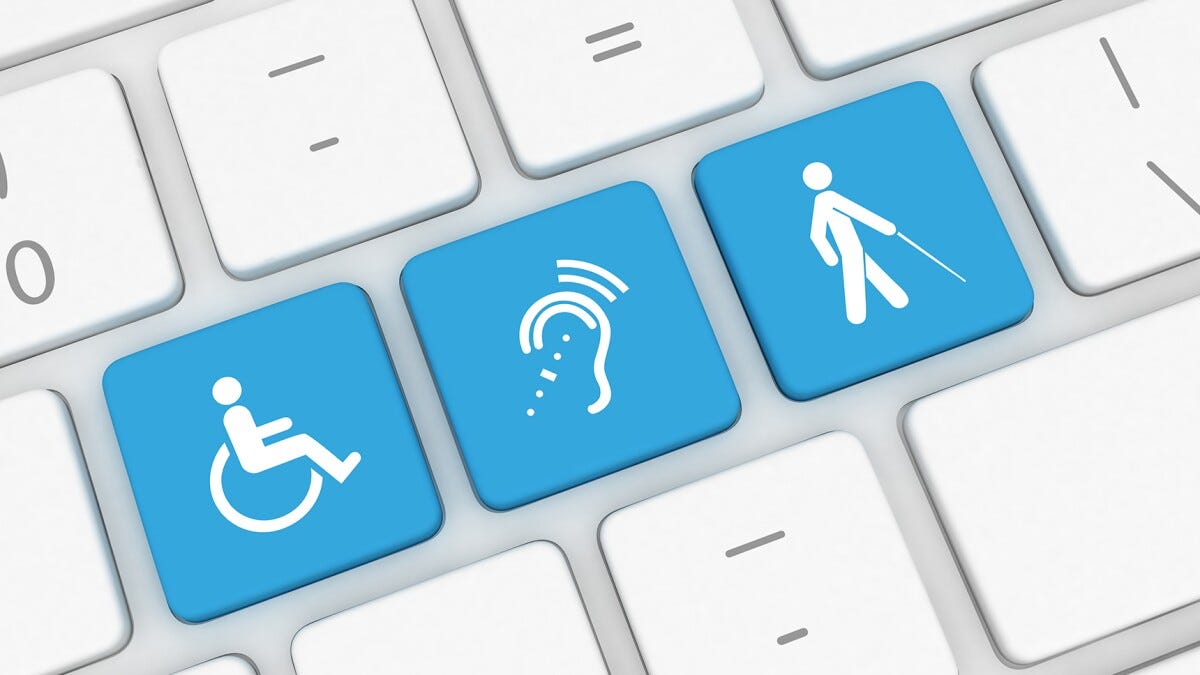
It's not a headline yet — but these kinds of compliance deadlines have a way of quietly reshaping vendor relationships and distribution workflows long before anyone writes a think piece about them. Metadata, discoverability, companion documents, library platforms — all of it is on the table.
Keeping this one on the radar.
Audiobooks aren’t just a format category anymore. This month alone you’ve got libraries fighting for fairer pricing, listeners crowdsourcing disclosure information that platforms should be providing, narrators watching their craft get fed into tools that may be used against them, and accessibility rules forcing a quiet rethink of how content gets packaged and delivered.
This feels like an industry at an inflection point.
The real story was never what’s popular. It’s who controls the format and under what rules.
My Take: The audiobook market still sells itself as frictionless entertainment. Press play, keep moving. But the action right now is behind that button — who pays, who narrates, who gets labeled, and who gets access. Those aren’t edge cases. That’s the whole business.
What’s the disclosure standard you’d want to see on AI-narrated titles — and do you think platforms will ever voluntarily adopt one?
Whether it’s platform safety, AI narration, or publishers setting terms that libraries can’t afford — the people who make this industry work deserve better infrastructure, better protections, and a bigger seat at the table. That’s what this newsletter is about.
And if you’re working on a title and need a production team that actually understands all of this — we do that too. Send us a message so we can talk!
See you next week.
No posts
Comments
Nothing yet. Say the first thing.
Sign in to join the conversation.