
There is a picture of my sleeping daughter, swimming somewhere in the ether that is the cloud. I would have to search for it to find it now, but I can pull it up instantly in the file-cabinet of my mind: her two-year-old face filling the frame, lashes sweeping plump cheeks and the bow of her lips slightly parted. Her nose is up-turned, nostrils flared into two dark circles. I remember staring at her face when she was sleeping, on me or nearby, and marveling at how round and symmetrical they were, the creamy skin of her columella (the column of skin that separates the nostrils) delicate and decisive between two perfectly round circles.
She is twelve now, and her face has lost most of the roundness that I used to wonder over. Oftentimes she is rolling her eyes at me or looking away, because I am no longer the center of her world. It’s a natural progression, something healthy and normal (or so the books tell me), but I can’t say that it doesn’t hurt. I used to have all of the time in the world to map out the spaces of her sleeping face, to trace them with my attention and brand them into my mind. I can close my eyes now and see her, as she was as an infant, a toddler, a small child. There are millions of bits of data stitched together into digital photographs from the last twelve years, thousands of images of her face awake, asleep, laughing, crying, and in repose, stored in various places. I can access them with a click of a mouse or the touch of a finger — but I can also close my eyes and see her dancing across the back of my eyelids.
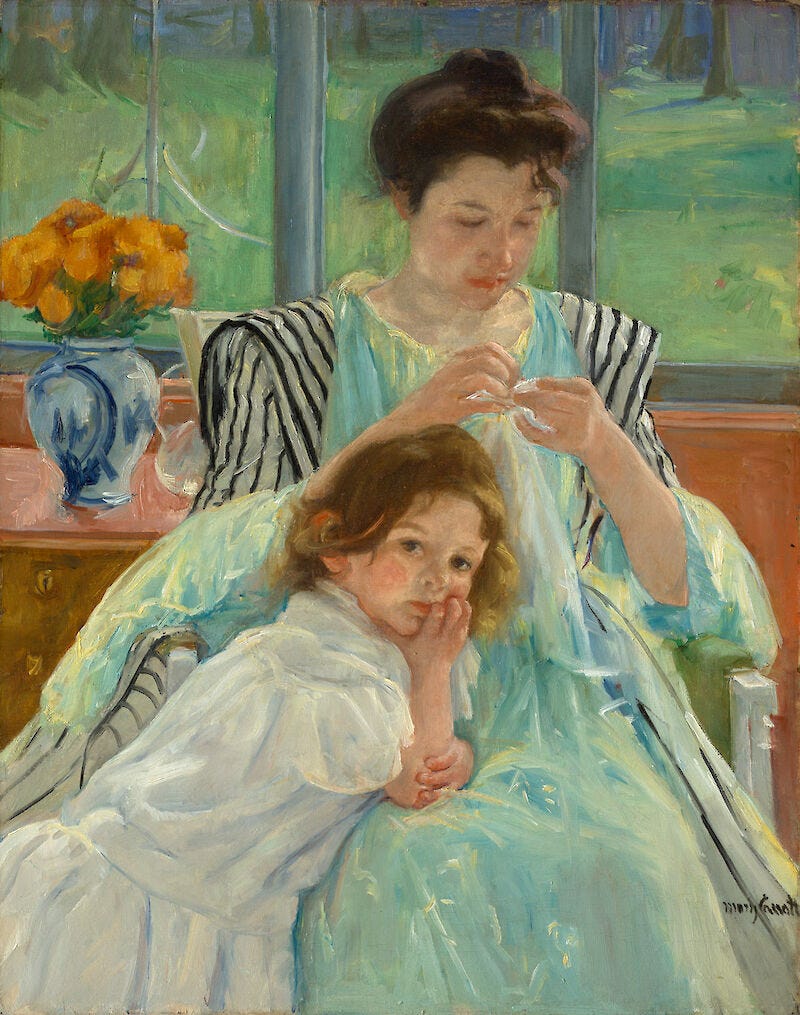
At first glance, nostalgia is a longing for a place, but actually it is a yearning for a different time — the slower rhythms of our dreams.1
I took her to get her hair cut on Friday. She wanted a trendy “wolf cut” (which is a Gen Alpha term for a shag cut) and that is far beyond my abilities, so we made an appointment at a hip salon in Santa Fe. I took the day off of work, and we drove down in the morning. She talked to me on the drive, about the upcoming school year and her creative projects. We listened to music and sat in silence. It was normal. It was wonderful. At the salon she wanted me to sit in the chair beside her, close at hand. I told myself to let her do the talking. I worried that she might feel too shy to tell the stylist what she wanted — but I shouldn’t have. She laughed and joked with the woman, bonding over a shared love of manga and Olivia Rodrigo. I sat silently, pretending to read my book, listening to my child interact with someone outside of my sphere.
At one point I looked up, just as the stylist asked her to tilt her head slightly back. She obeyed, her blonde hair falling back away from her face. From the angle where I was sitting, her cheeks rounded and her eyes closed. She breathed in, nostrils flaring into two perfect, dark circles. I watched, breath caught and heart beating, as she waited. There was the face in my mind, the one I can see when I am thinking about her, which is always. There were the two round circles, the delicate nostril sills, the pursed lips slightly parted. I felt time constrict, and for a moment I could see the toddler she once was.
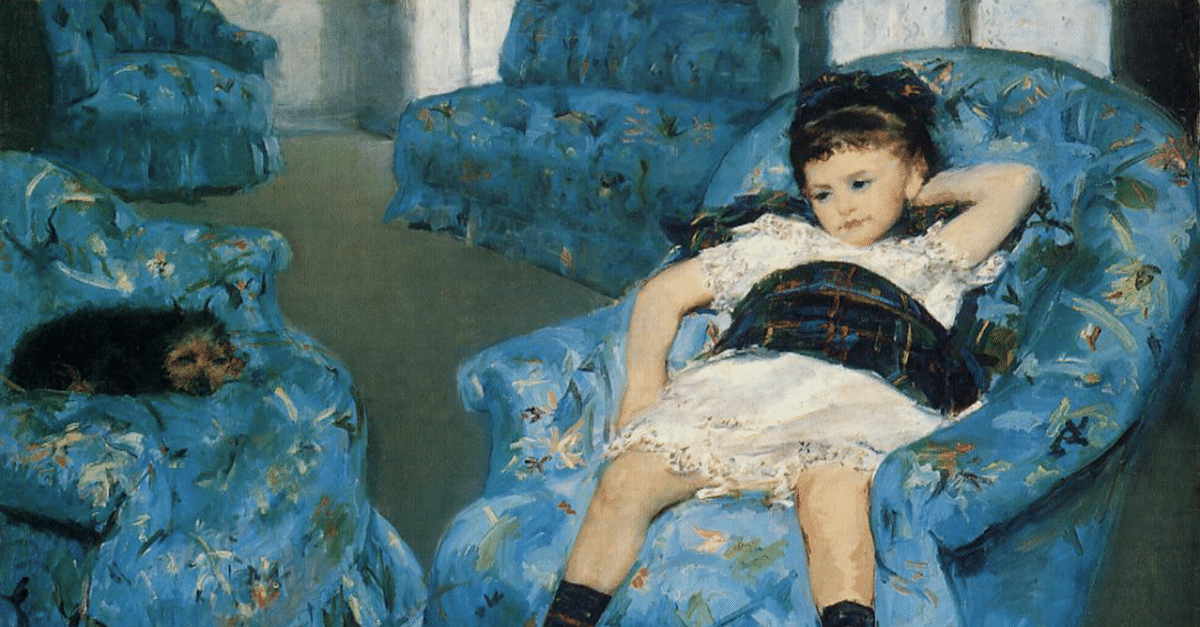
That toddler starts sixth grade today. We are in this strange middle ground, this threshold space in between childhood and the teenage years. As an only child, she is our first for everything and our last chance for everything. I try not to let her feel that pressure, but I’m sure I fail often. We are looking ahead to so many adventures, but we are also looking back on times we will never experience again. The nostalgia is sometimes painful, like a knife in my chest. I close my eyes and I can feel her small fist gripping my shirt in her sleep, the steady beat of her breath against my neck, the way her eyes look when she wakes and before sleep has fully fled.
Nostalgic experiences are anchored in space and, as we recollect or remember, the experience of nostalgia is embodied…We recall both a place and a time and we also recall our lived experience associated with the memory. The present is “here and now”; the past, “then and there.”2
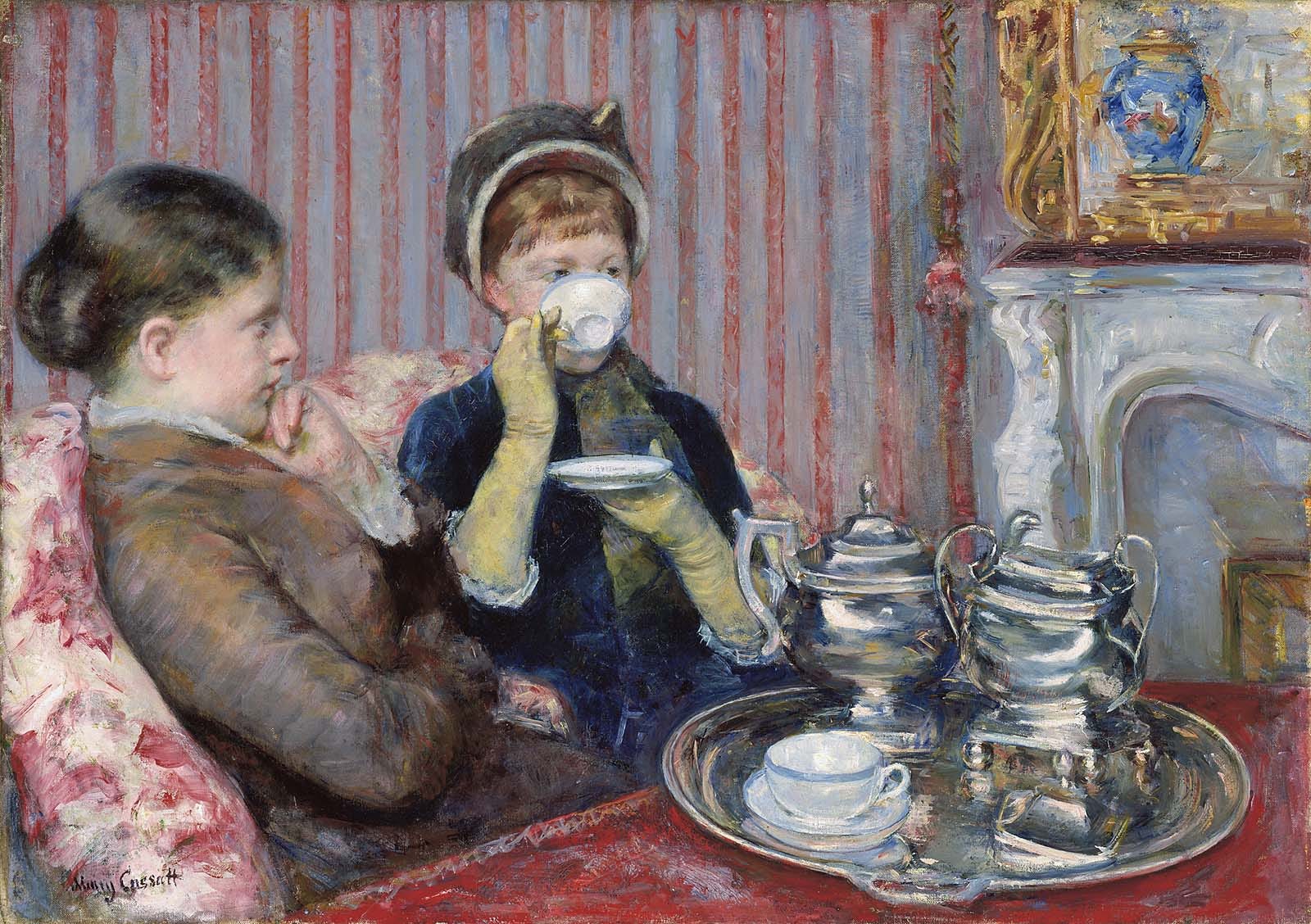
What we miss in nostalgia, after all, is the past as we (or others) once experienced it, not the cultural, epistemological, metaphysical foundations of that world. What is ‘nostalged’ is a past that we cannot rejoin. We cannot rejoin it precisely because we cannot re-experience it in propria persona, even if it has left tantalizing marks in the present. In contrast, we have no comparable desire to rejoin ultimate origins in space or time, much less the always presupposed categories of all experience. When we are nostalgic, we wish to re-enter, per impossibile, the past of a world that has effectively vanished from our lives and of which we are painfully reminded by its extant traces.3
Consider upgrading to a paid subscription to support this newsletter.
Or you could buy me a coffee, xoxo.
Find me on the silly app.
Send me an email: anchoressarchives@gmail.com.
Share this post, give it a heart, or comment!
This is an AI-free newsletter and it always will be.
Boym, S. (2001). The future of nostalgia. New York: Basic Books.
Wilson, J.L. (2015), Here and Now, There and Then: Nostalgia as a Time and Space Phenomenon. Symbolic Interaction, 38: 478-492.
Casey, Edward S. “The World of Nostalgia.” Man and World, vol. 20, no. 4, Oct. 1987, pp. 361–84.
No posts
Comments
Nothing yet. Say the first thing.
Sign in to join the conversation.