
Welcome back to Part 2 of my conversation with entertainment attorneys Brent Owens and Charlie Kelsey of Evos Law.
In Part 1, we got into the weeds of the AI legal minefield. We talked about the monkey selfie that defines current copyright law, the exact threshold for “materially altering” an image, and how to build a defensible chain of title when a machine does the rendering. (If you missed it, go read it here).
Today, we are zooming out.
Everyone in the industry feels the tectonic plates shifting. The studios are looking to cut costs. The guilds are fighting to protect their members. And sitting right in the middle of this standoff is Generative AI. We all know AI isn’t just a new tool – it’s a wedge being driven straight into the heart of the traditional Hollywood system. Some would say it’s a stake.
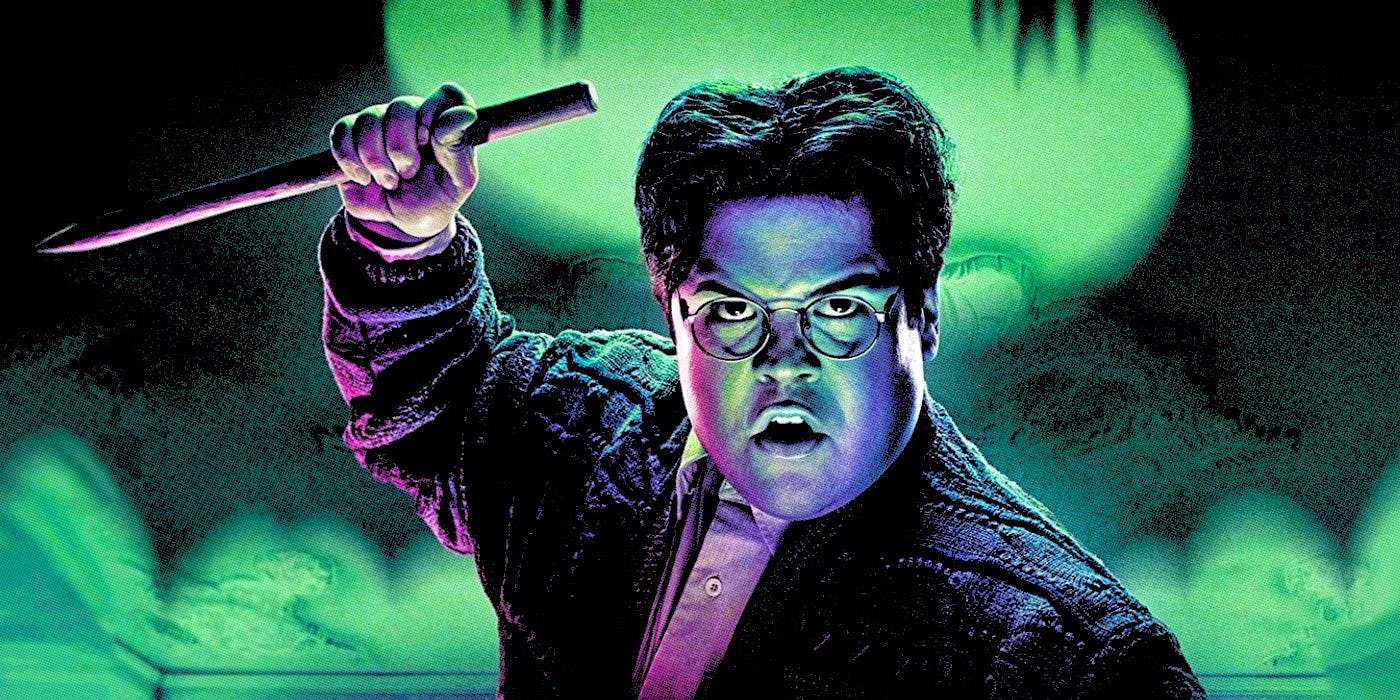
In this climate of disruption, I asked Brent and Charlie to help us read the tea leaves on Fair Use, union politics, and the rise of a secondary, highly-profitable indie filmmaking ecosystem.
Let’s get back into it.
We all hear a lot of theory, but in your day-to-day practice right now, how are you actually seeing AI tools being incorporated into professional, monetized workflows?
Everywhere, even if it’s quietly.
Writers are using AI for brainstorming, outlining, and first-draft generation. Not necessarily to replace the writing, but to accelerate development. VFX and post-production teams are using generative tools for concepting: generating reference images, mood boards, and rough composites before committing to the expensive work. Music supervisors and composers are experimenting with AI-assisted scoring for temp tracks.
On the production company side, we’re seeing AI used in research, development, and pre-production: generating pitch visuals, analyzing comparable content, even drafting initial treatments. The tools are compressing the development timeline. The common thread is that the professionals using AI most effectively right now are using it as an accelerant, not a replacement.
When we were making True Crime docs at Lionsgate, we spent half our lives talking about Fair Use. With AI models scraping the internet for training data, can you give my readers a brief explainer on how Fair Use applies (or doesn’t) to generative AI right now? It seems to me that what AI does when generating an image is the very definition of “material alteration.” But as you’ve explained [in part one], that’s not at all the case in the eyes of the courts.
Your instinct – that what AI does when generating an image is itself a form of material alteration – is exactly the argument the AI companies are making. They say: the model takes in millions of data points and produces something new and transformative. That’s fair use. It’s a reasonable argument. And they might be right.
The early rulings, though, are going against them.
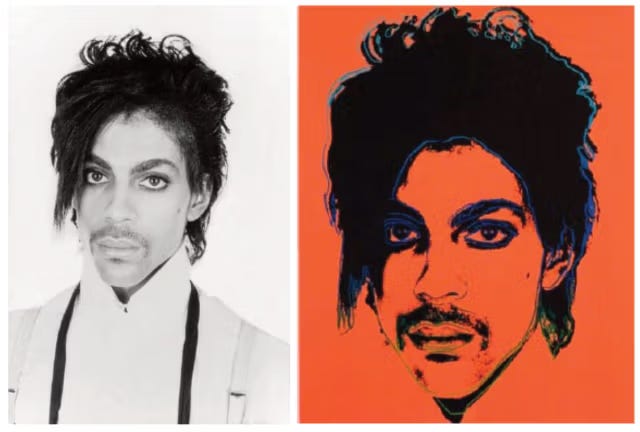
The Andy Warhol Foundation v. Goldsmith decision from the Supreme Court in 2023 was the biggest fair use ruling in decades, and it reframed the entire analysis. The old question was whether the new work was aesthetically transformative. The new question is whether it has a transformative purpose. That framework will be applied to AI, and it’s going to be difficult for AI companies. Courts will say: I don’t care how different this looks or how you accomplished it. Show me a real transformative purpose (e.g., commentary, criticism, education). Not just a shinier version of the same thing
Thomson Reuters v. Ross Intelligence is the case most people aren’t tracking, and it’s one of the more important ones. A federal court ruled that Ross’s use of Westlaw headnotes to train its AI legal research tool was not fair use, because the AI’s output was a direct market substitute for the original product.
Fair use has four factors, and “transformative use” is only one of them. Market substitution is another, and that’s where AI companies are getting hit the hardest. If an AI tool trained on copyrighted works produces output that competes with or replaces the need for the original, that factor weighs heavily against fair use, no matter how “transformative” the underlying technology is. So the courts so far are saying that even if the output is “new,” the training process itself may be infringing.
We all know that the studios are desperate to use AI to cut costs, but it seems like the artists’ unions are dead set against it. I know this may not be strictly true, but it feels like the unions are protecting the A-list at the cost of denying powerful storytelling tools to the rest of us. What do your more sober minds think about this standoff?
The framing of “studios want AI, unions want to ban it” is how this gets reported, but it’s not exactly accurate. No major guild is trying to ban AI. What they’re trying to do is make sure that when AI replaces a human job, someone still gets paid.
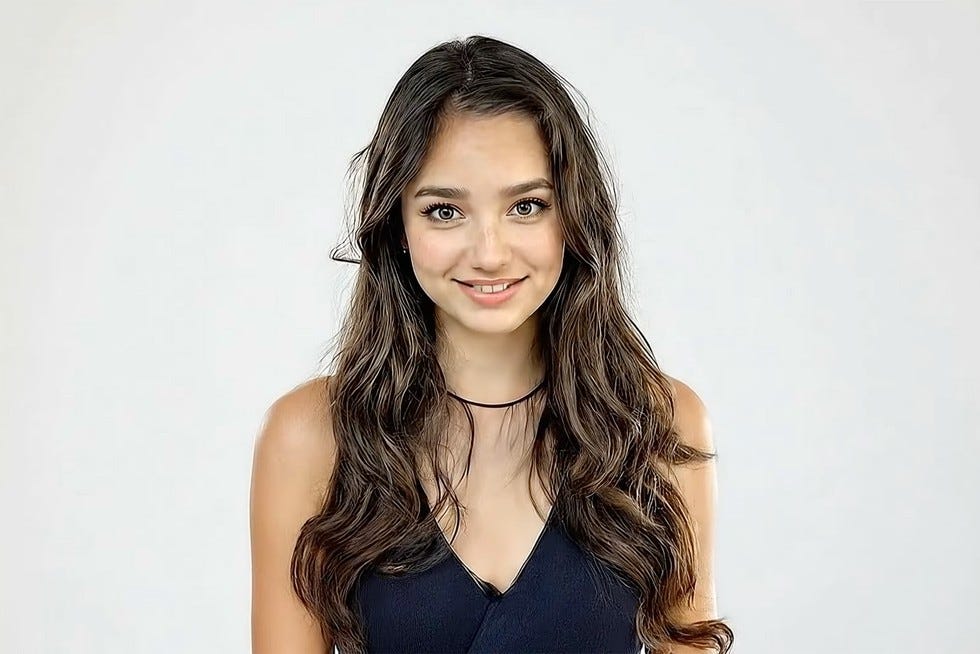
The most elegant example is what’s being called the “Tilly Tax,” a concept being discussed in SAG-AFTRA’s 2026 negotiations. The idea: whenever a studio uses a synthetic performer instead of a real one, they pay a royalty into the union’s pension and health fund. It wouldn’t ban AI. It wouldn’t restrict the technology. It would just remove the economic incentive to replace humans with it by making the AI option cost roughly the same.
Now, to your point about the unions protecting the A-list. There’s truth in the concern that established power structures don’t always serve emerging creators. But the 2023 guild agreements included some of the first real protections specifically targeting AI replacement of working performers. Those protections aren’t for the A-list. The A-list can negotiate their own protections. Those provisions protect the people who can’t.
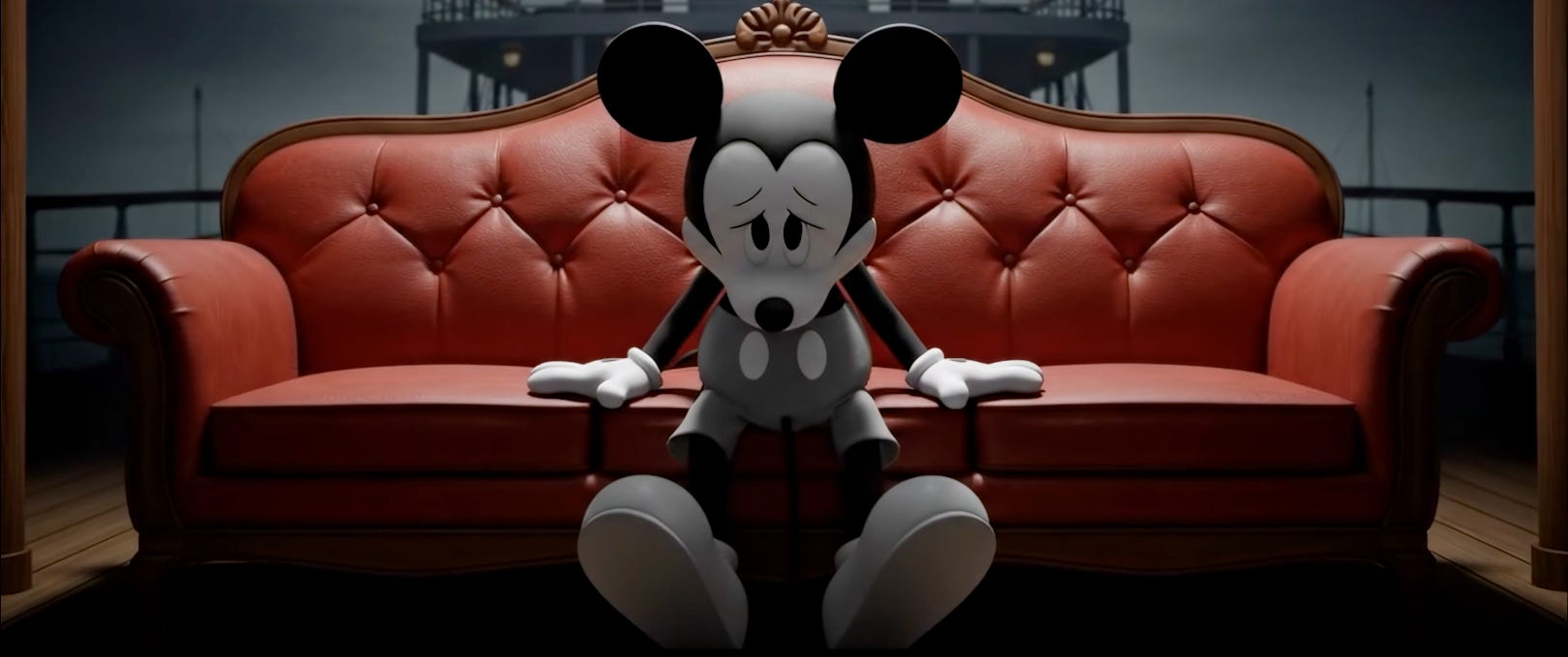
Here’s what’s really interesting: the studios are playing both sides, and successfully. [Before OpenAI pulled the plug on their Sora AI platform] Disney invested $1 billion in OpenAI and licensed 200+ characters for the Sora AI platform. At the same time, Disney is sending cease-and-desist letters to ByteDance for generating unlicensed Disney characters. That’s the model: embrace AI, monetize it, and control the terms. “License or litigate.”
On a related note, we’ve all seen (or experienced) the DGA effectively kill a project with their good intentions. You scrape together the money to make a cool indie film on a shoestring budget, then the DGA forces you to go union, your costs explode, and suddenly a makeable film is dead in the water. To me this kind of nonsense is indicative of an industry setting itself up for massive disruption. Do you see a future where cheap, powerful AI creates a secondary, highly profitable entertainment ecosystem operating wholly outside of the studio and union systems? Or is that a fantasy?
It’s not a fantasy. It’s already happening.
YouTube, TikTok, Substack, Patreon-funded content – there’s already a massive, profitable content ecosystem that operates largely outside the traditional studio and union infrastructure. AI tools are accelerating that. The cost of producing watchable content is dropping fast. A solo creator with the right tools can now produce visuals, music, and effects that would have required a team and a meaningful budget five years ago.
But here’s where the “wholly outside” part gets complicated. The moment you try to scale (e.g., get on a major platform, attract real investment, secure distribution, hire recognizable talent) you run into the same infrastructure. Distributors require E&O insurance, which requires clearances, which requires a defensible chain of title. Talent with any profile is going to have union obligations.
The more likely future, in our view, is a hybrid. AI tools make mid-budget content viable again. But the legal and commercial infrastructure doesn’t disappear just because the tools changed. The creators who build within that infrastructure (even while using AI to push what’s possible) are the ones who’ll capture real, scalable value. The disruption is real. But it’s a restructuring, not an escape.
That said, here’s one version of where this could go. The guilds evolve to protect only A-list talent and cover a very small, concentrated number of “premium productions.” Meanwhile, the other ecosystem is AI-powered, global, and focused squarely on profit margins. The cost of failure drops to near zero, which means more shots get taken, which means more weird and original ideas get greenlit. That’s not a threat to creativity. That’s the best thing that could happen to it.
That’s the optimistic vision of the future I was hoping for! So let’s assume there actually IS a future for new creatives in this business. What advice do you have for creatives at the start of their careers, trying to navigate this massive technological shift?
Four things:
Learn the tools now. AI fluency is becoming the new baseline, the way editing software and digital cameras became prerequisites over the past two decades. The creators who learn to use it as a genuine creative tool rather than a shortcut are going to have an enormous advantage. Don’t wait. Build something with it this week.
But don’t skip the fundamentals. AI makes production cheaper and faster. It does not make storytelling better. The craft (voice, perspective, emotional truth, knowing what to cut and what to keep) is more valuable now, not less, because it’s the one thing AI can’t replicate.
Be original, perhaps to a fault. Remember that AI is a predictive model. Human beings are still the ultimate machine for originality. If you want to write the next Top Gun, you’ll be competing against models that have every screenplay ever memorized. But if you have a crazy idea that nobody has ever done before, you have a much better shot. So go do something weird, make it cheap, and let the audience decide if it’s any good. And please, do not help make any more Marvel movies.
Protect your rights from day one. Understand what you own and what you don’t. Document your creative process: save your iterations, your prompts, your editorial decisions. The deals that hurt people most aren’t the ones they lose. They’re the ones where they give away leverage they don’t realize they have.
This is one of the most exciting times to be starting a creative career. The tools are extraordinary. The opportunities are real. But so are the legal landmines. Get smart about both.
Thanks for reading The AI Showrunner. And a massive thank you to Brent and Charlie at Evos Law for sharing their expertise. If you want to dive deeper into how to structure your projects to survive contact with the legal system, you can find them here.
No posts
Comments
Nothing yet. Say the first thing.
Sign in to join the conversation.