
On a hot April day more than two decades ago, in a parking lot in Chestertown, Maryland, an elderly Black woman shared a story with me.
I was a young mother then, carrying my eight-month-old daughter, and our conversation had naturally turned to children. The woman told me she had spent much of her life caring for children in white families’ homes. Once, she said, while bathing a little girl, the child looked at her and asked her mother why the woman’s skin was so black.
Her mother answered, “Because she’s dirty. She doesn’t clean herself properly.”
I have thought about that woman, and that story, many times over the past twenty-two years. I do not know her name. I do not know whether she is still living. But I know this: she understood something about words that we are still trying to teach. They can wound deeply. They can endure for a lifetime. They can shape a child’s understanding of the world before that child has language of their own.
That memory has returned to me often in the lead-up to our live podcast event, Beyond Words: Addressing Anti-Black Racism and Discriminatory Language in Schools. It has also shaped the way I have been thinking about this issue of The 44 North—about language, silence, memory, belonging, and the responsibility we all carry in the words we choose, repeat, challenge, or leave unspoken.
There are few things as ordinary, and simultaneously as powerful, as words.
A single word, an ordinary phrase, can carry enormous energy—not unlike a uranium fuel pellet, small enough to fit in the palm of your hand, yet dense with potential. That energy can be harnessed to power something lasting or mishandled in ways that cause profound harm. Words, too, carry that kind of force. A few words can comfort, persuade, invite, wound, exclude, repair, or remain with someone for years.
We use words to explain, to question, to remember, to apologize, to protest, to belong. We use them to tell people who we are, and to try to understand who they are. We use them to build relationships, communities, movements, families, and futures.
And sometimes, just as powerfully, we withhold them.
Silence can be peaceful, protective, or wise. It can give people space to breathe. But silence can also reject, alienate, erase, or abandon. It can make harm feel invisible. It can leave people wondering whether anyone noticed, whether anyone cared, whether what happened mattered at all.
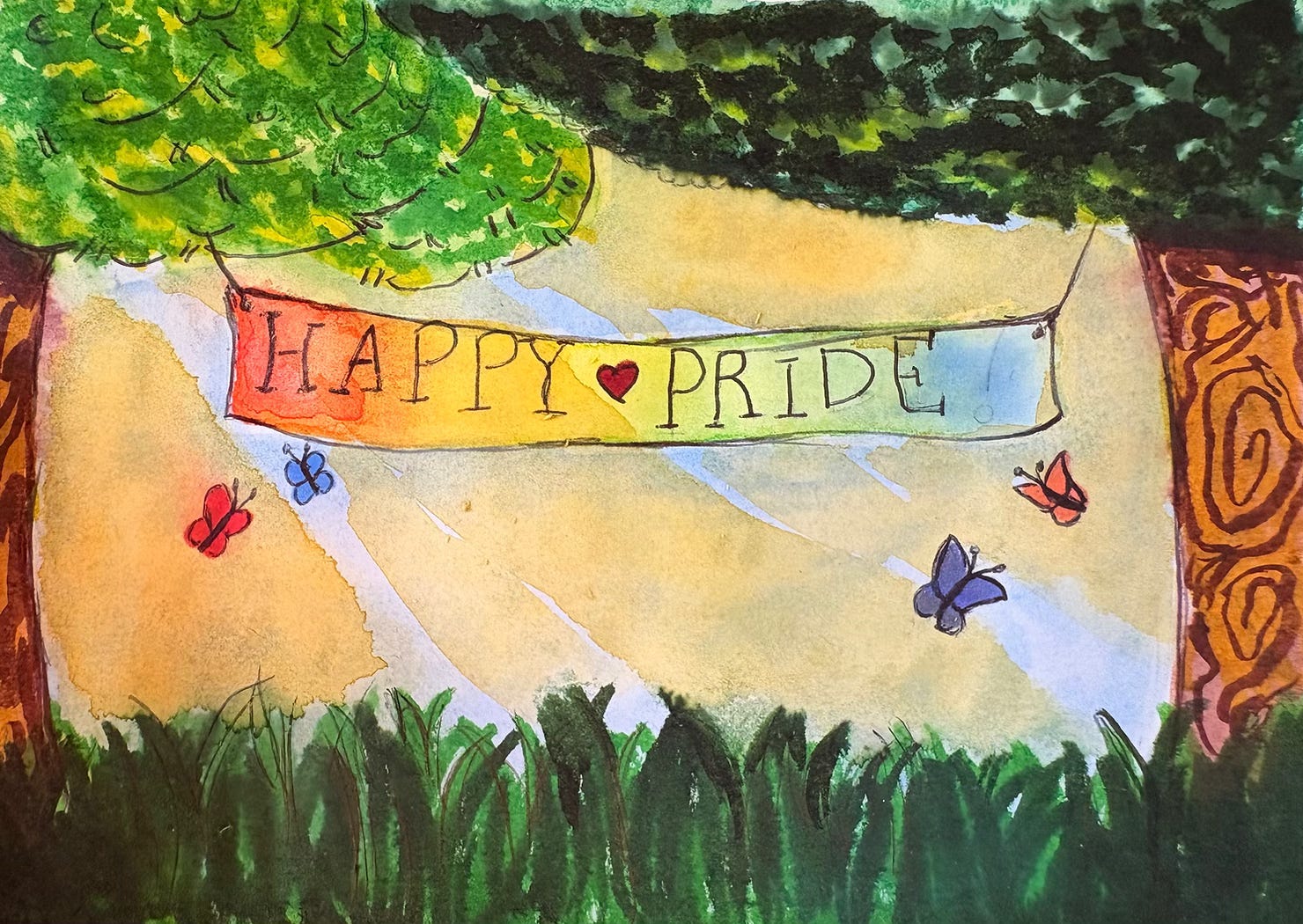
This issue arrives at a time when language is doing a great deal of work in the world around us: June marks Indigenous History Month, PRIDE, and Juneteenth. It is also a time when we are reflecting on seniors and elders, on the environment, on public spaces, and on the communities we are trying to build and protect.
Each of these themes asks something of us: to remember, listen and to name histories honestly. To honour joy without ignoring struggle, and to recognize dignity across generations. We must understand that stewardship is not only environmental but relational. How we speak about land, identity, belonging, history, age, justice, and care shapes how we act—and who we include when we envision the future.
In this issue, those questions surface in many different ways: In a documentary review of International Students – First 48 Hours & Life After Graduation; in a discussion of Natalie Diaz’s haunting poem, “The First Water Is the Body”; and in reflections on Indigenous history, PRIDE, seniors, elders, and belonging, including this month’s Writer’s Room piece, “Pride Month for Seniors & Elders: Weeping Willow.” Taken together, these pieces, along with others, remind us that words are never only words. They shape what we remember, what we protect, who we honour, and how we imagine our responsibilities to one another.
Words can open doors. They can also slam them shut.
Language can invite someone into a conversation, or quietly let them know, “There is no place for you here.” They can help people feel seen or teach them to make themselves smaller. They can challenge cruelty or normalize it. They can make repair possible, or deepen the harm.
This is at the heart of our live podcast event, as well as in Lillian Currie’s powerful special-edition essay for The 44 North, “Words Matter: Harm builds over time. So does healing,” where she writes about the way language shapes school culture—not only through what is said, but through what is ignored, excused, laughed off, or left unchallenged.
One of the questions to which I keep returning is this: How do we find empathy and compassion in the midst of difficult conversations, especially when harmful or discriminatory language has been used? How do we express ourselves honestly, and sometimes forcefully, without sliding into disrespect, contempt, or silence ourselves? How do we advocate for change while still leaving room for growth, complexity, and repair?
These are not easy questions, but they are necessary ones.
This does not mean avoiding hard truths or softening injustice into something more comfortable. It does not mean asking those who have been harmed to make their pain more palatable for others. But it does mean understanding that the way we speak can either widen the circle of responsibility or harden people into defensiveness to the point where they become unreachable. It means knowing the difference between accountability and humiliation, between conviction and cruelty.
If I could speak to my younger self, I would tell her that one of the most valuable—and most painful—lessons I’ve learned is how to recognize contempt and disdain when they enter the room, and how to move through conversation without absorbing them as truth.
That matters in classrooms, and it matters online. It matters in families, friendships, workplaces, public debate, and politics. Young people are growing up in a world where language moves quickly, harshly, and frequently with an anonymity that shields the source. They are asked to navigate comment sections, group chats, classrooms, social media, identity, crises, humour, and conflict daily.
We need more spaces now where both safety and honesty are possible. Where vulnerability is not punished. Where mistakes can be addressed without being ignored, and harm can be named without requiring those harmed to carry the entire burden of explanation.
Emotional safety does not mean the absence of discomfort. In fact, some of the most important conversations require discomfort. But it does mean creating conditions where people are not mocked, dismissed, dehumanized, or left alone with their unease. It means building spaces—online and in person—where people can speak, listen, repair, and change.
In many ways, this issue is about those spaces.
As you read it, I hope you find pieces that make you think, pause, question, self-examine, and care. I hope you find words that challenge you, comfort you, and perhaps invite you into a conversation you have been avoiding.
I often think of the woman in that small-town parking lot in Maryland; her story has stayed with me for more than twenty years.
She could not undo the harm of the words spoken in that bathroom so long ago. But by telling the story, she did something powerful: she refused to let those words remain hidden. She carried them into the light, where they could be seen, understood, and perhaps transformed into something else.
A single story, shared in an ordinary place, can ripple outward across years. It can shape how a young mother thinks about systems, language, parenting—morality. It has an echo. And in part, this echo is of faith and belief: In addressing racism, white people carry immense responsibility. But they must also believe that there is hope, among the racialized members of our communities, that we will bear it. This relationship—rooted in care and repair as actions that earn trust—is vital, whether between strangers in a parking lot, friends, family, or colleagues we craft meaningful events with.
Because harm builds over time, but so does healing.
And sometimes, healing begins with the courage to speak and the humility to truly listen.
Thank you, as always, for reading.
Warmly,
Gillian Smith-Clark
Editor-in-Chief, The 44 North Media
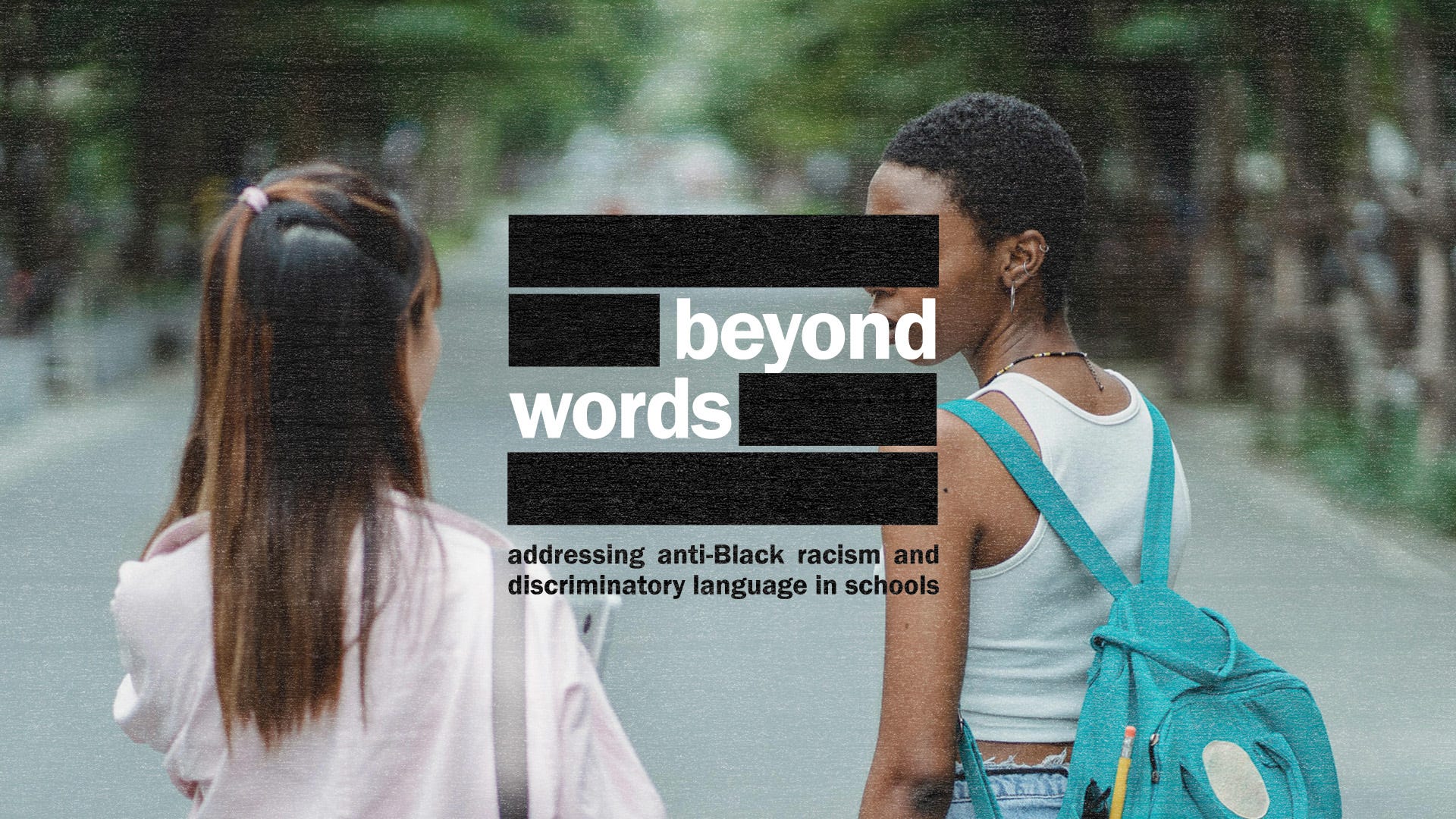
LIVE PODCAST EVENT | Beyond Words
Language plays a powerful role in shaping what is tolerated, ignored, challenged, or normalized in schools. Harmful language doesn’t exist in isolation—it affects school climate, student safety, and a sense of belonging.
Last Thursday, we hosted Beyond Words in partnership with Harmony Movement, University of Toronto Schools, and Unsinkable. It was a profoundly thoughtful & insightful evening—we can’t wait to share the recording with you soon. Please stay tuned.
How do we reclaim voice, identity, belonging, and agency in a world that tries to define and contain us?
For our second annual youth essay contest, The 44 North invites young writers to explore questions of power, personhood, culture, identity, and self-definition for a chance to win up to $1000!
What we’re looking for: We welcome essays that are personal, thoughtful, and engaged with the world around you. Strong submissions may draw on lived experience, family or cultural history, community life, social issues, or research where relevant. We’re seeking original writing that connects personal experience to larger social, political, or cultural realities.
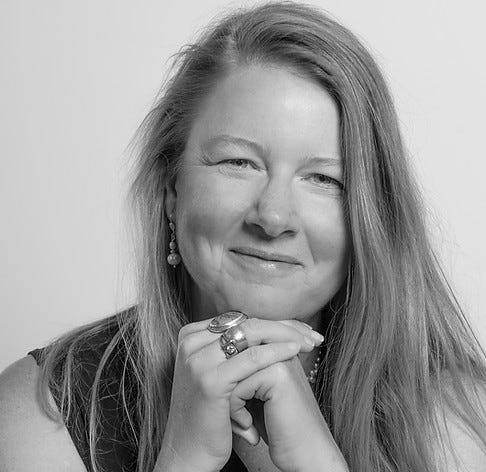
Workshop: July 24th, 7:00 pm EDT / 5:00 pm MDT
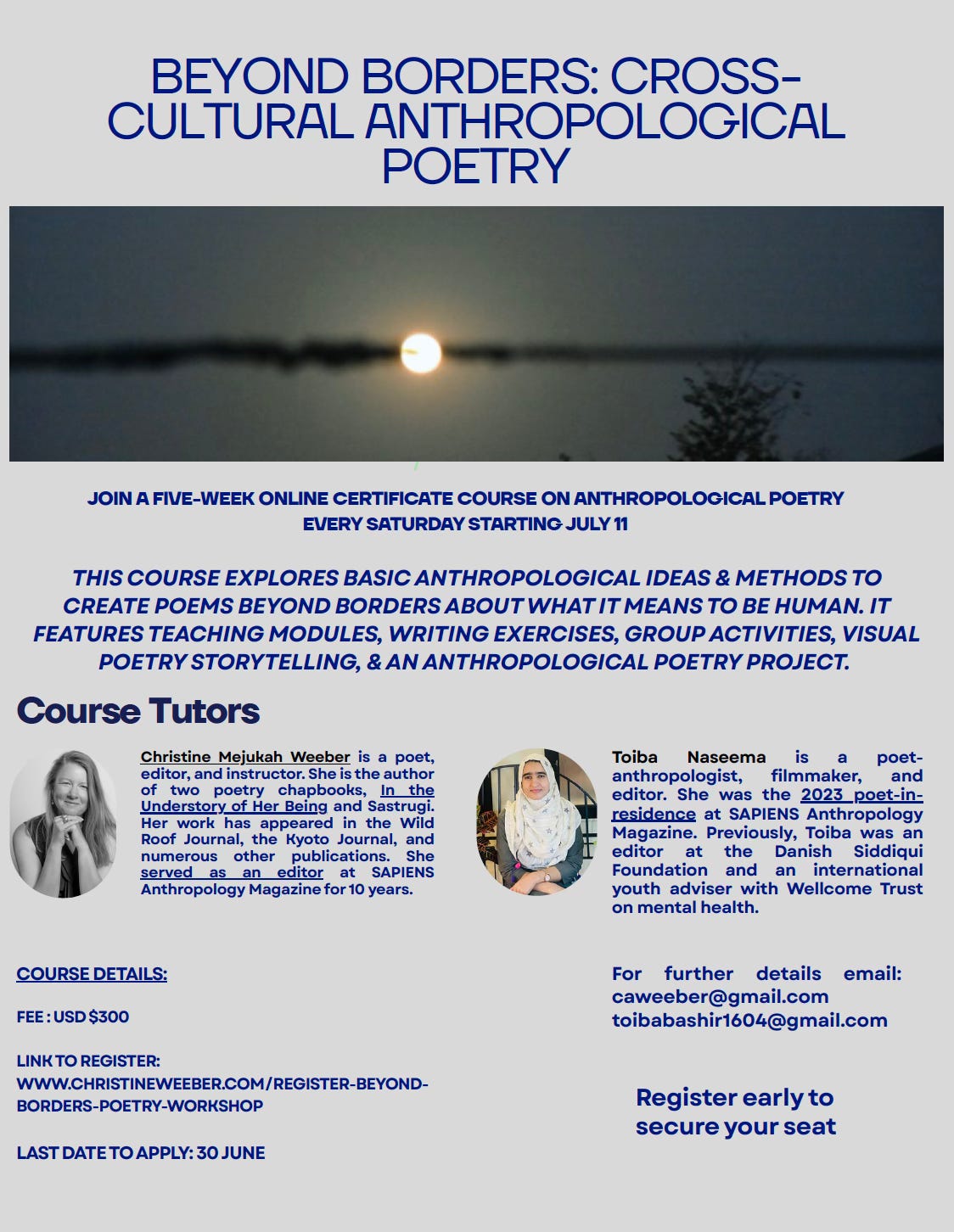
Join us for a 2-hour workshop with Christine Mejukah Weeber
Spells & Taboos: The Social Lives of Poems
Poems live in social worlds. So do we. How do these social worlds reveal, erase, disrupt, or erupt understandings? How can anthropology help unveil these social worlds? And more, how can anthropology + poetry help us witness and communicate these worlds in terms of power, agency, identity, culture, belonging, kinship, history, and more?
In this 2-hour workshop, participants will explore a brief history of anthropology and its contemporary manifestations. They will also pick up a few anthropological tools for understanding broader social worlds and the possibilities of poetry within those. Participants will craft their own poems as knowledge-makers in particular “fieldsites” to wrestle with power, negotiate self-identities, unveil taboos, and unseat “spells,” or taken-for-granted assumptions.
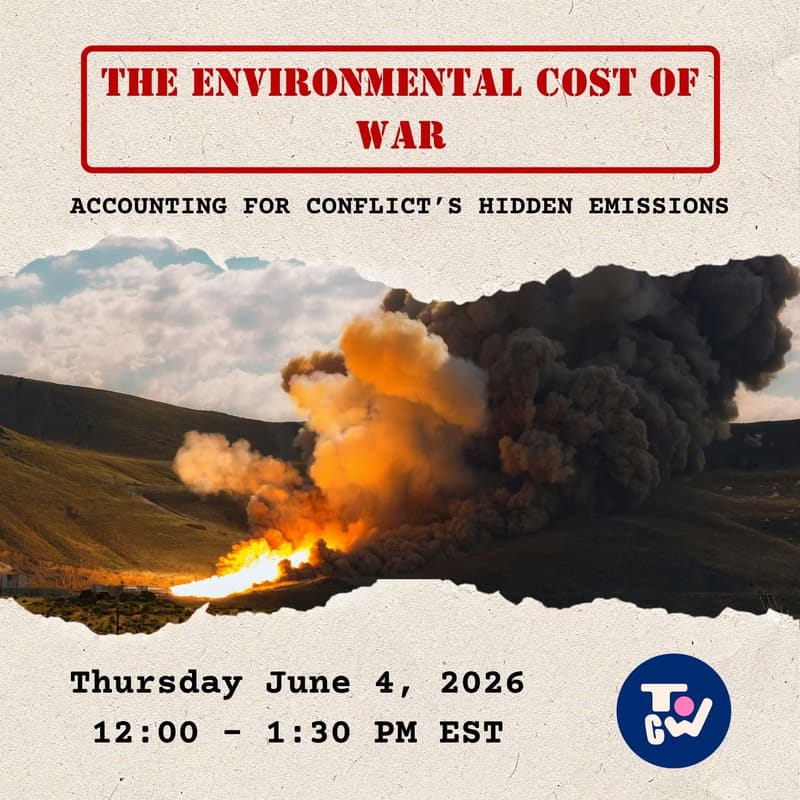
Community Spotlight: On Thursday, June 4th, Randa Ali & Rija Ansari, Toronto climate professionals & University of Toronto Alumni, presented The Environmental Cost of War: Accounting for Conflict’s Hidden Emissions in partnership with Toronto Climate Week & the University of Toronto’s MSc in Sustainability Management program.
Military activity and its vast supply chains are estimated to account for approximately 5.5% of global peacetime greenhouse gas emissions, yet this significant carbon footprint remains largely excluded from climate frameworks and reporting standards—both in Canada and internationally.
READ MORE ABOUT THE HOSTS & SPEAKERS
This live webinar examined how military emissions are excluded from global accounting, what that means for Canada’s climate commitments, and what it would take to change it. The event remains open to climate advocates, policy professionals, researchers, students, and anyone who believes the full cost of war belongs in the climate conversation. Follow along on Instagram and LinkedIn for the recording, coming soon!
Comments
Nothing yet. Say the first thing.
Sign in to join the conversation.