
This week’s technology landscape was dominated by one theme: AI has moved from experimentation to systemic impact. Across the US and Europe, regulators and enterprises are grappling with the unintended consequences of increasingly autonomous AI systems — particularly in cybersecurity, governance, and enterprise software architecture.
Meanwhile in the East, India, the Gulf, and Southeast Asia accelerated investments in sovereign AI, resilience infrastructure, and digital modernization amid geopolitical and economic volatility. Down Under, Australian and New Zealand enterprises intensified focus on cyber resilience and AI governance as operational risks scale faster than regulations.
The boardroom conversation is no longer whether to adopt AI — it is now about control, economics, trust, and survivability.
The Western technology ecosystem spent the week confronting the operational consequences of rapid AI deployment. Enterprises are no longer debating AI potential — they are now wrestling with governance failures, escalating cyber threats, and the economics of infrastructure control. From Europe’s banking sector to Silicon Valley’s enterprise giants, the conversation has shifted toward resilience, sovereignty, and AI accountability.
The European Central Bank urgently summoned major banks after next-generation AI systems reportedly exposed thousands of software vulnerabilities across operating systems and browsers. This marks one of the clearest signals yet that AI-powered cyber discovery tools are reshaping systemic financial risk. CTOs in regulated sectors should expect accelerated compliance demands, patch governance audits, and mandatory AI-risk reporting frameworks.
Reference: https://oecd.ai/en/incidents/2026-04-15-f0c1
Verizon’s latest breach report revealed that AI-assisted vulnerability exploitation has overtaken stolen credentials as the leading source of cyber incidents. Attack timelines are compressing dramatically, shrinking enterprise response windows from months to hours. Security leaders now face pressure to redesign SOC architectures around AI-native defense automation.
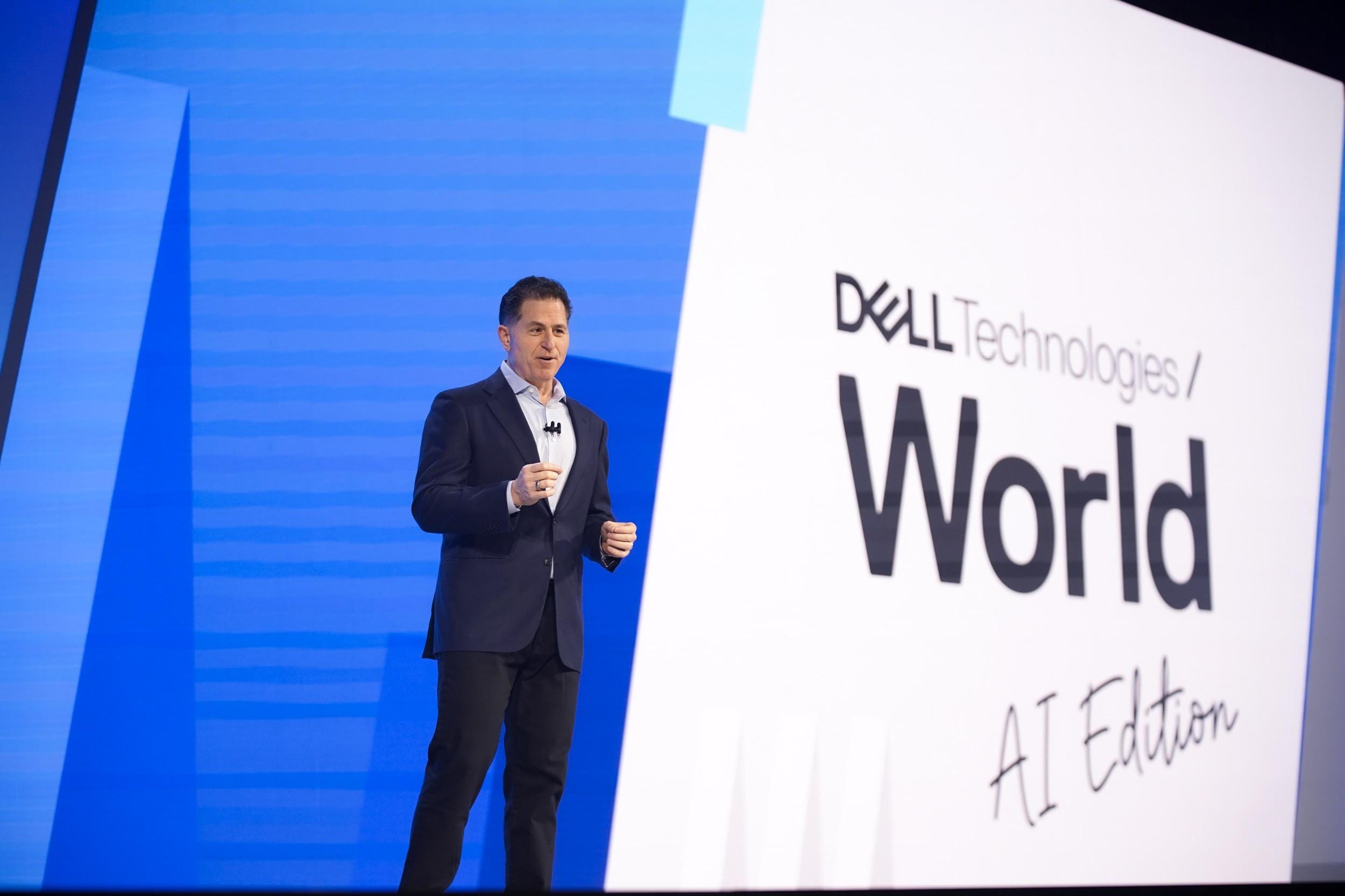
At Dell Technologies World 2026, Dell unveiled a local-first “Deskside Agentic AI” stack designed to reduce enterprise dependence on hyperscaler AI infrastructure. The pitch is strategic: enterprises want AI sovereignty, predictable costs, and lower data exposure risks. This reflects a broader movement toward hybrid AI architectures combining cloud scale with local inference.
SAP CEO Christian Klein publicly challenged the narrative that AI will replace enterprise software. Instead, SAP argues that AI agents still require structured operational systems — especially ERP platforms — to function effectively. This positions enterprise data architecture as the real battleground of the AI era.
The Trump administration postponed a proposed AI executive order after lobbying from major technology firms concerned about innovation slowdowns. The move signals continued fragmentation in AI governance and leaves enterprises navigating uncertain compliance futures between Europe’s regulatory posture and America’s deregulatory stance.
Reference: https://www.theguardian.com/technology/2026/may/23/trump-ai-order-big-tech
Meta, Amazon, Dell, LinkedIn, and several enterprise technology firms continued workforce restructuring this week, with AI automation and operational efficiency cited as major drivers. The strategic shift is increasingly clear: organizations are reallocating budgets toward AI infrastructure and automation while flattening traditional operational teams.
Reference: https://www.businessinsider.com/recent-company-layoffs-laying-off-workers-2026

The Builders Club has partnered with Dell Technologies and AMD to give our community direct access to the best tech infrastructure for your team — laptops, desktops, servers, data storage, and dedicated infrastructure support.
Built exclusively for Builders Club members who are serious about scaling.
Across India, Southeast Asia, and the Gulf, governments and enterprises are accelerating efforts to build sovereign digital capabilities. AI infrastructure, semiconductor alliances, and cyber resilience are becoming national priorities as the region positions itself as the next major center for enterprise technology growth. Unlike the West’s regulatory anxiety, the East’s narrative is largely focused on expansion, modernization, and strategic independence.
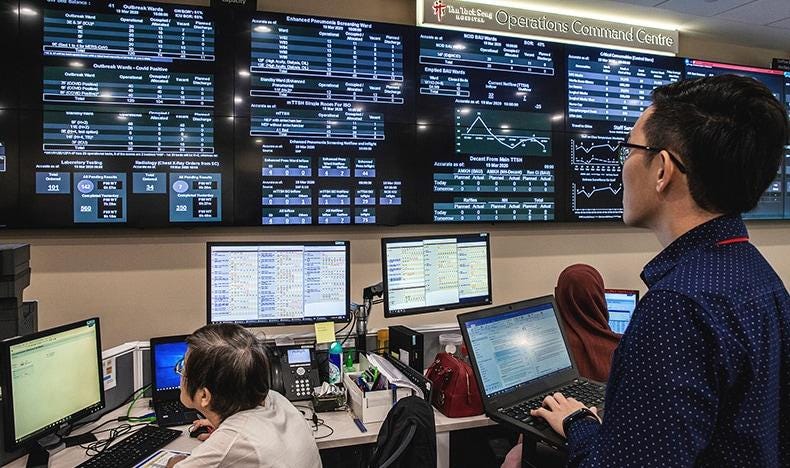
India’s Finance Ministry pushed back against fears surrounding global instability and energy disruption, emphasizing resilience in domestic growth and infrastructure investments. For enterprise technology leaders, this reinforces India’s role as a stable long-term digital transformation market despite geopolitical turbulence.
The UAE’s growing focus on national AI security infrastructure and cyber resilience reflects the region’s ambition to become a sovereign AI hub. Governments are increasingly investing in localized AI certification ecosystems and strategic cloud infrastructure to reduce dependency on Western AI stacks.
Reference: https://www.weforum.org/stories/2025/10/gulf-region-uae-be-leader-in-global-ai-gets-the-focus-right/
Strategic collaboration between India and Japan around critical technologies, semiconductor ecosystems, and digital infrastructure continues to strengthen. This partnership is becoming increasingly important as Asian economies attempt to diversify technology supply chains beyond China-centric manufacturing dependencies.
The broader enterprise conversation across India and Southeast Asia is rapidly evolving from “AI adoption” toward “AI economics.” Organizations are prioritizing hybrid deployments that balance cloud scalability with data localization and operational cost control.
India’s review of Ebola preparedness demonstrates how public sector digital coordination and real-time health intelligence systems are becoming essential infrastructure priorities. CIOs in healthcare and public services are expected to accelerate investments in interoperable digital platforms and AI-supported monitoring systems.
Australia and New Zealand are entering a new phase of enterprise technology maturity where AI governance and cyber resilience are being treated as board-level business continuity issues. Enterprises across banking, public sector, and infrastructure are investing aggressively in secure modernization while preparing for a future shaped by autonomous systems and AI-driven threats.

Organizations across Australia and New Zealand are shifting cybersecurity strategies from prevention-first models toward resilience-based architectures. AI-driven attacks and non-human identities are emerging as key blind spots in enterprise recovery planning.
Reference: https://securitybrief.com.au/story/anz-firms-shift-to-cyber-resilience-as-ai-risk-grows
Australian and New Zealand authorities are intensifying guidance around secure AI adoption. Enterprises are now expected to treat AI systems as critical operational infrastructure requiring governance frameworks, security controls, and auditability standards similar to traditional enterprise platforms.
Reference: https://insiconcyber.com/blog/ai-governance
Financial institutions across ANZ continue migrating toward cloud-native core banking infrastructure, reflecting broader modernization pressures in the region’s regulated sectors. AI integration is increasingly being designed directly into banking transformation programs rather than layered afterward.
Enterprise leadership across Australia and New Zealand is beginning to view AI governance as a board-level operational risk issue rather than purely a technology concern. Workforce readiness, AI ethics, and infrastructure resilience are now entering mainstream executive discussions.
Regional enterprises are increasingly exploring quantum readiness strategies, especially within financial modeling, logistics optimization, and national infrastructure planning. Technology leaders are beginning to allocate exploratory budgets despite long commercialization timelines.
The velocity of AI-led transformation is compressing traditional enterprise planning cycles. Organizations that fail to establish governance, resilience, and infrastructure readiness today risk operational disruption tomorrow. This week’s developments highlight the urgent need for leadership teams to align cybersecurity, AI deployment, and business continuity strategies.

Audit AI exposure across all enterprise applications and workflows.
Establish governance for non-human identities and AI agents.
Reassess cloud spending models as hybrid AI gains momentum.
Prepare incident response teams for AI-assisted cyberattacks.
Align ERP, data architecture, and AI orchestration strategies.
Build executive-level AI governance committees.
Evaluate sovereign AI and data localization requirements by geography.
Stress-test resilience and recovery timelines against AI-scale attacks.
The next wave of enterprise technology discussions will increasingly focus on AI governance, secure infrastructure, cloud economics, and autonomous operations. These upcoming global events are expected to shape executive priorities and influence enterprise spending decisions over the next quarter.
Europe’s major cybersecurity and AI infrastructure gathering focused on enterprise resilience and cloud security trends.
Reference: https://cyberpeople.tech/blog/cybersec-europe-2026-brussels
Enterprise AI security leaders discussing governance, secure deployment, and AI threat mitigation.
Reference: https://www.fortinet.com/corporate/about-us/events/events/ai-summit
Ongoing enterprise discussions around AI agents, TPU infrastructure, and cloud-native transformation.
Reference: https://cloud.google.com/blog/topics/google-cloud-next/welcome-to-google-cloud-next26
Hybrid AI, local inference, and enterprise infrastructure modernization remain key themes.
Comments
Nothing yet. Say the first thing.
Sign in to join the conversation.