
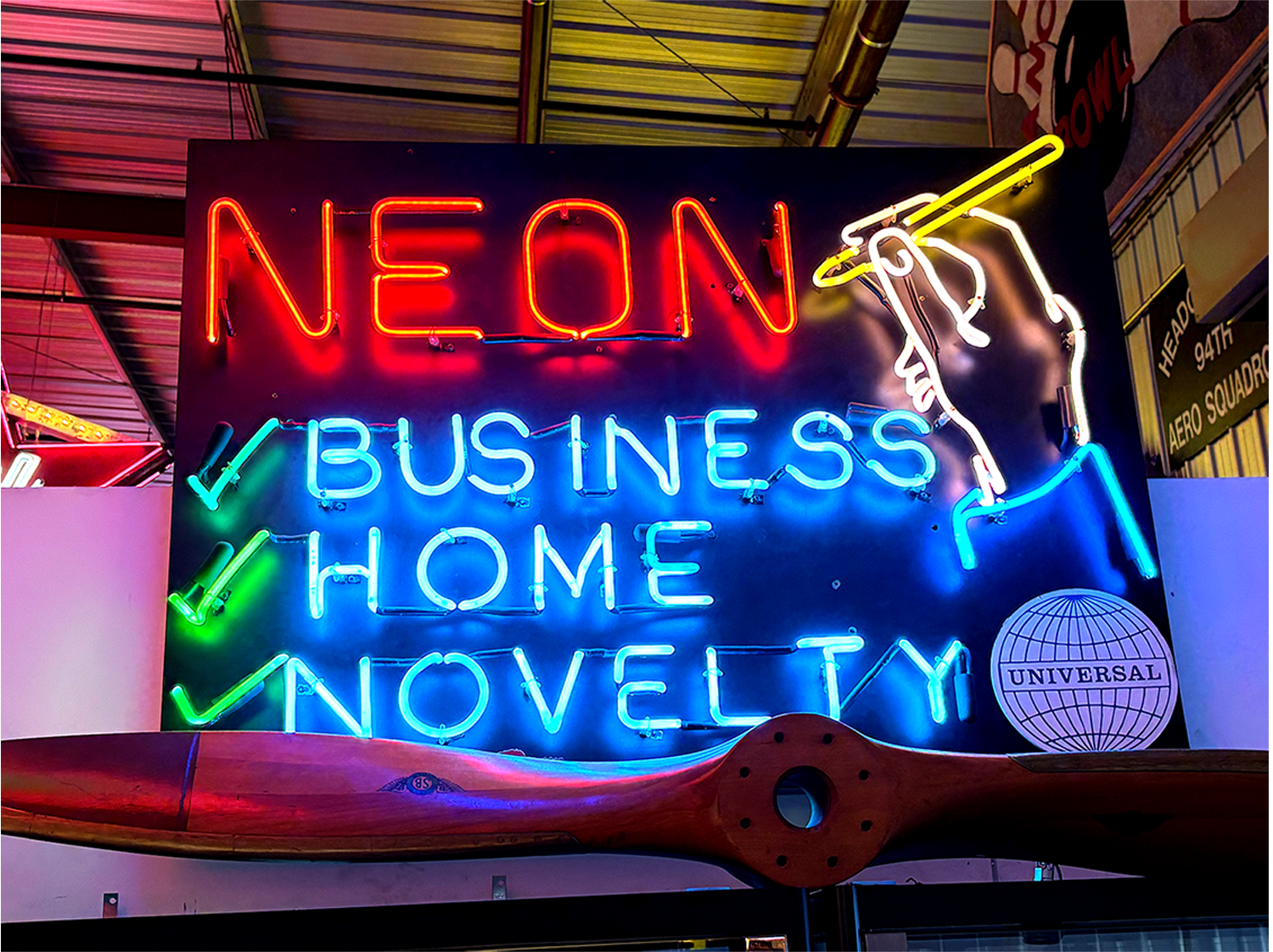
Regular readers (thank you all!) might remember our trip last summer to Niagara Falls where we joined a group of roadside preservationists at the Society for Commercial Archeology conference. Why? To celebrate, document and better understand the ever-changing quirkiness of the American commercial landscape and gather with other fans to discover otherwise unseen treasures that still exist.
The motels, diners, coffee shops, gas stations and especially the exuberant signs tell a uniquely American story. They vividly illustrate an optimism that sadly has largely disappeared in today’s more corporate landscape. Mary Anne’s been a member of this esteemed organization for 18 years, and when she first attended one of their conventions in 2014 she exclaimed, “I have finally found my tribe!”
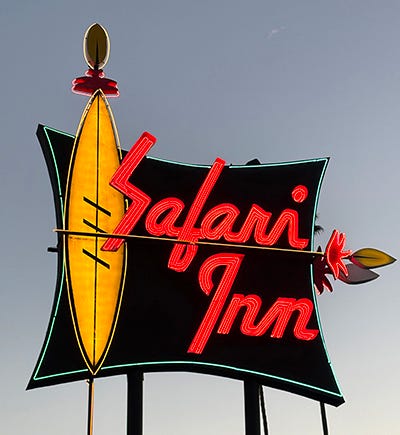
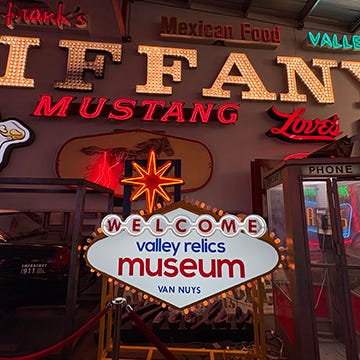
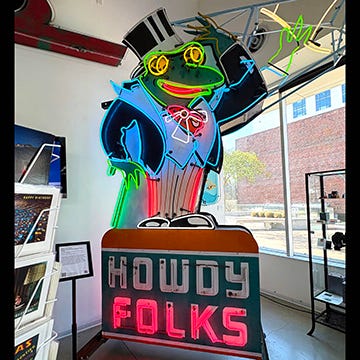
This go round we were hosted at the fabulous Safari Inn in “beautiful downtown Burbank”. The 4 day weekend opening reception was held at the Valley Relics Museum, a North Hollywood warehouse packed to bursting with artifacts and all kinds of signs rescued from Los Angeles and the San Fernando Valley’s vanished roadside businesses. While most of us were enjoying burgers from the In-N-Out Burger’s food truck (surprisingly delicious for this first-timer), Mary Anne was racing around taking pictures and gathering inspiration for future paintings.
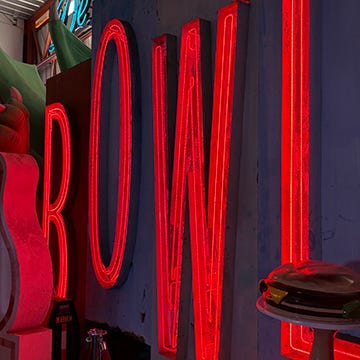
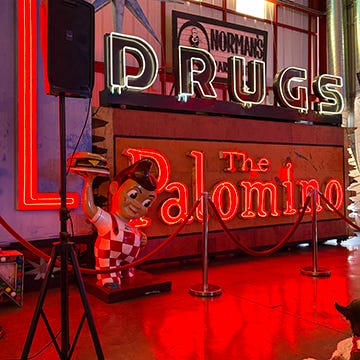
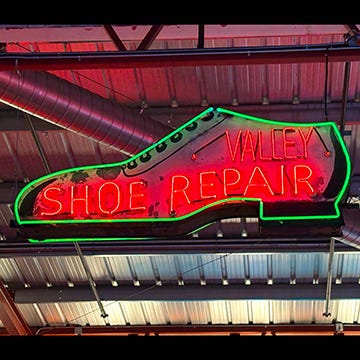
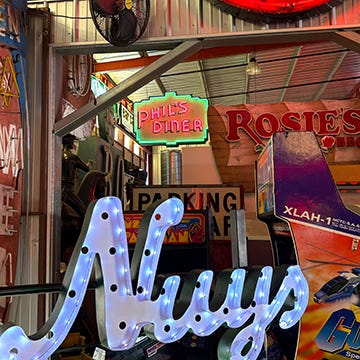
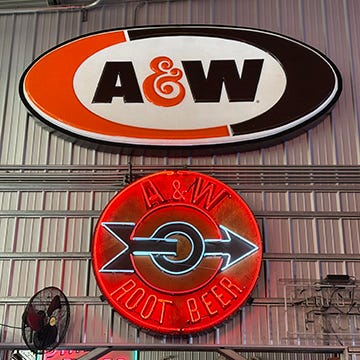
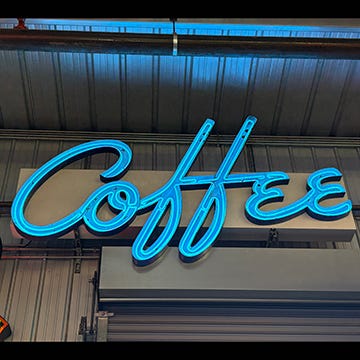
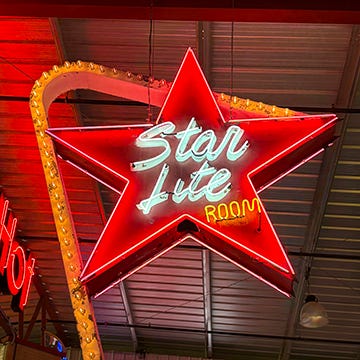
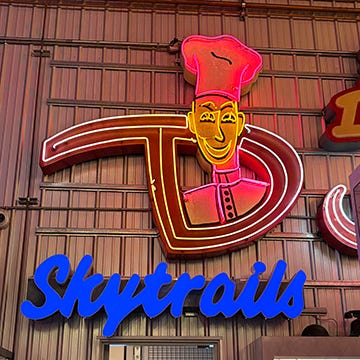
“Don’t crowd the resource.” We heard this repeatedly throughout the conference. A motto, even the golden rule for the membership of the “SCA”. Translated, “don’t rush in front of buildings or signs while others are taking photographs, it spoils the shot”.
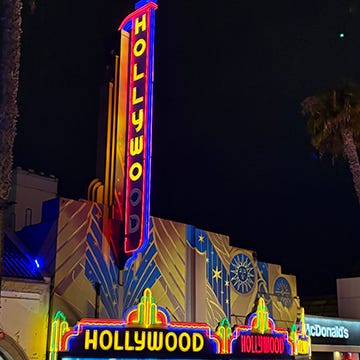
There was plenty to take pictures of, but not as much as 30 years ago when they last met for their convention in Los Angeles. Drive-in movie theaters have vanished along with many of the motels and vintage signs that dotted the landscape back then. The klieg lights no longer announce movie premieres from the richly appointed and glamorous theaters of Hollywood and downtown LA. Instead they hang on in downtrodden, sketchy neighborhoods waiting for a wealthy benefactor with vision to find a viable way to keep the doors open.
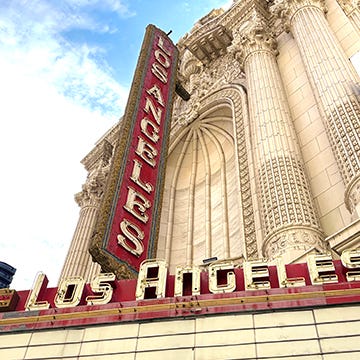
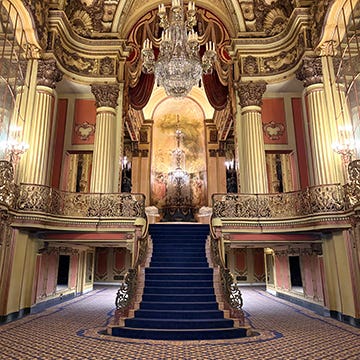
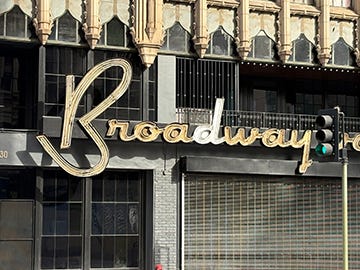
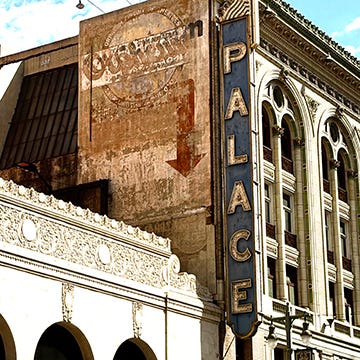
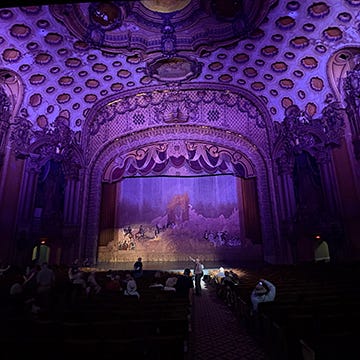
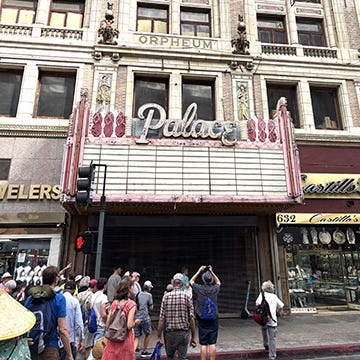
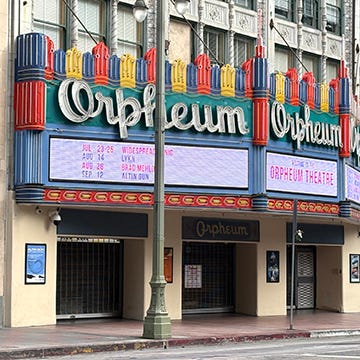
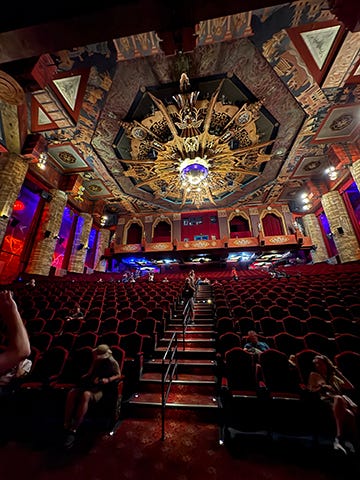
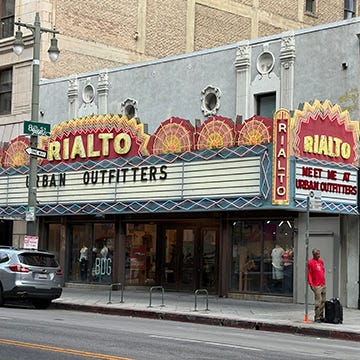
Fortunately, we were treated to private tours inside some of these extraordinary theaters and believe me, they were jaw dropping examples of the opulent glamour and wealth that Hollywood generated in the 1920’s and 30’s. Baroque, Neo-Classical, Spanish Colonial, Art Deco to Moderne, they all found a home here, oftentimes in the same building! Even the poorest patron felt like royalty sitting in these lavish palaces, which I think was the point. Eventually as the neighborhoods changed, theaters that started with silent films, vaudeville, and then movie premieres, wound up showing kung fu flicks and porn to pay the bills.
This was quite a contrast to the wacky, over-the-top modernist-inspired designs we also visited that were one of the main features of the conference, “From Googie to Glamour”. These wildly futuristic, ultra-modern fantasies were dubbed, “Googie” architecture. Indeed they were goofy, but they thrived from the late 1940s through the mid-1960s, and were unmistakably Southern California style.
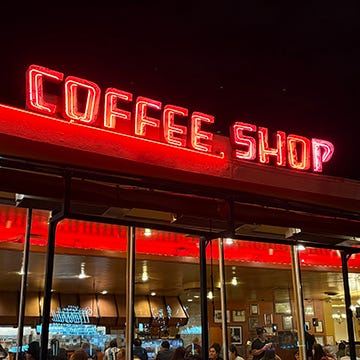
The Googie style of architecture was born in postwar Los Angeles, where the automobile had transformed the city and every business competed for the attention of drivers speeding by. Coffee shops became the perfect canvas for this bold new vision. Dramatic rooflines, soaring angles, walls of glass, and dazzling neon weren't just architectural flourishes—they were invitations to pull over for a cup of coffee and a slice of pie. Inspired by the optimism of the Jet Age and the Space Age, these exuberant buildings celebrated a future that seemed limitless. More than restaurants, they became roadside landmarks, perfectly capturing the spirit of an America that had fallen in love with the open road.
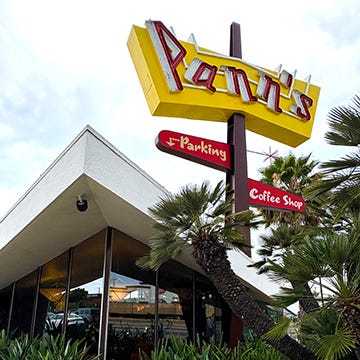
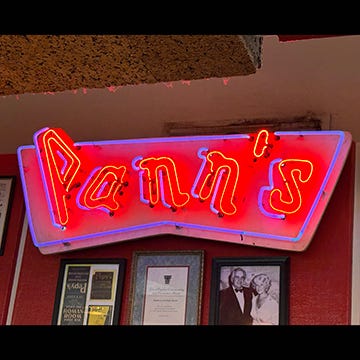
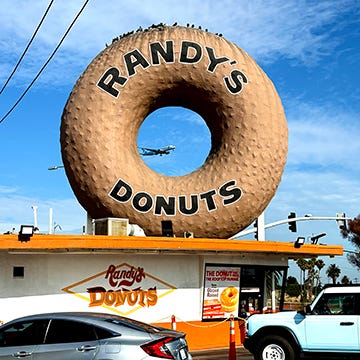
It was so much fun that our group was treated to a true coffee shop meal at Pann’s Coffee Shop in Inglewood, near LAX. And where else would we go for dessert when we were in that neighborhood? Had to be the famous Randy’s Donuts! They were so delicious that our organizers bought enough for us to have for breakfast the next day too!
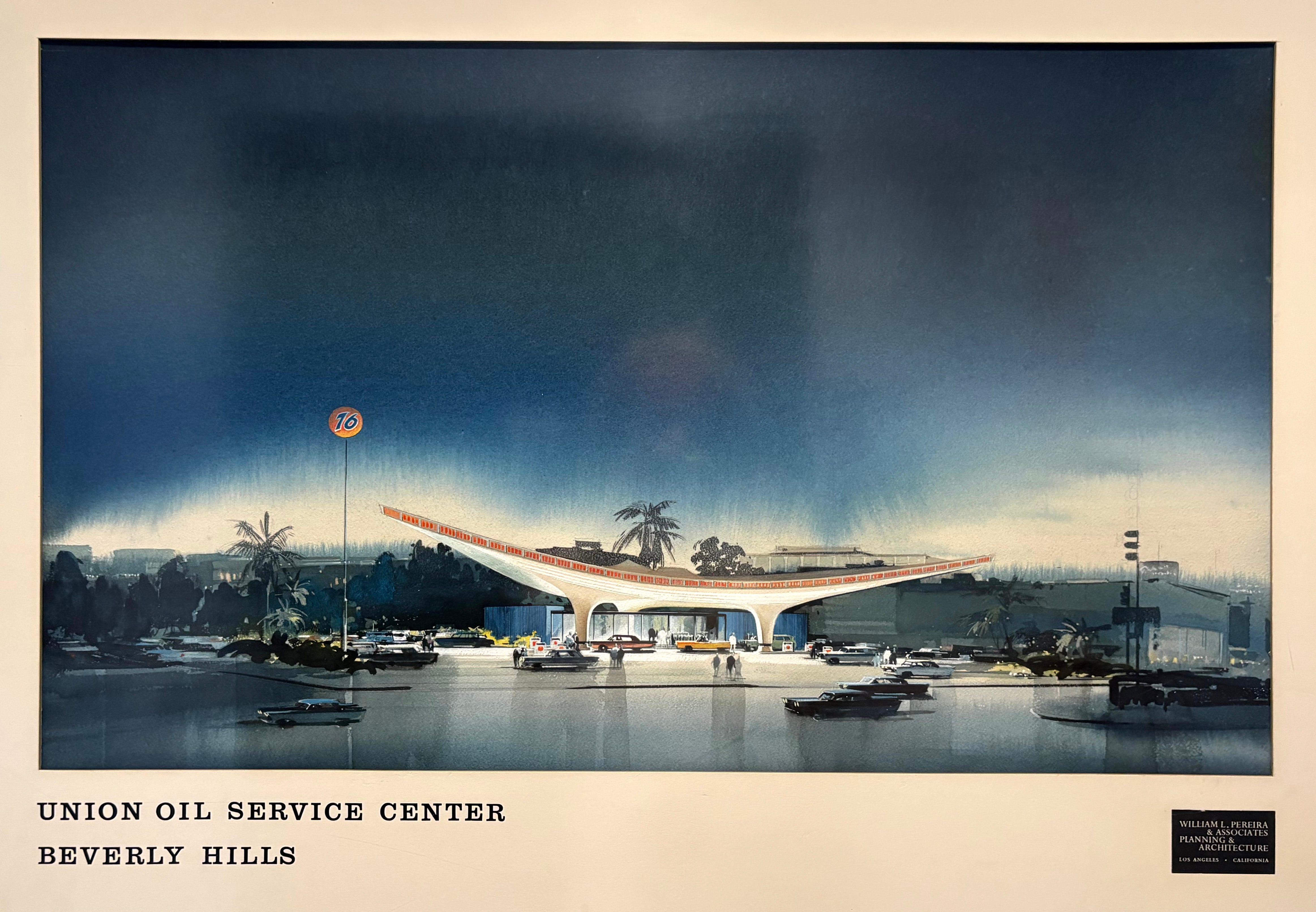
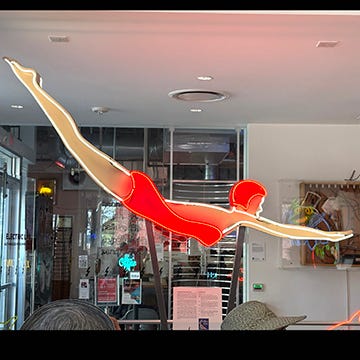
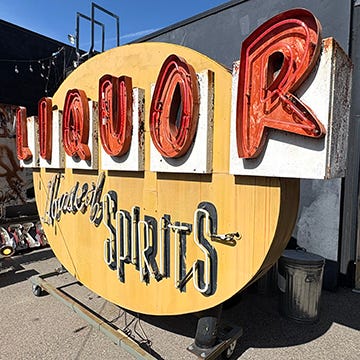
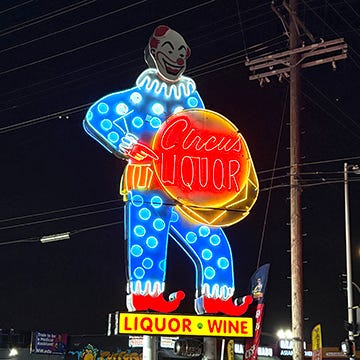
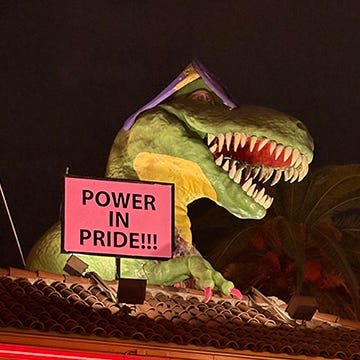
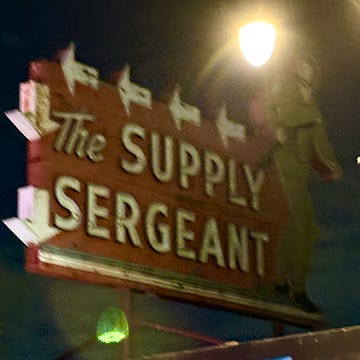
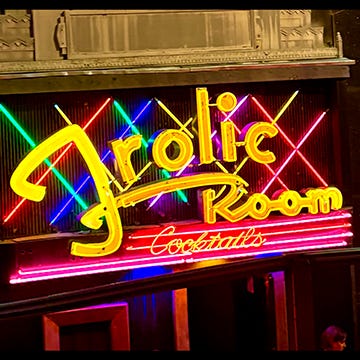
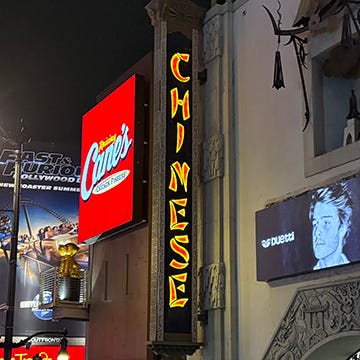
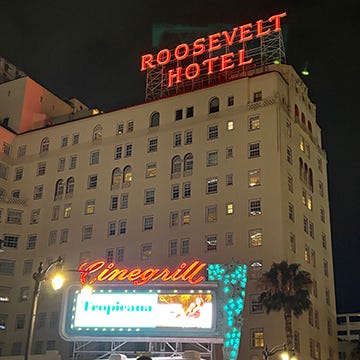
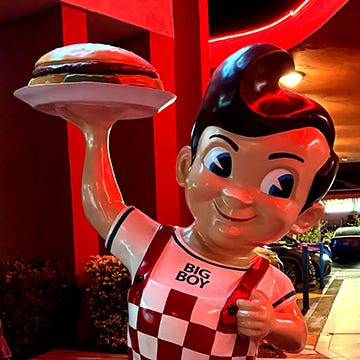
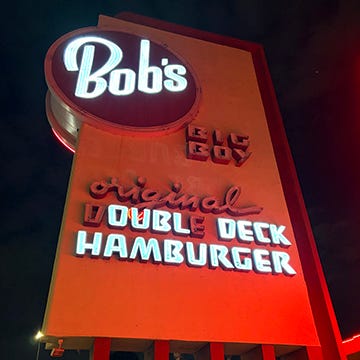
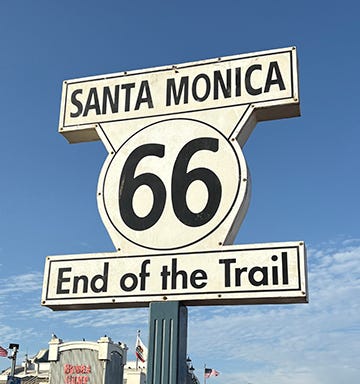
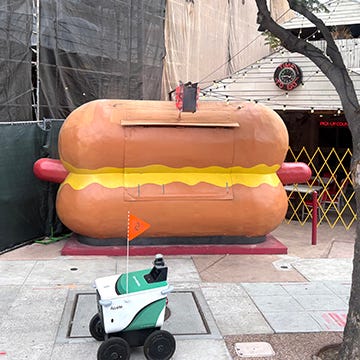
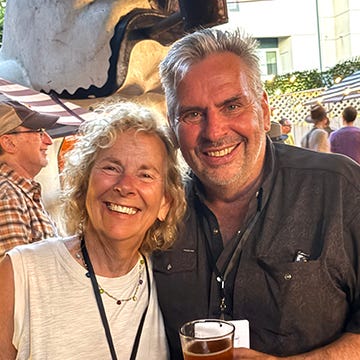
We could go on, but it’s so hard to describe all the juicy locations and share the enthusiasm of our tour guides and fellow attendees. The historical background and depth of knowledge they shared was truly mind-boggling. Instead let’s have a look at some of the other sights that caught Mary Anne’s eye, and the moments that may soon find their way into future paintings.
Comments
Nothing yet. Say the first thing.
Sign in to join the conversation.