
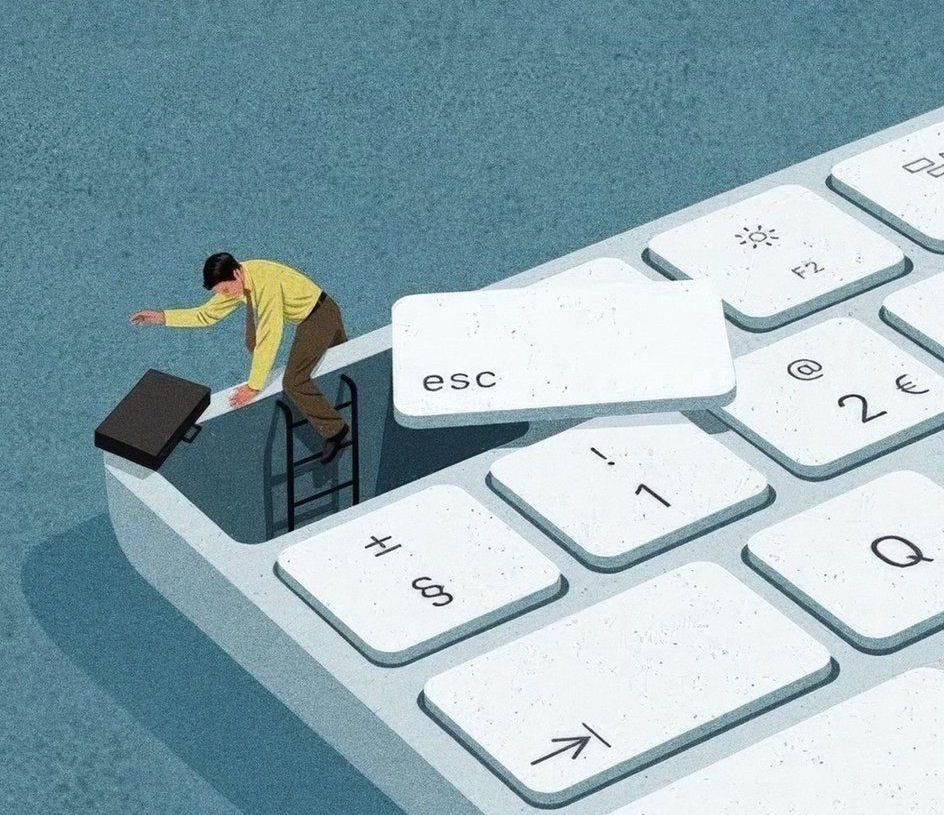
This is issue #69 of Taskflow Tuesday, where I share 3 things that can help you to get digitally organized so that you can spend more time on what truly matters.
In my last post I talked about the 30 Day Digital Detox from Cal Newport, and last month I conducted the detox and shared how you can too!
Today I will share my experience, what I learned during my detox, and my plan for using technology moving forward.
This challenge was enlightening, very boring, and life-giving.
With zero optional screen time, I was left with lots of empty space in my day that turned quickly into boredom. Little pockets of time in between tasks and appointments that I usually fill with scrolling left me standing in my living room, not sure what to do.
Eventually, that boredom turned into creativity, and I was finding new ways to spend my time that were much healthier and more human.
Doing this in January was perfect. Everything feels slower. We hunkered down for a quick winter reset after the busyness of the holiday season.
We stayed home a lot, played boardgames, had dinner at the table, planned our year at our neighborhood coffee shop, I started a mini run club with a few friends, we took a trip to the beach, and when we returned we got snowed in for a week.
It was great.
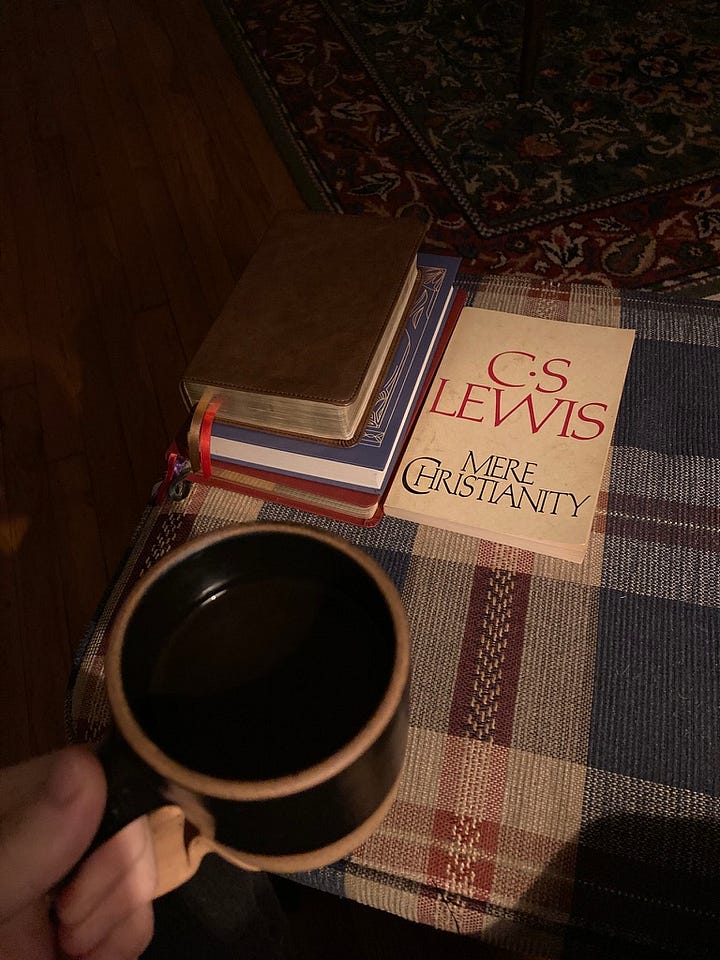

Here were a few outcomes from the challenge:
I ended up getting a lot of cleaning and reading done.
I spend more quality time with people and was more present in those moments.
My dopamine baseline lowered a lot so analog hobbies were more entertaining than before.
I had more mental bandwidth and clarity because it had less noisy inputs and distractions that split my attention.
I had deep work sessions where I got so much more done in an hour or two compared to when I would split my attention with distractions.
I felt more at peace by staying off of Instagram and news feeds where divisive headlines and expertly crafted marketing copy prey on my stress response, wallet, and attention.
The detox was very illuminating.
30 days with zero optional tech is pretty hard core with how integrated our lives have become with technology.
Our lives are more digital than real now, and I am convinced by the likes of Newport, Tolkien, Berry, Swanson, Kingsnorth, and so many others, that this is not good.
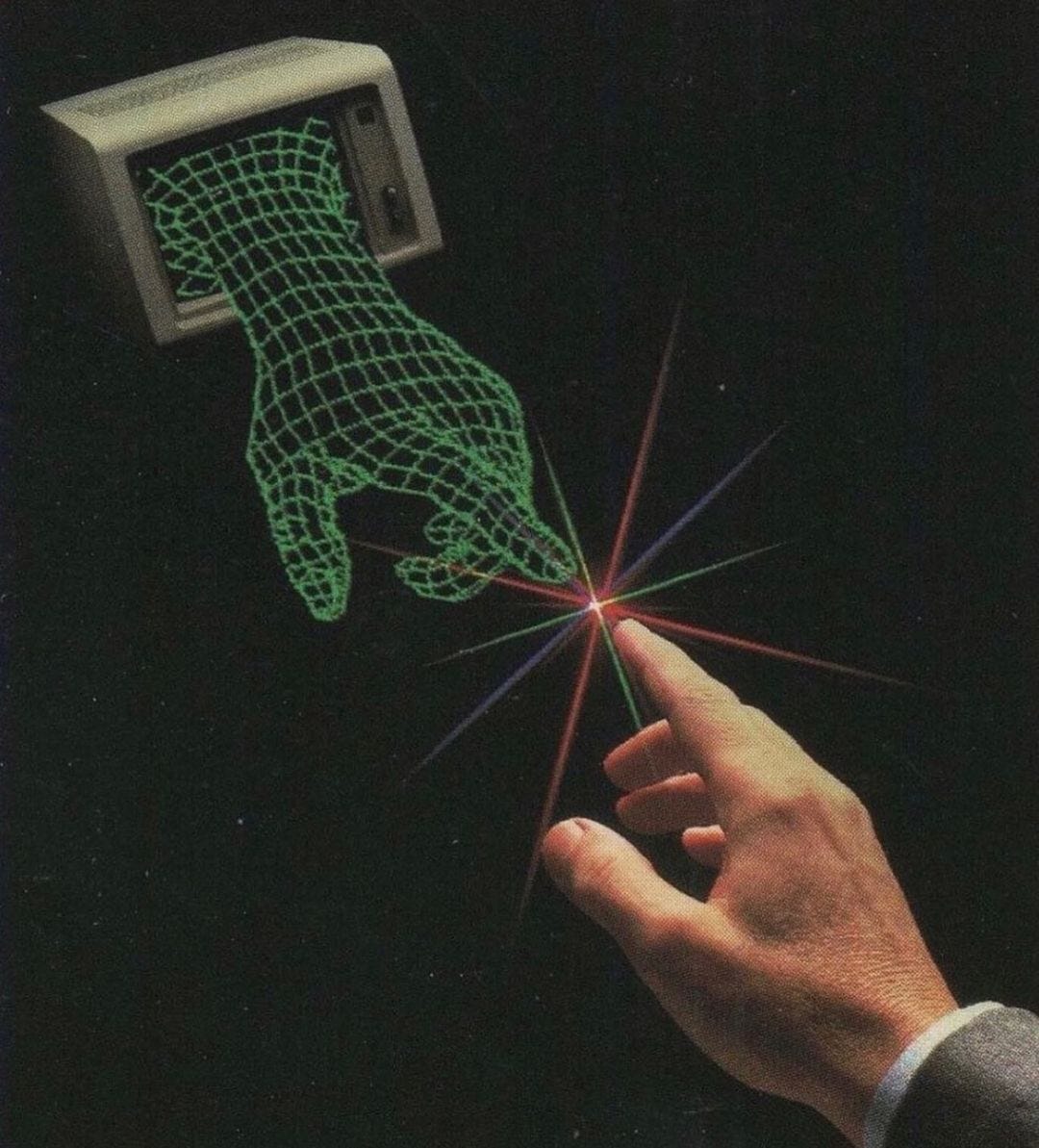
The fact that we are passively becoming cyborgs should shake you a bit, and lead you to evaluate your relationship with technology and how you use it — it definitely did that for me.
As you might guess from my experience, my biggest takeaway was how powerful our attention is, and how we are formed by what we give our attention to.
We all know this intuitively, but it’s a different story when you cut out a large section of the pie that you give you attention to, and you experience that reality.
You can only really feel the pull things have on you when you resist them.
When you test things like that in your life, you learn a lot about yourself, your actual priorities, and your actual habits.
I realized I had made a habit of browsing YouTube whenever there was any downtime during work — or I would have a video on in the background which split my attention and slowed me down.
Obviously, I do better work when I have more mental bandwidth to work with. Once I start introducing multiple inputs my work slows down and I feel distracted with other things and eventually I just get overwhelmed. Scrolling on reels can introduce a multitude of different inputs in no time, so no wonder we all feel so scattered.
Takeaways:
What I give my attention to directly impacts who I am becoming.
Less inputs = more bandwidth for good things.
I can relax and unwind through higher quality activities than scrolling.
My work is better when it is focused and uninterrupted.
My relationships are richer when I am more present.
With this experience and these takeaways, I built an Intentional Tech Plan to move forward with.
As the challenge ended I knew I couldn’t go back to the way things were. I needed to setup some boundaries and make a plan to use technology as a tool — not just be a passive consumer.
This is a key part of the Taskflow philosophy. Design your systems around what matters most.
Here’s the plan I’m moving forward with:
📱 1. Phones are for utility, not entertainment.
I use a Light Phone as my daily driver.
But I still own my old iPhone for the gym, music, finances, and a few other necessary apps.
The iPhone lives in a drawer
It only comes out for specific tasks
When I’m done, it goes back
🌤 2. Weekly Digital Sabbath
Sundays are low-tech.
No social feeds
No scrolling
Essential communication only
One day a week to reset my dopamine baseline and remind myself that I can live just fine without constant inputs.
🌅 3. Protect the Morning and Evening
Phone stays outside the bedroom
No screen before my morning routine
The first and last hour of the day shapes everything else.
💻 4. Deep Work
Cold Turkey blocks during work hours
No YouTube
Email and messages checked in scheduled blocks
InboxWhenReady hides incoming messages
Less inputs = more bandwidth and focus.
📺 5. Limited TV
We also set a boundary on 2 nights max of TV during the week.
We don’t like how we feel after watching TV every night, so we have a list of potential things to do instead:
Board games
Reading
Evening walks
Planning the week
House projects
Calling a friend
Reading some more
I hope you can take away something from hearing about my experience!
I encourage you to try 1 or 2 new habits or limits around tech. Let me know if you end up trying the 30 Day Detox for yourself.
That’s all for now! Have a great day. 👊🏼
David
😁 Enjoying the newsletter? Have a friend who would appreciate it as well? Click the button below and help me grow the Taskflow Tuesday community!
👋 When you’re ready, here are 2 ways I can help you:
⚡️ My Course: The Taskflow Blueprint
A 4-week self paced reset to help you clean up digital clutter, build better habits, and create a productivity system that actually works for your real life.
🤝 Learn about my 1:1 business consulting program
Get hands-on help implementing simple, sustainable systems for your tasks, tools, calendar, and routines - so your business runs smoother and you feel in control again.
Comments
Nothing yet. Say the first thing.
Sign in to join the conversation.