
Video courtesy Amé Simard. Photos courtesy Danielle Campani.
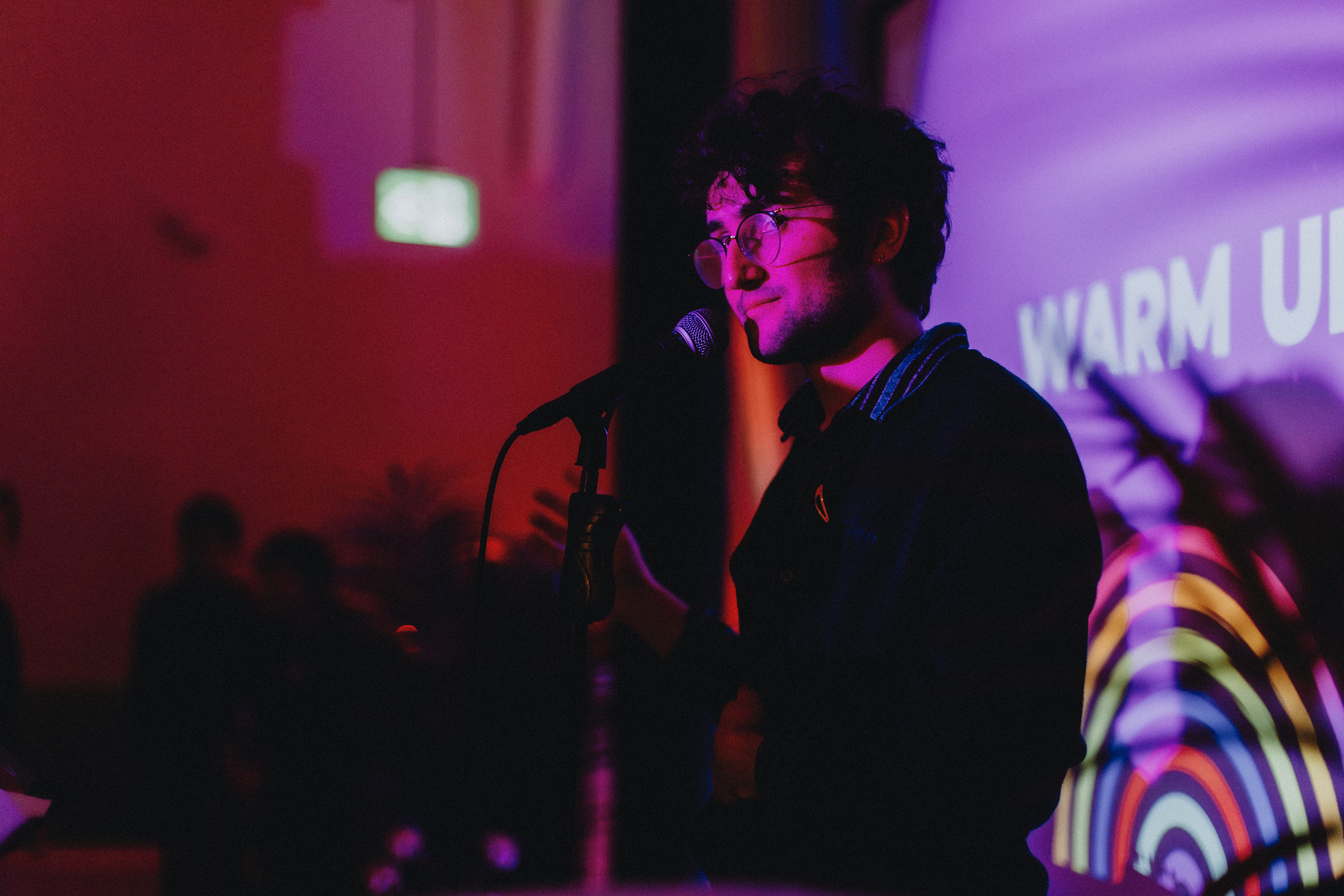
We met expectations for attendance with over 60 attendees.
We co-hosted this event with Ocean Wise and the Vancouver Opera, continuing our partnerships across climate, arts, and culture. Thank you to our partners for making this event possible!!
We now have attendees who have attended multiple events in the series. This validates our approach, event format, and partnerships, while continuing to bring in new people from outside the climate conversation.
We’re proud of our people-first approach that we’ve implemented throughout this event series, whether that’s co-creation with our guest artists or sharing a meal before the event.
We learned from our past events and gave ourselves extended timelines for granting, partnership development, and contracting, and will continue to improve in these areas.
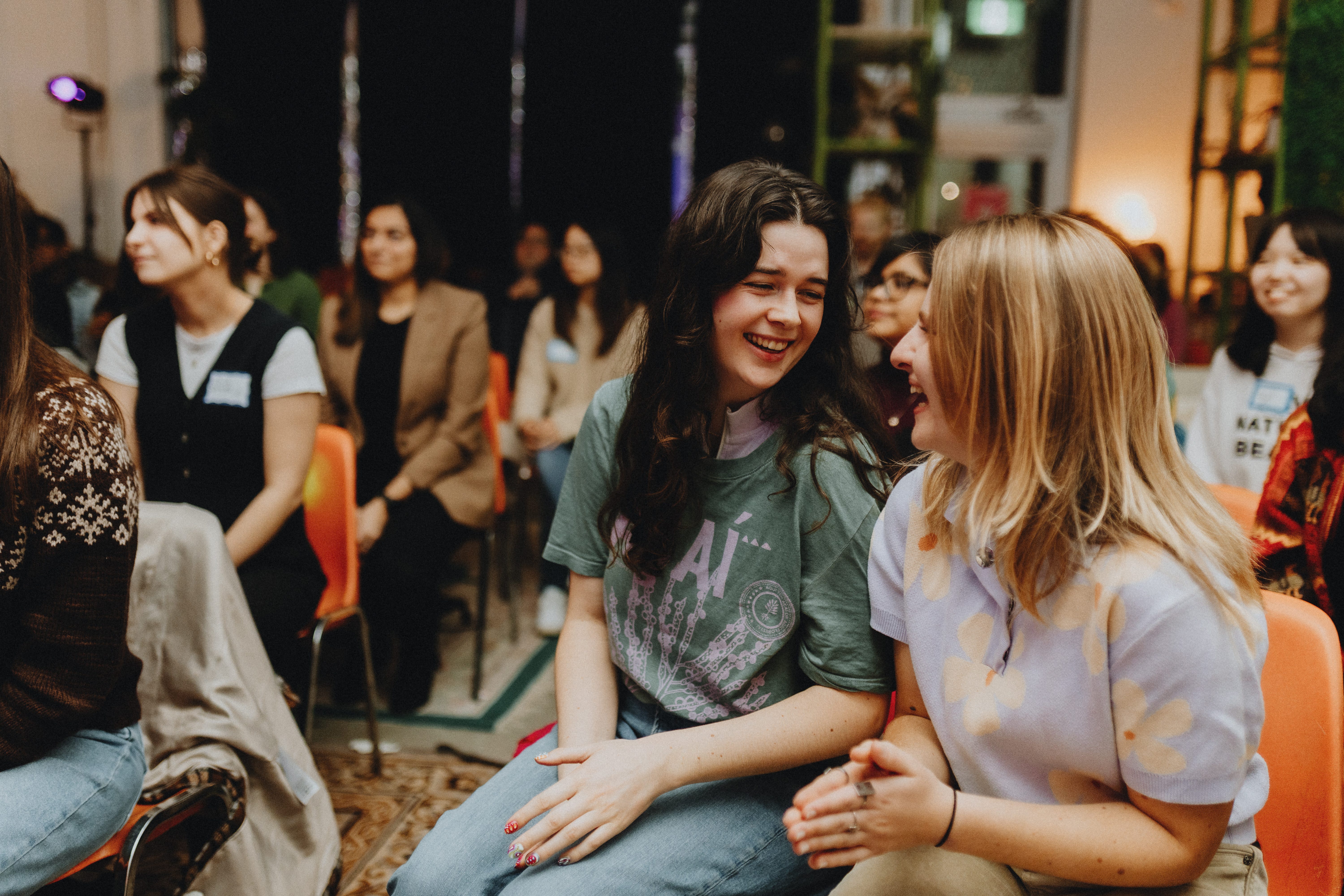
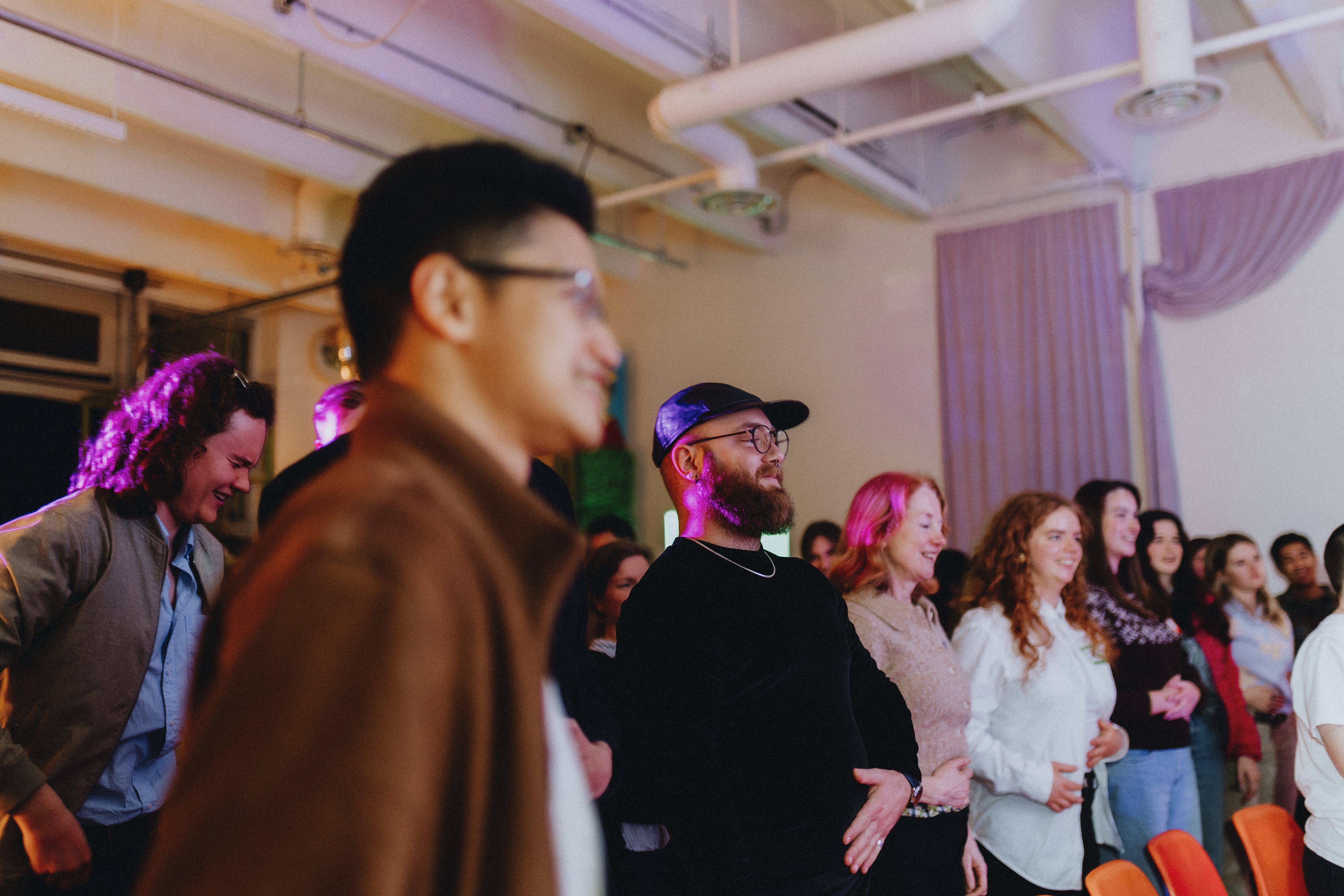
On February 26th 2025, sword fern collective hosted The Art of Change - Chapter 3: Voices at Chill x Studio. We built on the success of our past Art of Change events to have a participation-first choir night that stoked climate joy.
The event opened with stories and song from Amanda Kenoras from the xʷməθkʷəy̓əm First Nation. The event featured tenor Asitha Tenekoon, accompanied by pianist Simone Ren, who shared both songs and words about his relationship with community and climate. The climate choir was facilitated by Danny Najjar and accompanied by Madeline Elkins, who reminded everyone that moments of joy are why we continue to fight for a fair and just climate future.
We envisioned a community event that used a choir as an allegory for climate action. Both singing and climate action feel daunting when done in isolation, but both are stronger and easier when done in a collective.
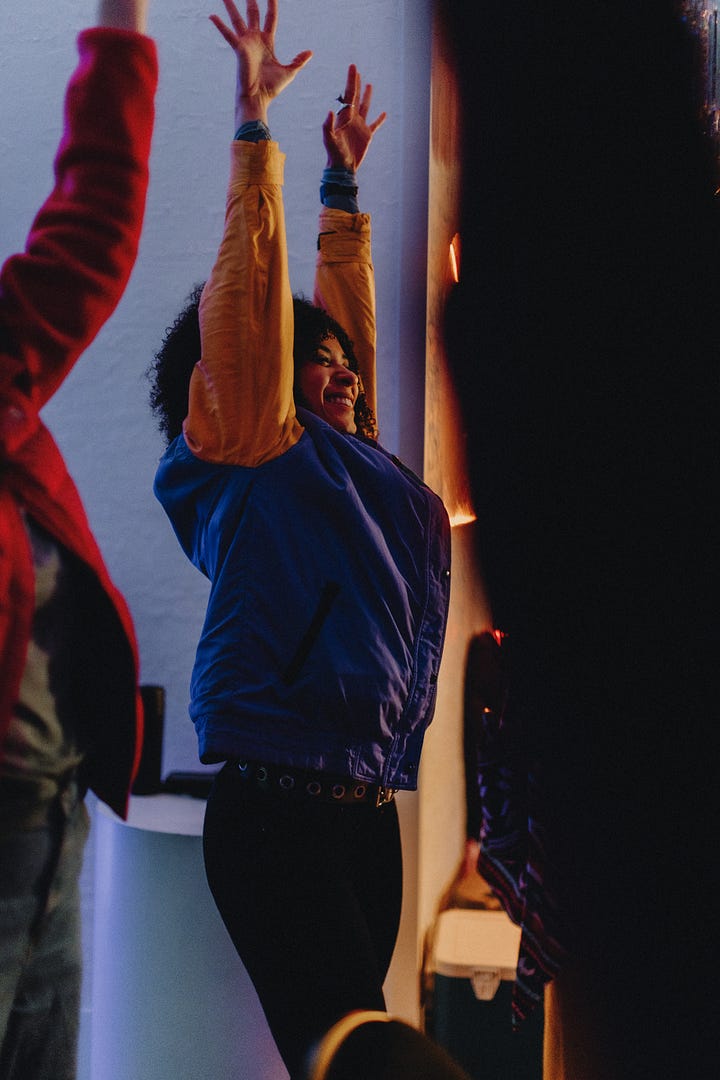
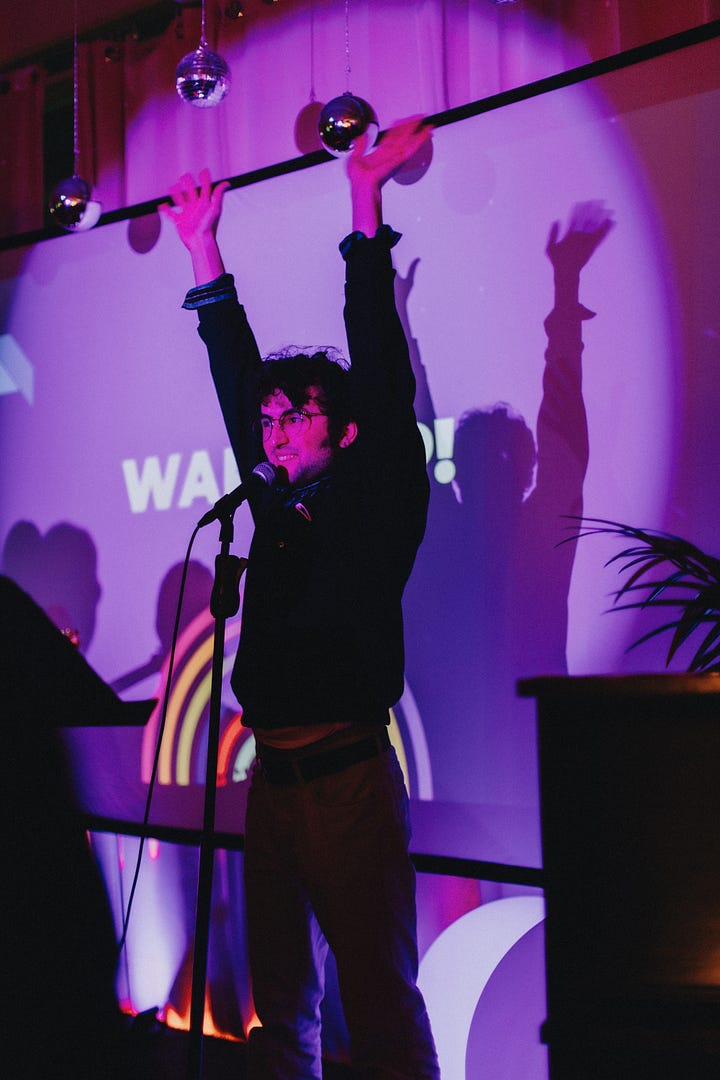
Validation of Our Format. One of our key learnings is that our Art of Change event model is effective. Despite initial uncertainty about how the participatory format would be received, the combination of artist presentations and interactive audience components has been effective.
Embracing Participation. We’ve gradually increased participatory elements over the series. In Voices, nearly half the event time was interactive. The response was overwhelmingly positive as attendees appreciated the opportunity to engage, connect, and experiment. This confirms our intention to continue prioritizing interactive formats.
Constraints on Decolonial Work. We faced challenges in building meaningful decolonial relationships, particularly under short timelines driven by external funding cycles. Deep, relational work needs spacious timelines that many microgrants do not currently allow.
Funding Fragility. While microgrants enabled this series, they are not a sustainable model. Reliance on short-term funding creates uncertainty and limits long-term planning. We aim to pursue more stable funding to support ongoing programming and relationship-building.
Importance of Longer Timelines. We observed that longer project timelines significantly improved both the quality of the work and our capacity, especially when co-creating with community partners. More generous timelines allowed for deeper engagement, more thoughtful design, and stronger outcomes.
Strengthening Narrative Cohesion. A question that came up for us was how to make the throughline between Art of Change events clearer, both in relation to each other and to our climate justice and emotional resilience goals. Strengthening this narrative will be a focus for future programming.
Budgeting and Logistics. We encountered confusion around remaining budgets during the project, which impacted planning. As a result, we’ve revised our budgeting and logistical systems to improve clarity and coordination going forward.
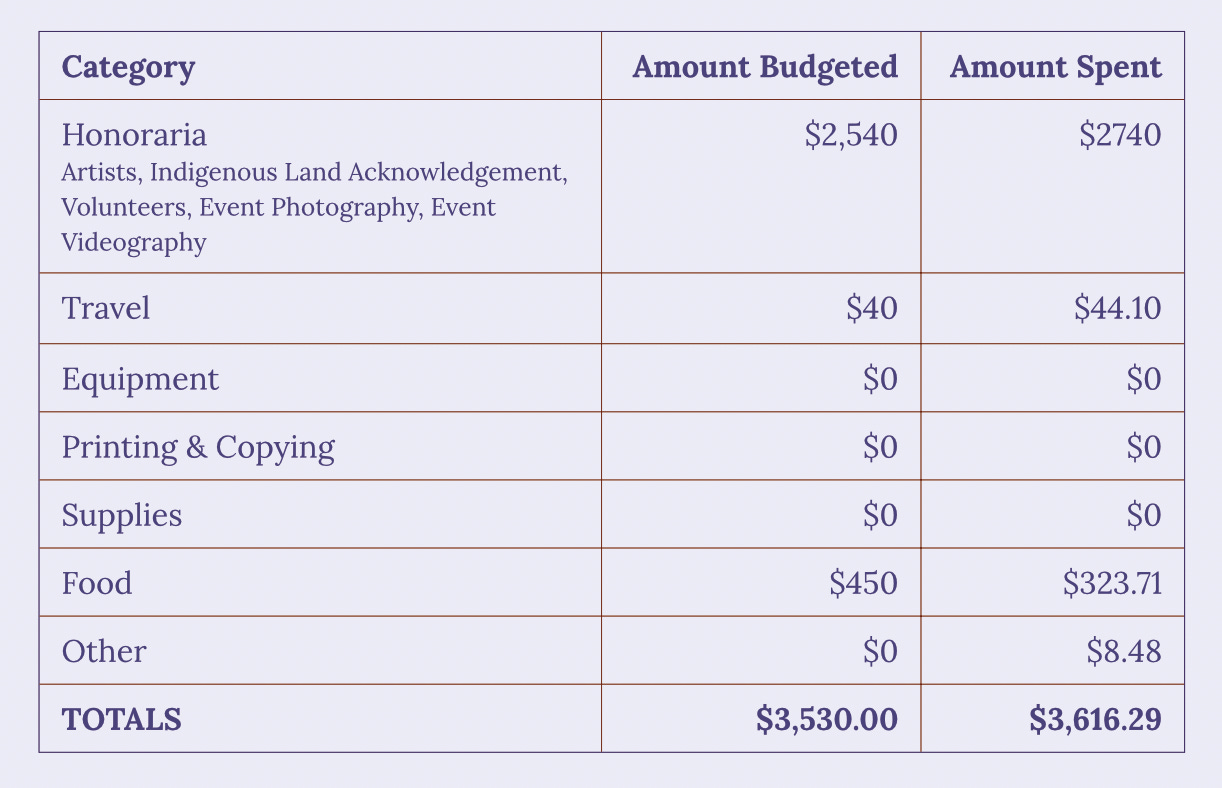
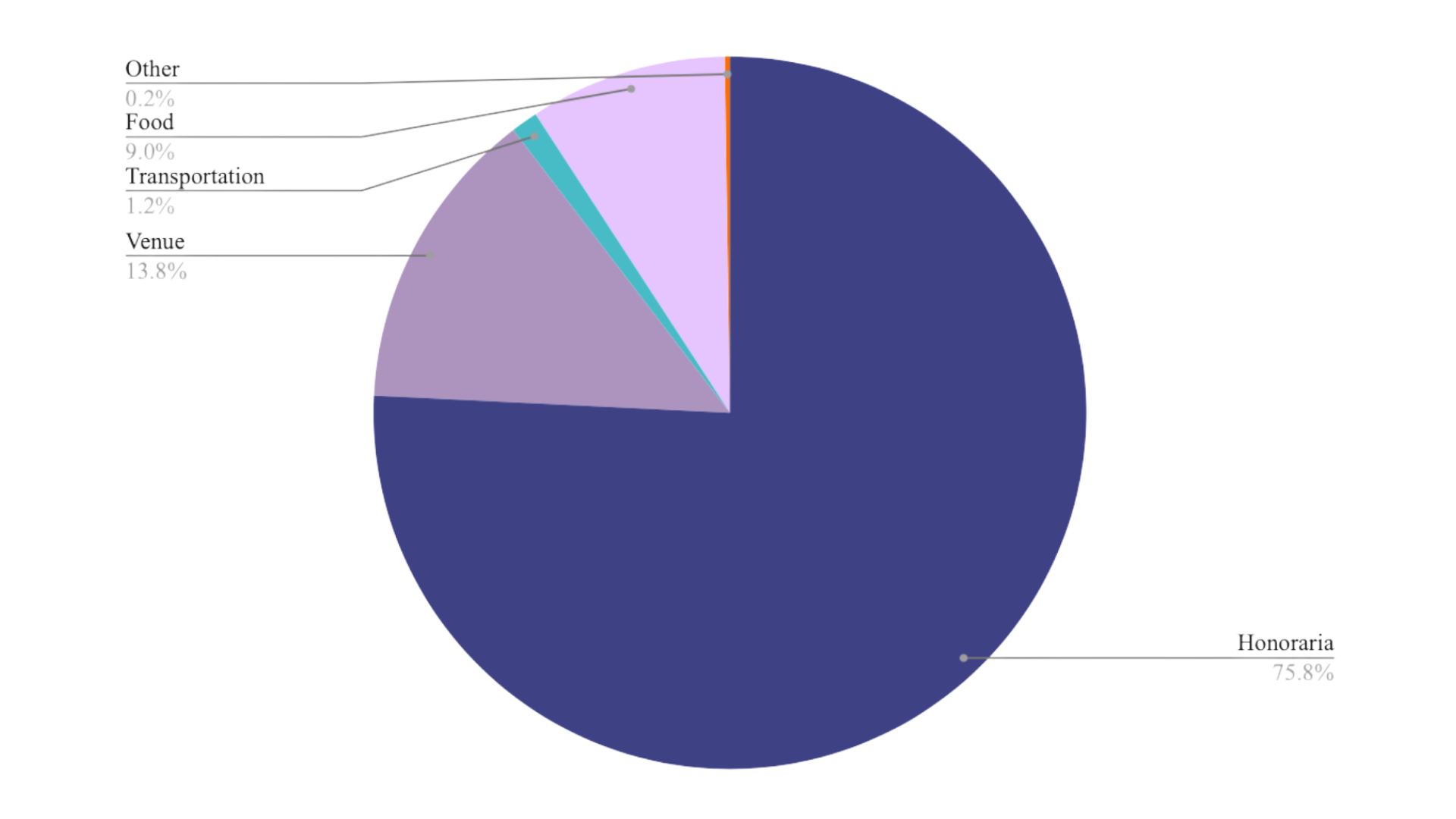
We received in total $3,500 with contributions from Ocean Wise Accelerator and Vancouver Opera (thank you!!). The remainder was paid out of pocket. With the support from the Vancouver Opera, we were able to support our guest artists Asitha Tennekoon, Simone Ren, and Danny Najjar.
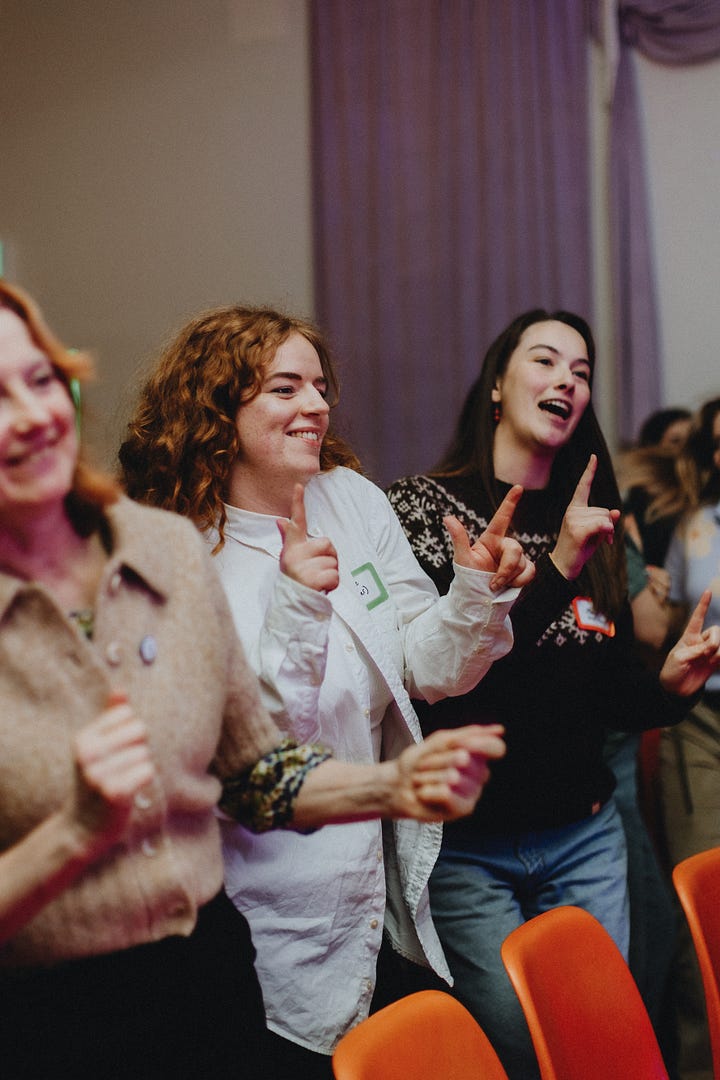
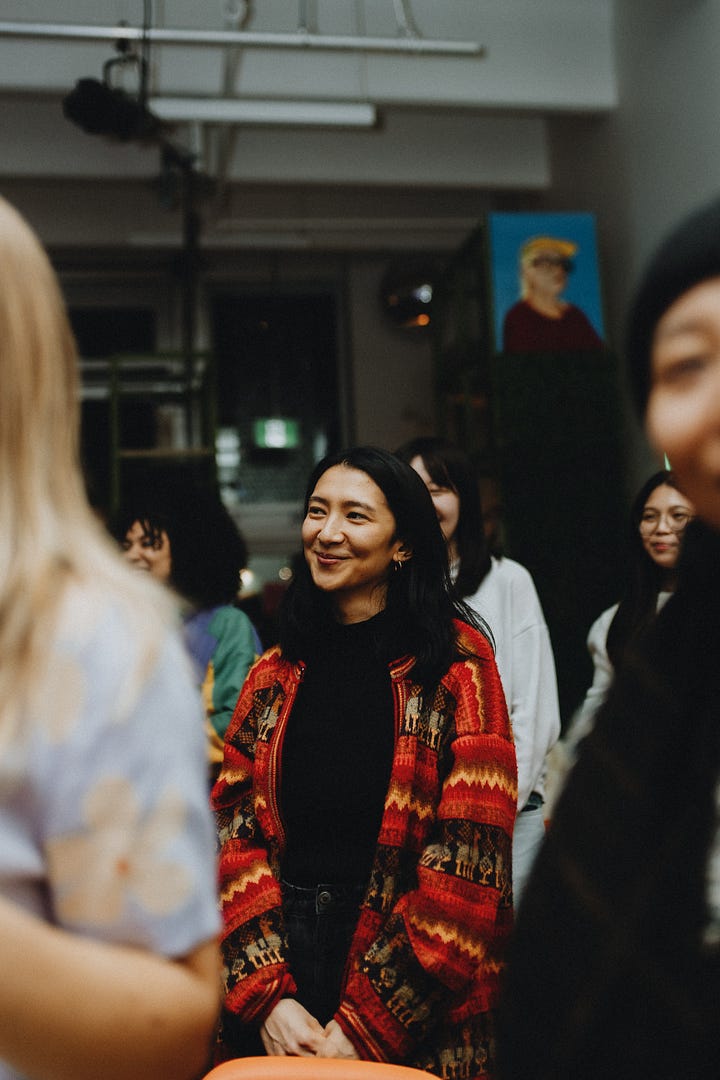
“Climate activism is heavy work but there is space for joy and celebration as well!”
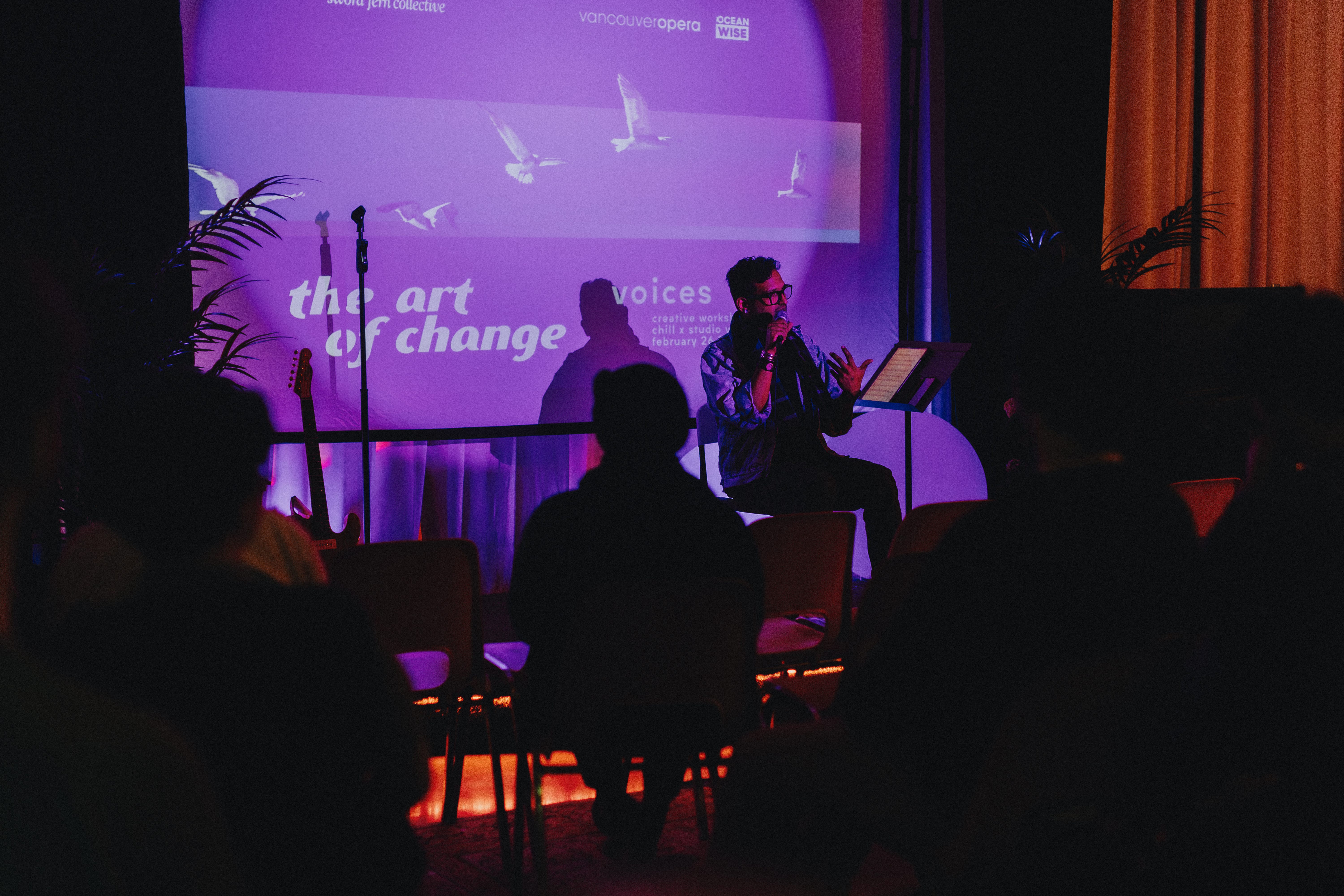
The Art of Change is a project created by three youth: Erica Binder, Paige Hunter, and Victor Yin. The series is built on the theory that the arts can tap into our emotional selves and spark motivation for climate and collective action.
Chapter 1: Sounds, which happened at Heritage Hall Vancouver on February 27th, 2024, was imagined as the first of several community events with the goal of bringing people together and building capacity for change. Chapter 2: Words, on June 27, 2024, used the power of poetry to connect with the emotional and the spiritual, and Chapter 3: Voices embraced choral singing as a tool for collective climate joy.
The Art of Change aims to bridge the emotional gap in climate action and discourse. Our theory of change is that collective action starts with emotional literacy and care for others—only when we have a baseline of our own selves, boundaries, empathy, and compassion are we able to apply those principles to our larger community.
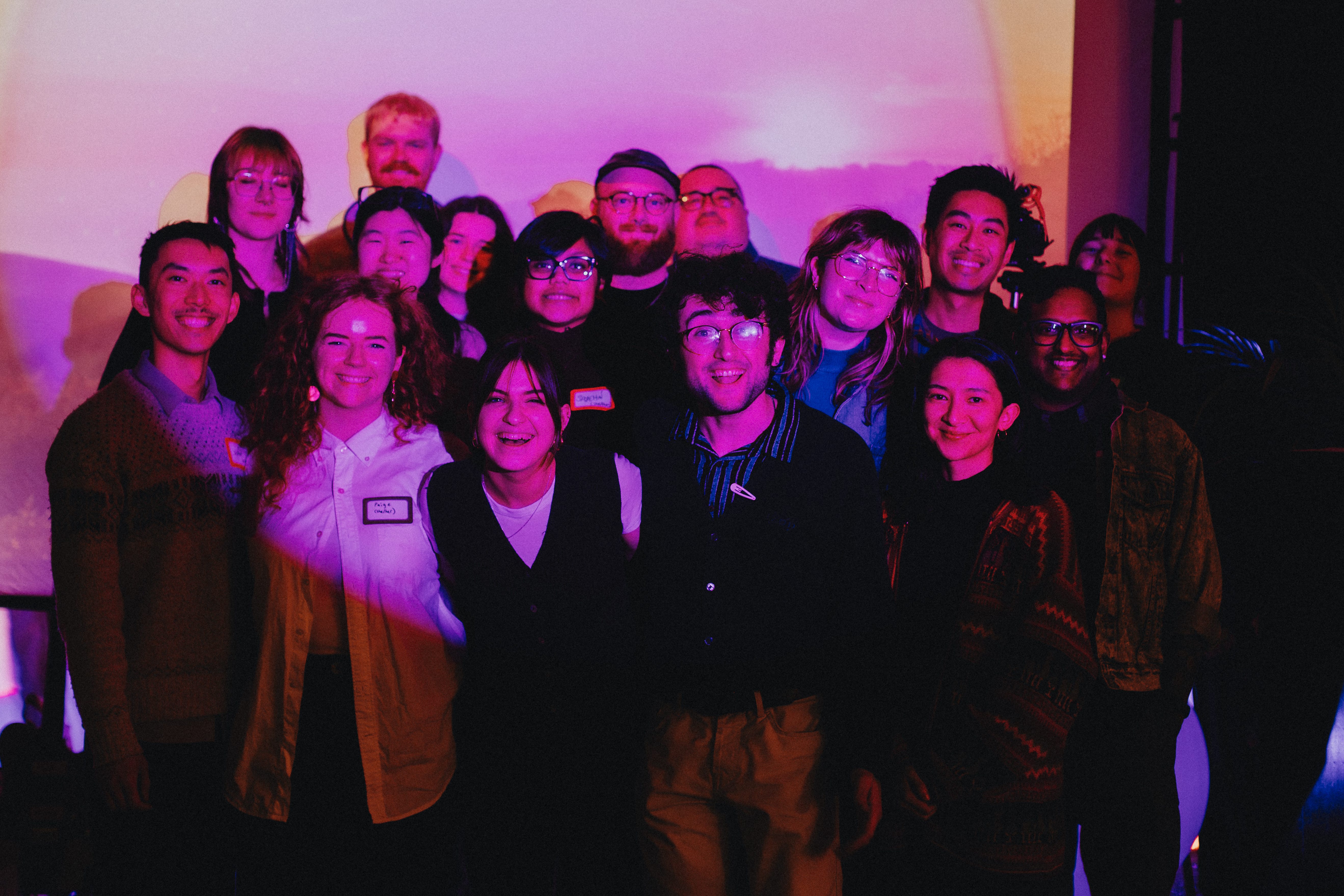
We would like to humbly thank the following incredible people, whose success of the event would only be possible thanks to their support and involvement:
Asitha Tenekoon and Simone Ren
Danny Najjar and Madeline Elkins
Danielle Campani - Photography
Amé Simard - Videography
Chill X Studios and Team
Ashley Daniel Foot
Amanda Kenoras
Our amazing team of volunteers: Sayemin, Dasha, Noel, Mackenzie, Mary, Owen, Geo, Estelle
Comments
Nothing yet. Say the first thing.
Sign in to join the conversation.