
Being alive means inevitably encountering and overcoming challenges. Whether in our daily lives like spilling our coffee or running late, to the major hurdles like losing a job or going through a breakup, setbacks are a part of being human.
Resiliency is the ability to bounce back from these setbacks: how we adapt, change, and persevere through difficult events. Everyone is resilient and has resiliency in different ways. But resiliency is also an active skill that we can learn and strengthen, which can help us in all areas of our lives. It’s something that we can apply in our relationships, in conflict resolution, and even in building habits.
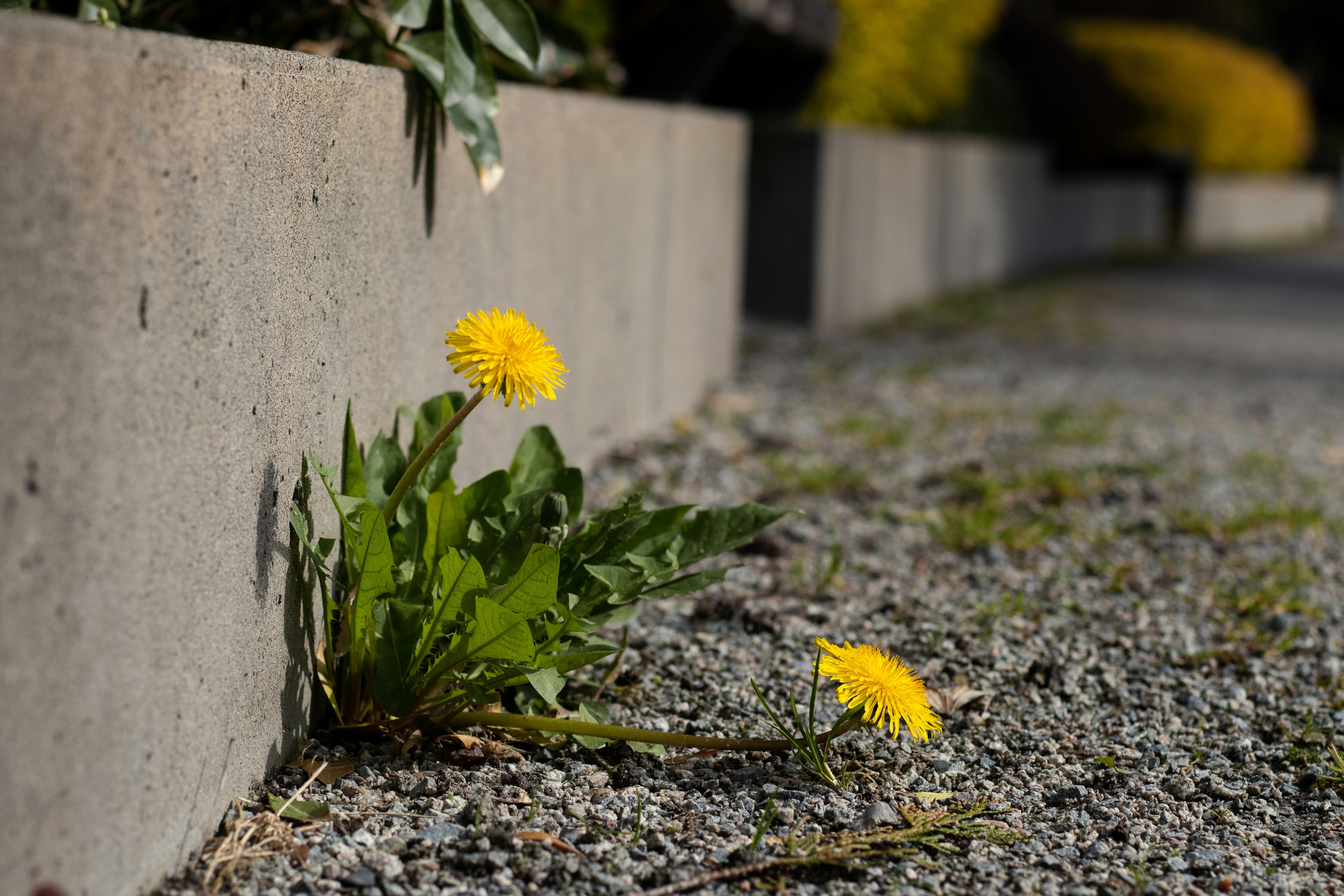
Being able to have a tough conversation at work requires resiliency. So does sticking to a diet or a fitness plan. Getting into a fight with your partner also requires resiliency. Resiliency is how we respond when things don’t go as planned.
Some people might think that resiliency is about gritting your teeth and pushing through difficult circumstances without complaining. But building resiliency doesn’t mean ignoring systemic challenges or tolerating harmful situations. In fact, true resiliency requires us to recognize a difficult situation, what is within and outside of our control, and then use our internal and external resources to adapt or change.
The 3 P’s is a framework developed by psychologist Martin Seligman on resiliency1. Seligman found that there are 3 elements that get in the way of resiliency when people face a setback: Personalization, Permanence, and Pervasiveness.
Personalization
Personalization is when we perceive a setback to be deeply personal, instead of circumstantial. Setbacks feels like a personal attack or a personal failing. When we personalize with our setbacks, we are enmeshed with our challenges and we cannot separate ourselves from them. The opposite is that we take our setbacks impersonally.
Permanence
Permanence is when we believe our setbacks will last forever. There is a sense that the setback will continue to exist without end. We cannot see how things will change or get better, rather we are stuck in it. On the flip side, we see our setbacks as temporary.
Pervasiveness
Finally, pervasiveness is when we believe our setbacks will impact every aspect of our lives. Our setback changes everything about our way of life and our identity. We exaggerate the impact of the setback. The opposite is that we see our setbacks as specific and isolated.

I find that these elements often go with other behaviours like hopelessness, learned helplessness, self-abandonment, and perfectionism. As someone who has grappled with all of these, using the 3 P’s framework helps me notice when I’m caught in a mental spiral.
Now, let’s look at some examples for each element of resiliency, and how we can reframe them into being more resilient.
In this example, let’s say I made a mistake at work by forgetting to send an important invoice:
Personalization
Personal: I can’t believe I forgot the send the invoice. How could I have missed it? I’m a failure and it’s all my fault.
Impersonal: I forgot to the send the invoice, but everyone makes mistakes sometimes.
Permanence
Permanent: The client and my boss are never going to forget this. People are going to remember this forever and I’m never going to get a raise or promotion again. My professional reputation is ruined.
Temporary: This happened just once and people will forget about this in a week.
Pervasiveness
Pervasive: I’m so incompetent, I can’t do anything correctly. No wonder my girlfriend broke up with me.
Specific: Usually I’m really on top of my emails, and I’m really good at my job otherwise, so this was an anomaly.
By noticing when we’re having thoughts or reactions that are personal, permanent, or pervasive, we can shift our thinking into one that is more grounded in reality, kind to ourselves, and self-compassionate. We do not need to beat ourselves up for being human.
Typically, the 3 P’s, like most psychological tools, has only been applied in individual contexts. But we can actually apply this framework to larger, shared challenges. When a problem affects all of us, we also need to start thinking about collective resiliency.
Let’s take climate issues as an example of a shared challenge. Here are some common thoughts that people have - and what a more resilient lens might look like:
Personalization
Personal: I’m not doing enough to tackle the climate crisis. I need to solve this. I need to do better and recycle more/drive electric. I’m a bad person and I feel guilty for living like this/experiencing joy while so many people are suffering and losing their homes.
Impersonal: There are bigger systems of power at play that have been going on for longer than I have been alive, and we need to focus on what we can do now. I am not alone—there are so many people in my community and around the world that are doing their part, and I can play my part as well.
Permanence
Permanent: We are never going to get out of this. We will never reach our climate targets and commitments. The consequences of the climate crisis are inevitable. The situation is hopeless.
Temporary: This is a challenge for our current society right now in this moment, but I believe change is possible. A better future is within reach.
Pervasiveness
Pervasive: Everything in our society is bad and humans ruin everything. The systems and people in power that have gotten us here have made everything terrible. Climate change is destabilizing the economy, causing global conflict, and things are just going to get worse from now.
Specific: We’re feeling the effects of climate change, but there are still so many moments of joy, community, and resistance in my life and these cannot be taken away from me. I’m grateful to have a roof over my head, clean clothes, a family, and food to eat.
People that have more resilient thinking are better positioned to get clearer on the larger context, take action, and work with others. If we fall into non-resilient thinking, we quickly exhaust ourselves and give up.
Resiliency is something we can actively practice and learn.
The next time you notice that you’re beating yourself up about a setback, feeling stuck about a situation, or feel like everything in your life is being affected, try going through the 3 P’s to see if you’re falling into any of these cognitive traps:
Am I taking this situation personally?
Do I feel like this situation is permanent and will never change?
Do I feel like this situation is pervasive and affecting every part of my life?
If you answer yes, try gently reframing your thoughts to be impersonal, temporary, and specific, and see if that helps.
Practicing using the 3 P’s can be a great way to practice self-compassion. But don’t be hard on yourself if you aren’t great at it at first. Building emotional skills takes time and practice. Oftentimes we think we need to be hard on ourselves when we fall short, or we won’t learn, but this simply isn’t true. We already know what we need to do and there’s no need to self-inflict additional suffering. The 3 P’s is a great tool to help remind us that the problems that seem like boulders in front of us, might actually just be some pebbles once they’re behind us.

At sword fern collective we believe that emotional skills like these are fundamental to building communities where people can handle hard things courageously. If we want to work together on big challenges, we need to slowly shift our culture toward greater emotional awareness.
Imagine living in a world where the people at home, at work, and in your neighbourhood were more resilient to setbacks. Imagine a workplace where your boss or colleagues are able to handle conflict impersonally, specifically, and temporarily - instead of blowing things out of proportion or feeling personally attacked. How much better equipped do you think we would be when it comes to working together to address shared problems?
This is possible and achievable without any technology or money - and it starts with each of us.
Start practicing resilient thinking when you encounter the little setbacks in your day-to-day, and you might just feel a bit more prepared for the big ones.
Seligman, M. E. P. (1990). Learned optimism: How to change your mind and your life. Nicholas Brealey Publishing.
No posts
Comments
Nothing yet. Say the first thing.
Sign in to join the conversation.