
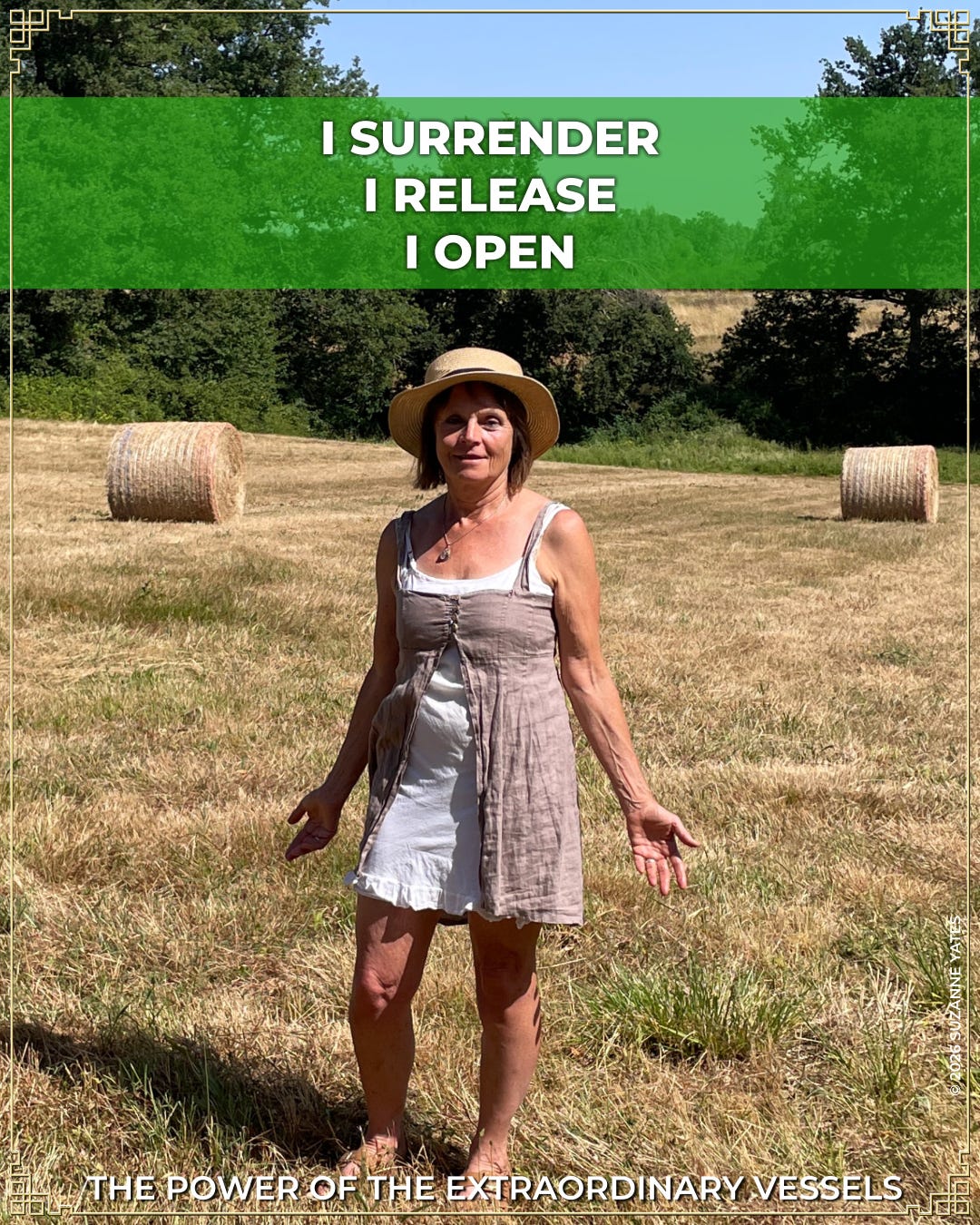
Sadly no. Not in today’s world. In many parts of the world more women give birth by Caesarean than naturally and this trend is increasing (Naghavi 2025). Some women need to give birth this way, but we need to question why so many do. Birth is a process of surrender and release. Let’s find ways to allow this to happen naturally where possible.
Do we really need this amount of intervention? Is it improving outcomes? In many ways, no. In high-income countries, where birth has become almost entirely medicalised, maternal mortality has not continued to fall. In some countries, including the United States, it is rising (Commonwealth Fund 2024) .
I see this trend as a sign of the increasing medicalisation of every aspect of life, accompanied by a disconnection from our body. My work is about helping people to be more connected with their bodies, so that they can support their natural processes first, and use modern medicine, in most situations, as a back-up rather than a first port of call.
Why should we aim to support physiological birth where possible? Because there are many benefits for both mother and baby. A mother recovers faster, has a lower risk of infection, reduced risk of haemorrhage, is more likely to breastfeed successfully and less likely to feel traumatised. A baby is exposed to beneficial bacteria which seed their microbiome and supports their immune development. Hormonal surges prepare their lungs to breathe and their future development is supported by the physical process of birth. The hormonal cascade of oxytocin, endorphins and adrenaline supports both mother and baby in bonding, breastfeeding and the transition to life outside the womb. Pereira et al. (2024).
Yes, many interventions are life-saving and necessary. Intervention has its place, but many women experience intervention who don’t need it. It’s important to recognise how intervention affects the natural process. We need to understand what women and babies miss out on, not to place blame, but so that we can support them both after birth in appropriate ways. This can include supporting a baby to experience movements and touch they may have missed out on as well as support their lungs and immune system naturally. A mother may need extra support and rest. After a Caesarean and her baby need more time to recover, not less.
I have posted on Instagram and You Tube a series of videos on positions for birth. This has been a core part of my work since 1990. I felt then that modern living in many ways did not sufficiently prepare women for birth: and it has got worse, rather than better. Birth is primarily an instinctive process: we can’t think our way through it. The women I worked with found these positions were some of the most valuable tools they could use during birth, whatever the process and outcome. Not only did these positions help with comfort, they also enabled them to be more in tune with their body and their baby during this powerful gateway of life. The positions were useful for their partners too! As well as being great for birth, they are also helpful in late pregnancy and, some of them, postnatally.
Now, 36 years later, I think these positions are even more relevant. Not only for birth, but the rest of a woman’s, and her partner’s, and baby’s life. I still use them all in some version in my post menopause.
They include many positions that our ancestors would use in daily life which many people today don’t use at all: like squatting for eating, resting and eliminating. All fours is often included in yoga classes, but, unless you do shiatsu or another therapy on the floor, or clean your floors this way, it’s also not a position most women use. Even standing up, unless you have a standing desk, walk a lot or do sport, is not as much part of daily life as it used to be. For many, the gym has become the place to connect with their body, but gyms are busy places not offering much time for tuning in.
In this time of crisis in the maternity services world-wide for mother and baby, especially in the UK, it is important to choose carefully who will be your care provider and where you want to give birth. Where do you feel most comfortable tuning into your body? Who do you feel most comfortable with? Did you know that the WHO calls midwifery-led care one of the most important solutions for safer birth worldwide and is calling for nearly a million more midwives (WHO). Midwives are trained to support natural birth and are more likely to support you to tune and use your referred positions.
However much we prepare ourselves, it is important to recognise that we can not control birth. It’s one of life’s most profound thresholds, or, as I call them, “turning points”. We prepare for a journey of unknown length with no landmarks. Birth is one of the biggest unknowns either you or your baby will ever experience. It’s important not to be attached to a particular outcome because then you might feel you have failed in some way. That is not helpful for either you or you baby as you adapt to your new life with your baby. It’s important to make peace with your birth experience. You and your baby experienced the birth you had as part of our life journey. Whatever happens there is always transformation and always a need to process and heal. Healing is best done as soon as possible after birth for both mother and baby. I am always amazed at the capacity of babies to integrate challenging birth processes, both physically and emotionally.
Birth preparation is life preparation. Embrace the journey. Whatever happens.
If you like my approach, you might want to watch more of my videos on my YouTube channel. My work is about supporting all cycles of life: from birth to death. Birth is the foundation and is where I first developed my work with the powerful and less known channels of Traditional Chinese Medicine: the Extraordinary Vessels.
Naghavi M et al. (2025). Global, Regional, and National Trends in Maternal Mortality Ratio Across 37 High Income Countries From 1990 to 2021. Journal of Korean Medical Science, 40, e85.
Commonwealth Fund. (2024). Insights into the US Maternal Mortality Crisis: An International Comparison. New York
The WHO 2024 Global Position Paper — your most current reference:
https://www.who.int/publications/i/item/9789240098268
Pereira et al. (2024). Benefits of natural childbirth for mothers and newborns: A literature review. Research, Society and Development, 13(11).
Thanks for reading Rewriting your Life! This post is public so feel free to share it.
No posts
Comments
Nothing yet. Say the first thing.
Sign in to join the conversation.