
PLEASE NOTE: IMAGES ARE FROM ARTEMIS 1.
AT TIME OF WRITING, ARTEMIS II HAS NOT RETURNED.
The crew are asleep, and when they wake, it will be their last day in space. They will not be 200,000 miles away from Earth, or float between their seats in their capsule named Integrity. By this time tomorrow, they will be back on dry land feeling the full weight of their own bodies for the first time in ten days.
But first, they have to get home.
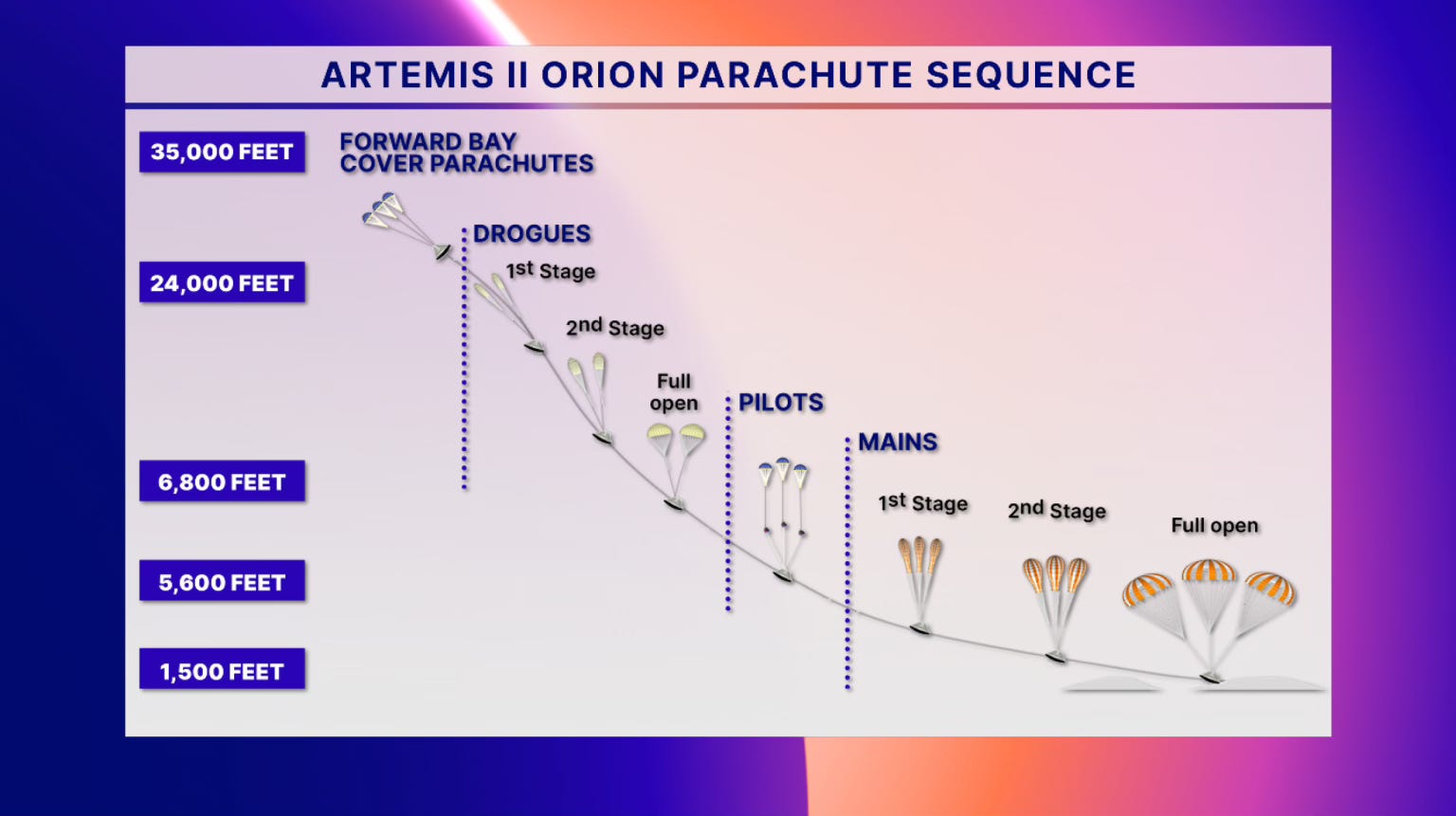
The crew spent the day reviewing re-entry procedures in detail with the flight control team, going through the exact sequence of what happens tonight, step by step, until it is as familiar as can be.
They completed the final trajectory correction burn, the last of three small firings that have been keeping Orion pointed at precisely the right direction for re-entry. They reconfigured the cabin back to its launch configuration: equipment stowed, seats reinstalled, everything secured.
It is also worth explaining something from Day 8 that was not fully clear at the time. The radiation shelter demonstration was modified and the manual piloting test was cancelled because flight controllers identified an issue with the oxidiser in the propulsion system and wanted to spend the time troubleshooting it while they still had access to the European Service Module data. Tonight, when the crew module separates from the service module, the service module burns up in the atmosphere, so they will not be able to investigate it post-mission. The issue does not affect re-entry, and it is NOT related to the crew’s oxygen supply (there were a lot of questions about this in NASA’s press conference last night!)
The crew will wake early Friday afternoon EDT, suit up, and begin the final configuration of the cabin for re-entry. The orange Orion pressure suits go back on and underneath them, the orthostatic intolerance garments they tested on Day 8 (which I wrote about yesterday) which apply compression to their legs and torso so that when they eventually stand up on a ship in the Pacific, they won’t faint.
Then they strap in, and they wait.
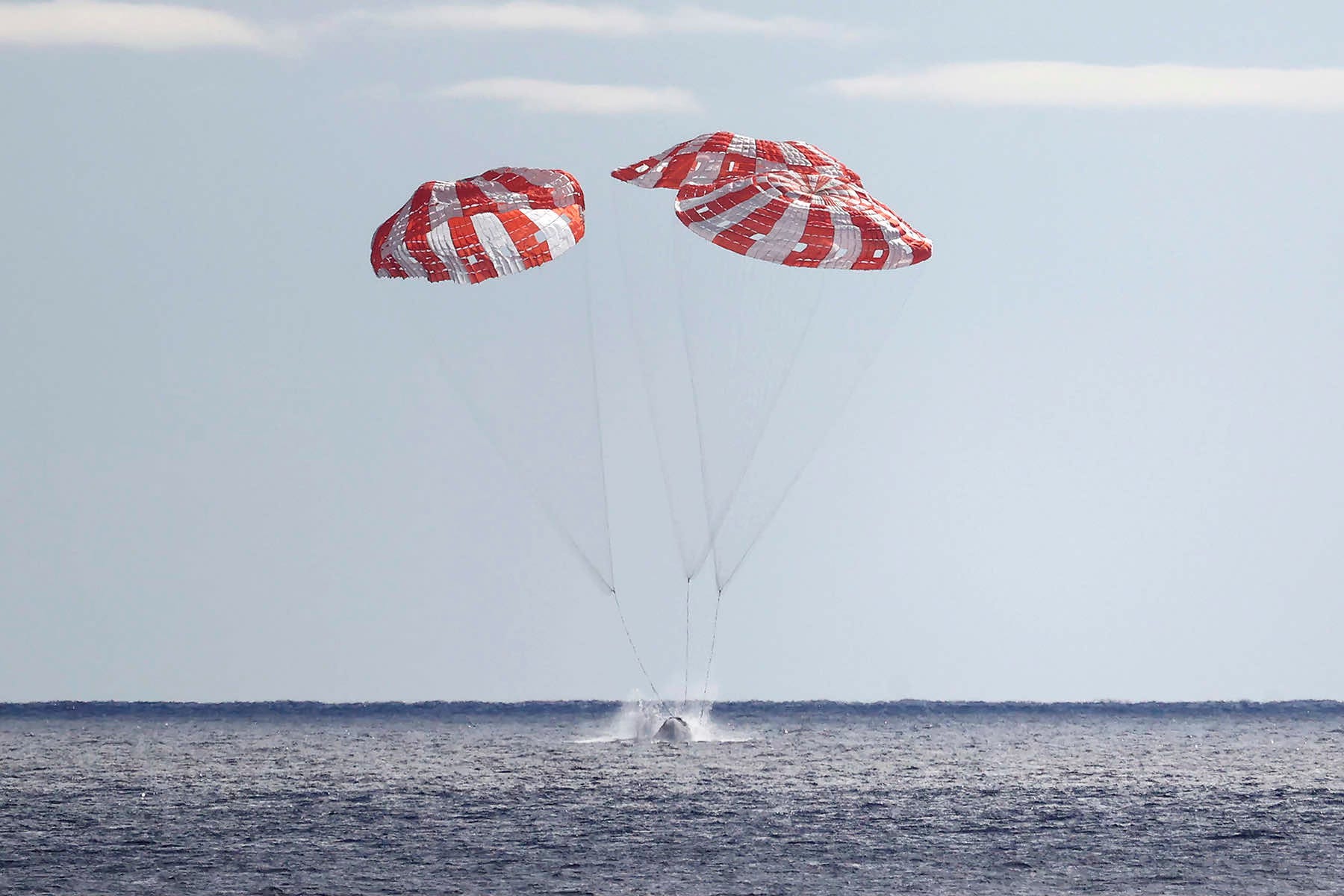
At approximately 11:53pm BST, Orion hits the upper atmosphere at around 24,000mph. Then, for approximately six minutes, nothing. Plasma builds around the spacecraft and blocks all radio signals. Crew experience a second blackout of the mission, only for 6 minutes this time. We will hold our breath until signal returns.
Then the forward bay cover comes off: the crew will hear it, and they have been told to look forward to that sound, because it means everything is going as planned. Two drogue parachutes deploy, slowing Orion to around 300mph. Then three main parachutes bring it down to approximately 20mph. Here’s a great explanation of the parachute system.
At 1:07am BST Saturday morning, we’ll have splashdown.
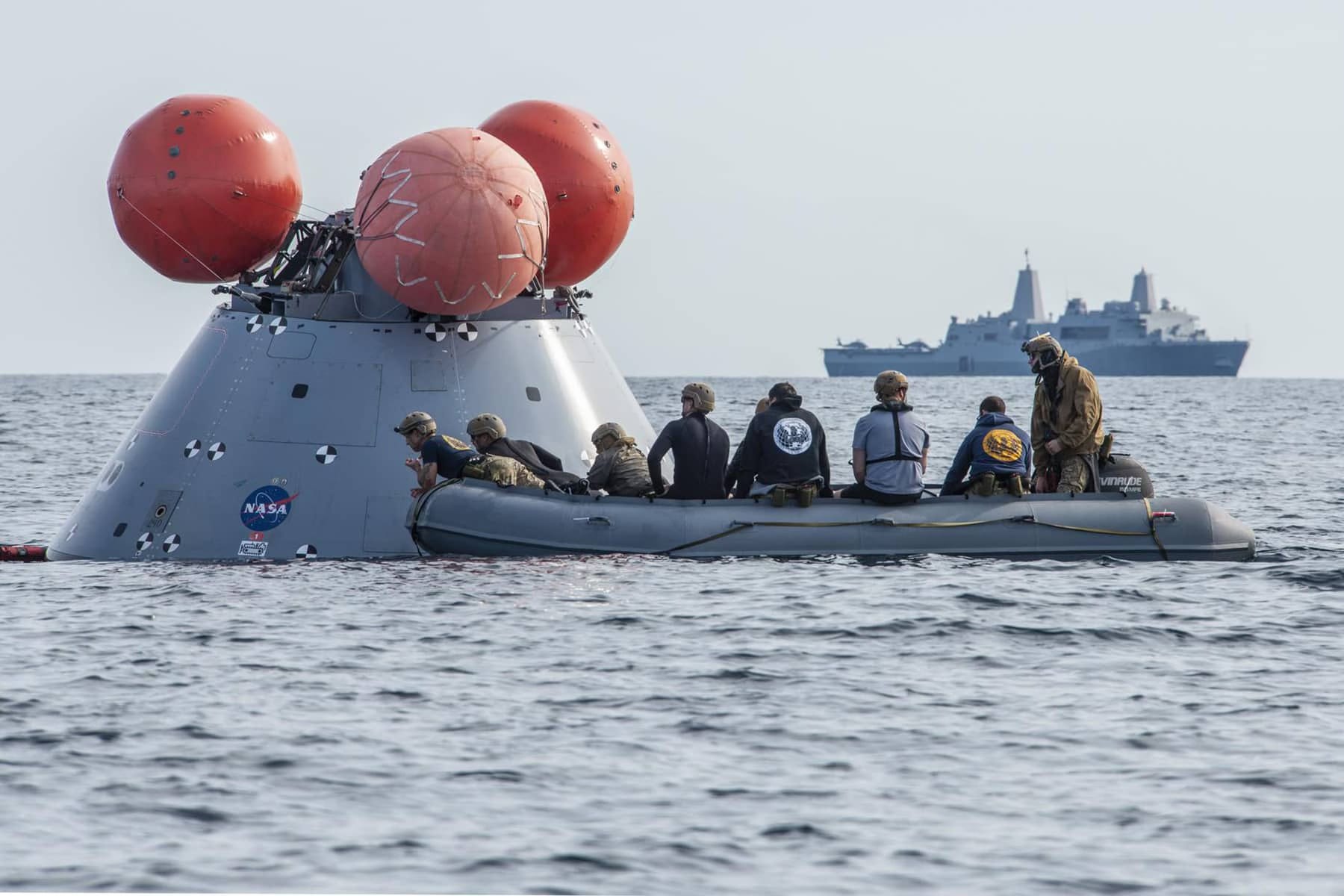
Navy divers will approach once the spacecraft is made safe: there is a 120-yard exclusion zone initially, because debris from the forward bay and other components also falls into the ocean and recovery vessels cannot be nearby until it is clear.
Then the hatch opens, the crew are extracted and go onto an inflatable platform called the front porch, and then two helicopters take them to the USS John P. Murtha, which has been at sea since Tuesday.
They’ll have medical checks on the ship, then back to shore, and a flight to Johnson Space Center in Houston.
Flight director Jeff Radian said, “There is no question we will be anxious. We have full confidence. But it would be impossible to say we have no irrational fears.” I thought this was refreshingly honest.
He also signed off to the crew yesterday with “go get some sleep and see you tomorrow.”
Day 9 of 10 🌙
Sources: NASA Artemis II Flight Day 9 blog, NASA final mission status press conference, Fox News live updates, CBC News, April 9 2026.
Comments
Nothing yet. Say the first thing.
Sign in to join the conversation.