
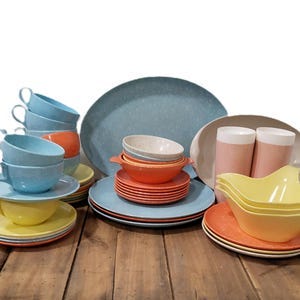
When I was a kid, we had a set of plastic bowls and plates at our summer place. They were colorful, easy to clean, convenient and harmless. Right?
Right. “Texasware” and “Melmac” dishes were popular in the 1960s and 70s. I looked them up and found that they are made with a durable plastic resin called melamine which is harmless—if it is not microwaved or heated. You can still buy these online.
But there are many more kinds of plastic, plasticizers and non-stick materials in our kitchens now than we had in the 1960s. Your kitchen utensils, bottles, storage containers and cookware may contain toxic chemicals that can leach into your foods and beverages.
But—just a few rules of thumb can keep your foods and beverages healthy. You will be relieved to know that detoxifying your kitchen doesn’t have to be a huge project. Here’s a summary:
Plastics with codes #2, 4 and 5 are safe for storing dry or refrigerated foods. But you should never, ever microwave food or heat food in a plastic container! This can cause toxics to leach into your food.
Plastics labeled #3,6 and 7 should not be used with food or beverages. Those black plastic takeout containers, and most water and beverage bottles are usually in this category and should be avoided.
“Microwave safe” means that the plastic won’t melt in the microwave. It doesn’t mean that harmful chemicals won’t leach into your food.
Next time you eat out, ask the restaurant to use non-plastic takeout boxes. An easy way to do this is to write a quick note and ask your waitstaff to pass it along to the management. They will appreciate the feedback, and if they know their customers care, they are likely to switch to nontoxic containers.
Another way to determine if plastics may be harmful is observe how soft they are. Plastic bowls or containers that scratch easily or have rough surfaces are likely to contain phthalates (pronounced thal-ates), a group of chemicals used to make plastics softer and more flexible. These chemicals are hormone disruptors and should be avoided.
Another easy trick is to carry a stainless-steel water bottle in your car, to the airport, to work or wherever you go. Plastic water bottles that sit in a hot car will leach toxics into your water or beverage. Plastic beverage bottles should never be reused.
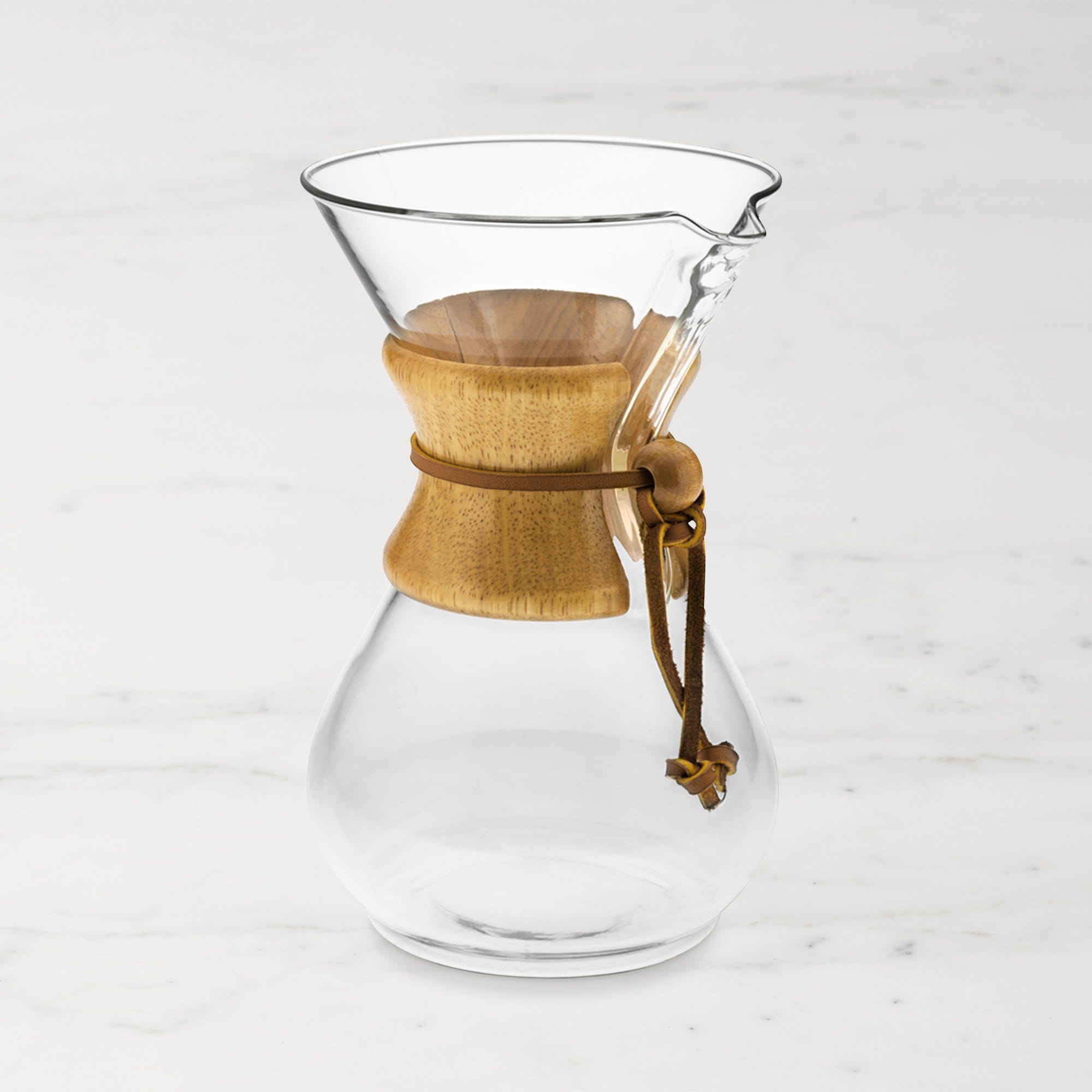
I had a coffee making awakening this summer. I realized that my electric coffee maker was not a convenience!
I can boil water in a saucepan or microwave faster than the coffee maker. Then I can pour it through an unbleached filter and voila, great tasting coffee in much less time!
Not only are electric coffee makers slow, but they are notoriously toxic. That’s because they contain a lot of plastic parts—filter holders, water heating tanks, etc. Daily exposure to water heated in a coffee maker tends to leach bad chemicals into your morning joe.
So, I threw out my electric coffee maker and replaced it with the glass pour over version pictured above. Not only can I make coffee faster and eliminate the toxics, but I reclaimed valuable counter space!
What’s your coffee or tea story? Would you change it? Why?
Plastic wrap and zip lock bags are handy but should not come into direct contact with food, especially hot food! Foods with high fat content like meats and cheeses tend to absorb toxics more readily than other foods, so be sure to keep your plastic wrap and zip locks away from these.
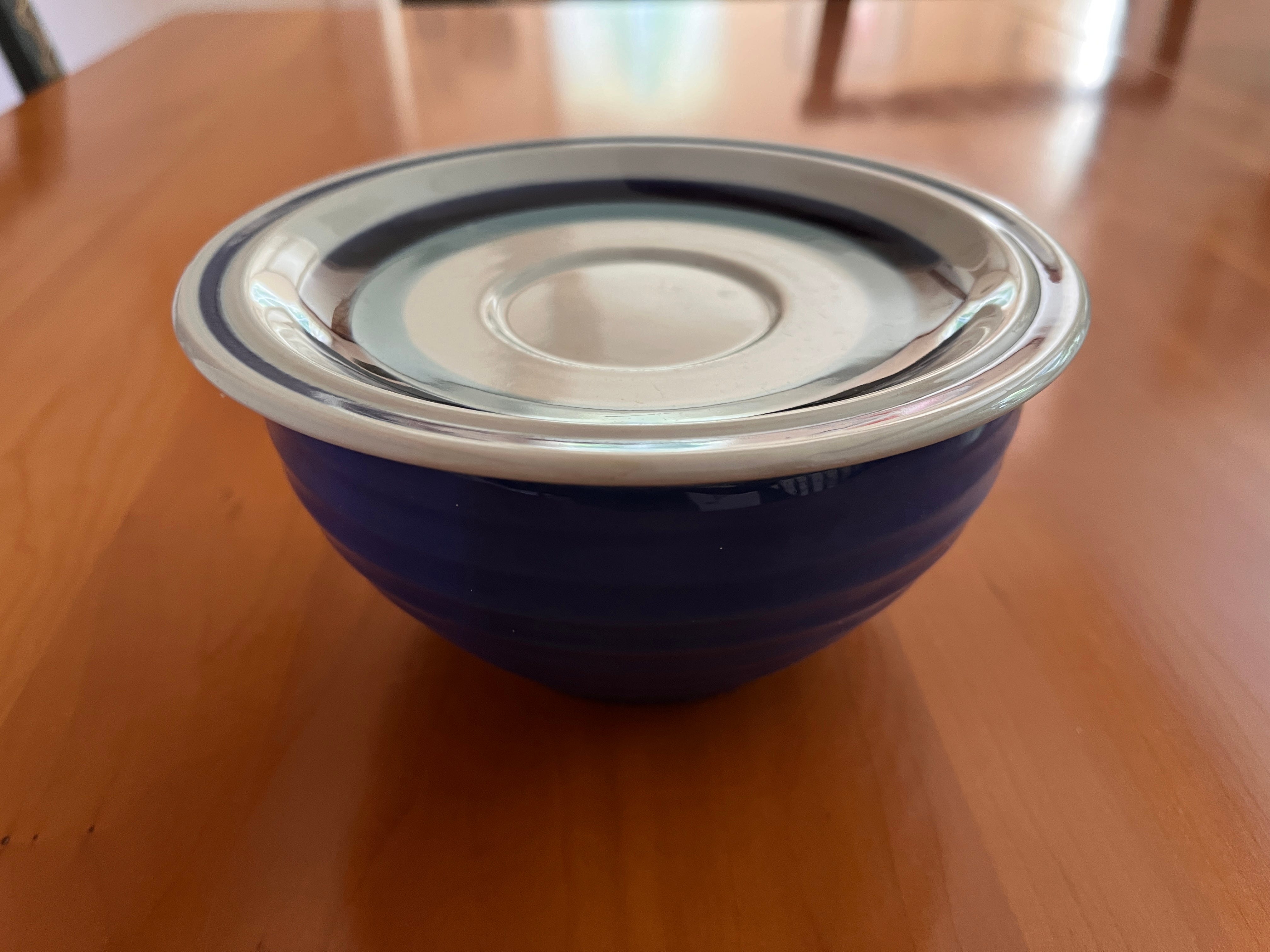
So how do you microwave and store food without plastic? One way is to store food in Pyrex glass, ceramic or stainless-steel bowls.
You know the saucers that went under teacups? They make perfect lids for leftover bowls, and they keep food from spattering in the microwave. Paper towels work well as food covers in the microwave too. Just place them on top of your food and heat.
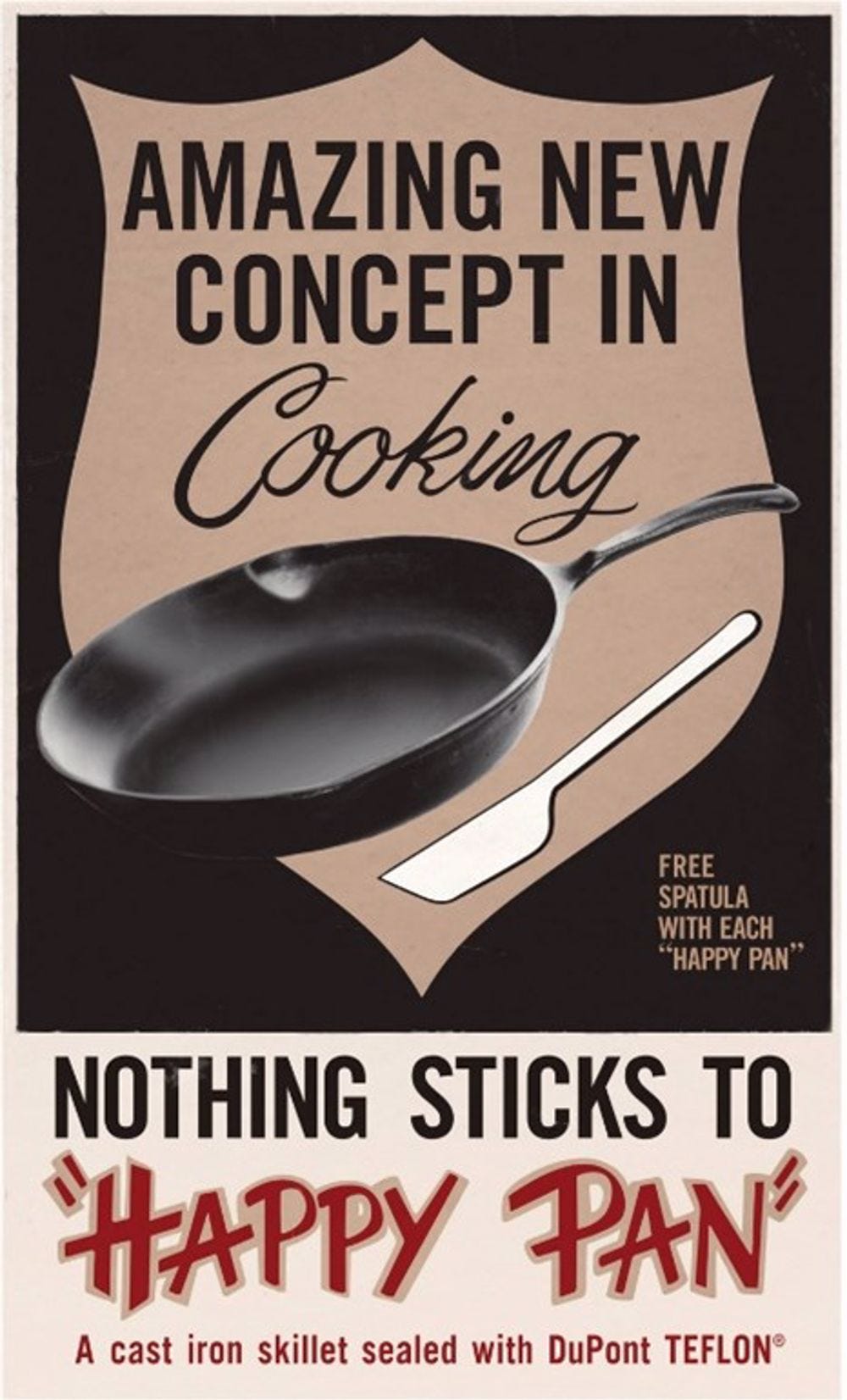
By now most of you probably know that Teflon, Calphalon and other non-stick cookware get their non-stick properties from PFAS, a group of chemicals with strong links to kidney cancer, high cholesterol, liver damage and thyroid disease. It’s important to eliminate these chemicals from what you eat.
Like with plastic, you won’t drop dead tonight from PFAS. But the toxics do build up over time in your body. The healthier choice is to use cookware and utensils that are free of PFAS.
The good news is that Defend Our Health has just released a database that identifies which cookware brands contain PFAS and which do not.
Defend researched legal product disclosures of over 200 cookware and kitchen appliance brands to find out which contain PFAS. The resulting database on Defend’s website is free and available to the public. You can view it HERE.
Defend Our Health is a small Maine nonprofit that’s a national leader in eliminating PFAS from our lives. They have passed more than eight anti-PFAS laws in Maine, including stopping the spreading of toxic sewage sludge on farm fields, and banning consumer products containing PFAS. Defend works with a coalition of 30 other states to eliminate PFAS and other toxic chemicals across the country. Learn more HERE.
Here’s a 2-minute TV news story on Defend’s toxic-free cookware project: CLICK.
Defend plans to identify toxic chemicals in children’s art supplies and in cosmetics. If you’d like to get Defend’s updates, just reply to this newsletter and we will add you to our monthly toxics e-newsletter list.
Full disclosure: I’m the current board chair of Defend Our Health!
Coming soon: Digging for Root Causes
How is irresponsible capitalism driving today’s crises? This fall I’ll be writing a new blog series on underlying causes and solutions to the problems we face. Stick with me!
Want to know one small thing you can do to keep positive energy flowing:? Share this newsletter with a friend!
Comments
Nothing yet. Say the first thing.
Sign in to join the conversation.