
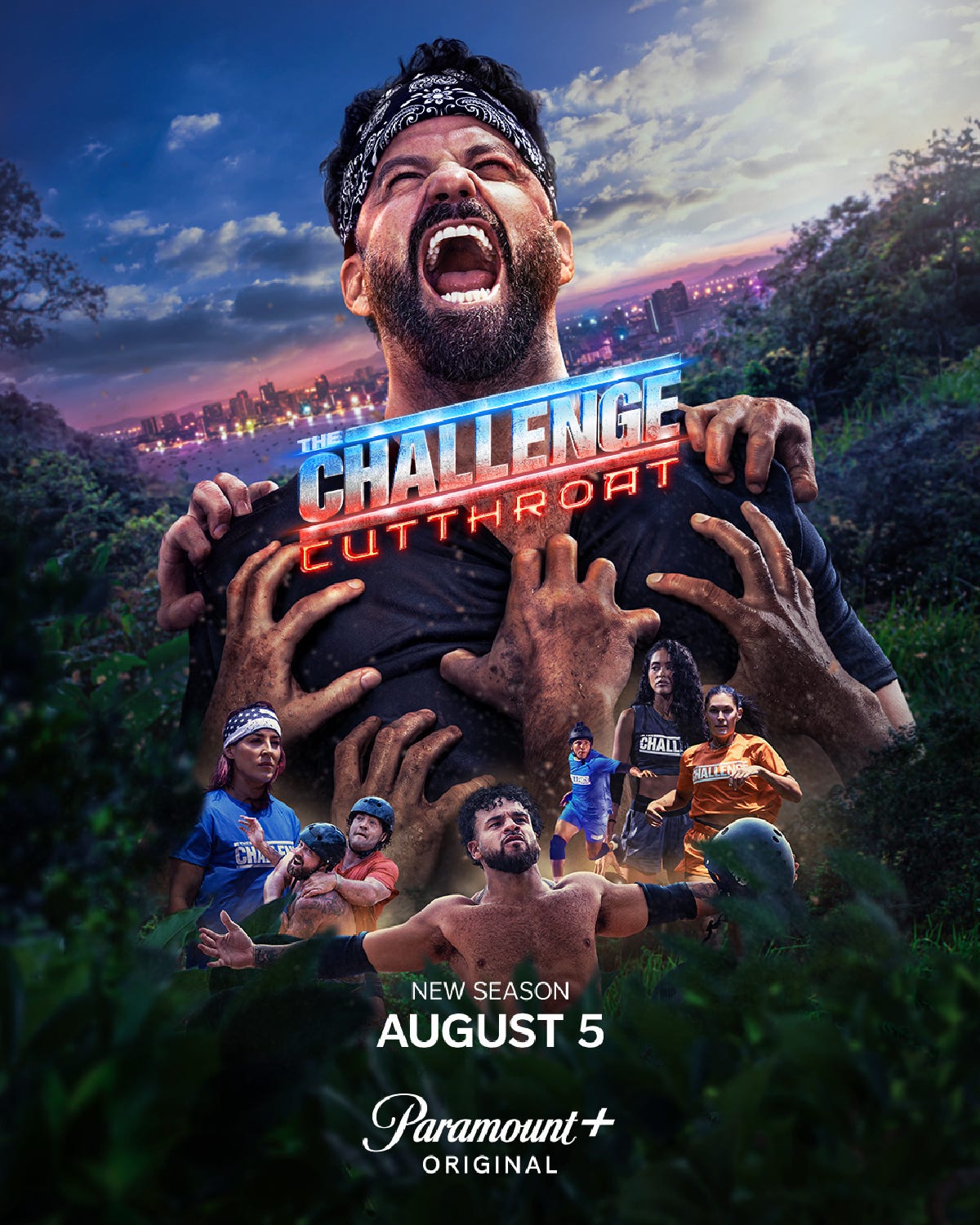
I had no warning that The Challenge was returning, and even less warning that it was returning in its Cutthroat format, yet here we are two episodes into Season 42 with an already loaded cast, a brutal new prize structure, and enough personal history bubbling under the surface to carry an entire season on its own. This is also the first season of the flagship series to leave MTV behind for good and live exclusively on Paramount+, following the lead of this year’s All Stars spinoff, and based on what the first two episodes have delivered, the move to streaming has done nothing to slow the show down.
Twenty four competitors were dropped into Thailand for this run, split across three teams and chasing a five hundred thousand dollar prize with a twist that changes the entire psychology of the game. Whichever captain ends up leading the winning team across the finish line gets sole discretion over how that money is divided among teammates, meaning loyalty this season comes with an asterisk attached to it from the very first episode. It is the kind of structural decision that rewards ruthlessness as much as it rewards friendship, and it is already shaping how alliances are being built and who people are willing to trust.
The premiere sends the full cast sprinting through Bangkok to determine team captains, with Justin Hinsley, Chris Underwood, and rookie Anna Leigh Wilson claiming control of their respective squads. From there, the show leans into a schoolyard style draft that immediately resurrects one of the franchise’s most storied rivalries. CT Tamburello and Johnny Bananas, the two competitors carrying the most combined championship history in the show’s run, are put through a coin flip to determine who gets selected first between them, and the coin does not favor CT. Michele Fitzgerald, tasked with breaking the tie, elects to bring Bananas onto her team, sending CT to a rival squad instead. It is a small moment measured purely in screen time, but it carries real weight for two men whose rivalry has defined entire seasons of this franchise, and it sets the tone for exactly how personal this run of Cutthroat is going to get.
The first daily challenge, an event called Right This Sway built around a swaying, rope laced bridge, tested the competitors’ ability to move as a coordinated unit rather than rely on individual strength, and it played out closer to a relay race than most of the show’s recent physical tests. It made smart use of the Thailand setting, gave every competitor a real role to play, and set a high bar for the daily challenges still to come this season. Team Gray came out on top, which sent Justin and Michele’s team into the arena despite finishing in second place, a wrinkle that immediately punished a squad for a result they had little control over.
That outcome forced a grudge match nobody expected to see this early: Bananas against Big Brother 26 winner Cedric Hodges in an elimination called Burn Out, a lights and reflexes battle that rewards whoever can hold their focus the longest under pressure. On paper, Cedric’s physical tools gave him a real shot. In practice, the challenge favored a competitor with Bananas’s level of experience, and seven trips to the finals have taught him exactly what it takes to close these things out. Cedric was sent home before he ever got the chance to settle into the game, and host TJ Lavin’s message to him on the way out, praising him as one of the kindest competitors to ever come through this franchise, landed as one of the more sincere moments the premiere had to offer.
Away from the physical competition, the premiere spent real time setting up the personal storylines that are likely to define the season’s political landscape. Nurys Mateo enters the game with a clear target on Bananas after he publicly mocked her breakup with ex Horacio Gutierrez Jr on social media, and while it is far from the first personal vendetta Bananas has walked into on this show, it adds a genuinely interesting wrinkle given his long history of respecting competitive, outspoken women rather than being intimidated by them. Whether that same instinct plays out with Nurys the way it has with past rivals is one of the season’s more compelling open questions.
The other major flashpoint of the premiere involves Alexis “Lete” Navarro, a former WWE NXT competitor and Deal or No Deal Island winner who wasted no time establishing herself as someone unafraid to challenge the show’s veteran power structure. Her screaming match with Bananas following the bridge challenge, sparked by rookie complaints that the veterans had stacked the harder assignments onto the newer players, became one of the premiere’s defining scenes, and it made clear early on that Lete is going to be a disruptive presence in the house regardless of how the politics shake out around her.
The episode also plants the first crack in what looked like a stable Survivor alliance. Michele Fitzgerald and Cassidy Clark, former rivals from The Challenge: USA 2, find themselves at odds after Cassidy chooses to build relationships with MTV veterans rather than sticking exclusively with her Survivor allies, a decision that gives her more leverage in the house but puts real strain on a partnership Michele has been counting on. The Survivor contingent has generally outperformed the MTV side of the cast in recent seasons thanks to their CBS challenge background and more calculated approach to strategy, which makes any fracture within that group worth watching closely as the season develops.
The premiere closes on its boldest swing yet, the return of the Heavy Hitter twist, a direct tribute to one of the most iconic moments in the franchise’s history: the 2010 Cutthroat finale in which CT famously carried Bananas out of the arena on his back. This version does not involve a literal backpack, but it does bring back the concept of unannounced legends arriving to challenge whoever the house nominates during Heavy Hitter rounds, with Jordan Wiseley and Laurel Stucky stepping in as the male and female mercenaries. Both rank among the most formidable competitors in the show’s history, and no rookie in this cast wants to find themselves across from either one. CT and Bananas both survive the episode’s political maneuvering and disqualification threats to make it to the end, which feels like exactly the right outcome for a season built around reviving one of the franchise’s most beloved twists.
Episode two, titled “Crying Won’t Get You Off This Roof,” opens with a full changeover in leadership. Keanu Soto and Adrienne Naylor take over Team Gray, CT Tamburello and Tori Deal step into control of Team Orange, and Josh Goldstein and Cara Maria Sorbello assume command of Team Blue. The new captains have almost no time to settle into their roles before the daily challenge sends every team fifty stories above Bangkok for a heights based test that proves brutal enough to disqualify two full teams before it concludes.
That same challenge produces one of the episode’s most talked about moments, a massive rooftop meltdown from Cara Maria Sorbello, a veteran of this franchise for well over a decade whose struggle with the extreme elevation underscores just how much this format still depends on mental toughness as much as physical conditioning. Back at the villa, Bananas makes an entirely different kind of move, orchestrating a full rose petal seduction aimed at Lete, a surprising pivot for a competitor better known for calculated strategy than romantic gestures, and one that immediately becomes one of the season’s more unpredictable storylines to track. By the time the episode closes, Team Blue has lost another player as the fight for survival tightens heading into the season’s next stretch.
Two episodes into Season 42, Cutthroat has already delivered exactly what longtime fans of the format hoped for: legitimate stakes, old rivalries reignited under new pressure, a rookie class willing to push back against the veteran power structure, and a prize twist that guarantees no alliance in this game is as safe as it looks. With Heavy Hitter back in play and a cast this loaded with history, this early stretch of the season is shaping up to be one of the more compelling openings this franchise has produced in years.
The Challenge: Cutthroat Season 42 streams on Paramount+, with new episodes available every Wednesday at 3 a.m. ET and midnight PT..
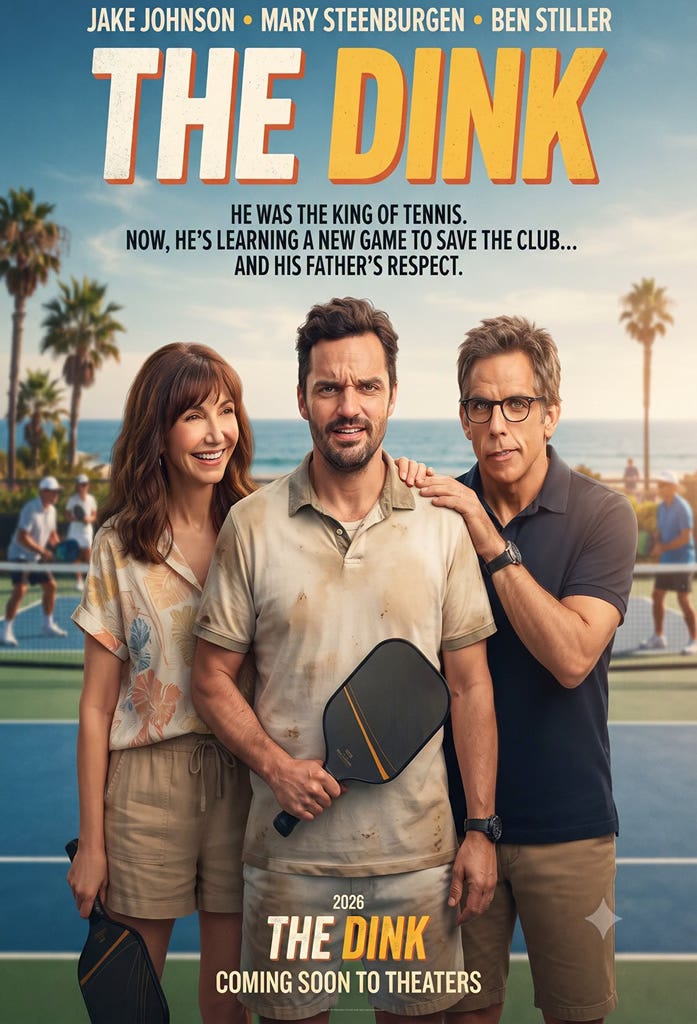
Pickleball has spent the past several years quietly taking over the American backyard, and now the sport finally has the big, broad, unapologetically silly comedy it deserves. Apple Original Films is set to premiere The Dink globally from Apple TV on Friday, July 24, 2026, a summer sports comedy built around the collision of old school tennis pride and the paddle sport that has been steadily eating its lunch. Produced by Ben Stiller, who knows a thing or two about turning an underdog sport into a cultural moment after his work on Dodgeball, and led by a cast stacked with reliable comedic talent, the film arrives with the kind of pedigree that suggests Apple is treating this premise with far more care than a quick punchline about middle aged suburbanites and their paddles. Read More!
I am a total pushover when it comes to sports and sentiment mixed together, and I’ve known this about myself for a while. Years ago I stumbled onto highlights of the 1980 US hockey team winning gold, the Miracle on Ice, and they had this song playing under the footage, Quincy Jones, “Just Once.” I’d never heard it before, or if I had, it never registered. Next thing I know I’m sitting there crying, looking around like, why am I like this. Nothing about my actual life was even happening in that moment. Just a song and some old footage and I was gone.
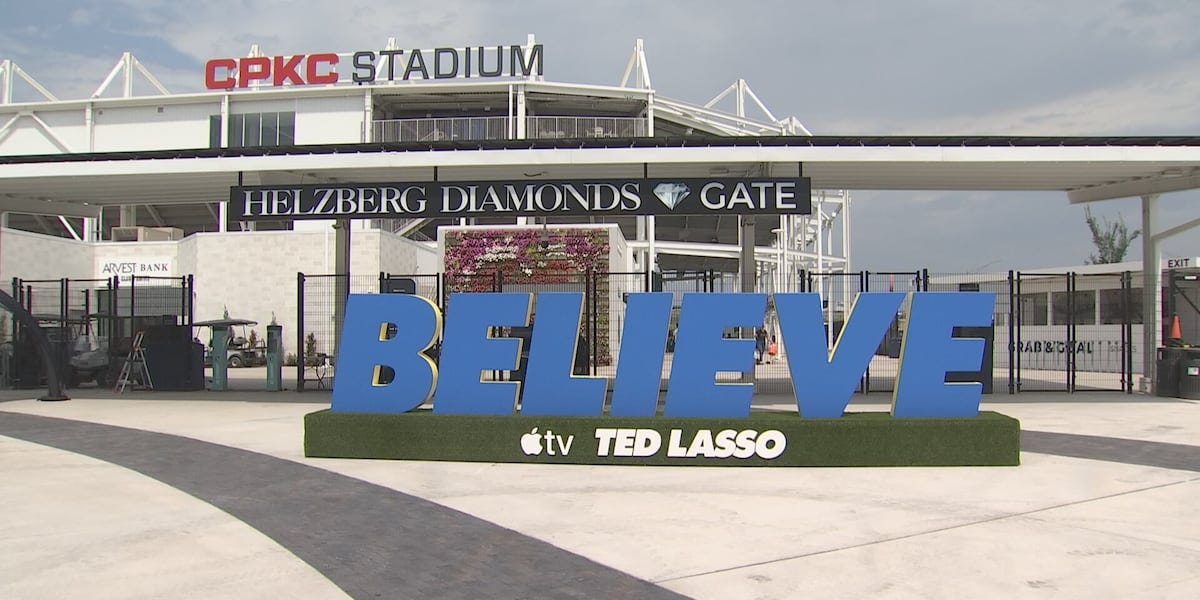
I bring that up because it’s exactly what happened watching the Season 4 premiere of Ted Lasso, titled “Home.” I knew the whole thing was engineered to get me right in the chest. I could see the machinery working the entire time. And I cried anyway.
Season 4 picks up three years after Ted left Richmond, and he’s back in Kansas City working as an assistant manager at a grocery store, which on paper sounds like a nothing job for a guy who used to run a Premier League club, and the show knows that, and plays it exactly right. He’s not miserable. He’s fine. He’s got Henry, he’s got his mom, life is quiet and stable and good in the boring way stability actually feels day to day. But something’s missing and Ted, being Ted, is the last one to admit it out loud.
Rebecca, Keeley, and Higgins show up in Kansas City to pitch him on coming back, not to coach the men’s team, but to build Richmond’s brand new women’s team from scratch. And here’s the thing critics are right about: there’s zero suspense in whether Ted says yes. Of course he says yes. There’s no show if he doesn’t. But somehow that didn’t matter to me while I was watching it, because the point was never really “will he go back,” it was watching everyone circle around him reminding him who he used to be.
Higgins gets his own quiet standout moment touring the Negro Leagues Baseball Museum, and I wasn’t expecting that subplot to land the way it did. It’s a strange comparison on paper, historical treatment of Black baseball players against the current treatment of women’s football, and even the tour guide in the scene says as much, that it isn’t quite the same thing. But somehow it still works, because the show has always been better at earning big emotional swings than it gets credit for.
And here’s what I meant about the men not even being in it. Roy Kent isn’t in this episode. Coach Beard isn’t in this episode. Goldstein and Hunt, two of the show’s most reliable presences, both sit the premiere out completely and don’t show up again until episode two. I didn’t clock that until after I’d finished it, and once I did, it changed how I felt about the whole hour. This was Ted’s episode, full stop, no leaning on Roy’s gravel voice or Beard’s weird calm energy to carry any of the emotional weight. Just Ted, his kid, his mom’s house, and three people from his old life showing up to remind him what he walked away from.
Was it a perfect episode? No. Some people are going to be annoyed there’s almost no football in it, no locker room, no pitch, nothing that actually feels like the sport this show is supposedly about. I get that complaint. I don’t fully share it, because I think this episode was never trying to be about football, it was trying to be about Ted standing in his childhood bedroom staring at his own life, and it succeeded at that specific thing even if it skipped the thing some fans came back for.
So yeah. I cried. I knew I was being played the same way I got played by a fifty year old hockey highlight reel and a Quincy Jones song I’d never heard before. Doesn’t change the fact that it worked, and it doesn’t change the fact that this was a genuinely good episode of television. Ted Lasso knows exactly which buttons it’s pressing. I just keep letting it press them.
Ted Lasso Season 4 is now streaming on Apple TV+, with new episodes arriving every Wednesday through the October 7 finale.

There comes a point in every season of Below Deck Mediterranean when the crew stops functioning as a crew and starts functioning as a group of exhausted people barely holding a very expensive vessel together, and Season 11 has now arrived firmly at that point. Between a stunning midseason departure, a serious medical scare, and a leadership scramble that has exposed just how thin this deck team’s margin for error really is, the back half of this season aboard the M/Y Akira One has become appointment viewing for reasons that have very little to do with the usual charter guest antics and everything to do with the crew itself falling apart in real time.
To understand where things stand now, it helps to rewind to the incident that effectively lit the fuse on everything that followed. Deckhand Luke Brumer found himself at the center of one of the more genuinely uncomfortable storylines this franchise has produced in years after an encounter with stewardess Gen Lillie left bodily fluids on bosun Nathan Gallagher’s bedsheets, a mess Luke failed to clean up or even mention for three full days. Nathan ended up sleeping on those sheets without knowing what had happened, and once the truth surfaced, the fallout was immediate and brutal. Captain Sandy Yawn did not mince words when she learned what had occurred, calling it a clear line that had been crossed and warning that there needed to be real consequences for that kind of behavior.
What made the situation even messier was the love triangle simmering underneath it, with tension building between Gen and chef Joy Lefaucheur as both women found themselves drawn into Luke’s orbit at exactly the wrong moment for crew harmony. Rather than wait to see whether Captain Sandy would ultimately let him go, Luke made the decision to walk away from the boat on his own terms. He was candid about the reasoning in a producer confessional, explaining that he has gotten better over the years at recognizing when it is time to leave a situation rather than let it fester, and framing his exit as the harder but more respectable path. Captain Sandy, for her part, seemed to appreciate that he took the initiative rather than forcing her hand, even as the immediate effect left her exterior team dangerously thin heading into the season’s back half.
Luke has since resurfaced publicly on Watch What Happens Live, sitting across from Andy Cohen and fielding pointed questions about the sheets incident, the fallout with Nathan, and his abrupt exit from the yacht. By most accounts, he did not dodge or deflect, offering direct answers and visible remorse rather than the kind of vague non answers reality stars often lean on when trying to protect their image. It was, by the standards of this franchise, a genuinely humbling television appearance, and it has clearly shifted at least some public opinion in his favor, even if plenty of viewers remain unconvinced that a handful of contrite answers in a talk show clubhouse fully accounts for three days of silence at his former bosun’s expense.
With Luke gone and the exterior team already stretched thin, the show’s most dramatic recent turn belongs to Nathan Gallagher himself. During a charter task that should have been routine, inflating and repositioning water toys off the swim platform alongside fellow deckhand Joe Bradley, Nathan’s back gave out in a way that immediately read as serious rather than performative. He cried out in visible agony, dropped the equipment he had been carrying, and later admitted in a confessional just how frightened the moment left him, joking bitterly that losing his hair at twenty seven was one thing, but losing his back on top of it felt like an entirely different kind of blow.
Captain Sandy, who has weathered enough crew injuries over the years to know when something requires more than an ice pack and a pep talk, pushed Nathan to get checked out despite his initial resistance. He tried to power through, insisting at one point that he was not the type to give in that easily, but Sandy was not interested in negotiating on the subject and sent him to the hospital for imaging. The diagnosis that came back was a bruised disk, layered on top of a bulging disk injury Nathan had dealt with previously, and the uncertainty around his recovery timeline immediately put the rest of the season in jeopardy. Nathan himself admitted over the phone to Captain Sandy that he simply did not know when he would be able to return, a level of honesty that clearly rattled a captain already down one deckhand and now potentially without her bosun for an unknown stretch of charters.
There is a broader context here that makes the injury land even harder. Nathan has also been navigating a difficult personal situation back home in Croatia, where his partner Gail is caring for their newborn largely without him, and that emotional weight has visibly affected his focus on deck in recent episodes. A bosun who is distracted, physically compromised, and emotionally stretched across two continents is not exactly the picture of stability a superyacht needs during peak charter season, and Captain Sandy has been unusually blunt about the risk that combination poses, at one point telling producers directly that having Nathan aboard in his current condition amounts to a liability rather than an asset.
With Nathan sidelined, Captain Sandy turned to Joe Bradley to fill the vacancy as acting bosun, and Joe has treated the opportunity as exactly that, an opportunity. He has stepped into the leadership role with visible confidence, reorganizing how the deck operates and clearly relishing the chance to prove he can run the exterior team on his own terms rather than simply executing someone else’s plan. It is an understandable impulse for any deckhand who has spent years working under someone else’s direction, but it has already begun to create friction with Nathan, who by all indications is not thrilled at the idea of his temporary replacement getting comfortable in the chair. The two have a long history as friends within the franchise, which only makes the early tension between them sting more, since neither man wants a power struggle to be the thing that finally comes between them after years of camaraderie.
Compounding the exterior chaos, chief stew Aesha Scott has had to step away from her usual interior duties to help cover the shorthanded deck team, leaving stewardess Kayley Smith to take over as acting chief stew for the charter in her absence. It is the kind of all hands on deck scenario, quite literally, that only happens when a crew has been hit with enough simultaneous setbacks that department lines start to blur out of necessity rather than choice.
Facing a deck team that had gone from three deckhands to effectively one and a half within the span of a few episodes, Captain Sandy reached out through her network of former crew members in search of someone who could step in without needing a crash course in how a superyacht actually runs. That search led her back to Max Salvador, the well traveled Frenchman who has bounced in and out of the Below Deck Mediterranean universe across multiple seasons and is remembered fondly by much of the existing crew. When Aesha and Joe learned the news, their reaction was pure disbelief mixed with excitement, with Joe reportedly unable to contain himself upon hearing his old crewmate was coming back aboard. Not everyone greeted the news with the same enthusiasm, notably chef Joy, who made her unfiltered opinion of the Frenchman’s return known in a confessional delivered partly in her native language, joking that she finds his countrymen more than a little exhausting to be around.
For a deck team that has been running on fumes, Max’s arrival should function less like an adjustment and more like a genuine lifeline. He already understands the rhythms of a working superyacht, which means there is essentially no ramp up period before he can start absorbing the physical load that has been crushing whoever happens to be left standing on deck each day. His easygoing, well liked presence also tends to have a calming effect on crews that have grown frayed under pressure, and given how tense things have gotten between Joe and Nathan in particular, having someone in the mix who is not angling for territory or trying to prove a point could go a long way toward settling the exterior department down.
It is worth acknowledging that Nathan’s recovery timeline remains a genuine unknown, and there is no guarantee he returns to full strength before the season wraps, which leaves real uncertainty hanging over exactly how the back half of these charters will play out physically. But history with this format suggests these kinds of shakeups tend to find their footing eventually. Crews on this show have absorbed injuries, sudden exits, and awkward leadership transitions before and still managed to pull together by the time the season’s final charter guests step off the boat, and there is little reason to expect this group will be the exception. Once Nathan is cleared to return, however that timeline shakes out, the real story becomes whether he and Joe can settle back into their old dynamic or whether a few weeks of one of them running the show changes the balance between them for good. Either way, with Max back in the fold providing both extra hands and a steadying presence, the deck team finally looks equipped to survive the rest of the season, even if the emotional wreckage from these last few episodes takes considerably longer to clean up than any soiled set of sheets ever did.
New episodes of Below Deck Mediterranean Season 11 air Mondays at 8 p.m. ET on Bravo, with episodes streaming the next day on Peacock..
There is a certain irony in admitting you had stepped back from a show only to find yourself pulled right back in the moment it delivers one of its biggest episodes yet, but that is exactly where The McBee Dynasty: Real American Cowboys finds itself this week. Season three, episode eight, titled “What Happens in Vegas...,” sent the extended McBee clan to a joint bachelor and bachelorette trip that was clearly billed as a lighthearted send off before a wedding, and instead turned into one of the more consequential hours the family has filmed. A marriage happened that almost nobody in the audience saw coming, at least one relationship got a long overdue jolt of intimacy back into it, and the fallout from all of it has already started spilling into the real world in ways that connect this show to the wider Bravo universe more than it ever has before.
It is worth saying upfront that there is a genuine tension in covering a show like this one. The performative nature of modern reality television, the sense that every laugh, every fight, and every tender moment exists at least partly because a camera is pointed at it, can be exhausting to sit with for an entire hour. That skepticism does not disappear just because the Vegas trip happened to be good television. But strip away the awareness that everyone involved knows they are being filmed, and what is left in this particular episode is a handful of storylines that land with real emotional weight, which says something about how well this family understands how to let the cameras catch them at their most human.
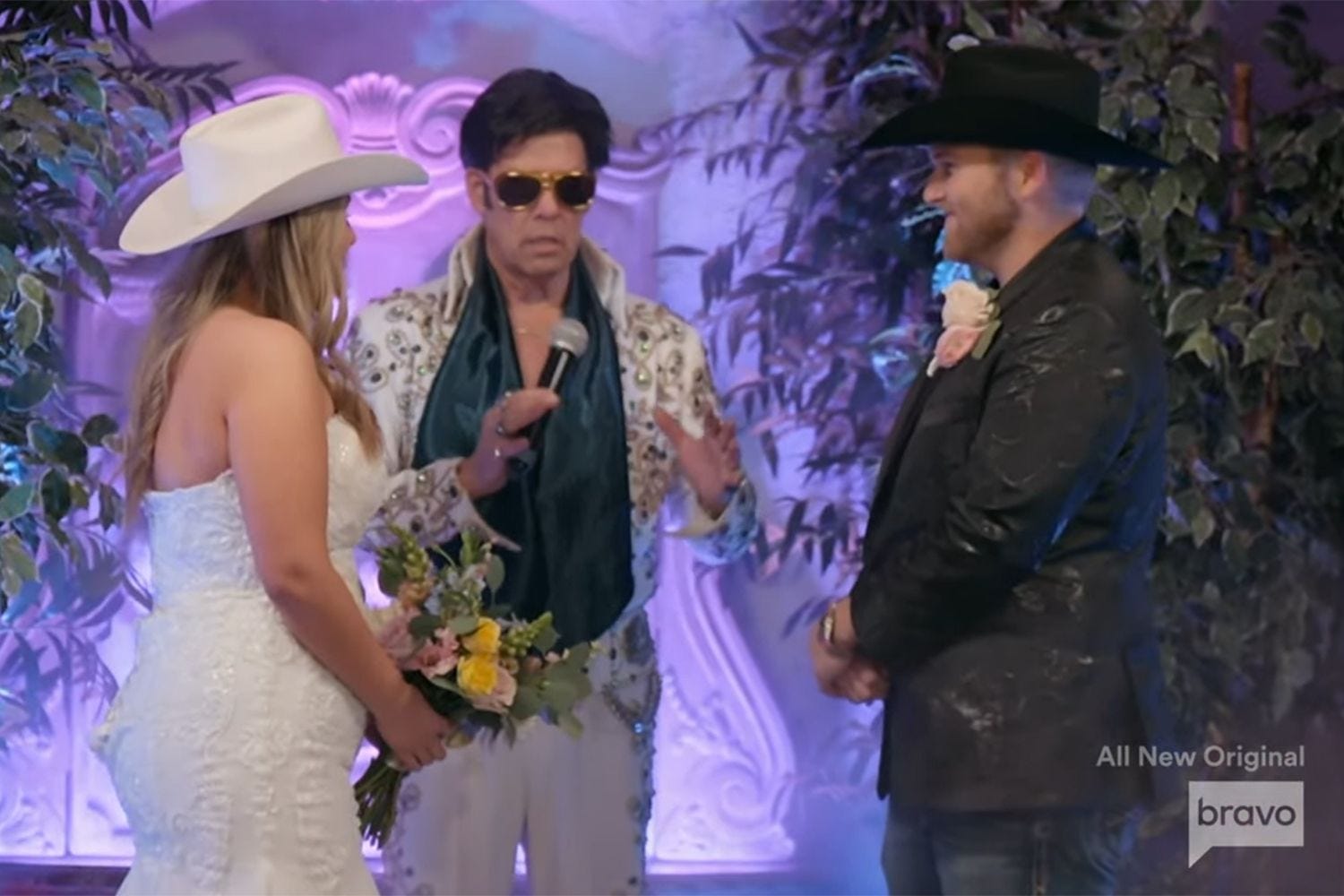
The headline moment of the episode belongs unmistakably to Cole McBee and Kacie Adkison, whose spontaneous Las Vegas elopement became the emotional centerpiece of the hour. Cole had been quietly pushing the idea of eloping in the days leading up to the trip, driven largely by the reality that his father, Steve McBee Sr., remains behind bars following his crop insurance fraud conviction, and Cole did not want to wait years for a proper family wedding while that particular clock kept ticking. Kacie needed convincing. She was upfront on camera about her hesitation, admitting she had always pictured a real wedding surrounded by everyone she loves and dismissing the idea of a Vegas ceremony as more than a little tacky. It took encouragement from the friends around her to get her to soften on the idea, and once she did, she moved fast, tracking down a dress, picking out rings, and securing a marriage license in the kind of whirlwind sequence that only really happens in a city built for exactly this sort of impulse.
Before any of that could happen, though, the group had one more test to get through. The women in the crew made their feelings extremely clear ahead of a night out, warning the guys in no uncertain terms that a stop at a strip club would not be something their relationships could easily survive. Cole and several of the other men went anyway, taking in a show at Thunder From Down Under, and rather than let it fester into a secret, Cole told Kacie almost immediately afterward. She laughed it off, which in hindsight reads as an early sign of exactly how easily she was able to let go of the version of the night she had originally pictured for herself. From there, the pair exchanged vows in a ceremony officiated by an Elvis impersonator, with Kacie in a white dress paired with a white cowboy hat that somehow made the whole thing feel more like the two of them than a traditional gown ever could have. Cole and Kacie have since confirmed that the ceremony was every bit as legitimate as it looked on screen, and that the two of them worked hard to keep the marriage a secret even from close friends in the months between filming and the episode’s airing, with plans already in motion for a larger celebration back on the family farm in Missouri once Steve Sr. is released.
Running parallel to the wedding storyline is a quieter but no less meaningful thread involving Jesse McBee and his wife, Alli. The two had clearly been drifting in the episodes leading up to Vegas, dealing with the kind of marital distance and lost intimacy that tends to creep in when life gets busy and the emotional check ins stop happening as often as they should. Vegas gave them the excuse to slip away from the rest of the group early, and the two used the time to actively work on reconnecting rather than simply hoping the trip would fix things on its own. It is a small moment in the grand scheme of the episode’s runtime, but it is the kind of storyline that lands because it feels earned rather than manufactured, a reminder that even a couple who has already made it through a wedding of their own can hit a rough patch that requires real effort to work through.
The trip also became the setting for a business dispute that had been simmering for weeks between Steven McBee Jr. and Kacie, centered on Steven’s push to hand his girlfriend, Allie, a twenty percent stake in Kacie’s beef tallow business without fully looping Kacie in on the decision first. Kacie did not hold back, confronting Steven directly about overstepping, and the conversation also gave the two of them room to shut down persistent rumors about their own relationship being something other than platonic. Steven reaffirmed that he sees Kacie strictly as a little sister, the two agreed to set the personal tension aside for the remainder of the trip, and they committed to sorting out the actual business logistics once everyone was back home in Missouri. Amid all of this, Cassie continued to be the steady, grounded presence the family has increasingly leaned on this season, someone able to hold space for everyone else’s chaos without adding much of her own to the pile.
Speaking of Allie, the questions about her life have not stayed confined to the show itself. In the months since her public and fairly messy split from Steven McBee Jr., speculation has followed her into the real world, most recently after she was photographed sharing a long, laughter filled lunch with Southern Charm’s Austen Kroll at a seafood restaurant in Austin, Texas. The internet did what the internet does, and within hours the pairing had fans of both shows fully invested in a crossover romance that, as it turns out, is not actually happening.
Allie addressed the speculation directly in an interview with Page Six’s Virtual Reali-Tea, explaining that the meeting was strictly professional. Austen, she said, had a business opportunity he wanted to run by her, and the two met up over food to talk it through rather than to spark anything romantic. The pair first crossed paths at BravoCon in 2025, which helps explain why a reunion between them read as more significant than it actually was to anyone scrolling past the photos without context. Allie was candid about where she currently stands when it comes to dating in general, confirming that she has blocked Steven entirely and made clear she is in no hurry to jump back into anything serious, business meetings with fellow Bravo personalities notwithstanding.
So to answer the question plainly: no, Allie Eklund is not dating Austen Kroll. The chemistry that read so clearly in those paparazzi photos appears to have been nothing more than two people who already knew each other from the broader Bravo circuit catching up over lunch while discussing a potential opportunity together. Whether that opportunity eventually points toward Allie’s own Bravo future remains an open question, and one that is admittedly more interesting than the romance rumor it accidentally created in the first place. As for whether Allie might ever cross paths with Austen at something like a Phish show given his history of following the band around the country when his schedule allows for it, that remains pure speculation, though it says something about how thoroughly these two worlds have started to overlap that the question feels worth asking at all.
What makes “What Happens in Vegas...” stand out is that it manages to deliver exactly the kind of over the top milestone moment reality television is built around, a surprise wedding complete with an Elvis officiant, while also making room for two much smaller, more honest storylines about a marriage trying to find its footing again and a friendship trying to survive a business disagreement. It is easy to be cynical about a genre where everyone involved understands the value of being seen, and there is nothing wrong with holding onto that skepticism. But every so often a cast delivers something that cuts through the performance anyway, and this particular hour, secret vows, strip club confessions, marital reconciliation, and all, manages to do exactly that.
Ted Lasso started back up, and I cried during the first episode. I’m not even mad about it, but I do want to explain how I got there.
I am a total pushover when it comes to sports and sentiment mixed together, and I’ve known this about myself for a while. Years ago I stumbled onto highlights of the 1980 US hockey team winning gold, the Miracle on Ice, and they had this song playing under the footage, Quincy Jones, “Just Once.” I’d never heard it before, or if I had, it never registered. Next thing I know I’m sitting there crying, looking around like, why am I like this. Nothing about my actual life was even happening in that moment. Just a song and some old footage and I was gone.
I bring that up because it’s exactly what happened watching the Season 4 premiere of Ted Lasso, titled “Home.” I knew the whole thing was engineered to get me right in the chest. I could see the machinery working the entire time. And I cried anyway.
Season 4 picks up three years after Ted left Richmond, and he’s back in Kansas City working as an assistant manager at a grocery store, which on paper sounds like a nothing job for a guy who used to run a Premier League club, and the show knows that, and plays it exactly right. He’s not miserable. He’s fine. He’s got Henry, he’s got his mom, life is quiet and stable and good in the boring way stability actually feels day to day. But something’s missing and Ted, being Ted, is the last one to admit it out loud.
Rebecca, Keeley, and Higgins show up in Kansas City to pitch him on coming back, not to coach the men’s team, but to build Richmond’s brand new women’s team from scratch. And here’s the thing critics are right about: there’s zero suspense in whether Ted says yes. Of course he says yes. There’s no show if he doesn’t. But somehow that didn’t matter to me while I was watching it, because the point was never really “will he go back,” it was watching everyone circle around him reminding him who he used to be.
Higgins gets his own quiet standout moment touring the Negro Leagues Baseball Museum, and I wasn’t expecting that subplot to land the way it did. It’s a strange comparison on paper, historical treatment of Black baseball players against the current treatment of women’s football, and even the tour guide in the scene says as much, that it isn’t quite the same thing. But somehow it still works, because the show has always been better at earning big emotional swings than it gets credit for.
And here’s what I meant about the men not even being in it. Roy Kent isn’t in this episode. Coach Beard isn’t in this episode. Goldstein and Hunt, two of the show’s most reliable presences, both sit the premiere out completely and don’t show up again until episode two. I didn’t clock that until after I’d finished it, and once I did, it changed how I felt about the whole hour. This was Ted’s episode, full stop, no leaning on Roy’s gravel voice or Beard’s weird calm energy to carry any of the emotional weight. Just Ted, his kid, his mom’s house, and three people from his old life showing up to remind him what he walked away from.
Was it a perfect episode? No. Some people are going to be annoyed there’s almost no football in it, no locker room, no pitch, nothing that actually feels like the sport this show is supposedly about. I get that complaint. I don’t fully share it, because I think this episode was never trying to be about football, it was trying to be about Ted standing in his childhood bedroom staring at his own life, and it succeeded at that specific thing even if it skipped the thing some fans came back for.
So yeah. I cried. I knew I was being played the same way I got played by a fifty year old hockey highlight reel and a Quincy Jones song I’d never heard before. Doesn’t change the fact that it worked, and it doesn’t change the fact that this was a genuinely good episode of television. Ted Lasso knows exactly which buttons it’s pressing. I just keep letting it press them.
Ted Lasso Season 4 is now streaming on Apple TV+, with new episodes arriving every Wednesday through the October 7 finale..
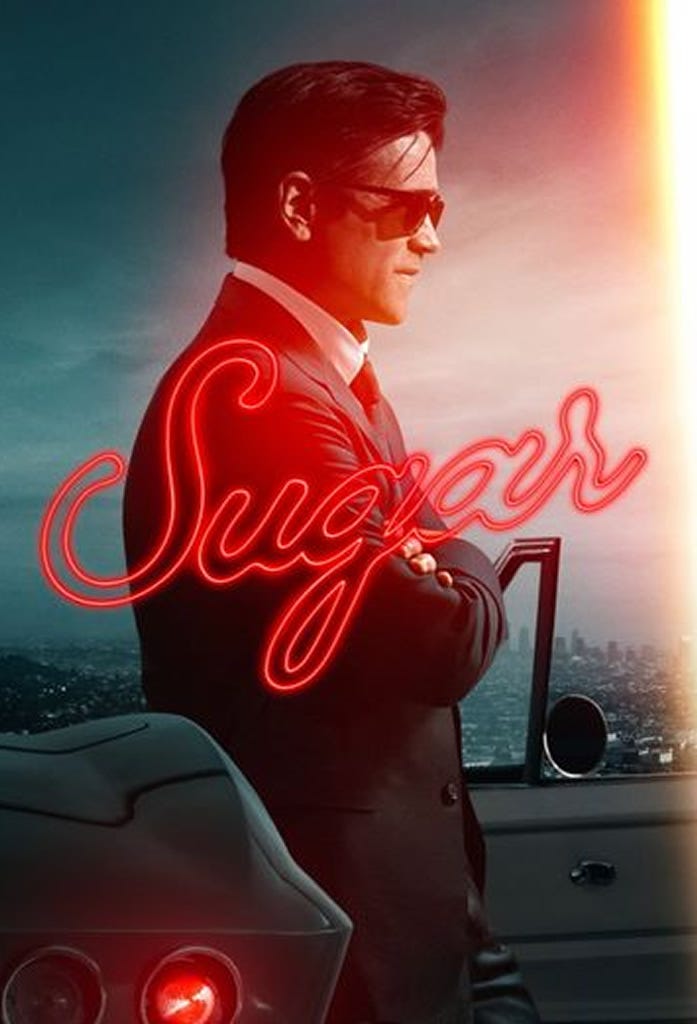
Few television premises have managed to pull off a genre switch as audacious as the one buried inside Sugar, the Apple TV series that spent its opening episodes convincing viewers they were watching a classic Los Angeles detective story before quietly revealing something far stranger underneath. Now heading into its second season, the show has become one of the more distinctive entries in the current streaming landscape, anchored by a lead performance from Colin Farrell that has only grown more assured as the story around him has expanded. What began in 2024 as a moody homage to old school noir has evolved into a genuinely unusual two season arc that blends detective fiction, science fiction, and a surprisingly tender meditation on grief and belonging. Read More!
Comments
Nothing yet. Say the first thing.
Sign in to join the conversation.