

There is a specific kind of annoyance that comes from watching people perform curiosity without possessing it. You recognize it immediately. The affect is there, the posture is there, the vocabulary of worldliness is present in every outfit and every Instagram caption and every casual reference to places they have been, but the actual substance of a curious mind, the restlessness to know things, the willingness to be ignorant about something long enough to actually learn it, is completely absent. That is the what that Next Gen NYC Season 2 generates, and it reaches another point this week when the cast encountered “The Rocky Horror Picture Show” and collectively demonstrated that they had no idea what they were looking at.
I am not saying every homan should know this musical, or better yet, they should have at least heard of it. “The Rocky Horror Picture Show,” for any reader who somehow needs this established, is not an obscure footnote in film history. Released in 1975 and based on the 1973 British stage musical, it is one of the longest-running theatrical releases in cinema history, having played continuously in midnight screenings at theaters across the United States and the world for half a century. It is a foundational text of camp culture, queer culture, theatrical participatory experience, and the specific tradition of turning a film screening into a communal social event. It has been a rite of passage for multiple generations of young people in every major American city, including and perhaps especially New York City, which has been hosting midnight screenings at venues like the Village East since the film’s original release. For a group of twenty-something New Yorkers who present themselves as sophisticated, culturally literate, worldly and plugged into the creative identity of Manhattan, not knowing what “Rocky Horror” is represents a failure of such basic cultural literacy that it almost circles back to being impressive. They are not even trying.
The cast didn’t just fail to know a film. Last week, they wrote things on their hands to remember basic information connected to a show they were co-hosting and, for some reason, seemed to think that was endearing.
You don’t write things on your hand to remember something as an adult. Let alone on a TV show for gods sake. What is wrong with you? It’s so condescending.
The issue is not generational snobbery. It is not that young people today are somehow worse than those of previous generations. The problem is the gap between what this particular group of people claims to be and what they demonstrably are.
Through their aesthetic, their posture, and the cultural signifiers they project on camera, they present themselves as sophisticated New Yorkers with a genuine relationship to the city’s creative and intellectual life. They claim to be worldly in every sense of the word. The Rocky Horror moment, more than any of the social drama this season has generated, reveals that the claim is a costume. The substance that would give it weight simply isn’t there because they haven’t done the work to put it there.
What do these people do all day? I’m dead serious. I don’t see anything about them that strikes me as fun, cool, intellectually curious, or particularly substantive. What am I missing?
This matters more than whether Georgia McCann pulls a better confessional face than Riley Burruss, or whether Charlie Zakkour’s friendship with Hudson McLeroy represents some kind of loyalty violation, because those questions exist solely within the drama economy of the show and carry no consequence beyond the season’s storylines.
The storylines themselves are very boring. Their outings are boring, or better yet, adolescent. Watching the group dynamic is often weird because it simply doesn’t work.
The cultural cluelessness question carries real consequences. These are people who live in one of the most historically and culturally rich cities in the world. They have been given extraordinary social and financial access through their families and their circumstances, yet they actively choose not to be interested in any of it. Even more surprising, they seem to know very little about almost anything.
That choice is what ultimately makes them uncompelling to watch. Drama requires stakes. Stakes require substance. Substance requires people who are genuinely engaged with something beyond the management of their own social position.
It is not fun for me at least and so I am giving up on Next gen NYC.
The contrast that comes to mind, by the way, is not academic. At the University of Maryland in the mid-1980s, there was a Blockbuster Video store built near campus. I therefore bought a VHS Player for the dorm and we would rent and watch every movie we could. There was no internet or IMDb, so we had to read the liner notes on the back of the video box. We would study the cover art, make our best guess about what looked interesting, and then give it a chance.
The point is that we genuinely wanted to learn, so we watched every movie imaginable. We watched because we were hungry to see new things, know new things, and expand our understanding of the world. Most of all, I wanted to learn things that weren’t taught in school, even if you set aside the film classes I took at the University of Maryland.
Even major athletes under enormous pressure, people living in my dorm with demanding schedules and real stakes in their performance, would still make time to watch movies rented from Blockbuster. Len Bias, one of the greatest basketball players ever to come out of the University of Maryland and the ACC, watched movies in my dorm. Football players like Ferrell Edmonds and Scooby Scott watched movies there as well.
Everyone wanted to learn something new. Even Len Bias wanted to watch as many films as possible. Hell, I wouldn’t be surprised if we even watched The Rocky Horror Picture Show. LOL.
That appetite is what is missing from the Next Gen NYC cast, and it cannot be faked. You either want to know things or you don’t. We were in college, and these people are already out of college and in their twenties.
You either come across a film like The Rocky Horror Picture Show and think, even briefly, “I should understand what this is,” especially considering it’s the theme of an event you’re attending, or you shrug it off as though it’s somehow cool not to know anything. That is what annoys me the most. It’s so annoying to hear all of them simply not care.
Actually, they should write a note on their hand and learn it that way.
That is the other thing that just pisses me off. The note-on-the-hand moment is the tell. It reveals that the information was treated as a prop rather than context to absorb. She could have simply remembered their names without knowing anything about the show.
What makes this particularly ironic in the case of “Rocky Horror” is that the cast would almost certainly have loved it. The film is built for exactly the kind of young, urban, fashion-conscious audience that the Next Gen NYC cast represents. Its embrace of camp, theatricality, costume, and performative identity are native to the aesthetic that every person on this show is working to project. The midnight screening tradition, in which audience members dress up, shout responses at the screen, throw toast and confetti, and participate in a communal ritual that has been refined over fifty years, is the kind of highly curated, social-media-ready event that this cast would book immediately if a friend group suggested it as a night out. They would have had a great time. They would have looked great doing it. They would have posted about it. But they went in knowing nothing about it because knowing things requires research, and research requires caring enough about something beyond yourself to spend time on it.
Next, the McBee Dynasty occupies a different category of concern, and it is worth being direct about why. The show is genuinely compelling as a narrative about a family under financial and legal pressure, navigating the aftermath of a patriarch’s sentencing while trying to hold an agricultural empire together. The specific human drama of Steve McBee Sr. going to federal prison, of his sons carrying the operational weight of a business built around his presence, of marriages straining under the financial and emotional pressure of all of it, makes for television that is more substantive than most of what the genre produces. That is not in question.
What is in question is the agricultural reality underneath the family drama. The cattle industry as practiced at the scale the McBee family operates involves production practices that are industrial rather than pastoral, whatever the show’s visual framing suggests. A family pig with an ear tag, the kind of industrial identification marker used in livestock operations that process animals as inventory rather than as individual creatures, says something specific and honest about the relationship between the family and their animals that the show’s warmer framing tends to obscure. Ear tags on family pets are not a small detail. They represent a fundamental category confusion, treating a creature that is supposed to occupy the companion animal space with the same operational logic that applies to cattle raised for sale. It is not cruelty in the dramatic sense, but it is a casualness about animal individuality that reflects the agricultural mindset rather than the companion animal mindset, and for people who think carefully about the relationship between humans and animals, it is a detail that is difficult to move past.
The McBee story will continue to be covered when there is something genuinely worth covering, but the enthusiasm for the enterprise that the show tries to generate is not something that can be fully shared when that underlying reality is present. The drama is real. The discomfort with what surrounds it is equally real, and both things can be true simultaneously without either canceling the other.
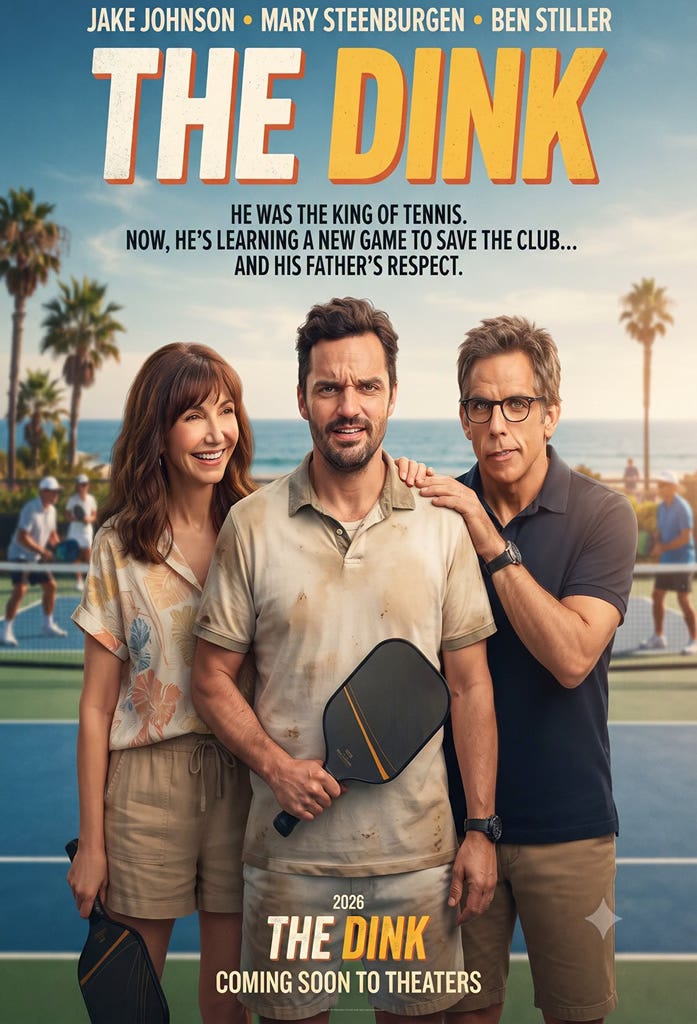
Pickleball has spent the past several years quietly taking over the American backyard, and now the sport finally has the big, broad, unapologetically silly comedy it deserves. Apple Original Films is set to premiere The Dink globally on Apple TV on Friday, July 24, 2026, a summer sports comedy built around the collision of old school tennis pride and the paddle sport that has been steadily eating its lunch. Produced by Ben Stiller, who knows a thing or two about turning an underdog sport into a cultural moment after his work on Dodgeball, and led by a cast stacked with reliable comedic talent, the film arrives with the kind of pedigree that suggests Apple is treating this premise with far more care than a quick punchline about middle aged suburbanites and their paddles. Read More!
If Bravo had rolled the credits on the In the City Season 1 Finale and not alerted us to a reunion because, honestly, considering how the production was ending, I thought this was it. No reunion.
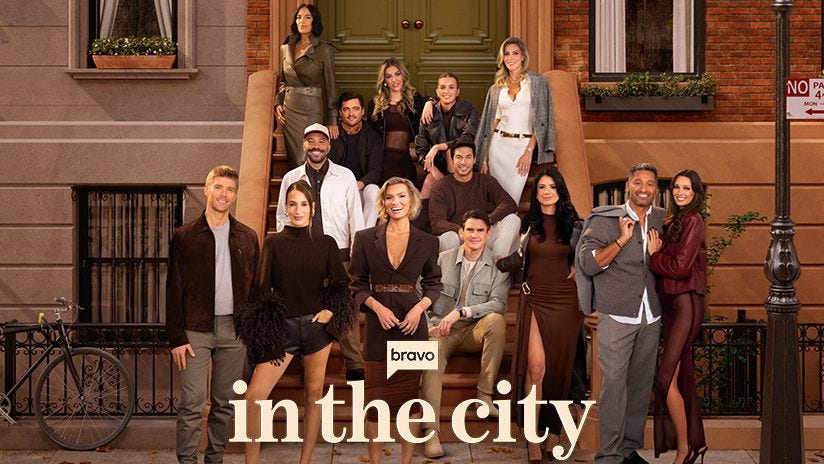
They literally went through every couple and every issue, all of which ended on such a beautifully positive note. Pregnancies, people seeming happy, and then, boom. The trailer for the reunion gets shown, and it seemed ugly. Then the after-show revealed even more information, which wasn’t ugly per se, but it also wasn’t happy, and I want happiness with these people.
The show would have closed on something genuinely rare in the Bravo universe, a warm, earned, emotionally satisfying conclusion. The Connecticut Friendsgiving drama got resolved. Whitney Fransway and Lindsay Hubbard had it out directly and arrived somewhere that at least resembled a peace treaty. Kenny Martin and Gavin Moseley worked through the tension their friendship had accumulated across the season. People hugged. The car rides back to New York City had that specific bittersweet quality of a group of adults who survived something together and knew it.
The show was, for most of its finale, genuinely good television and again, everything seemed good. Until I saw the trailer for the reunion airing next week. I do not know a thing about it aside from that blurb we saw after this finale.
The reunion is scheduled for July 21, in two parts. The Watch What Happens Live that night featured Whitney Fransway and Kenny Martin making a collective appearance.
Here is the full breakdown.
The Finale: What Actually Happened in Connecticut and What the Time Jump Revealed
The finale picked up on the Connecticut Friendsgiving trip in its final hours, with the most significant remaining piece of unfinished business being the confrontation between Whitney and Lindsay, which the show had been setting up since the bedroom dispute of Episode 8. The two finally went at it directly, with Whitney addressing the “single mom card” comment and Lindsay responding with the precision of someone who has been doing this for several seasons and has stopped treating any of it as a game she can lose. The exchange was pointed and honest, and it ended somewhere close to a real resolution, or at least a mutual understanding that the fight was not worth the energy of continuing it past the trip.
Kenny confronted Gavin during the same stretch of the Friendsgiving, addressing the specific incident from Episode 8 in which Gavin casually revealed Kyle’s DJ tour at dinner without knowing, apparently, that Amanda had never been told. The confrontation between Kenny and Gavin was less about the tour and more about the accumulated pattern of Gavin’s approach to group social dynamics, the tendency to introduce information into a room without considering the downstream consequences of doing so. Gavin, characteristically, handled the confrontation with a mix of defensiveness and self-awareness in roughly equal measure, which is how he handles most things.
As the trip wound down and the group dispersed, Kyle took over the DJ booth at the rental house while Amanda went to bed early. The show staged that detail with a deliberateness that made the gap between them visible without anyone having to say it out loud. They left Connecticut in separate cars. Kyle said in confessional that for the first time he genuinely felt that it might be over, describing it as “a sad realization” but one he was “not surprised” by. The cars drove toward New York. The episode moved toward what should have been its closing credits.
Instead, Bravo cut to January 2026, to a joint statement confirming the divorce. The montage that followed documented not just the separation but the subsequent revelation of Amanda’s relationship with West Wilson, which became public on March 31. Then the show went further showing that conversation filmed in April, in Kyle’s apartment, where the two sat across from each other and attempted to speak honestly about everything that had happened. Kyle accused Amanda of having “point blank lied” to him about West, telling her directly, “You left me for a guy who rages three times harder,” a pointed reference to the DJ lifestyle and party habits that had been cited throughout the season as one of the central friction points in their marriage. Amanda’s response drew a distinction that matters, “I didn’t leave you for someone else. I was scared.” She also acknowledged that she had been afraid to leave her apartment because of the backlash surrounding the West situation.
Kyle comforted her during that April conversation, and the episode captured what appeared to be a genuinely tender moment between two people who spent a decade together and are trying to figure out how to exit gracefully. He told her to lean on the people who have been around her. She noted that he had been that person for ten years. He said if she needed him, he would be there. Then she said, with the specific sardonic smile that has made her one of the more watchable personalities on this franchise, that maybe the four of them could get dinner together, gesturing toward herself, West, Kyle, and Salley Carson. Kyle’s face said everything his words did not.
The three pregnancy announcements that the finale loaded into its June 2026 update packages, covering Yvonne and Nick, Danielle and Eoin, and Andrea and Lexi, are genuinely happy developments for the people involved. As narrative architecture within the episode, they function exactly as described in the brief, production scrambling to balance the weight of the Kyle and Amanda outcome with something celebratory. The timing was not subtle. The episode needed joyful news and found three simultaneous pregnancies to deploy, which is either remarkable coincidence or the specific good fortune of a show about a group of people all in their thirties who were apparently having a very fertile spring.
Kenny’s closing confessional, filmed in June, in which he states with complete confidence that he plans to marry Whitney one day, is the season’s final note. Given the timeline of what the Friendsgiving episodes documented about their dynamic, including the bedroom dispute and the Whitney-Lindsay confrontation that Kenny navigated primarily by shielding Whitney rather than engaging the actual conflict on its merits, the confidence of that confessional is something the reunion trailer is going to test. Plus, some of that was revealed on the WWHL live show afterward. He was in the Oprah Chair.
The Reunion Trailer: Everything the Finale Was Not
The reunion was filmed on June 11, 2026, roughly a month before the finale aired, which means the cast had already experienced everything documented in the time jump before sitting down with Andy Cohen in what the trailer presents as a room containing substantial resentment, active scores to settle, and at least one piece of information about Amanda’s behavior that multiple cast members have apparently decided to characterize as “diabolical.”
The center of the reunion’s documented tension is Amanda and her relationship with West Wilson, specifically the sequence of events the trailer presents as a timeline problem. West Wilson was previously connected to Ciara Miller, who is one of Amanda’s close friends and a Summer House cast member. The trailer’s central accusation is that Amanda brought West onto the show, effectively introducing him to this platform and this social context, and then began dating him while the show was airing and while her friendship with Ciara was still ostensibly intact. Danielle Olivera, whose own relationship with Eoin Heavey has been the season’s other major romantic plotline involving complicated prior circumstances, uses the word “diabolical” to describe what Amanda did. The trailer frames this as one of the reunion’s defining confrontations, with Amanda visibly uncomfortable and the rest of the room positioned to press the issue.
The “17-page email” reference in the trailer suggests that someone in this cast documented something extensively enough to generate a seventeen-page written response to it, which is the kind of detail that indicates the off-camera period between filming and the reunion was considerably more active than the peaceful “everyone hugged in Connecticut” energy of the finale would suggest. The line about “collecting apologies like you collect souls” is the kind of constructed insult that sounds spontaneous but almost certainly took some preparation, and whoever said it about whoever they said it to has clearly been sitting on it for a while.
What the reunion trailer effectively reveals is that the warm, resolved ending of the season finale was a snapshot of a single moment in October 2025, and that the months between that moment and the June 2026 reunion added layers of complication and betrayal that the show’s finale did not and could not account for. This is not unusual for Bravo reunions, which frequently cover events that happened after filming wrapped. What is unusual is the specific gap between how peaceful the finale felt and how combustible the trailer promises the reunion will be. The whiplash between the two is the show’s most honest admission that reality television’s editing decisions are always a negotiation between what happened and what narrative the production wants to leave viewers with.
Watch What Happens Live with Andy Cohen Season 23 Episode 115, airing July 15.
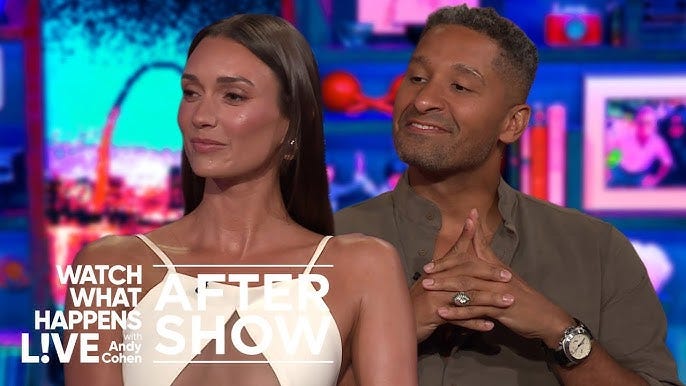
Closet Case and the Lexi Question
Andy wasted no time going after the material that matters, which is what Closet Case is designed to do. The segment surfaced the question of Whitney’s current trust level with Lexi Sundin, Andrea Denver’s wife and In the City cast member who was responsible, on camera, for introducing the “single mom card” comment into the group conversation in a way that made its full impact visible to everyone in the house. Whitney’s response made clear that her trust in Lexi has not recovered. That answer was honest, which is a point in its favor, and it also confirmed that the alliance damage done during the Connecticut Friendsgiving has not been repaired by the weeks between filming and the WWHL appearance.
The “mom card” comment itself, in which Whitney accused Lindsay and Georgina of claiming the primary suite by leveraging their status as mothers, had already been processed extensively in public by the time of the WWHL appearance. What the Closet Case segment did was confirm that Whitney has not arrived at a meaningfully different relationship to the comment than the one she had when she made it. She characterized it as a response to Lindsay’s pattern of behavior rather than an isolated misstep, described Lindsay as someone who deliberately positions herself as a victim to manufacture audience sympathy, and noted that Kyle Cooke’s behavior this season constitutes a “massive red flag,” which is a not particularly bold take given that Kyle’s behavior had been the subject of multiple episodes of analysis by that point. She also remarked that Amanda Batula’s apartment, as shown on the finale, was notably messy. The remark about the apartment landed with the energy of someone looking for additional ways to establish that people around them are not as put-together as perceived, which is a specific social move that audiences recognize immediately and rarely receive warmly.
Kenny’s Defense of Kyle Cooke and the Case Against Gavin. Kenny took the lead portion of the appearance that involved the reunion trailer and the larger cast dynamics, which was either a strategic decision to use his stronger conversational skills or a protective instinct to keep the more combustible material in his hands rather than Whitney’s. He described Kyle Cooke as “the only voice of reason” at the reunion taping, which is a characterization that the trailer itself does not entirely support, and which represents a choice to position himself as a Kyle ally at a moment when the audience’s relationship to Kyle is, at minimum, complicated. The choice to call Kyle reasonable in a room where the reunion trailer shows significant screaming is either a genuine assessment or a deliberate counter-narrative, and either way it landed as a surprise.
His characterization of Gavin Moseley as someone who throws accelerant into group situations and then walks away from the resulting fire is not entirely wrong as a read of how Gavin operates. Gavin’s social style is specifically built around provocative observation and is less invested in managing the aftermath of those observations than in making them. The framing of that as a character flaw rather than a personality trait is a matter of interpretation, and Kenny’s delivery of it suggested a level of personal feeling about Gavin that goes beyond a neutral assessment.
The timeline revelation Kenny offered about Amanda Batula and West Wilson’s relationship was substantively interesting and possibly the episode’s most newsworthy moment. Kenny confirmed that during the fall 2025 filming period, there were already “grumblings” within the group about a connection between Amanda and West, well before the relationship became public in March 2026. He described himself as “shocked to be honest” but noted that the information had been circulating informally during production. That detail adds a layer to the reunion’s inevitable interrogation of the timeline question and to Danielle Olivera’s “diabolical” characterization of Amanda’s behavior.
The Clubhouse Connection Segment and the Abandonment Answer. The Clubhouse Connection game, which asks couples to match their answers to relationship questions under the pressure of a live studio audience and an attentive host, produced the evening’s most jarring moment entirely by accident. The segment covered things including whose biggest pet peeve irritates the other most, hall pass selections on both sides, and their respective favorite positions, which is standard WWHL couples game territory and went about as awkwardly as those questions tend to go.
The moment that actually produced something real was the question about Kenny’s deepest or most niche fear. Whitney’s answer, offered with the casual confidence of someone who expected it to land as a funny couple anecdote, was that Kenny’s biggest fear was getting a toe in his mouth the way they do it on Love Island. It was offered as a joke. Kenny’s written answer, which Andy revealed a beat after Whitney’s guess, was “abandonment.” The tonal shift in the room was immediate and complete. Andy was momentarily speechless, which is not a state Andy Cohen reaches easily or often. The contrast between what Whitney guessed and what Kenny wrote, the distance between the playful answer and the real one, said something about the specific gap between a couple’s public performance and their private emotional reality that the game accidentally exposed rather than the production intended to capture.
The fact that Kenny has a deeply rooted fear of abandonment is not surprising biographical information for anyone who watched the season. His father left when Kenny was a teenager and moved to England. He did not see him for more than twenty-five years. He has described the experience of growing up without that presence as foundational to patterns he developed in relationships, specifically the pattern of testing partners by pushing them away to see if they will stay. The fear of abandonment is not a quirky confession for a party game. It is the central emotional architecture of his personal history, and Whitney guessing a Love Island toe joke in its place did not produce the laugh the segment was constructed around. It produced something more uncomfortable and more honest.
The After Show: The Father Story, Done Right. The single genuinely effective moment of the entire evening came in the After Show, when a fan asked Kenny whether his father had ever tried to find him through social media during the years of their estrangement. The answer was both touching and specific in the way that real stories are specific rather than performed ones. Kenny confirmed that his father had searched, but was unable to find him because Kenny does not use his given name on social media, and because his father had assumed he was living in Kalamazoo, Michigan, where Kenny grew up, when Kenny had in fact moved away. His father was searching the wrong city for someone with a different online name. “My name wasn’t Kenny, or Kenneth Martin on social media, and I don’t live in the town that he thought I grew up in,” Kenny said. “So he’s checking Kalamazoo. I lived outside of Kalamazoo. My name was different on social media, but the feedback was that yes, we were kind of both searching, probably passively.” Whitney added that Martin is a common enough last name that finding him without the right city or the right name was like looking for a needle in a haystack, which is precisely accurate.
That story, told plainly and with the specific details that distinguish genuine recollection from a press tour talking point, is the version of Kenny Martin that In the City earned considerable audience goodwill for. The twenty-minute main episode spent that goodwill fairly quickly. The After Show recovered some of it. The balance at the end of the evening was not in their favor, which is what happens when people who are genuinely compelling in their personal stories spend the bulk of a media appearance relitigating a feud in which the audience has already decided they are the less sympathetic party.
The reunion airs July 21 on Bravo in two parts. If the trailer is any indication of what the full two hours contain, the peaceful Connecticut resolution that closed the finale is going to feel very far away by the time it is over.
In the City Season 1 is now complete on Bravo, with all episodes streaming on Peacock and on Sunset.
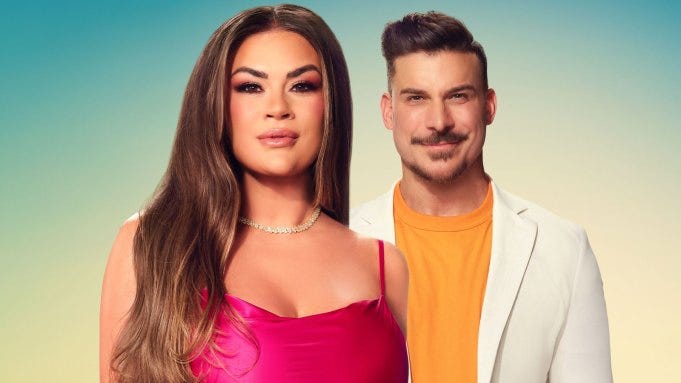
Bravo had wrapped production on The Valley Season 3. The season was complete, the reunion had been filmed on schedule, the editing was underway, and the network was preparing to close the book on one of the most dramatic and emotionally dense chapters in the franchise’s young history. Then Jax Taylor went to Puerto Vallarta for his 47th birthday, and TMZ published photographs of him chest-to-chest in an infinity pool with Lori Krebs, the woman who has served as both his and Brittany Cartwright’s personal publicist for more than a decade.
By July 15, Deadline and The Hollywood Reporter had confirmed that Bravo was scrambling to resume filming. The season was not over after all.
The specific nature of what the photos documented is worth understanding clearly, because the subject of these photographs is not simply Jax Taylor’s romantic life, which has never been anyone’s idea of stable territory. The subject is Lori Krebs, and the particular category of trust she occupied in Brittany Cartwright’s life, which makes the photographs something considerably more serious than a straightforward post-divorce dating story.
Who Lori Krebs Is and What Her Role Actually Was
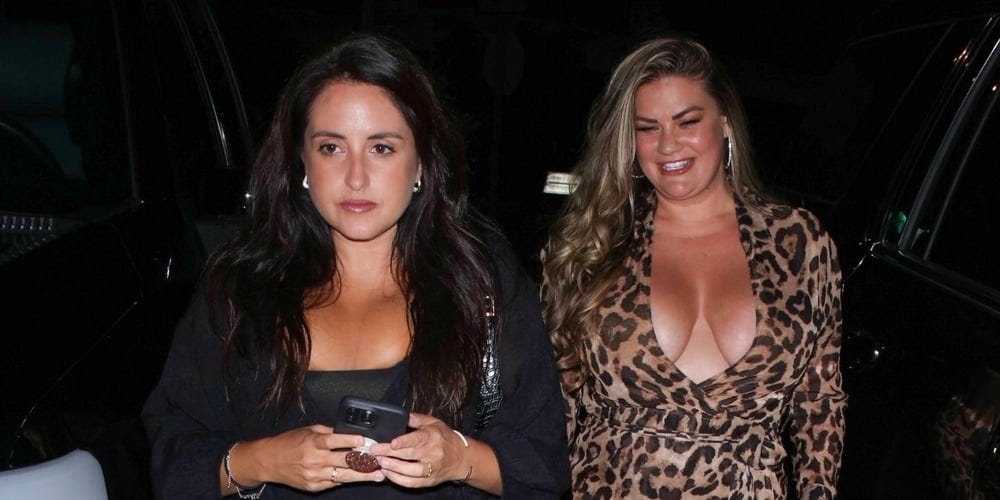
Lori Krebs is the founder of LoriK Public Relations, a boutique entertainment PR firm, and for more than a decade she served as the personal publicist for both Jax Taylor and Brittany Cartwright, not as a corporate vendor who handled their press inquiries from a professional distance, but as a genuinely close personal figure who was present through the most difficult period of their lives together.
She managed their red carpets. She navigated their public image through the highly documented crises of the Vanderpump Rules years and the subsequent transition to The Valley. She guided them through the press strategy surrounding their January 2024 separation, a period that required not only careful public messaging but intimate knowledge of the legal and financial details of a marriage ending in real time. She knew where the bodies were buried, in the most figurative sense of that phrase, because she had been the person helping them decide where to put them.
What made the relationship unusual for a professional context was how genuinely personal it had become. When blind items circulated in early 2024 suggesting that something more than a professional relationship existed between Lori and Jax, Brittany did not simply issue a denial through a spokesperson. She addressed it herself on their shared podcast, saying on air: “She’s our publicist and a very, very good friend of mine. A photo like that, people were saying a lot of crap about it, but it really wasn’t that big of a deal. I want to make that clear, because Lori’s an amazing publicist, a super hard worker and she does so much amazing work for us.” Brittany put her name behind Lori’s character and her own certainty about the relationship’s nature, publicly and on the record. That is the context that makes what happened in July so specific in its injury.
The Timeline the Photos Confirmed
TMZ published photographs on July 13 showing Jax and Lori at Hotel Mousai in Puerto Vallarta during a group trip celebrating Jax’s birthday, which fell on July 11. The photographs show them standing chest-to-chest in the resort’s infinity pool, arms around each other, and a witness account provided to TMZ described their behavior as considerably more demonstrative than what the cameras captured, noting that they were close and physically affectionate throughout the day and not attempting to conceal it from other guests. TMZ also obtained video of an animated poolside conversation between the two.
The Puerto Vallarta trip was not the beginning of a documented timeline. TMZ subsequently reported that Jax and Lori had been photographed together at a Flanigan’s Seafood Bar and Grill in Boca Raton, Florida, on May 15, approximately two months before the Mexico photos surfaced. Sources told TMZ they appeared low-key and were drinking soda, and that they did not seem to want to be recognized. Jax had been in Florida at the time for speaking engagements at mental health facilities, including Lifeskills South Florida, where he has been an ambassador for Recovery Through Repetition. The May photograph established that the Mexico trip was not an isolated event but part of a pattern of time spent together that predated the birthday celebration by at least two months.
Sources confirmed to People and Us Weekly that the relationship had turned romantic over the preceding several months, with the two reportedly bonding over shared personal circumstances, including navigating their respective divorces and the specific experience of raising children with autism, Jax’s son Cruz and Lori’s own children.
The detail about how Brittany learned of the photos is important. Lori called Brittany before TMZ published the images to give her advance warning that the story was coming out. That call, by every account, has been the last direct communication between them. Sources told Page Six that Brittany’s primary sense of betrayal is directed at Lori rather than Jax, with the explanation that “she doesn’t expect much from him at this point.” That sentence, delivered to a reporter in the voice of a person who has recalibrated their expectations of someone over years of accumulated evidence, says more about the state of Brittany and Jax’s dynamic than any single episode of the show has managed to convey. The firing was immediate. A ten-year professional relationship that had become genuinely personal was terminated in the aftermath of a phone call warning Brittany that photographs were about to go public.
Lori Krebs deactivated all of her social media accounts following the story’s publication.
Overall, and honestly, as far as Jax goes, I get it. If he could land someone like Lori Krebs, that’s a win for him. Besides, a Publicity Chick is always “The hostess with the mostesst.”
Why Bravo Came Back to Film
The production decision to resume filming makes complete sense as a practical matter and raises a genuine ethical question as an aesthetic one. The practical case is straightforward, the Jax Taylor and Lori Krebs story is directly connected to cast members who are already part of the season’s narrative, and not documenting Brittany’s reaction would leave a significant real-world development unaddressed in a show that presents itself as an authentic portrait of these people’s lives. Bravo has done this before, resuming production to capture post-filming developments when circumstances warranted it.
The cameras are specifically capturing Brittany’s reaction and the friend group’s response, rather than filming Jax directly, which reflects the reality that Jax was not a primary cast member in Season 3 during his sobriety focus. The scenes being filmed now will be inserted into the season’s closing episodes, meaning the audience will watch the group process a real betrayal in real time within weeks of it having actually happened. That structural immediacy is both what makes it compelling television and what makes it worth examining carefully. These are real people, and the friend group’s reaction to something this specific and this personal is not a manufactured storyline.
Lala Kent, speaking on her podcast before any of the additional filming was announced, described both Jax and Lori as “bottom feeders” and said she was disgusted by how they operated. That is the temperature of the cast’s response, and it is consistent with what the cameras are now being deployed to document.
Episode 16: “Balls Voyage” and the Week’s On-Screen Events
While the off-camera scandal has dominated the conversation around The Valley this week, the episode that aired on schedule, titled “Balls Voyage,” delivered its own mix of the earnest and the absurd.
Danny Booko’s vasectomy, which is a minor outpatient procedure that the show documents as though it were a significant life event, was treated by Danny as the occasion for a formal farewell party to his reproductive years. The procedure itself is medically unremarkable. Danny’s presentation of it was not. He hosted a gathering, received the support of his male friends, and then complained extensively about Nia Sanchez’s absence from his recovery period. It is about everything a man does not want to ever discuss let alone carry that out. Nia had traveled to judge the Miss USA pageant, which is a professional obligation of the kind that a supportive partner acknowledges without turning it into a grievance. Danny turned it into a slight grievance. He said her absence “robbed him of the recovery experience he expected,” which is a sentence worth sitting with, given the ongoing conversation about the dynamic between them this season. His complaint about Nia’s professional travel during his elective procedure produced no sympathy from viewers, nor should it have.
Lala Kent’s seven-year sobriety anniversary provided the episode’s most substantive scene. She marked the milestone with a dinner and used the occasion to confront Kristen Doute directly about the Janet Caperna situation, specifically about why forgiveness is categorically off the table for Kristen when it comes to Janet. Kristen was unambiguous, she does not trust Janet, she has no path toward trusting Janet, and the season’s various events have not created any opening for her to reconsider that position. Lala’s attempt to push toward some version of resolution landed on a wall that Kristen has clearly decided is permanent rather than temporary. Whether that rigidity is justified by the season’s accumulated evidence or whether it is itself part of a pattern Kristen needs to examine is a question the show has been asking with increasing directness and that the reunion will presumably force into the open.
The episode’s genuinely warm moment belonged to Jasmine Goode, who took her mother, Zack Wickham, and several of the women wedding dress shopping ahead of her engagement party with Melissa. The shopping trip produced exactly the kind of low-stakes, warm group energy that the season has rarely offered, and the moment in which a sales associate attempted to present a gown from a “Game of Thrones-inspired collection” prompted the specific laughter of people who are fully aware of what happens to nearly everyone in Westeros who has a good day. The group noted that a Game of Thrones wedding dress is, historically speaking, not an encouraging omen, and moved on to something that did not carry the thematic weight of multiple fictional massacres.
What Comes Next
The reunion, when it airs, will now exist in a context that the production could not have anticipated when it was filmed in June. The cast sat down with Andy Cohen to process a season full of “Like-Gate,” Janet’s disclosure, Danny’s birthday collapse, and Zack’s head wound, without knowing that weeks later one of the franchise’s founding figures would be photographed in a Mexican resort pool with the woman who had been representing his ex-wife for a decade. The additional filming happening now will add material that postdates the reunion, meaning the audience will ultimately see some of the cast’s real-time response to the Lori situation before they see the full reunion accounting of everything that preceded it.
For Brittany Cartwright, who filed for divorce from Jax in August 2024 after five years of marriage and has spent the subsequent months navigating co-parenting and the specific public weight of a Bravo divorce, the July revelation arrived as confirmation of something she had suspected and chosen not to believe, because the person she was asked to trust was the professional she had publicly defended. “She always had Lori’s back,” a source told Us Weekly, “and trusted her. They were very good friends and did not have a typical professional relationship.” That closeness is precisely what the photographs turned into a wound, and the cameras that are currently rolling in its aftermath are going to document what that wound looks like for Brittany and for the people around her.
The Valley Season 3 airs Wednesdays at 8 p.m. ET on Bravo, with episodes streaming on Sunset and Peacock the following day.
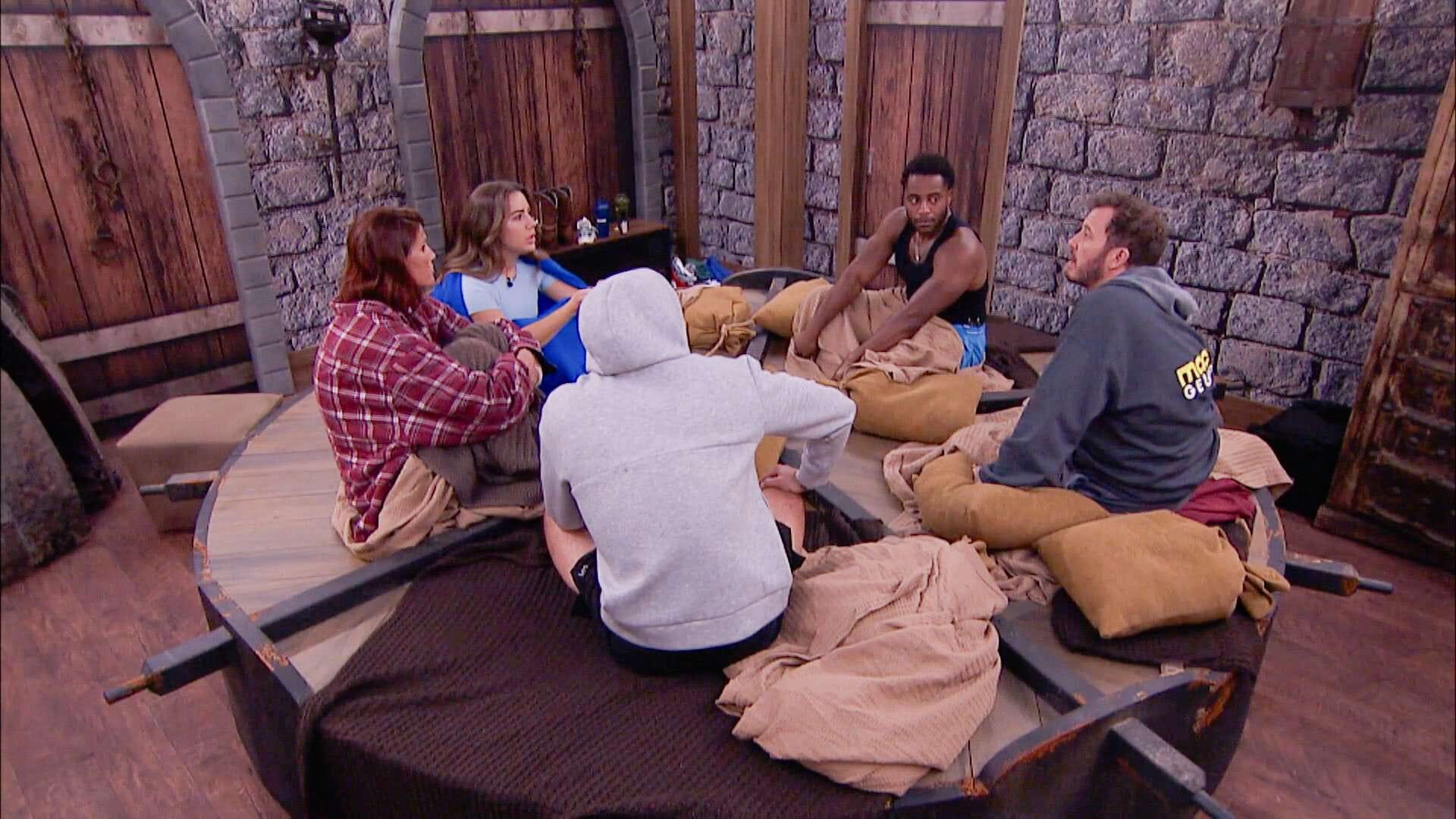
Stop reading immediately if you are watching Big Brother 28 exclusively through the CBS broadcast and want to experience the season unspoiled. Everything below comes directly from the live feeds that happened minutes ago, which are running days ahead of the television schedule. The nominations revealed here will not air until Sunday’s episode. The eviction result is from Thursday night. If you want to be surprised, close this tab and come back after Sunday. For everyone who is already refreshing the feeds and wants the complete picture of what has happened since Thursday came and went, here is everything.
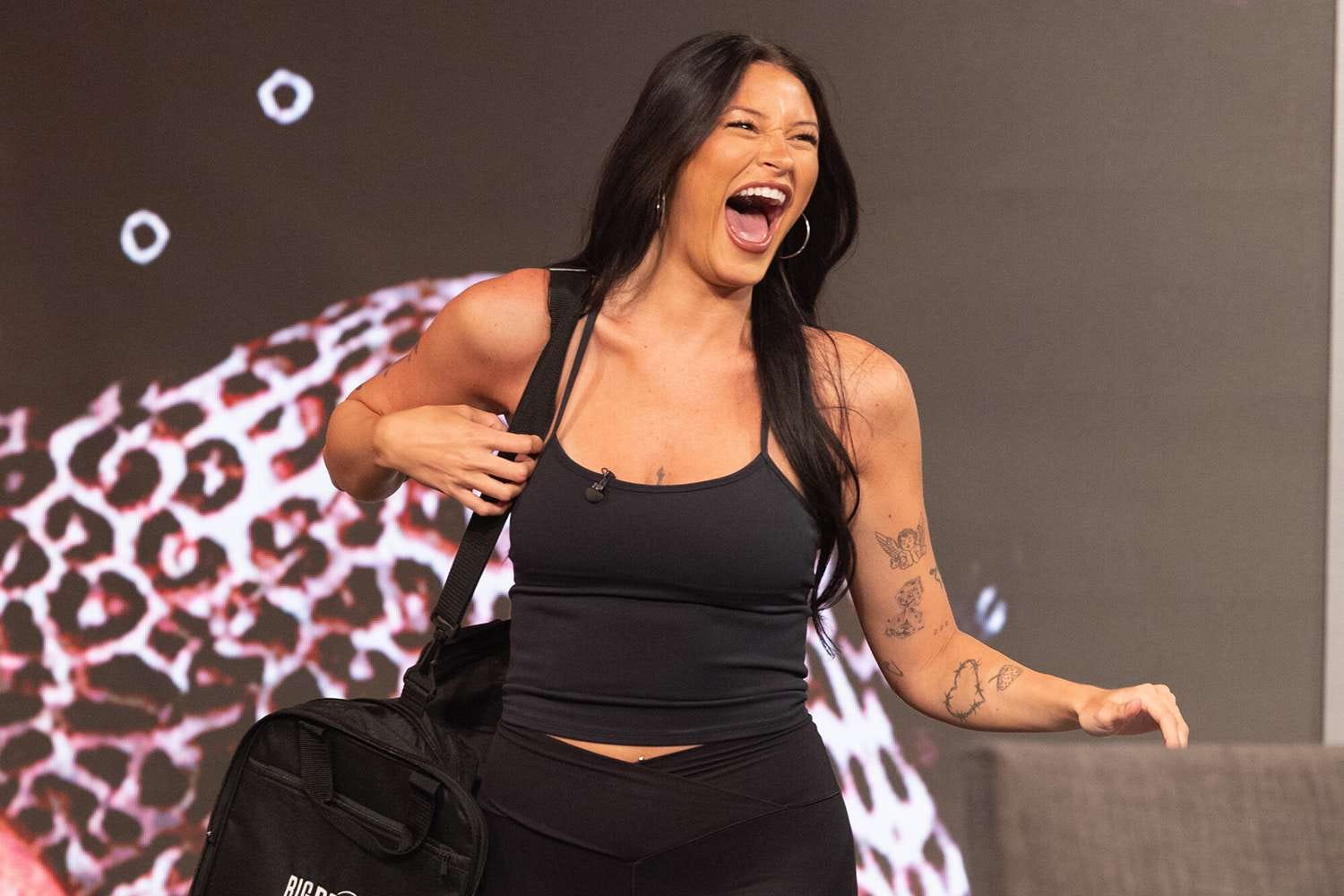
Ashley Trail is gone. Rick Devens has the HOH key. The nominations just dropped. And the house, which had been maintaining a fragile illusion of social cohesion through the first week, is now in open fracture.
Ashley Trail, the BB Blockbuster, and How She Evicted Herself. The first week of Big Brother 28 produced one of the more remarkable self-sabotage sequences the show has documented in recent memory, and it culminated Thursday in Ashley Trail leaving the house by a unanimous vote of 14 to 0. That unanimity requires explanation because it was not the foregone conclusion it appears in retrospect.
Ashley entered the week as the replacement nominee after Mallory Aurichio won the Power of Veto and removed herself from the block. She was in genuine jeopardy, but she also had a viable path to staying. The strategy that could have kept her involved identifying the swing votes, making targeted pitches, and maintaining the social relationships required to survive a first eviction. What she chose to do instead was panic, and the specific form her panic took was revealing the architecture of a forming alliance to people who were outside of it and had reasons to act on the information.
The cascading effect of that disclosure was swift and total. I saw it happening on the live feed, and then I heard people talking about it on the live feed as well. Allies who had been prepared to vote in her favor received the information that Ashley had exposed structural details that could compromise their game, and one by one they made the rational calculation that keeping someone who catastrophically mismanaged sensitive information under pressure was more dangerous than losing a vote. By the time the BB Blockbuster competition played out and confirmed Ashley as a final nominee, the vote was effectively already decided. The unanimity of 14 to 0 is not a statement about Ashley’s character or likability. It is a statement about what happens when you give the house a clean, justifiable reason to send you home before any of them need to commit to a real political decision.
The BB Blockbuster competition, for viewers who have not encountered this twist yet on the broadcast, gives nominees an additional competition opportunity before the eviction vote, offering a path to safety that bypasses the traditional veto mechanics. Ashley survived through the live episode without winning the Blockbuster and was evicted in the subsequent vote. Yash Patel, the other nominee who entered the week in a more precarious position given Dee’s rationale for nominating him, survived, which means he owes the next few weeks of his game to Ashley’s decision to campaign in the way she did.
Rick Devens Wins the Week 2 HOH in Wild West Gear. Thursday’s live eviction episode on CBS ended before the Week 2 Head of Household competition was concluded, leaving television viewers with the eviction result and no information about who would hold power next. For feed watchers, the answer arrived at approximately 9:45 p.m. Pacific Time, when the cameras came back online after a production blackout and revealed Rick Devens wearing the HOH key.
The competition had a Wild West theme, which is consistent with the “Time Trip” season premise, and the houseguests were dressed in full cowboy and cowgirl costumes for the occasion. Devens told the feeds he was completely physically exhausted from the competition and went directly to bed rather than celebrating in the backyard saloon setup production had constructed. That detail matters because it is consistent with how Devens operates, the man is genuinely competitive, expends everything he has in competitions, and does not spend energy on performance when he has actual work to do. He was back up and moving through the house making deals within hours.
The HOH win has specific implications for all three veteran players and for the season’s overall power structure. Dee Valladares, who spent Week 1 managing a stressful reign that required a last-minute renom after Mallory won the veto and dealing with the downstream complications of Devens leaking alliance information, moves into maximum safety for the week. She goes from outgoing HOH, the most vulnerable position in the game, to the closest ally of the current HOH, with no competition eligibility that could threaten her. Angela Murray, who spent the back half of Week 1 in an anxious spiral as trust lines blurred in the lead-up to Ashley’s eviction, gets a week to reset her social game without being in immediate danger. The veterans have now held the Head of Household for two consecutive weeks.
Julie Chen Moonves, in a move that is unusual but not unprecedented for a network host, gave an interview in which she said she was not impressed with Devens’ game management and was rooting for Dee to win the season. That kind of public editorial from the host is notable and gives some texture to how CBS is framing the current power structure.
The “Tool Shed,” Rome’s Locked-Out Moment, and the Plan That Formed at 2 a.m. The feeds through Thursday night and into Friday morning documented one of the more operatically messy strategy sessions in the season’s young history, with the final shape of Devens’ plan emerging in pieces across several hours of overlapping conversations.
Devens’ initial instinct was to play it safe, targeting Mallory Aurichio, LaTrice Verrett, and Melody Morris, which would have produced a conventional week without forcing any significant political commitment. That changed after a conversation with Angela Murray, who pushed him toward something more consequential. Angela’s argument was that the house was already splitting along visible lines and that playing neutral would only delay the fracture rather than control it. She encouraged Devens to embrace the war rather than avoid it, which is advice consistent with her BB26 game style and which Devens, whose entire Survivor legacy is built on aggressive mid-game play, received enthusiastically.
The revised plan is to use the nominations to draw a clear line between the veterans and their aligned newbies on one side, and Rome Seymour’s social orbit on the other. The actual nominations are Melody Morris, Jason De Puy, and Lyric Medeiros. The true target is Rome Seymour, who Devens plans to backdoor after the Power of Veto competition. This plan was formalized in what the feeds are calling the “Tool Shed” alliance meeting, in which Devens locked the HOH bathroom door and met with Dee and Angela while Rome was literally standing outside the HOH room trying to pitch safety for himself and Lyric and being told by Devens only that Rome personally was safe, with no commitment made about Lyric.
The image of Rome Seymour knocking on a locked HOH door while the people inside finalized a plan to evict him is one of the more elegant pieces of unintentional symbolic staging the feeds have produced. Rome eventually went back downstairs, and a few minutes later watched a succession of houseguests emerge from the HOH room, making the extent of the meeting immediately obvious. His response was to begin moving through the house telling people that lines were being drawn and that he believed he was being targeted. He was correct, and his real-time awareness of the situation has made the Friday morning feeds chaotic in ways that the planned nominations were designed to avoid.
The intelligence failure in Rome’s case is specific and embarrassing in its own right, he bragged on the feeds Thursday night about having thrown the Wild West HOH competition to Lyric. Devens heard about this. His assessment of someone who deliberately lost a competition and then went around advertising the fact is the same assessment most people would makem, that Rome has both a competitive recklessness and an impulse control problem that make him a genuine threat whose removal is worth the strategic complication of a backdoor attempt.
The Morning After: Rome Goes to War and Angela Teases a New Alliance. As of Friday morning, the Big Brother 28 house is not quiet. Rome has been making rounds, calling out Angela, Dee, and others for the HOH room snub, telling Lala, Mallory, and LaTrice Verrett that he believes he is the target and that the veterans are trying to backdoor him, and explicitly warning people that lines are being drawn and that neutrality will not be possible. He is correct about the diagnosis and has correctly identified what happened last night, which paradoxically makes his situation more complicated because his scramble is drawing more attention rather than less.
Jason De Puy, one of the three nominees, has been going around the house counting votes and assessing the actual dynamics of the sides forming, which suggests he does not entirely believe the “you are a pawn” story Devens has been telling. The fact that Jason is doing this openly, in front of Drew Campbell, who is a Crossovers member and therefore has a direct line to Devens, means the information flow is visible to both sides of the house in a way that further complicates the plan’s execution.
Angela Murray was on the feeds Friday morning telling Lala and LaTrice that big information was about to come out, describing the contours of what appears to be a forming women’s alliance that she is calling a “mama’s alliance.” The nature of that alliance and which houseguests it involves will become clearer as the day progresses and the feeds document more conversation. Is she a tweaker? Because everything seems to come to a head with Angela. She is in such great shape today that all she needs to do is shut the fuck up. And yet, things always seem to come to a head with her, and she does something so unnecessary. Why she would be boasting about being in some alliance is unreal. Stop talking Angela. Go do anything else but talk to people.
The Have-Nots for Week 2 are Jason De Puy, Rome Seymour, Lyric Medeiros, and Barrett Pfeiffer, which puts two of the three nominees and the showmance couple on slop simultaneously and represents either an additional layer of strategic pressure or a coincidence of selection, depending on how literally Devens was thinking about the Have-Not assignments.
What Comes Next? The Power of Veto competition will take place this weekend, and its outcome will determine whether the backdoor plan against Rome is executable. The most significant risk in Devens’ strategy is straightforward, Rome could be drawn to play the veto, win it, and use it to remove Lyric from the block while simultaneously guaranteeing himself safety through the BB Blockbuster. That outcome would collapse the entire plan and force Devens to name a replacement nominee from within his own alliance structure, which would create exactly the internal fracture the plan was designed to avoid. The alternative outcome, in which Rome is not chosen to play the veto or plays it and does not win, sets up what the feeds are already anticipating as one of the week’s most dramatic moments, the point at which Devens uses the replacement nomination to put Rome on the block and the house processes what that means for everyone who has been playing the middle.
The nominations ceremony has just concluded. The feeds went dark and have come back online with the house in a state that feels like the last few minutes before a weather event. Jason De Puy, Lyric Medeiros, and Melody Morris are on the block. Rome Seymour is, by almost every account on the feeds, aware of what is coming for him. Rick Devens has pickles, an HOH room, and an alliance that just locked a door in someone’s face. The season is ten days old.
The full broadcast is on CBS this Sunday at 8 p.m. ET, where the HOH competition results and the week’s early strategy will air for the first time on television. Live feeds continue on Paramount+, Sunset and Pluto TV, with limited access windows on the official Big Brother YouTube channel.
Comments
Nothing yet. Say the first thing.
Sign in to join the conversation.