
Do we all have the same model for emotion, reason, and relationship?
Of course not.
We don’t even have the same experiences or inclinations.
Do we fit neatly into any “model” at all?
I doubt it.
But modernity seems a flood of population-level events parsed by nearly all of us. How we take it all in, and relate to each other about it, is the name of the game.
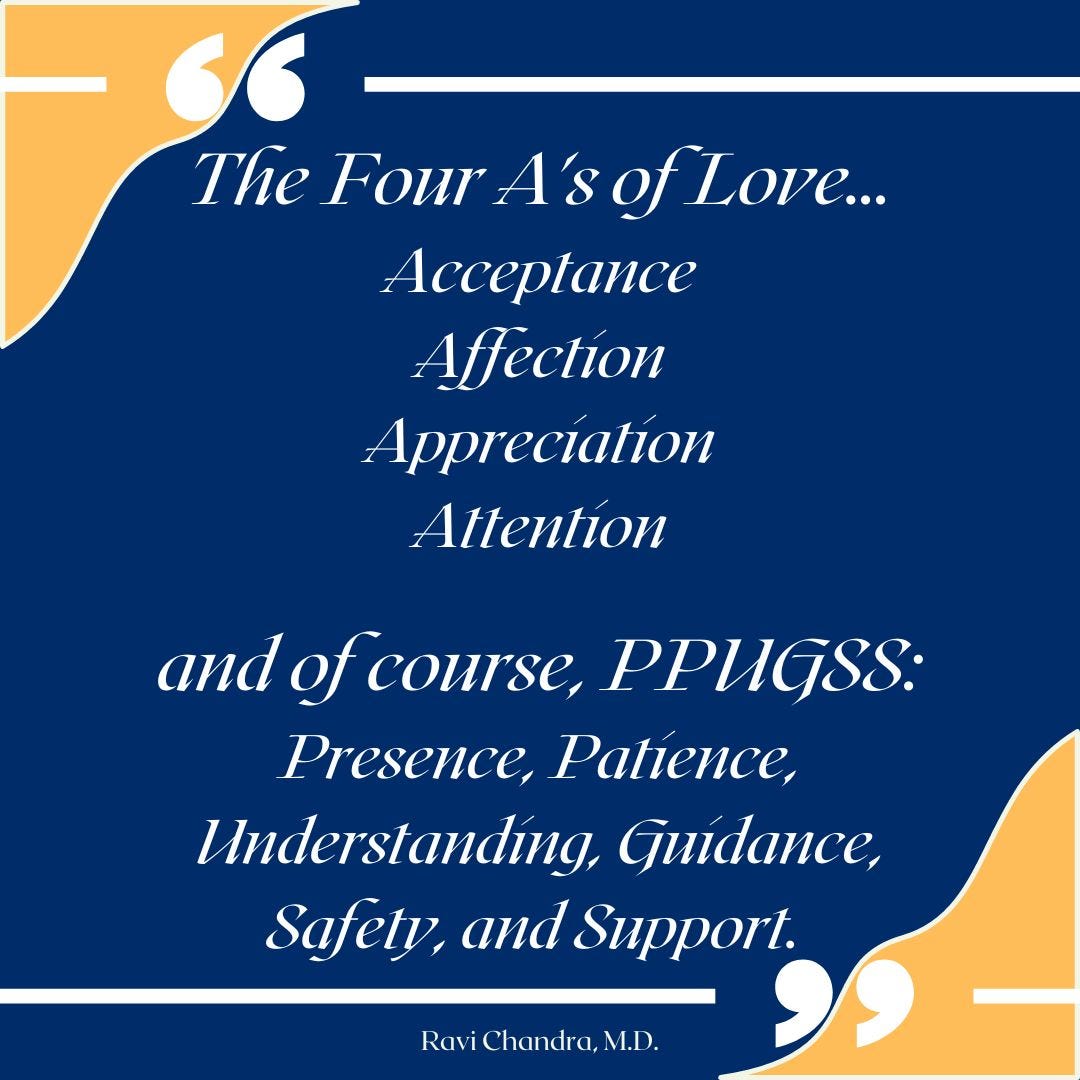
How we relate to diversity and distress matters most. Humility, kindness, compassion, love, calm, patience, and “reasonable reasoning” top my list of what to bring to the spaces within and between us, as well as affirming our voices and agency to name and overcome abuse. These are healing forces and glue for the great mysteries of life.
Interesting how the guy in charge of the country doesn’t seem to have any of these qualities. He, therefore, is the opposite of glue, the epitome, sign and symptom of what has ailed us all along, and a prompt for deeper feeling, thinking, and relating.
It makes for an uncomfortable and confusing melange of emotions. He’s a terrible guide for “how to be a person” much less a president, in my view.
Compare that to Dolly Parton. Her songs alone are fantastic emotional guidance - and her life story even more so, remarkable and untoppable in scope and accomplishment. Let me add my voice to the praise, gratitude, and sorrow at her loss. We will never see someone quite like her again.
“I hope the nation and world can rally and Dolly the rest of the century, rather than Donald it.”
— Ravi Chandra, MD
“Obviously, Dolly was popular for many reasons: her personal charisma, her philanthropic endeavours, her sense of humour, and her business acumen. But her distinct ability to frame universal human struggles using positive, optimistic language may also have played a role.”
– Eaton J. Dolly Had a Unique Ability. Radical Repair on Psychology Today, August 26, 2026
She had a tremendous gift for feeling, and then doing something with everything she felt inside.
But emotions are confusing, even to the most learned amongst us, because they are not quite “reason,” or “logic.” They don’t fit neatly into language, code, or “model.”
Dacher Keltner, social psychologist and founder of the Greater Good Science Center says,
“I think we’re always going to battle over what the broad construct of emotion is. There’s something about emotion that produces these disputes. It may be that we think we’re getting down to the essence of human nature.”
Beck J. Hard Feelings: Science’s Struggle to Define Emotions. The Atlantic, February 24, 2015 (Gift article)
This from the man who helped create a pop culture sensation in the Inside Out movies and their model of a “Headquarters” controlled by “basic” emotions like joy, anger, fear, disgust, sadness, embarrassment, anxiety, and a developing “sense of self.”
Even he says emotions may be ineffable and beyond words, reason, and categorization. (Maybe Dolly would say we’d have to just keep singin’ ourselves through ‘em!)
Still, many, many people felt seen by Inside Out. We so want to see and be seen. A.O. Scott wrote in the New York Times:
“You will look at the screen and know yourself.”
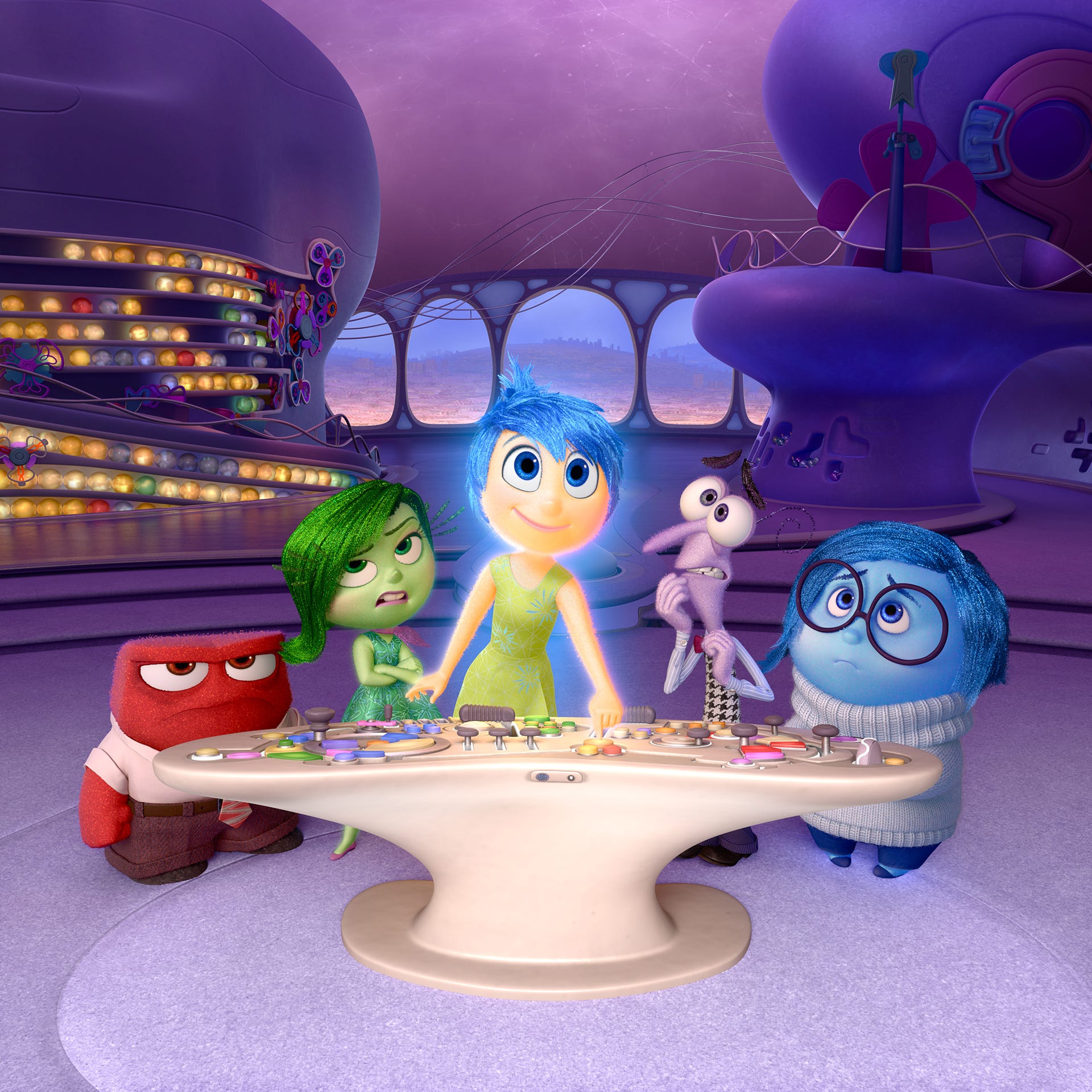
However, psychologists continue to debate what some want to be a universality of experiencing and expressing emotions. Heck, as much as I liked the films, I had a bit of a debate with them myself!
“[The] stories between us' are perhaps more powerful than anything our individual HQ’s could arrange. It’s beyond society of mind. It’s relationship, family, community, or society itself, with all their heartaches, hopes, and potentials.”
Chandra R. Headquarters? What Headquarters? Behind Pixar's Inside Out. The Pacific Heart on Psychology Today, June 22, 2015
and
While the mechanisms of the mind look concrete and discrete on screen, in reality, they can be quite fluid and dynamic, with the buried emotions and memories of the “unconscious” secretly running the show and all elements lapping into each other like waves of a great ocean of self, flowing with the ocean of other-selves as well. Even emotions are not discrete and separate and are arguably more multiform and varied than the ones depicted in the film.
Also, there is not simply a narrative sense of self, as depicted, but an experiential sense of self, grounded in moment-to-moment experience, that allows us to have a necessary dialogue with narratives.
Chandra R. Pixar’s Inside Out 2: Sense of Self, Emotions, and Memories. The Pacific Heart on Psychology Today. June 15, 2024
Emotion, reason, and relating are mysterious, daunting, shifting, changeable. Hard and even impossible to fully define, especially “across the board.” Indeed, Gal Beckerman writes,
“Maybe we would do better to start by recognizing the mystery of other people.”
Beckerman G. What if Our Ancestors Didn’t Feel Anything Like We Do? The Atlantic, December 5, 2025 (Gift article)
Maybe it’s best to adopt the Beginner’s Mind, or Don’t Know Mind, from Buddhism, when relating to others. Thich Nhat Hanh wrote that even one’s beloved is changing, and is therefore unknowable in some very basic way.
Still, we try to understand and even learn from others and different cultures, because this helps us navigate the joys and pains of the world, and ultimately, survive and thrive, because survival has been about learning, connection, and nurture for all our existence as a species. I think humility, kindness, compassion, love, calm, patience, and “reasonable reasoning” guide us to healthier relationships, less suffering, and ultimately greater, more inclusive achievement and joy.
There’s always more to learn, even for me as a psychiatrist. We are guided and influenced by our family, culture, values, choices, and biological dispositions.
Every day I’m trying to find new ways to understand, name, and process even my own experience and inner life. To get out from behind the eight-ball.
What am I feeling? How do I even think about my inner life and relatedness? How do I work with these more fruitfully?
We all could learn from Her Heartiness the Dolly Lama.

What I absolutely know is that my feelings are intimately related to disconnections, antagonisms, imbalances, uncertainties, and ruptures in our world. The empaths get dropped right into the wounds of society. Some of us sing, others surf, others sit and noodle.
What did the Buddhist say to the hot dog vendor?
”Make me one with everything.”
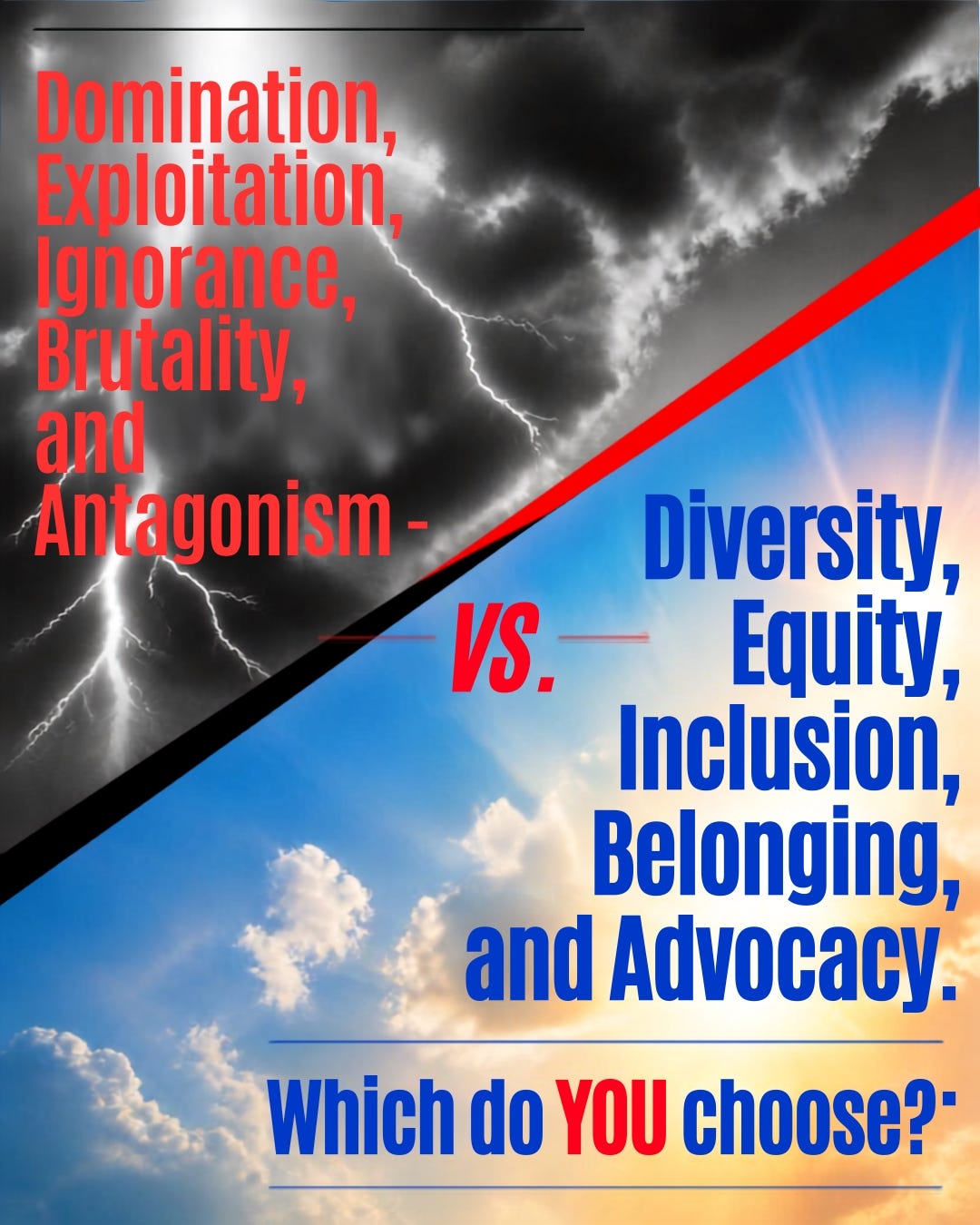
We are all at an uncomfortable “one with everything,” especially in the fusion and speed of the digital age and “era of warring (not yet singing) mind states.” How do we engage with suffering? Distress travels, and “none of us are free if one of us is chained.” We are all tied together “in a single garment of destiny,” yet some would dominate or have their faction dominate at the expense of others. Cooperation, collaboration, learning, and growth simply aren’t their strong suits or inclinations. Competition is.
The fact that we all have limited capacities doesn’t mean we should all the most limited in capacities to lead.
People come to me, as a psychiatrist or friend, with some challenging or distressing experience. Often, that’s an encounter with limitations and limited capacities, within and without.
Relief comes from understanding and relating, which build a greater reservoir of capacity. I hope to encourage new experiences in inner and outer life to overwrite old ways of being. We can’t overwrite the limited capacities of societal problems like racism, misogyny, and homophobia. We can’t make peace with the chasm of inadequate empathy. But together, we might make a better stand.
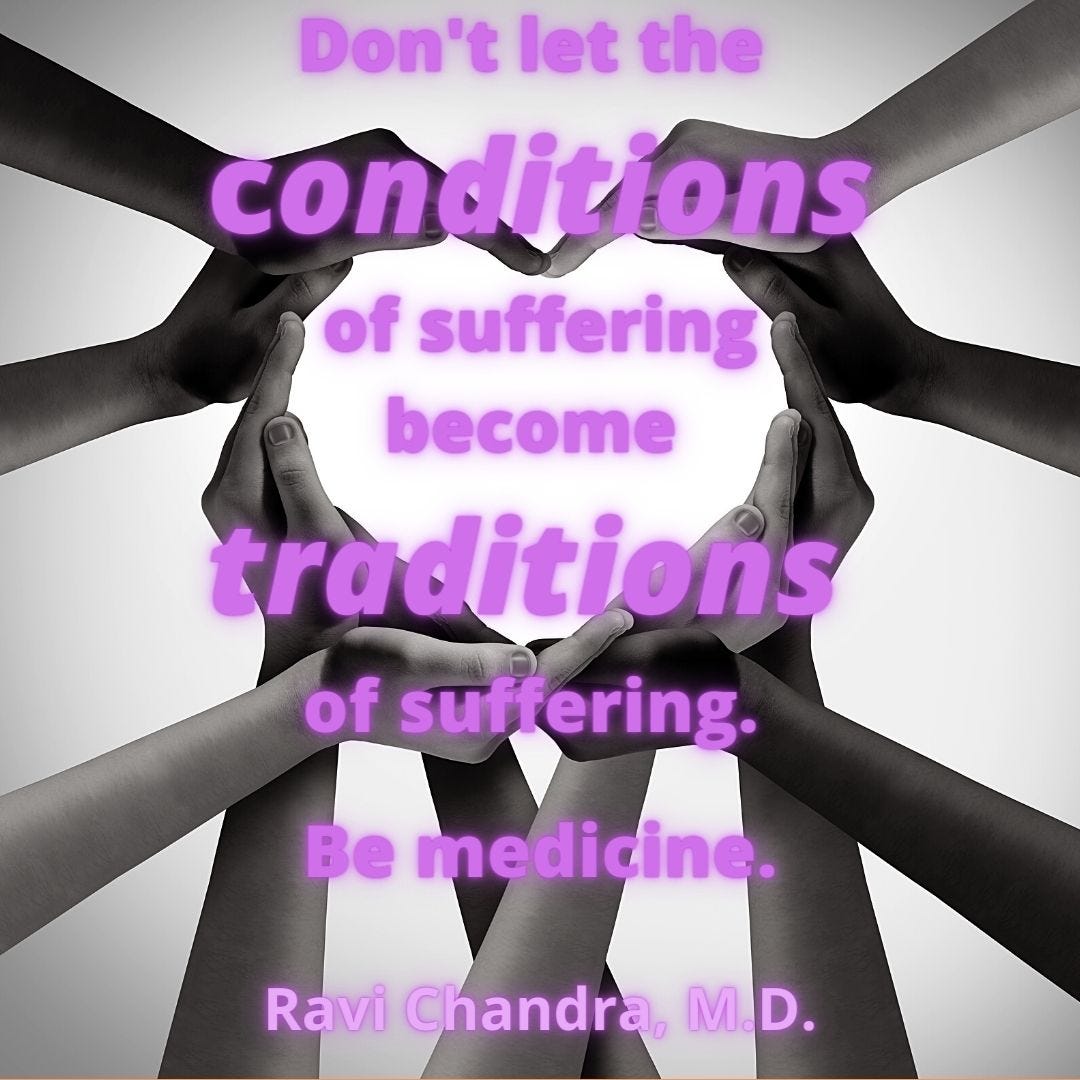
As an Asian American, I straddle both difference and shared humanity. I wonder how I think, feel, and relate differently than White Americans, or Asians, Latinos, Blacks, Native Americans, and others, knowing there are variations from Donny to Dolly among all groups. Maybe there’s a Dolly-ness that cuts through everything - but also a Donny-ness in it all. And we’re one with it all.
I’ve wondered not only about emotions and experiences felt in other cultures, but also whether some emotions may have been completely lost in time, or persist in some unnameable but still-felt vestige. I’m still seeking the interior, attending a field of unknowns that I hope will eventually declare themselves, or at least be at ease with me, and I with them. (As if we’re separate, when we’re not.)
Do we still feel the absence of an ancestor lost ten or a hundred thousand years ago? Do we still miss some primal emotional experience that might be called “union” or “contentment?” Are we missing a piece, or some otherworldly peace?
While these kinds of losses might map onto our life histories, is there some part of them that could never be captured, never be eased, at all?
Does that missing play out in anguish and fight, and attempts to reconstruct union in belonging, or facsimiles of it in creative expression, or “winning,” or addictions?
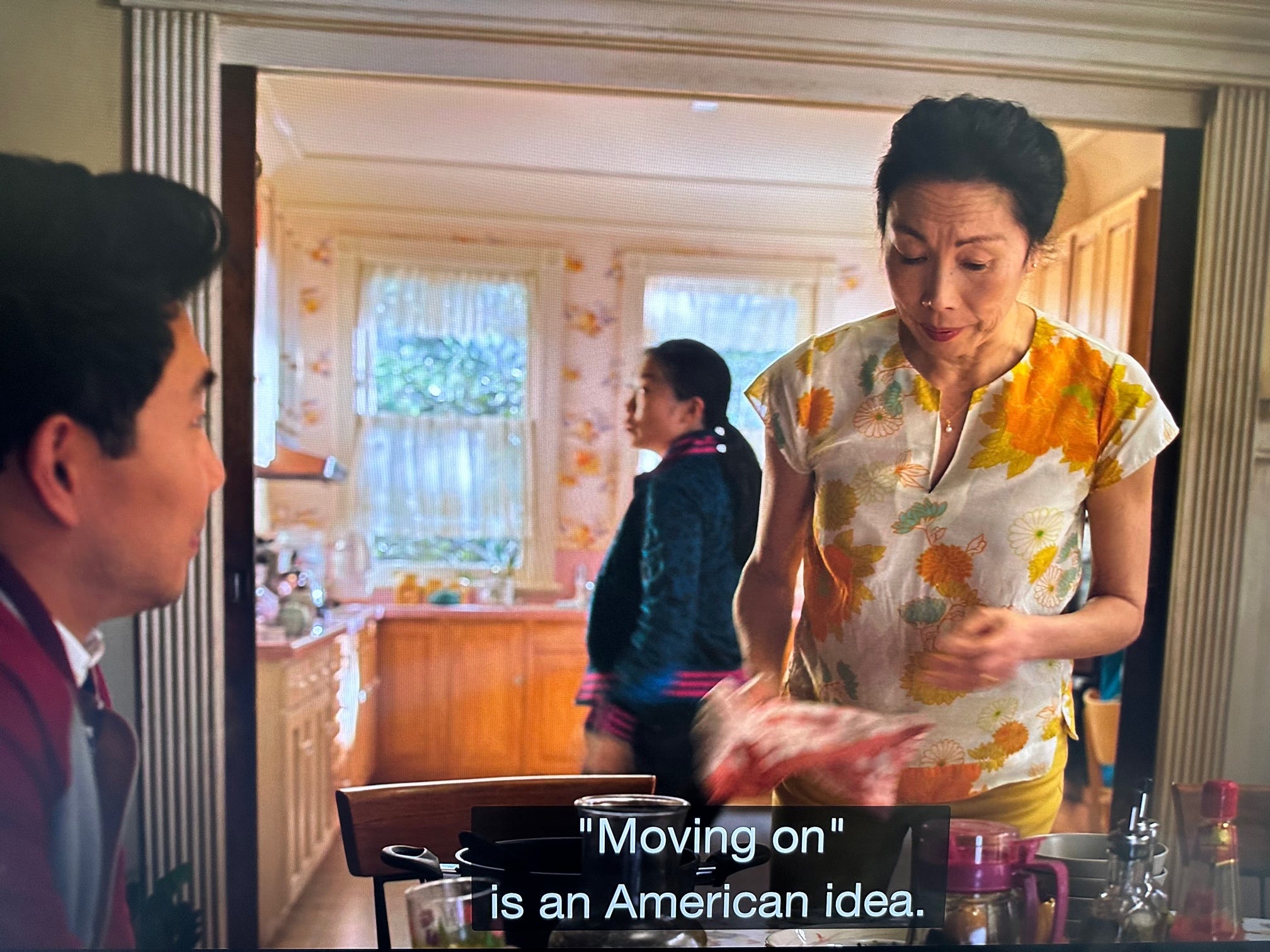
It makes sense to me that we are predisposed to feeling injured; at a loss; fearful of loss. Fear often pushes us to competition as well as ambition, doesn’t it?
I’ve written we may be prone to feelings of scarcity, even in times of contentment and excess. We could well have a “hangriness shut up in our bones,” which all too often tells a story of slight and blame, deepening into resentment and grudge. We’ve all been done wrong, and some more so. Disconnected, and deprived, in some way.
Maybe some of us, or some part of all of us, is stuck until we all come around to getting it.
If I had to reduce “it” to one thing, it would be “the need to care, and help; and thus, the danger of harming by not caring, not helping.”
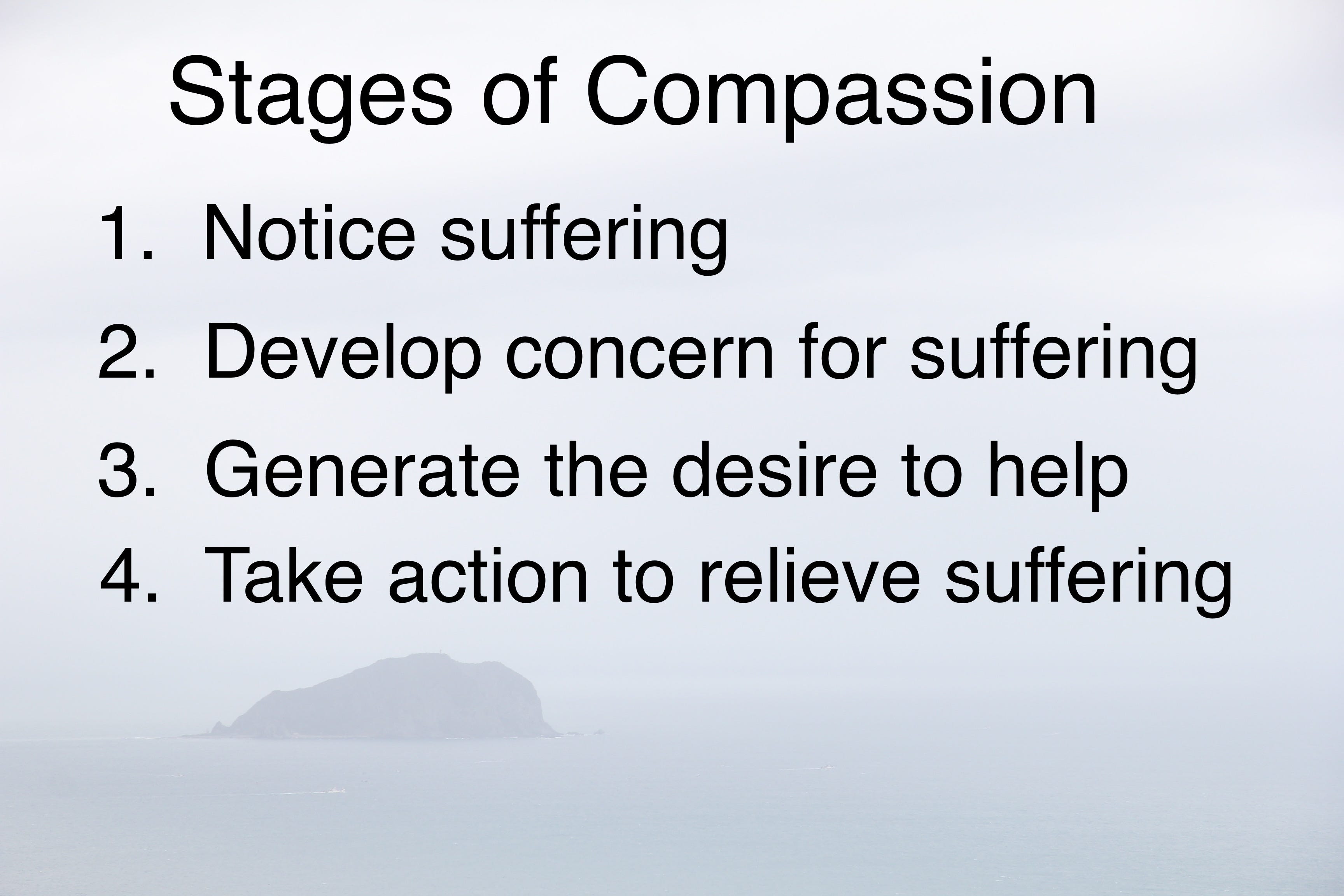
Compassion. Doing our best to value other living beings, especially those in need.
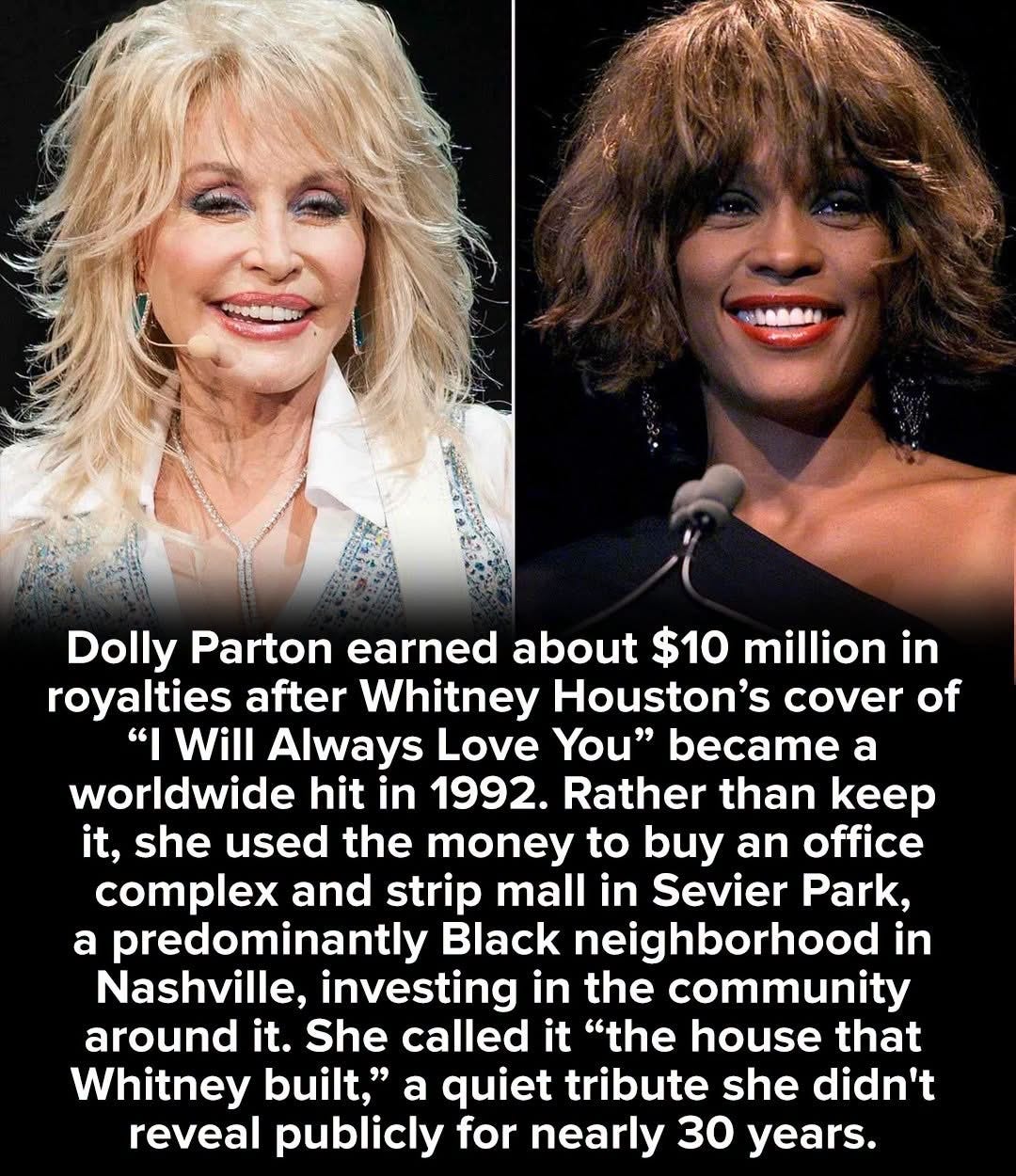
The glass is half full, I think - but clearly there are people opposed. The cup of compassion does not overfloweth, yet.
We’re not yet done with our Donnybrook.
I think because compassion can interfere with profit, velocity, and domination, mostly, and because it takes a massive effort to build it deep and wide. Tearing it down seems “easier” to short-sighted tyrants.
Pick up the paper, listen to the news, and count up all the ways that Trump and crew are amplifying cruelty, poor reasoning, and autocratic, hierarchical relationship and blind obedience.
Society falls apart when we dismiss the needs of others. We build society by committing to care.
Care is clarifying, but also unnerving and confusing, because there’s plenty of room to feel inadequate. It’s a work-in-progress.
Dolly Parton got pretty far with it. All the way. We may not have a model for emotions, but she deserves all the medals for being an inspiring role model of how to deal with distress and value diversity - creatively and with charm and personality. The world is better because of her, and people like her. Now, she went through some hard times, and even mental health challenges including suicidal thoughts.
Blues and Jazz and Country and Soul and Rock and Roll - we have many models of making the inner life musical.
Let’s Dolly it, not just 9-to-5 but 24/7!
Thanks for reading Letters from a Psychiatrist: The Pacific Heart, Ravi Chandra! This post is public so feel free to share it.
Becoming a paid or founding subscriber allows me dedicated writing and research time. You can also now tip me at Ko-Fi.com/sunmoonlight, or donate to my compassion non-profit SF Love Dojo via PayPal. Thanks, though, to all my readers, free and paid! I very much appreciate the Substack Nation we are forming!
Ravi Chandra is a psychiatrist, writer, compassion educator, and civilizational health shaman in San Francisco, and a Distinguished Fellow of the American Psychiatric Association. He is the recipient of the 2025 Kun-Po Soo Award for Achievement in Asian American Psychiatry from the APA and APA Foundation. Here’s his linktree. Please sign up for updates via Substack where you can also support his educational and creative mission by becoming a free, paid or founding subscriber. For fourteen years, he was lucky to have his MOSF posts published by the Center for Asian American Media, and is now at work broadening and building a diverse creative community and coalition through reflecting on culture and psychology for East Wind eZine.See all the East Wind posts here. He writes from the metaphorical intersection of The Fillmore and Japantown in San Francisco, where Black and Asian communities have mingled since the end of the incarceration of Japanese Americans during World War II. He literally works there, between two Indian restaurants, go figure. His debut documentary was named Best Film (Festival Director’s Award) at the 2021 Cannes Independent Film Festival. The Bandaged Place: From AIDS to COVID and Racial Justice is available on-demand. His nonfiction debut, Facebuddha: Transcendence in the Age of Social Networks, won the 2017 Nautilus Silver Award for Religion/Spirituality of Eastern Thought. You can find him on Psychology Today, Medium, Twitter, Threads, Facebook, Instagram, YouTube, TikTok, SoundCloud, or better yet, in the IRL.
Comments
Nothing yet. Say the first thing.
Sign in to join the conversation.