
POV: you’re at Sephora, you see a juicy project on the shelf, you open up the tester, and the product is completely separated in the bottle. In this issue of the SULA LABS report, we uncover:
The gray area of stability testing?
beauty industry predictions for 2026 (brought to you by our crystal ball),
and more product dev insights for paid subscribers - a detailed review of our most requested product formats/types from 2025 to inform upcoming trends for 2026. A SULA LABS wrapped, if you will.
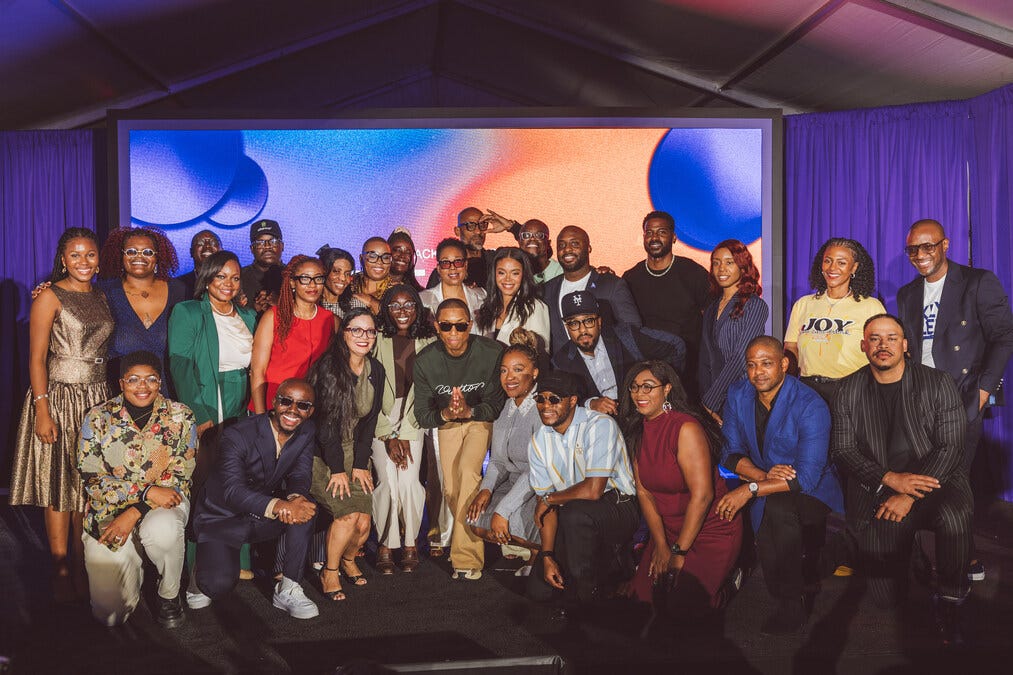
Also huge announcement - and it kind of feels surreal to type. Last month, SULA LABS was announced as the co-grand prize winner of the 2025 Pharrell Williams Black Ambition competition, in Miami, Florida! We shared the grand prize title with an agri-fintech (I learned that word for the first time last month) startup called UfarmX, which does some really cool and impactful work with farming in Nigeria. I very much appreciate what UfarmX’s founder, Alex Zanders, has done for the continent of Africa through entrepreneurship. Just to share the magnitude of what it takes to win Black Ambition, over 2000 companies across several categories/markets applied by the February 2025 deadline, 200 companies were selected as semifinalists and participated in a 3-month program, 40 finalists were chosen (and entered in a separate public-voting competition, which was won by Green Book Global - a travel app/website for traveling safe while Black), then 20 top finalists, then 5 top-top finalists, then a grand prize winner is chosen for an investment/monetary award. To keep it brief, I’m incredibly beyond grateful that the Black Ambition leadership, Pharrell, and my mentors in the program saw something not only in me, but also in the vision of SULA LABS. We’re the cosmetic R&D lab that uses inclusive beauty formulation + testing for more effective beauty outcomes - we’re working with your fave beauty brands, manufacturers, and ingredient suppliers. We’ve got good stuff coming for you all in 2026, from new services, to exciting partnerships, and exciting product launches & testing projects with brands you know, love, and will love.
Before we get into the rest of the newsletter, here are three recommended R&D power moves you can book at SULA LABS, to kick off strong product dev inf 2026:
Our consultancy - outsource your product dev planning, life cycle conceptualization, and R&D checklists, and let us take care of it for/with you
Co-creation model for product development (new!) - where we formulate your product alongside a set of committed testers within your target market who can provide actionable feedback, to help accelerate your product dev with precision.
Hair testing - eliminate the need for pricey clinical testing by testing for hair hydration, slip/combability, shine + glossiness, and more through standardized hair tress testing (types “3 & 4” hair included, of course). Email testing@sula-labs.com to get started.
Stability/analytical testing - don’t assume that you can get away with making products in-house with no official stability testing. Ever seen a product melt immediately in heat, or separate on the shelf after a few weeks? Take advantage of our flash stability testing sale running for all of January 2026, where you can save $100 off stability testing! Email testing@sula-labs.com to get started.
Now, for:
Now obviously, that headline is kinda clickbait. We actually offer stability testing at SL, which is a service especially utilized by emerging brands that are trying to legitimize products with some sort of safety testing (and is technically required by MoCRA). Stability testing often tests for things like product separation, odor, color, and specification changes. As you might know, this type of testing is typically required for manufacturing at a third-party. But what you might not know is that the criteria for “passing” stability testing remains a little…muddy. For example, it would make sense that the criteria for “passing” would mean no separation, color change, odor change, or specification changes in all temperature and pressure conditions.
So if that’s the case, then why is slight separation the norm for these exact products, at almost every Sephora display shelf I see them at?
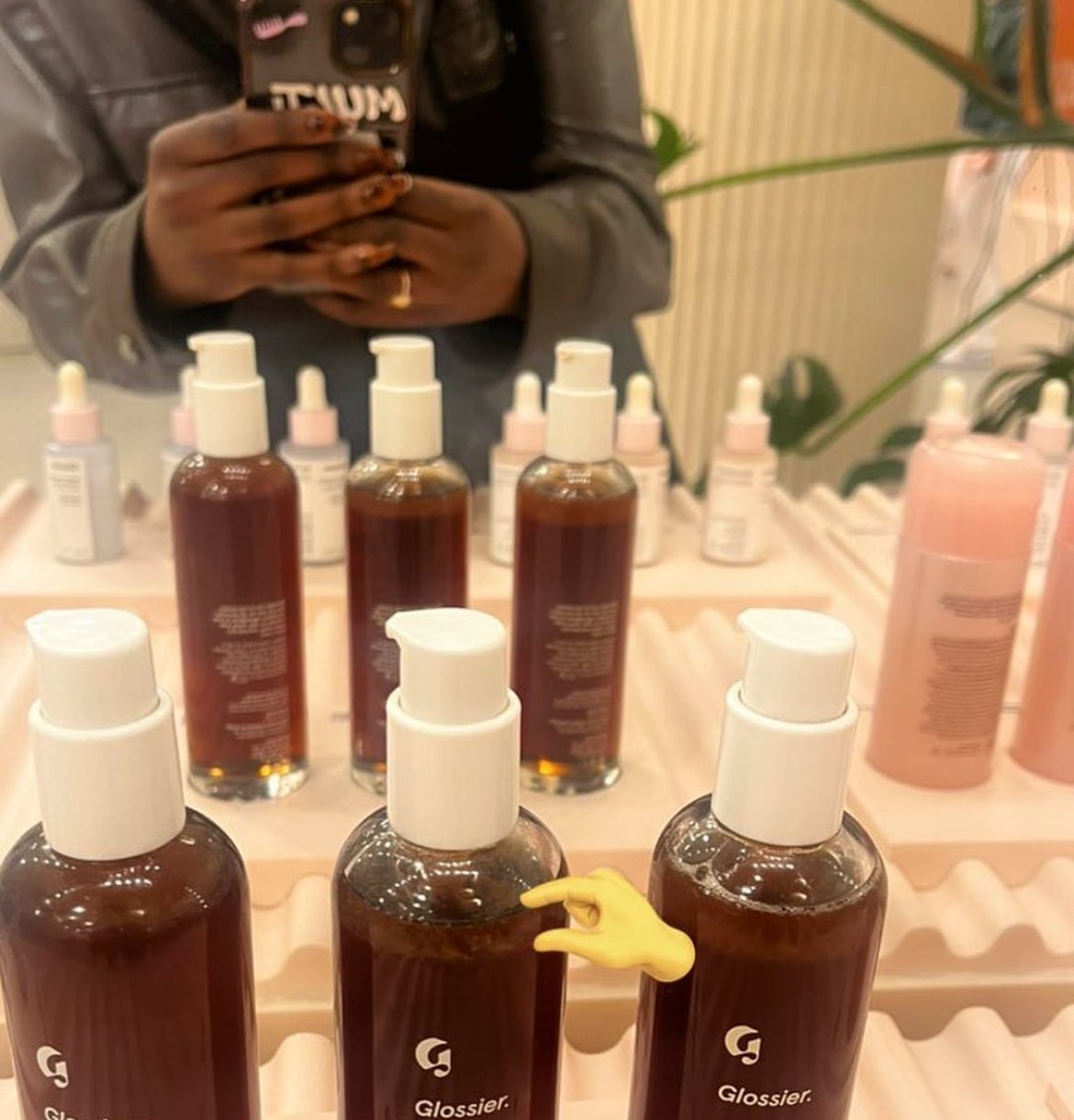
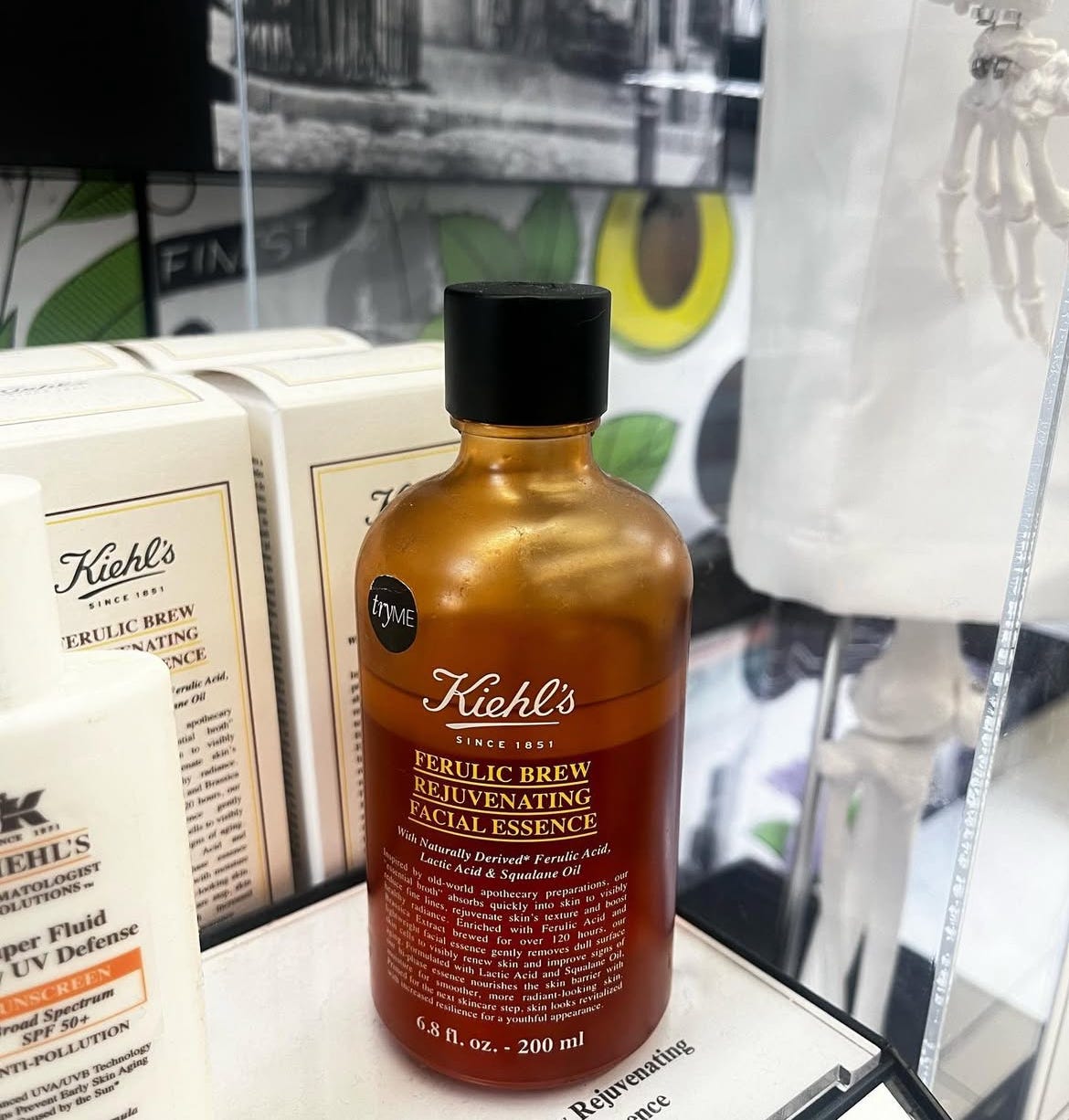
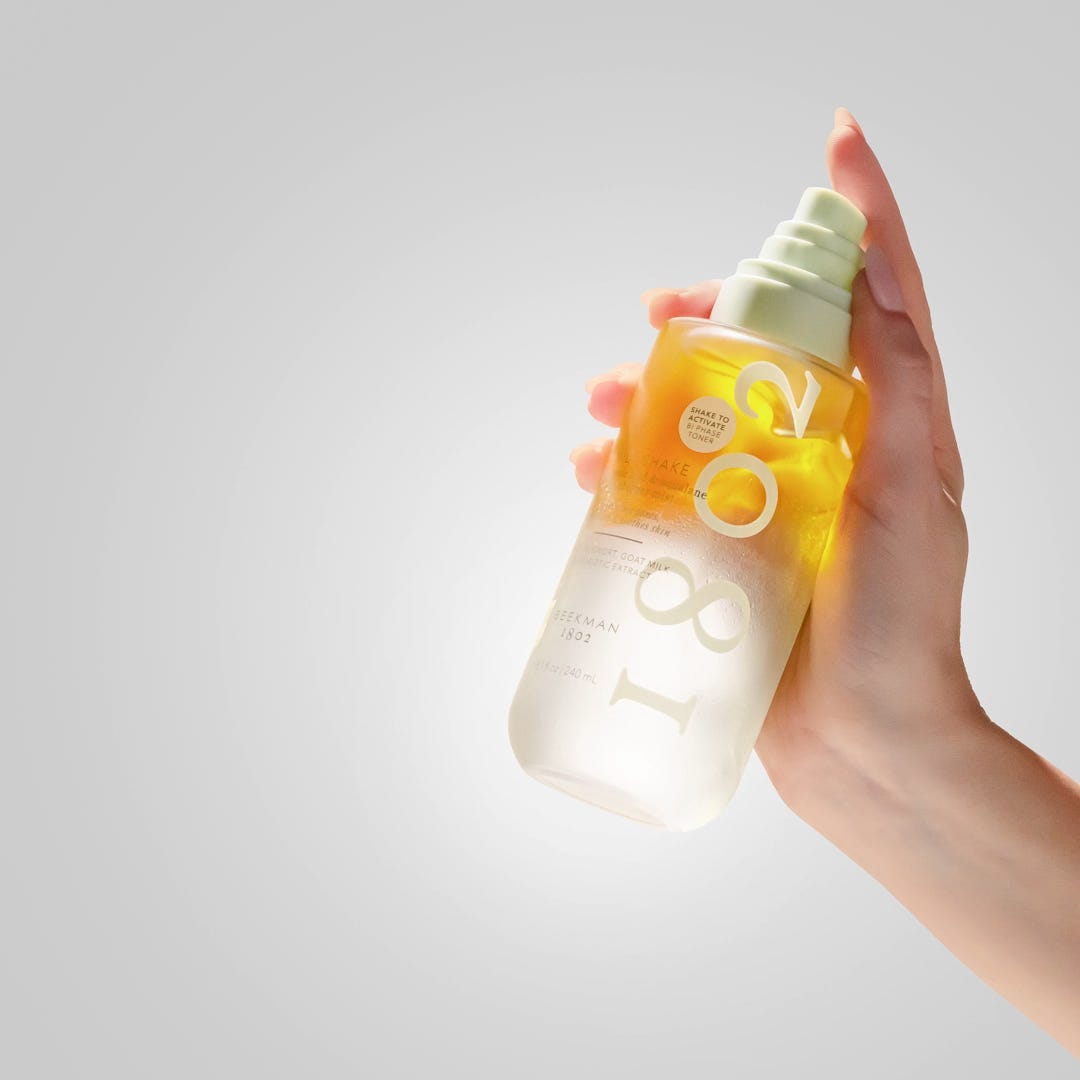
Or better yet, what about the products that are literally supposed to be separated, like this one from Beekman 1802?
Even as an analytical lab, sometimes we have to do a little bit more due diligence to determine what “stable” can mean. On top of that, there is no universal acceptance criteria for what “stable” is, and it can vary from manufacturer to manufacturer, and from product to product. When you do stability testing, it’s often at various temperatures ranging from extremely cold, to extremely hot, and monitored at specific time intervals. That way, you can determine whether a product is going to last on a hot truck on its way to Ulta in the summer, or in extremely cold temperatures when left out in a storefront display in the middle of January.
But, this becomes complicated when a product is a body butter, which will likely melt on your countertop in the summer, and have little crystallized bits in cold temperatures. Or, if it’s a vitamin C serum with 10%+ vitamin C in it (spoiler alert - it will turn brown faster in certain temperatures). Or, if it’s that really cool Beekman 1802 product, which will of course show 2 separate layers - one with oil, one with water (we call this a biphase product).
On top of that, what may be acceptable “stability passing” criteria at one manufacturer, might differ from another manufacturer.
Honestly, I sometimes am a bit perturbed that we as a beauty industry haven’t agreed upon a set stability “passing” criteria standard. However, when we encounter scenarios as the ones above (vitamin Cs, body butters, and so much more), I can understand why - although even then, it can remain unclear at times.
Additionally, communicating to a manufacturer what’s stable is one thing. But, have you met consumers? They can be picky! It can take some education to tell them, “Hey, there’s nothing wrong with this product! We made it this way on purpose, and it’s completely safe for you.”
At this point at SL, we err on the side of caution and do pretty much all the possible testing that a manufacturer might ask for - and for the “ambiguous” products, we offer as much context as we possibly can. But what about those rare times where the product just works really well, but might have to be biphasic, or turn brown in 1 year because of how the actives are designed?
For the sake of newsletter brevity, one effective tool for navigating this complexity, is leveraging packaging. Enough said. A commonly known example is using airless pumps and opaque packaging for products with high amounts of light-sensitive “actives” (although they’re not always perfect). Choosing your primary packaging (bottle/jar) presentation based on your product’s stability is a power move. I own a Merit product that does this so well, and it’s called the Great Skin Serum. Every time I look closer at the frosted glass bottle, I’m a little amazed at how the choice of using frosted glass (instead of clear glass) + “shake before use label” adequately conceals the fact that it pretty much also gives Beekman 1802 (and works so well!). Another fun example is that Danessa Myricks’ world famous Liquid Blurring Balm has opaque packaging and a tiny shaker ball in the bottle, likely because of their hero ingredient Upsalite, which is a mattifying/absorbent powder that visibly settles at the bottom of a container. But Upsalite is responsible for the product’s efficacy and viralness - so opaque packaging & a shaker it is. What Beekman and Merit have in common is that they lack emulsifiers, so the oil and water components of the product will separate. A thin, milky emulsion wasn’t on the vision board for both the product concept and the stability testing, and the brands embraced that. What they do so well is actually lean into the different ways that product formats can present themselves (separated oil/water versus milky, lotion-y toners), when they want to maximize the efficacy of the product.
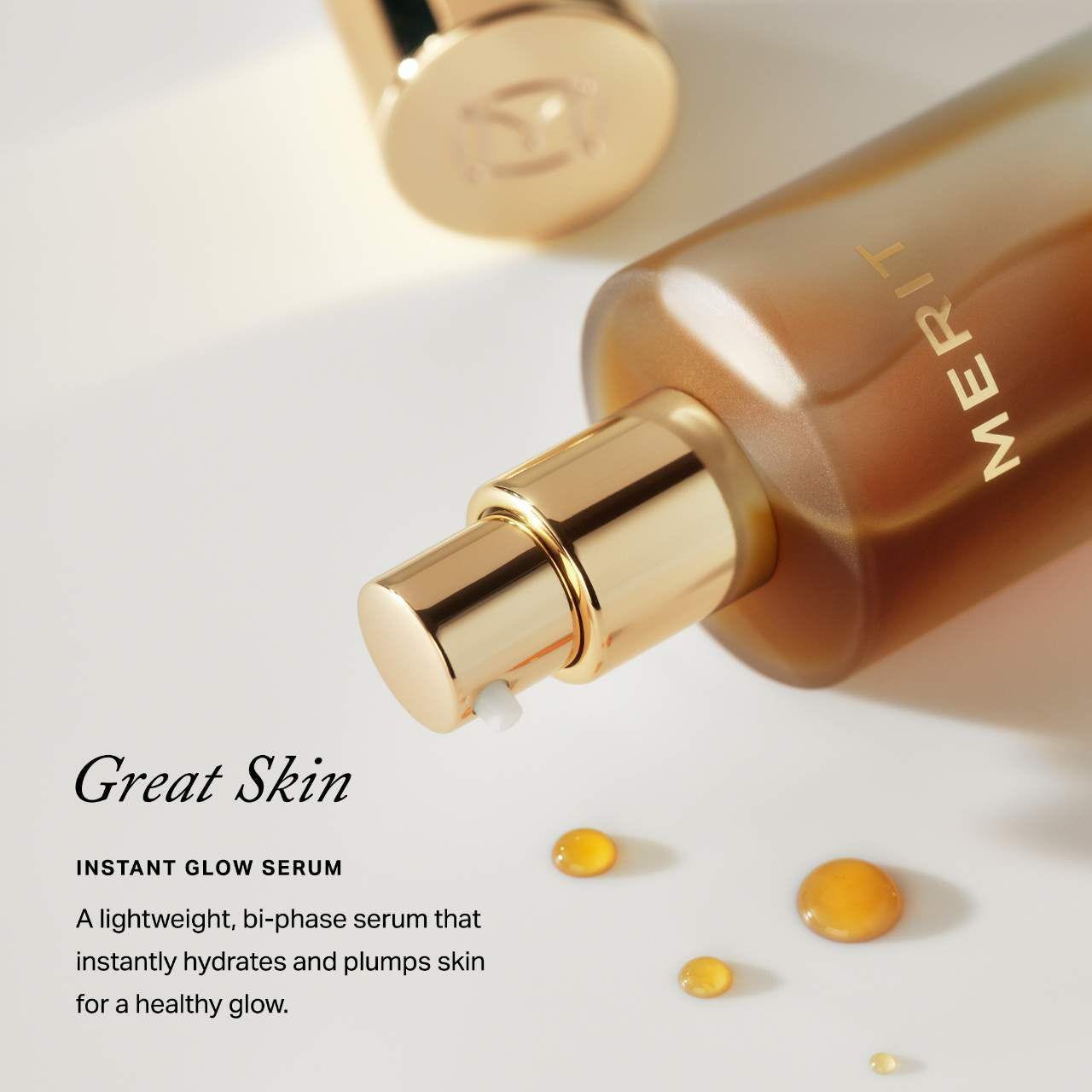
So anytime you see “Shake before use”, take it very seriously.
As for the stability testing, we recommend that the best way to lean into your product format is arming yourself with knowledge on your products limits. And the best way of doing that is by taking the time to know and understand what the limits of your product are. And to do that, you have to stability test it.
And to do that, just email testing@sula-labs.com to get it started at SULA LABS.
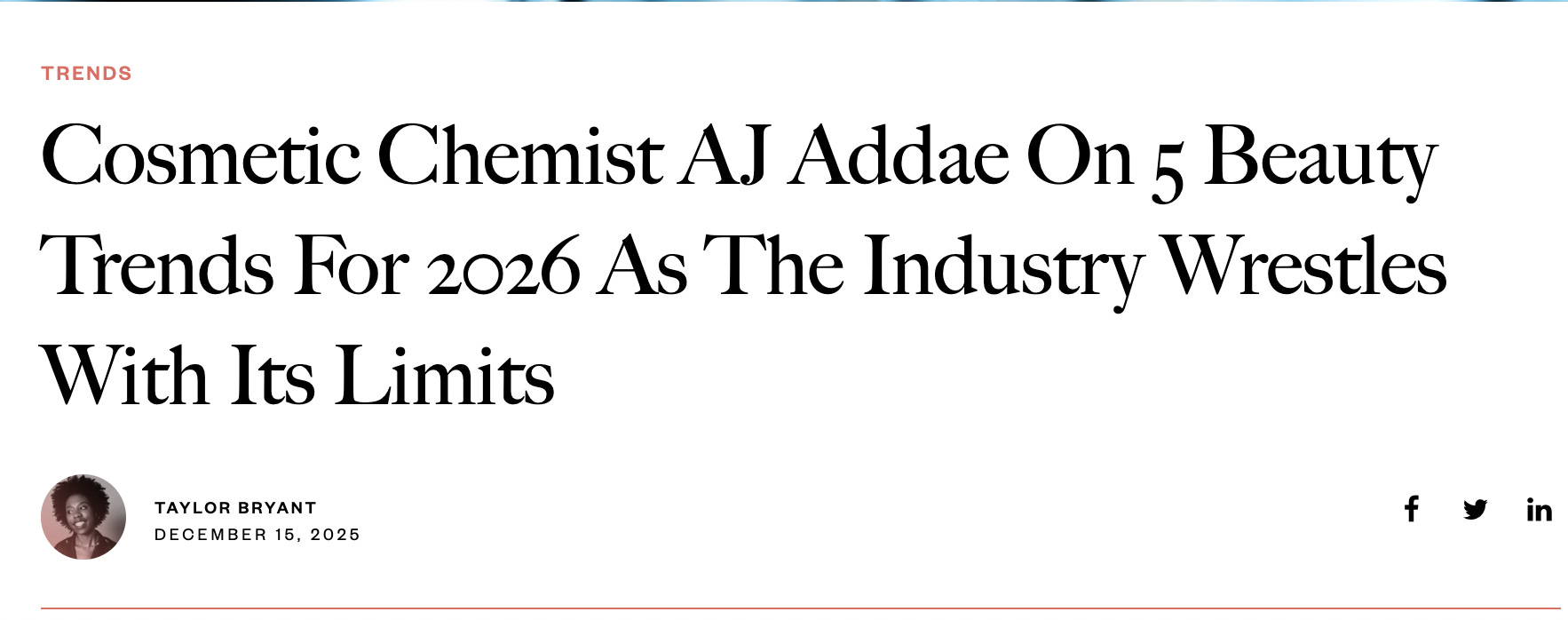
Well, not to brag, but I did a fairly thorough job of laying out some predictions in SULA LABS’ annual Beauty Independent new year predictions interview, with Taylor Bryant. For the fourth year in a row, I dusted off my crystal ball to uncover five product development predictions spanning from sunscreens, to AI, to textured haircare, to the fragrance…vanilla?
But, for our paid subscribers, we did something a little bit more exclusive for you, as a thank you for rocking with us. We aggregated insights from our product development inquiries in 2025, to give some insight on future product formats, highly requested active ingredients (interestingly: exosomes was not in the top requested ingredients…), and other product must-knows coming in the new year. For the paid subscribers, they’re below. For everyone else - thanks for an amazing year, and we’ll see you for an incredible 2026.
To close out the year, SULA LABS analyzed over 200 product development intake submissions from 2025 to understand what brands are prioritizing. Below is what the data signaled:
The Biggest Surprise: Hair Overtook Face
Specifically, scalp-focused products appeared in around a quarter of 2025 inquiries,
Comments
Nothing yet. Say the first thing.
Sign in to join the conversation.