
I was walking a trade show floor for beauty brands when I felt it.
Not boredom exactly. Something stranger and more annoying.
Booth after booth, I kept waiting to feel something. Skepticism, envy, even mild irritation. Something that would tell me I was actually paying attention. Instead there was just this low hum of competence. Clean packaging. Soft neutrals. Serif fonts whispering refinement. A brand voice that sounded calm, thoughtful, and slightly like it had been through therapy.
Everything was technically good.
And yet after a few aisles I stopped in the middle of the floor and tried to remember the last booth I had passed.
Of course, I couldn’t. And I knew it wasn’t my perimenopause brain fog getting in my way.
The work and brands weren’t bad. But it was because they all seemed to have been engineered so carefully to offend no one that it had stopped belonging to anyone.
That’s when something clicked for me that I’ve been trying to articulate ever since.
Most brands don’t fail because they’re bad.
They fail because they’re forgettable.
And forgettable isn’t a talent problem. It’s a nerve problem.

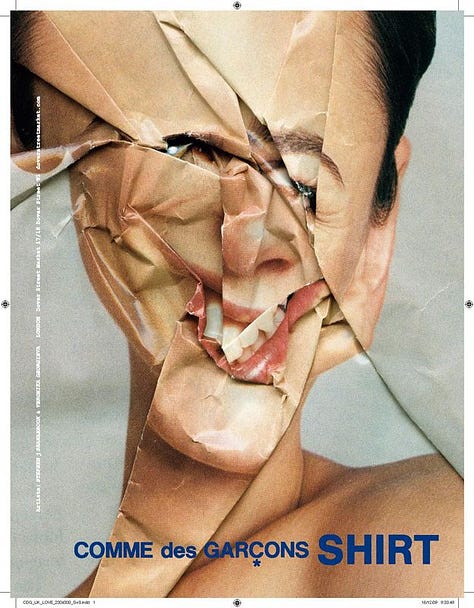
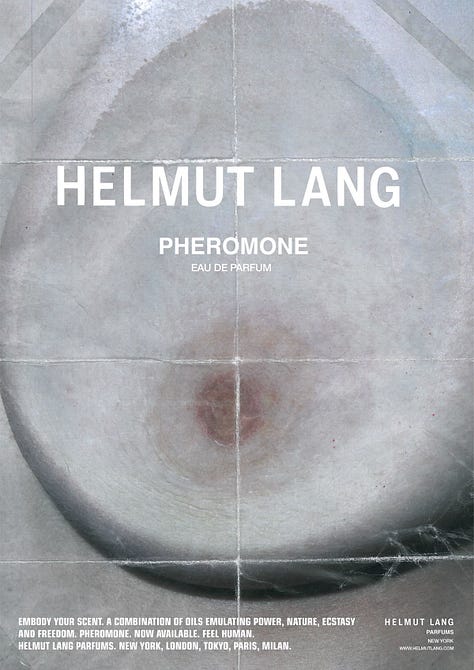
Somewhere along the way, good taste got confused with safety. Think quiet luxury at its worst (I do love a good quiet luxury, but if you pay attention, you see the best versions still have something that stands out).
Neutral became the aesthetic of approval. Minimal became shorthand for seriousness. Suddenly everything looked calm and nothing felt alive. In cosmetics I see it a lot for a poor excuse of trying to be the next Aesop, over and over again. I could name a few brands here but I’m not going to be a bitch rn.
The goal quietly shifted from making something yours to making something no one could object to. Like, do you even have a story to tell anymore, or are you just attempting to replicate something that worked for someone else?
But the brands that actually stay with you rarely behave that way.
They have a point of view.
Not a marketing message.
A real point of view - There’s a difference. A big one.
A marketing message is designed to be understood immediately. A point of view is built from obsession. It doesn’t rush to explain itself. Sometimes it takes a while before you understand what you’re looking at. Or it lingers with you after you’ve left it, and you don’t quite know why yet.
The brands that shaped how I thought about culture growing up weren’t trying to look agreeable.
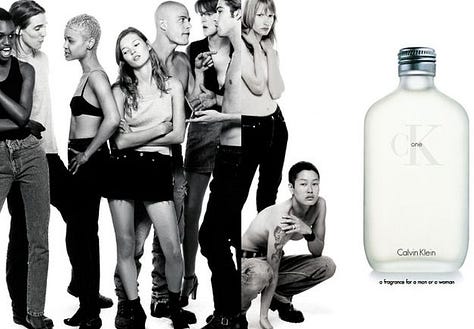
The CK One campaigns in the 90s didn’t look like perfume advertising at the time. They felt calm, ambiguous, almost quiet and yet still so sexy. Masculine and feminine sharing the same space without explanation. The ads didn’t beg for attention. They simply assumed it.
Magazines like The Face and early i-D editorials carried the same confidence. They weren’t trying to flatter you. They were showing you a world.
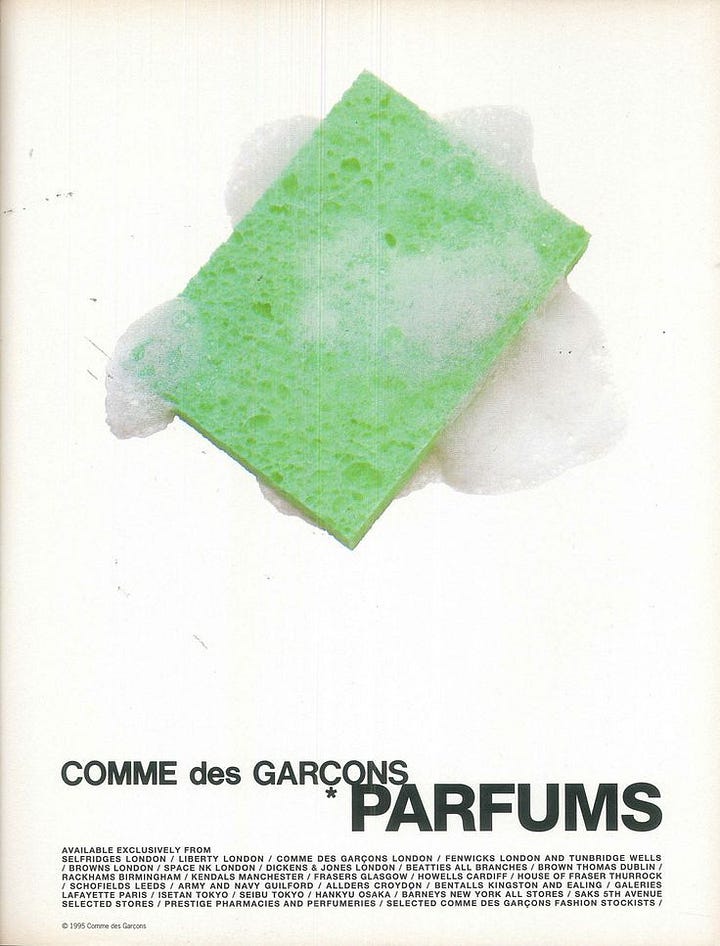
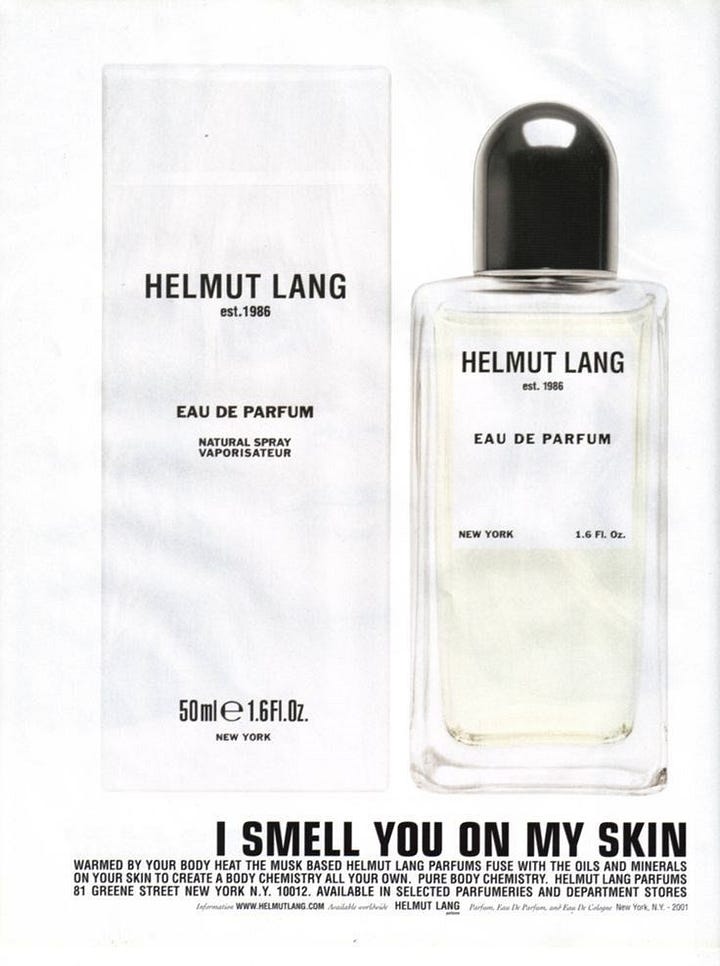
Later I discovered designers like Helmut Lang, Margiela, Jil Sander, and Ann Demeulemeester and the pattern became even clearer. The work didn’t feel like decoration. It felt like authorship. You could sense the person behind it.
You didn’t have to love it. But you knew it belonged to someone.
That quality, ownership in the creative sense, is the hardest thing to build and the easiest thing to lose.
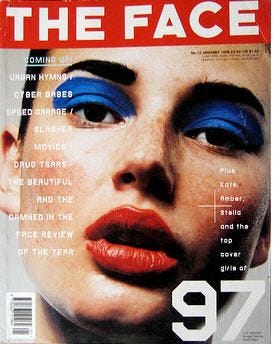
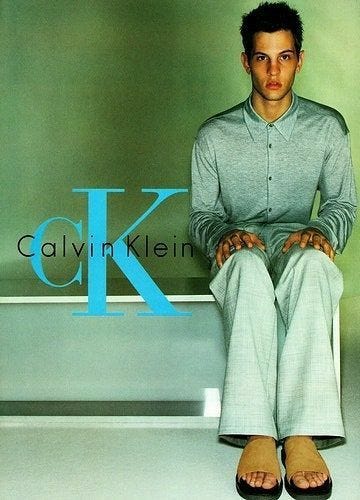
When I started building NOTO, I wasn’t thinking about brand strategy. I was a working makeup artist inside a specific cultural ecosystem. Fashion, editorial shoots, queer communities, artists and musicians who approached beauty differently than the mainstream industry did.
The early products came from very simple questions.
What textures do I actually love working with?
What ingredients feel good on real skin and smell amazing?
What kind of beauty language reflects the people around me that I wasn’t seeing?
There were moments when it would have been easy to smooth the edges.
Retailers suggesting we make the brand feel more universal. Friends pointing toward categories that would probably move faster (make foundations, have eyeshadows, make more color products, etc. etc. etc.). Trends we could have chased that might have made things easier in the short term.
Every time we moved even slightly in that direction, the work went flat.
More sellable in theory. Less alive in practice.
Eventually I realized something that sounds obvious now but took years to internalize.
The most valuable thing a brand has is its point of view, and as a founder, your story is the most important thing. It’s something you always go back to regardless of trend, what’s going on around you etc.
And the easiest thing to lose is the nerve required to keep it.
This is where things get tricky.
Because having a point of view is easy in theory. Protecting it once money, retailers, trends, and opinions start entering the room is something else entirely.
After building NOTO for more than a decade, there are a few quiet tests I now run anytime something starts feeling a little too polished, a little too safe, a little too… generic.
I’ll share them below. These are the ones I return to most.
Comments
Nothing yet. Say the first thing.
Sign in to join the conversation.