
There are some shops that sell things, and then there are shops that quietly reorganize your nervous system.
Peggy Mercury is the second kind.
I write this as I am approaching opening up my second shop in Portland . A different kind of space, more experimental, more of what’s inside my head vs. what’s expected. I haven’t been able to visit Peggy IRL, but as I look through the images they shared with me, I can’t help but be deeply inspired and a bit of good spirited jealousy to see how unique and special this space is. Gregory and James are the types of people that, if we lived in the same town, they wouldn’t have any choice in the matter of being my best friends. I’ve felt that, maybe even before even ever speaking to them. Their aesthetic, reference points, energy and VIBE is truly one in a million and an aesthetic art form I am seeing happen less and less. True Authenticity that comes with true experience and real life discovery.
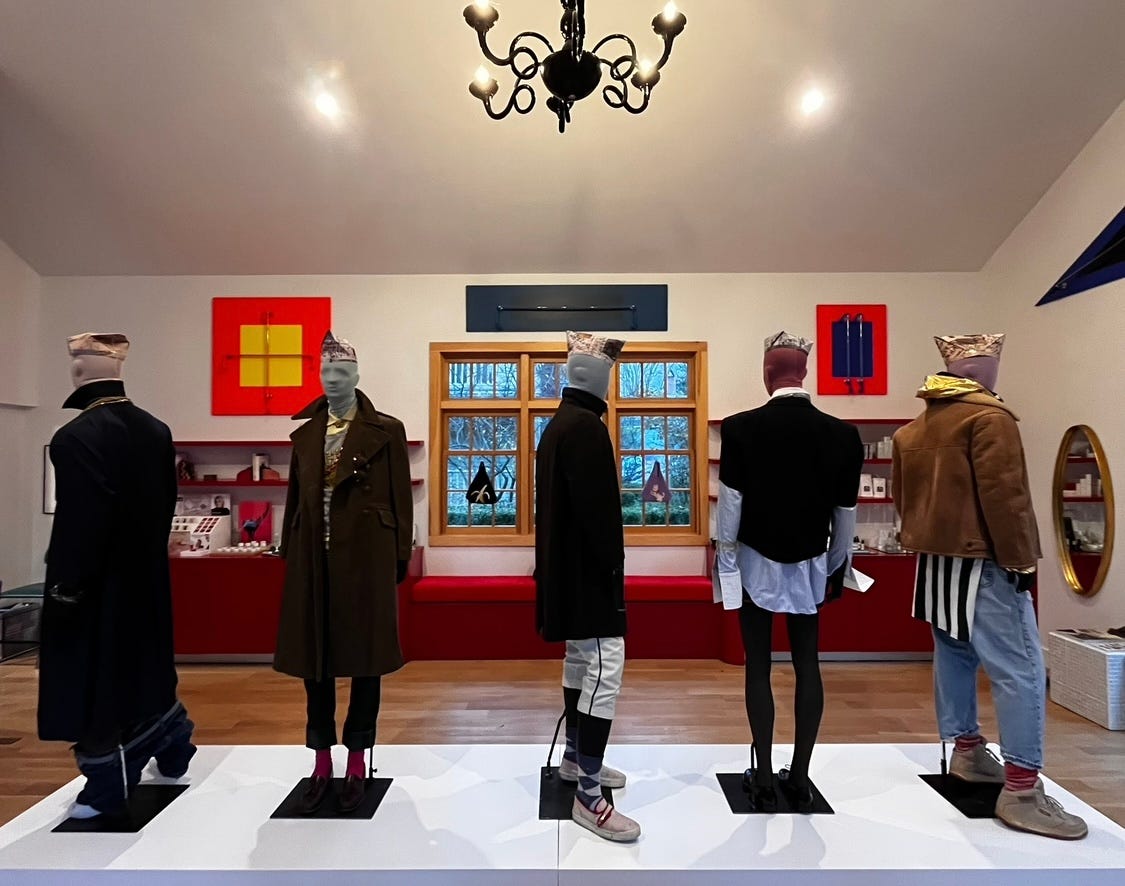
The first time I came across Peggy, I felt that rare pull I always trust. Not just good taste, though there is plenty of that. Not just beauty, though it lives in every corner. It was something more human and more difficult to fake. A sense of care. A sense of authorship. A sense that the space had been built by people who understand that objects can hold identity, memory, permission, even relief.
It feels less like a boutique and more like a living point of view. A place where beauty is allowed to be intelligent, a little strange, deeply felt, and entirely your own. The kind of place that makes room for curiosity. The kind of place that lets you exhale.
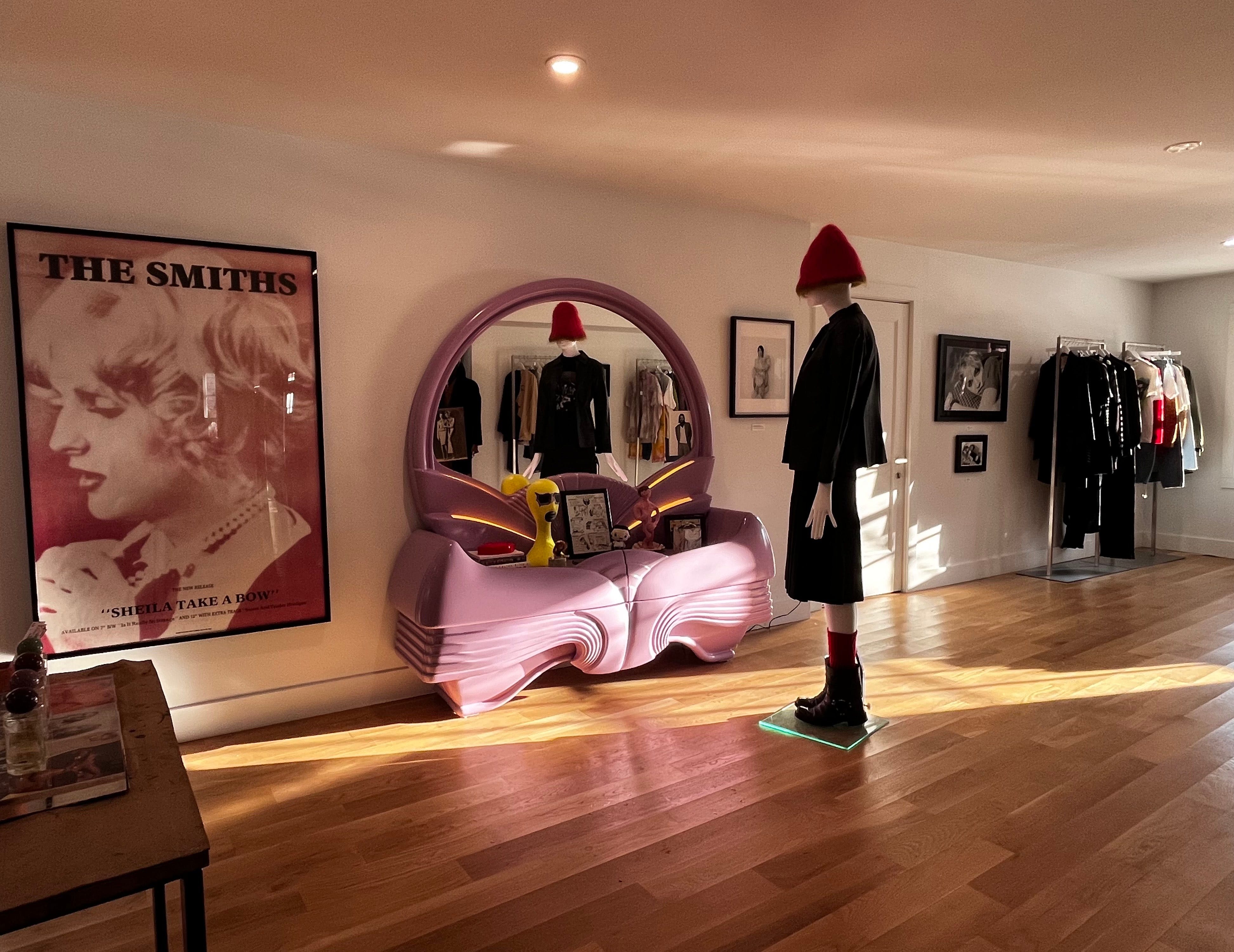
As someone who makes products from that same instinct, it means a lot to have NOTO carried there. Not simply because it sits on a shelf, but because it sits in conversation with everything Peggy Mercury stands for: intimacy, experimentation, emotional texture, and a more expansive idea of beauty. The first object they ever sold at Peggy was NOTO Deep Serum, which felt especially meaningful to me. There’s something very special about being recognized by people whose world feels so considered, so lived in, and so full of heart.
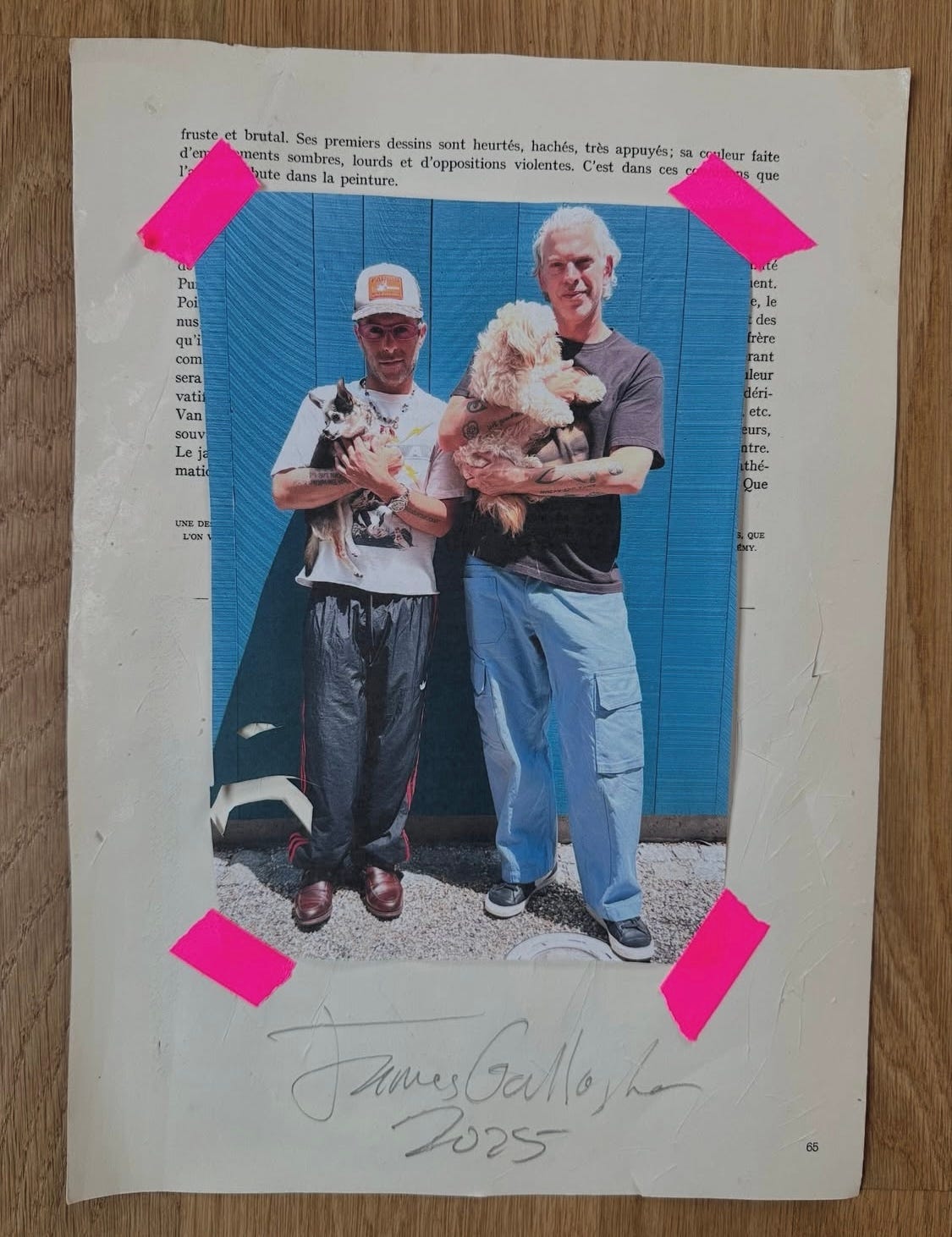
Founded by Gregory Fricke and fellow makeup artist James Boehmer, Peggy Mercury is shaped by partnership in every sense. Their shared language, their histories in beauty and image-making, their instinct for art, risk, and community, all of it is embedded in the space. What they’ve created in Kent is not just a store. It is an atmosphere. A dialogue. A place for discovery, for tenderness, for mischief, for becoming more yourself.
I wanted to speak with them because Peggy Mercury represents something I care deeply about in this current landscape: retail with soul. Retail that resists flattening. Retail that still believes in taste, a point of view, in feeling, in relationships, in the transformative power of walking into a room and sensing that whoever made it actually meant it.
Below, Gregory and James share the story of Peggy Mercury in their own words. I’ve kept their answers intact because that felt important. Their voices carry the shop the same way the shop carries everything inside it. With character, clarity, and a lot of love. Enjoy as much as I did.
I. ORIGIN / WHY A SHOP
Peggy Mercury feels bigger than “a boutique.” When you dreamed it into being, what was the felt first impulse — not the business plan, the electric feeling that wouldn’t leave you?
James Boehmer:
We didn’t really know what Peggy would become, or how to really communicate it clearly at first. We knew we wanted to create a space for us and for like-minded curious folks to gather. We had built a strong network of creatives and artists in our careers and felt the desire to share their talents with this incredible local community we were becoming more and more a part of. We have been so endlessly inspired by the beauty of the Northwestern Corner, as well as its rich history fostering artists and creatives, since we moved here from Manhattan… I think the magic of our environment allowed us to dream of a place, and it sort of evolved and took shape from there.
How did your identities as partners shape the idea of this shop? Was Peggy Mercury always about both of you together, or did the shape of the shop transform once you started building it as a couple?
Gregory Fricke:
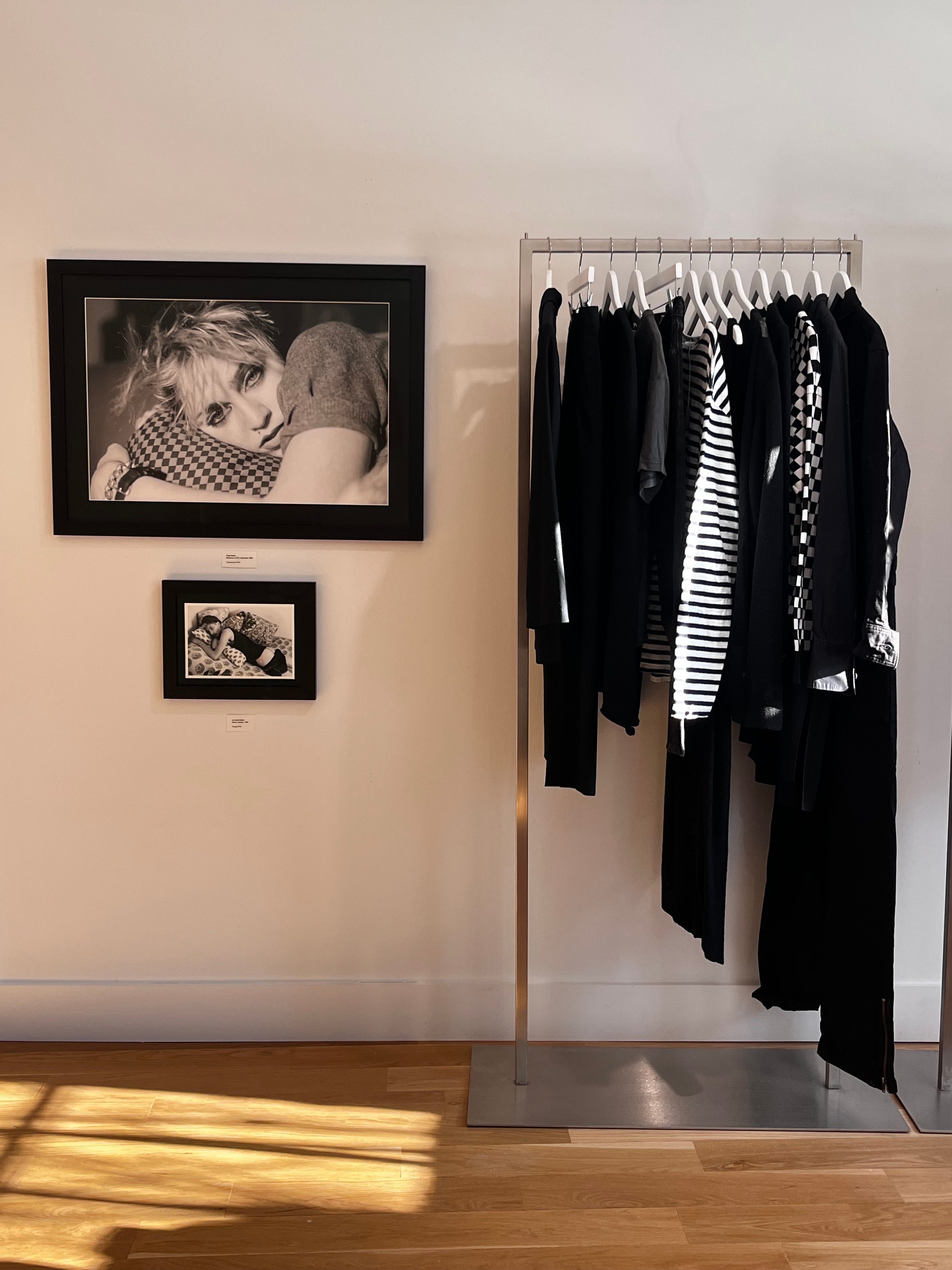
The store could be considered a moodboard of what the inside of both our brains look like. There was an immediate understanding that we were speaking the same language; we were inspired by the same people, places, and things. There was a collective dream to create a retail space paying homage to the establishments that gave us so much. We wanted to create an environment where you felt safe to be yourself. Where being vulnerable to discovery might help you build new community through meaningful interactions. The idea of Peggy was always about the two of us, and it was important that the story start with us. We created Peggy by collecting ideas through being in constant dialogue, something I am most grateful for in our relationship. When it came time to start creating the concept, we understood the work had already been done — all we had to do was comb through the catalogs of our conversations, and play all those tapes back. Everything was there.
You both come from worlds obsessed with beauty and image — makeup artistry, modeling, luxury. What is the version of beauty you are trying to unmake with Peggy Mercury?
JB:
We are both obsessed with beauty and image and that obsession has fed our careers, and definitely feeds Peggy. The idea of beauty in and of itself is quite pure and personal, yet we both worked in careers that commodified a certain standard of beauty. One of the many overlaps in our careers was the notion of challenging the norms- always pushing for a more inclusive and broader idea of beauty. I guess this inherent belief or value that we both share is just hard wired within us- the idea of something imperfect, slightly flawed, filled with character, challenging, questioning… this to me has always been so much more inspiring and interesting. When you find something to be beautiful you don’t question it- it’s more instinctual. I think this instinct is what we sort of act on.
GF:
More often than not, we find ourselves encouraging our community to be brave enough to unlearn rigid rules or societal standards surrounding beauty. We are emboldening our customers to understand that beauty doesn’t have to follow rules and it’s always more interesting to break them. We aim to reconstruct and challenge the narrative surrounding what is considered beautiful in the first place. At the very least, we hope to create a dialogue that is fun, welcoming, and stresses the power of the practice of self-love.
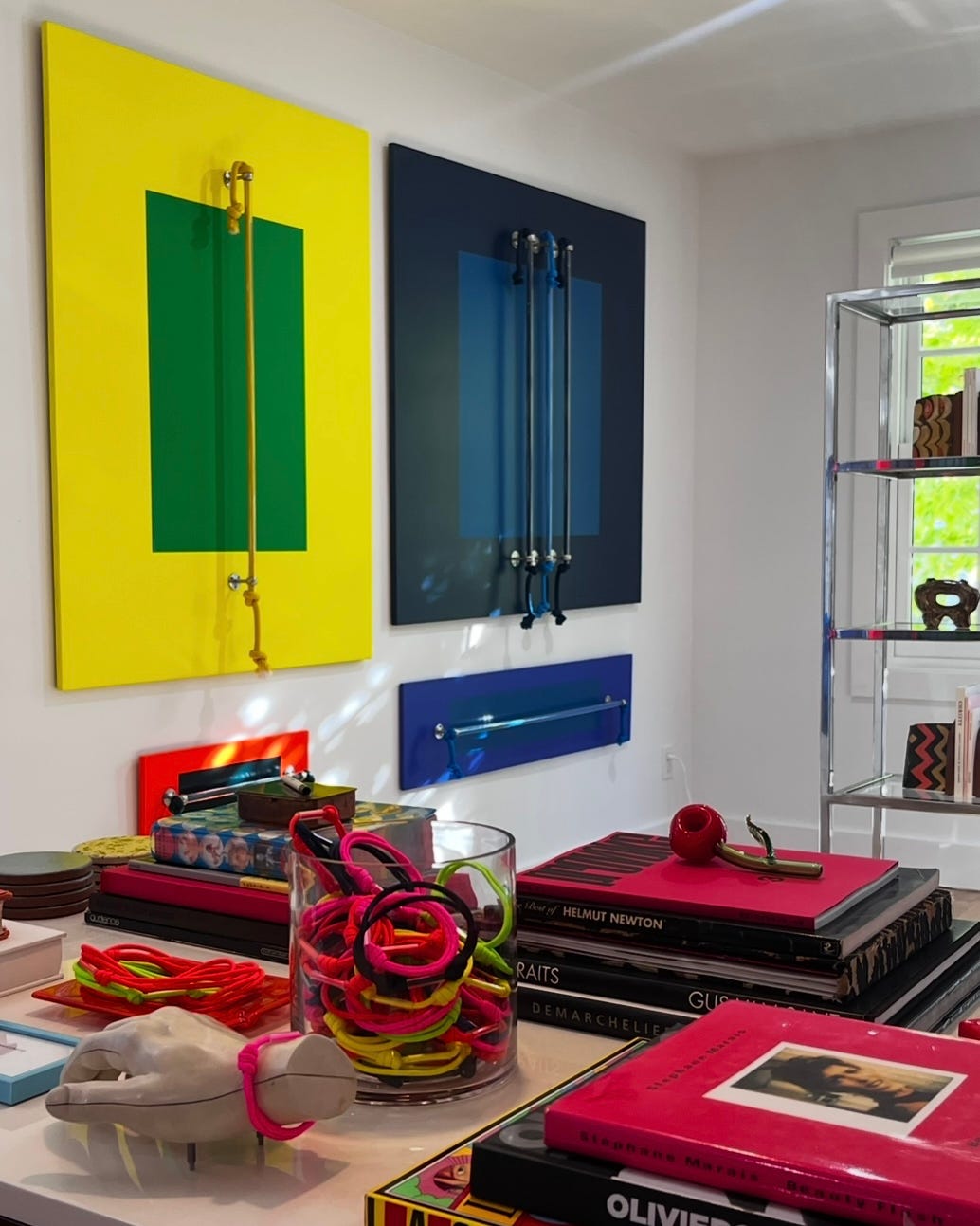
You describe the shop as part gallery, part apothecary, part playground of discovery. What does that look like when someone actually walks in? What do you hope they find inside themselves?
GF:
We created Peggy as a type of sensorial love letter to all the places that inspired us to be who we are both personally and professionally. It’s a place that we want people to immediately feel relaxed, and hopefully really excited about the stories being told here. We wanted it to feel like an exhale- like you can breathe a bit deeper. We designed the space using the Barneys, Biba & Fiorucci blueprint, blended details from other favorites like PeeWee Herman, Tim Burton’s Beetlejuice, Charavari, Pat Fields, Einstein’s, and The Cher Show. At the end of the day, we want to give people permission to be open to new experiences and understand that Peggy is a space for community as much as it is a store to purchase things.
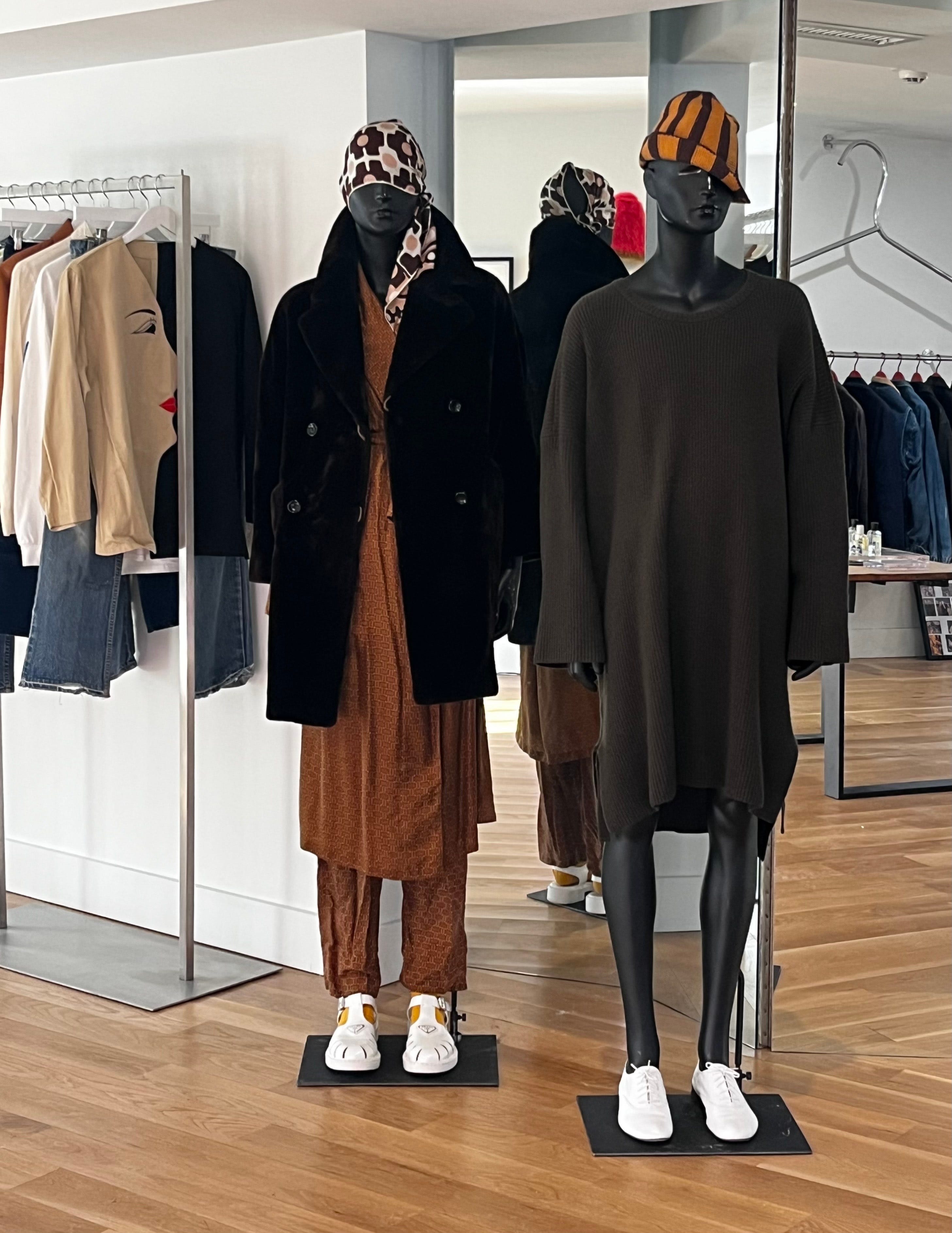
The shop honors Peggy Guggenheim — an icon of risk, avant-garde taste, and unapologetic self-making. How do her philosophies show up in the curation, the design, the tone of the space?
GF:
Peggy Guggenheim’s superpower was the confidence she had in going with her instinct, no matter what. That is where her influence can be mostly felt, our commitment to creating an environment unapologetically our own. Like Peggy, we are not traditional gallerists, so there will always be an air of experimentation to what we do. We give ourselves the permission to trust our own past experiences and follow curiosity, impulse, and taste when it comes to art and culture.
JB:
She was the ultimate champion of the new, the undiscovered, the weird, the queer… She lived her life ferociously and without apology. I think she epitomizes the very essence of curiosity and discovery.
If you think someone you admire would enjoy this, please share :)
What’s something you carry that most people assume is just “a thing,” but really represents a larger idea about identity, risk, or transformation?
JB:
This is such a hard question to answer concisely, because we celebrate the identities of every brand founder, artist, or maker that we partner with. It’s important to us that their stories are at the core of what we communicate to our clients- not just the product benefit, size or materiality. There is a subtext of our own identity that permeates the space as well, which is obviously present in every detail. Identity as a concept is so interesting, especially when talking about a store that deals in beauty, fashion and accessories, right? An art exhibition might question the very nature of identity and how the artist chooses to portray that in a self portrait. A bold lipstick or a statement necklace might bring out hidden aspects of your identity that you don’t typically present. It’s sort of present in everything…
Your product mix reads like a love letter to artists, oddities, and creative resistance. What are the rules you use when choosing something for the shop — emotional, intellectual, or intuitive?
GF:
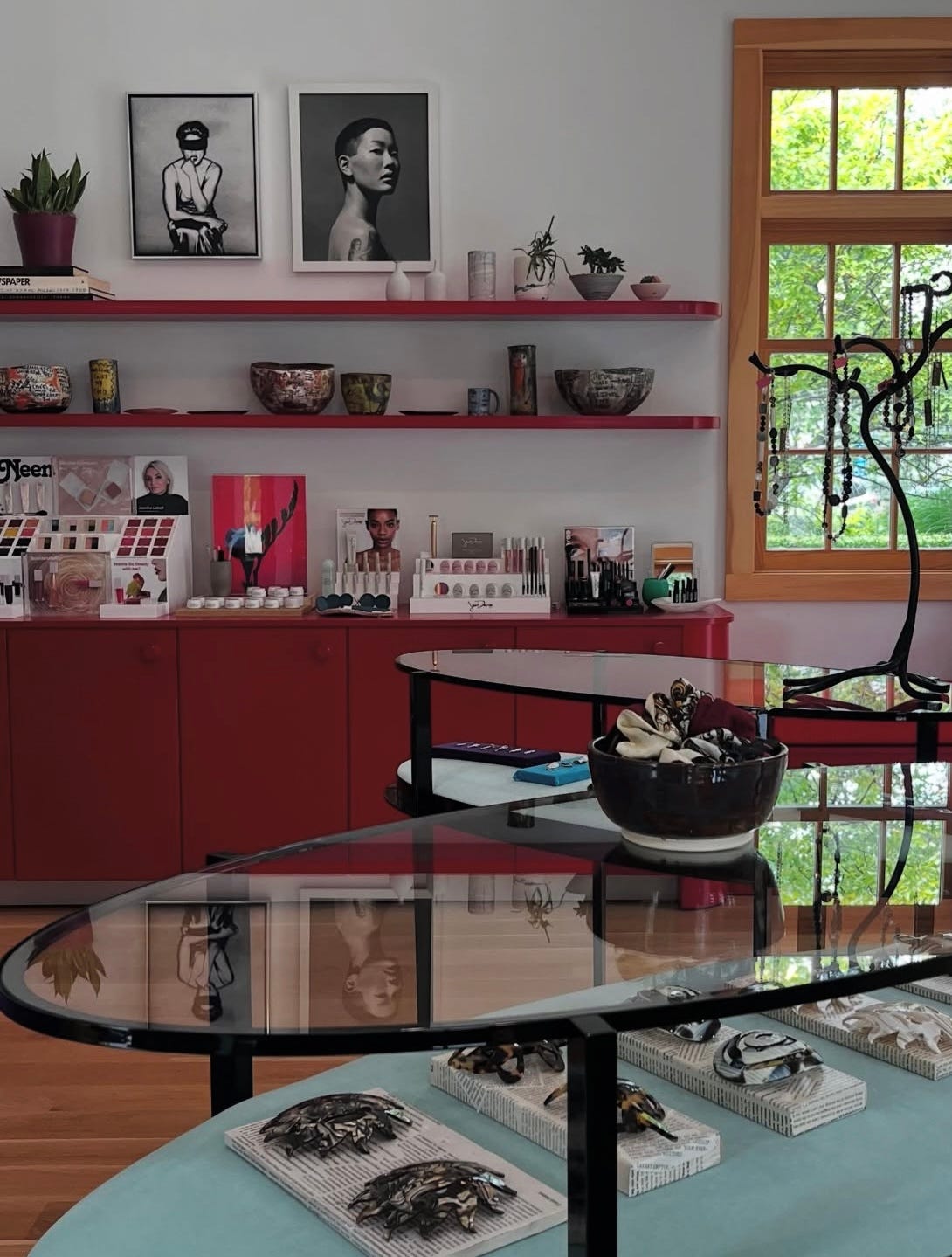
The curations and product choices are purely intuitive — we know these founders, they are friends of ours, people we know from our personal and professional lives.
We always consider visibility and distribution; we focus on products with smaller-scale manufacturing.
The products that come into the store are usually not in big-box retail. We care about providing the best there is to know about in every category.
Who do we trust when we need such things? These favorites became the magic of Peggy; the storytelling includes people we really love who create products that we want you to cherish.
Just because we love something doesn’t mean it belongs at Peggy.
JB:
We have to react to something viscerally for it to find its way in to the store. We aren’t good at manufacturing passion or feigning excitement- the client can see through it.
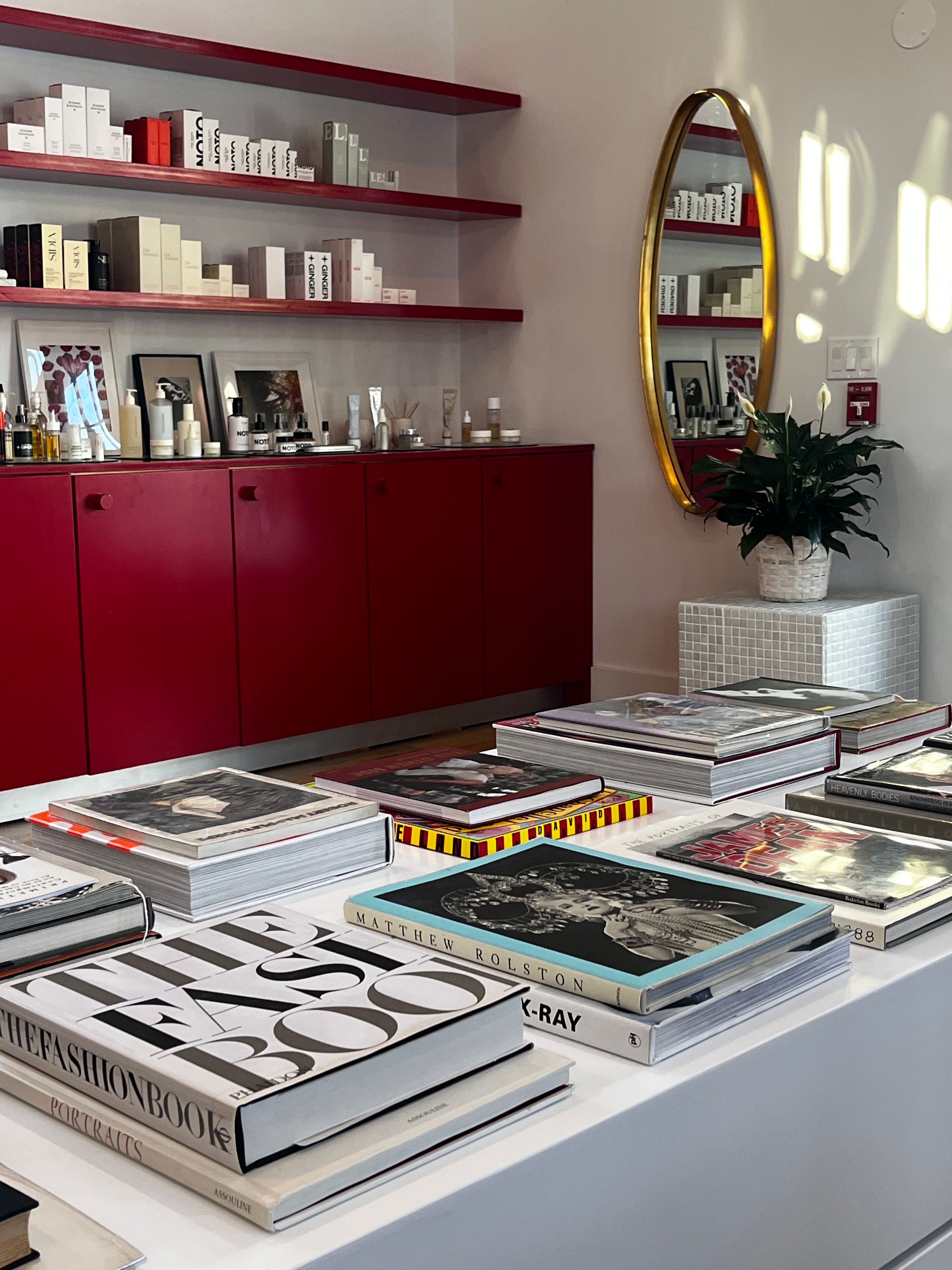
Have you ever chosen something that felt right to you but confused customers at first? How do you balance risk with resonance?
GF:
Yes, there have been a few examples of this happening, but isn’t that the magic of retail? Seeing the transformation of an item that had been completely overlooked suddenly becoming the most visible and desired. We are both very realistic when it comes to consequences; we have figured out after almost two years in business where we can and can’t take risks.
JB:
Taste is totally subjective and we cannot assume that everyone who walks in the store has the same taste as us. We don’t intend to be everyone’s favorite flavor. There is always an element of risk when you plan an assortment, launch a new product, or open and exhibition. Although it’s not our number one intention, promoting a little confusion or head scratching goes hand in hand with promoting a sense of discovery.
In a world where retail often feels transactional and algorithm-shaped, what does it mean for Peggy Mercury to be relational?
JB:
I love that you use the term relational because what we do, more than anything I think, is build and manage relationships. When Greg and I really evaluated what it was that we LOVED about our careers, we unanimously agreed that it was the relationships that we had built that we cherished the most, and what made the work so rewarding to us. Earning the trust of our community was our first objective when we opened the doors. Getting to know our clients and fostering real relationships with them allows us to understand them, which lets us build a more exciting assortment and offer more memorable experiences for them.
You’ve talked about wanting a space where kids from the local independent schools can come, explore, play, and maybe find mentors. Why was that important? Do you see Peggy Mercury as part of a cultural infrastructure for the next generation?
GF:
My background in the modeling industry has made me hyper-aware of many things. One of those things is a specific age demographic: 14-22 years old. In my experience, it’s been invaluable to provide an environment for young people to feel safe in order to build trust. To assist them while building language and opinions around who they are, what they like, how to treat those around them, and most importantly, what they want to be.
The biggest shock to me when I first moved to Litchfield County was the lack of places for young people to go- outside of restaurants and maybe hair/nail salons. Connecticut is known for being second in the country for most boarding schools per state (23). I knew that no matter what Peggy became, it had to be a place where you can come and be yourself.
One of our favorite things about stores like Barneys & Fiorucci was even if you weren’t shopping for something, you felt challenged and inspired to learn more about the world around you. We want kids to feel like the world is limitless when they come to Peggy. We hope it’s a place where they can be curious, where they can be challenged, where they can come to be heard, and ultimately emboldened and encouraged through sharing experience and humility.
It’s a space for these kids to just be kids. Most of the time, I’m with them at Peggy. I hope we help to lighten a heavy academic and social life. For them to be able to gossip, ask about music and fashion, get advice about makeup and jewelry while applying eyeliner— by all means. It’s so much more than just the merchandise- it’s the environment. We are really paying tribute to all of those safe places that made us feel confident that we were going to be okay for another day. There is no feeling like the sensorial experience of walking into a place where you can exhale, and not feel weaponized by all that makes you feel ‘other’.
You host exhibitions, art, music, dialogue — is Peggy Mercury a shop or a living room for the community? Or both?
JB:
I think Peggy is both. It’s like the cultural salons that were so prevalent in Europe in the 19th century, only these gatherings were usually hosted in private homes. They provided a platform for intellectuals, artists, musicians, and writers to socialize and exchange ideas. These salons birthed movements and ushered change, often in very impactful ways. This underlying idea really is at the heart of what Peggy Mercury is- a meeting place of like-minded people. Somewhere to connect and engage with other eternally curious souls.
Has the surrounding Kent community shaped the shop in ways you didn’t expect?
JB:
We are so proud to be part of this special community. Kent is an idyllic and charming New England town, nestled in the foothills of the Berkshires. The color of the landscape- forsythia yellow, grass green, sky blue- was a direct influence on how we initially colorized the interiors of Peggy. There is a long lineage of artists and creatives (Alexander Calder, Milton Avery, Jasper Johns, Marcel Breuer to name a few) that have found their way to Kent and the surrounding areas for the last century or so, and this is a constant source of inspiration for us. Sometimes it’s literal- a color scheme that we use in merchandising, or imagery we use for social content. There is something to be said about knowing your neighbors and fellow small business owners. We work together to drive awareness of the town and its various events, supporting each other’s initiatives and raising awareness of the town as a whole.
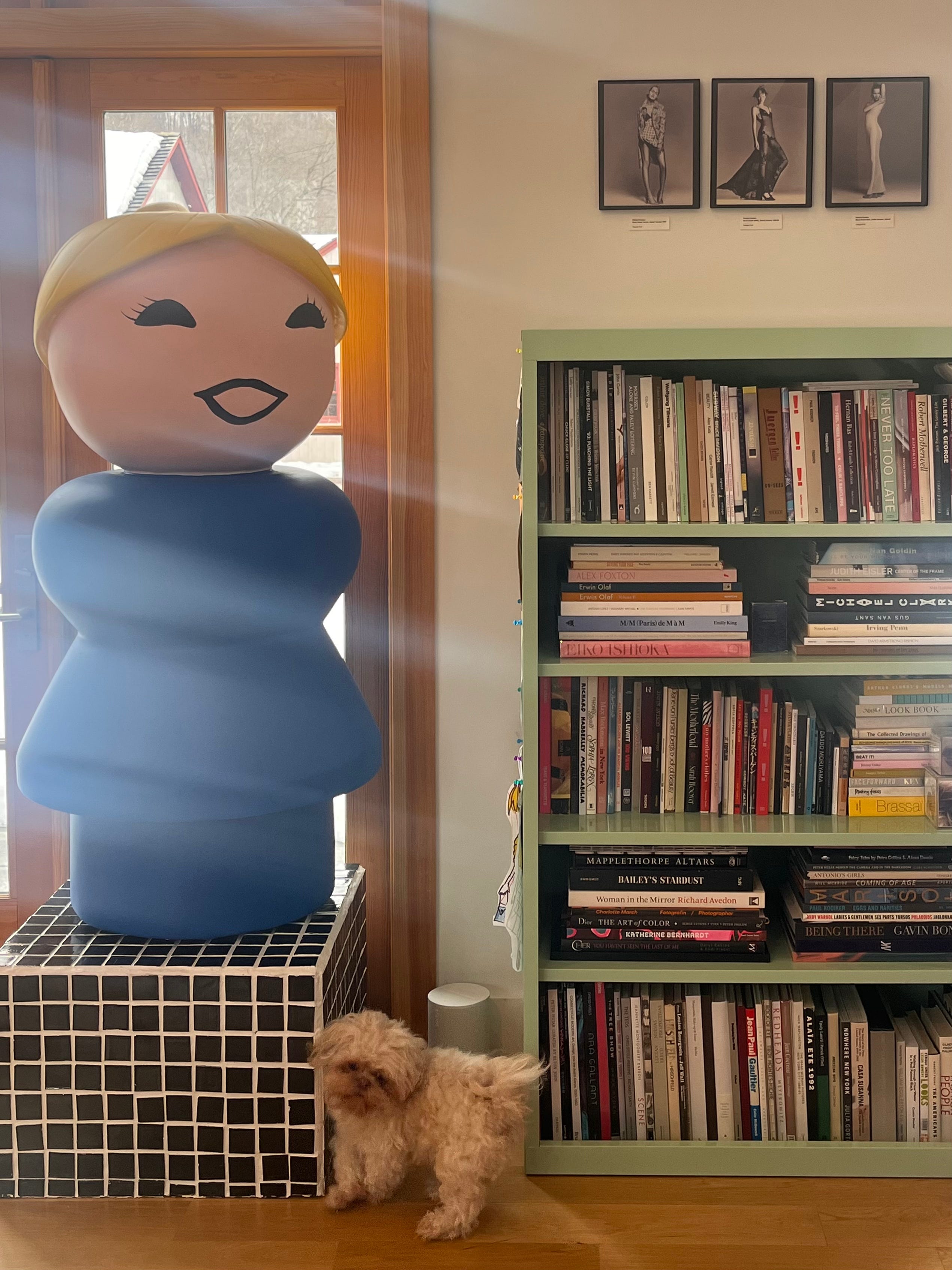
You are life partners and business partners. How does that shape the day-to-day experience of Peggy Mercury? Is there a boundary between work and home, or is that part of the alchemy?
GF:
We aren’t perfect about it, our old careers have made it almost impossible to not be masochistic. We definitely don’t have boundaries, we are in a constant dialogue — repeatedly sharing and dreaming opportunities. Some of our best ideas have come out of those moments, when it doesn’t feel like ‘work’. Through it all, one of us manages to stay hyper aware that it’s time to cut it off for the day. We are making a difference together, sometimes it’s easy and sometimes it’s hard but we both thrive in the uncomfortable. It’s part of the magic of Peggy, being brave enough to share ourselves with the people we want to trust us.
What’s one thing a visitor would never guess about running this shop — the emotional labor, the failures, the contradictions?
GF:
This is the Catch-22 of owning a business, right? You are so good at what you do and no one will comprehend how much sweat equity went into it from start to finish. We problem solve all day, so it’s also the perfect example of why it’s so important that we love each other as much as we do. This is fucking hard work, there is a lot of humility in what we do as retailers.
JB:
There are always so many projects that are in some stage of development at any given time- we try to remind ourselves that we are the only ones that know what that timeline actually is. If something arrives late, or doesn’t arrive at all, or doesn’t come together as we had imagined, we are the only ones to know that. We are definitely our own worst enemies in this regard and hold ourselves to the highest standard possible. There is a lot of effort that goes into making things feel sort of effortless.
If Peggy Mercury were a sentence about how you want people to feel in their own skin, what would that sentence be?
GF:
“Everybody must have a fantasy.” Andy Warhol
JB:
“Be yourself; everyone else is already taken.” Oscar Wilde
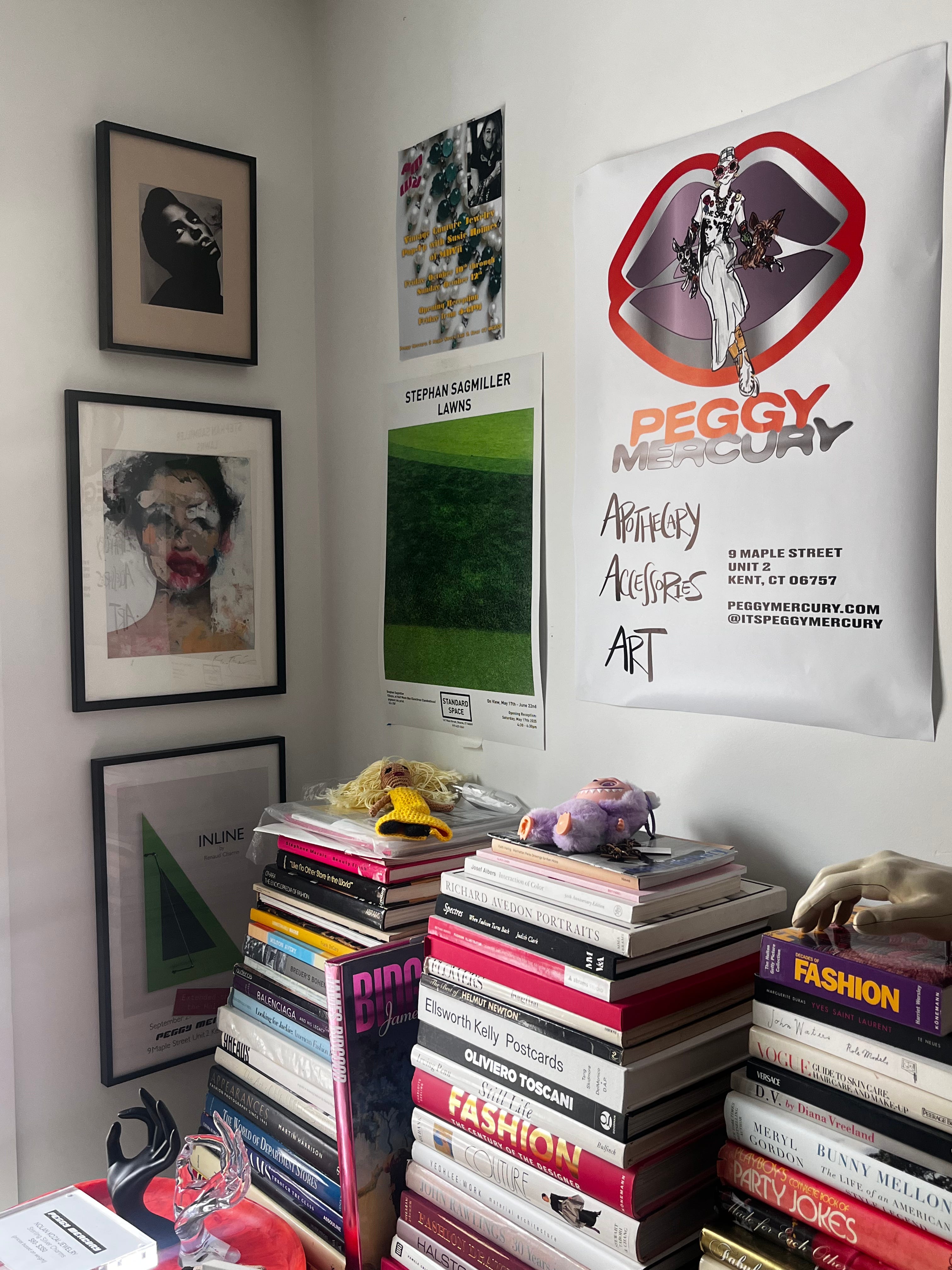
The first object you ever sold at Peggy Mercury.
NOTO Deep Serum!
The object you secretly wish people bought more of.
Unravelled x Peggy Mercury Crochet baskets
The most misunderstood thing in the shop.
The art exhibits.
The hour the shop feels most like itself.
1 PM
The hour you question everything.
9 PM
A trend you refused.
All of them, especially beauty trends. And Labubu.
A customer moment you still think about.
Our friend’s daughter coming in to buy makeup with her allowance
There is something quietly radical about a place like Peggy Mercury.
In a time when so much retail is optimized, flattened, and filtered through algorithms, it feels rare to walk into a space that was built from instinct. A place shaped by conversation, curiosity, and a deep belief that beauty can still surprise you.
Gregory and James have created something that feels both intimate and expansive. A shop, yes. But also a room for discovery, for dialogue, for community. The kind of place where objects carry stories, and where people are invited to become more themselves.
Spaces like this matter. They remind us that culture does not only live in museums or magazines. Sometimes it lives in small towns, in barns, in rooms full of strange and beautiful things chosen with care.
And sometimes, if you’re lucky, you walk in and immediately feel what they described so perfectly.
An exhale.
xo - G
Explore more from my studio:
The Planner by Studio Noto — A tactile roadmap for the life you’re shaping.
The Anti-Brain Rot Reset PDF — For the overstimulated who have succumbed to thinking scrolling is a source of rest.
Things I make to make you feel great — Wearable, burnable pieces of the world I’m building.
Creative Consulting + Direction — Built my own brand. I can help you shape yours.
Instagram: @glorianoto, @noto_botanics
Comments
Nothing yet. Say the first thing.
Sign in to join the conversation.