
There’s a certain kind of shop that exists in every city worth caring about. One or two per neighborhood, if you’re lucky. The kind where nothing feels accidental, even if it looks effortless. Where the light hits just right, the objects feel considered but not precious, and you leave having spent more than you planned but somehow feeling better than when you walked in. And there is usually a very special someone with vision, exceptional taste and style, and strong point of view behind it.
Mohawk General Store is that kind of place. Bo is that kind of person.
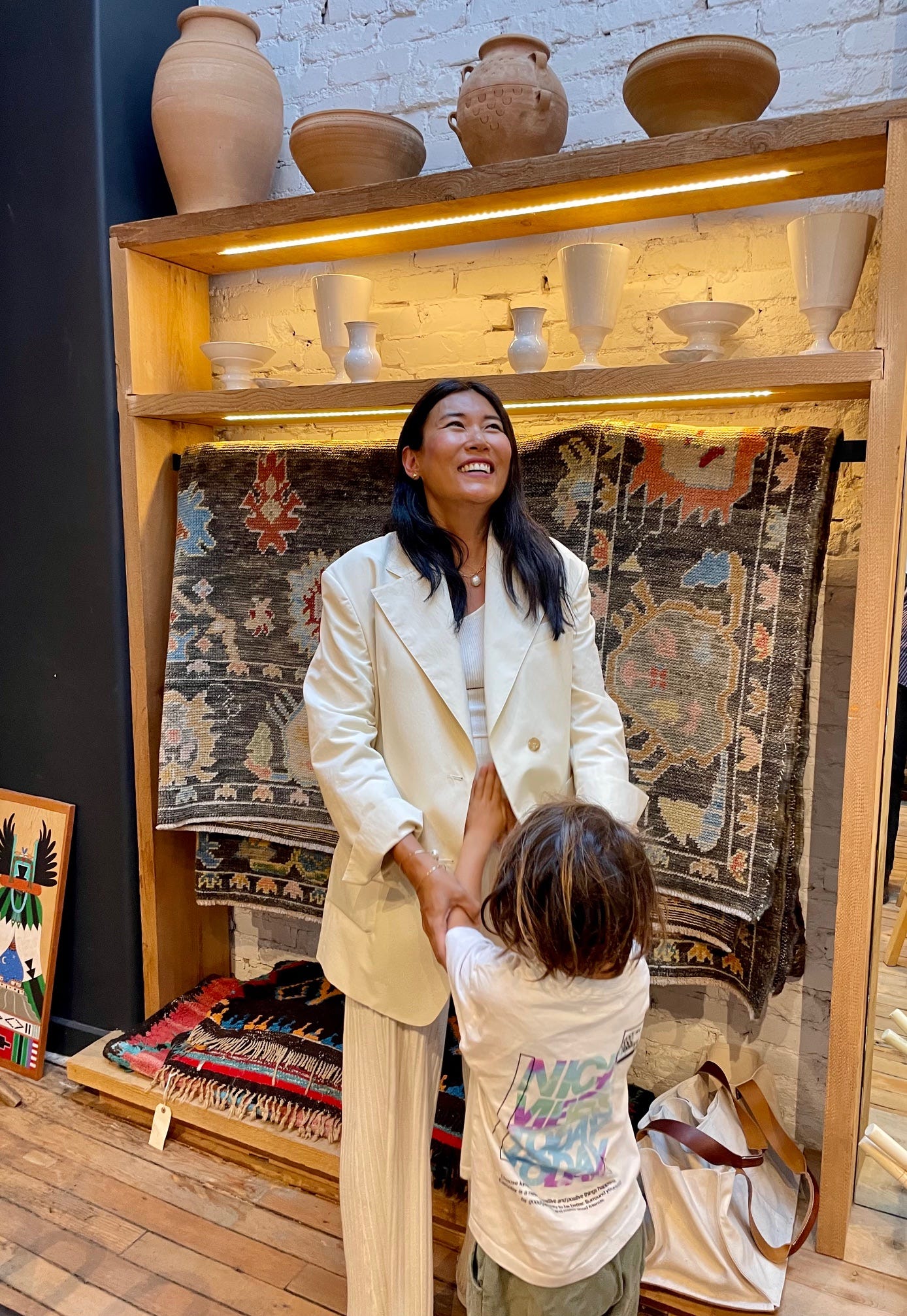
I remember the first time Bo and I connected on carrying NOTO back in 2018. It wasn’t just another wholesale email. It felt like being seen by a shop that actually had a point of view. I had been a customer, fan, admirer, all of the things for so many years prior. It felt for me, like the next phase in NOTO’s emergence. Mohawk is the kind of place you want your work to live in because it changes how people experience it. Years later, when she brought in my Studio Noto planner too, it hit in a different way. Less like validation, more like a quiet alignment.
That’s the thing about Mohawk. It doesn’t feel loud about what it’s doing, but it holds a very specific line. One that’s evolved over time without ever losing itself. In a city like Los Angeles (Silverlake at that), where aesthetics move fast and everything is always on the verge of becoming content, that kind of consistency feels rare.
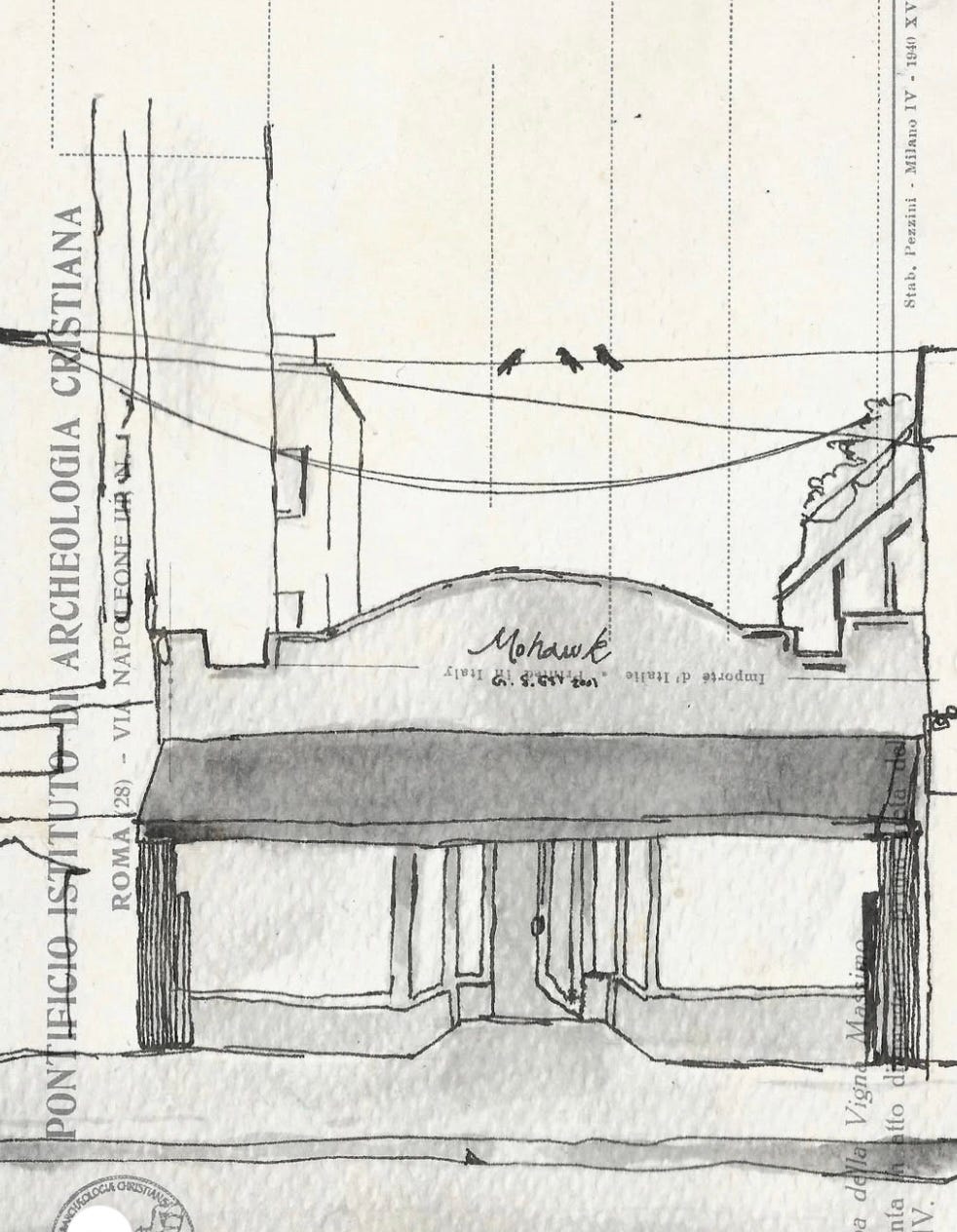
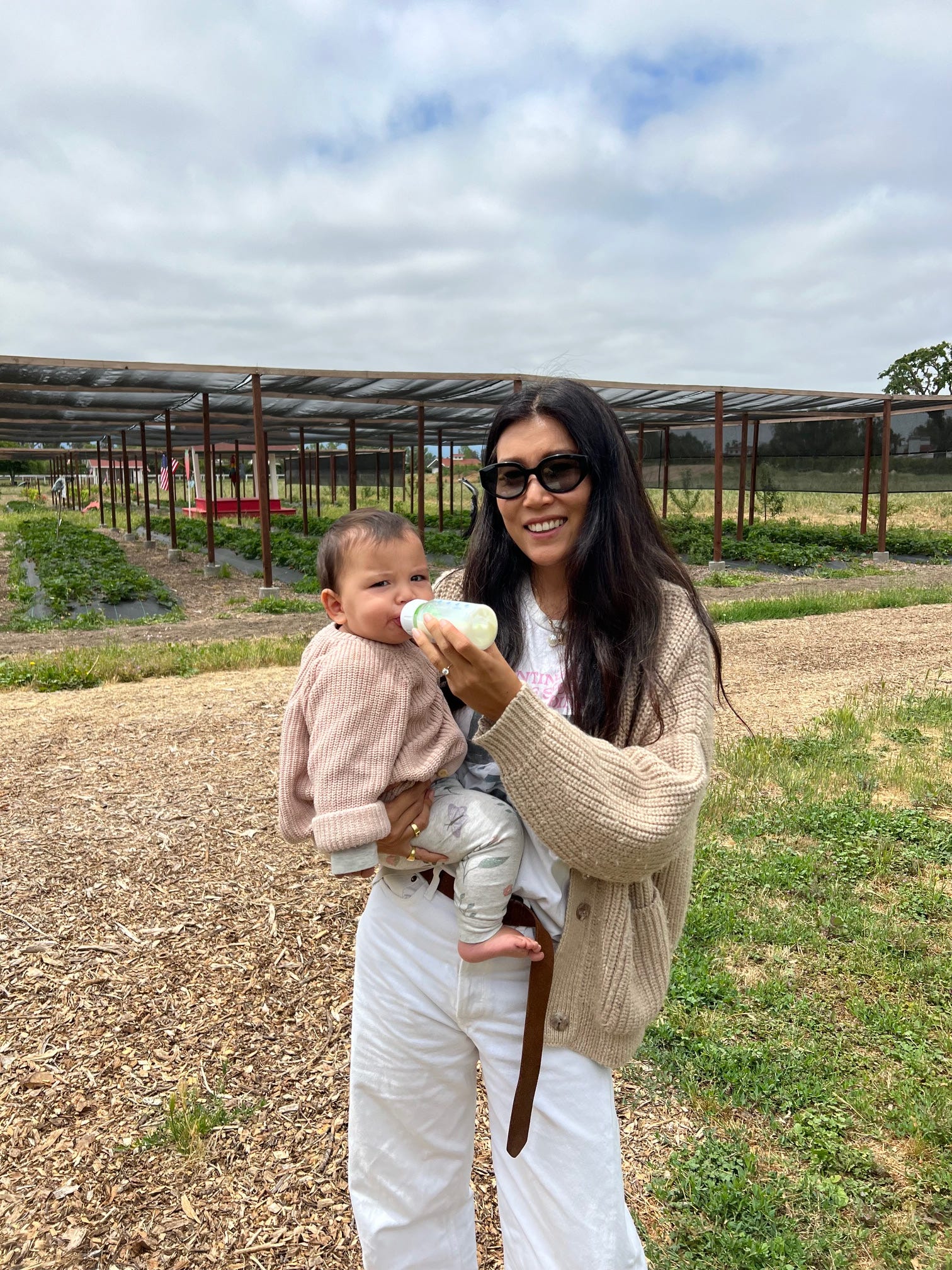
Bo Carney opened the store with her husband Kevin in a small Echo Park space in 2008, before the neighborhood became what it is now. What started as a project grew into one of those shops people seek out when they visit LA. Not because it’s trying to be a destination, but because it’s built with care.
We talked about learning how to buy without training, what it takes to build something lasting in a city this big, why physical retail still matters, and the quieter parts of running a store that people don’t always see.
THE INTERVIEW
ORIGIN / BEFORE THE STORE
You’ve lived in a lot of different places before landing in Los Angeles — Korea, Austria, Texas, Milan. Which place shaped your sense of beauty or taste the most?
Seoul and Milan. Seoul and Korea helped form my core aesthetic of simple and modern. Milan gave me the opportunity to appreciate more opulence.
Before Mohawk, your path wasn’t exactly a traditional fashion one. You’ve worked in film, cosmetics distribution, and even government. How did those earlier chapters shape the way you think about running a store now?
Working in Seoul was intense in all industries. Like really grueling at times — we worked 10-12 hour days all the time. It really trained me to be resilient. So whatever challenges I faced while running the store, it was still easier than those days back in Seoul.
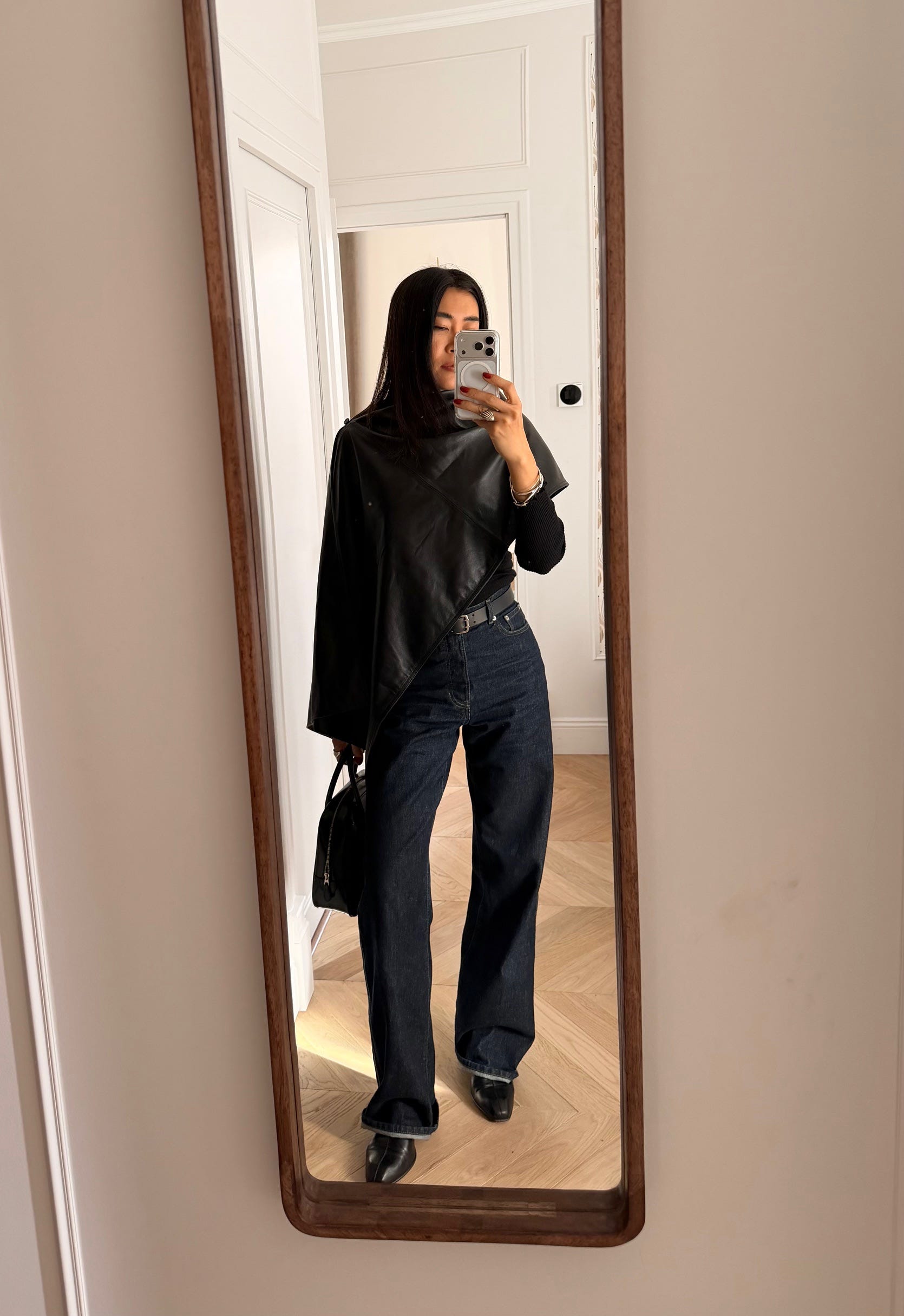
When you first moved to Los Angeles, did you feel like you were stepping into a creative scene that already existed, or did you feel like you had to build your own community here?
Kevin had his community here and I am still very close to the friends that I met when I first moved here. But as far as my own community it was kind of built from scratch.
You studied fashion business in Milan before opening Mohawk. Was that experience foundational for you, or did most of the real learning happen once the doors actually opened?
It was absolutely a great foundation for me to study in Italy. I learned all the business school basics and we were living in Milan which cultivated an eye. But the actual real life learning you get from running a store is priceless.
THE BEGINNING OF MOHAWK
Mohawk started as a very small shop in Echo Park. Do you remember the first moment where you thought, this might actually become something?
We had an opening party for an artist friend and it was really packed and full of amazing people and energy. I was so pleasantly surprised. Our first celebrity client was Scarlett Johansson and Ryan Reynolds. I was new to LA so just not used to seeing famous people out and about. I only realized it when I was ringing them up. I took it as a sign that if they found us on a tucked away street in Echo Park and bought so much in one go we might be onto something.
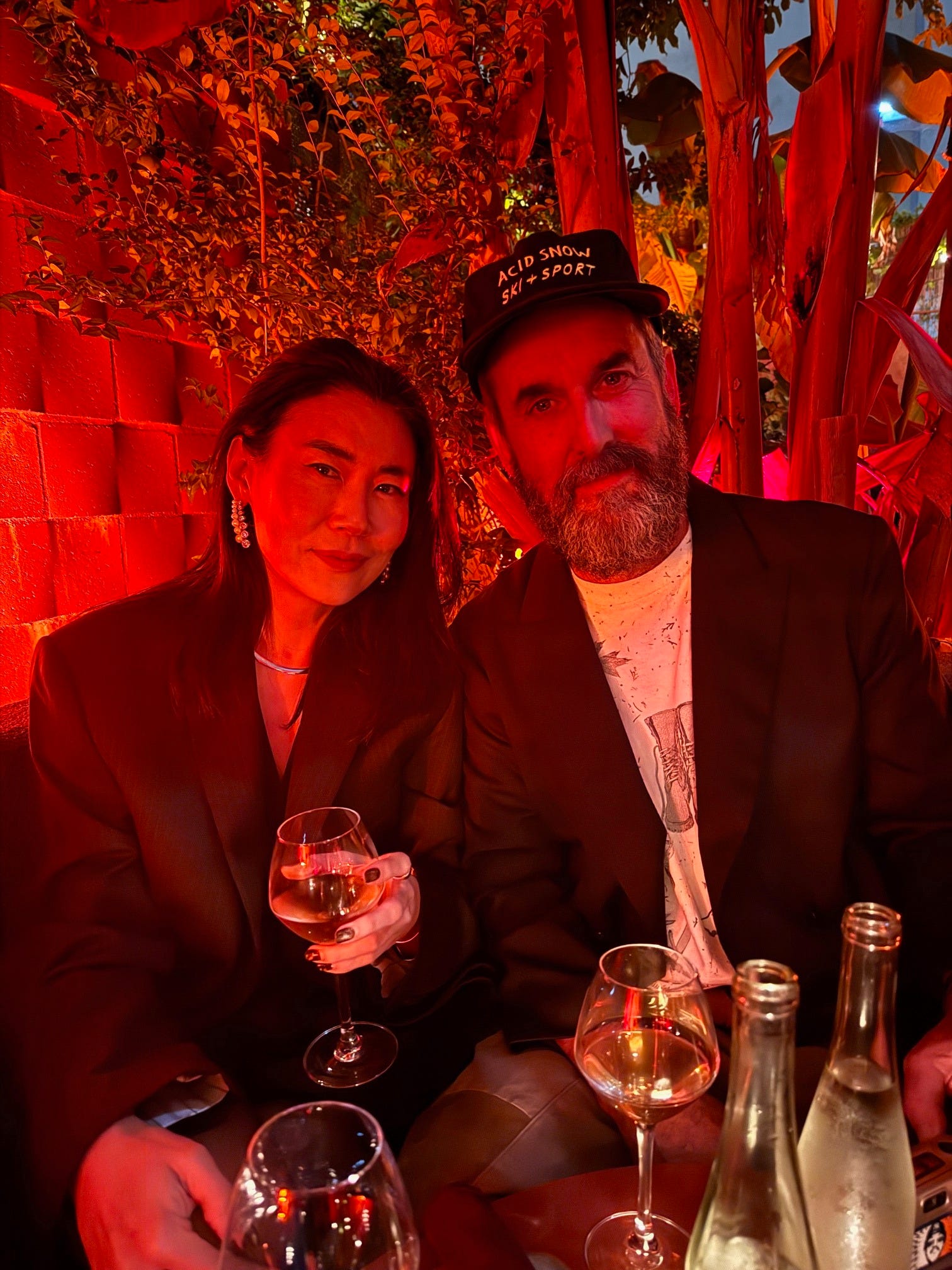
When you opened, did you have a clear vision of what the store would become, or did it slowly reveal itself over time?
I don’t think it was a conscious thing I was envisioning back then. It started more as a project. We were both pretty naive about it and we didn’t really have grandiose plans. We just wanted to do something interesting and cool and if it could pay the bills great. As the shop grew we could also expand our vision.
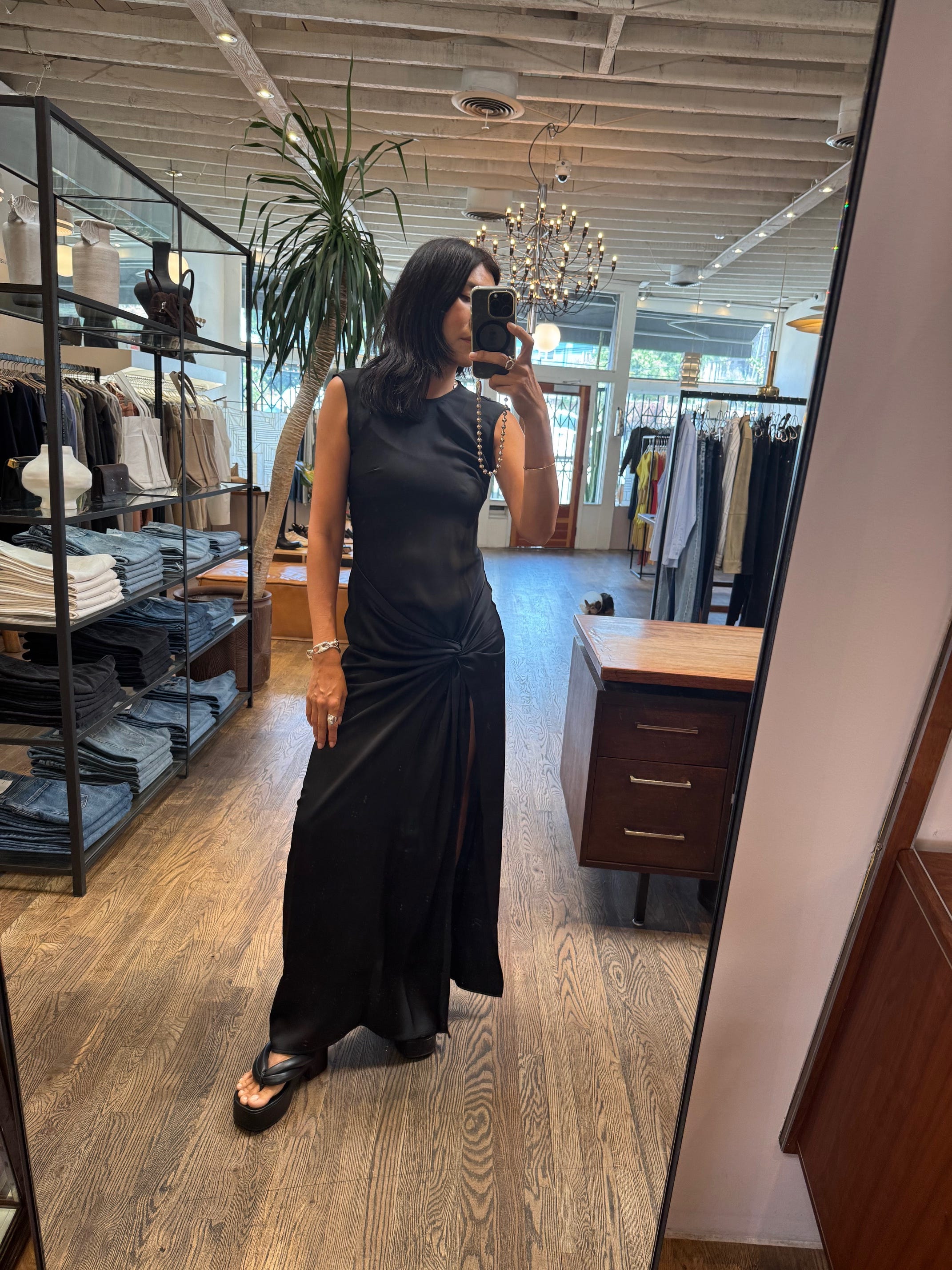
I’ve always been fascinated by people who open shops without having formal retail training. You’ve said before that buying wasn’t something you initially knew how to do. How did you develop your instincts?
Instincts is a good word here. We just trusted our guts and used common sense. And in the early days the budgets were small and the stakes were not high either. So it was perfect environment to learn. We grew gradually so we were able to also learn the nitty gritty of it all gradually. Also because we were so small and didn’t have a lot of money to work with we really did not have the luxury to make mistakes. We were kind of forced to hone our instincts and make good decisions or fail.
In those early years, what was the biggest learning curve about being a buyer?
I remember ordering too many things at once and not knowing how to deal with cash flow crunches. Or ordering something super trendy that by the time it arrived in store it was already over. Those are mistakes as a small business that can financially cripple you for a while. Not to mention the pure mental and physical stress of it all.
BUILDING A CULT SHOP IN LOS ANGELES
Mohawk has become one of those rare stores that people travel to when they come to Los Angeles. When did you realize the shop had developed that kind of following?
When we started traveling to Paris and meeting all kinds of new designers and mingling with other industry peers. I would introduce myself and the store and when people who you think would not know about it would tell you just how much they loved the store.
Los Angeles is such a huge, sprawling city. What do you think it takes for a small independent store to become culturally relevant here?
Offering something that the neighborhood desires or appreciates. Creating community. It will create an energy and then people will come from all over to experience that.
Did you feel pressure as Mohawk grew to maintain a certain identity or taste?
Yes. But it wasn’t a bad kind of pressure. It feels more like constantly pushing yourself to evolve. Like our tastes and preferences evolve over time and that is also a collective thing. Like us as the curators and the clients who give us feedback work together to create this thing.
Do you think a store’s personality comes more from the brands it carries, or from the person curating them?
It’s both. But I guess the person who is curating the selection really has more of an input. Even if you carry the same designers every store has their own way of buying into it.
THE MAGIC OF A SHOP
Some stores feel purely transactional, but others feel almost emotional. What do you think creates that difference?
The intention and love of the team/person behind it.
What is a moment you’ve experienced in the store that made you think, this is exactly why I wanted to do this?
When someone comes in kind of in a panic state or confused or depressed looking for something to wear to a special event or just life. And we are able to provide what they were in search of and they leave happy.
What do you think a really good shop can give someone that the internet can’t?
A real life human based interaction. I remember during the pandemic when you had to cut yourself off from the real world for the most part — stopping into a little mom and pop shop and having a little conversation with the storekeeper would really uplift my mood and spirit. These little interactions make an impact on our wellbeing and we really don’t appreciate it enough.
TASTE AND CURATION
When you walk into a shop somewhere in the world, what tells you immediately that the person behind it actually has taste?
Taste is so subjective but I really appreciate care and attention to detail. Like if the merchandise is laid out very carefully and there are fresh flowers I know there is a lot of love behind it and it makes me feel good to spend money in there.
When you’re deciding whether a designer belongs in Mohawk, what are you really looking for?
I love it if there is a really creative vision and soul behind the brand. And it has to be something that me and the team feel excited about — but also fills a need and the value for money is there.
Has your idea of good taste evolved since the early days of the store?
Yes. Now I appreciate more longevity and value vs something that is just cute and you will tire of quickly.
Are there things you personally love that you would never bring into the shop?
I love small trinkets and gifty items but I really have to restrain myself as space is so limited on the floor.
MAKERS AND SUPPORTING INDEPENDENT WORK
One thing I’ve always appreciated about Mohawk is how thoughtfully you support independent makers. Seeing NOTO and even my planner in the shop over the years has meant a lot to me personally. When you encounter something new, what makes you feel like it deserves a place in the store?
I find so many new and independent designers all the time and I want to support more but really it is a matter of space. We are kind of maxed out already on the floor so it really needs to be something that is filling a void we are missing currently.
THE PRACTICE OF SHOPKEEPING
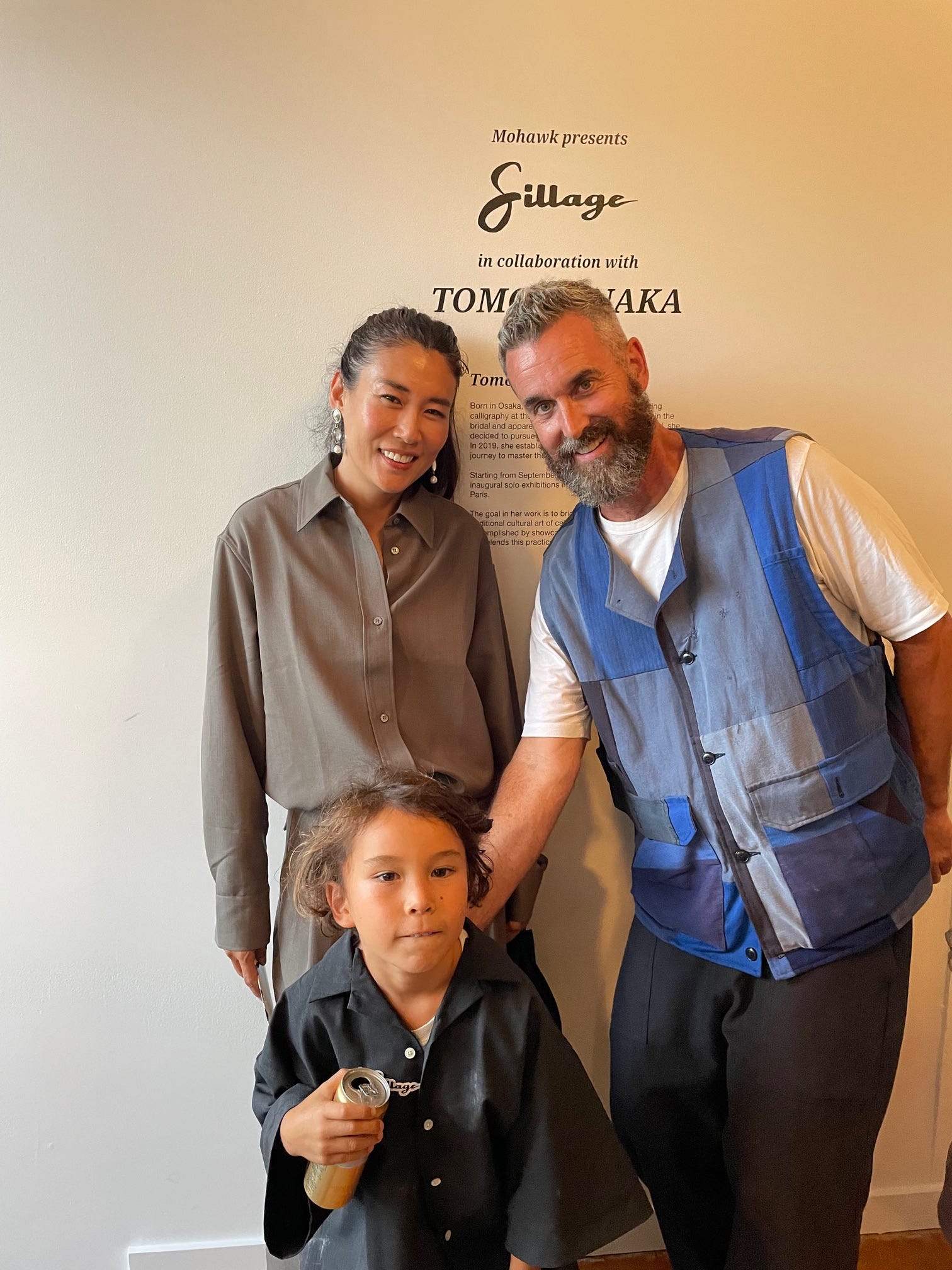
Running a shop feels a little like editing a magazine. You’re constantly shaping a point of view. What does your editing process look like when you’re building a season?
We make selects based on things we like first. Then we edit taking into consideration things like past sales and prices and whether or not we are being redundant with other designers. It’s really a balancing act.
Do you ever buy things simply because you love them, even if you’re not sure they’ll sell?
Yes we do that because we can’t just be only pragmatic all the time. Sometimes we need to add in the emotional factor. It keeps things interesting.
What’s the hardest part about curating a multi-brand store?
Again, since space is the constraint it is a matter of not buying too much and really offering the customer an edited point of view.
Do you still get nervous trying something new in the shop?
Not as much anymore. We still believe that if something is covetable to us there are also likely a lot of other people out there who feel the same.
LOS ANGELES
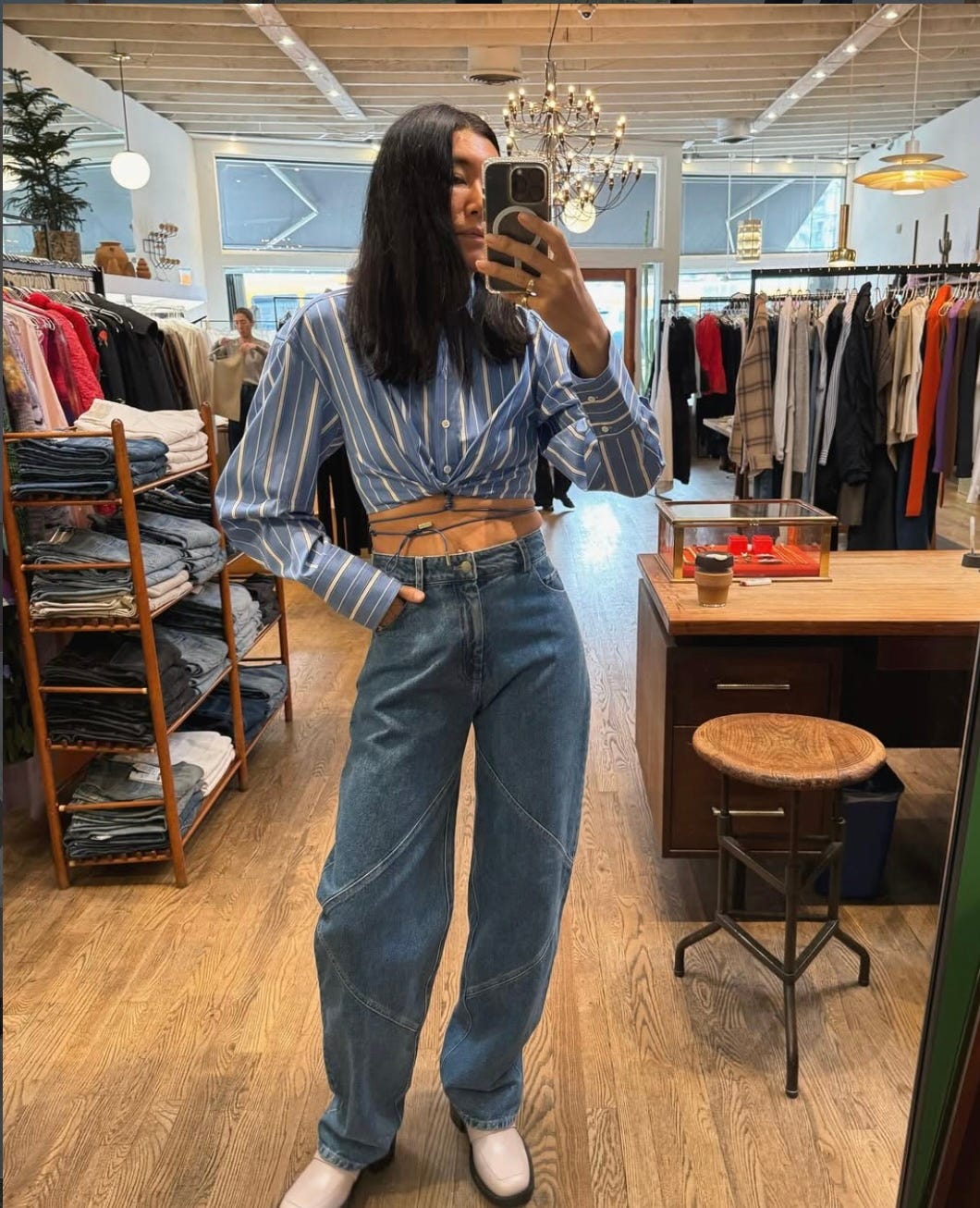
Mohawk feels very connected to Los Angeles in a particular way. What does the LA aesthetic mean to you?
It’s laid back and effortless but at the same time highly sophisticated. People have this misconception that people here are one dimensional — only into working out or being sexy. But there are so many well traveled, stylish and creative people here. Because the weather is laid back and many people work in casual creative industries no one is dressing up super polished like you would see in other big cities like NY or Paris.
How has the creative culture of Los Angeles changed since you first opened the store?
I see more and more people from other big cities moving here. So it just brings another level of worldliness.
Are there other shops around the world that have influenced how you think about retail?
I love this one store in London — I forget the name, it’s been so long. But they were a fashion store that also sold high end French work lamps in bright colors. That was such a refreshing thing to see. Not limiting your store to just fashion. Connecting the dots between how you dress and how you live. So when we first opened we also opened an account with that French lamp company (that was quite the risk because they were expensive and we had no idea if people would get it). We also added vintage home furnishings, ceramics, art and music into the mix. And people really did love it.
PERSONAL
What are you personally obsessed with right now?
Learning more about energy and vibrations.
What do you collect that people would never expect?
I think everything I collect is pretty expected. Like vintage denim, ceramic bowls, silver. The least expected would be books on meditation and philosophy.
Where do you go when you need to refill your creative energy?
I love traveling to new places even if they are not exotic or fancy. There is always something new and peculiar to learn and that expands creativity. Cutting out the noise and just being in nature. Small galleries like Marta or Francis where you can really focus.
REALITY OF OWNING A SHOP
Running a physical store right now can feel a little rebellious. What keeps you doing it?
I went through a phase of burnout where I had an exit strategy in mind. But with the prevalence of anonymous fast and online consumption I think I want to stick around even longer. I think every neighborhood should have nice independent brick and mortar stores. It’s what brings the character, warmth and uniqueness to a place.
What is the least glamorous part of owning a shop?
Calling the plumber or the roofer or AC guy to deal with old building problems.
What do people romanticize about running a store that isn’t actually true?
That you have a glamorous life full of shopping for a living. A lot of admin and stress is involved. Like a gliding swan that is pedaling furiously under the water.
CLOSING QUESTION
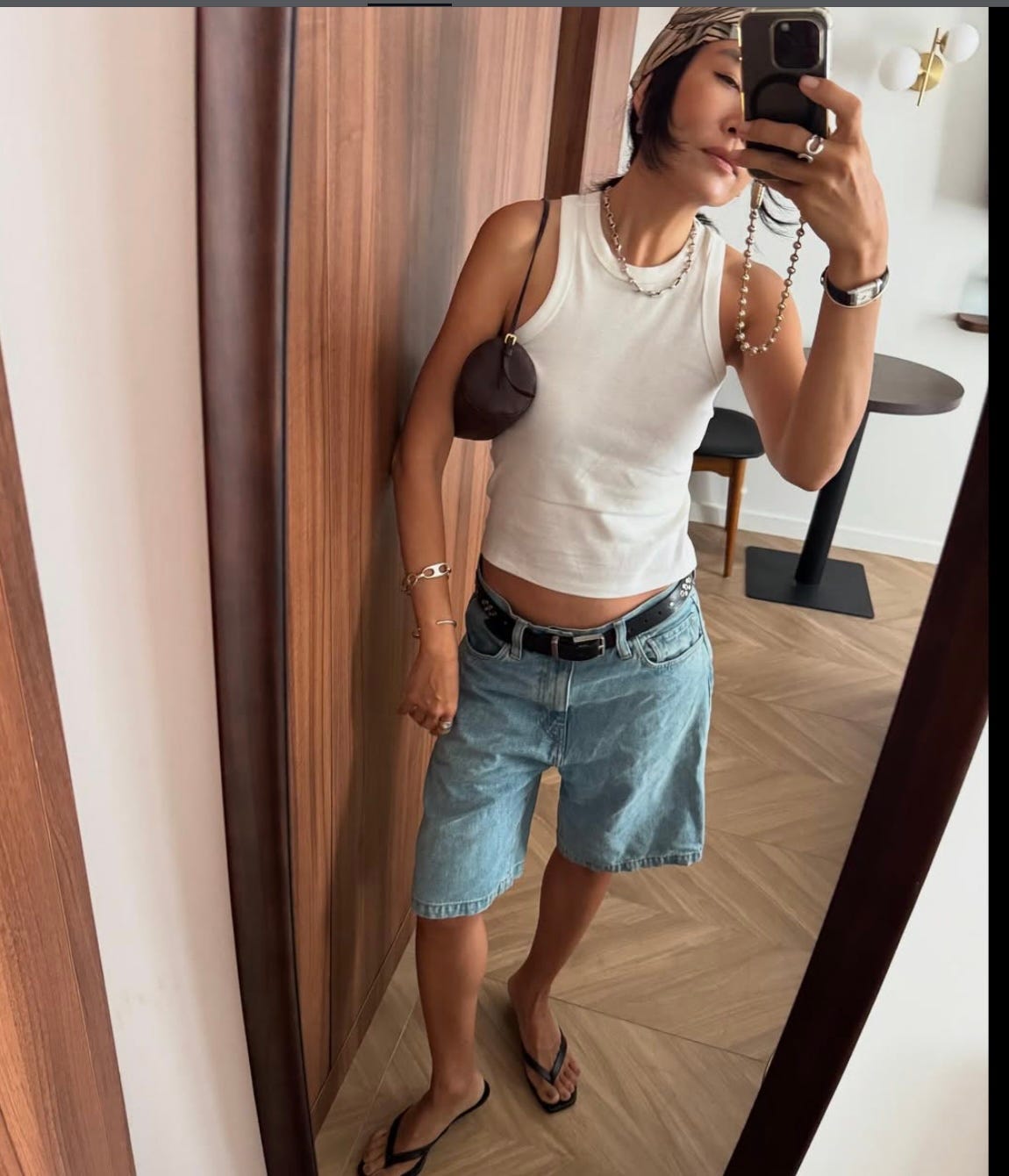
When someone walks out of Mohawk after visiting for the first time, what do you hope they felt while they were inside?
That was a unique and pleasant experience.
RAPID FIRE
First store you remember loving. Kyobo Book Store in Seoul
A shop anywhere in the world you always visit. Astier de Villatte
A designer you discovered early that still excites you. There are so many but at the moment it is Amomento and Cordera. Both have evolved so much since we started working with them.
A piece in the shop right now you secretly want to keep for yourself. A suede jacket by Toteme.
Your personal uniform. Jeans and a big button up shirt. Tabis.
Something in Mohawk that people are always surprised by. The amount of things you end up wanting.
A book everyone should have in their home. Swedish Art of Death Cleaning
Your favorite place to disappear in Los Angeles. On a hiking trail in Pasadena
A scent that reminds you of home. Roses and palo santo
The object you collect the most. Silver
The thing people misunderstand about running a store. That it’s glamorous
The moment in the day when the shop feels the most alive. When the dressing rooms are full and everyone is giving each other compliments
A city with incredible shopping. Seoul, Tokyo
A shop you wish existed. A shop that has a kids area so parents can shop in peace
Coffee or tea. Both
Early morning at the store or closing time. Early morning
The most beautiful object in your home. Plants and flowers
What you do when you feel creatively stuck. Journal, do yoga, meditate, look at art, listen to music with no lyrics
Your current obsession. Getting through perimenopause with grace, raising the kids
Three words that describe Mohawk. Pragmatic, inspired, comfortable, well edited — sorry, that’s four.
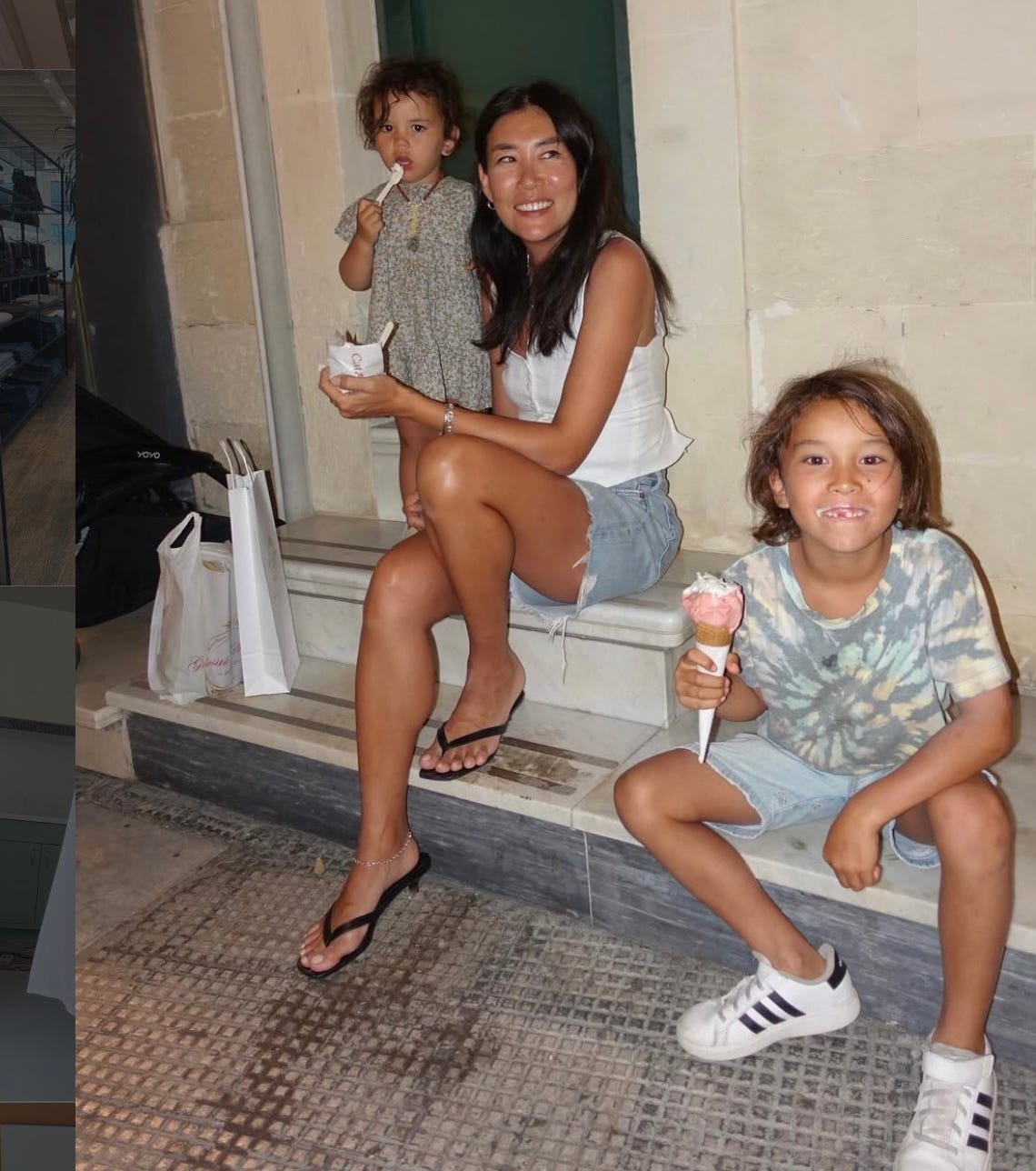
There’s something reassuring about people who build things slowly and keep showing up for them. Shops like Mohawk don’t happen by accident. They’re shaped over time, through instinct, restraint, mistakes, and care. Talking to Bo reminded me how much of this work lives in the unseen parts. The decisions no one notices. The line you hold even when it would be easier not to. It made me want to keep building my own world with that same kind of intention.
xo - G
-
Explore more from my studio:
The Planner by Studio Noto — A tactile roadmap for the life you’re shaping.
Things I make to make you feel great — Wearable, burnable pieces of the world I’m building.
Creative Consulting + Direction — Built my own beauty brand. I can help you shape yours.
Find me elsewhere: Instagram @glorianoto and @studionotoworld.
Comments
Nothing yet. Say the first thing.
Sign in to join the conversation.