
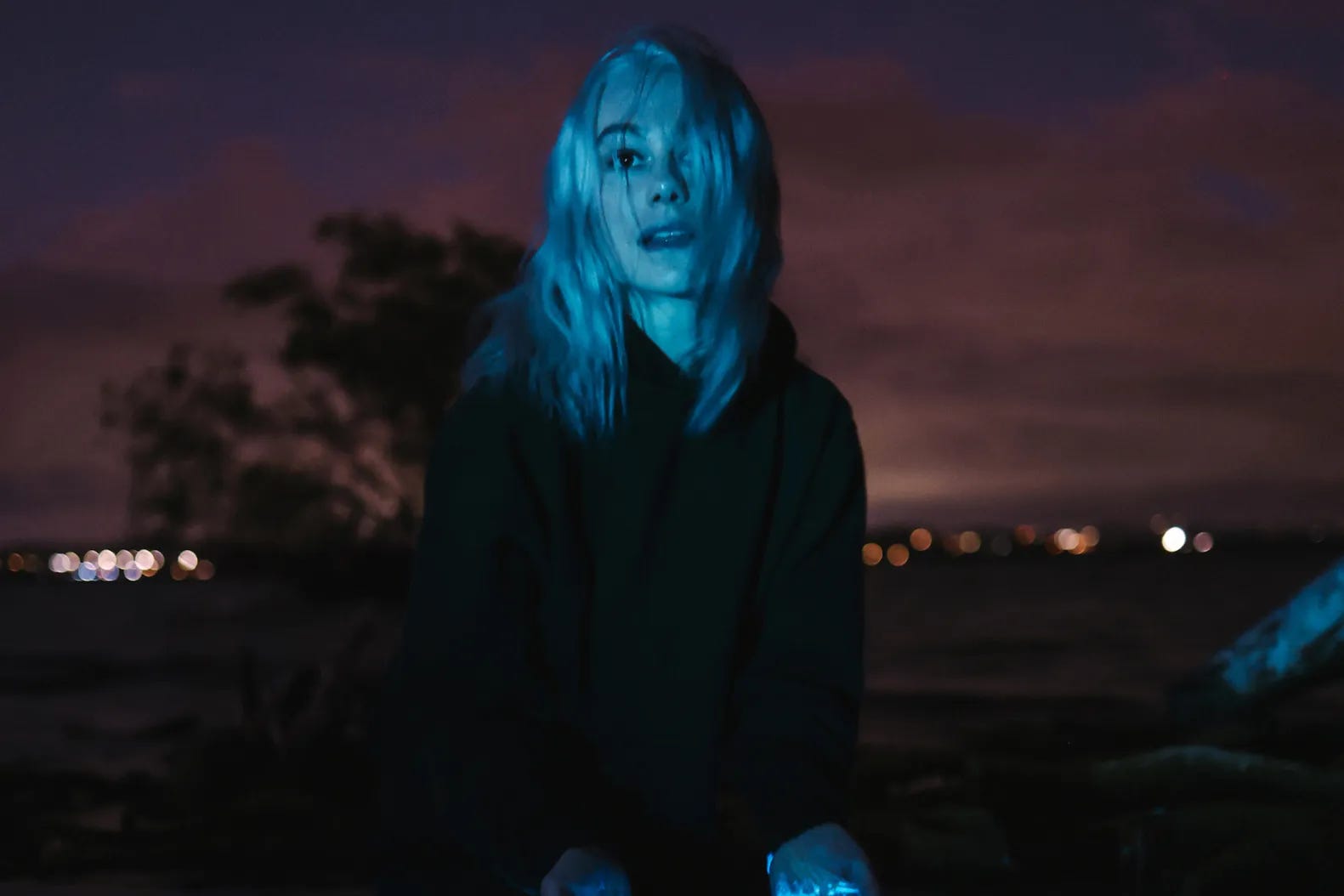
Thank you for reading Evil Speakers. This essay is about the new Phoebe Bridgers album “Lost Weekend,” as well as the nature of indie rock stardom in a time of collapsing online music media and my picks for the Top 10 most important indie rock stars, as it stands in 2026.
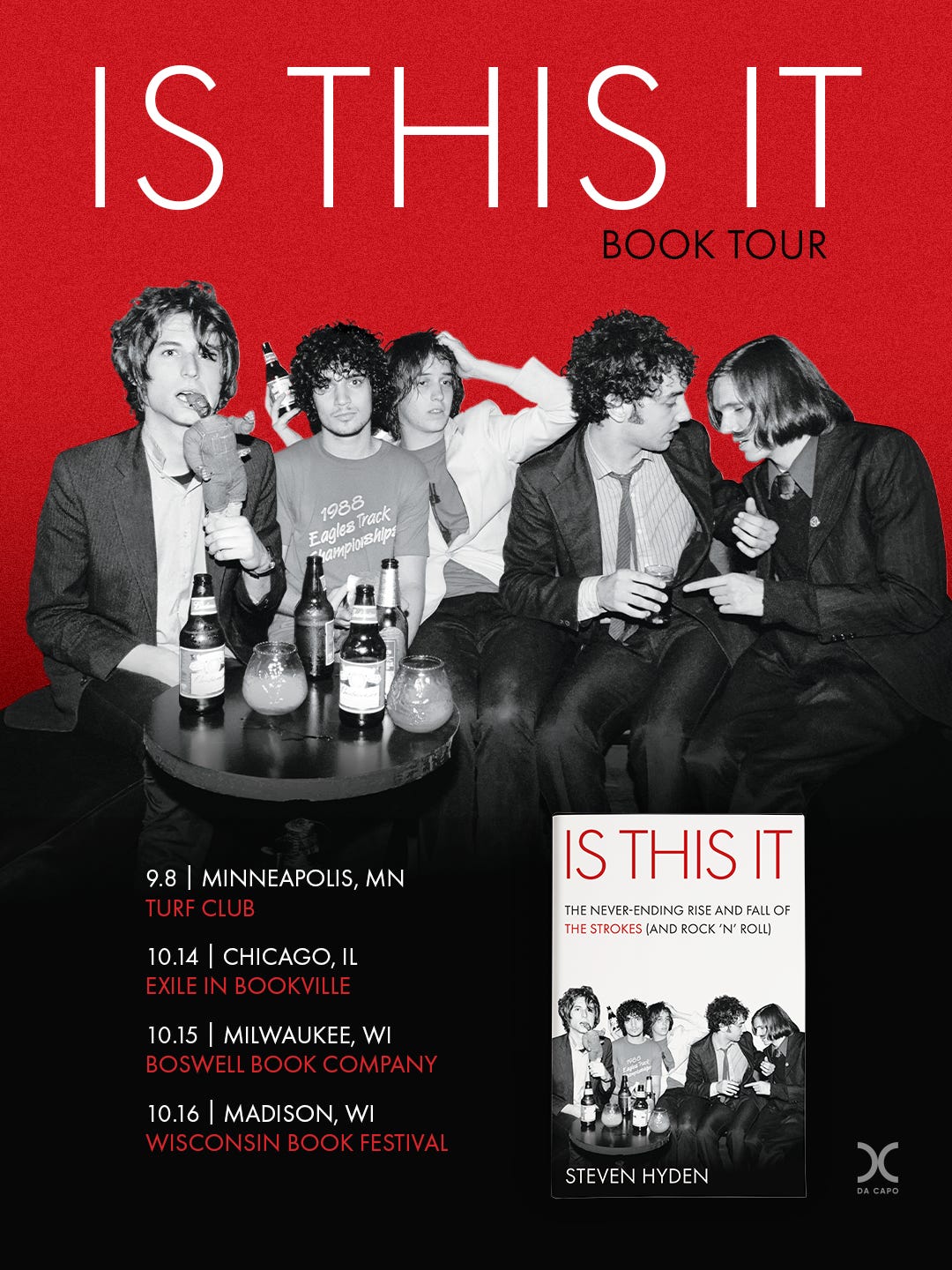
But before we get to that: I am going on tour this fall! It’s for my new book out Sept. 8, “Is This It: The Never-Ending Rise and Fall of The Strokes (and Rock ‘n’ Roll).” The biggest upcoming event will be on Sept. 8, in collaboration with the folks behind the historic First Avenue in Minneapolis. I’m so honored that they reached out and wanted to do this! I’ll be at the Turf Club in St. Paul, one of my fave music venues, with my good friend Steve Gorman. You can buy a regular ticket or a ticket with a book. That’s two Steve’s for the price of one! Please purchase tickets here!
In October, I’ll be on the road for some Midwest dates. It’s possible I’ll be adding more dates in cities outside this area, keep your eyes peeled here!
To all my paying subscribers — thank you for making this newsletter viable.
Before I get to Lost Weekend, the first Phoebe Bridgers solo album in six years, and the all-important 2026 power rankings for “most important indie stars,” I need to go on a tangent. I promise it’s an entertaining tangent, a story about “how things work” in my frequently absurd business that eventually links to the overall thesis of this essay. Besides, it’s nearing the end of summer — we’re all taking our time on getting things done right now.
About two months ago, I had a strange encounter with a publicist who represents (among other clients) a medium-popular but very well-reviewed Middle American indie-rock “nice guy” singer-songwriter. At the time I had just written and said some critical things about this artist’s recent album as well as his overall body of work. The publicist was apparently upset about this, despite near-unanimous praise for the record from basically everyone else, and he chose to publicly respond, indirectly, by posting a screenshot of my column from the week after the offending piece. And then he added this caption: “The sort of thing that makes me welcome the cold deathly embrace of AI.”
Confused? Welcome to my life! In time I recognized this as a classic proxy war situation. The Vietnam of petty music-industry feuds, if you will. (Honestly, it’s way dumber than that: On Indiecast, I likened it to that episode of The Sopranos where Tony beats up the bartender at The Bada Bing because he’s actually mad at his mother.) Things got stranger and altogether worse when I tried to privately clear the air in a followup email and was met with the most hyperbolic invective I’ve ever received from a PR representative in my 26-year (as of this week!) media career. (Sample excerpt: “I get people have to make a living. I just think it’s a bit more of a hellscape when we are subjected to the sort of shit I saw on your Substack.” That was him just getting warmed up. Before even seeing the paid tier!)
What’s funny is the “nice guy” singer-songwriter never came up once by name in our back and forth. The publicist instead insisted he was angry about this Guided By Voices column, admittedly the most arcane and nerdiest post I’ve yet published in this newsletter. He called it “brain rot” for an audience of “40-year-old IPA drinkers whose cultural identity is Pardon The Interruption,” an ironic burn considering the artist we were actually, implicitly, talking about. (There’s literally an IPA beer named after one of this person’s songs.) “I think it’s bad for music, so I chose to mock it,” he concluded.
Bad for music? Moi? Because I wrote about Dan “Fretless” Toohey?? I couldn’t help but be mystified by the juxtaposition between the bombast of this thorough roasting and the innocuously chill album that unwittingly sparked it, the one that (in Pitchfork’s estimation) “balances contentment and mortal anxiety.” Alas, there would be no countervailing contentment coming my way in this instance. “Mortal anxiety” was all I deserved, mister!
But let’s not digress too much here: The implication of the publicist’s joke was that AI is preferable to me, a poor human schlub trying to make an honest living (and succeeding somehow) in this so-called contemporary “hellscape.” It was, again, strange, especially in this moment when so many indie-music outlets are going under. (RIP Brooklyn Vegan, by the way, though more importantly check out Andrew Sacher’s new Substack!)
Could this guy not see that we are stuck in the same boat? Clearly, my delusional counterpart did not feel the cold water also rising at his knees. Unfortunately for him, it’s a plain fact that a future dominated by AI bots will be even tougher for the denizens of the indie-rock publicity business than it is for writers like myself. Super-intelligent robots are, at the very least, interested for the time being in sucking the data out of my work. What they don’t read are PR emails, and they probably won’t need anyone to “circle back” once more to see if the sentient machine overlords have finally listened to their exclusive watermarked promo album streams.
Now, when I practice empathy, as one always should, I can see that my publicist friend was P.O.’ed because he saw me as an obstacle getting in the way of him doing his job, which is convincing the public that his client is (to quote Dirk Diggler) “a big, bright, shining star.” That thing Phoebe Bridgers unquestionably is. And what most musicians, even great ones, are not.
Stardom (and particularly indie rock stardom) is felt more than counted. Yes, it can be theoretically quantified and credentialed in any number of ways. Songs streamed, tickets sold, social-media platforms followed, awards won, glowing reviews rendered, Hot Ones successfully eaten and Chicken Shop Dates platonically executed — they all qualify as relevant rubrics. But in the end these measures of success don’t always line up with the vibes of fame.
The truth is that stardom, like pornography, is a “know it when you see it” proposition. Which is why I have adopted my own measure of fame (or indie fame, per the conversation), which is entirely vibes-based though I think it more accurately reflects how we as fans generally conceptualize such matters. More than average monthly listeners of Spotify. More than the type-face size on a festival poster. More than the number of likes on an Insta post where an artist “unboxes” their latest record. More than all of it.
This is what matters most for determining who is an important indie-rock star: “If you do something that by most standards of human endeavor is considered insignificant and/or plainly unexciting, but it is reported as urgent news, you are an important indie-rock star.”
That’s it. Simple. Definitive. Clear. Though it’s also true that this benchmark has been eroded in recent years by the decline of mainstream media institutions that “report urgent news.” There’s even an argument to be made that “indie stardom” as we know it starts to evaporate as common informational touchstones — the very targets of all those PR emails — crumble and are replaced by a series of smaller and niche-ier content silos (like this newsletter you’re reading right now). Because indie stardom, more than regular stardom, relies on collective media-generated perception, at least until the more tangible sales-based rubrics start to kick in.
That perception-creation machine has never been more fragile. Which maybe isn’t entirely a bad thing, really, in terms of art and music. (Dismantling a system where, say a publicist might go after skeptical critics on behalf of the precious few artists who can afford their fees does have its upsides, I suppose.) Though, frankly, I think big indie stars are fun to write and talk about, as they’re among the few remaining topics that music fans of all kinds can commune over before we all retire permanently to our respective corners of the once worldly and wide-seeming web.
With that in mind, here are my power rankings for the Top 10 “most important indie stars” as of this very moment in 2026, with “importance” measured by how the faded but still kind of intact media apparatus makes us care about relatively unimportant things these individuals perpetrate.
Comments
Nothing yet. Say the first thing.
Sign in to join the conversation.