
If you've been following our recent posts on AI's missing human infrastructure investment and the workforce implications we covered in our vodcast series wrap-up, you likely have an understanding at the macro level. This week we’re focused on what's moving at the ground level - the programs getting funded, the state models gaining traction, and the debates shaping how we define and measure workforce readiness moving forward.
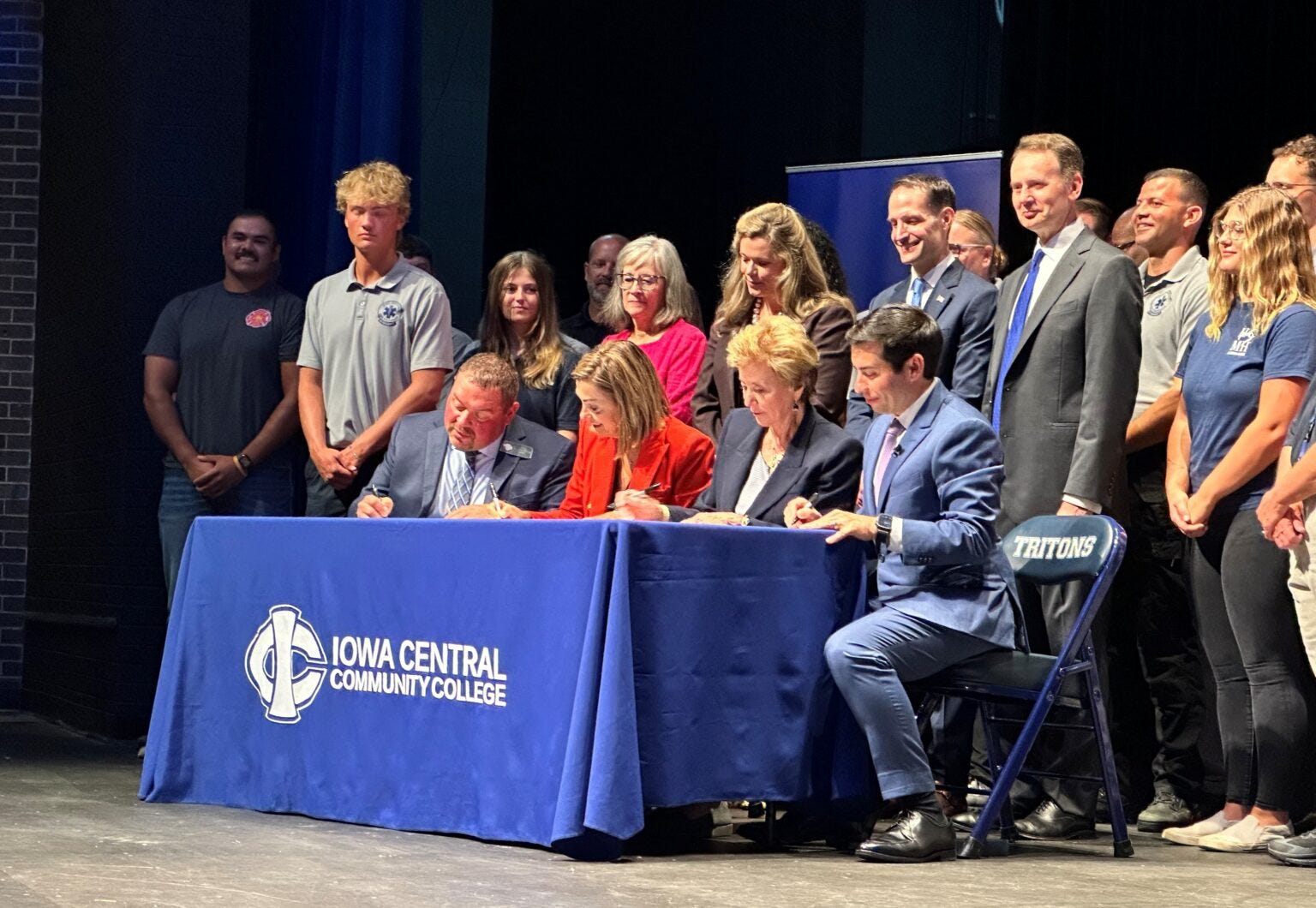
One of the most anticipated policy developments in workforce education has been the rollout of Workforce Pell, which for the first time extends Pell Grant eligibility to short-term technical training programs. Pell Grants are federal financial aid awards that do not require repayment, historically available only to students in four-year degree programs. Workforce Pell extends the same funding to shorter-term career training, a significant shift in how the federal government is investing in the development of workforce-relevant skills.
The first approval was the Iowa Central Community College’s Emergency Medical Technician certificate program. It’s a meaningful milestone, but the rollout is narrower than many hoped. Experts estimate the program will reach approximately 184,000 students in its first year, and the eligibility requirements are tight enough that many quality programs don’t qualify. As one data point, only 1% of short-term programs from the North Carolina Community College System would currently meet the standards.
For community colleges and training providers that have invested in short-term career pathways, this is worth tracking. The structure of what programs qualify will shape where future investments flow, and the early indication is that the program requires attention and navigation to make it work for your institution.
Non-degree credentials such as certificates, licenses, and industry certifications are growing rapidly across the STEM and technical workforce development landscape. But their growth hasn’t been matched by a reliable system for identifying which are worthwhile in the long term. Former U.S. Secretary of Labor Seth Harris recently made this case plainly: that workers, employers, educational institutions, and policymakers all lack the credential-level data needed to determine which programs deliver authentic market value in terms of employment outcomes and wage trajectories. Some organizations like CredLens are making progress on building the data infrastructure, but the field is still fragmented.

This credibility gap matters, and reinforces the credential accountability debate we referenced in our recent AI in Education vodcast wrap-up. The question of what a credential actually proves, and whether that proof is verifiable, is becoming a central tension in workforce policy. For STEM education programs investing in stackable credentials and CTE pathways, building the data systems that demonstrate outcomes is becoming critical for sustained funder and employer confidence.
Jobs for the Future recently released a report on how states are using flexibility under the Workforce Innovation and Opportunity Act, the federal law that governs most public workforce development funding, to modernize their systems and improve how they serve workers and job seekers. WIOA is the primary federal legislation that funds American Job Centers, workforce boards, adult education, and youth employment programs across the country. Reauthorization of WIOA is a needed, ongoing federal priority. How it gets reshaped will have significant implications for how workforce funding flows to states and communities.
The JFF report highlights Michigan, New Jersey, and Ohio as states doing innovative work on service delivery, and spotlights Utah’s integrated delivery model as a particularly effective approach to aligning education, training, and employment services. For those who attended or are following our Maker Learning and Innovation Lab work in Salt Lake City, Utah’s broader workforce infrastructure is relevant context. The state’s willingness to invest in integrated, cross-sector models shows improvements across multiple education and workforce domains.
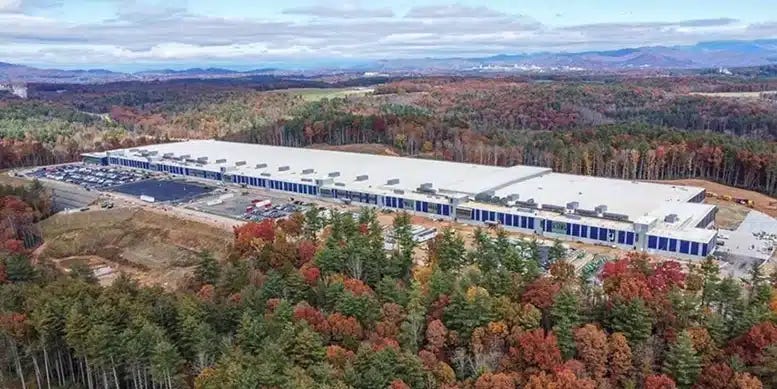
One announcement worth noting is the $29.2 million federal grant from the U.S. Economic Development Administration to Asheville-Buncombe Technical Community College in North Carolina to build the Western North Carolina Futures Factory, a workforce training and research hub projected to train 800 workers annually, create 2,747 jobs, and generate $189 million in regional labor income by 2035. This regional, community college-led workforce infrastructure investment is a great example of a collaborative, cross-sector approach STEMCONNECTOR supports, and serves as a useful mode to emulate for regions considering EDA funding as a pathway for building durable training capacity.
In addition, the METAL program, led by the Institute for Advanced Composites Manufacturing Innovation, announced new university partnerships with UW-Madison, University of Northern Iowa, Cleveland State, and Texas State to scale hands-on metalworking and manufacturing training through K-12 workshops and high school partnerships, with a goal of engaging over 50,000 K-12 students across 53 new sites by 2030. This intentional, cross-sector K-12 to higher education to employer pipeline design can help make technical workforce development durable rather than episodic.
For our STEMCONNECTOR community of practice, including educators, employers, workforce organizations, and policymakers, the consistent theme across all of these education and workforce developments is that the organizations seeing results are the ones that have invested in cross-sector systems, regional partnerships, and program models that are able to demonstrate measurable workforce outcomes. Workforce Pell’s narrow eligibility, the credential data gap, and the JFF state modernization findings all point to the era of funding programs because they are able to prove they work. The A-B Tech Futures Factory and Metal Program reflects a continuing focus on cross-sector partnerships and investments to improve both technical and professional STEM talent pipeline outcomes.
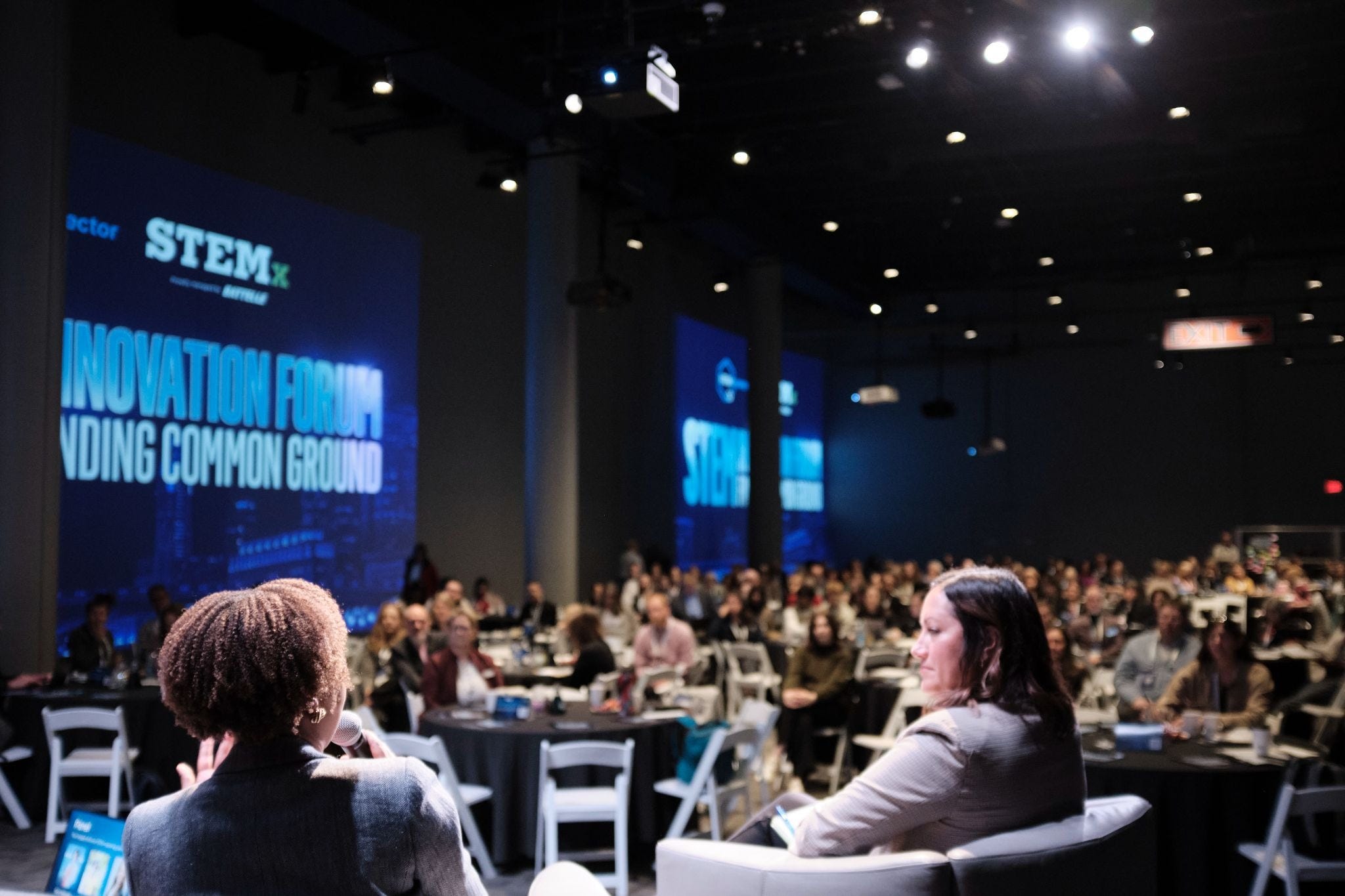
The topics in this week’s Substack are an example of what we will be exploring together at this year's national STEM Innovation Forum at Texas Woman's University in Denton, Texas this November. You are invited to join over 250 high-level leaders from industry, education, government, and nonprofits gathering for two compelling days of site visits, keynotes, panel discussions, breakout and strategy sessions, and Innovation Showcase focused on the partnerships and solutions advancing a diverse, robust, and sustainable STEM workforce, especially in this age of AI adoption. Sponsorship opportunities are available for organizations looking to increase their visibility as a thought leader, contributor and/or employer committed to making a difference in this important work.
No posts
Comments
Nothing yet. Say the first thing.
Sign in to join the conversation.