
The 108 Muni bus from Treasure Island to downtown San Francisco was arriving in fifteen minutes. I tore through the house emptying pant pockets in the closet, opening drawers, scrounging for change while praying I could afford the bus fare. Today, I was lucky. I ran to the bus stop around the corner from my apartment and made it just as the bus pulled up.
The breeze felt cool. From the window, blue skies and the city skyline on my right. Just a few rows in front of me, I noticed a monograph jutting out from the canvas bag a young woman carried. It was Irving Penn’s Passage, his retrospective book published in 1991. Had it really been three years since I finished my internship at his studio in New York City? Memories and events rapidly flashed through my mind like a carousel on a slide projector. I could not even remember where I was going that day.
The dot.com crash was underway. Several tech start-ups folded while others were trying to survive either by cutting their marketing budgets or halting projects altogether. I was wrestling with the decision whether to quit or continue carrying studio overhead costs while facing an economic downturn with no income prospects in the near future. I came to the conclusion that forging ahead was not sustainable. I was in my early thirties already saddled with an enormous debt. I couldn’t fathom accumulating more into my forties. It boiled down to the math. And, the hard truth was I needed to correct the balance sheet from a negative to a positive one. If I didn’t change course, my financial future would be in jeopardy.
That period left me creatively depleted. My cameras sat untouched for months in my closet, and I lost all desire to photograph. I was depressed, ashamed, and felt like a failure. Plan A went up in smoke and Plan B was to get a full time job.
To coax me out of my slump, Tina gently suggested I try shooting in color. I was a black and whitey for over a decade and always considered color as my Achilles’ heel. Why would I even want to go there? The more I thought about it, the angrier I felt with myself. Stubborn as I was, I heard her but didn't do anything about it.
Digital cameras had proliferated both the professional and consumer markets during that period. While surfing online, I came across the Lomo, a Soviet-era point-and-shoot camera. Lomography, the culture built around it, was having a global resurgence as a counter-cultural rebellion against the obsession with megapixels. The LC-A 35mm model particularly caught my eye for its size and simplicity, and their slogan, "Don't think, just shoot," appealed to me.
I felt a spark—a tiny one, like the first sputter of a car's ignition while attempting to revive a dead battery. It was the right tool to slowly get myself out of the rut. Tina's nudge toward color kept popping up in my mind. The longer I pondered, the more it made sense to finally tackle my insecurity. So, I made the purchase, bought a three-pack of color film from Walgreens around the corner from the hotel where I worked, and was hooked after seeing the results.
To be honest, the most exciting part of the day was clocking out of my shift. Pushing open the door at the employee entrance, taking a whiff of the cool evening with camera in hand, was freedom. It was respite after long days on the phone taking reservations from guests and travel agents, tackling my inbox and addressing issues with meeting planners, or heads down at my desk entering rooming lists.
I carried the Lomo camera everywhere. It tore me away momentarily from anxieties about the future and drew me into something nourishing. Each time I pressed the shutter was a return to self, a yes to believing that a creative life was feasible alongside wherever fate would take me. Oftentimes, I didn’t care about color balance. The act of raising the camera to my eye, composing the image, and clicking the shutter was enough. Slowly but surely, the joy of photographing returned.
The walk in the valley was long. With prayers and God's grace, I did it within fifteen years: all debts paid, finances rebuilt. I am most proud of this, especially having gone through Covid and the lockdowns with layoffs and erratic income, I’m still here photographing, collaging, and writing.
And, it all began with a tiny spark— the Lomo camera that I remember fondly, and will always be grateful for.

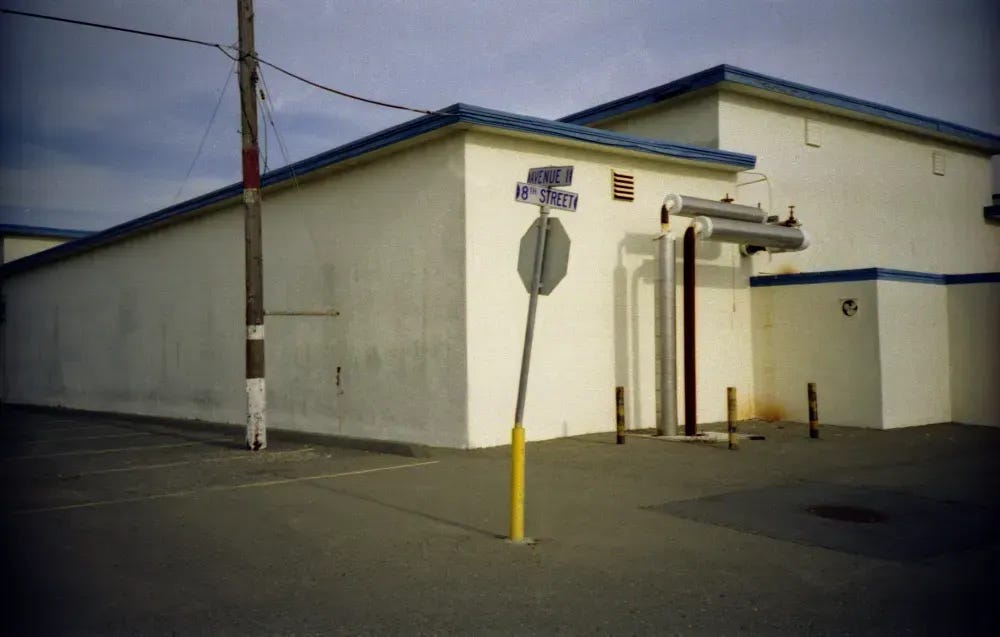
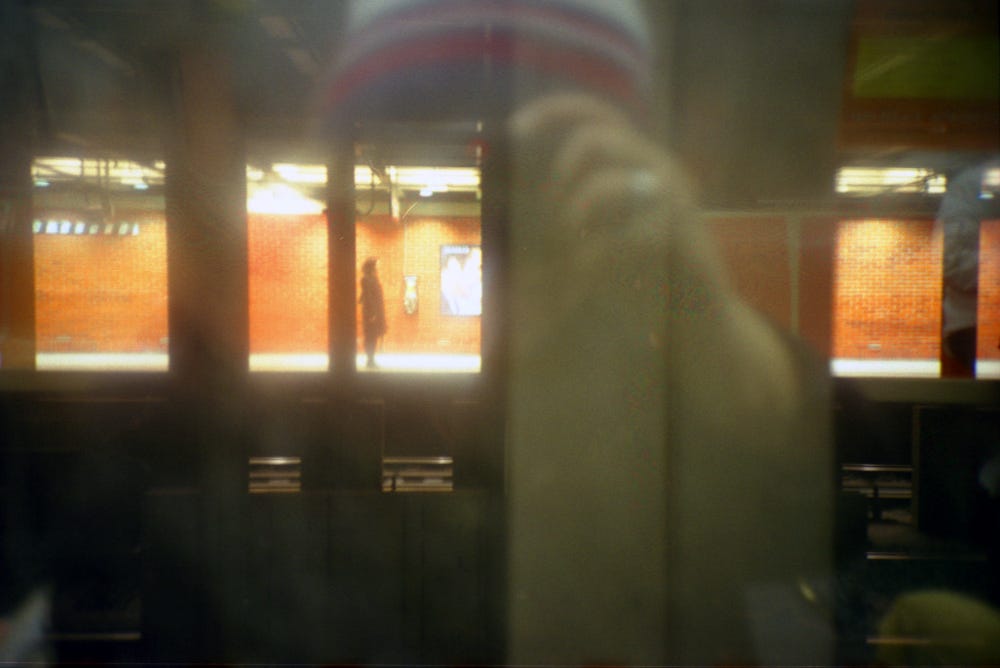
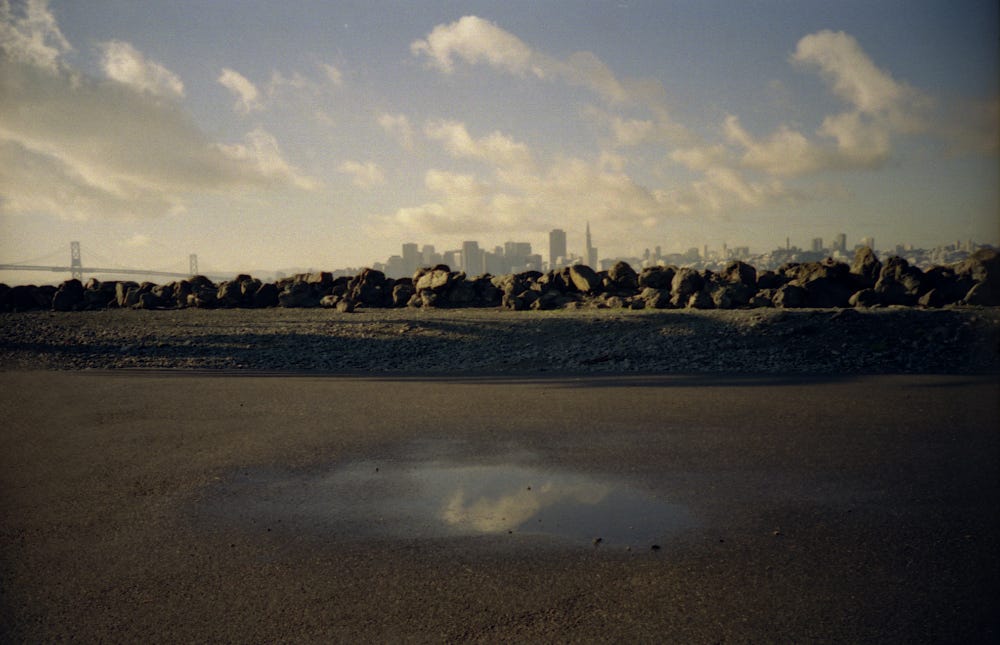
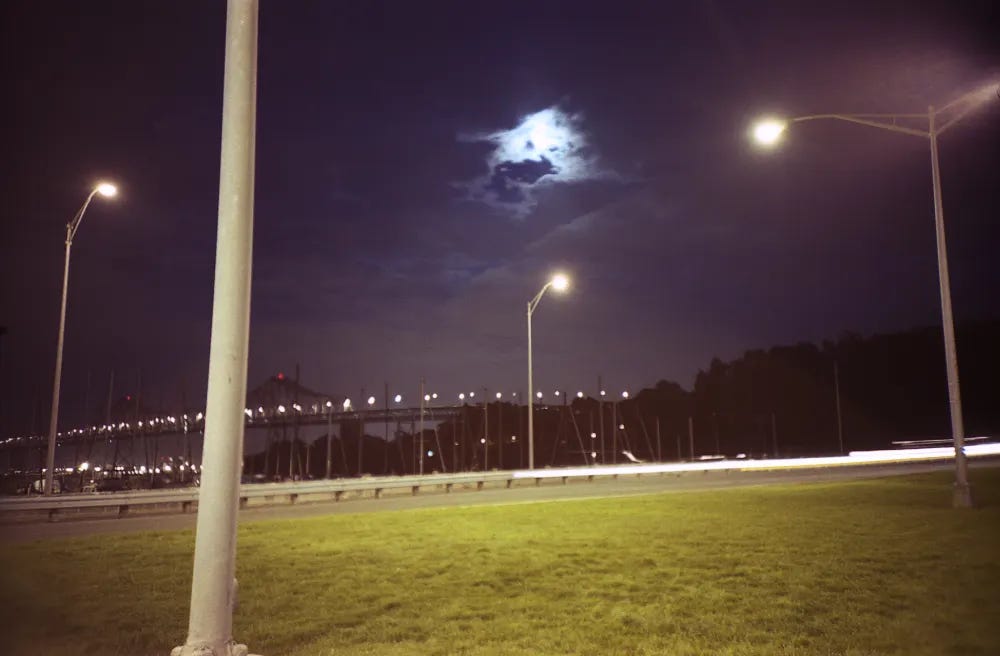
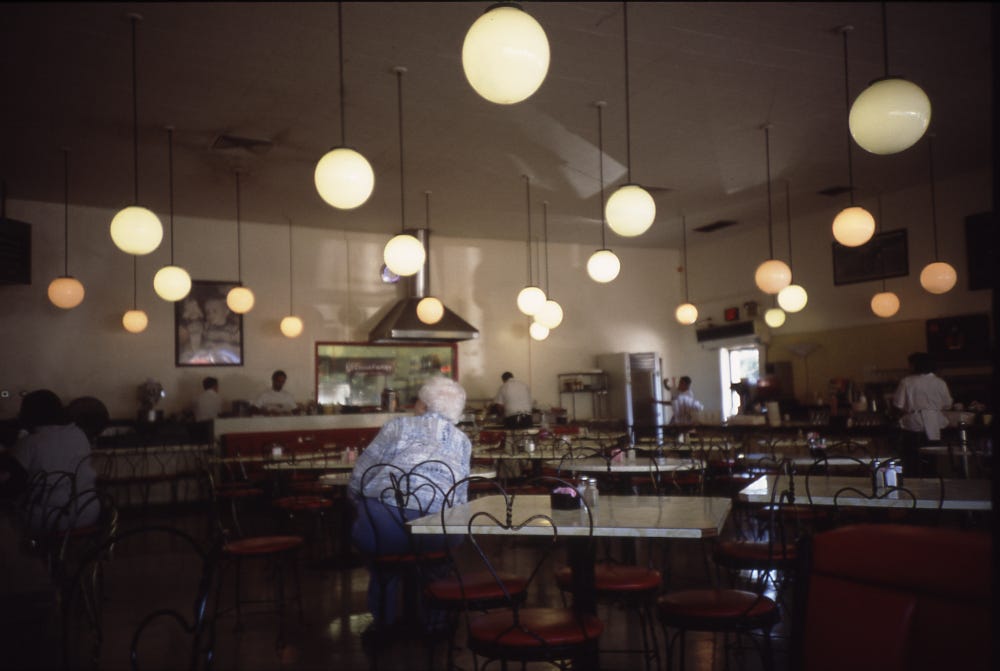

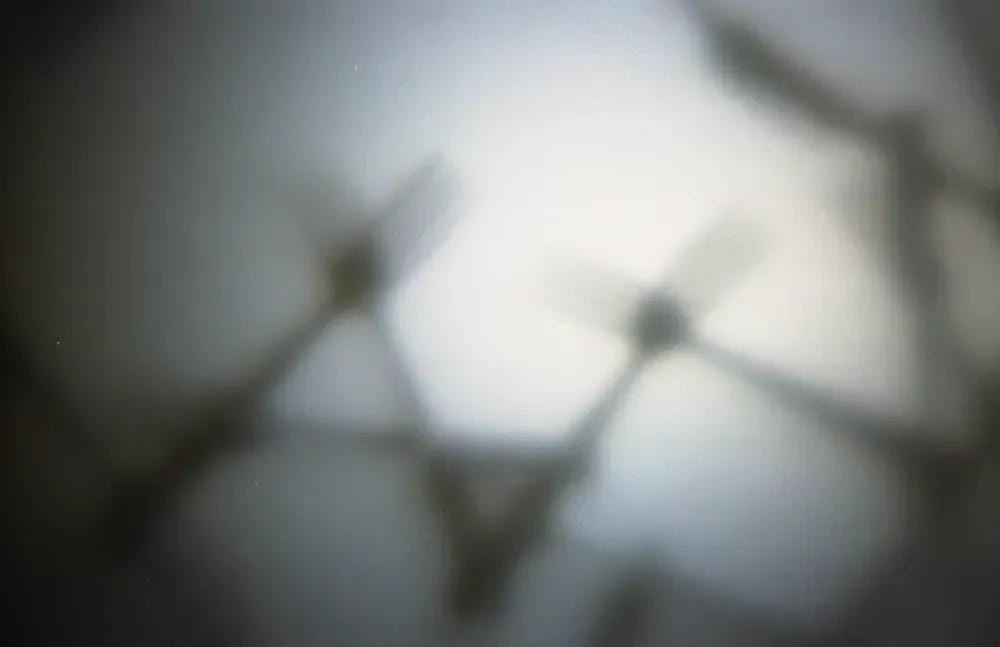
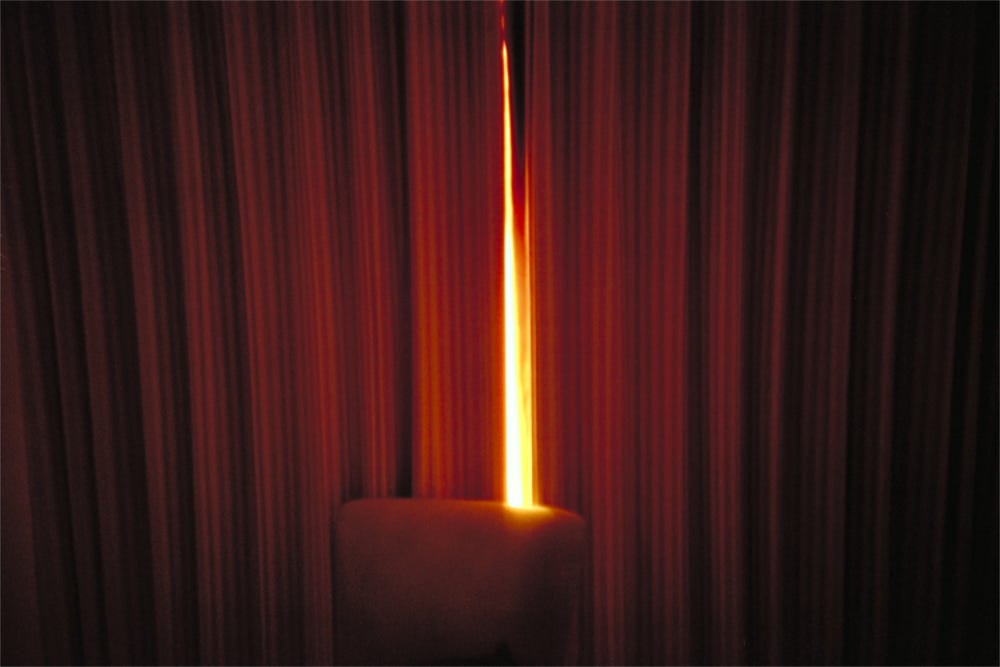
ps. Thank you Juliette Mansour for the conversation we had from your last post. It inspired me to write this piece and share my Lomo images!
Your Support Keeps this Newsletter Going
Thank you for inviting me to join you every Sunday in your inbox. I am grateful and appreciative for spending a small part of your day with me. If Sundays with Stella brought you something worth supporting, please consider upgrading to a paid subscription. Those who contribute financially will ensure that this place of inspiration, creativity, and meaning remains free and open to all.
More Ways to Contribute to Sundays with Stella
By request, I’ve created a support page where you can contribute in any amount—via credit card, PayPal, Venmo or BPI for my Filipino supporters. Your generosity helps keep this space open and accessible to all. Thank you, always, for reading. Maraming Salamat!
Comments
Nothing yet. Say the first thing.
Sign in to join the conversation.