
“The Civic Witness Series: Questions from the Attic,” is founded on a simple premise: the people living through democratic erosion have questions the ‘experts’ aren’t addressing; it is inspired by and in honor of Adia in the Attic . These questions matter because they provide an opportunity for sharing and documenting what democratic erosion feels like to people living through it. We don’t pretend to have “The Answer” to these questions, but we hope to stimulate the conversation her questions have prompted.
Please enter the conversation. Please ask us additional questions.
“How do we reach people under 30 in a moment shaped by instability, outrage, and exhaustion?”
Young people have inherited an unusually turbulent political moment, but they have something previous generations often underestimate: each other. They listen, connect, question, organize, and care deeply about the world around them. Our job isn't to tell them how to save democracy. It's to help them see that they can.
My conversations with younger people about our political moment usually begin with perspective and context, leavened with my attempt at humor and honesty. I invoke the bard of my 1970s youth, Billy Joel: “They say that these are not the best of times, but they’re the only times I’ll ever know.” In other words – now is what youth looks like. Fighting or losing a loved one in World War II happened to people born around 1920. Some of us had fun twenties and thirties, with hopeful politics, and are having excruciating fifties and sixties. Partly, it’s the luck of the draw.
That’s my way of suggesting that youth are not being specifically persecuted by the lack of peaceful political or economic moments in the past 10 years, and also that there is no guarantee of when peaceful moments show up or how long they last. I can offer further perspective, having lived as a diplomat in South Africa, El Salvador, Mexico, Turkey, Afghanistan, and Colombia. Many in those countries would have vastly preferred our version of instability, although this generation’s anxiety and trauma are very real.
People under 30 do have something great, though: themselves. They understand each other well, having lived through some pretty specific traumas together. I have been struck as a professor at how human-centered young people are, despite all the technology. When they are together, they listen to one another, they accept each other and refrain from the snotty behavior I remember from my own college classes, and they have interesting life experiences they are willing to share.
How to reach them in the “real world”? First of all, reaching people under 30 must happen wherever they are, rather than trying to bring them into the so-called adult conversation. They should be the ones to set the terms of the dialogue, based on what they need to know. When October 7 happened and the war on Gaza started, we set time aside to carefully talk about … how to talk about it. One example of what they wanted to figure out was how to tell a peer they should stop posting misleading and one-sided information. As one student noted, when the pressure was on to say something in order to seem caring or knowledgeable, the risk was high that you will get it wrong if it’s a topic you barely follow.
Secondly, it’s good to reframe issues and let them try out different points of view. I’ve had some great class simulations that get people thinking, talking, and laughing. One edgy example is my “rebels versus Empire” scenario: one group tries to repress another group that’s making demands, both sides escalating their tactics, while a student representing “public opinion” tells them where she stands after each move of the game. More than one student found out it was frighteningly easy to play the bad guy, and others realized that their rhetoric needed to have some tangible benefits for the wider population.
Third, in the spaces of political activism, it is time to figure out ways to bring that generation into meetings, marches, and movements. I remember marching in my twenties and thirties for pro-choice rallies, and anti-war marches were a feature of those a generation older than I. Our gray-haired brigades are starting to find more young faces in our midst, as the muscles of protesting get exercised, in some cases for the first time. The overwhelming attacks on democracy during the post-2016 period have left some people feeling helpless about the utility of their vote or voice. But younger people can be reached: voter outreach, more interest in local politics by some key groups, and protest movements that have very low barriers to entry, are all part of the formula. And when they show up – we celebrate them.
Finally, many young people want more perspective. Is this the first time things have been this bad? That’s where our experiences come in handy. It’s cold comfort, but it is comfort, for me to offer the view that history is more of a zig-zag than a line. Not only can progress be reversed – so can problems. So they actually have a role to play, because not everything is hopeless or already decided. As one of my students said, when asked why she was studying to be an international reporter: “I would be angry anyway! Studying the details gives me some direction – and I want to find evidence to eventually hold people to account.”
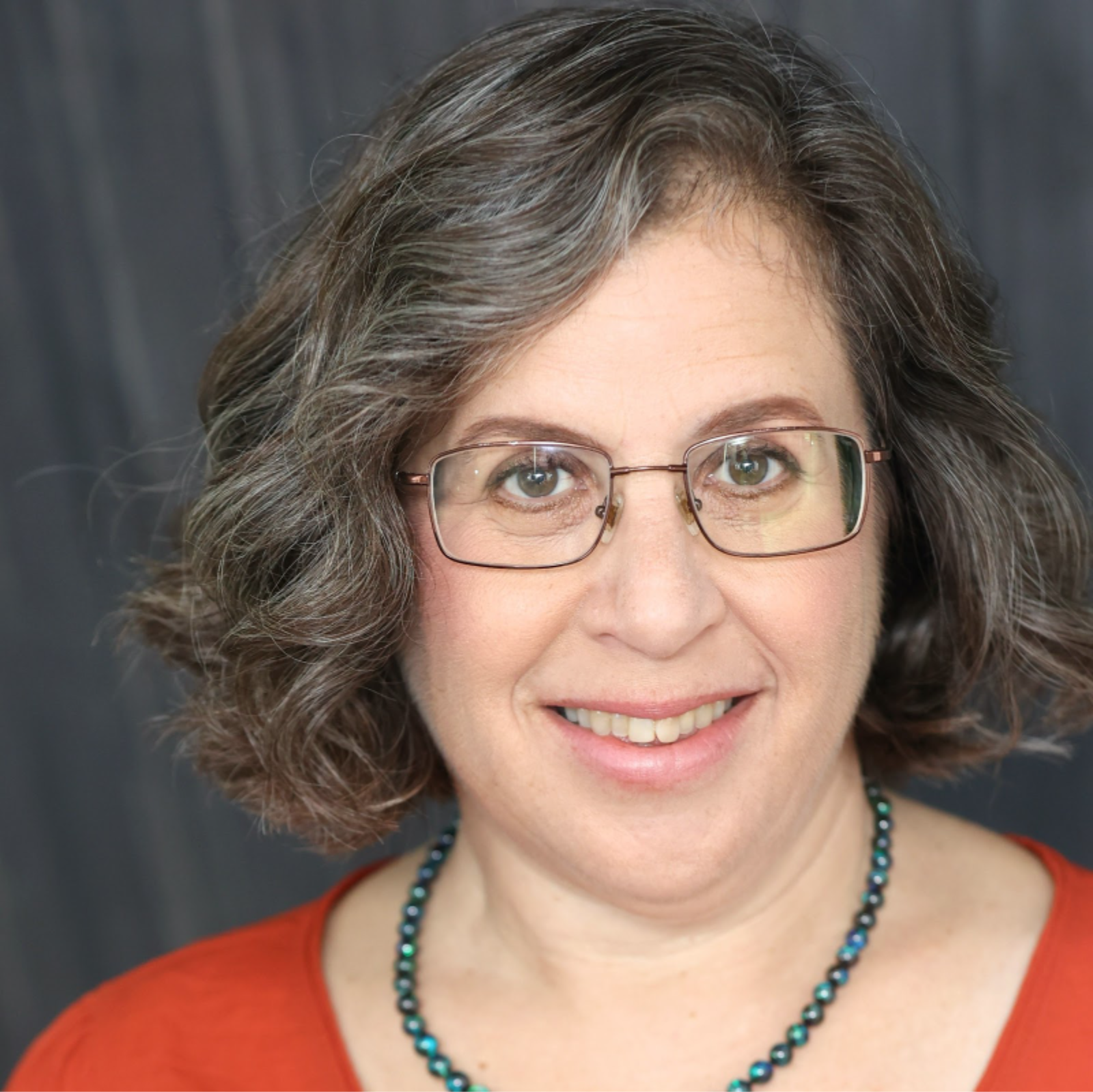
Annie Pforzheimer is a retired senior Foreign Service Officer who served in the State Department for thirty years, including in Afghanistan, Colombia, South Africa, and El Salvador. She is an adjunct professor of international relations at the City University of New York and a member of The Steady State.
Founded in 2016, The Steady State is a nonprofit 501(c)(4) organization of more than 400 former senior national security professionals. Our membership includes former officials from the CIA, FBI, Department of State, Department of Defense, and Department of Homeland Security. Drawing on deep expertise across national security disciplines, including intelligence, diplomacy, military affairs, and law, we advocate for constitutional democracy, the rule of law, and the preservation of America’s national security institutions.
Comments
Nothing yet. Say the first thing.
Sign in to join the conversation.