
Running a heavily sanctioned nuclear state is not easy. It is not for someone without numerous plans and mechanisms to smash grubby plotters. The hours are long, the international press is very unfavorable, and the meddling imperialists are always spying on you. Nevertheless, the infamous Chairman Kim Jong Un, the Supreme Leader, has assembled a respectable list of accomplishments over the past fourteen or so years. This piece aims to highlight some of his successful endeavors.
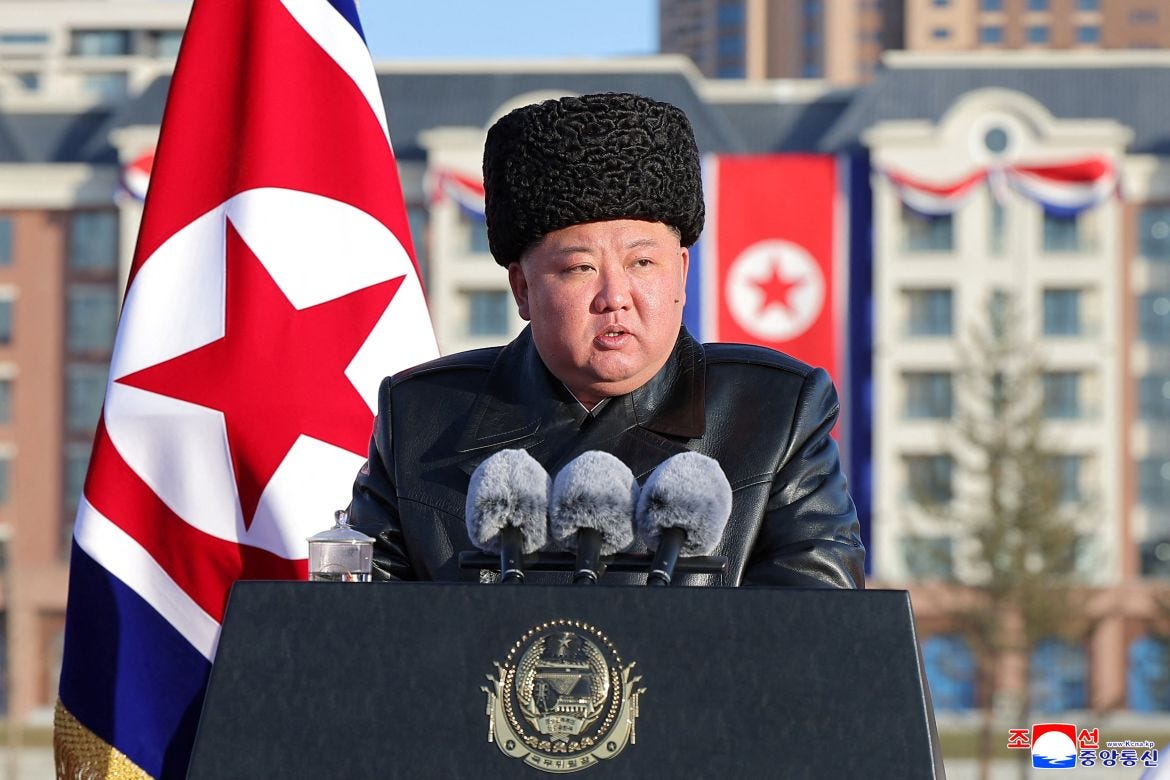
Chairman Kim did not invent North Korea’s nuclear program. The state’s project dates back to the 1950s, when North Korea began developing nuclear expertise with expert Soviet assistance.
Construction of the Nyongbyon Nuclear Scientific Research Center followed in the 1960s, and by the 1980s the regime had built the infrastructure needed to produce weapons-grade plutonium. Kim’s grandaddy, Kim Il Sung, laid the foundation for this. Then Kim’s dad, Kim Jong Il, sped up the program after the collapse of the Soviet Union, withdrawing from the Nuclear Non-Proliferation Treaty in 2003 and overseeing North Korea’s first nuclear test in 2006. Then they followed it up with a second test in 2009. By the time Kim inherited the top rocket man position in late 2011, North Korea possessed a small nuclear arsenal and short-to-medium-range missiles.
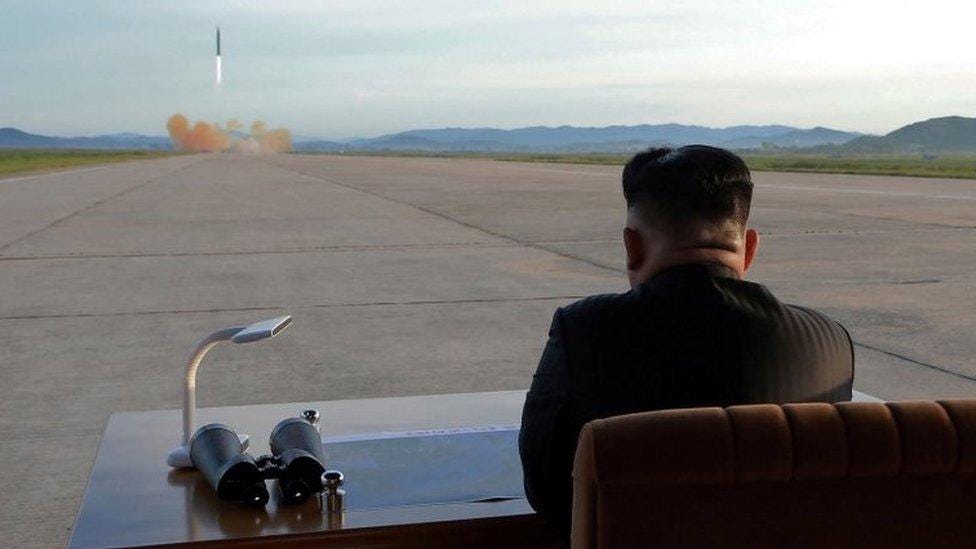
Kim’s contribution was taking a regional security problem. Over the next decade, North Korea conducted four additional nuclear tests. Missile development accelerated at a very fast pace. New generations of intercontinental ballistic missiles appeared. Over a short period of time, many of the world’s governments started asking “What the fuck are the North Koreans doing today?”
North Korea has historically been viewed as a somewhat dangerous regional actor. But under Chairman Kim, it has become a permanent problem for global strategic planning. Every U.S., South Korean, and Japanese missile defense exercise now assumes North Korea may go wild at any moment. NATO discusses it. The United Nations debates it. Intelligence agencies monitor them more than others. For a small nation, North Korea has made a splash.
Reinforced concrete is the universal language of governance all over the planet. Chairman Kim has embraced this building material with enthusiasm. Since taking power in 2011, he has overseen the largest wave of construction in North Korea since the post-war reconstruction under his grandaddy.
Kim has favored developments that are impossible to overlook and here are just a few:
PLEASE SHARE THIS POST.
Completed fast, Ryomyong Street became one of Chairman Kim’s signature projects. The district added dozens of high-rise apartment buildings, schools, childcare facilities, commercial space, and the ANGELIC 70-story Ryomyong Apartment Tower to Pyongyang.
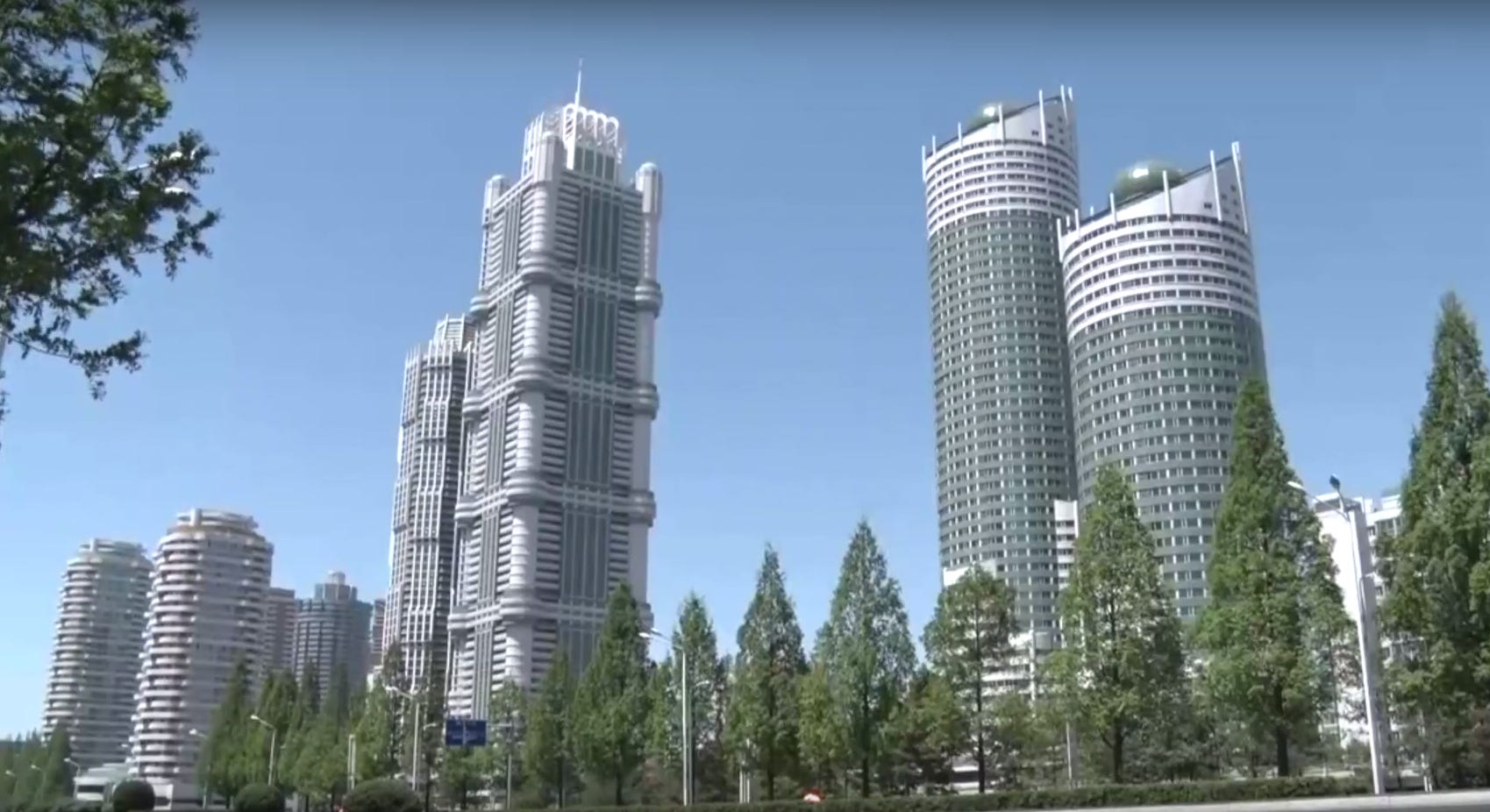
North Korea built an entire neighborhood for the scientists. Mirae Scientists Street was constructed to house the true custodians of the nation, the intellectuals. These bad boys feature distinctive residential towers, educational facilities, and public spaces. It the capital’s most recognizable modern developments.

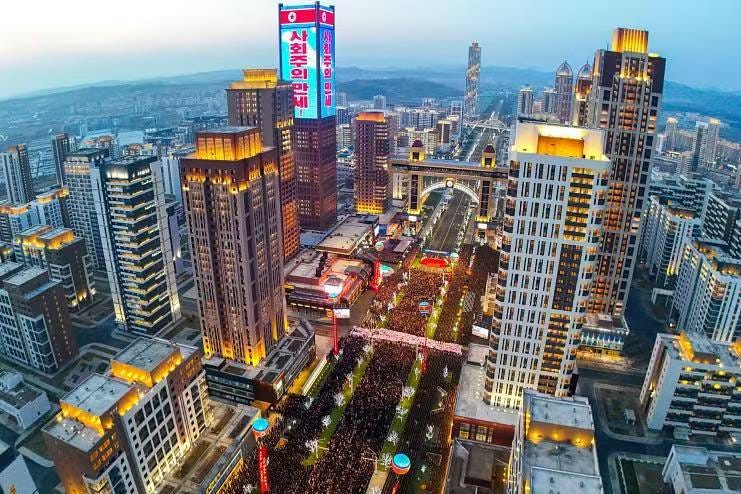
The Supreme Leader drops announcements on new districts like it is nothing. The Hwasong development has become one of North Korea’s largest ongoing residential projects, with plans for roughly 50,000 new apartments across phases. Each year thousands of buildings are ceremonially unveiled, often on holidays.
The Ministry of Construction has motion.
For much of North Korea’s history, telephones were limited to government facilities and a small number of privileged persons. When mobile phones came along, carrying one became a good way to attract the government’s attention, which is undesirable in North Korea.

Chairman Kim is young and cool though. He probably likes to use smartphone apps to pass time. So he built a North Korean version of the smartphone. Today, many millions of North Koreans use domestic devices such as the Arirang, Pyongyang, and Samtaesong phones, connected through the state controlled Koryolink cellular network.
The network was launched in partnership with Egypt’s Orascom in 2008. A nationwide 3G network expands across much of the country. It turns out the State is comfortable with everyone carrying a phone as long as the device remains ideologically compliant. Their systems include features designed to monitor every single thing you do (including some that capture screenshots of your activity). To use a phone means that you have an understanding that someone else may also enjoy reading your messages (just like everywhere else in the world).
North Korea’s military has always been viewed as something that existed for massive parades and blurry satellite photos. Since 2023 though, North Korea has become one of Russia’s important military suppliers, shipping artillery shells, missiles, and other ammo for use in the war in Ukraine. By 2024 and 2025, North Korean soldiers were also deployed to support Russian operations, marking the country’s most significant military involvement since the Korean War.
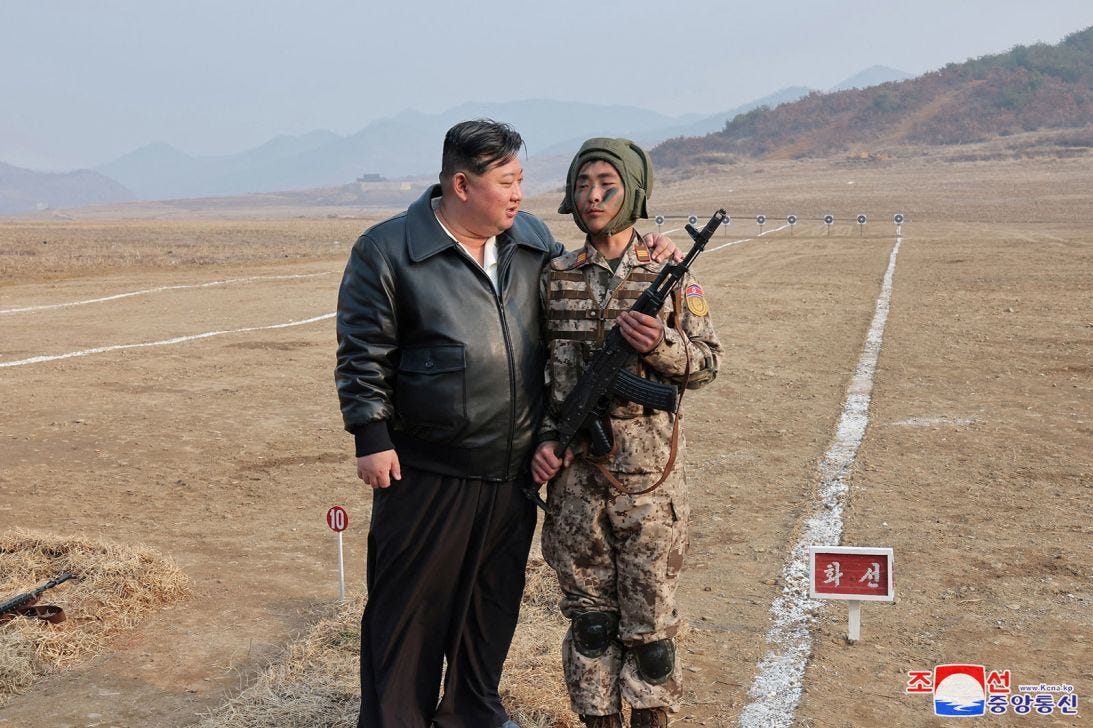
This represented a big change for the Korean People’s Army. For decades it trained almost entirely within North Korea. Under Chairman Kim, the military found themselves contributing to a major European war.
The arrangement strengthened Chairman Kim’s strategic position amongst his jealous global peers. Russia gained needed ammo and manpower, while North Korea reportedly received food, economic support, new technology cooperation, and elevated diplomatic standing with a permanent member of the UN Security Council.
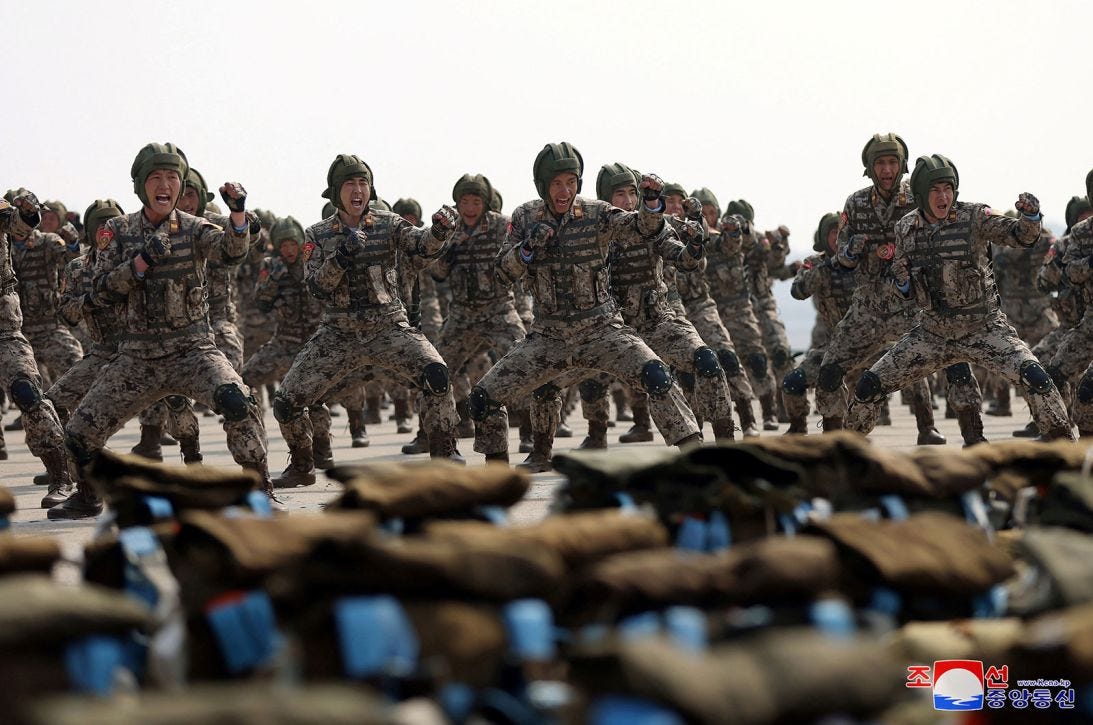
Since the Supreme Leader assumed power in 2011, his government has weathered huge international sanctions, navigated serious economic disruption, and has still maintained a total political control over the state as a dictator.
This article was meant to highlight just a few of Chairman Kim’s achievements. There are many more to read about. The main thing is that he persists. It seems like every year analysts announce that the regime has entered dangerous waters. But still the parades continue.
No posts
Comments
Nothing yet. Say the first thing.
Sign in to join the conversation.