Do “Junk Science” Convictions Violate Due Process?
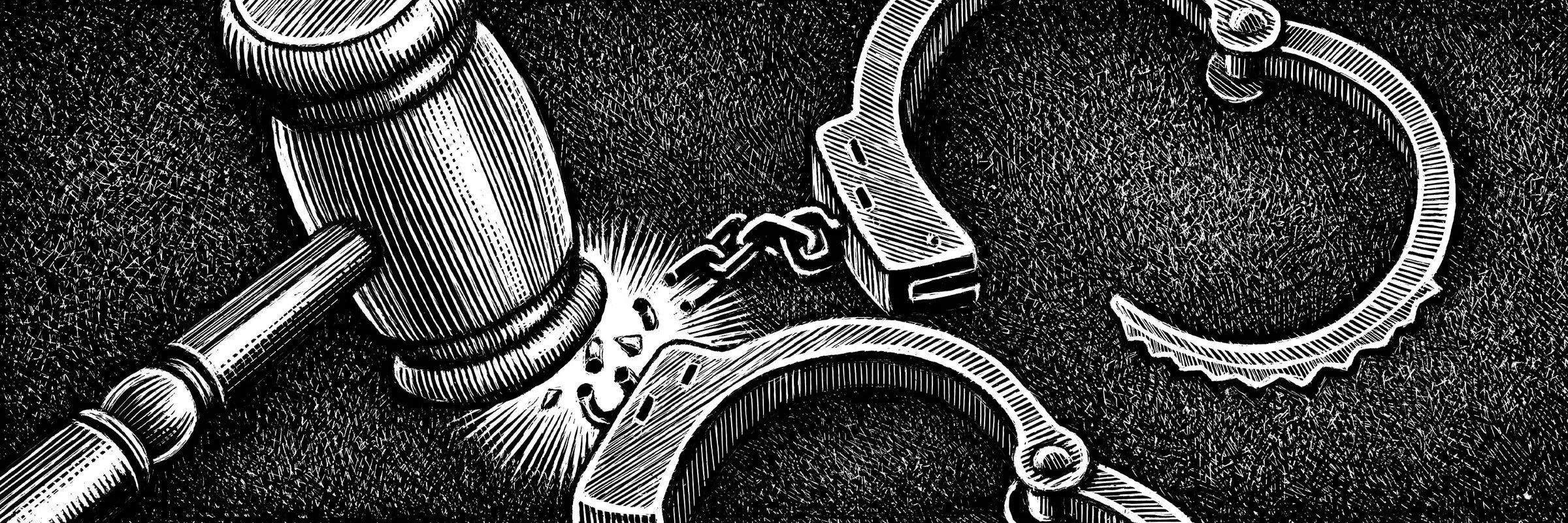
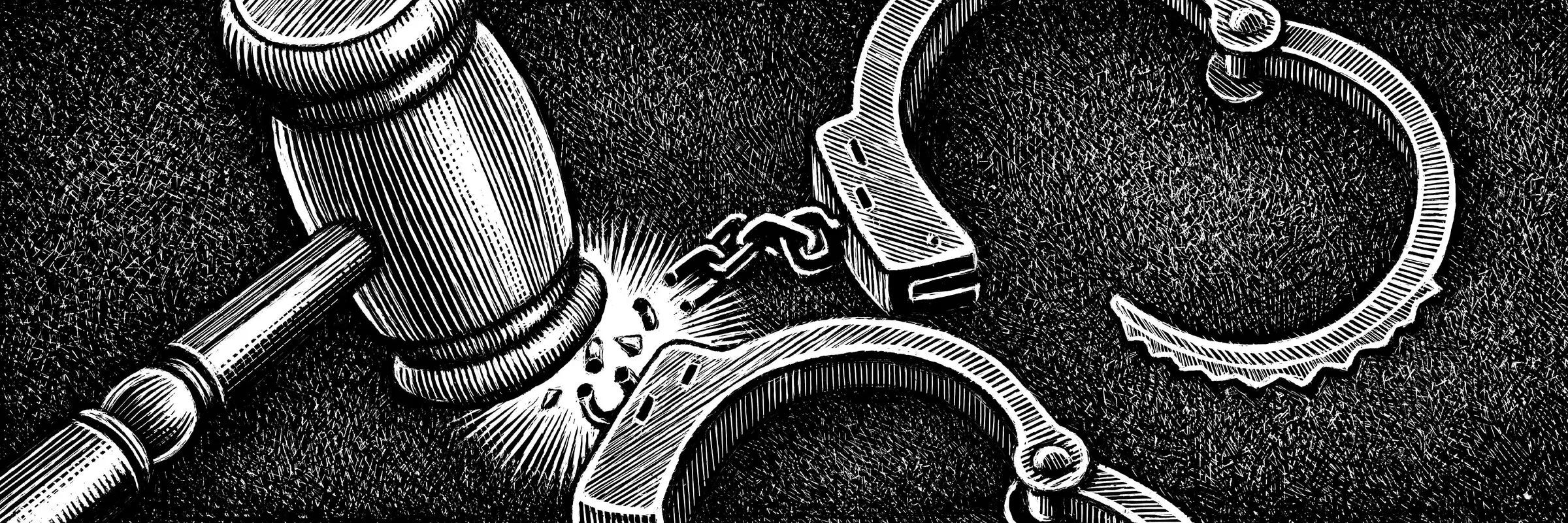
The U.S. Supreme Court has never ruled that a conviction obtained using later-discredited scientific evidence is unconstitutional; relief in these situations depends on state law.

Information and commentary about state courts and state constitutions.
Live Last read · last published · next check
The U.S. Supreme Court has never ruled that a conviction obtained using later-discredited scientific evidence is unconstitutional; relief in these situations depends on state law.
Voters in Kansas and Missouri will consider state constitutional amendments that would give more power over the scope of rights to the state legislatures.
The Court’s decisions on religious liberties, transgender rights, gun restrictions, and more have significant implications for state lawmakers, courts, and constitutions.
Early state charters are essential to understanding the American founding.
In the wake of Callais, state courts are weighing a growing number of redistricting disputes.
The state supreme court’s decision asserted judicial authority at a moment when courts’ independence has been under assault across the country.
Breaking with decades of precedent, the court ruled that mandatory life without parole for felony murder violates the state constitution’s ban on “cruel punishments.”
The Kentucky Supreme Court’s decision striking down the state’s charter school law comes amid a broader wave of cases examining how state constitutions define the boundaries of school choice.
Federal precedent permits such prosecutions in limited circumstances, but the legal bar remains high.
The killing of Renee Good by a federal immigration agent thrust into the spotlight questions about when and how states can hold federal officials accountable.