
Last week I found myself in a room at the International Union for Conservation of Nature Red Listing workshop hosted by the Global Center for Species Survival at the Indianapolis Zoo, surrounded by roughly 25 scientists, many of whom have spent their careers studying mollusks. We worked in 4 groups with an ambitious goal to assess 600 species of mussels and snails. Across long days of discussion and data review, my small group of three people worked through nearly 180 species of freshwater snails, primarily within the family Hydrobiidae and especially the genus Pyrgulopsis — tiny spring snails that most people will never see, let alone hear about.
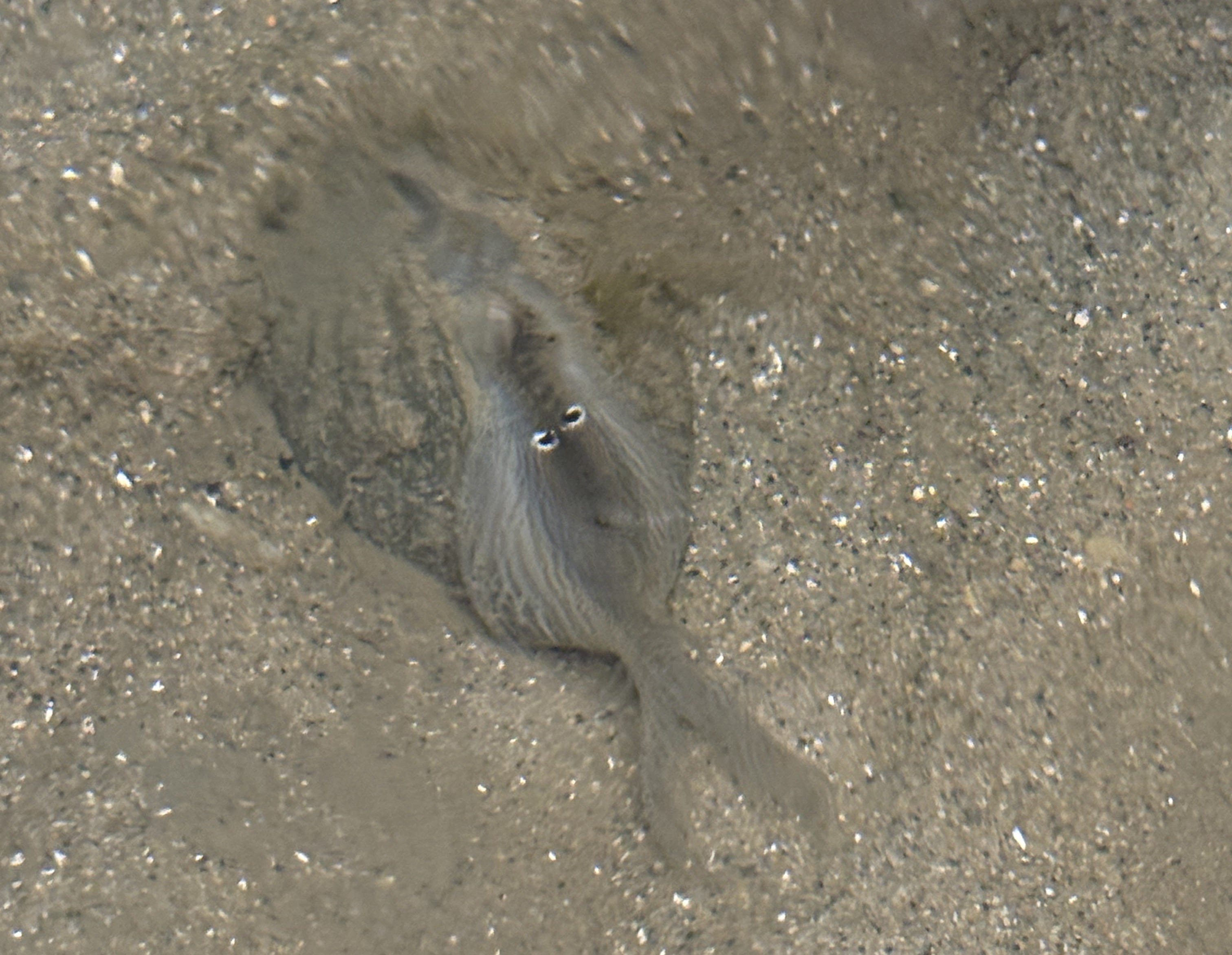
I am not a malacologist. I was there because many of these species depend entirely on springs. For several days, our group evaluated species one by one through the framework of the IUCN Red List process. The Red List is often described as the world’s most comprehensive assessment of extinction risk. The process is rigorous and standardized. Species are evaluated using criteria that examine how large their populations are, how much habitat they occupy, whether that habitat is shrinking, how fragmented populations have become, and what threats are pushing them toward extinction.
The categories many people recognize — Vulnerable, Endangered, Critically Endangered — are not subjective labels. They are based on quantitative thresholds developed to consistently assess extinction risk across the globe. The goal is not simply to catalog decline. Red Listing provides governments, land managers, researchers, and conservation organizations with a scientifically defensible understanding of which species are at risk and why. Those assessments can shape conservation priorities, funding decisions, land management actions, and in some cases, legal protections.
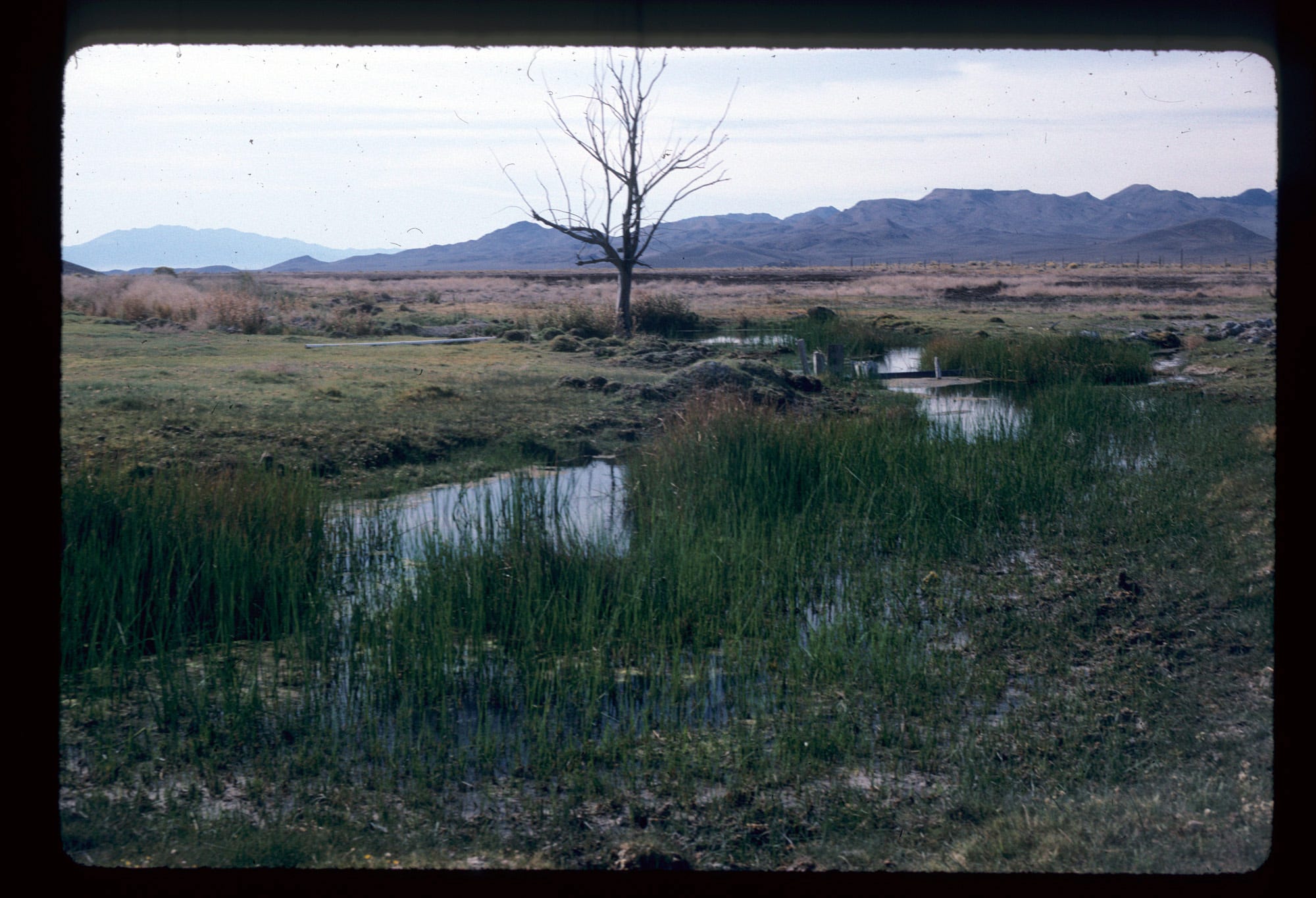
What became immediately clear during the workshop was just how precarious many of these species are. Of the nearly 180 species we assessed, well over 90 percent were categorized as either Endangered or Critically Endangered. Many occupy astonishingly small ranges. Some are found in only a single spring in the Nevada desert. Not a watershed. Not a valley. One spring. And yet within those isolated pockets of water exists an entire evolutionary history.
Spring snails are easy to overlook. Most are only a few millimeters long. But they play an important ecological role within spring ecosystems. They graze algae and biofilms, help process nutrients, contribute to water filtration, and form the base of highly specialized food webs. Their presence often reflects the health and stability of groundwater-fed systems. When spring snails disappear, it is usually an indication that something larger is unraveling within the ecosystem itself.
One of the most rewarding parts of the week was seeing SpringsOnline directly contribute to species conservation at an international scale. For many of the species we assessed, SpringsOnline contained some of the only available occurrence and habitat data. Decades of springs inventory work by SSI and our collaborators suddenly became immediately applicable in a room where extinction risk was being formally evaluated. When paired with the extensive genetic and distribution datasets developed by freshwater malacologist Kathryn Perez, we often had enough information to confidently assess species that otherwise may have remained too poorly understood to evaluate.
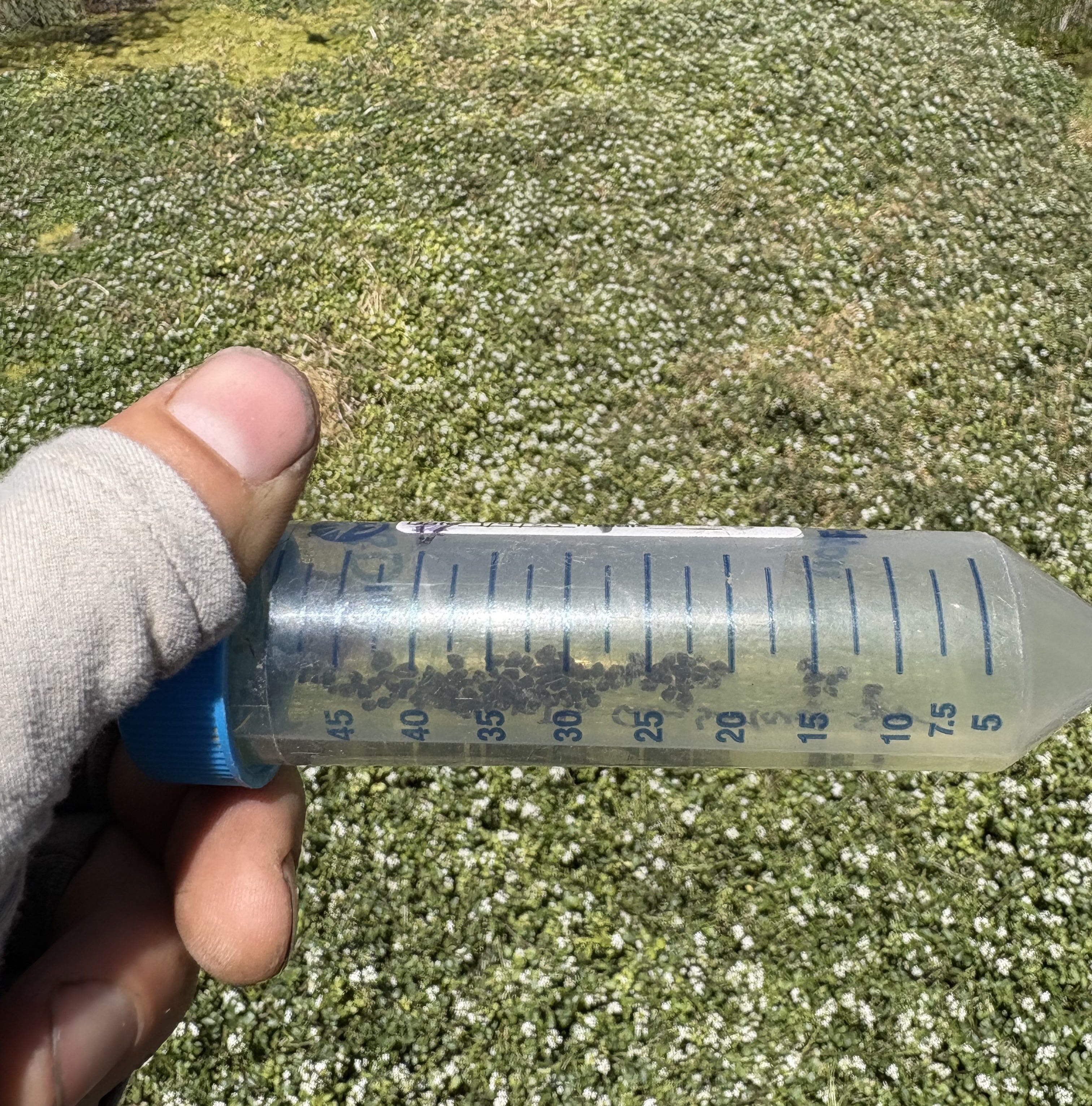
That was a huge step forward for the conservation of springs-dependent species. Many spring-dependent species exist in obscurity not because they are unimportant, but because data on them has historically been scattered, inaccessible, or never systematically collected at all. SpringsOnline was built to change that. At SSI, we often talk about inventory as foundational conservation work. This week was a reminder of why. Data only becomes useful when it can be mobilized. A spring survey completed years ago in a remote basin of Nevada can eventually become part of an international extinction risk assessment. A single occurrence record tied to a specific spring can help define a species’ known range. Photographs, water quality measurements, habitat notes, and biodiversity observations can collectively become evidence used to justify conservation action. That is the real application of this work.
For much of the week, we discussed species occupying landscapes under increasing pressure from groundwater pumping, prolonged drought, aquifer depletion, invasive species, and climate-driven shifts in precipitation regimes. Many of these springs have likely persisted for thousands of years. The species within them evolved in isolation over immense periods of time, only to now face existential threats unfolding over decades.
It would be easy to leave a week like this discouraged and depressed. Instead, I left energized. Weeks like this add fuel to the passion many of us feel for studying and stewarding spring ecosystems. They are reminders that the work happening in remote canyons, desert valleys, and isolated wetlands does not end when field crews leave a site. Good science compounds. Data collected carefully and systematically can eventually inform decisions far beyond the landscape where it was gathered. And increasingly, that information may determine whether a species disappears quietly or receives the attention and protection needed to persist.
No posts
Comments
Nothing yet. Say the first thing.
Sign in to join the conversation.