
It’s getting to the point where the shorter list is what Tiler Peck hasn’t achieved. Celebrated around the world for her virtuosic technique, musicality, and charisma, she joined New York City Ballet as an apprentice in 2004, at age 15, was promoted to principal just five years later, and has become of the most influential ballerinas of her generation. Her accolades include two Princess Grace awards and the 2016 Dance Magazine Award, and she has twice performed at the Kennedy Center Honors ceremonies.
She is also a crossover phenom. Away from the NYCB stage, Peck has appeared on Dancing with the Stars, starred on Broadway in On the Town (her Broadway debut was in The Music Man at age 11) and created the lead role in Susan Stroman’s musical Little Dancer, has her own dancewear line with Só Dança, and has written or co-authored three children’s books. Glamourous yet approachable, she has appeared in the pages of Women’s Wear Daily, Glamour, and Cosmopolitan, and Vogue covered her September 2025 wedding to fellow NYCB principal Roman Mejia. A dance maker in her own right, she has created several works for the Vail Dance Festival and choreographed the ballet scenes for John Wick: Chapter 3 - Parabellum.
What Peck is not is a shrinking violet—she is brave, ambitious, and willing to be vulnerable in front of the world. So when NYCB commissioned its first ballet from her, in 2024, she didn’t wade in with a duet or a trio, or even a quintet—she dove in headlong and created Concerto for Two Pianos, a 22-minute thrill ride of movement with a cast of nineteen dancers, set to Francis Poulenc’s orchestral virago. In our interview, she says that she’s going even bigger for her second NYCB commission, slated to premiere at the company’s spring gala on May 7, 2026.
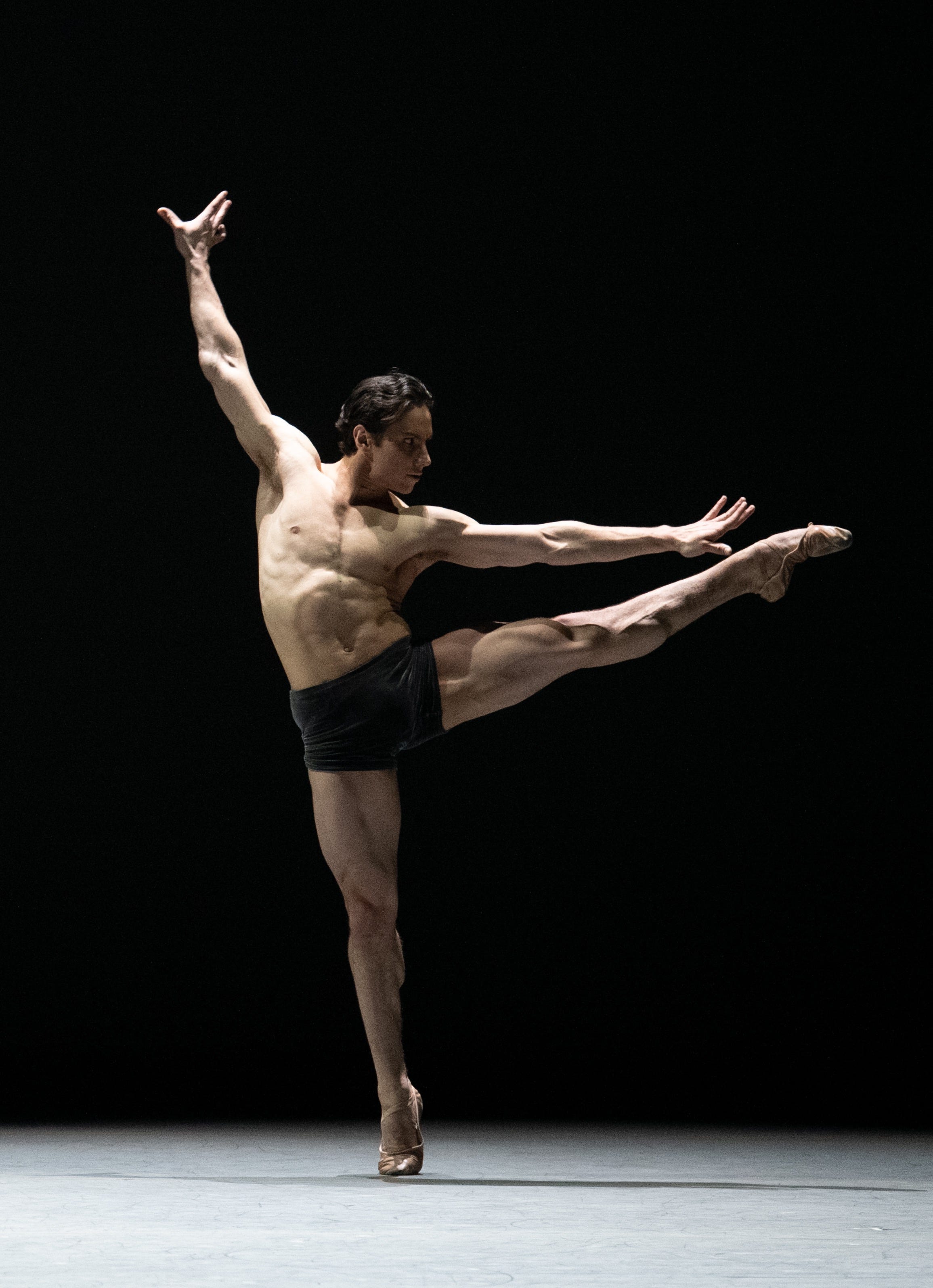
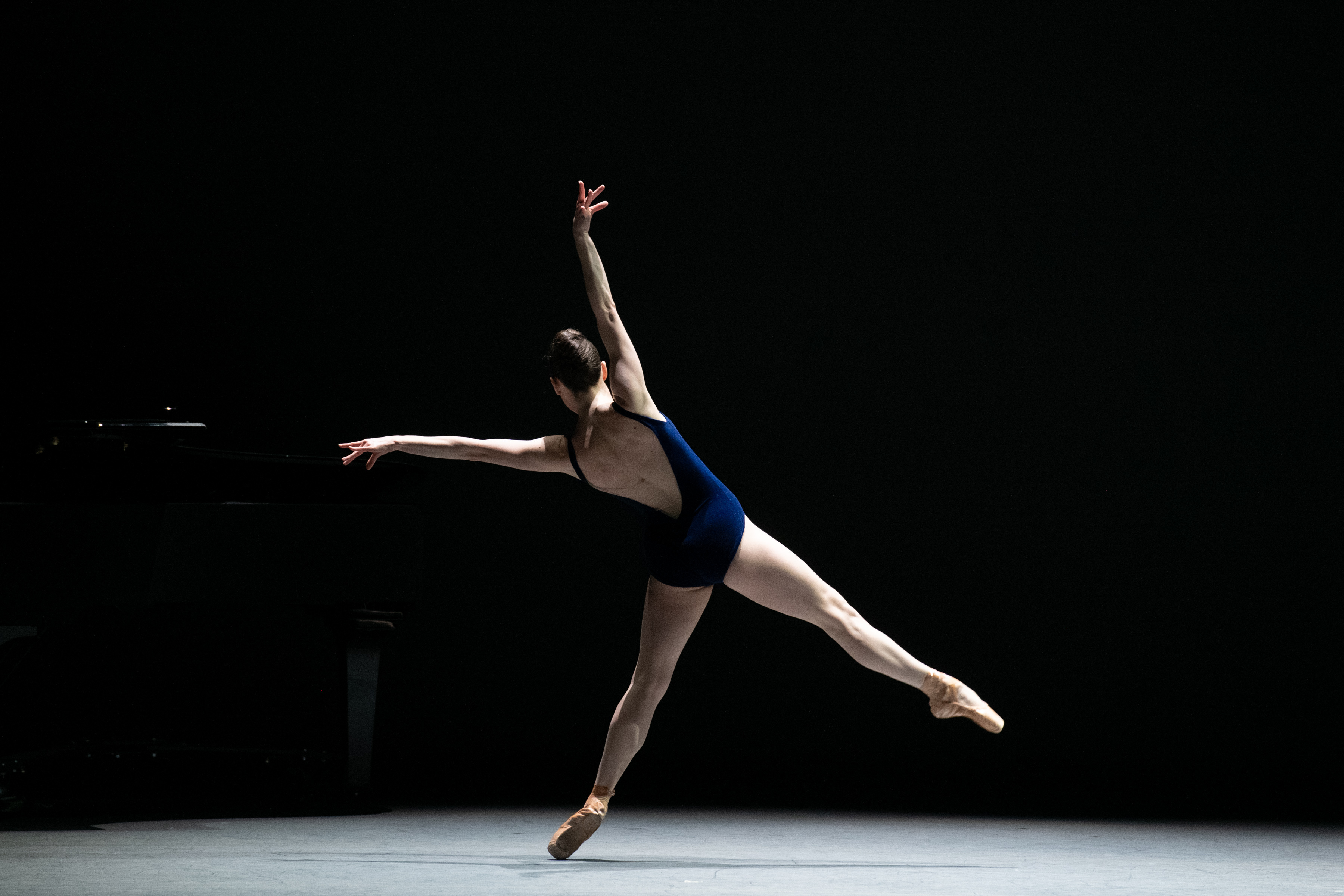
Finally, Peck is the impresario of her own shows, curating choreography that’s personal to her and showcasing the dancers she is closest with. The latest iteration, Turn It Out with Tiler Peck & Friends, runs at New York City Center from Thursday, October 16, through Sunday, October 19. The bill includes contemporary works by Peck, William Forsythe, and Alonzo King, plus a Michelle Dorrance work commissioned for Peck’s 2022 City Center residency, performed by an all-star cast that includes India Bradley, Chun Wai Chan, Dorrance, Lex Ishimoto, Mejia, and Mira Nadon.
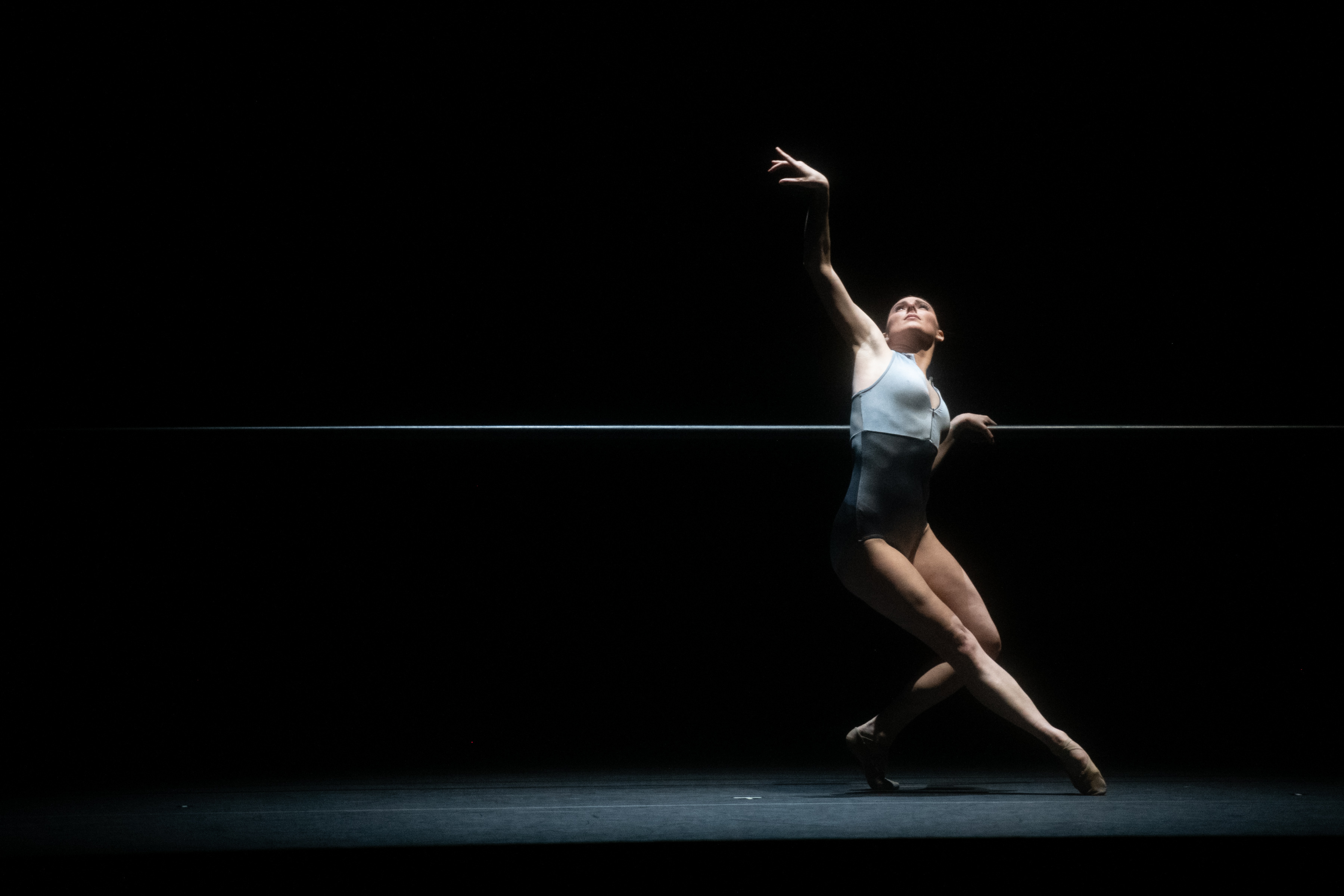
In all of these endeavors, Peck takes savvy advantage of opportunities, pursues her own fulfillment, and defies preconceptions of what a ballerina can be. Actually, she doesn’t seem to concern herself with preconceptions. Tiler does Tiler, and that’s a great example for dancers, for girls and women, for everyone. During our Zoom interview she didn’t explain where she finds the time to do it all, but she spoke generously about her career path, her frame of mind, and the life-affirming payoff of gambling on yourself.
Claudia Bauer: You could easily rest on your laurels as a dancer and a crossover star. But you chose to become a producer, an entrepreneur, and a choreographer. What made you want to start doing those things? They’re really big endeavors.
Tiler Peck: I grew up in LA, so I grew up taking acting classes, doing commercials, that kind of thing. I never actually thought classical ballet was going to be the route that I went into. I knew dance was my first love, but I didn’t really appreciate ballet until a little bit later. I just always took ballet so that I would have good technique in whatever dance style I wanted to do. When I got into New York City Ballet at 15, there was almost competition with myself, because I didn’t feel like it was the thing I was the best at. I knew I was natural dancer, but ballet was a little bit harder for me. And I thought, okay, I’m gonna work really hard so that I can become a ballerina, not just this jazz dancer. I love a challenge, and that was a challenge for myself. Once I started doing that, I had to put all my other loves aside.
As I started moving up in the company and I got more free time, that’s when I felt like I could start to focus on some of the other things that I really love to do. I love fashion, I’ve been around lots of incredible fashion designers, and I felt like, who knows what [dancers] want to wear more than somebody who’s in the clothes all day? So mostly everything I’ve done has been very natural—I mean, I would never think that I could design a dress, but I do feel like I know what type of comfy and fashionable leotard we want to be in every day. So that was how the leotard line came.
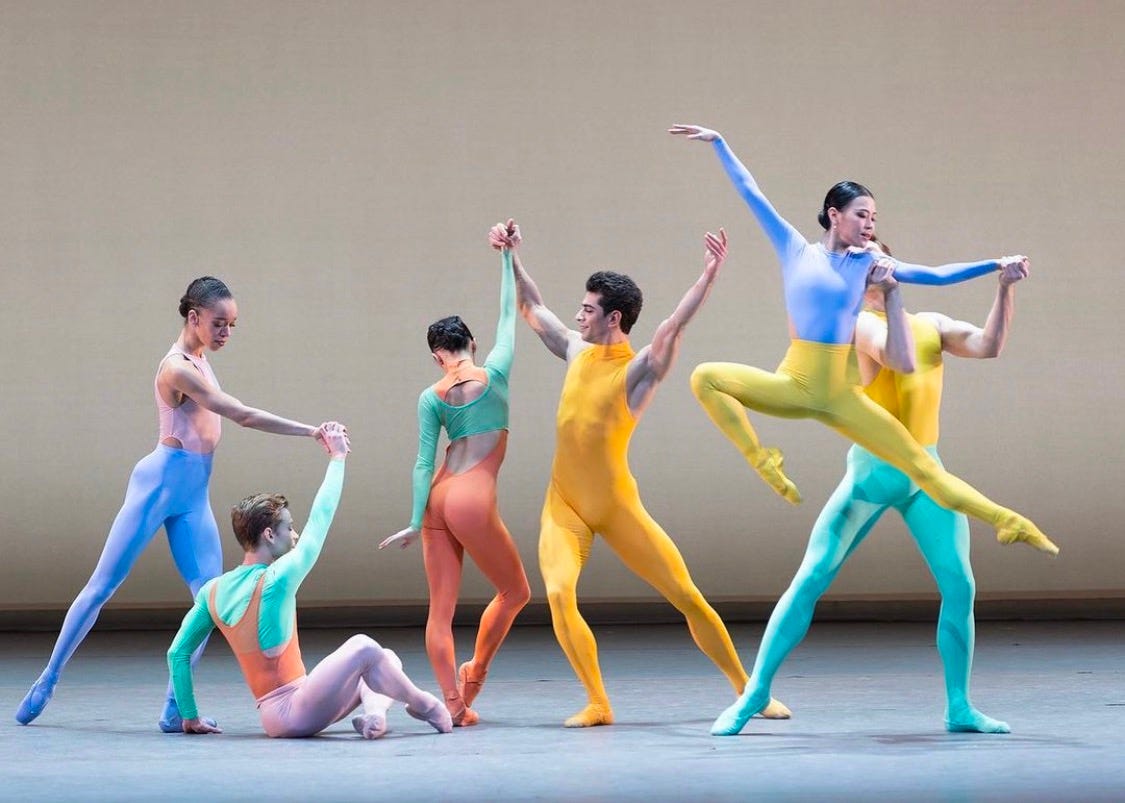
With the children’s books, it was from a [musical] that I did [Little Dancer], and I started a poem with my co-author [Kyle Harris, her co-star in Little Dancer], Katarina Ballerina. And then from there, it was, oh, we think that there’s a book here. And it was like, okay, I would love to share how I think dance is just this universal language that can bring people together. I love that message. And so those two children’s books were all about embracing our own unique gifts and not shying away from them—that’s what makes us special.
With my #TurnItOutWithTiler classes [during covid], I had just come back from an injury. I didn’t feel like I could be out for another year after already being out for nine months. And I thought, I’m here at my parents’, in their kitchen, just like everybody else, and I need to keep moving so that I stay in shape. I’ll just turn on Instagram Live so whoever wants to dance with me, can. I thought there’d be like ten people. I didn’t even know how it worked! And then I had, like, 15,000 people every day for nine months, which was crazy. It was from there that I really got to connect with people.
I feel like a ballerina is kind of untouchable in a way, and I’m so not that way. I feel like I’m really down to earth. I wanted ballet, and me, to feel more accessible, because that’s how I am. That’s why I try to branch out, because I don’t like to put myself in a box, and I don’t want other people to think that just because they do one thing doesn’t mean they can’t do another thing. I don’t think you really know your potential until you try, right?
CB: Your fame means you don’t have the luxury of anonymity—everything that you try, you’re trying on a big stage. And you’re also very bold about it. Concerto for Two Pianos, your debut commission from New York City Ballet, is an epic piece. What gives you the courage to take such big risks in the public eye? I mean, any mistake you make—and I hope you don’t make any—people are gonna see it.
TP: I think two things. My first work [Lincoln Square]—I was very scared. When Damian [Woetzel] asked me to choreograph for the Vail Dance Festival, that was my first professional commission. I was like, I don’t really know, I don’t think I can do this. I’ve always made dances for my mom’s dance studio, but I didn’t think I could do it on professional dancers, on a professional level. I just didn’t have enough confidence in myself. But he did, and I needed that, because I don’t think I ever would have even tried to choreograph.
And it came at a time in my life where my personal life was really in shambles [her first marriage, to former NYCB principal Robert Fairchild, was ending], and I thought, well, nothing could get worse than what’s happening right now, so maybe I should just try. Maybe this is the time. So that took me into taking the leap. After it went okay, I did a little trio, and Damian said, okay, we’re gonna do it next year [Thousandth Orange, created for the 2019 Vail Dance Festival]. And I was like, shouldn’t we just say, “Beginner’s luck, it went well once.” And he was like, no, no, no. I’m really grateful to him for supporting me, because I needed that. So by the time I got to New York City Ballet, I knew exactly what I wanted to do, and I was really confident. I made [Concerto for Two Pianos] in ten days. And after the first run-through, I was really happy with what we created. In my head I was like, the reviews can be bad, but I really like this dance. I was very happy with that.
But to your question, I’ve always thought, go big or go home. For my first [commission] at the New York City Ballet, I wasn’t gonna do a small piece. I wanted to use the dancers. I wanted to use the orchestra to their fullest. So I thought, okay, this is what I’m gonna do. And the next piece I’m doing is actually even bigger, which I’m really excited about. I think because I have my dancing—that’s who I see myself as first and foremost—choreography is like an added bonus. It’s amazing, but I think it kind of blossoms because there isn’t that pressure I’m putting on myself of “This is the only thing I have, and if this one time doesn’t go well, then that’s the end of my career.” That allows me to feel a little bit more freedom. You see these amazing choreographers have bomb ballets, because I think they put pressure on themselves choreographing for New York City Ballet. To me it was like, I’m getting to do this ballet for all of my colleagues who I see every single day. And I felt really at home with them.
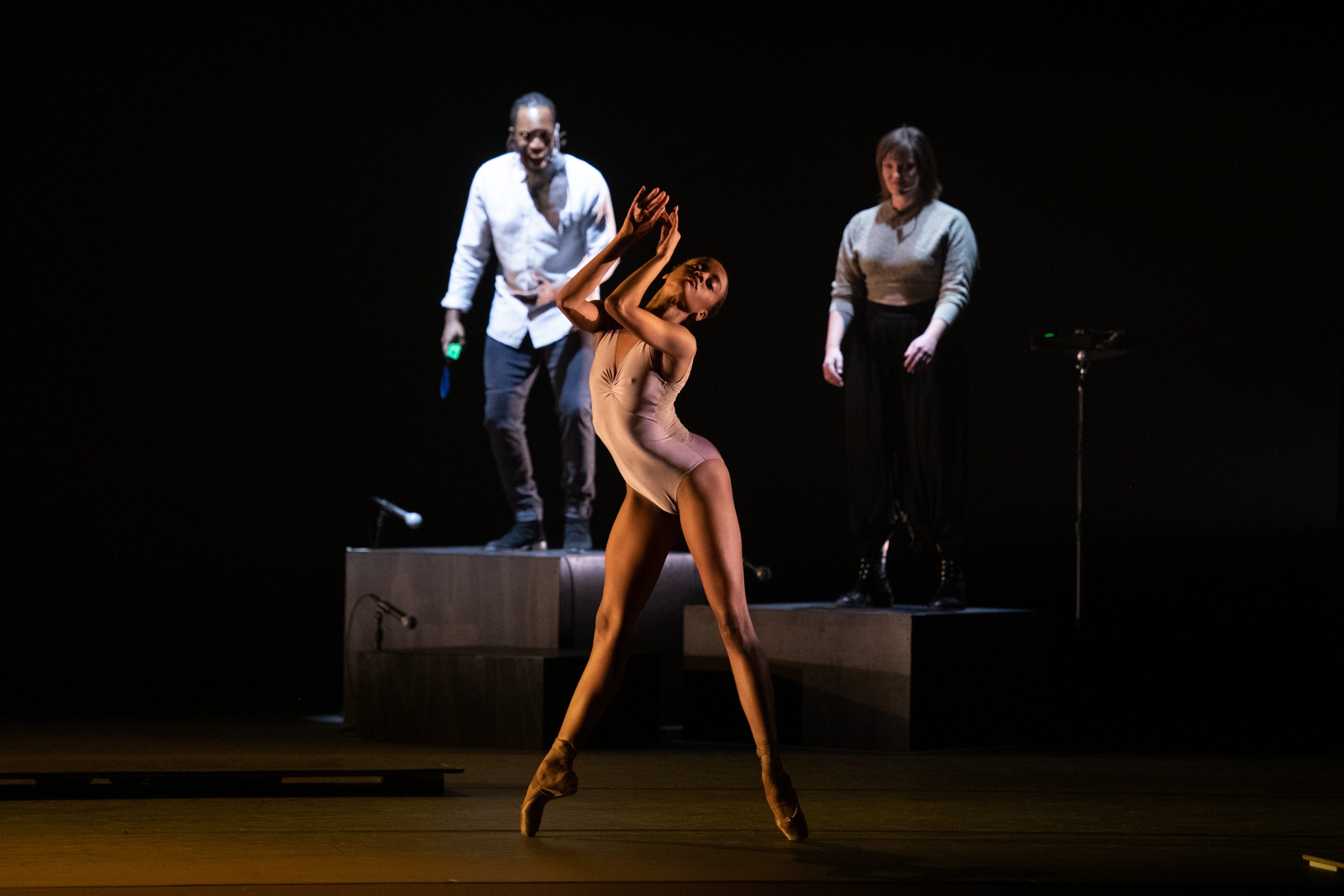
CB: So it’s sort of a safe space, even though it’s one of the world’s biggest stages. You also said, “Even if the reviews are bad, I like what I made.” That suggests a core sense of self that allows you to try things because your self-worth isn’t tied up in the outcome. That gives you a lot of freedom.
TP: I’m the hardest critic on myself. Do I think that there’s ever the perfect show or the perfect new work that I’m going to choreograph? No, it can always be better. But I could see what I did [with Concerto for Two Pianos], and I was so proud of the process that we had. I was impressed by the improvement of the dancers that I could see every single day. I felt like they grew just being in the ballet and getting to work in the studio together. I was just really, really excited to see them shine. I thought that they looked amazing.
CB: You also produce your own shows, like Turn It Out at New York City Center. What got you into this impresario role? What do you get out of doing it?
TP: As a dancer, your body’s the instrument for other people’s ideas or voices, right? They have the ideas, and then you show it through your body. For me, this show that I put together for City Center was the first time that every single thing in it was my idea—who I wanted to work with, the pieces were either made for me, by me, or on me, and the dancers I got to pick. I got to use my voice and put my ideas into a show. That’s why this show in particular means the most to me, because it’s the only time that’s ever happened to me, where I can say that every single thing came out of my head.
And I really love getting to watch dancers grow. Mira and India and Roman were some of my favorite dancers when they got into the New York City Ballet. They were in the corps, and I felt like they were such special dancers from the first time I saw them. And so Roman—I mean, now he’s my husband, but at the time there was none of that—I just really loved his dancing so much. He actually has been in every single ballet I’ve ever choreographed along the way, and India has been a lot too. Same with Mira [read Marina Harss’s insightful interview with Mira Nadon here]. And I’ve just so enjoyed getting to watch them. I like putting them into different, challenging things. And I think that’s what’s fun about the show—you get to see them doing classical ballet, but then they’re thrown into the Michelle Dorrance [piece] Time Spell, and they get to do things that you wouldn’t see them in at New York City Ballet.
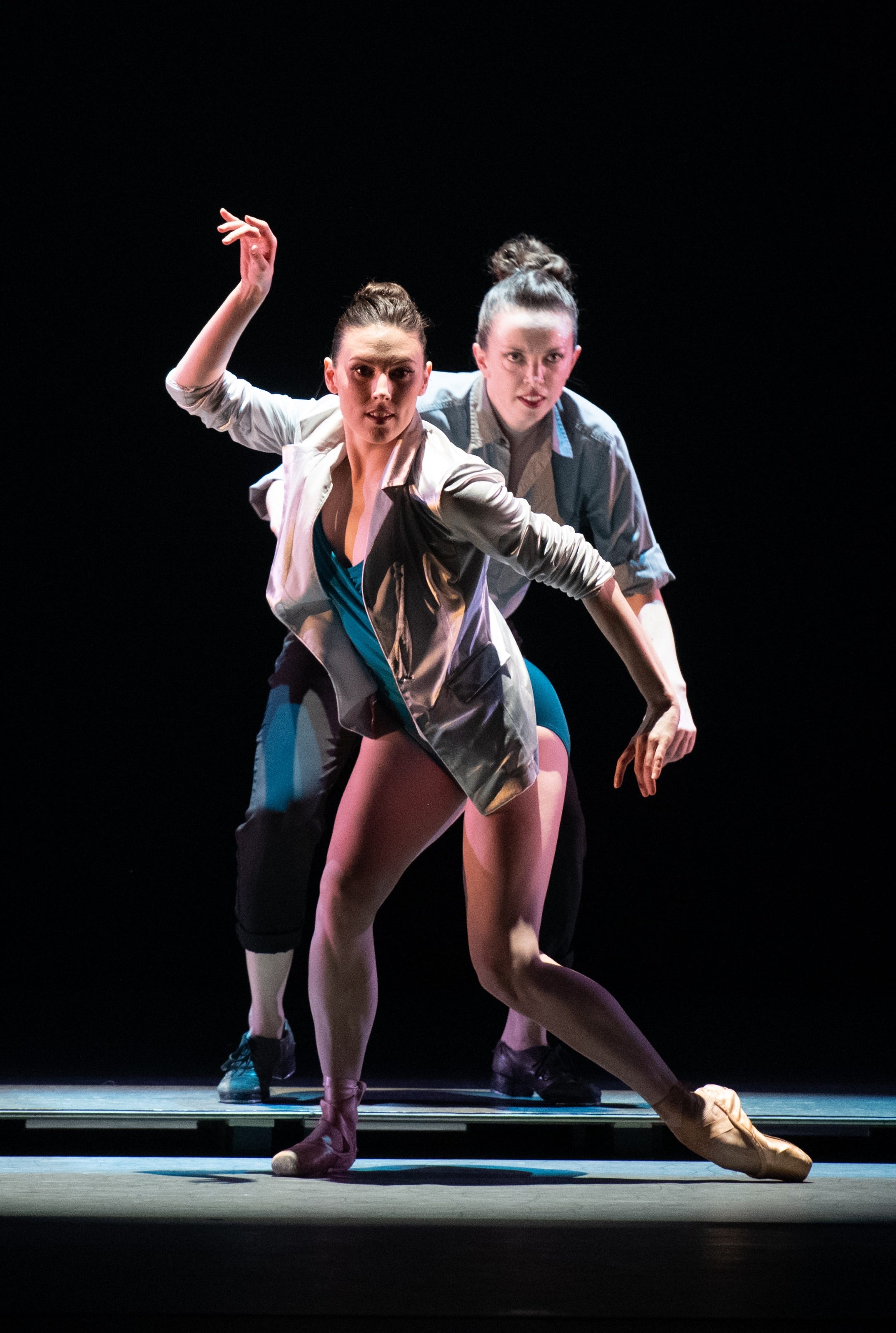
CB: I don’t know where you find the time to do all of these things, but I’m glad you do. These are all very different endeavors, and they require leadership and risk-taking. How do these pursuits help you grow?
TP: Well, it’s funny, because just because you’re a good dancer doesn’t necessarily make you a natural fit for being in the front of the room. I’ve learned that by being in the room with so many people I looked up to, and the fact that they can stand in the front of the room and feel uncomfortable, and you feel uncomfortable. One thing I learned is that I’m really okay being in front. One thing I feel like I can be proud of is the way I lead a room. I feel like there’s a lot of respect that I have for the dancers, and I can feel the respect from them for me. When there’s inspiration and respect, amazing things can happen from both sides. I’ve learned from the best, from knowing what I want to be like in the front and what I don’t want to be like, because I’ve had so many experiences. You really start growing as a person. And I’ve luckily had that by growing up in New York City Ballet.
CB: There is a deficit in female leadership in the ballet world. What resources do you think are needed for women to have more opportunities, and to feel more confident in trying new things?
TP: I definitely feel like it’s a confidence and security thing. And I think a lot of that comes from, we don’t use our voices during the day at all. We just say yes, and we do what we’re told, and that’s how it is. Ballet is so hard in itself, that to think of doing something else—I always felt like, I can’t choreograph because I can barely do what I do to get out onstage myself, like doing Swan Lake or doing Theme and Variations. How can I possibly be choreographing a ballet? I want to do everything to its fullest, and I would never want anything to suffer. I think it is a lot easier for men, in the sense that they’re not doing Odette/Odile. To have to put thirty minutes into a barre, then put pointe shoes on—for me, time was a big thing that always pushed me back from taking that chance.
But also, you need to see that people can do it. I always want to get the job—I always say this—but I never want to get it because I’m a woman. I want to get it because I’m the right person for the job. But I do think that it’s really important to notice how few women there are in leadership positions. I think that has come to the front more. But just because you’re a woman doesn’t necessarily mean you should have the job either, you know. It’s a fine balance, but I do believe that seeing somebody in those shoes can help make you feel like, oh, maybe I can do that too.
CB: Not everyone is going to be able to do it on the scale that you have, but I think everyone can find small opportunities, and those opportunities will expand their experience of life and work and dance.
TP: Exactly.
CB: Is there any advice that you would give to your younger self, or anything you wish you’d known earlier? That’s you thinking about yourself, but it’s also a message to other women in the field.
TP: There’s so many things I would say. I’m trying to think what I feel like is the most important. I guess I would say, don’t sell yourself short. Don’t think that there’s one way that everything is supposed to be. I feel like we can make our careers what we want them to be. And just because you may have a desire to try to choreograph or to put together a show, it doesn’t mean that that’s going to make you look less-than as a dancer. We start thinking, maybe if I start choreographing, they’ll view me like I don’t want to dance anymore. We get into our heads a little bit. So I would say the sky’s the limit, and you never know until you try.
Turn It Out with Tiler Peck & Friends runs Thursday, October 16, through Sunday, October, 19, at New York City Center. Follow Tiler Peck on Instagram:@tilerpeck
Comments
Nothing yet. Say the first thing.
Sign in to join the conversation.