

What strikes me more is that Jesus was not only the first ‘Christian’ refugee, but also that there is no evidence (in the Bible or the extra-biblical literature) that Jesus came back to his birthplace, not even for a visit.
I am part of a Palestinian family that found refuge in Jordan after being forced out of their homeland and their family home in Jaffa, Palestine, in 1948.
My grandparents fled from Jaffa after the sad massacre of Palestinians that happened in Deir Yassein. That massacre forced many families to leave their homes and belongings to escape a similar fate.
My grandparents left Jaffa with two little girls that were two and four years old (my aunts). My grandmother was also pregnant with my father and in her last days of pregnancy. She delivered my father in a small village called Abboud in the West Bank after a few days of walking out of Jaffa. She didn’t find a place to deliver him except the village’s public hall (AR. diwan). My father was practically born a refugee ‘on the road’ because there was no other option.
It strikes me that my father’s birth story resembles the gospel story of Jesus’ birth. The context is the same, the land is the same, and the human brutality is the same! Jesus was born in a manger because there was no other place to host the Holy family; he had to escape Herod’s massacre. What strikes me more is that Jesus was not only the first ‘Christian’ refugee, but also that there is no evidence (in the Bible or the extra-biblical literature) that Jesus came back to his birthplace, not even for a visit.
Going back home is a dream of every refugee, a home that is safe and stable. Hebrews 11: 13–16 gives me hope. People of faith who left their homeland, either by force or by choice, to follow God’s guidance are called for a better country. That doesn’t mean that Palestinians have to forget about their homeland, but they have to live their faith and hope as witnesses for Christ while waiting and longing.
Part of my ministry is among Iraqi Christian refugees who decided, after being forced out of their homes and homeland by ISIS in 2014, to emigrate to Western countries to establish a better future for their children. It is hard to convince them to return home with the present situation, my charge to them on their way to the airport: ‘God is calling you out of your land as he called Abraham in the Old Testament, to be blessed and a blessing to others as Abraham was.’
Lord Jesus, you experienced being a refugee. You had to flee from death and hostility. You have not returned home to your birthplace. You know the pain of refugees and their longing for their homelands and a better future.
I pray that you may bless all refugees, give them hope amid loss and sorrow. Bless them as they find comfort in you and believe in your justice. Make them a blessing wherever you want them to be. Guide and protect them in the power of your Holy Spirit.
Amen.
Rev. George Kopti, Palestinian Priest
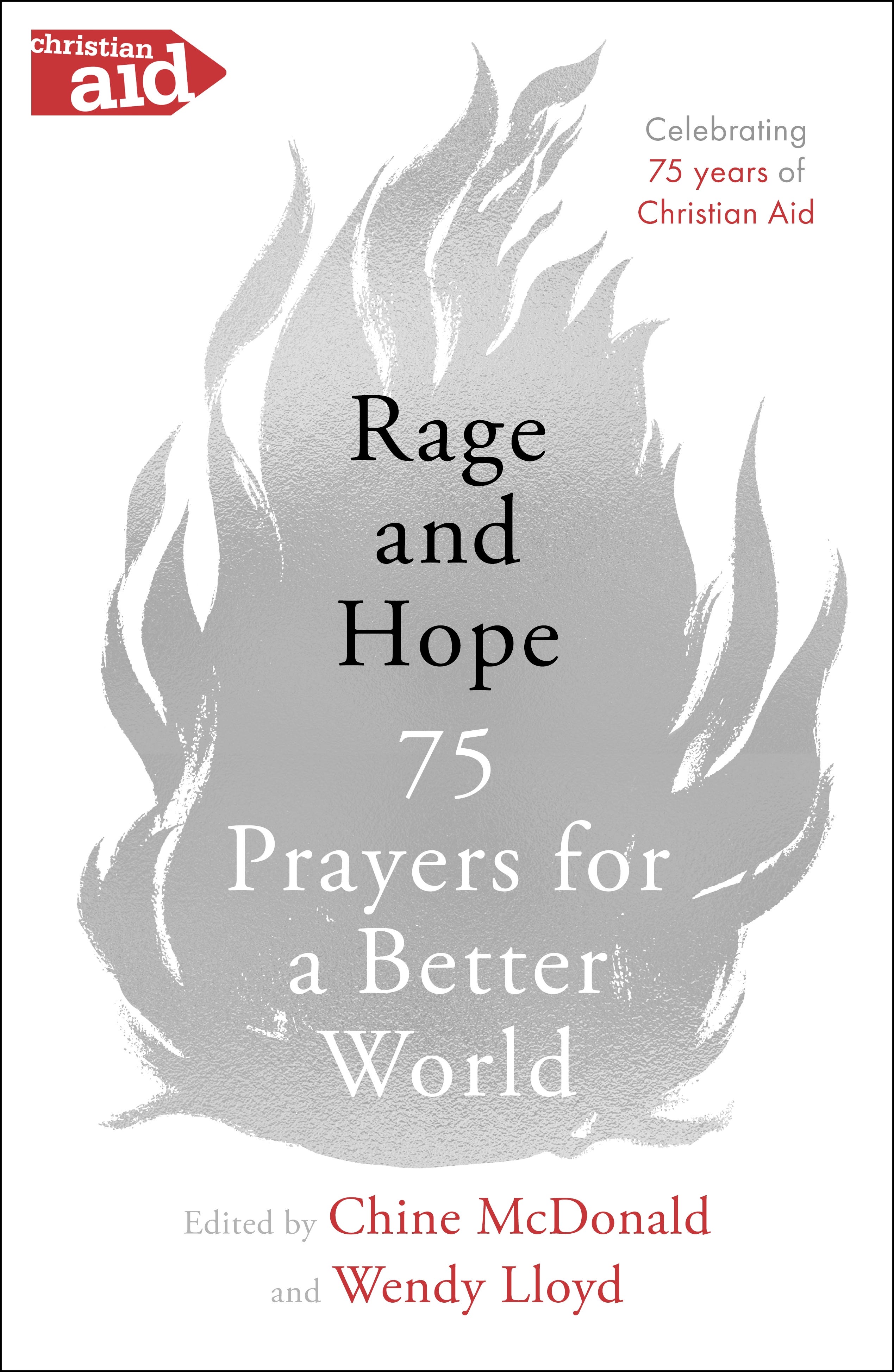
This is a prayer book like no other. Full of defiance and determination, it is an invitation to join Christian Aid and followers of Jesus around the world in a united chorus of Rage and Hope.
Bringing together voices from different contexts and cultures around the world, this is a collection of prayers of lament for the injustices of the world, and prayers of hope for the world we want to see.
Featuring contributions from Rowan Williams, Amanda Khozi Mukwashi, Rhidian Brook, Robert Beckford, John Bell, Rachel Treweek, Walter Brueggemann and many more, Rage and Hope offers defiant, inspiring Christian prayers for a better world.
With prayers for the poor, the sick, broken and the oppressed, you will find words for raging at the darkness and struggles in the world. And with prayers for healing and renewal, you will find words to kindle hope as we look towards a kingdom in which all things will be made new.
No posts
Comments
Nothing yet. Say the first thing.
Sign in to join the conversation.