
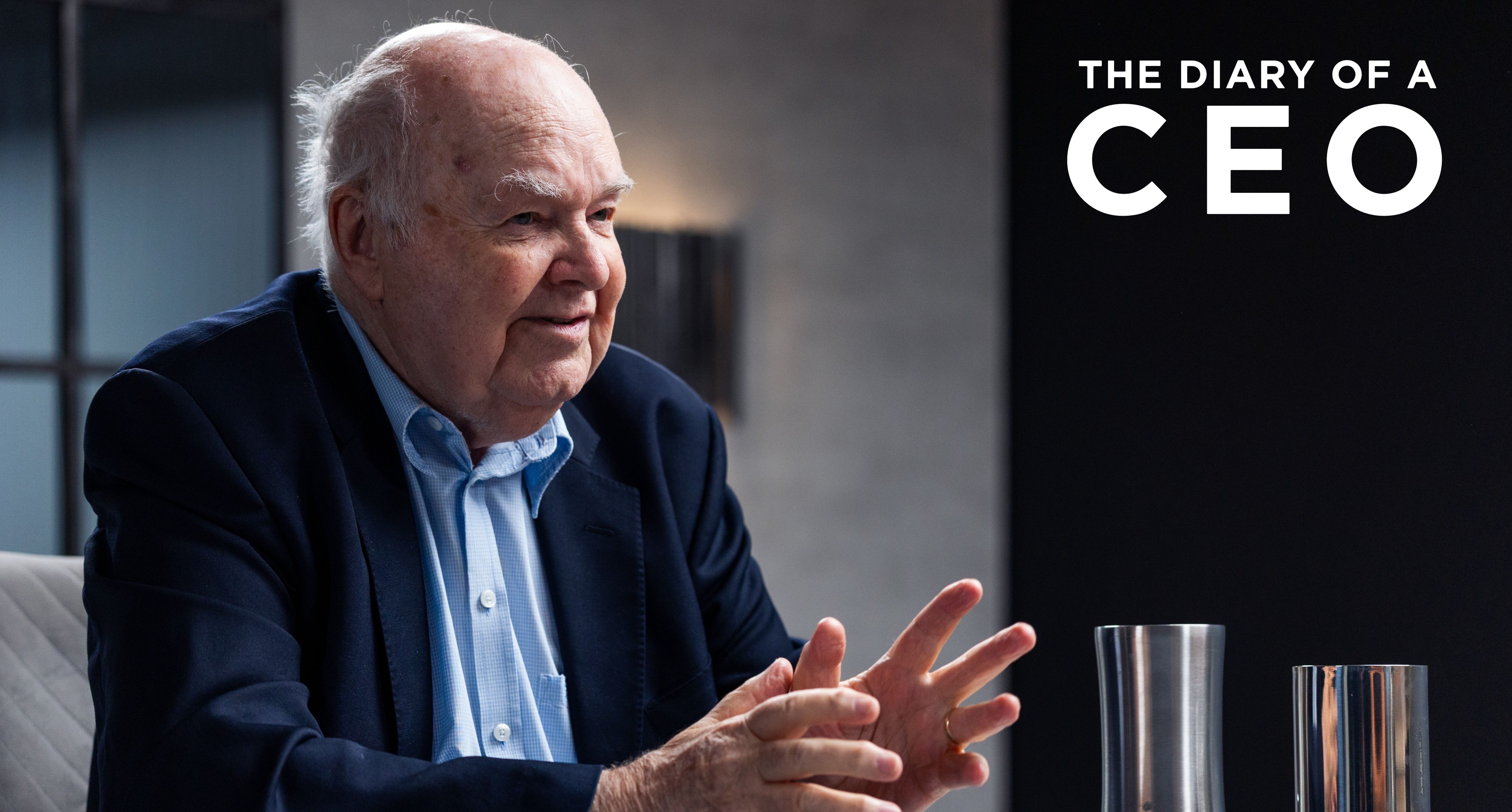
Science cannot solve the ultimate mystery of nature. And that is because, in the last analysis, we ourselves are part of nature and therefore part of the mystery we are trying to solve.
Nobel Laureate Max Planck
After the tour, in the lunchbreak, 500 or so scientists, mostly physicists, assembled in a lecture theatre to hear my talk on science and God. It was followed by a lively discussion, after which a professor of physics at Oxford came up to me. He told me affably that he had enjoyed the talk but had a question, since he had perceived (I wonder how?) that I was not only a theist but also a Christian: ‘As a Christian you are obliged to believe that Jesus was not only man but also God, are you not?
I agreed.
‘So how can you possibly maintain that belief credibly as a scientist in the twenty-first century? Can you explain it to me?’
‘Yes,’ I said, ‘but may I ask you a simpler question first of all?’
He nodded. ‘Fine.’ ‘What is consciousness?’
Silence. Then he said: ‘I don’t know.’
‘All right,’ I replied. ‘Let’s try something even simpler: what is energy?’
‘Well,’ he responded, ‘we can measure it and use it . . .’
‘Yes, but that’s not my question, as I think you know. What is it?’
A longer silence. ‘I don’t know’, he said.
‘Good,’ I replied. ‘At least you agree with Physics Nobel Prize winner Richard Feynman.’ I smiled and pushed on. ‘Now, tell me if you believe in consciousness and energy.’
‘Yes, of course.’
‘And you don’t know what they are? That’s interesting. Should I therefore write you off as a physicist?’

‘Please don’t,’ he replied.
‘Yet,’ I said, ‘I think you were thinking of writing me off when you suspected I could not give you the kind of explanation you would like of the nature of Christ as God incarnate, simultaneously man and God. If neither of us can give that kind of explanation for what are arguably much simpler things, such as energy and consciousness, it is surely obvious that the dual nature of Christ is way beyond us.
‘However, there is more to be said,’ I continued. ‘Let me now ask why you believe in consciousness and energy when you cannot explain them?’
He was unsure what to say, so I suggested that it might be because these concepts help to hold together a number of important ideas that we find useful in understanding our world to a certain extent.
‘In any case,’ I said, ‘I use this approach in thinking about the nature of Christ and God. I can’t of course explain it in scientific terms, whatever that might mean, but I find that accepting that Christ was both fully human and fully God is the only rational way to make sense of all the other evidence about him that is available.’
‘I think we should talk some more,’ he said.
We did.
I mention this incident because it illustrates the fact that we do not need to think, as some people do, that Christians have to be able to answer every question. No one can. There are many mysteries, even in the natural world, where no satisfactory explanation is forthcoming. One of the founders of quantum mechanics, Nobel laureate Max Planck, wrote: ‘science cannot solve the ultimate mystery of nature. And that is because, in the last analysis, we ourselves are part of nature and therefore part of the mystery we are trying to solve.’1
Unsurprisingly, therefore, there are even greater mysteries when it comes to God, as the New Testament itself says.2 We must recognise the limitations of our humanity and humbly accept them.
You’ve heard him on the Diary of a CEO Podcast… now go deeper. 🎙️
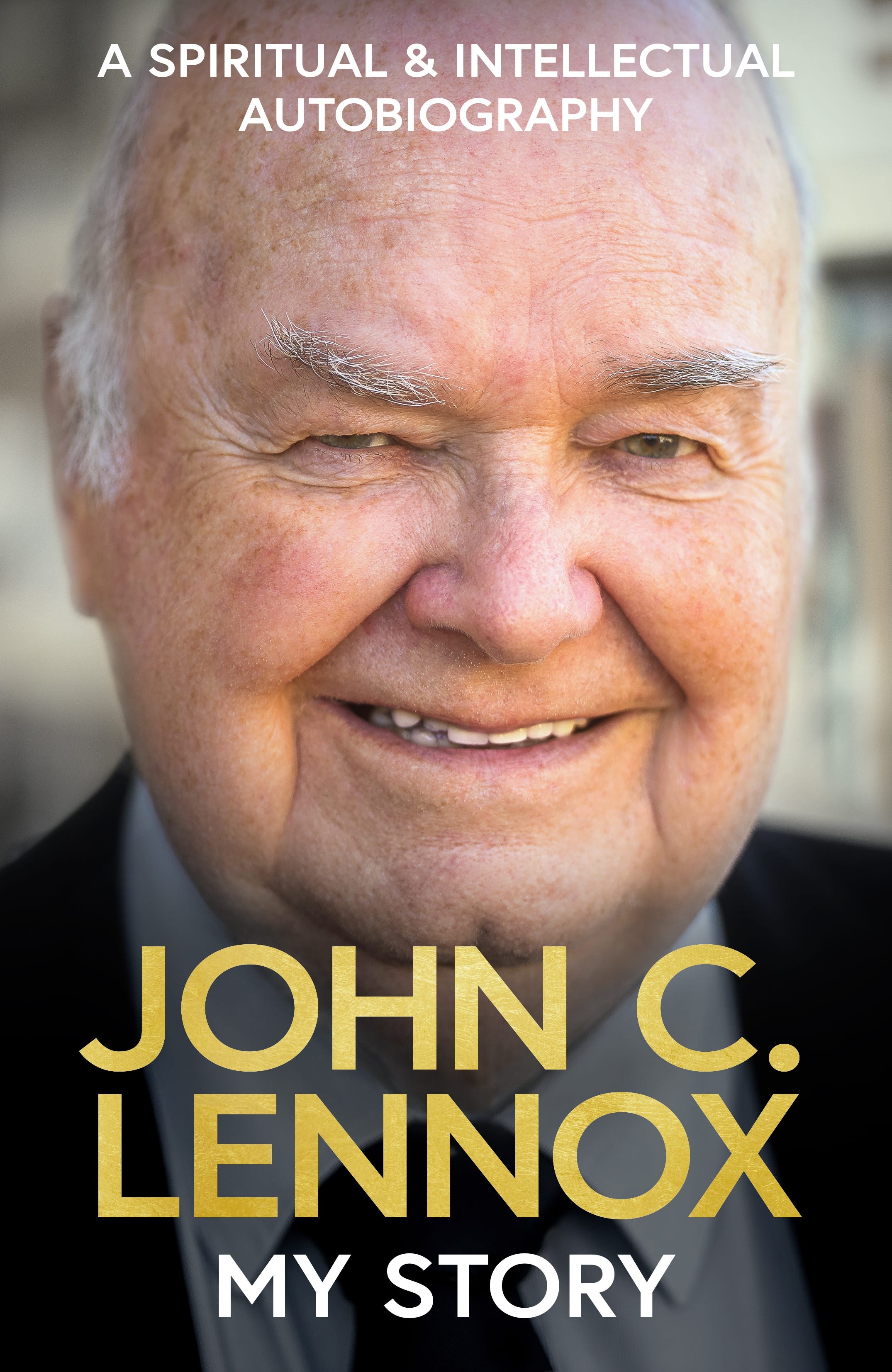
John C. Lennox is widely regarded as one of the greatest Christian apologists of modern times, having devoted a lifetime to showing how faith in God and faith in reason can stand together.
In My Story, he invites readers into his remarkable journey: growing up in Northern Ireland, studying at Oxford and Cambridge, teaching mathematics at the highest level, and boldly defending the Christian faith in lecture halls, debates and the public square for more than sixty years.
With warmth, wit and disarming honesty, Lennox reflects on the ideas, people and pivotal moments that shaped his life — from the hunger for Bibles in Soviet Russia to encounters with Richard Dawkins and Christopher Hitchens, to his ongoing belief that rigorous science and deep faith are not enemies but allies.
Part memoir, part intellectual adventure, My Story is a must-read for anyone curious how a brilliant mathematical mind can hold fast to the gospel — and how one man’s faith has helped millions find a reason to believe in an age of doubt.
Max Planck, Where Is Science Going? (New York, NY: W. W. Norton & Co., 1932), p, 217.
No posts
Comments
Nothing yet. Say the first thing.
Sign in to join the conversation.